REVIEW · BARCELONA
Barcelona: The Spanish Civil War Historical Walking Tour
Book on GetYourGuide →Operated by Nostos Tours · Bookable on GetYourGuide
Spanish Civil War facts usually stay in books. Here they come to life on Barcelona streets. I love how the tour connects the ideology fight to real corners of the city, not just names and dates. I also love the way guides like Javier and Chrisa explain complicated factions clearly, using pictures to keep the story moving.
You get an honest, street-level look at the unspoken side of Spain’s 20th century—fascists, loyalists, anarchists, and the long shadow after the war and Franco’s dictatorship. The walk also calls out where George Orwell mentions Barcelona in Homage to Catalonia, which turns literature into a map you can actually follow.
One possible drawback: this is heavy material. It is not advised for children, and you should expect politics, war, and dictatorship themes in full view.
In This Review
- Key highlights you will remember
- Entering the Gothic Quarter’s wartime map
- Why this tour beats the usual Barcelona facade
- The factions lesson: fascists, loyalists, anarchists, and why it was messy
- Or it was not all Spanish: Hitler, Mussolini, and the International Brigades
- Orwell’s Homage to Catalonia: literature turned into street-level context
- Women, politics, and the roles that history often skips
- The Catholic Church, Franco’s dictatorship, and how Spain remembers
- Price and logistics: what $46 buys (and what to plan for)
- Guide quality is the real differentiator (and it shows)
- Who should book this Civil War walking tour
- Should you book it?
- FAQ
- Where does the tour start?
- How long is the tour?
- What does it cost?
- Is the tour in English?
- Does it run in bad weather?
- Is there any extra fee for wireless equipment?
- Where does the tour finish?
- Is it suitable for children?
- What is the cancellation policy?
- Is the tour wheelchair accessible?
Key highlights you will remember
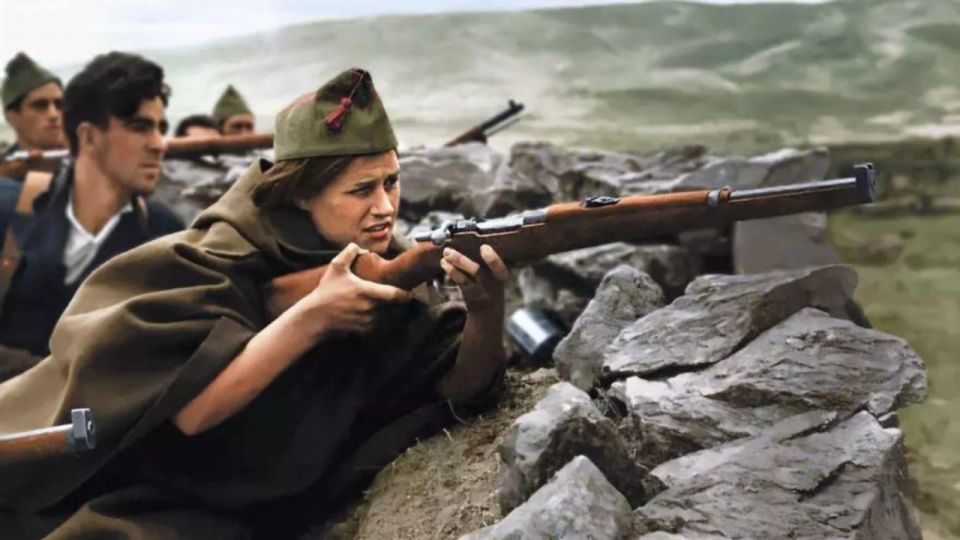
- Secret-history streets: you move beyond Barcelona’s postcard facade and into the city’s wartime scars
- Factions made understandable: fascists, loyalists, anarchists, and how their motivations clashed
- Orwell’s Barcelona on foot: places referenced in Homage to Catalonia help anchor the story
- Wireless guide sound: you may use a wireless system with a small extra fee
- Memory and aftermath: what Spain did next, and how it deals with this past now
Entering the Gothic Quarter’s wartime map
Your tour starts at Plaça de Catalunya, right in the middle of Barcelona’s everyday flow (on the sidewalk in front of Foot Locker). Your guide will be easy to spot with a white umbrella, and that matters here because once you begin, the whole point is to keep the story tied to place.
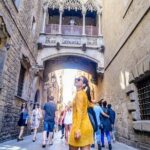
From that starting point, the tour builds toward the Gothic Quarter, where the guide helps you read the city like a historical document. I like that the experience does not feel like a museum lecture. You are moving through real neighborhoods, and the guide keeps pulling you back to one question: how did the Spanish Civil War change ordinary life, street by street?
Expect a mix of walking and stopping. It is not a nonstop march. You will cover ground, then pause for the guide to explain what you are looking at and why it mattered. That pacing keeps it doable even if you are not used to city walking tours, but you still need comfortable shoes because you will be standing during explanations.
You can also read our reviews of more walking tours in Barcelona

Why this tour beats the usual Barcelona facade
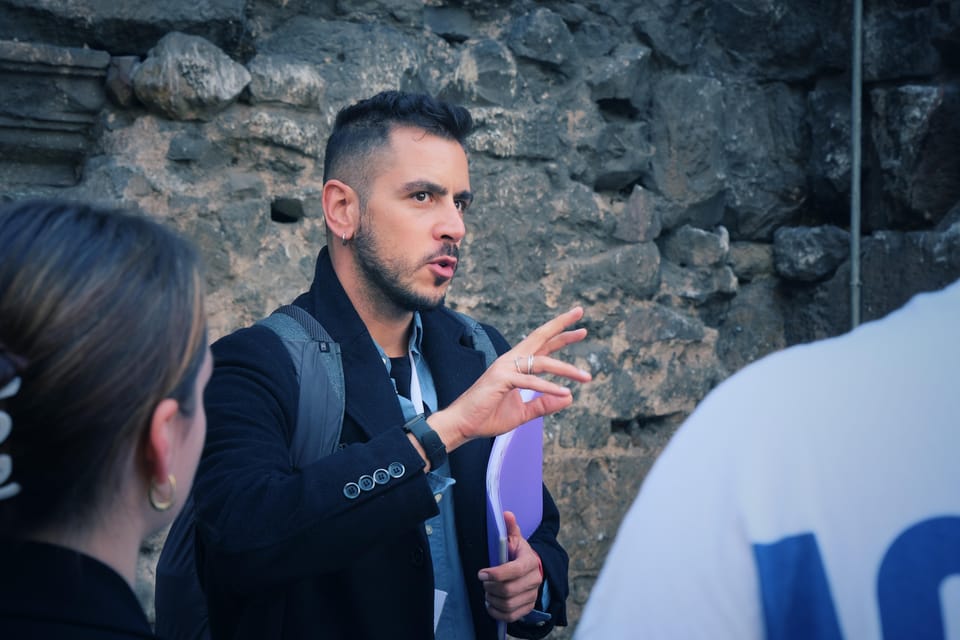
Barcelona can be all architecture and sunny viewpoints, but this experience is built for people who want the other layer. You are shown how political ideologies battled for the future of Spain, and how those ideas played out locally—especially in a region that faced the conflict differently than other parts of the country.
I love that the tour leans into the idea that this history is not sitting neatly inside a gift-shop museum. The content points out that there are virtually no official memorials for everything you will learn, so the streets themselves become the “exhibit.” That is why the guide uses stories, context, and pictures—so you do not just see old streets, you understand what happened there.
A practical bonus: once you learn the framework on this walk, your future sightseeing in Barcelona makes more sense. You start noticing divisions in the city’s social and political past instead of treating everything as timeless background.
The factions lesson: fascists, loyalists, anarchists, and why it was messy
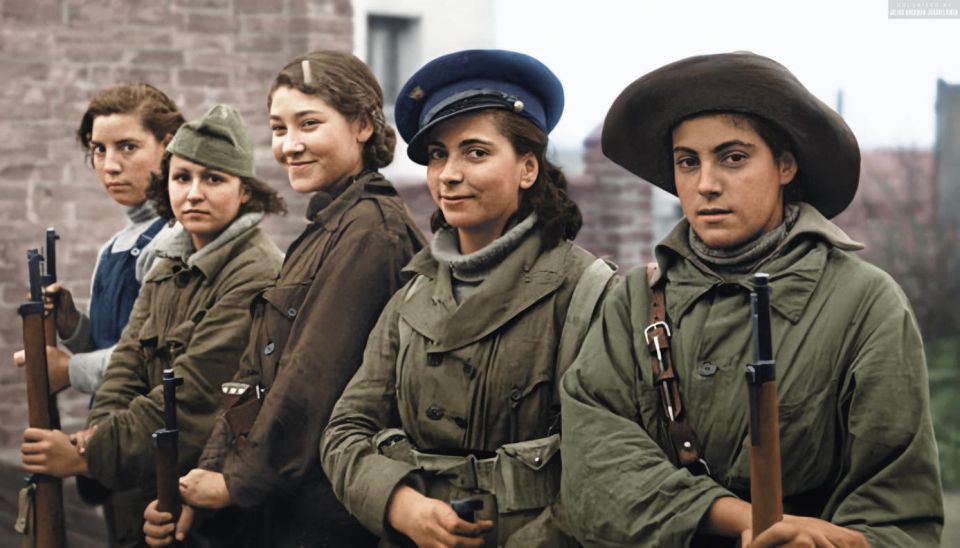
Spanish Civil War history gets confusing fast, even if you have read a book. This tour handles the mess by giving you motivations first, then letting the timeline make sense.
Your guide untangles the competing factions and ideologies in a way that feels built for real humans, not just exam answers. You will hear how the war divided a country, then you will connect that division to the longer dictatorship that followed—less than 50 years ago, which hits differently when you remember that the people who lived through it are still part of living memory.
One reviewer who had lived in Barcelona decades earlier described learning new things while tying the story to the city’s social dynamics. That is exactly the point of this “walking classroom” format. You get context, then you see how the context fits the streets.
Also, guides vary, but the consistent strength across the experience is structure. People mention that the guides keep checking that the group is following along. If your background is light, that matters. If your background is strong, you still get value because the guide organizes the chaos into something you can hold.
Or it was not all Spanish: Hitler, Mussolini, and the International Brigades
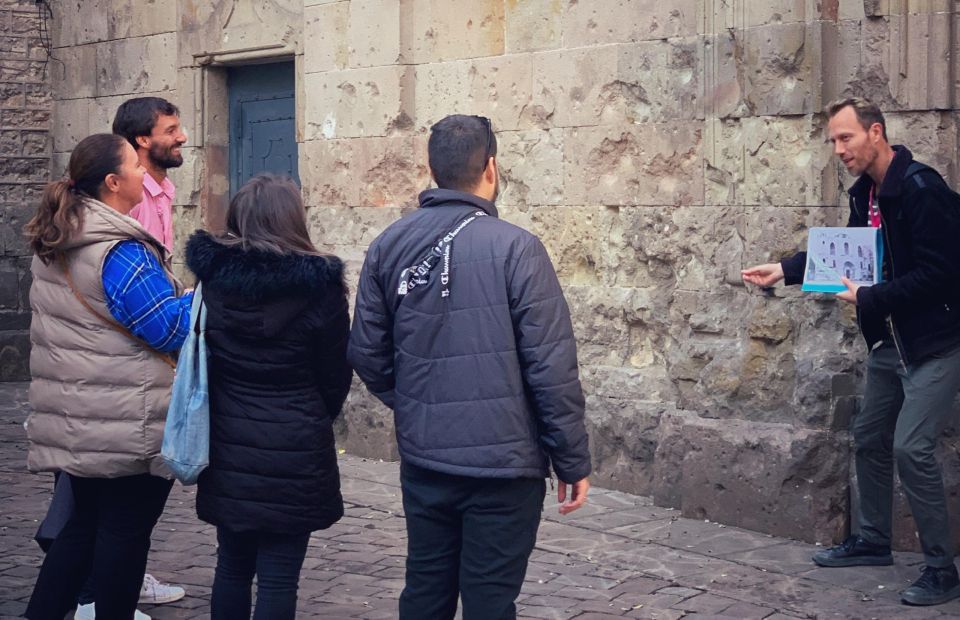
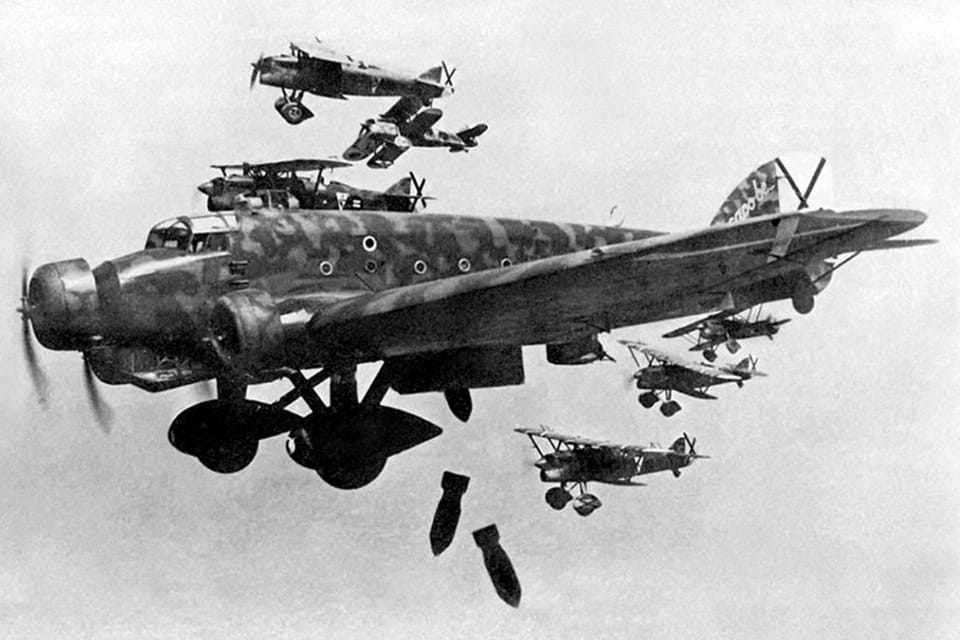
The Spanish Civil War was local, but it was never only local. As you walk, you will connect the conflict to the role of Hitler and Mussolini and to how outside forces influenced what happened on the ground.
You will also hear about the International Brigades—who they were and why volunteers chose this fight. This is useful because it turns the conflict from a Spain-only tragedy into a major early test of ideology across Europe.
The tour also covers how Western powers responded, including the response of the Western Allies to the war and to Franco’s dictatorship. That part is often skimmed in casual overviews, but here it becomes a thread you can follow: choices made abroad shaped outcomes at home.
The net effect for you: you leave with a clearer sense of how Europe’s politics of the 1930s spilled into Spanish streets—and how that international echo still shapes today’s conversations about democracy, authoritarianism, and rights.
Orwell’s Homage to Catalonia: literature turned into street-level context
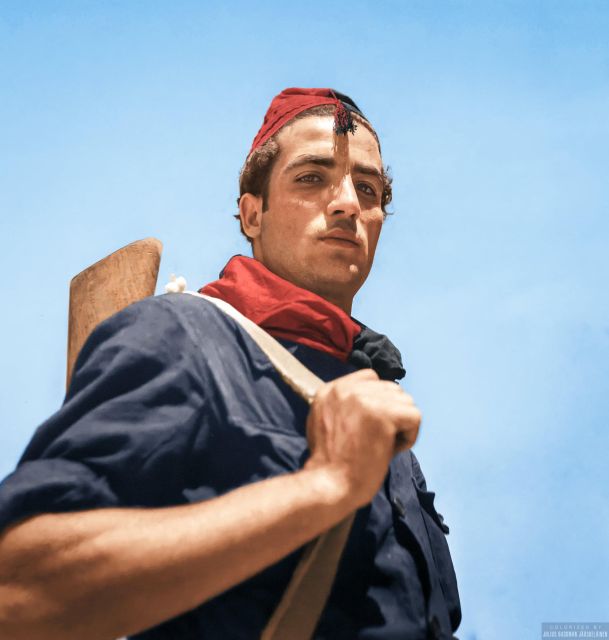
One of the most distinctive claims of this tour is that you see places George Orwell mentions in Homage to Catalonia. Even if you have never read the book cover to cover, the experience works because the guide uses Orwell as a navigation tool for understanding what outsiders observed.
This is not about treating Orwell as a celebrity name-drop. It becomes a way to ground the war in lived observation: what could be seen, what could be misunderstood, and what observers recorded while trying to make sense of a revolution and a civil war at the same time.
I like this angle because it also helps you understand why Barcelona became so symbolic. The city is not just a backdrop. It becomes a stage where political ideals, propaganda, and everyday survival overlap.
You can also read our reviews of more historical tours in Barcelona
Women, politics, and the roles that history often skips
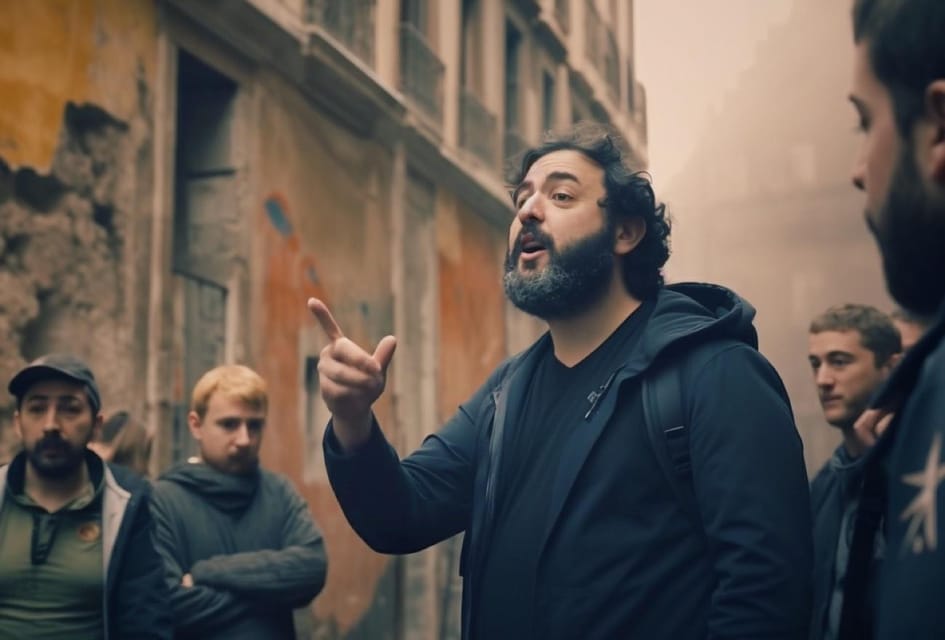
Another standout theme is that the guides do not only talk about generals and governments. You may hear discussion of women’s politics in the Second Republic and during the Spanish Civil War, including references to groups like Mujeres Libres.
That matters for your understanding because the revolution and the war affected more than just who held power. It shaped labor, organizing, daily freedoms, and constraints—especially for people whose names do not always show up in the standard headline version of events.
If you care about how political ideology shows up in real life, this part gives you a fuller picture. It also makes the tour feel less like a single-note history lecture and more like a human story with multiple viewpoints.
The Catholic Church, Franco’s dictatorship, and how Spain remembers
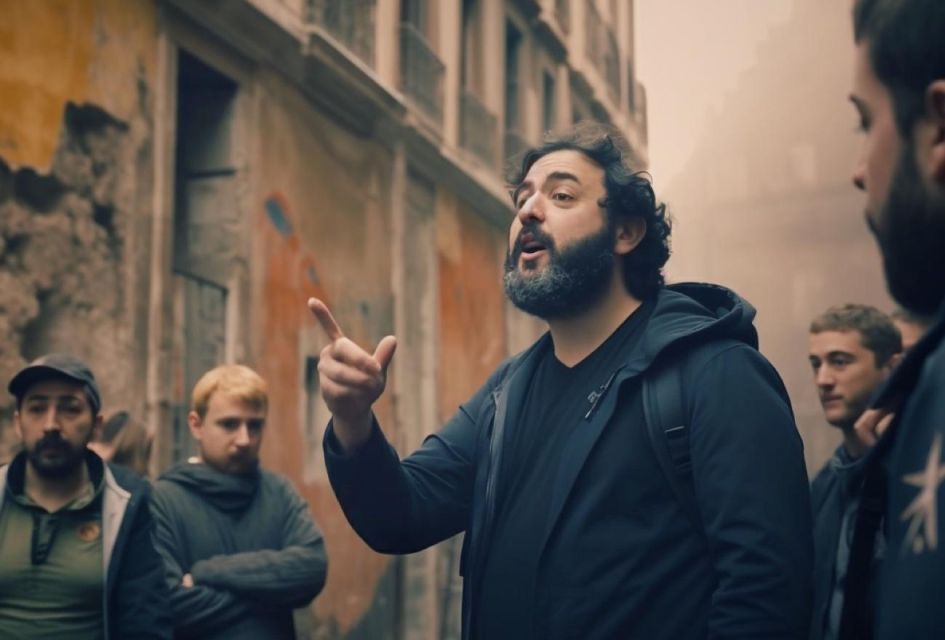
The tour also addresses the role of the Catholic Church—how it intersected with political power, and how religious institutions related to the conflict.
Then it moves into the aftermath: why Franco’s regime lasted, what it meant for Spain, and why the end of the dictatorship still feels recent. If you have ever wondered why modern debates can seem heated in Spain around this era, this part explains the “why” behind the emotional weight.
Finally, you will get a look at how Spain deals with this period of history now. That can mean the difference between learning the facts and understanding the long-term consequences—how the past becomes policy, public memory, and social tension.
This is one of those tours where the explanations are designed to feel balanced, not partisan. You are meant to understand the competing forces, not just adopt a single label.
Price and logistics: what $46 buys (and what to plan for)
At $46 per person for about 2.5 hours, this tour sits in a “good value” sweet spot if you want history with real place-based context. You are paying mainly for a professional guide and their storytelling structure, plus the advantage of learning from streets rather than paying to enter separate sites.
Two small planning notes can help:
- You may use wireless tour guiding. There is an extra cost of 1€ per person, usually collected at the beginning, and it can be paid by card or cash. This is handy in a noisy city, and it helps your listening quality.
- The tour runs rain or shine. In winter, you can end up standing in the cold for pauses, so pack layers and plan for weather. One calm truth from real experience: January cold in a city can feel sharper than you expect.
If you are deciding between this walk and another Barcelona attraction, think about what you want from the trip. If you want entertainment, pick a museum day. If you want context that makes the city—and Spain—make more sense, this tour earns its time fast.
Guide quality is the real differentiator (and it shows)
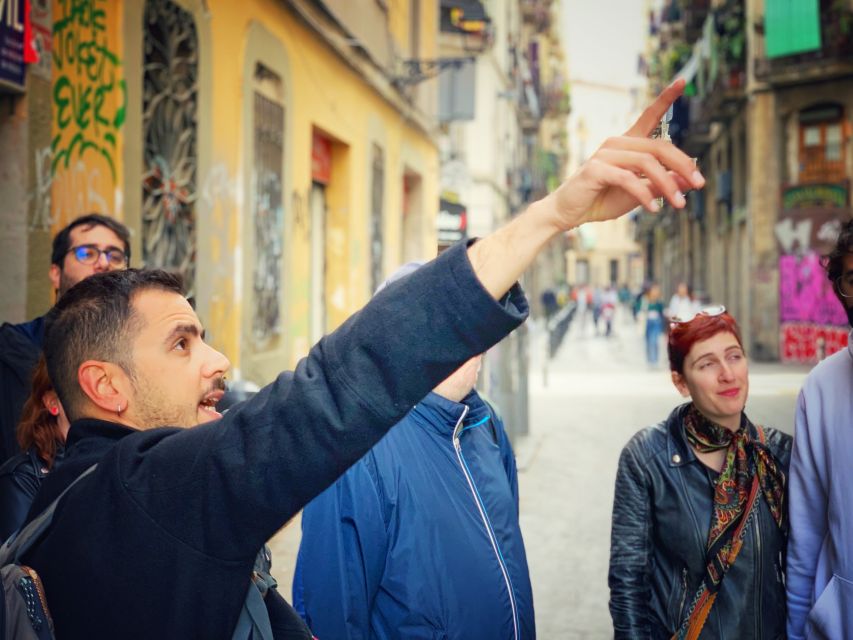
What stands out across guide names—Javier, Chrisa, Yannis/Yanis, Henrieta, Filipa, Evan—is consistent clarity and strong command of the subject. People describe guides as passionate and able to handle hard questions without turning the tour into a shouting match.
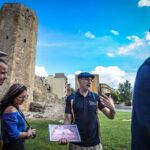
I especially like when a guide uses pictures to support points. It makes complicated events easier to track, and it reduces the risk that you get lost in the names. When a topic is politically charged, that kind of structure also helps keep the experience fair-minded and readable.
Another recurring detail: guides make time for questions. That is not just polite behavior; it directly improves your learning. If you have a specific angle you care about—International Brigades, the Allies, church involvement, women’s organizing—you can usually ask and get a real answer.
Who should book this Civil War walking tour
This is a strong fit if you:
- like history that connects politics to daily life
- want something more real than the usual Barcelona brochure route
- enjoy learning in context, not just from plaques
It may be less ideal if you want a relaxed sightseeing day. This is a walking tour built for understanding a tragic period, and the themes are not light.
If you can handle mature topics, you will likely feel the tour is worth it quickly—especially because it explains why the conflict happened and what it led to afterward.
Should you book it?
Yes, if your goal is to understand Barcelona and Spain with depth. This tour gives you the “missing chapter” most first-time visitors never see: how ideological conflict played out in the city, what outside forces did, and why the past still matters.
I would book it sooner rather than later in your trip. You will get more out of everything after, because the guide’s framework makes other sites feel less random.
If you dislike heavy history or need a kid-friendly outing, choose a different activity. But if you are curious, open-minded, and ready for a story with real stakes, this is one of the most meaningful ways to spend 2.5 hours in Barcelona.
FAQ
Where does the tour start?
You meet on the sidewalk in front of Foot Locker on Plaça de Catalunya. Your guide will be holding a white umbrella.
How long is the tour?
The tour lasts about 2.5 hours.
What does it cost?
It costs $46 per person.
Is the tour in English?
Yes, the live tour guide is in English, and there is also an optional audio guide in English.
Does it run in bad weather?
Yes. The tour takes place rain or shine.
Is there any extra fee for wireless equipment?
There may be an additional cost of 1€ per person for wireless tour guiding systems collected at the beginning. It can be paid by card or cash.
Where does the tour finish?
The tour finishes after about 2.5 hours in the middle of the Gothic Quarter near Barcelona city hall.
Is it suitable for children?
It is not advised for children due to the political subjects, war, and dictatorship themes, though children are allowed to join.
What is the cancellation policy?
You can cancel up to 24 hours in advance for a full refund.
Is the tour wheelchair accessible?
Yes, the tour is wheelchair accessible.