REVIEW · BARCELONA
Barcelona: Old Town and Gothic Quarter Walking Tour
Book on GetYourGuide →Operated by In Out Barcelona Tours · Bookable on GetYourGuide
Roman walls and Gothic streets in one walk. This Old Town and Gothic Quarter tour strings together Plaça de Sant Jaume and Barcelona’s medieval core, with English/Spanish guides who keep the story moving (and people often mention guides like Alba and Omid for pacing and personality).
I love how you get both monuments and street life. La Rambla’s flower stalls and entertainers lead right into La Boqueria, where 300+ stalls make local food and daily routines part of the same walking story—not an afterthought.
One thing to plan for: it’s a walking route with tight streets, and La Rambla/market areas can get busy. Also, luggage or large bags aren’t allowed, so wear comfortable shoes and pack light.
In This Review
- Key things I’d bet on before you book
- Starting at Plaça de Sant Jaume: where Barcelona’s power began
- Roman Barcelona: walking the best-preserved wall you’ll see on this trip
- Plaça del Rei and Palau Reial: medieval power in the open air
- Barcelona Cathedral and Santa Maria del Mar: the Gothic contrast that matters
- La Rambla and El Born: the streets between the landmarks
- La Boqueria Market: 300+ stalls, and why your guide’s role matters
- “Small group” is not marketing fluff here
- Practical tips before you set out
- Should you book this Barcelona Old Town and Gothic Quarter walk?
- FAQ
- How long is the tour?
- How much does it cost?
- What language is the guide?
- Where does the tour start and end?
- What should I bring or wear?
- Is the group large?
Key things I’d bet on before you book
- Plaça de Sant Jaume as your starting “map” for Roman Barcelona
- Roman walls and bath-area stories that turn ruins into daily life
- Plaça del Rei and Palau Reial links political power to Columbus’s welcome
- Barcelona Cathedral plus Santa Maria del Mar for Catalan Gothic architecture
- La Rambla to El Born atmosphere, with cafes and boutique streets in between
- La Boqueria Market with 300+ stalls, guided so you know what to look for
Starting at Plaça de Sant Jaume: where Barcelona’s power began
The tour kicks off at Plaça de Sant Jaume, a place you can’t really understand Barcelona without. This square stayed central for Catalonia’s political life for over 2,000 years, even as the city changed around it. Your guide sets the scene so you notice details you’d normally walk past.
What helps a lot is the way the tour frames the geography. Instead of treating each stop like a random postcard, you’ll learn how Roman Barcelona’s political footprint became a medieval center—same spot, different rulers, new meanings layered onto old stone.
You’ll also get a strong orientation for the walk ahead. After you hear about the Roman Forum’s location here, the rest of the route starts to feel like a connected circuit rather than a checklist. That’s the real value of a guided route in the Gothic Quarter: you’re not just seeing. You’re understanding where you are and why it mattered.
You can also read our reviews of more walking tours in Barcelona


Roman Barcelona: walking the best-preserved wall you’ll see on this trip
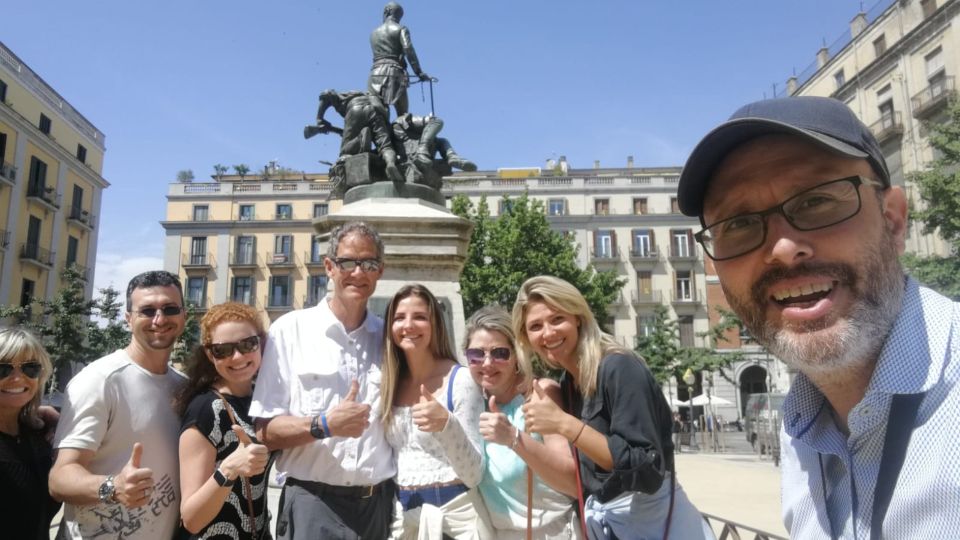
One of the tour’s standout “wait, what is that?” moments is the Roman wall stretch you’ll walk along. You’re told it’s among the best-preserved Roman walls in the world, and that claim makes sense once you’re standing near it. You can practically read time in the stone.
You’ll also hear stories tied to Pati Llimona’s Roman baths—how people lived, not just what emperors did. This is where the tour can be especially useful for first-timers. If you tend to glaze over at ruins, the guide style matters. Many people specifically praise guides (including names like Nilo and Steven) for keeping the history practical and understandable, with enough humor and interaction to keep your attention.
If you’re traveling with kids old enough for walking and stories, this part is often a hit because it’s “what would daily life be like here?” not just dates. And if you’re a history person, you’ll appreciate that the tour doesn’t jump straight from Roman to Gothic without filling the gap.
Plaça del Rei and Palau Reial: medieval power in the open air
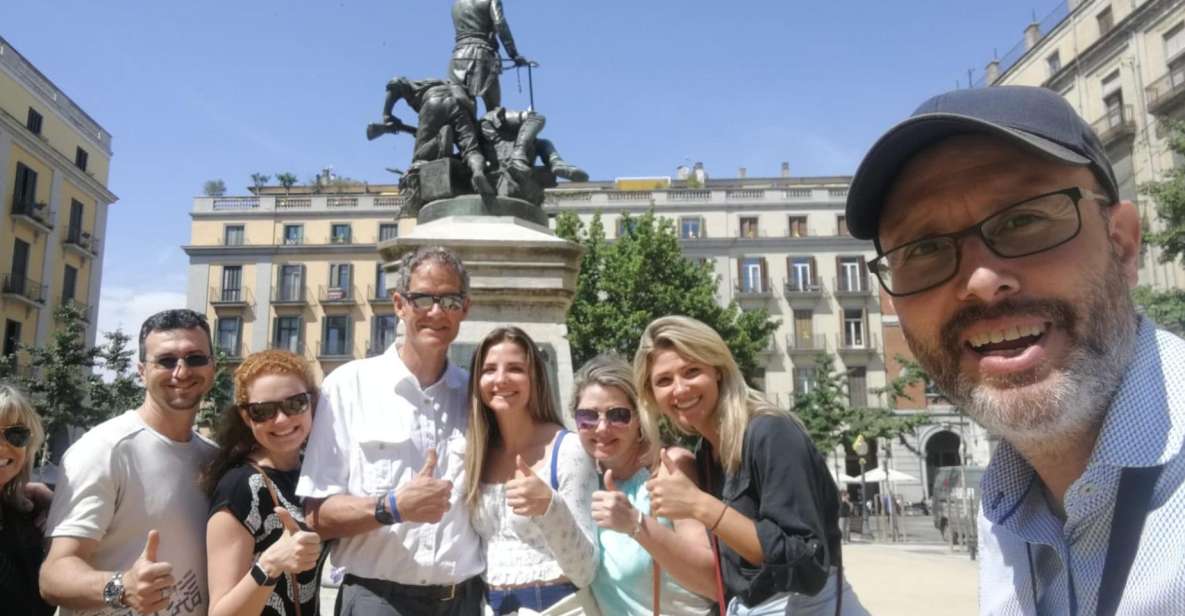
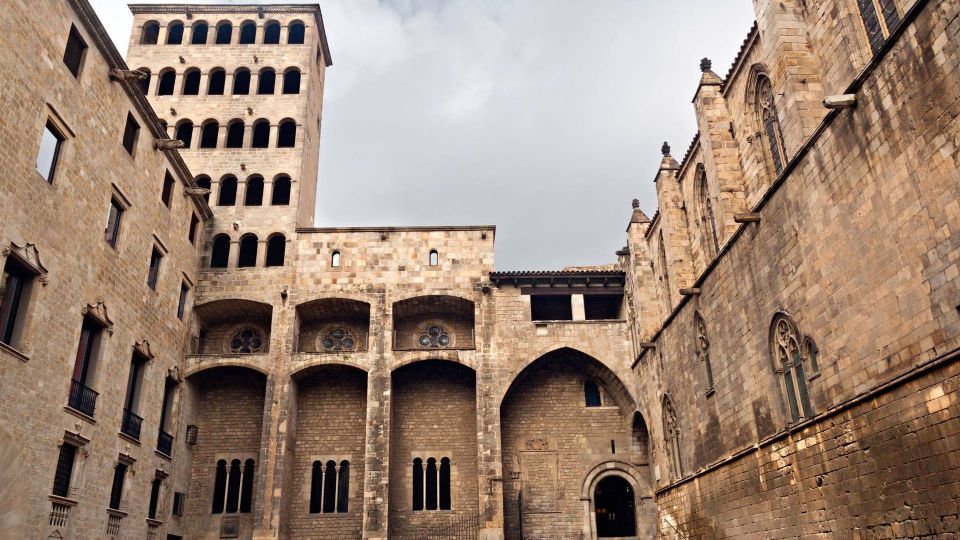
Next comes the Gothic Quarter’s political spine: Plaça del Rei. This is the kind of place where the architecture feels official—because it was. You’ll see the Palace of the Viceroy and the Palau Reial, both tied to major moments in Catalan and Spanish leadership.
One detail that tends to stick is the story of Christopher Columbus. You’ll learn how he was welcomed by the Catholic Monarchs after his voyage to the Americas—an early-modern drama connected to a very medieval setting. It’s a reminder that Barcelona’s “old streets” weren’t just background. They were part of the big European story.
What I like here is the balance. Your guide should connect the buildings to the people who used them. If you’re the type who wants context behind the photos, this stop is built for you. You’ll also get a better sense of why the Gothic Quarter is so visually dense: power centers don’t tend to be subtle.
Barcelona Cathedral and Santa Maria del Mar: the Gothic contrast that matters
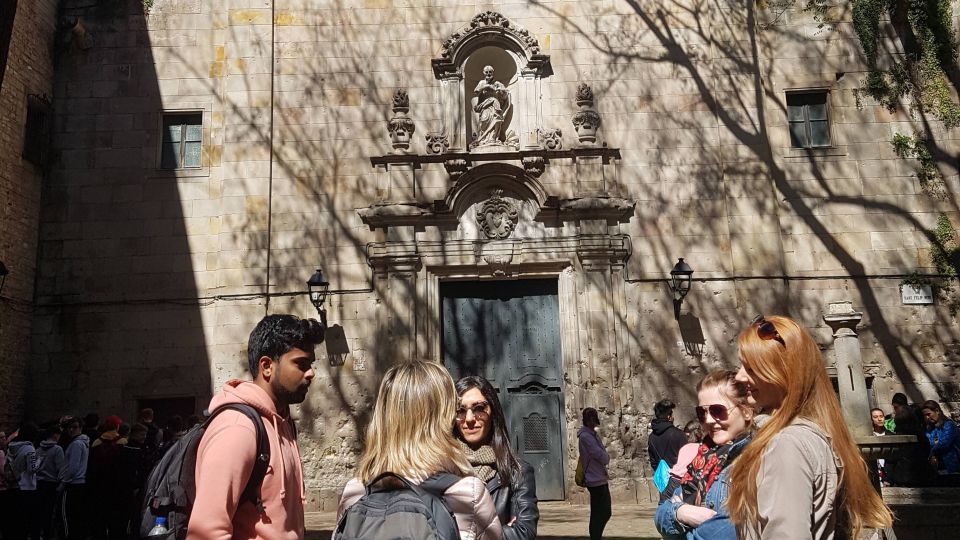
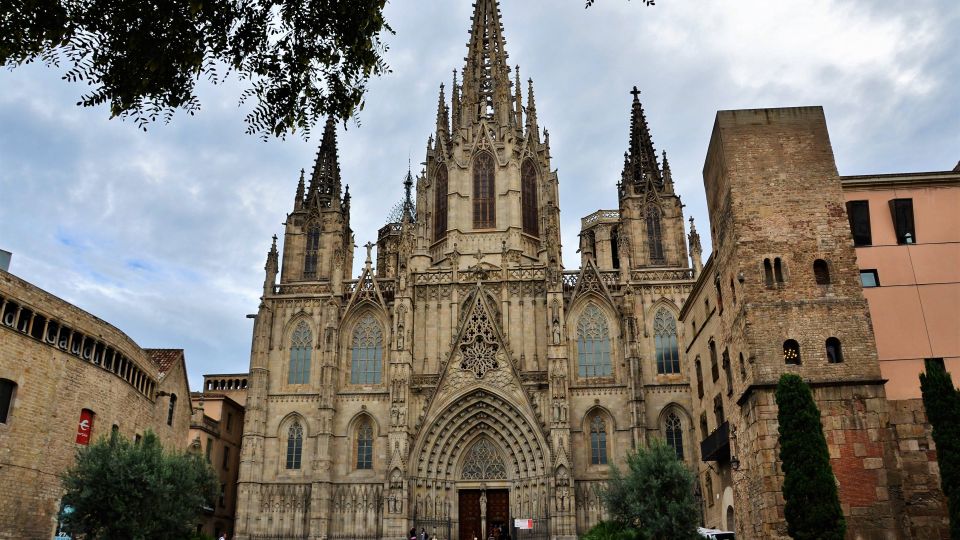
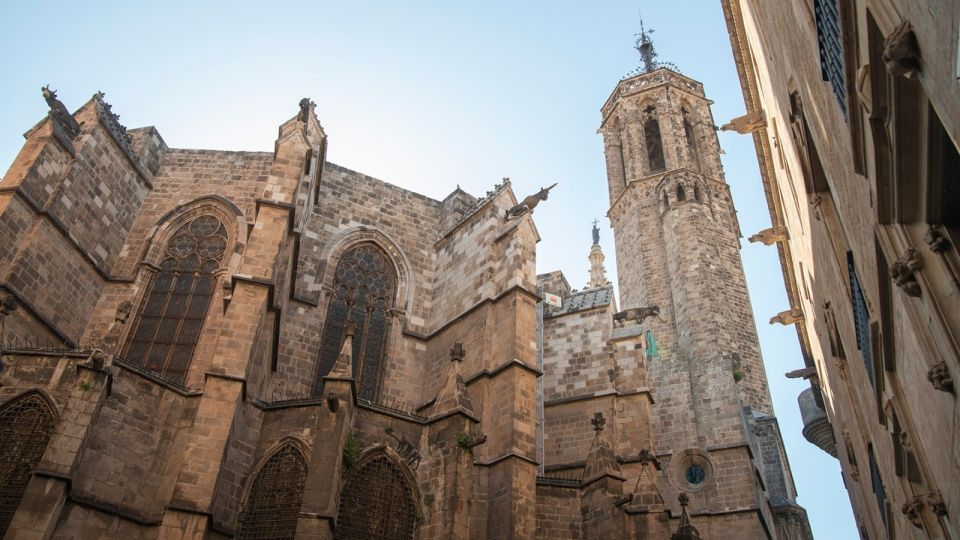
From the squares and palaces, the walk turns into a lesson in Catalan Gothic. You’ll see Barcelona Cathedral and then Santa Maria del Mar (often linked with the name St. Mary of the Sea). These aren’t just impressive exteriors. They help you understand how different communities expressed faith and civic identity through architecture.
Santa Maria del Mar is a key moment because you’ll hear that it was built in an incredibly short time. That kind of speed isn’t just trivia; it suggests organization, commitment, and the ability of medieval builders to pull off big work without modern project tools. Standing near it (even without going deep into interior-only details), it’s easier to grasp why medieval engineers and craftsmen earned their reputation.
Also, the tour pacing helps here. Instead of dumping facts and moving on, you’re likely to get a clear explanation for what you’re looking at and why it looks the way it does. Many praised guides—people mention favorites like Laura and Isabella—seem to hit a good balance between structure and storytelling.
La Rambla and El Born: the streets between the landmarks
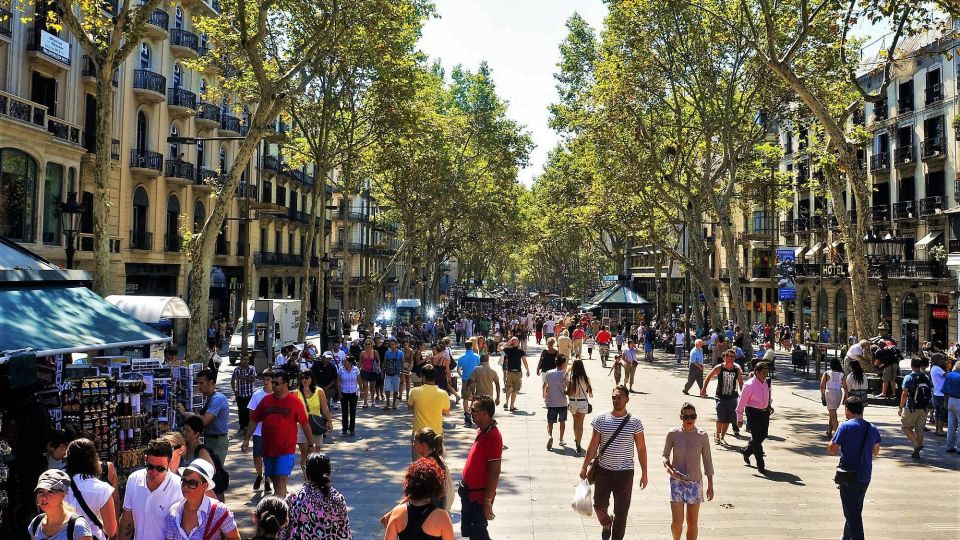
After the monuments, the tour shifts into lived-in Barcelona. You’ll walk along La Rambla, one of the city’s iconic boulevards, known for flower stalls, street performers, and plenty of places to eat. This is where the Gothic Quarter becomes less “museum zone” and more “city zone.”
Then you’ll spend time in El Born, where the atmosphere changes again—trendier cafes, boutique shops, and lively side streets. This isn’t just a break from history. It’s a reminder that the Old Town still functions as a neighborhood. Even after centuries, the streets keep doing what streets do: gathering people, feeding routines, and forming micro-cultures.
A practical note: La Rambla can be busy, especially near performer and stall areas, so keep your pace steady and expect some shoulder-to-shoulder moments. If you’re the type who hates crowds, plan your expectations. You’re not going off-grid; you’re learning how the famous street works in real time.


La Boqueria Market: 300+ stalls, and why your guide’s role matters
La Boqueria is where this tour earns its keep for food lovers. You’ll walk through the market with a guide and see why it attracts attention from every corner of the city—and beyond. With over 300 stalls offering local products, it can feel like sensory overload if you show up alone. With a guide, you’re more likely to know what you’re looking at and how to navigate without rushing.
Your time here is also part of the tour’s bigger theme: Roman and medieval Barcelona isn’t separate from Barcelona today. Markets grew because they served daily needs, and that “everyday life” thread connects your earlier stops to something you can point at with your eyes.
I like that the tour doesn’t just say market equals food. People in the feedback often mention guides recommending where to eat and drink after the tour. If you take the guide’s suggestions seriously, you can turn one guided walk into a stronger couple of days of meals.
“Small group” is not marketing fluff here
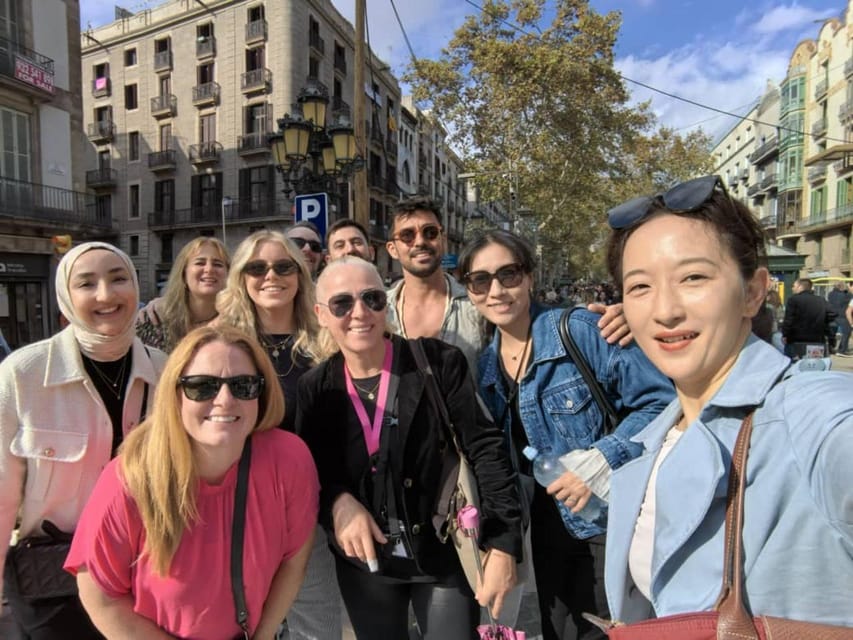
This walk runs with a small group—maximum 15 participants—and that matters in a place like the Gothic Quarter. Tight streets, frequent turns, and busy stops mean you can’t just wander and hope for the best. A smaller group helps the guide keep everyone together, and it makes questions easier.
A bunch of the top-rated experiences point to interaction and attention. For example, Jose Carlos is mentioned for combining architecture and history in a way that didn’t feel like a lecture, and for asking the group for input. Other guides, including Ane and Nilo, are praised for high energy and for making sure the group was able to hear them even when weather or crowds got annoying.
There’s also a “human” side that shows up in the feedback: concerns about safety and belongings, and guides who stay friendly even when the route takes longer than expected. That’s a big deal when you’re walking through areas where it’s easy to lose track of your own pacing.
Practical tips before you set out
Here’s what you should know so the experience stays enjoyable, not stressful:
- Comfortable shoes are required. The walk includes multiple stops in old streets, and you’ll likely do more walking than you expect from the duration range.
- No luggage or large bags. If you’re moving between hotels or using carry-on rolling bags, you’ll need a plan.
- Expect a 2.5 to 4 hour time window. That range depends on timing and the starting slot you book, so don’t schedule something tight right after.
- The tour is offered in English and Spanish, and guides are actively chosen for how they explain the sights.
- There’s also private group availability, which can be useful if you want quieter pacing or more direct Q&A.
One more detail I’d keep in mind: the finish point is near Passeig del Born (08003). So even if your morning starts in the Gothic Quarter core, you’ll end closer to El Born’s café-and-walk zone.
Should you book this Barcelona Old Town and Gothic Quarter walk?
Book it if you want an efficient orientation to Barcelona’s layers—Roman foundations, medieval power, Catalan Gothic churches, then today’s street life. The route makes sense for first-time visitors because you’ll see a lot of major landmarks without having to figure out the story on your own.
Skip it (or consider a different style) if your travel style is mostly “self-guided photos” with minimal talking. This tour is built around a guide’s explanations and stop-and-look pacing. Also, if you can’t handle crowds at La Rambla and market areas, go in with clear expectations.
For value, the price is hard to beat for a small-group guided walk that covers multiple headline sights plus La Rambla and La Boqueria. If you’re the type who likes to leave a city with better context—and a couple of useful food leads—this is a smart first-visit choice.
FAQ
How long is the tour?
The tour lasts about 2.5 to 4 hours.
How much does it cost?
It’s listed at $21 per person.
What language is the guide?
The guide is available in English and Spanish.
Where does the tour start and end?
The meeting point can vary depending on the option you book (one option listed is Movistar Centre). The tour finishes at Passeig del Born, 08003 Barcelona, España.
What should I bring or wear?
Bring comfortable shoes.
Is the group large?
It’s a small group with a maximum of 15 participants. Children under 2 can join for free.