REVIEW · BARCELONA
Historical and Modernist Bike Tour Barcelona
Book on Viator →Operated by Born Bike Tours Barcelona · Bookable on Viator
Barcelona changes fast when you move.
This tour is built to help you get your bearings fast—you’ll pedal through two very different faces of the city: the medieval mood of the Gothic Quarter and the recognizable shapes of Gaudí. It’s also a practical way to cover more ground in a short time, without feeling like you’re sprinting from one photo stop to the next.
I especially like two things here. First, the route is designed for an overview: you’re not just staring at buildings, you’re getting guided context while you ride. Second, the included setup is genuinely useful—bike, helmet, and water means you can start the tour without extra errands. One thing to consider: several big stops (Picasso, Sagrada Família, La Pedrera, Casa Batlló) don’t include admission, so you’ll likely want to decide ahead of time which entrances are worth the extra ticket cost and waiting.
In This Review
- Key highlights worth paying attention to
- Riding From Gothic Quarter Shadows to Gaudí Shapes
- Price and what you’re really buying for $43.55
- Group size, pace, and why the “10 minutes per stop” works
- The route: what each stop feels like on the ground
- Stop 1: Barri Gòtic (Gothic Quarter) for quick medieval bearings
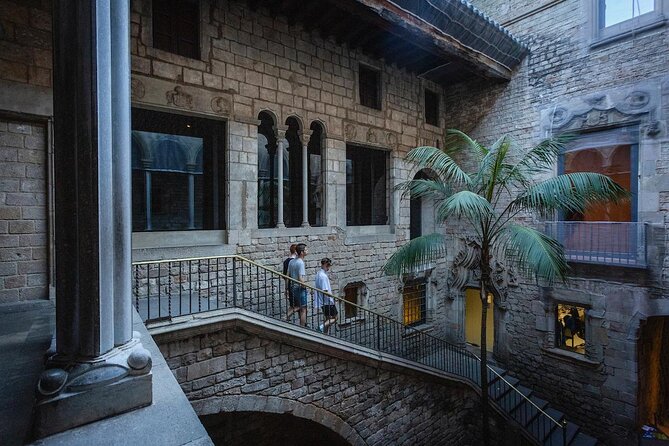
- Stop 2: Museu Picasso (admission not included)
- Stop 3: Basilica de la Sagrada Família (admission not included)
- Stop 4: Casa Mila – La Pedrera (admission not included)
- Stop 5: Casa Batlló (admission not included)
- Stop 6: Santa Maria del Mar (free)
- Stop 7: El Born (free)
- Stop 8: Passeig del Born (free)
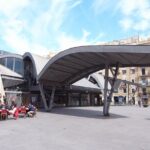
- Stop 9: El Born Centre de Cultura i Memòria (free)
- Who this tour fits best (and who might want something else)
- The guide factor: story-driven explanations you can use later
- Tickets: how to avoid the common Gaudí money trap
- Logistics that matter in real life
- Should you book this Historical and Modernist Bike Tour Barcelona?
- FAQ
- FAQ
- How long is the bike tour?
- What does the tour cost?
- What’s included with the tour?
- Is the tour in English?
- Do I need tickets for the stops?
- Where does the tour start?
- How big are the groups?
- Can I bring a service animal?
Key highlights worth paying attention to
- Two-neighborhood contrast: Barri Gòtic at the start, then modernist Barcelona as the ride continues
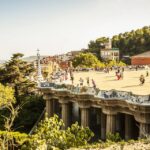
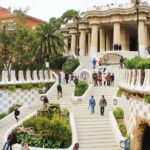
- Gaudí sights on one run: Sagrada Família, Casa Mila (La Pedrera), and Casa Batlló are part of the same route
- Included essentials: bike use, helmet, and bottled water are covered
- Smart pace for sightseeing: about 10 minutes at each major stop for quick orientation
- Small group ceiling: up to 15 travelers, which helps the guide keep things moving
- Guides who talk details: past guides used photographs and story-driven explanations, including tailored routes for families
Riding From Gothic Quarter Shadows to Gaudí Shapes
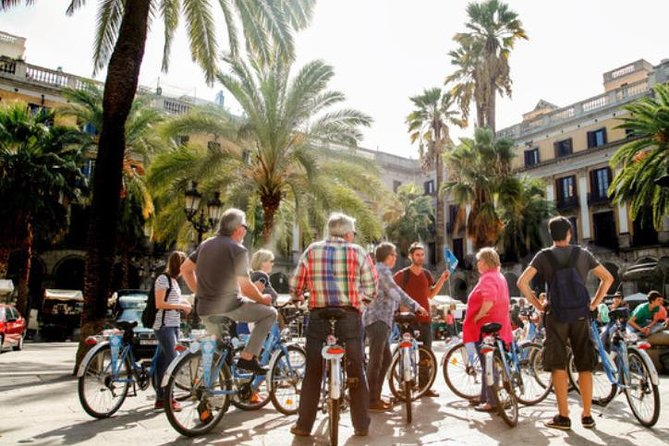
Barcelona is one of those cities where the streets feel like a timeline. On this tour, you’re not reading it in a book. You’re riding it—turn, pedal, stop, listen—so history and architecture land in your head faster.
The best part is how the route is balanced. You start in the Barri Gòtic, where the atmosphere is older and tighter, and you end up seeing how Barcelona’s look evolved into the modernist era. If you’re the kind of traveler who wants a clean overview before committing to longer visits, this tour fits that perfectly.
You can also read our reviews of more cycling tours in Barcelona

Price and what you’re really buying for $43.55
At $43.55 per person for roughly 3 hours, this isn’t just a “sit on a bike and go” activity. You’re paying for guided time plus the basic gear that keeps the day smooth: the local guide, bicycle, helmet, and bottled water are included.
That matters because Barcelona can add up fast once you start layering paid entries. Here, some sites are free to access as part of the stops, while others require you to buy admission separately (more on that below). So the value question becomes simple: you’re getting an organized sightseeing framework. Then you can spend your money on the specific buildings you most want to enter.
Group size, pace, and why the “10 minutes per stop” works
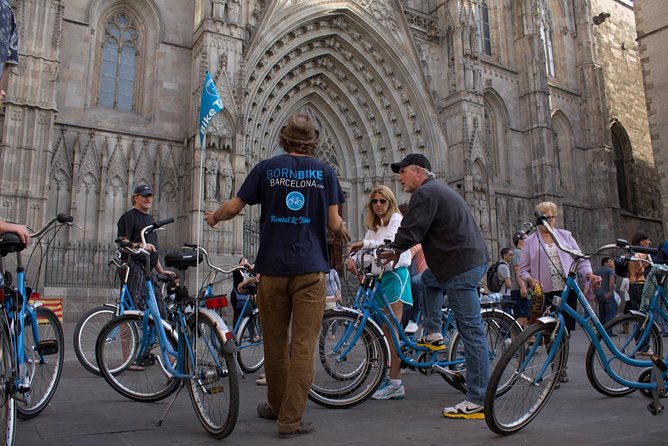
This is a maximum-of-15-person tour, which is a sweet spot for city biking. Small enough for the guide to manage the group, big enough that you’re not stuck in a one-on-one scramble.
Each major stop is about 10 minutes. That timing is useful. It’s long enough for orientation and a few details, but short enough that you keep momentum instead of parking yourself and letting the city pass you by. On a bike tour, momentum is your friend—your legs get a break, and your eyes do the work.
The route: what each stop feels like on the ground
The tour is designed to move through Barcelona’s core areas and end back where you start. You meet at Carrer de la Marquesa, 1, Ciutat Vella, 08003 Barcelona, and the route runs from there through the Gothic Quarter, the Picasso area, then Gaudí sights, and finally into El Born.
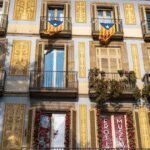
Stop 1: Barri Gòtic (Gothic Quarter) for quick medieval bearings
You kick things off in the Gothic Quarter, where this tour gives you a free stop to orient yourself visually and spatially. Even if you’ve seen photos, there’s something about being among the tight streets and older-looking stonework that makes the city’s layout click.
What to expect: short guided explanation, a moment to look around, then back on the bike.
Why it’s valuable: this is your “map in motion.” Once you’ve set the mental geography here, later stops make more sense because the streets connect visually.
You can also read our reviews of more historical tours in Barcelona

Stop 2: Museu Picasso (admission not included)
Next is Museu Picasso. The stop is short and the admission is not included, so treat this like a guided introduction to the building and the area rather than a full museum afternoon.
What to expect: you’ll likely get context on what you’re looking at and why the Picasso name matters here.
Drawback to plan for: if you want to enter the museum, you’ll need to add tickets yourself. With only about 10 minutes on the bike tour, you can’t count on this being enough time to do an inside visit.
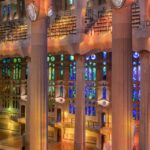
Stop 3: Basilica de la Sagrada Família (admission not included)
Then comes Basilica de la Sagrada Família—one of the city’s most famous landmarks tied to Gaudí. Like Picasso, admission is not included.
What to expect: exterior viewing time and guided commentary while you’re in the area.
Why it’s worth it even without entry: seeing it from the street with a guide helps you understand what makes it a focal point in Barcelona’s modernist identity.
Planning consideration: if you know you want to go inside, this tour works best as a warm-up. You’ll be able to return with a clearer sense of what you’re looking for.
Stop 4: Casa Mila – La Pedrera (admission not included)
You’ll then ride to Casa Mila (La Pedrera). Again, admission is not included, so you’re getting the quick “facade and story” version rather than a full interior tour.
What to expect: brief stop, guided perspective, and time to spot key design elements from outside.
Why this stop makes sense in a bike overview: you’re not just seeing one famous building. You’re seeing multiple Gaudí works back-to-back, which makes the style feel more consistent and recognizable.
Stop 5: Casa Batlló (admission not included)
After La Pedrera, you’ll see Casa Batlló, also tied to Gaudí and also with admission not included.
What to expect: another quick guided exterior look.
Good to know: by the time you reach Casa Batlló, the Gaudí theme should click. Even if you don’t enter any buildings, you’ll likely walk away with better pattern recognition—how Barcelona’s modernist language shows up across different projects.
Stop 6: Santa Maria del Mar (free)
Now the tour shifts feel. You hit Basilica de Santa Maria del Mar, and this one is a free stop.
What to expect: quick orientation time with guidance.
Why it’s a helpful contrast: after modernist stops, moving to a different kind of historic church setting gives your brain a reset. It also helps balance the tour so it’s not only about Gaudí icons.
Stop 7: El Born (free)
Next is El Born, free. This part of the route is less about a single building and more about neighborhood atmosphere.
What to expect: guided points of interest as you ride and stop briefly.
Why it matters: after a chunk of major landmarks, El Born helps you understand the city as a place people live in, not just a checklist of sights.
Stop 8: Passeig del Born (free)
You’ll include Passeig del Born, also free. This stop helps tie the neighborhood feeling together and gives you a straight-line sense of where you are in the Born area.
What to expect: short guided walk-by look, then back on the bike.
Practical note: if you’re the kind of traveler who loves simple “this is where you are” moments, this stop does that.
Stop 9: El Born Centre de Cultura i Memòria (free)
The final stop is the El Born Centre de Cultura i Memoria, which is free as part of the tour.
What to expect: guided overview and a chance to look at the cultural space as the route wraps up.
Why the last stop is smart: it gives a final layer of context before you head back to the meeting point, so the story doesn’t stop abruptly after the big-name buildings.
Who this tour fits best (and who might want something else)
I think this tour is a great match if you want an efficient overview of central Barcelona in about 3 hours. It’s especially good for first-timers because you’re exposed to the Gothic Quarter and then major Gaudí works on the same outing.
It also works well when you’re building your itinerary. Use it to decide what you want to pay for next. If a building pulled you in, you’ll have a head start knowing why.
If you’re hoping for long museum time or heavy interior sightseeing, you might feel shortchanged—because multiple stops explicitly don’t include admission, and the stops themselves are brief.
The guide factor: story-driven explanations you can use later
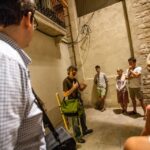
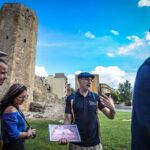
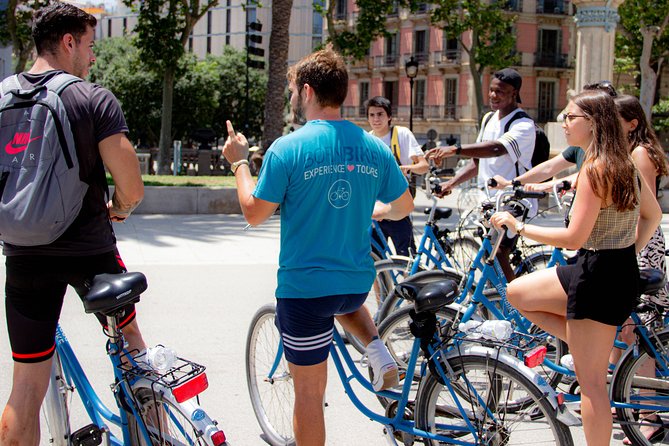
One of the strongest signals from the feedback is how much the guides bring to the route. A guide named Morgane shared that she used photographs of the sights to explain details during stops, and that style clearly worked well for people who like learning while they sightsee. Another guide named Ernesto built an experience around needs, including making accommodations for a family group with different biking comfort levels.
There’s also a guide named Thomas referenced for Altstadt exploration. Different guides, same idea: you’re not stuck with silent biking. You’re getting context you can carry into future visits.
Tickets: how to avoid the common Gaudí money trap
Because admission is not included for several of the biggest names—Museu Picasso, Basilica de la Sagrada Família, Casa Mila (La Pedrera), and Casa Batlló—you’ll want a quick decision strategy.
Here’s a simple way to do it:
- If you’re curious but unsure, use the tour as a preview and return later for the building you connect with most.
- If you already know your top two, plan to buy tickets for those and treat the other Gaudí stops as viewing-only.
This approach keeps you from paying twice out of urgency. It also helps you avoid arriving at the one place you really want with a schedule that’s already squeezed.
Logistics that matter in real life
This is a short, mobile-ticket-friendly experience. You’ll get a confirmation within 48 hours of booking, subject to availability. The tour ends back at the meeting point, so you’re not left figuring out where to go next.
Service animals are allowed, and the tour notes that most travelers can participate. It’s also listed as near public transportation, which is helpful if you’re combining it with other walking or transit plans.
One operational detail to keep in mind: there’s a minimum of 4 people per booking, and the group is capped at 15. If you’re traveling in a quieter season, it’s smart to book with a little buffer in case the route adjusts or you need another time slot.
Should you book this Historical and Modernist Bike Tour Barcelona?
I’d book it if you want a fast, guided overview that connects two different Barcelona worlds: the Gothic Quarter and Gaudí’s modernist architecture. At this price point, you’re buying structure—bike, helmet, water, and a guide—while reserving your budget for the buildings you genuinely want to enter.
I’d skip it if you’re mainly interested in long indoor visits, because several key stops don’t include admission and each stop is brief. This tour is best as the start of your Barcelona story, not the entire story.
If you’re a first-timer, or you like learning while you move, this tour gives you a useful foundation for the rest of your days in the city.
FAQ
FAQ
How long is the bike tour?
It’s approximately 3 hours.
What does the tour cost?
The price is $43.55 per person.
What’s included with the tour?
It includes bottled water, a local guide, use of the bicycle, and use of a helmet.
Is the tour in English?
It’s offered in English, and the tour may be operated by a multi-lingual guide.
Do I need tickets for the stops?
Admission tickets are not included for Museu Picasso, Basilica de la Sagrada Família, Casa Mila (La Pedrera), and Casa Batlló. Other stops listed are free.
Where does the tour start?
You meet at Carrer de la Marquesa, 1, Ciutat Vella, 08003 Barcelona, Spain.
How big are the groups?
It has a maximum of 15 travelers, and it requires a minimum of 4 people per booking.
Can I bring a service animal?
Yes, service animals are allowed.