REVIEW · BARCELONA
Private Barcelona Modernism and Gaudí Walking Tour
Book on GetYourGuide →Operated by In Out Barcelona Tours · Bookable on GetYourGuide
Modernism here feels walkable and personal. This 3–3.5 hour private guided tour strings together Barcelona’s best-known Modernisme landmarks starting at Sagrada Familia, then continuing through the Eixample and down Passeig de Gràcia to buildings like La Pedrera and Casa Batlló. I love how the guide connects design ideas to what you’re looking at, and I love that you also get attention on the less-expected façades, not just the biggest headlines. One thing to consider: it’s still a city-walking route with some distance between stops, so come ready for your feet to get a workout.
With a maximum of 12 people (private group available), you get live commentary in English or Spanish for about $21 per person, which is strong value when you want context without spending hours researching on your own.
In This Review
- Key Points at a Glance
- Modernism in Three Hours: What You Actually Get
- Your Guide Sets the Tone: English, Spanish, and Small-Group Flow
- Sagrada Familia First: Why the Passion Façade Changes the Story
- Eixample 101: The Grid That Made Modernisme Possible
- Passeig de Gràcia: Where the Facades Do the Talking
- La Pedrera: Gaudí’s Late Civil Statement
- Casa Batlló: The Rolling Sea Comparison Helps You Look
- The Modernisme Network: Gaudí, Domènech i Montaner, and Puig i Cadafalch
- More Stops, More Texture: Comalat, Terradas, and Palau Montaner
- How Much Walking Is It, and When Do You Feel It in Your Legs?
- Price and Value: Why About $21 Can Be a Good Deal
- Who This Tour Fits Best (and Who Might Want Another Format)
- Should You Book This Private Barcelona Modernism Tour?
- FAQ
- How long is the Private Barcelona Modernism and Gaudí Walking Tour?
- Is this tour private?
- What languages are the guides?
- Which buildings are included on the tour?
- Where do we meet?
- What should I bring?
- Is luggage allowed?
- Does it offer free cancellation and pay later?
Key Points at a Glance
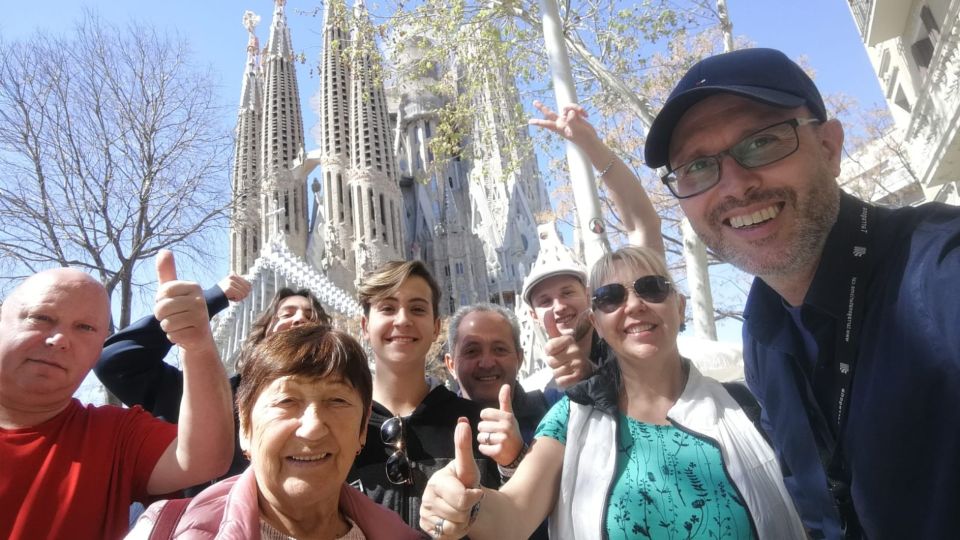
- Max 12 people keeps the conversation going and questions from getting lost
- Sagrada Familia first sets the tone, including the ongoing Passion façade story
- Eixample orientation teaches you how the city’s grid and planning shaped what you see
- Passeig de Gràcia focus puts La Pedrera and Casa Batlló in the middle of the walk
- Full lineup of Modernisme architects includes Gaudí plus Domènech i Montaner and Puig i Cadafalch
- Light packing helps since luggage or large bags aren’t allowed
Modernism in Three Hours: What You Actually Get
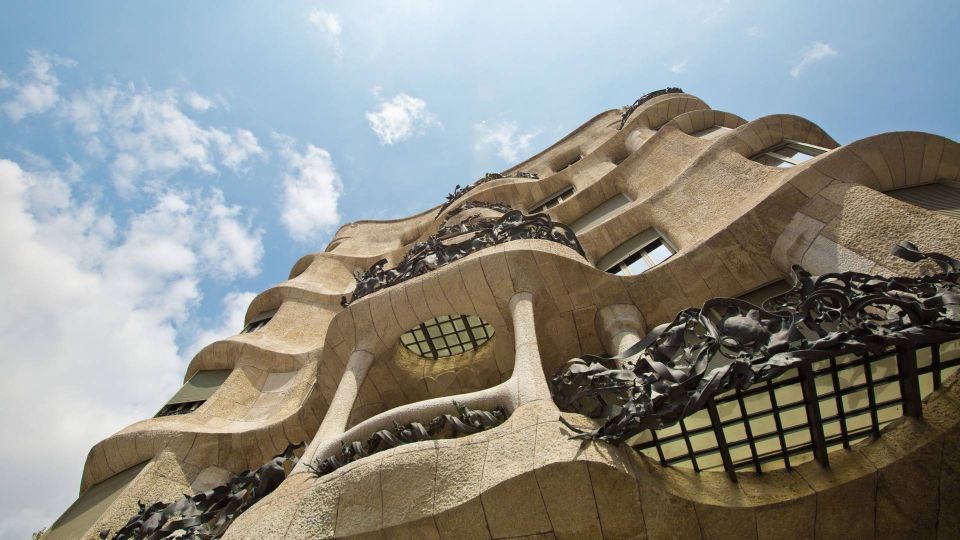
This is a practical walking tour built for people who want to see Barcelona’s Modernisme as a connected story, not a checklist of buildings. You start with Sagrada Familia, then shift into the planning logic of the Eixample—and only then do you spend time along Passeig de Gràcia, where the architecture gets showy, personal, and unmistakably Catalan.
I like that the tour keeps you oriented. Instead of only reciting dates and names, the guide frames why these buildings exist where they do, and how Antoni Gaudí’s ideas fit into a broader Modernisme movement that also includes architects like Lluís Domènech i Montaner and Josep Puig i Cadafalch.
The time window (3 to 3.5 hours) matters. You’ll see major sites, but you won’t get stuck for too long at any one place, which is great if you’re trying to fit Barcelona’s highlights into a busy day.
You can also read our reviews of more walking tours in Barcelona



Your Guide Sets the Tone: English, Spanish, and Small-Group Flow
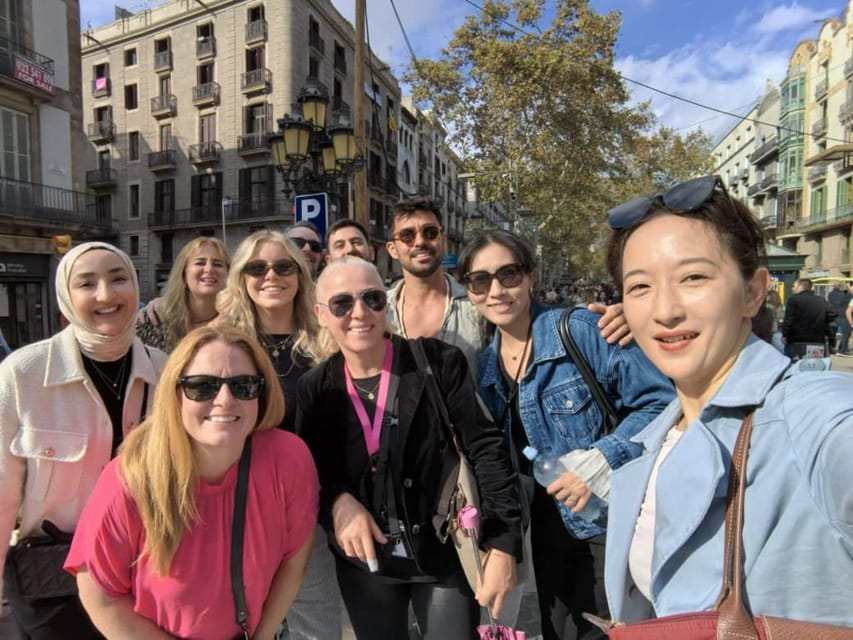
You’ll be with a professional local guide who speaks English and Spanish, and the group stays small—up to 12 people. That size is the difference between listening and learning. When you can actually ask questions without shouting, you catch the details you’d otherwise miss.
A big theme in how this tour is described is that guides bring energy and conversation style. Names that pop up often with glowing feedback include Stephanie, Isabel, Antonio, André, Roberto, Jordi, Miguel, Olga, Flora, and Daniel—people noted for being personable, enthusiastic, and good at explaining the why behind the architecture.
If you’re the type who likes to understand context while walking (history, style, inspiration, what to notice), this format really works. If you prefer a quiet, slow pace with lots of time to sit and sketch, you might find the walking portion a bit faster than you’d like.
Sagrada Familia First: Why the Passion Façade Changes the Story
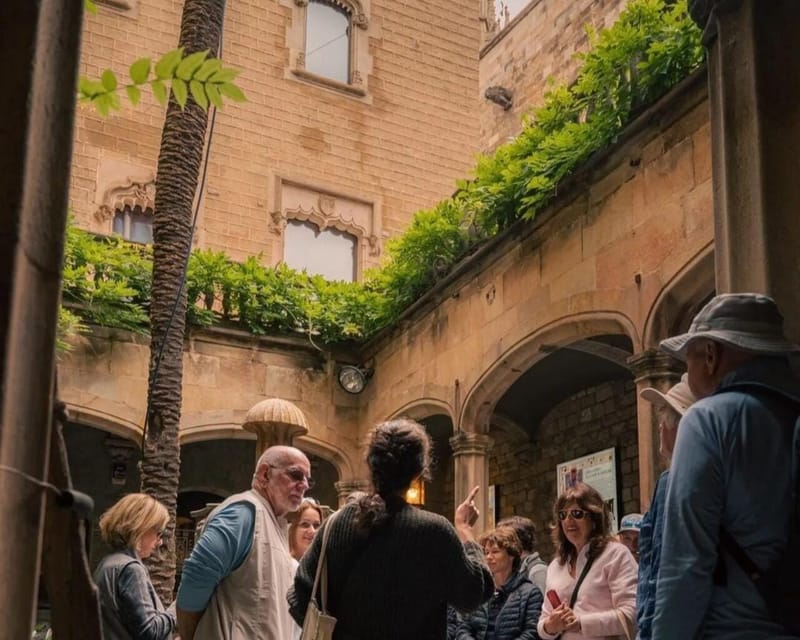
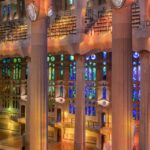
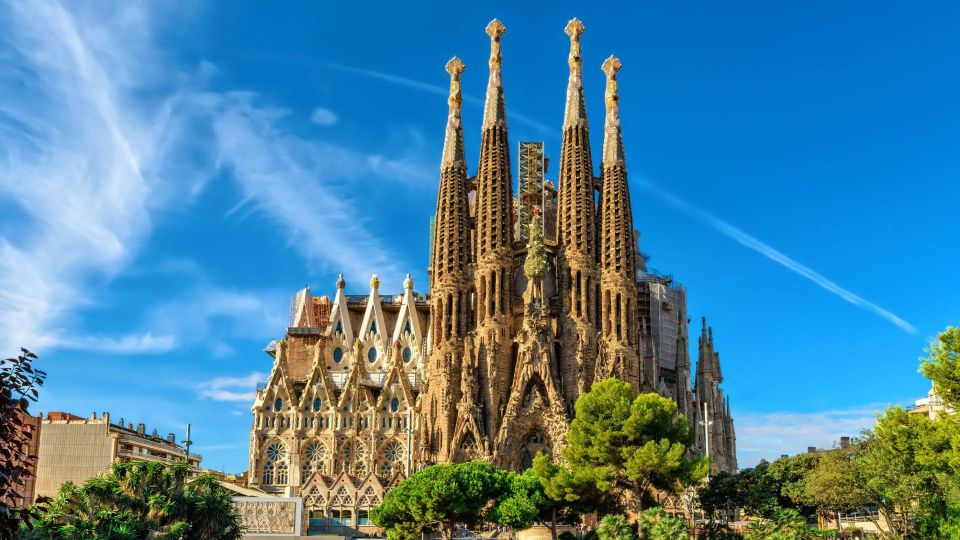
Starting at La Sagrada Familia is smart because it anchors everything else. It’s a UNESCO World Heritage Site and it’s been under construction for more than a century, so you’re looking at an “in progress” masterpiece—an idea that sparks both awe and debate.
Your guide points out the intricate details, but the highlight for many people is the conversation about ongoing construction. In particular, you’ll hear about the Passion façade, designed by Josep Subirachs (Gaudí’s successor). That detail turns Sagrada Familia from a static landmark into a living argument about authorship, interpretation, and how cities finish big dreams.
Practical tip: plan on spending your camera time carefully here. You’ll be tempted to take photos of everything. The guide’s job is to help you notice patterns and material choices, not just the overall shapes.
Eixample 101: The Grid That Made Modernisme Possible
After Sagrada Familia, you shift into the Eixample district, and that’s where the tour becomes more than just sightseeing. The Eixample was designed in the mid-19th century when Barcelona expanded beyond its medieval walls, and it’s known for a grid-like layout with wide streets.
Your guide connects what you’re seeing to urban planning ideas—especially Ildefons Cerdà’s vision. The point isn’t to turn the walk into a planning lecture. It’s to help you understand why Modernisme could flourish on big, visible avenues and why these façades became a kind of public art for an entire district.
This part is especially useful if you’ve arrived in Barcelona feeling a bit overwhelmed by how much architecture you’re seeing. Once you understand the neighborhood shape, the buildings stop feeling random and start feeling intentional.
Passeig de Gràcia: Where the Facades Do the Talking
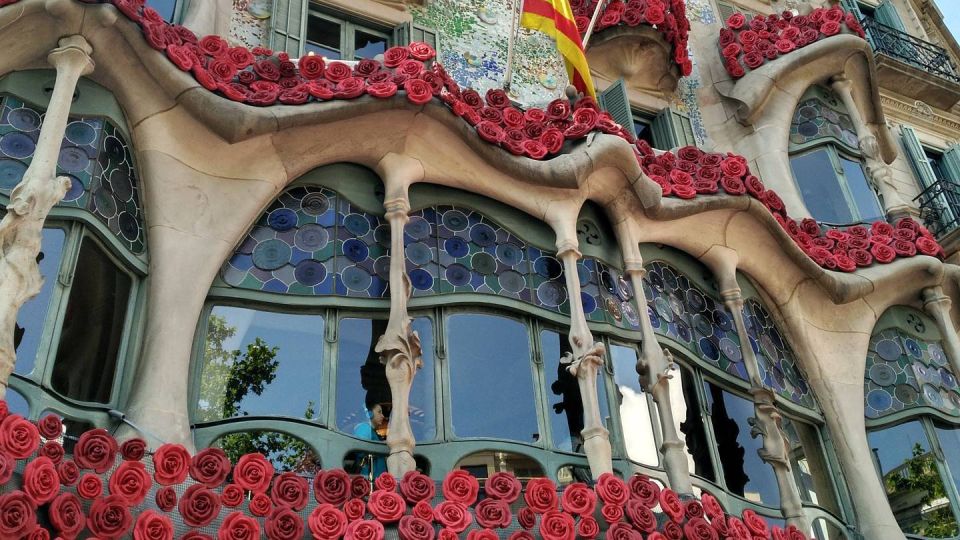
Passeig de Gràcia is Barcelona’s most prestigious avenue, and the tour uses it the way it should be used: as a focused corridor for Modernisme. As you walk, you’ll see how different architects answered the same question—how should a city street look when design becomes the star?
Two major stops anchor the experience here: La Pedrera and Casa Batlló. You also get time for several other landmark façades, plus extra buildings that give the walk more variety.
If you like contrast, this stretch delivers. You’re not just seeing Gaudí repeatedly. You’re comparing styles, approaches, and periods while still keeping the walk cohesive.
You can also read our reviews of more private tours in Barcelona





La Pedrera: Gaudí’s Late Civil Statement
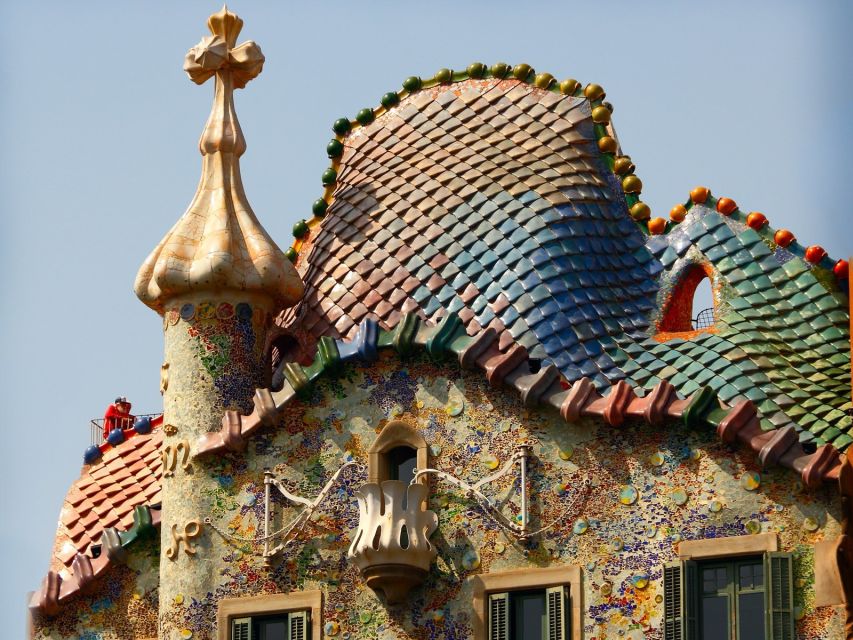
La Pedrera is another UNESCO World Heritage Site and is described as Gaudí’s last civil project. That matters because it frames the building as a “mature” work within his career—less experimental curiosity and more confident, fully formed design thinking.
On a walking tour, you can’t take in every detail the way you would if you had hours at your disposal, but the guide’s job is to help you read the façade like a message. You’ll get talking points on what to notice so you aren’t left staring and guessing.
If you’ve already seen Gaudí’s work in other cities (or you’re new to it), La Pedrera is a great halfway checkpoint: impressive enough to grab you immediately, but also detailed enough to reward attention.
Casa Batlló: The Rolling Sea Comparison Helps You Look
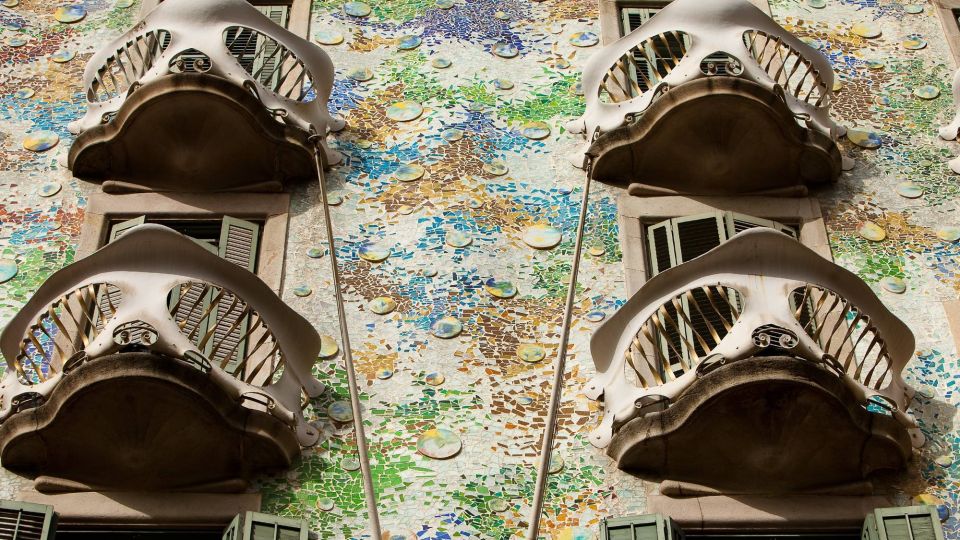
Next comes Casa Batlló, and it’s often compared to a rolling sea because of its undulating forms and colorful façade. That single description is a gift. It gives you something simple to hold in your mind while you look, so the building doesn’t blur into one more pretty façade.
This stop is good for two reasons. First, it gives you a clear “visual hook” for identifying features. Second, it supports the broader theme of Modernisme as art that uses form to create emotion, movement, and atmosphere—without needing a museum room or a ticket line.
If you’re someone who likes to photograph façades, this is one of your best opportunities. The guide helps you see what’s meaningful, not just what’s photogenic.
The Modernisme Network: Gaudí, Domènech i Montaner, and Puig i Cadafalch
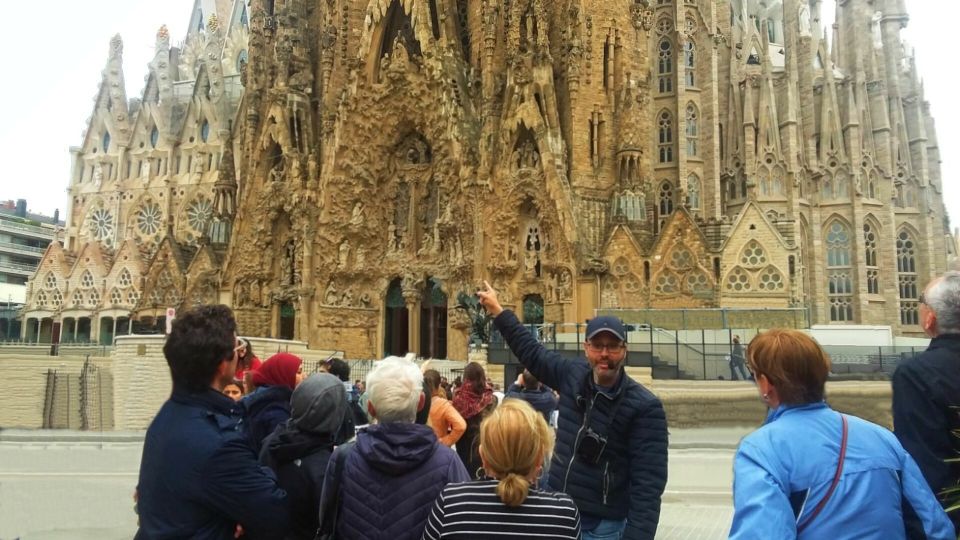
One of the strengths of this tour is that it doesn’t treat Gaudí as the whole story. You’ll also see buildings tied to Lluís Domènech i Montaner and Josep Puig i Cadafalch, which is exactly how you should understand Catalan Modernisme.
Here are the architect-to-building examples you’ll encounter along the walk:
- Casa Calvet: described as a refined example of Gaudí’s early work
- Casa Lleó Morera: a beautiful building by Lluís Domènech i Montaner
- Casa Amatller: designed by Puig i Cadafalch
- Palau del Baró de Quadres: a striking example of Modernisme by Puig i Cadafalch
A key highlight on Passeig de Gràcia is the “architectural trio” concept. Casa Batlló, Casa Lleó Morera, and Casa Amatller are grouped together as a famous trio on the avenue, so you get built-in comparison without needing to do extra homework.
This is where the guide can really help you move from “I like these buildings” to “I understand why these buildings look different.”
More Stops, More Texture: Comalat, Terradas, and Palau Montaner
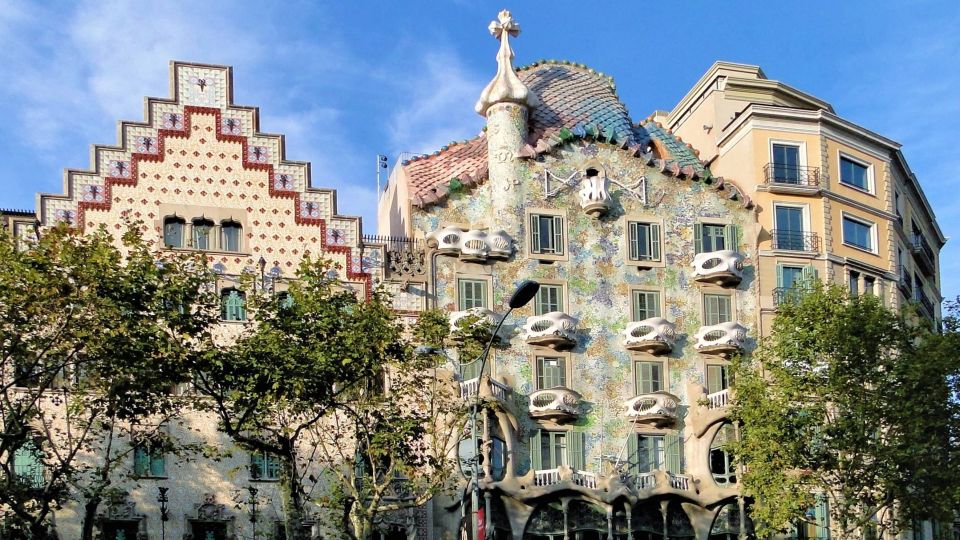
After the big names, the tour continues with additional façades that keep the walk lively and broaden your sense of Modernisme beyond the most famous hits.
You’ll see:
- Casa Comalat, influenced by organic shapes
- Casa Terradas (Casa de les Punxes), presented as another architectural jewel
- Palau Montaner, another standout example of Modernist heritage
There’s also Casa Lleó Morera and Casa Calvet, which help you see development across Gaudí’s timeline rather than only the most dramatic late works.
The benefit of stacking multiple smaller-but-still-great stops is that your eye starts to calibrate. You begin recognizing patterns, contrasts, and repeated design ideas across different buildings and architects.
How Much Walking Is It, and When Do You Feel It in Your Legs?
This is a walking tour, and you should expect a fair bit of movement between the landmarks. Even when the buildings are close, Barcelona’s streets and the rhythm of urban strolling add up.
Comfort matters. The tour specifically asks for comfortable shoes, and I agree. If you’re doing this on the same day as a long beach walk or a packed museum schedule, you might want to treat this as your main “out-the-door” activity.
There’s one more planning angle: depending on the pacing and where the group ends up, you might find yourself finishing back near Sagrada Familia. If you’re hoping to go inside on the same day, think about timing so you’re not stuck with a rushed visit after already seeing the exterior up close.
Price and Value: Why About $21 Can Be a Good Deal
At $21 per person for a 3 to 3.5 hour private guided tour, you’re paying for something more than a walk. You’re buying interpretation: an experienced local guide who can explain what you’re seeing, where it fits in the Modernisme story, and why specific details matter.
The value is strongest if:
- you don’t want to spend your precious vacation time trying to piece together architectural connections yourself
- you want a focused route that hits major sites and still adds context
- you’re traveling with someone who enjoys conversation and observation, not just sightseeing
The value is weaker if you already know Barcelona Modernisme inside-out and plan to spend most of your time photographing from the sidewalk anyway. Still, even seasoned architecture fans often enjoy a guide’s ability to point out how different architects answered similar design questions.
Who This Tour Fits Best (and Who Might Want Another Format)
This tour suits you if you want a structured, guided way to see Barcelona’s Modernisme in a short window. It’s a strong match for:
- first-timers who want the key buildings without getting lost
- art and architecture lovers who like comparisons (Gaudí vs. Domènech i Montaner vs. Puig i Cadafalch)
- travelers who prefer a small group and an interactive guide
It might feel less ideal if:
- you have limited mobility or fatigue tolerance (it’s still a walking-heavy experience)
- you want long stops inside buildings or lots of free time to wander off-script
Should You Book This Private Barcelona Modernism Tour?
Yes, if your goal is to see Barcelona’s Modernisme highlights with a guide who can connect architecture to context while you’re walking. The combination of Sagrada Familia, the Eixample planning lesson, and the concentrated run along Passeig de Gràcia hits the sweet spot for learning without turning your day into homework.
Book it especially if you like guides who explain in plain language and keep things moving with a friendly, conversational rhythm. Just plan for comfortable walking shoes and light bags, and you’ll get a lot of architectural insight per hour.
If your schedule is flexible, you also get free cancellation up to 24 hours in advance and the option to reserve now and pay later, which makes it easier to lock in the day you want.
FAQ
How long is the Private Barcelona Modernism and Gaudí Walking Tour?
It lasts about 3 to 3.5 hours.
Is this tour private?
It’s listed as private group available, and the group size is small, with a maximum of 12 participants.
What languages are the guides?
The tour includes live guiding in English and Spanish.
Which buildings are included on the tour?
You’ll see La Sagrada Familia, La Pedrera, Casa Batlló, Casa Calvet, Casa Lleó Morera, Casa Amatller, plus additional Modernist buildings along Passeig de Gràcia such as Casa Comalat, Palau del Baró de Quadres, Casa Terradas (Casa de les Punxes), and Palau Montaner.
Where do we meet?
The meeting point may vary depending on the option booked.
What should I bring?
Wear comfortable shoes.
Is luggage allowed?
No. Luggage or large bags are not allowed.
Does it offer free cancellation and pay later?
Yes. You can cancel up to 24 hours in advance for a full refund, and you can reserve now & pay later.