REVIEW · BARCELONA
Barcelona: Sant Pau Recinte Modernista Entry Ticket
Book on GetYourGuide →Operated by Turisme de Barcelona · Bookable on GetYourGuide
Art Nouveau, scaled up to a hospital. With an entry ticket to Sant Pau Recinte Modernista, you walk through a garden-city hospital complex that shaped healthcare design from the early 1900s—still stunning today.
I love the Art Nouveau details at every turn: stained glass, mosaics, and sculptures set into the renovated pavilions. I also like the calm, open-air feel of the grounds, where courtyards and gardens make the site easier to enjoy in the heat.
One thing to keep in mind: this entry ticket does not include a guided tour, so you’ll want to rely on on-site explanations (and consider an audio guide if you like context as you go).
In This Review
- Key things to notice before you go
- Sant Pau Recinte Modernista: what makes this Art Nouveau site special
- Your 1.5-hour ticket plan: what the entry visit really covers
- Where to go in Barcelona: the meeting point and getting oriented
- The first courtyards: how to start seeing the site fast
- Pavilions and gardens: why the layout feels like recovery, not just viewing
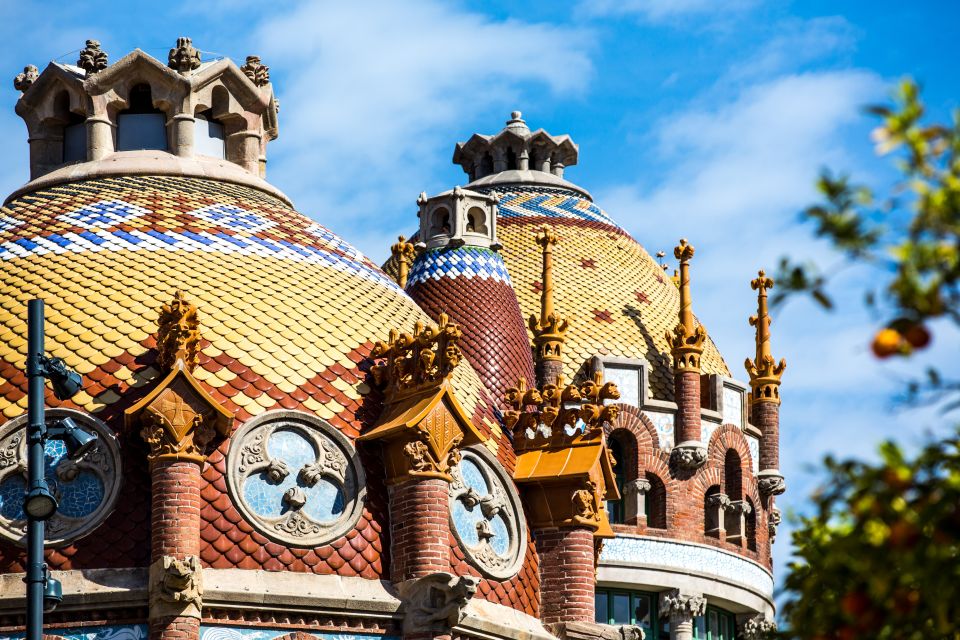
- Look up: stained glass, mosaics, and sculpture you’ll miss if you rush
- Underground passageways and connected buildings
- The hospital story behind the beauty
- Today’s Sant Pau: from hospital grounds to knowledge campus
- Practical timing: when to go and how long it takes
- What to do with your day: pairing with other Barcelona sights
- Facilities, snacks, and what to bring
- Rules you should know before you show up
- Value check: is $21 worth it?
- Who should book this entry ticket
- Should you book? My take
- FAQ
- How long is the Sant Pau Recinte Modernista entry experience?
- Is a guided tour included with the ticket?
- What exactly is included in the price?
- Where do I meet for the experience?
- Is Sant Pau Recinte Modernista wheelchair accessible?
- Are pets allowed inside Sant Pau Recinte Modernista?
- Are children allowed to attend?
- Do seniors get free access?
- What is the cancellation policy?
Key things to notice before you go
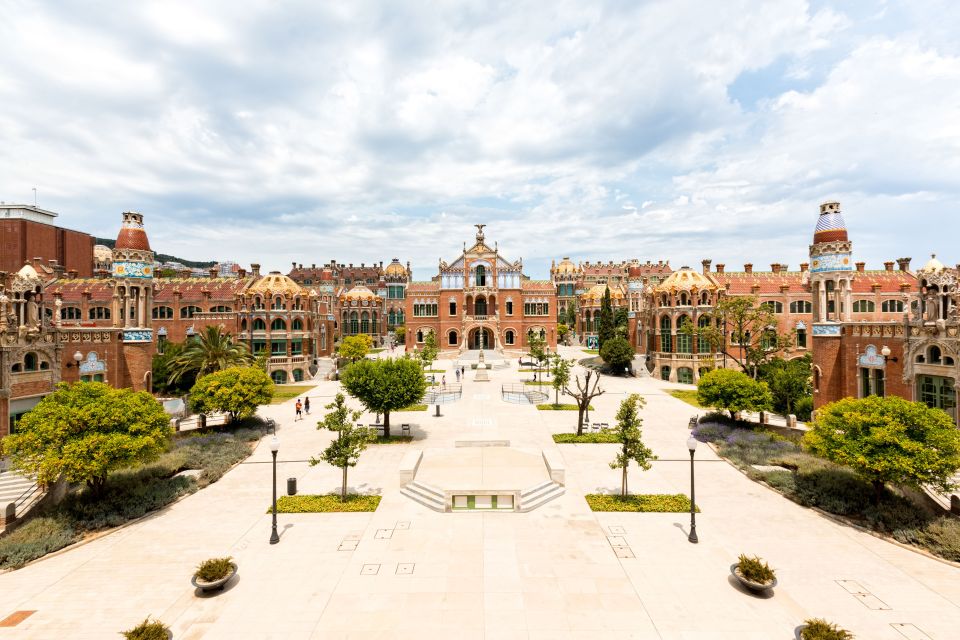
- World’s largest Art Nouveau complex: you’re seeing Domènech i Montaner’s hospital vision at big scale
- Garden-city layout: buildings sit in greenery with spaces that feel made for recovery
- Underground passageways: the connection tunnels are part of the experience, not just logistics
- Hospital history built into the design: the hygiene-and-care ideas drive what you see
- Good value for a focused visit: about 1.5 hours is realistic for a full circuit
- Pick an early slot if you can: mornings can feel quieter and more relaxed
Sant Pau Recinte Modernista: what makes this Art Nouveau site special
Sant Pau is one of Barcelona’s surprises. Most people think first of Gaudí. Then they come here and realize Art Nouveau can be practical, humane, and gorgeous at the same time.
This complex was built between 1905 and 1930 from a design by Modernista architect Lluís Domènech i Montaner. The plan wasn’t just to create pretty buildings. It was to relocate a growing hospital (the old Hospital de la Santa Creu in El Raval had outgrown its space) and build a system inspired by advances in health and hygiene.
What you’ll walk through today started as a “garden city” concept for nursing the sick. It later functioned as a public hospital for about a century, and has now been refurbished to show the complex as it was meant to work—light, air, and thoughtful movement between pavilions.
You can also read our reviews of more tours and experiences in Barcelona

Your 1.5-hour ticket plan: what the entry visit really covers
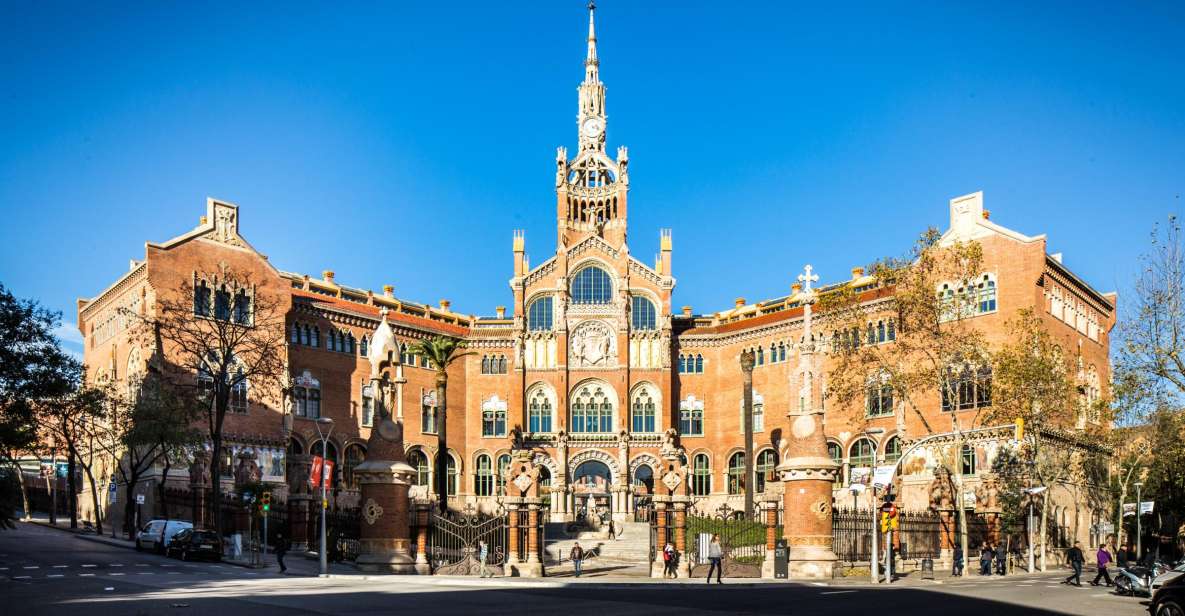
Your ticket is timed for about 1.5 hours, and it’s built around a circuit through the pavilions and gardens. Because this is an entrance ticket, you’re not tied to a group schedule and script.
Here’s the practical way to think about it: Sant Pau rewards slow looking. If you rush, you’ll miss the small stuff—especially the sculptures, stained glass, and mosaics you’ll spot when you pause and look up.
Also note what this is not. It isn’t a guided deep lecture. If you love history but don’t enjoy reading labels, you may want to add an audio guide approach (if available during your visit) or plan to spend a bit extra time soaking in what the site explains.
Where to go in Barcelona: the meeting point and getting oriented
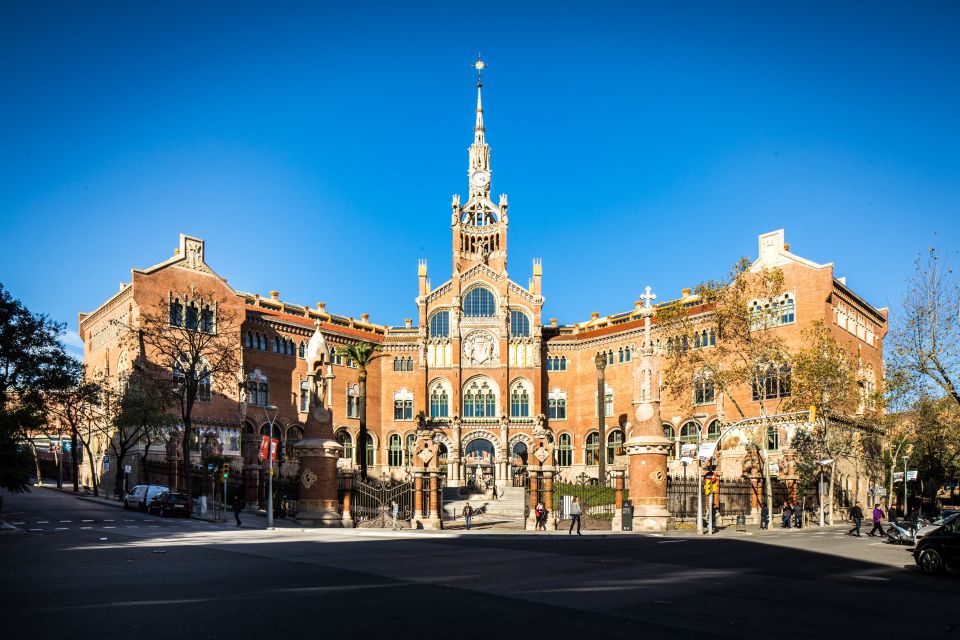
Your meeting point is Calle Sant Antoni Maria Claret, 167, 08025 Barcelona. For a place this big, a specific address matters—SatNav can be stubborn, and one traveler noted it sent them miles away if they weren’t careful.
I suggest you do two small things before you arrive:
- Save the address exactly as written (including the postal code).
- Give yourself buffer time for walking from the metro or the area you’re staying.
Parking isn’t the focus here. Public transport is the sensible play. The area is well connected by metro, and the ride is especially handy if you’re trying to line up your visit with travel plans later the same day.
The first courtyards: how to start seeing the site fast
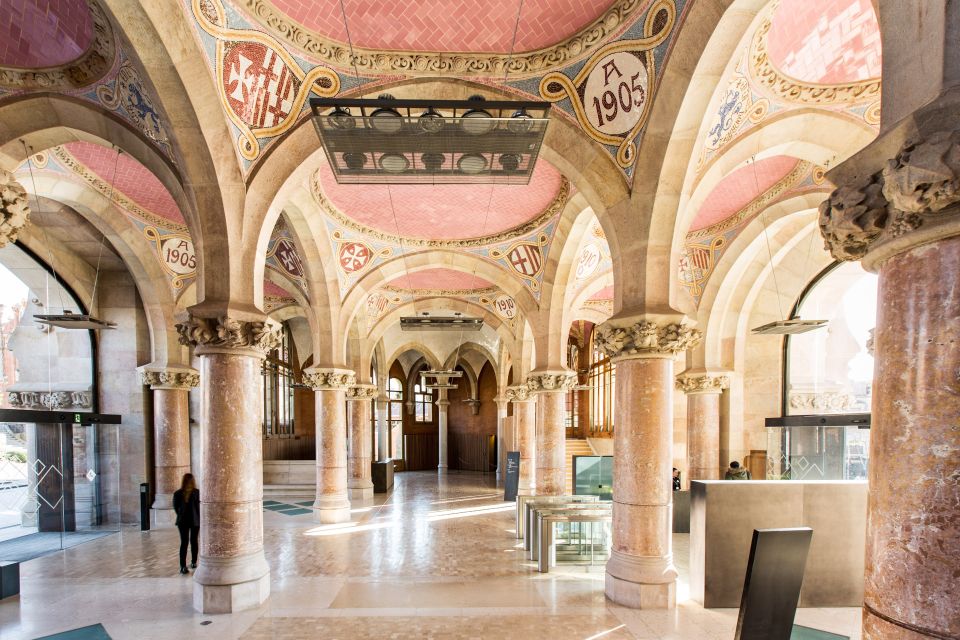
When you enter, don’t just drift forward. Take 20 seconds to get your bearings. Sant Pau has an “open between buildings” feel, but the details still guide you.
Start with the courtyards and the main exterior lines. You’ll quickly notice the design logic: pavilions are separated but connected, with movement that feels calmer than a typical hospital block.
One simple tip: treat your first stop as a warm-up for your eyes. Look for the color and ornament patterns, then you’ll recognize them later inside rooms or along passageways. You’ll also be in the right mindset for the underground parts, which are easy to underestimate until you’re standing near the connections.
Pavilions and gardens: why the layout feels like recovery, not just viewing
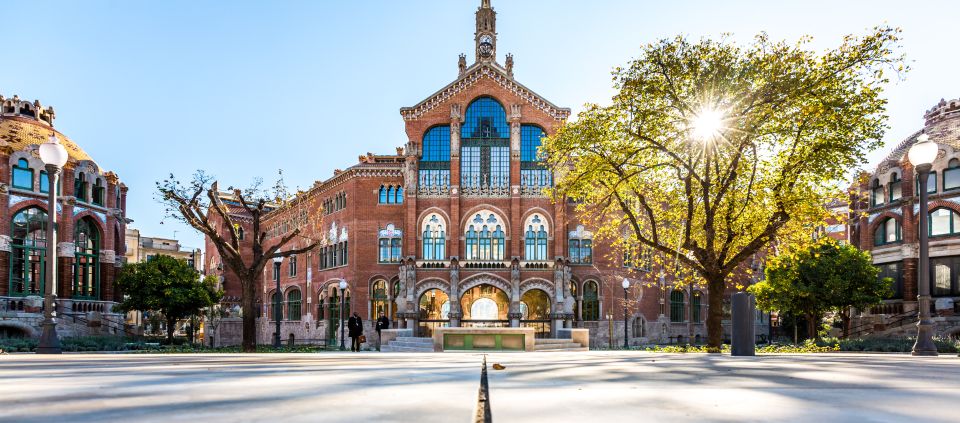
The heart of Sant Pau isn’t a single building. It’s the whole garden-city concept—pavilions surrounded by greenery, with spaces that make the site feel like a planned environment.
Walking through the grounds gives you two benefits:
- You get “breathing room” from a big attraction in a hot city.
- You see the architecture in context, not as isolated walls.
Several people highlight the spacious outdoor areas as places to chill and even picnic. I get it. This isn’t a tight museum corridor situation. The gardens and courtyards make your visit feel more like a relaxed walk-through than a sprint from one photo spot to the next.
If you’re traveling in summer, this calm layout helps. You can step out, look at details, then retreat back into shade. It’s a site designed for long stays—originally for patients, now for your eyes and attention span.



Look up: stained glass, mosaics, and sculpture you’ll miss if you rush
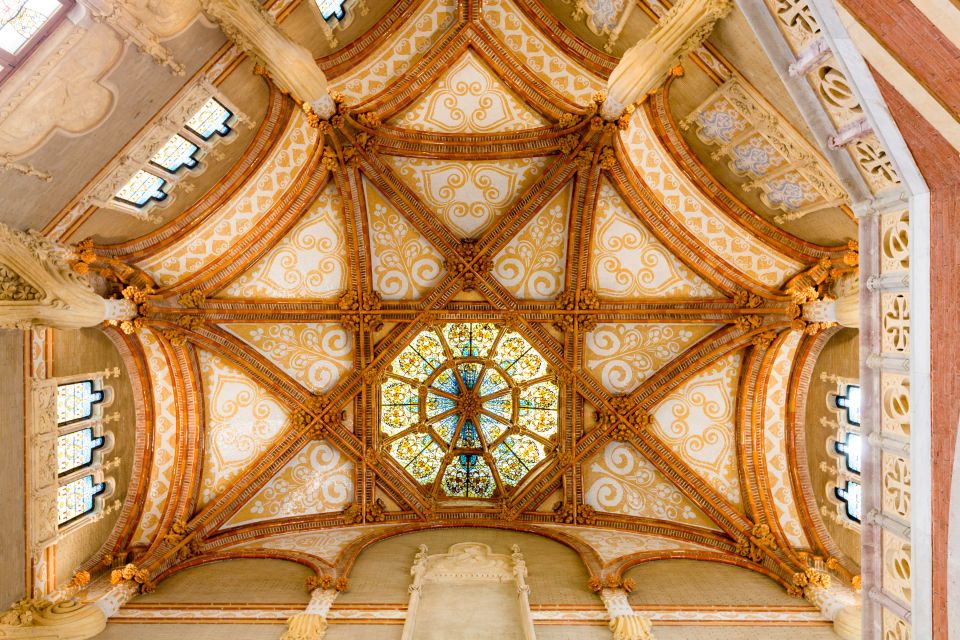
Sant Pau is stuffed with visual storytelling. The architecture uses Modernista motifs across exteriors and interiors, and the decorations aren’t just for show.
Expect to see:
- Stained glass that changes the feel of a space when light hits it.
- Mosaics you’ll notice more clearly when you stop walking.
- Sculptures that show up along the route, including in connection areas.
One practical hint from experience-style comments: don’t only stare at the front façades. Walk around the sides where mosaics and wall decoration can be easier to spot. It’s the difference between “cool buildings” and “wait, how is this place so detailed?”
If you like photography, treat it like a walking photo scavenger hunt. Pick one element for your first pass—glass, then mosaics, then sculpture—and you’ll cover more without wandering in circles.
Underground passageways and connected buildings
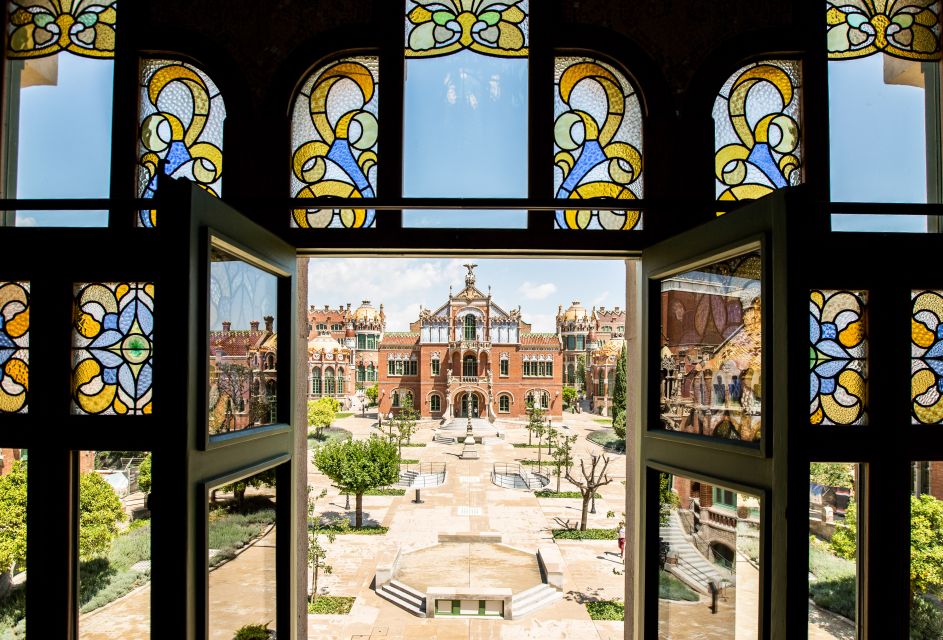
The connection tunnels are a big part of why Sant Pau works. The pavilions aren’t just nearby—they’re linked by underground passageways that show sculptures, stained glass, and mosaics.
This matters because it changes your mental map of the complex. You start thinking like the designers: movement between buildings had to be controlled, safe, and efficient.
For visitors, these passageways are often the “aha” moment. They’re architectural rather than decorative-only. You get to see how the complex handled the practical needs of a hospital while still using high design.
If you’re deciding how to spend your 1.5 hours, don’t skip the tunnel segments. They’re part of the experience, not a shortcut.
The hospital story behind the beauty
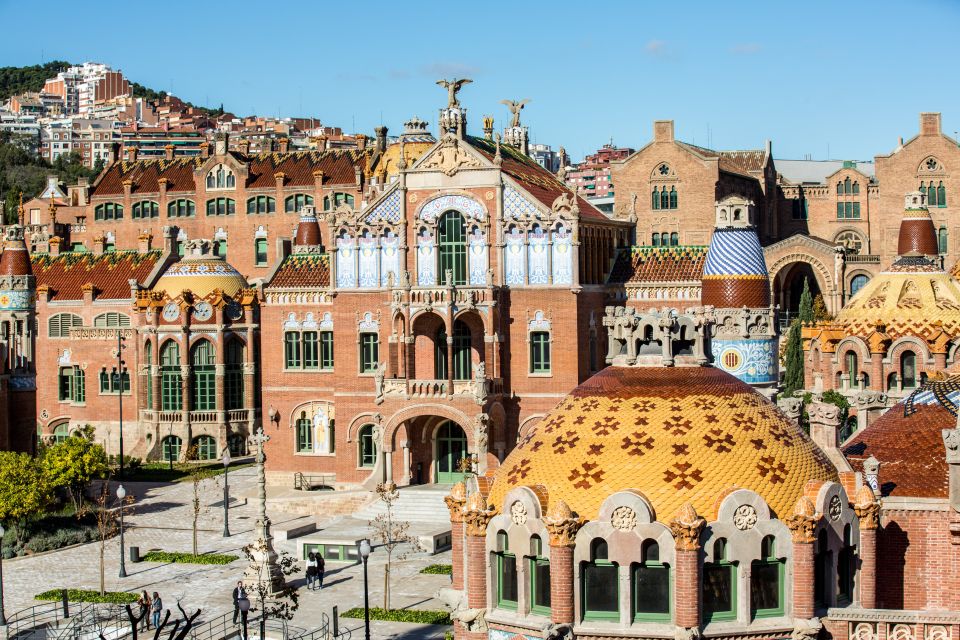
Sant Pau wasn’t built as an art project. It was built after the old hospital in El Raval became too small. The new complex aimed to take advantage of health and hygiene breakthroughs—and it was tied to charitable work and welfare.
That’s why the site’s design feels logical. You can’t fully separate beauty from function here. The pavilion layout, the movement patterns, and the emphasis on air and light are part of the “how care was imagined” story.
Even if you’re not a history person, you’ll probably find the evolution meaningful: it ran as a public hospital for about a century, and only later shifted into a refurbished campus-like space.
Today’s Sant Pau: from hospital grounds to knowledge campus
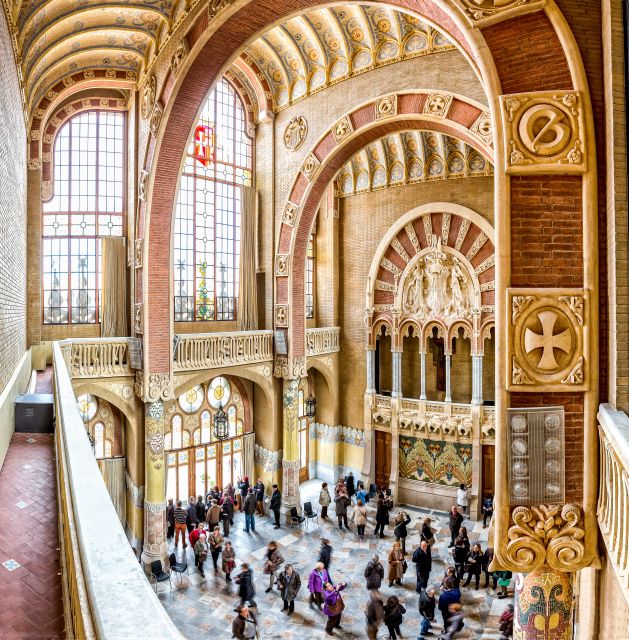
Here’s another reason the visit feels more than ornamental. Sant Pau now serves as a knowledge campus for international organizations. Examples include the European Forest Institute, Casa Àsia, the Global University Network for Innovation, and the United Nations University Institute on Globalization, Culture, and Mobility.
That modern role changes the mood. The site isn’t just frozen in time. It’s used, cared for, and active—so the buildings feel present rather than purely nostalgic.
It also means you might see the complex as both:
- a museum-like heritage visit, and
- an operating space that continues the “care and public good” idea, just in a different form.
Practical timing: when to go and how long it takes
You’ve got a timed entry product valid for 1 day, with available starting times. The visit itself is about 1.5 hours, but your pace will decide whether you finish in that window or stretch a little.
If you can, consider going early. One straightforward tip from people who visited: arriving around 9:30am can make the site feel quieter, which helps a lot at places with lots of small details.
If you’re a slow walker with a strong interest in interiors, plan extra time. If you only want the big highlights—main pavilions, gardens, and the key tunnel sections—1.5 hours may be enough.
What to do with your day: pairing with other Barcelona sights
Sant Pau sits not too far from the core tourist circuit, which makes it easier to slot into a day without fighting logistics for hours.
A lot of people like it as an alternative to the usual “cathedral + another museum” rhythm. It also works well if you’re leaving Barcelona later the same day. One comment noted a metro connection that helps for airport-bound routes, which is exactly what you want when you don’t want to drag luggage across town.
If your day includes Sagrada Família or Parc Güell, Sant Pau offers a different kind of “wow.” It’s not only famous architecture. It’s famous architecture with a purpose you can actually understand while you walk.
Facilities, snacks, and what to bring
Bring your essentials and keep the visit comfortable. The grounds are spacious, so you can enjoy time outdoors.
A few practical points to consider from visit experiences:
- Lockers are available, which helps if you arrive with carry-ons.
- There are cafes nearby outside the site area, so you can plan snacks off-site.
- There isn’t a big “sit-down meal” focus inside the complex, so if you want food, you may prefer nearby options or a light picnic.
Also, pack water if you’re visiting on a warm day. Even with shade in courtyards, you’ll likely be walking more than you expect because the site encourages stops and detours to look up at ornament.
Rules you should know before you show up
This experience is clear about a few things. Pets aren’t allowed, and smoking is not allowed. Alcohol and drugs are also not permitted.
If you’re traveling with kids: children 11 and under are allowed. There’s free admission for participants under age 12, but a parent or guardian must be present.
If you’re a senior traveler: on the first Sunday of the month, visitors over 65 get free access.
And for mobility needs: the site is wheelchair accessible, so you can plan a visit without feeling like you’ll be shut out.
Value check: is $21 worth it?
At about $21 per person for an entrance ticket (with the site roughly 1.5 hours), Sant Pau is a strong value if you enjoy design, details, and meaningful architecture.
Why it feels fair:
- You’re paying for a huge, open site with multiple pavilion areas and passageways.
- It’s one of Barcelona’s most distinctive “one ticket, many scenes” attractions.
- The experience is calm enough to actually process what you’re seeing, rather than getting forced through.
If you only want the fastest possible photo stop, you could spend less elsewhere. But if you want something that teaches you how care and design connected in the early 1900s, this ticket is a good match.
Who should book this entry ticket
I think Sant Pau is ideal if you:
- love architecture but want more than one famous façade,
- like museums where the whole setting matters,
- appreciate design with a purpose (healthcare planning, not just style),
- want a quieter, calmer alternative to the biggest headline sites.
It’s also a smart choice for people with a science, healthcare, or nursing background. Even if you don’t have that connection, the hospital concept makes the beauty feel intentional rather than random.
If you hate self-guided visits and you need a live guide to keep you interested, you might feel less satisfied since a guided tour isn’t included. In that case, plan to use whatever on-site interpretation you can, and consider the audio option if it’s available during your visit.
Should you book? My take
Book it if you want Barcelona’s Art Nouveau at full scale, in a setting that feels peaceful and thoughtfully planned. The price-to-time ratio works, and the underground passageways plus garden courtyards give you more variety than a typical single-building attraction.
Skip it only if you’re strictly into famous “must-see monuments” that come with a lively guided narrative, or if you’re not interested in looking closely at stained glass, mosaics, and sculptures. Sant Pau rewards attention, not just passing interest.
FAQ
How long is the Sant Pau Recinte Modernista entry experience?
The entry ticket is listed for about 1 day, with an approximately 1.5-hour visit duration.
Is a guided tour included with the ticket?
No. The entrance fee is included, but a guided tour is not included.
What exactly is included in the price?
Your ticket includes the entrance fee to Sant Pau Recinte Modernista.
Where do I meet for the experience?
The meeting point is Calle Sant Antoni Maria Claret, 167, 08025 Barcelona.
Is Sant Pau Recinte Modernista wheelchair accessible?
Yes, the experience is wheelchair accessible.
Are pets allowed inside Sant Pau Recinte Modernista?
No, pets are not allowed.
Are children allowed to attend?
Yes. Children 11 and under are permitted. There is free admission for participants under age 12, but a parent or guardian must be present.
Do seniors get free access?
Yes. On the first Sunday of the month, visitors over 65 years old can enjoy free access.
What is the cancellation policy?
Free cancellation is available up to 24 hours in advance for a full refund.