REVIEW · BARCELONA
Taste of Barcelona: Boqueria Market, Tapas & History Tour
Book on Viator →Operated by Eye On Food Tours · Bookable on Viator
Tapas plus Roman streets. That’s the hook.
This 3-hour small-group food-and-history tour is a smart first-day pick because it pairs the flavors of Barcelona with the stories behind them, from Roman Barcino origins to today’s Gothic Quarter. I like that you get 8 tastings and three drink options built into the route, so you’re not constantly hunting for something to eat. I also like the relaxed walking pace through real neighborhoods instead of quick photo stops. One consideration: the timing is tight, especially at Mercat de la Boqueria, so if you want to browse and buy souvenirs in the market, you may wish you had extra time.
You’ll meet at Hard Rock Café Barcelona (near Plaça de Catalunya) and end near Moll de Bosch i Alsina, with the tour spoken in English and capped at 8 travelers. In practice, this kind of size makes it easier to ask questions, get food explanations, and actually hear what your guide is pointing out while you walk.
In This Review
- Key Points to Know Before You Go
- The Recipe: 8 Tastings, 3 Drinks, and Real Neighborhood Walking
- From Barcino to Today: How the History Works With the Food
- Meeting at Plaça de Catalunya: A Convenient Start That Sets the Pace
- Mercat de la Boqueria: The Market Stop That Actually Teaches You What to Taste
- Gothic Quarter Magic on Foot: Hidden Bodegas and Pintxo Bars
- The Modernista Pastisseria Finish: A Catalan Pastry Moment with Old Roots
- Drinks That Belong to the Day: Wine, Cava, Clara, and Porron
- Price and Value Check: What $66.01 Buys You in Barcelona
- Pace, Heat, and Group Dynamics: What to Watch Out For
- Who Should Book This Tour (and Who Might Skip It)
- Smart Tips to Get More Out of It
- Should You Book Taste of Barcelona: Boqueria Market, Tapas & History Tour?
- FAQ
- How long is the Taste of Barcelona tour?
- What time does the tour start?
- Where do I meet the guide?
- Where does the tour end?
- Is the tour offered in English?
- How much does it cost?
- How many people are in the group?
- What’s included with the ticket price?
- Do I need to print a ticket?
- What’s the cancellation window?
- Are service animals allowed?
Key Points to Know Before You Go
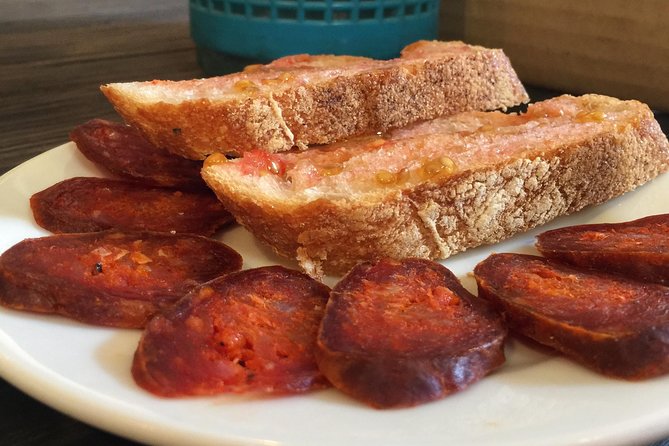
- Roman Barcino context connects Barcelona’s early city life to the way people eat and trade food.
- Mercat de la Boqueria tastings include market time plus guided selection, not just a quick look.
- Three drinks are included, with local red and white wine, plus bubbly cava and clara beer.
- Gothic Quarter stops focus on small family-run places, including pintxo bars and bodegas.
- A 165-year-old Modernista pastisseria is part of the payoff, with a Catalan pastry tied to a very old tradition.
- Max 8 people keeps the tour conversational and makes it easier to pause when you need a moment.
The Recipe: 8 Tastings, 3 Drinks, and Real Neighborhood Walking
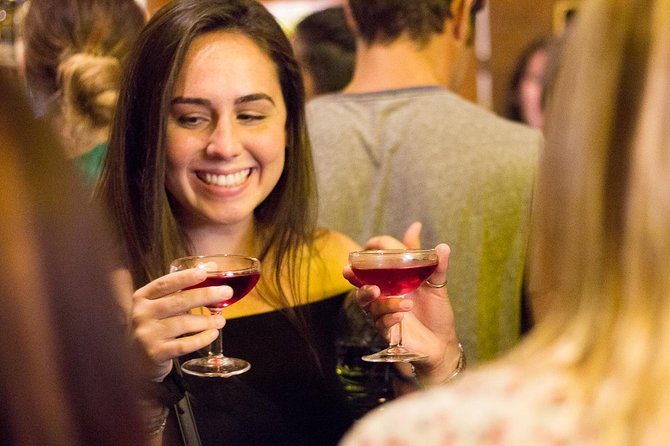
For $66.01, you’re not just paying for food. You’re paying for someone else to handle the decisions: where to go, what to order, and how to make sense of it. The tour includes eight tastings (snacks and tapas-style bites) and three drinks: local red and white wine, plus cava and clara beer. That’s a big part of the value—Barcelona can be pricey when you start adding drinks to snack-hunting.
You also get a professional guide and a route that moves across two big “identity zones” of the city: the old-center heritage of the Gothic Quarter and the food-centered pull of La Rambla and Boqueria. Since it’s a walking tour, you’ll feel the city’s rhythm rather than viewing it from a bus window.
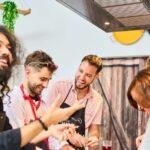
Group size matters here. With a maximum of 8 travelers, the guide can actually talk with you as you eat, not just read a script while everyone stands in a line. That’s especially useful on tours like this, where you’ll want context for what you’re tasting.
You can also read our reviews of more historical tours in Barcelona
From Barcino to Today: How the History Works With the Food
One of the smartest things about this tour is the way it ties history to what’s on your plate. You start with a quick landmark meeting point by Plaça de Catalunya, then shift into an older layer of Barcelona at the Roman settlement of Barcino. Even the way the stop is framed matters: it’s not “Roman history, period.” It’s about how location and trade shaped the city that later became a food hub.
Then the route moves into Mercat de la Boqueria, where you can see the market function in a concrete way. Markets are where cultures meet, and in Barcelona that meeting shows up in seafood, cured meats, and pastry traditions. Finally, you end up in the Gothic Quarter, where architecture and alley life set the stage for the kind of small, family-run spots that still run the food scene.
If you like your travel with meaning—why something exists, not only what it tastes like—this structure will feel satisfying.
Meeting at Plaça de Catalunya: A Convenient Start That Sets the Pace
You meet outside Hard Rock Café Barcelona, by Plaça de Catalunya (Pl. de Catalunya, 21), around 12:00 pm. That’s a practical meeting point for first-timers because it’s central and easy to orient from. It also means you can link this tour to your broader day plan without needing a complex transit puzzle.
You’ll also be moving between areas rather than looping in one tight block. The tour ends at Moll de Bosch i Alsina, 2, which is useful if you’re heading toward the waterfront afterward. It’s a gentle way to transition from medieval streets to a more open setting.
Mercat de la Boqueria: The Market Stop That Actually Teaches You What to Taste
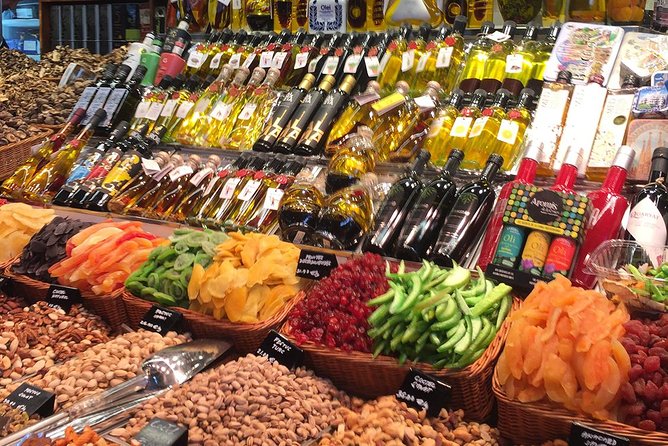
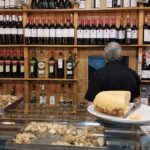
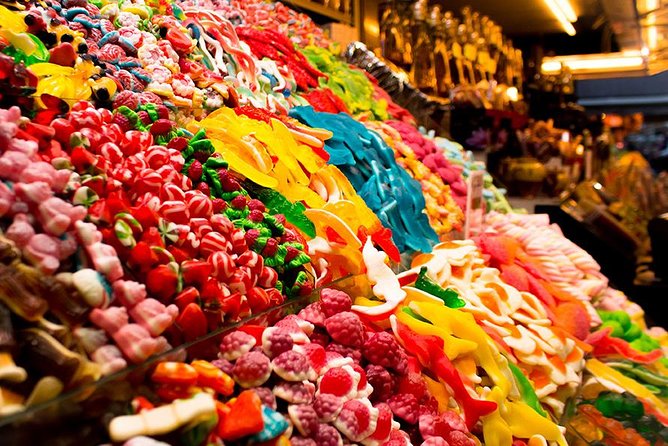
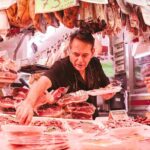
Mercat de la Boqueria is one of those places where first-time visitors often wander and get overwhelmed. This tour helps because it turns the market into a tasting lesson, not a sightseeing chore. You get a focused time window and guided tastings, so you’re more likely to walk away with food knowledge instead of just photos.
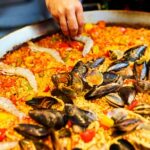
You’ll sample seafood, fruits, and cured items as part of the tasting set. The market is also a reminder that Spanish food culture runs on seasonal choices and local staples. Even if you’ve eaten tapas before, the market context makes the snacks feel more grounded.
A key consideration: this tour doesn’t give you unlimited market wandering time. If your plan includes shopping for sweets, charcuterie, or gifts, you may hit the edge of what you can comfortably browse before the tour pulls you onward. I recommend treating tastings as the priority here, then planning a separate return trip for shopping if you want to buy.
Gothic Quarter Magic on Foot: Hidden Bodegas and Pintxo Bars
After Boqueria, the tour shifts into the Gothic Quarter (Barri Gòtic), where the streets get narrow and the squares pop up like little pauses in the city. This part matters because Barcelona’s older neighborhoods are still where you find small, family-run eating spots. You’re not just passing them—you’re getting guided access to them.
Expect food stops tied to tapas culture: bites you can share, flavors that mix salty and sweet, and local drinks that make sense with what you’re eating. The itinerary includes time at the Gothic Quarter for history and then food again, so you’re not stuck in one mode all the way through. You’ll get the setting, then you’ll eat within it.
One practical benefit: the guide helps you order or choose in places you might otherwise skip. In a market like Boqueria you can learn by looking, but in the Gothic alleys it’s harder to spot what’s best. Having someone lead the way saves time and reduces decision fatigue.
You can also read our reviews of more shopping tours in Barcelona

The Modernista Pastisseria Finish: A Catalan Pastry Moment with Old Roots
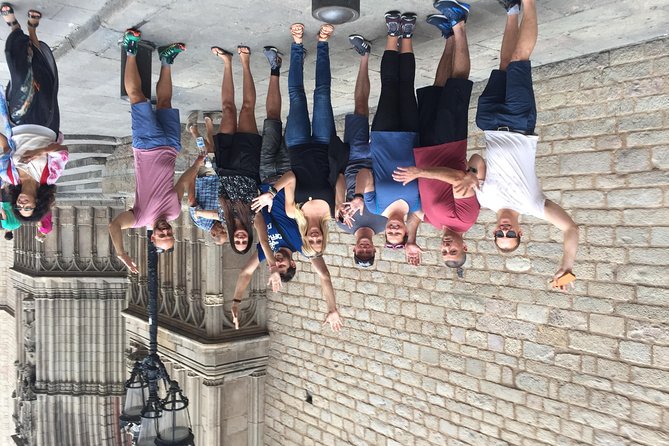
Near the end, you’ll stop at a 165-year-old Modernista pastisseria, family-run, with a tasting that connects to a tradition described as 600 years old. This is a classic Barcelona travel move: finish your savory-and-drink stretch with something pastry-shaped, so the day feels like a complete food story.
Modernista cafés are built for more than eating. Even without going deep into architecture, they have that “linger for a minute” vibe: the decor, the display cases, the sense that people come for sweets the same way they come for bread elsewhere. That makes the final tasting feel like a reward rather than just another bite.
Also, the tour is timed so you don’t end empty-handed. You’ll already be full from the earlier tastings, which means the pastry moment lands as a palate reset rather than a final heavy meal.
Drinks That Belong to the Day: Wine, Cava, Clara, and Porron
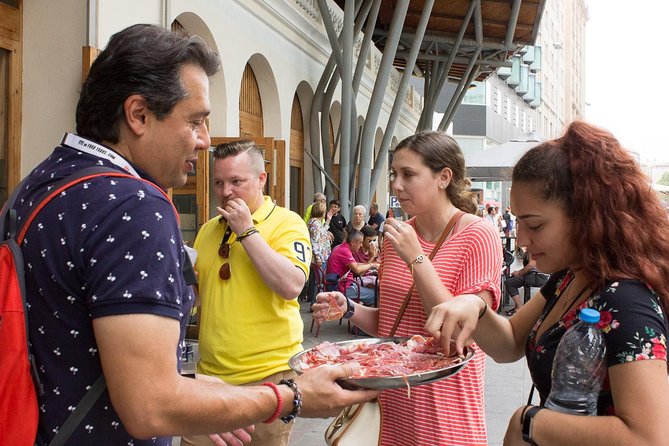
The included drinks are a big reason this tour feels worth it. You’ll get local red and white wines, plus cava, and clara beer as part of the included three-drink set. That combination covers the range of what Barcelona bars actually serve for casual drinking with food.
There’s also a traditional Catalan element: you’ll have a chance to try traditional Catalan Porron along with tasting stops. If you like learning how locals drink and pair, this part turns drinking into culture, not just calories.
One caution for your comfort: because you’re tasting multiple items and drinking at more than one stop, I’d go into the tour with a slightly paced appetite. You don’t need to “diet” before, but you do want to feel good enough to enjoy the later pastry without wishing you could trade it for water.
Price and Value Check: What $66.01 Buys You in Barcelona
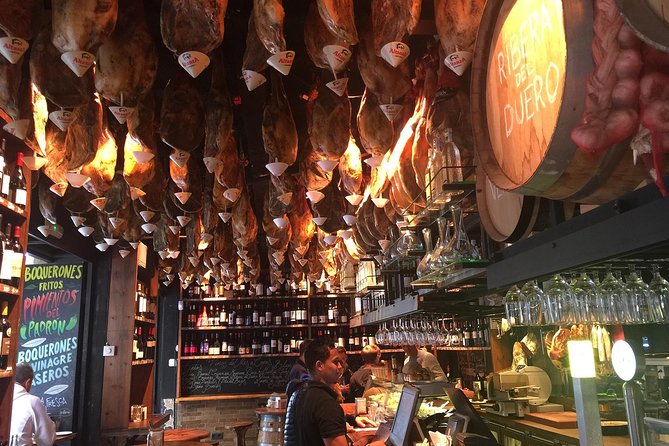
Let’s talk value plainly. At $66.01 per person, you’re paying for:
- 8 tastings (snacks and tapas-style bites)
- 3 included drinks (wine, cava, clara beer)
- a professional guide
- and admission tickets included for certain stops tied to the tour experiences
If you tried to copy this on your own, you’d still need to solve the hard parts: where to go for good bites, how much to eat, and which drinks pair without overpaying at tourist-heavy spots. This tour does that work in a time-efficient way.
Is it perfect value? Only if you actually like structured food sampling. If you’d rather eat slowly at your own favorite places and buy drinks whenever the mood hits, a guided tasting route can feel limiting. But for first-timers who want a fast start, the cost makes sense.
Pace, Heat, and Group Dynamics: What to Watch Out For
This is a walk-and-eat plan, so comfortable shoes matter more than trendy outfit choices. The route moves through old streets and market areas where you won’t want to rush. Also, the timing is tight enough that you’ll likely feel you’re on a schedule, not browsing at leisure.
Another thing to consider is group size and flexibility. When the group is small, you might get a more personalized feel, but it also means fewer people around to help “anchor” the energy level. If you love long pauses to look closely at details, you might need to ask your guide for a quick stop.
Finally, any street-based tour has a logistics dependency. If your travel dates are packed, I’d plan a backup food idea for the same day. It keeps you calm if anything outside the operator’s control happens.
Who Should Book This Tour (and Who Might Skip It)
I think this works best for:
- first-time visitors who want both the story of Barcelona and a taste of the food scene
- food lovers who enjoy trying multiple small bites rather than ordering one big meal
- solo travelers who want an easy social structure around eating
- anyone who wants a guided route through the Gothic Quarter without spending hours researching
I’d think twice if:
- you’re mainly interested in museum-style history and not food culture
- you want lots of shopping time at Boqueria
- you dislike structured tastings and prefer full meals on your own schedule
Smart Tips to Get More Out of It
Come hungry, but not starving. This is a plan where you’ll eat repeatedly, and you want to enjoy each tasting, not just survive it.
If you have dietary needs, ask before booking so the tastings can be adjusted if possible. The tour’s value depends on the tasting set working for you.
Bring a small amount of flexibility into your afternoon. The tour ends at Moll de Bosch i Alsina, so you’re in a good position to keep walking, but you’ll likely want a simple plan afterward—something light, not another major sit-down.
And if you’re the type who loves buying sweets: treat this tour as tasting first, shopping second. The market stop is great, but the time is meant for tasting and learning, not marathon browsing.
Should You Book Taste of Barcelona: Boqueria Market, Tapas & History Tour?
If you want a high-yield first day that mixes food and city context, I recommend booking it. You get a clear route, multiple tastings, included drinks, and a guide who explains what you’re seeing while you eat. The small-group size is the difference between a fun walk and a stressful one.
I’d hold off only if your top priority is shopping time in Boqueria or you prefer to manage your meals and drinks entirely on your own. In that case, you might do better with a self-guided plan plus one pastry stop.
If your goal is to leave Barcelona knowing how the city thinks about food—markets, history, tapas culture, and the Gothic Quarter’s small places—this is one of the more practical ways to get there in just a few hours.
FAQ
How long is the Taste of Barcelona tour?
It lasts about 3 hours.
What time does the tour start?
The start time is 12:00 pm.
Where do I meet the guide?
You meet just outside Hard Rock Café Barcelona, across from Plaça de Catalunya, at Pl. de Catalunya, 21.
Where does the tour end?
The tour ends at Moll de Bosch i Alsina, 2, 08039 Barcelona, Spain.
Is the tour offered in English?
Yes, it’s offered in English.
How much does it cost?
It costs $66.01 per person.
How many people are in the group?
The tour has a maximum of 8 travelers.
What’s included with the ticket price?
The tour includes three drinks, eight tastings, and a professional guide, with admission tickets included for certain stops.
Do I need to print a ticket?
No. The tour uses a mobile ticket.
What’s the cancellation window?
You can cancel up to 24 hours in advance for a full refund.
Are service animals allowed?
Yes, service animals are allowed.