REVIEW · BARCELONA
Barcelona Paella Cooking Class with Market Visit, Tapas & Sangria
Book on Viator →Operated by Gastronomic Arts Barcelona · Bookable on Viator
Mercat-to-meal is the whole point here. This Barcelona class pairs a Boqueria Market walk with a chef-led kitchen session where you cook paella, make sangria, and eat your way through tapas with a small group.
I love the hands-on cooking focus and the fact that you get real ingredient know-how before the stove starts. Past instruction styles often shine through instructors like Maria or Hugo, who keep things fun while walking you step-by-step.
One possible drawback to plan for: the market stop is short, and at least one guest noted it can be hard to see or hear the chef depending on where you’re standing near stalls.
- Small-group size (max 12): more time at the workstations, not just watching
- Market first at Mercat de la Boqueria: learn how to pick ingredients before you cook
- Hands-on sangria workshop: make your own drink, with non-alcoholic option
- Tapas tasting included: seasonal starters plus classic Spanish flavors
- Paella with choices: seafood, chicken, or vegetarian-friendly builds
- You leave with recipes: take the method home, not just the photos
In This Review
- Why This Paella Class Feels Like Barcelona, Not a Performance
- Mercat de la Boqueria: Your Fast Track to Real Ingredient Picking
- What to expect at the market stop
- A heads-up before you go
- La Rambla Walk: A Useful Pause Between Shopping and Cooking
- Tapas and Sangria: The Meal Starts Before the Paella
- Sangria-making workshop (including non-alcoholic)
- What’s in the drink lineup
- The Real Star: Hands-On Paella Cooking With Real Choices
- How paella cooking gets easier than you think
- If seafood is a concern
- Dessert Finish: Tarta de Santiago to End on a Sweet Note
- What You Actually Take Home (Besides a Full Stomach)
- Value Check: What $114.88 Really Buys in Barcelona
- Who Should Book This Paella and Sangria Class
- When You Should Choose Something Else
- Tips to Get the Most Out of Your 3-Hour Food Day
- Should You Book This Barcelona Paella and Sangria Class?
- FAQ
- How long is the Barcelona paella cooking class with market visit?
- Where does the tour start, and is it near public transportation?
- What language is the experience offered in?
- How many people are in the group?
- What food and drinks are included?
- Are there options if I don’t want seafood paella?
- Is non-alcoholic sangria available?
- How does the class handle allergies and dietary preferences?
- Is there an age limit for the drinks?
- Is the Boqueria market visit included every day?
Why This Paella Class Feels Like Barcelona, Not a Performance
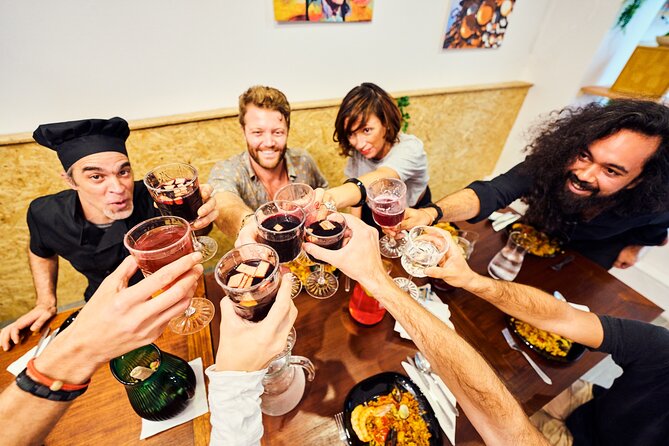
Barcelona has a lot of food “experiences.” This one is different because it starts where locals actually shop—then it moves you into a working kitchen where you cook what you just learned to choose. The flow matters: you don’t just hear about paella; you build it from the ingredients and methods that make it work.
You’ll also get a clean mix of activities in about three hours: market visit, tapas and sangria, cooking paella, and a small dessert finish. With up to 12 people, it stays personal. I like that you’re not stuck on the sidelines while everyone else cooks.
And the overall deal is focused. You’re not paying for a museum stop or a long bus ride to nowhere—you’re paying for ingredients, instruction, and a full meal experience.
Mercat de la Boqueria: Your Fast Track to Real Ingredient Picking
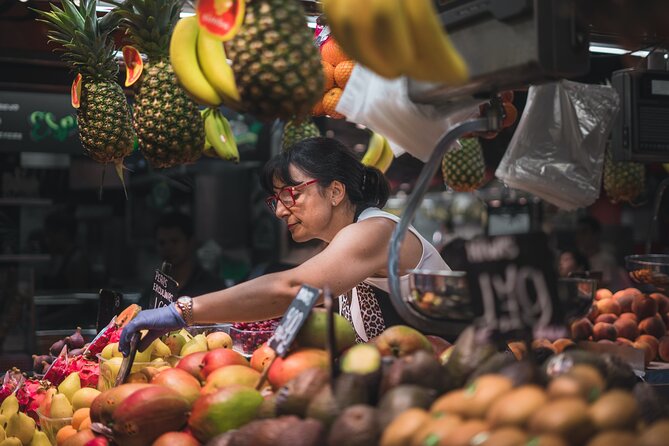
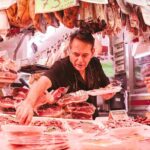
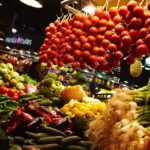
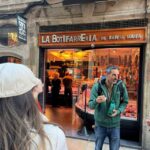
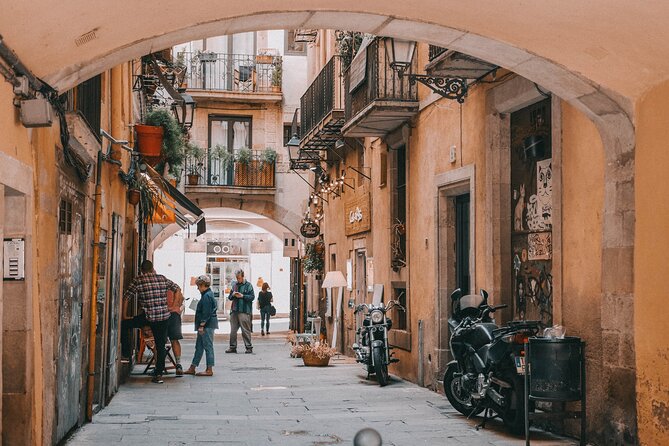
The tour begins at a central meeting spot in Ciutat Vella, and then you head to Mercat de la Boqueria. This is the famous market you’ve probably seen in photos, but the point here isn’t the postcard look. The point is learning how ingredients are chosen—especially the seafood side of paella.
During the market visit, your guide shares practical tips on what to look for when selecting higher-quality items. You’ll be walking among stalls and seeing how the market supports daily life in Barcelona, not just catering to tourists. One of the smartest parts is that you’re learning the why behind choices, not memorizing a shopping list.
You can also read our reviews of more shopping tours in Barcelona
What to expect at the market stop
The market time is intentionally compact, because the rest of the class needs kitchen prep and cooking time. Expect to:
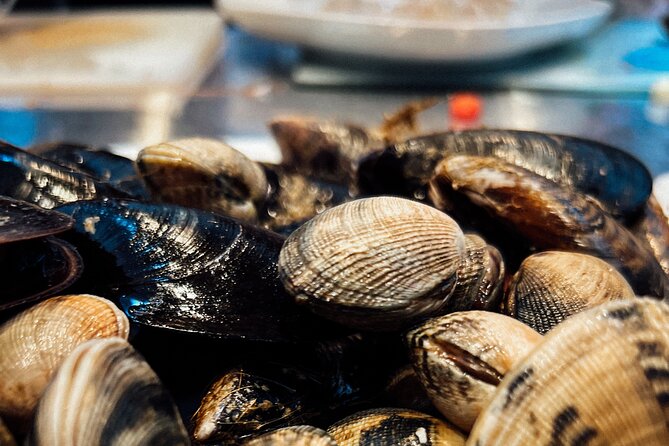
- See and compare seafood options and typical paella ingredients
- Pick up small “how to choose” pointers you can use later if you shop on your own
- Get oriented to market culture while you’re walking with your group
A heads-up before you go
If you’re the kind of person who hates being squished or standing awkwardly while someone talks, keep in mind that one guest felt they struggled to see or hear the chef clearly at the market. I’d plan to arrive a touch early, stay flexible with where you stand, and be ready to shift positions as your guide moves.
Also note the market is excluded on Sundays and public holidays because it’s closed on those days. The class still runs, but the market portion won’t happen as planned.
La Rambla Walk: A Useful Pause Between Shopping and Cooking
You’ll connect the market visit with time around La Rambla as part of the route. This is a practical part of the day, not a time-waster. The walk gives you a sense of what the area looks like between food stops, and it helps break up the energy so you’re not jumping from market chaos straight into the kitchen.
If you’re visiting Barcelona for the first time, this is also a good moment to get your bearings. Even a short stretch near La Rambla can help you understand where you are in the city before you plan other meals later that day.
Tapas and Sangria: The Meal Starts Before the Paella
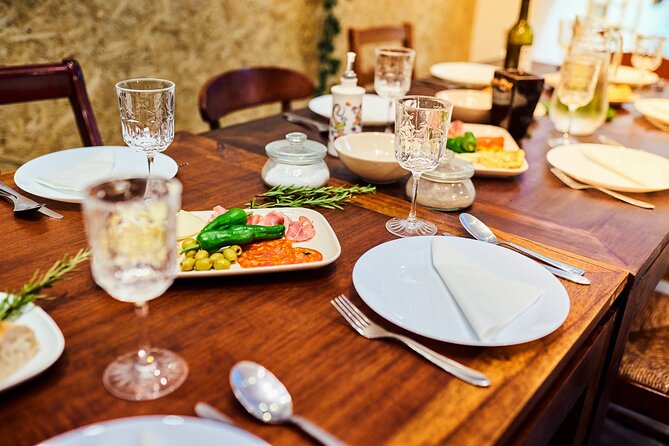
Once you return to the kitchen, the class switches from shopping mode to eating and mixing mode. First up is a tapas tasting, with selections that can vary based on what’s fresh and seasonal.
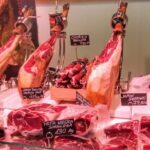
The menu style is classic Spanish: cured meats, cheeses, pimientos de padrón, pan con tomate, and olives are all part of the possible lineup. You should think of this as a tasting plate that sets the flavor tone for the main event, paella.
You can also read our reviews of more tours and experiences in Barcelona
Sangria-making workshop (including non-alcoholic)
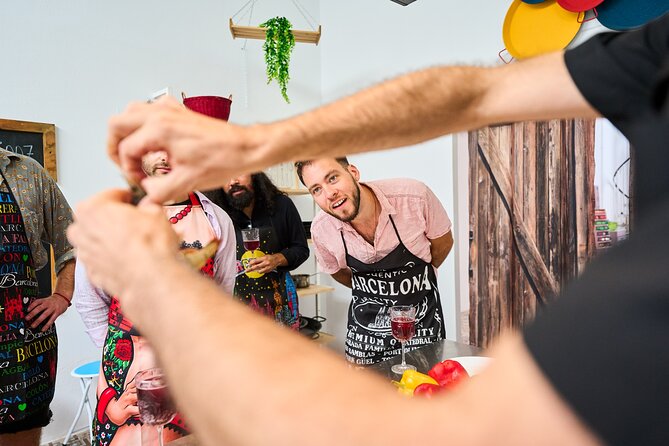
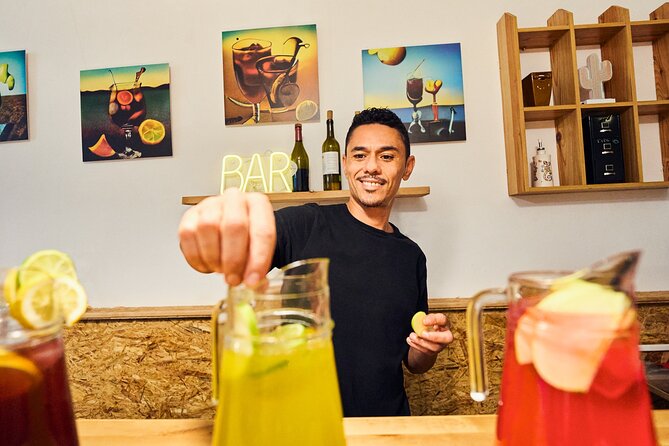
Then comes sangria. You’ll take part in a hands-on workshop where you make your own sangria and enjoy what you create. This is one of the easiest parts to love, because you’re not just sipping—you’re actively assembling.
There’s also a non-alcoholic version available. That’s especially useful if you’re traveling with kids, planning to stay sharp after the class, or just prefer to skip the alcohol. Also keep in mind the minimum drinking age is 18, so non-alcoholic options are the way to include everyone fairly.
What’s in the drink lineup
Bottled water, juice, and non-alcoholic sangria are available too. The goal is simple: keep you hydrated and keep the energy up while you cook.
The Real Star: Hands-On Paella Cooking With Real Choices
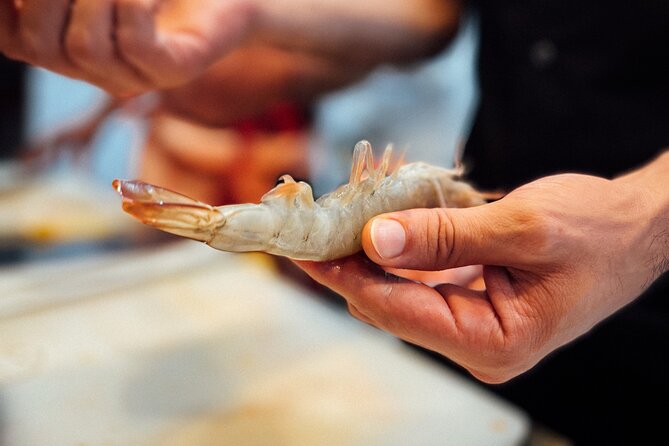
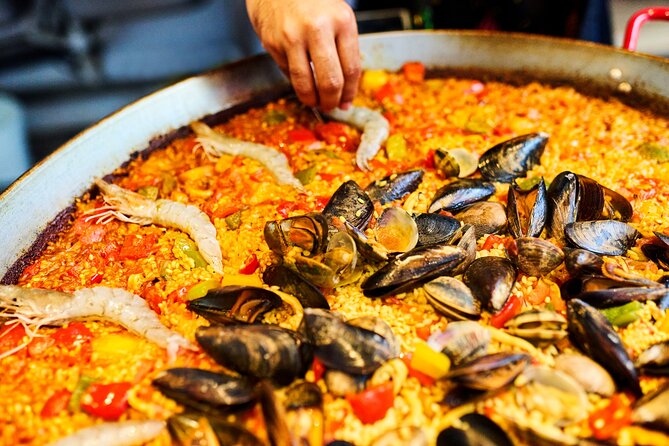
This is the part most people are booking for, and it’s also where the small-group format pays off. You’ll cook paella with your local chef, and you’ll have one-on-one guidance and support during the process.
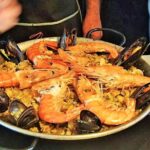
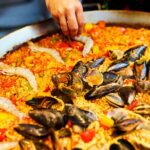
The paella style in this class is the traditional kind you can expect to find in Spain, made with seafood, chicken, or a vegetarian-friendly option. You’ll be asked about allergies and preferences at the start of the class, and the cooking plan adjusts from there.
How paella cooking gets easier than you think
Even if you don’t cook much at home, paella is learnable because the process is structured. Your chef shows you the method and helps you nail the steps while you’re actively working. It’s not just watching, and it’s not just measuring. You’ll prep and build the dish as a group.
One detail I like is that the class gives you seafood knowledge upfront—so when you’re in the kitchen, the ingredients aren’t strangers. Instead, you’re using what you learned at the market to make choices at the stove.
If seafood is a concern
You can request a chicken paella or a vegetarian paella option. And if you have allergies, the class collects those at the beginning, so the kitchen can prepare appropriate workspaces and ingredient substitutions when needed.
Dessert Finish: Tarta de Santiago to End on a Sweet Note
After paella, the day doesn’t stop at the main course. You’ll also get traditional Spanish dessert instruction, with Tarta de Santiago, a classic almond cake from Galicia.
This is a smart closing move. It’s sweet, but it’s not a heavy finale that makes the “send-off” part of the day feel rushed. It also gives you one more taste of Spain beyond the sea-and-rice focus of paella.
What You Actually Take Home (Besides a Full Stomach)
The biggest practical win is that you walk away with new culinary skills and a copy of the recipes so you can recreate the experience after your vacation. That’s what turns this from a one-day meal into something you can use later.
If you like cooking, you’ll appreciate that the class doesn’t just hand you a flavor story. It gives you a repeatable method: market selection knowledge (especially seafood), paella steps, sangria mixing, and dessert basics.
Also, included beverages help make the class feel like a complete meal, not a snack-and-show setup.
Value Check: What $114.88 Really Buys in Barcelona
At around $114.88 per person for about three hours, this isn’t a “cheap activity.” But the value is in what’s included: the market visit, tapas tasting, sangria-making workshop, hands-on paella cooking instruction, dessert instruction, plus drinks.
If you tried to recreate this on your own, you’d spend money on:
- Market purchases (especially seafood ingredients)
- A kitchen cooking experience or a guide
- Enough tapas and drink components to match the class meal flow
- Time and planning to coordinate everything
Here, someone else handles the structure. You pay for guidance, ingredient selection help, and a finished meal you actually produce.
Who Should Book This Paella and Sangria Class
This is a great pick if you want:
- A focused food day with small-group attention
- A hands-on cooking experience (not just a tasting tour)
- A paella class that includes market ingredient tips first
- Options for different diets, including chicken and vegetarian paella
It’s also friendly for mixed groups—couples, solo travelers, and families—because the pace is social and the workstations keep you involved. If your group includes someone who doesn’t want alcohol, the non-alcoholic sangria option helps keep things inclusive.
When You Should Choose Something Else
You might consider another activity if:
- You’re only in Barcelona for a very short window and you need something that lasts longer than three hours
- You strongly dislike crowds or standing near stalls (market viewing can be tight)
- You want an ultra-depth food history lesson rather than a practical cooking-and-eating format
Tips to Get the Most Out of Your 3-Hour Food Day
A few practical moves will make this smoother:
- Wear comfortable shoes for the market walk.
- If you have any allergies or preferences, be direct at the start so the kitchen can adjust early.
- If you’re sensitive about hearing, position yourself so you can see the chef during market explanations.
- Come hungry. Tapas, sangria, paella, and dessert means this is a full meal by the end.
Should You Book This Barcelona Paella and Sangria Class?
Yes, if you want a food experience that’s built like a real day in Barcelona: market first, then kitchen, then eating what you made. The small-group size is a big part of why it feels rewarding, and the mix of market guidance, tapas tasting, sangria-making, and hands-on paella gives you more than a single highlight.
I’d book it especially if you care about learning the how—how to choose seafood, how to cook paella, and how to bring the flavors home with the provided recipe copy. If your ideal trip is one big city stroll with lots of free time, you might prefer something less structured. But for a tasty, skill-building half-day, this is a solid bet.
FAQ
How long is the Barcelona paella cooking class with market visit?
It lasts about 3 hours.
Where does the tour start, and is it near public transportation?
It starts at Gastronomic Arts Barcelona (Carrer de Lancaster, 10, Bajo 1a, Ciutat Vella, 08001 Barcelona) and it’s near public transportation.
What language is the experience offered in?
The class is offered in English.
How many people are in the group?
It’s limited to a maximum of 12 travelers.
What food and drinks are included?
You get a market tour, a sangria-making workshop, tapas tasting, hands-on paella cooking, and a Tarta de Santiago dessert, plus beverages (sangria, red wine, bottled water, and juice).
Are there options if I don’t want seafood paella?
Yes. A chicken paella option and a vegetarian paella option are available.
Is non-alcoholic sangria available?
Yes. Non-alcoholic sangria is available, including for those who prefer not to drink alcohol.
How does the class handle allergies and dietary preferences?
Food allergies and preferences are collected at the start of the class, and the kitchen adjusts accordingly.
Is there an age limit for the drinks?
The minimum drinking age is 18 years.
Is the Boqueria market visit included every day?
The market visit is excluded on Sundays and public holidays because the market is closed those days.