REVIEW · BARCELONA
Barcelona’s Dark History Walking Tour in El Raval
Book on GetYourGuide →Operated by ExperienceFirst · Bookable on GetYourGuide
Barca turns spooky in El Raval. This Dark History walk strings legends, politics, and old Barcelona into one easy 2-hour route through the neighborhood that never asked to be polite. I like how the stories feel grounded in real addresses and buildings, not just generic folklore about monsters.
I also love the mix of serious dark history with everyday Barcelona texture: the stop at the House of Mercy, then a sharp shift to Keith Haring’s political mural near the MACBA, then street art and nightlife leftovers on Raval’s south side. One possible drawback: if you prefer light sightseeing only, the tour leans into abandoned children, murder-story lore, and macabre legends.
In This Review
- Key Points That Make This Tour Worth Your Time
- Dark Legends, Old Streets: Why This El Raval Walk Works
- Meeting at Plaça de Castella and Sant Pere Nolasc Mercedaris
- Casa de Misericòrdia: The House of Mercy With Ghost-Story Echoes
- MACBA and the MURAL DEL SIDA: Pop Art With Political Teeth
- The Vampire of Raval Legend: Where Story Starts to Feel Real
- Old Hospital de la Santa Creu: Institutions, Legends, and a Macabre Garden
- Bar Marsella and Sant Pau del Camp: A Human Pause in the Darkness
- Raval’s South Side: Nightlife Leftovers and the Street Art That Keeps Moving
- The Three Chimneys and Jardins de les Tres Xemeneies Finish
- Price, Pace, and Who This Tour Fits
- Should You Book This Dark History Walking Tour in El Raval?
- FAQ
- Where does the tour start?
- How long is the Dark History Walking Tour in El Raval?
- Is the tour in English?
- What’s included in the price?
- Is it wheelchair accessible?
- Does it run in bad weather?
Key Points That Make This Tour Worth Your Time
- Starts at Plaça de Castella with Sant Pere Nolasc Mercedaris, so you quickly get oriented in the old core.
- Casa de la Misericòrdia turns the idea of mercy into something chilling, tied to children abandoned there.
- Keith Haring’s MURAL DEL SIDA at the MACBA area brings politics to pop art in a way you can actually see and read on the street.
- The Vampire of Raval story doesn’t just sound creepy; it reframes the neighborhood with a real sense of place.
- Old Hospital of la Santa Creu adds the contrast of institutional history, with a garden tied to frightening old-time entertainments.
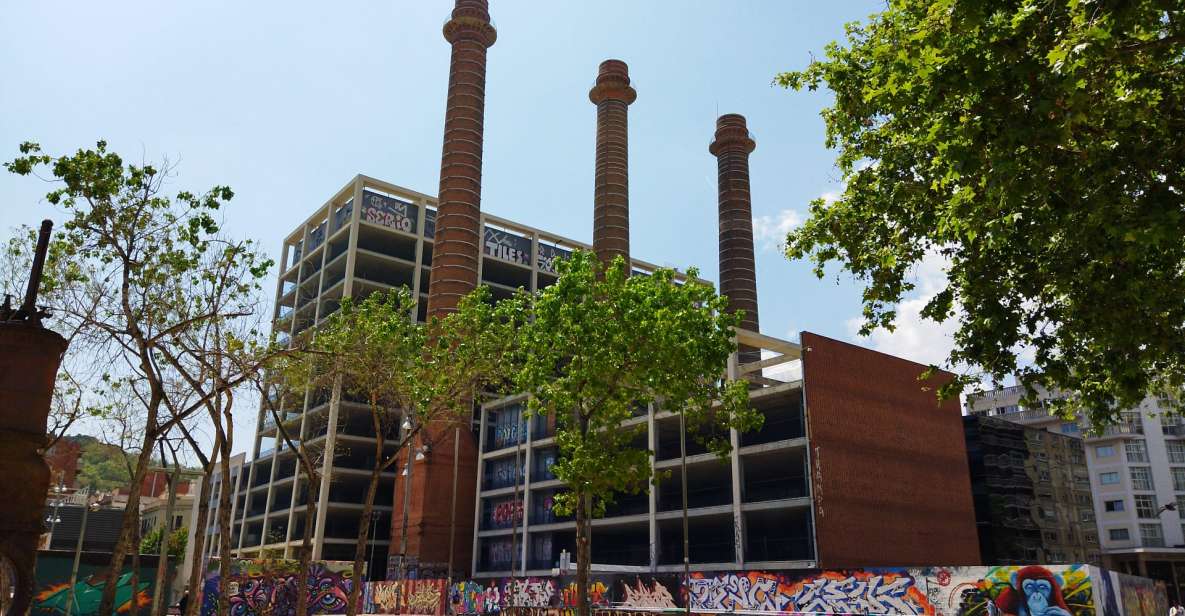
- Finish at Jardins de les Tres Xemeneies so you end at an outdoor viewpoint that matches Raval’s industrial edge.
Dark Legends, Old Streets: Why This El Raval Walk Works
This tour is built on a simple idea: Barcelona’s legends live in the same streets as the everyday city life. You’re not just hearing spooky lines. You’re walking between sites—churches, hospitals, murals, and even a centuries-old bar—where the past still has weight.
I like that it stays practical. The pace is leisurely and the distance is about 2 miles, so you’re not sprinting through Raval to catch the highlights. And it’s English-led, so you get the full story arc without guessing. The result is a tour that feels like a guided walk with context, not a jump-scare parade.
Guides matter on a story-heavy tour like this. The experience has a strong track record for storytelling. I’ve heard Andreas and Owen (Eoghan) specifically praised for vivid delivery and for balancing informative with fun, which is exactly what you want when the content gets dark.
You can also read our reviews of more walking tours in Barcelona


Meeting at Plaça de Castella and Sant Pere Nolasc Mercedaris
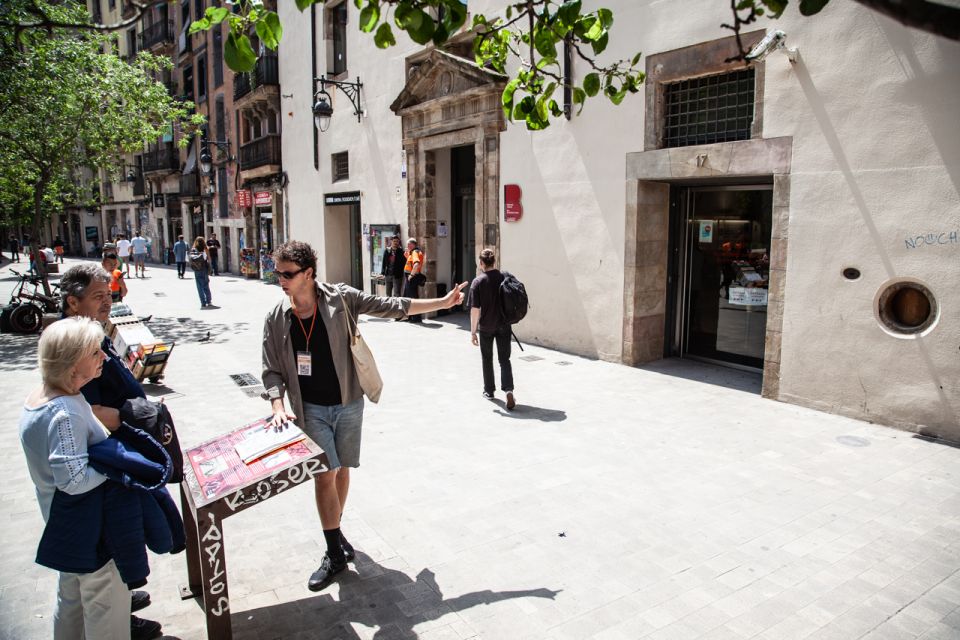
You begin outside the Parròquia de Sant Pere Nolasc Mercedaris on Plaça de Castella, 08001. This start point is smart: you get your bearings fast in a busy square, then the tour immediately pulls you from modern street life into older layers of the neighborhood.
Sant Pere Nolasc Mercedaris sets the tone without forcing it. It’s a religious landmark used as a narrative anchor, so you can feel the tour’s theme: churches, institutions, and legends tied to real walls. After that, your guide leads you into Raval’s tighter streets, where everything feels closer together and the stories stick better.
Casa de Misericòrdia: The House of Mercy With Ghost-Story Echoes
The first major stop is the Casa de Misericòrdia de Barcelona. This is where the tour’s tone turns truly unsettling: the building is tied to a system where children were abandoned, and the legend says some of them still move through the halls.
The practical value here is the way the tour reframes what you’re seeing. You’re not just staring at old stone. You’re learning how “mercy” can exist inside harsh social reality, and how institutions create both records and rumors. That matters in Raval, where the neighborhood’s history often shows up as stories attached to places.
If you’re sensitive to dark themes, this is the stop where you’ll feel it most. Still, it’s one of the most compelling parts of the route because it gives the neighborhood’s darker reputation a human scale—children, abandonment, fear—rather than only supernatural vibes.
MACBA and the MURAL DEL SIDA: Pop Art With Political Teeth
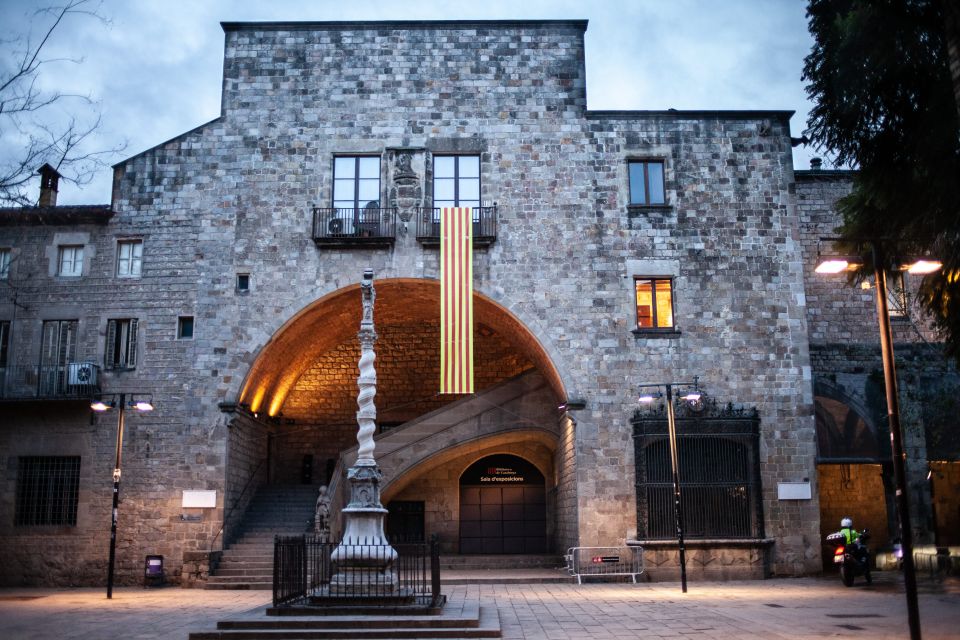
Next comes the area around the MACBA (the Barcelona Museum of Contemporary Art). Even if you don’t go inside, the tour uses this stop well. You see the museum as a modern landmark, then your guide redirects you to one of the most important public art pieces connected to this neighborhood: a mural of stick characters created by Keith Haring, with a politically charged message.
The connection here is excellent for first-time visitors to Raval. It shows you how contemporary Barcelona keeps talking back to older ideas of power, control, and social struggle. And because it’s street-accessible art, it feels less like a museum lesson and more like a visual argument you can read with your feet.
You’ll also pass through Carrer de Joaquín Costa, where the tour keeps the focus on the neighborhood’s street-level storytelling through art and attitude. This is the part of the walk that feels like a real urban collage—except your guide helps you translate what you’re seeing into context.
The Vampire of Raval Legend: Where Story Starts to Feel Real
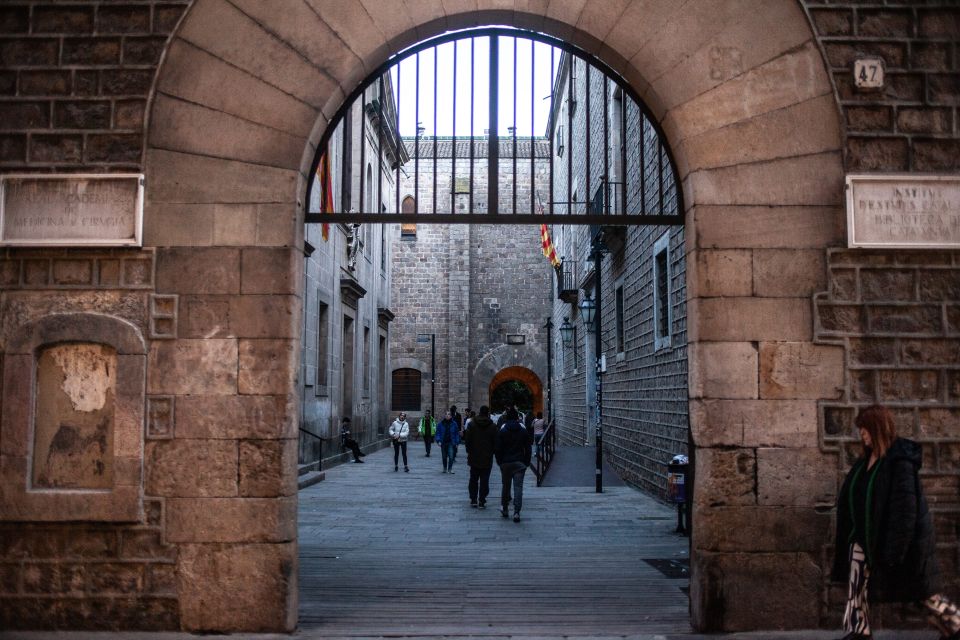
Then the tour does the thing you came for. You’ll stop by the place the Vampire of Raval used to live—presented through the lens of Barcelona’s most infamous serial-killer legend.
Whether you take every detail literally or you treat it as folklore, the effect on the walk is the same: it makes the street feel like a chapter. Your brain starts linking corners, façades, and old buildings to the narrative you’re hearing.
This stop is also why the tour works as a whole. Earlier you saw the House of Mercy and then the arts scene. Now you see the darker side of Raval’s history as something that left a story behind. It’s not just shock value. It’s how fear becomes memory, and how memory becomes part of a neighborhood’s identity.
You can also read our reviews of more historical tours in Barcelona
Old Hospital de la Santa Creu: Institutions, Legends, and a Macabre Garden
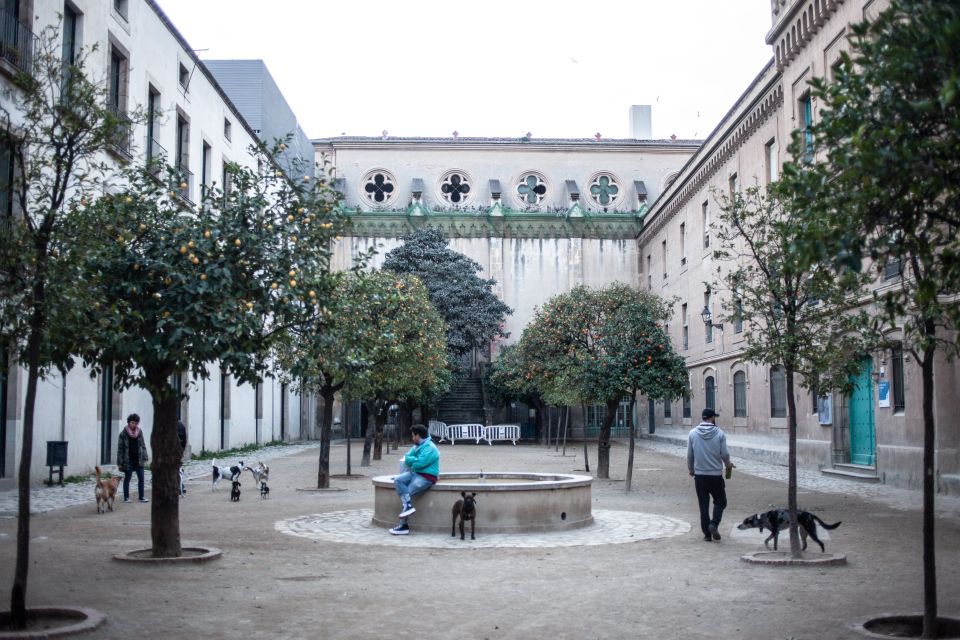
At the Old Hospital de la Santa Creu, you get a different flavor of darkness. This is not only a crime legend stop. It’s institutional history with a horror-adjacent twist: you can wander the grounds and a garden where the story says shows and spells of the most macabre once took place.
That’s the contrast the tour keeps offering. You move from abandonment stories to political murals to serial-killer lore, and then into the framework of a hospital. The point isn’t that every institution was sinister in practice—it’s that institutions often gather rumors, and those rumors grow into legends that outlive the original purpose.
Even if you’re not the kind of person who gets spooked easily, this stop gives you something useful: a sense of how Raval’s past was organized, enforced, and remembered through buildings that still exist today.
Bar Marsella and Sant Pau del Camp: A Human Pause in the Darkness
After the hospital, the tour shifts into two stops that balance the mood.
First, you pass La Rambla de Raval and continue on to Bar Marsella, described as the oldest bar in town. The stop is more than a photo break. The bar’s long opening history—over 200 years—makes it a living link between the present neighborhood and the earlier waves of artists and thinkers. The guide connects it to creative figures like Dalí, Gaudí, and Picasso.
Then you hit Sant Pau del Camp, Barcelona’s oldest church. It’s Romanesque and over 1,000 years old, and the tour explains that it also hides a troubled past tied to local legend.
I like these two stops because they pull you out of pure gloom. You’re still in Raval, still hearing dark threads, but you’re also reminded that this neighborhood has always held real daily life. A church and a bar don’t erase the past, but they keep the neighborhood human.
Raval’s South Side: Nightlife Leftovers and the Street Art That Keeps Moving
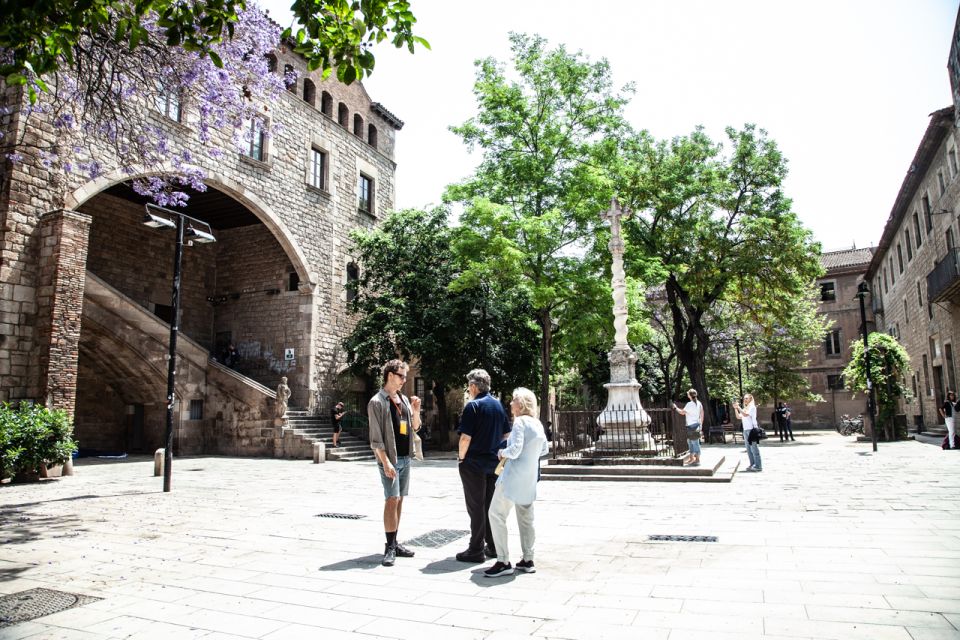
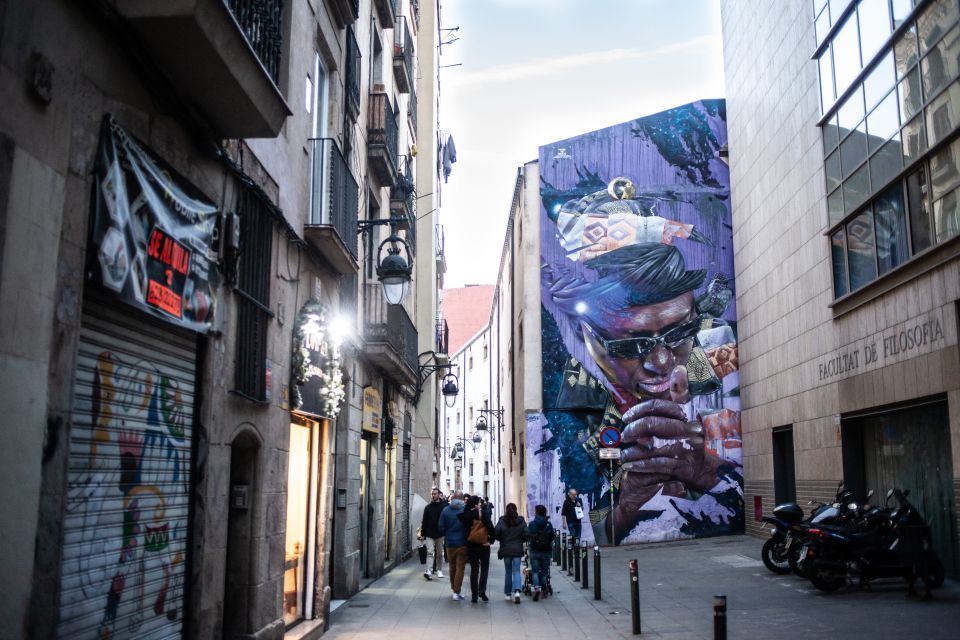
As the tour winds down, you discover the south side of Raval, where a century ago clubs, cabarets, and casinos were major attractions. The tour doesn’t just say the nightlife existed. Your guide points out places that have survived into modern times, so you can see the continuity of the entertainment district instead of treating it like a dead era.
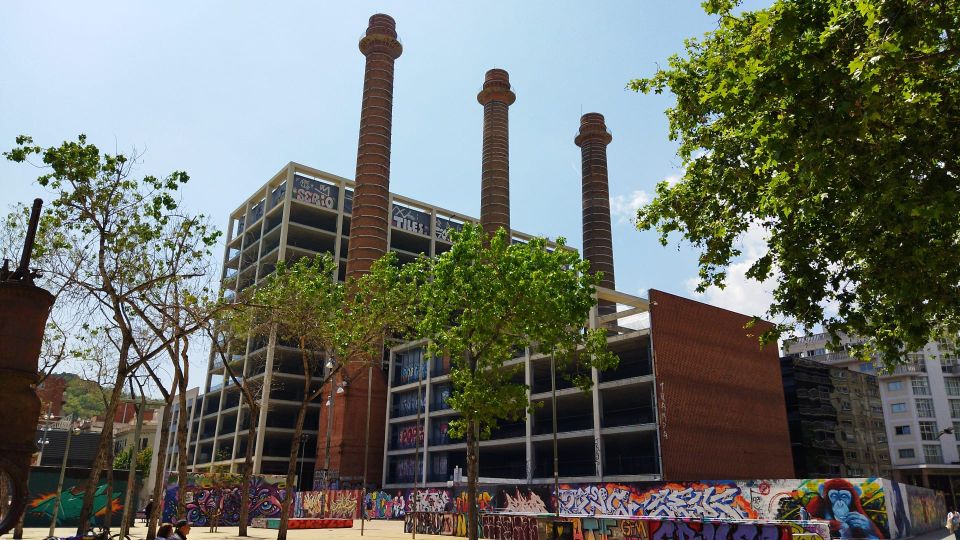
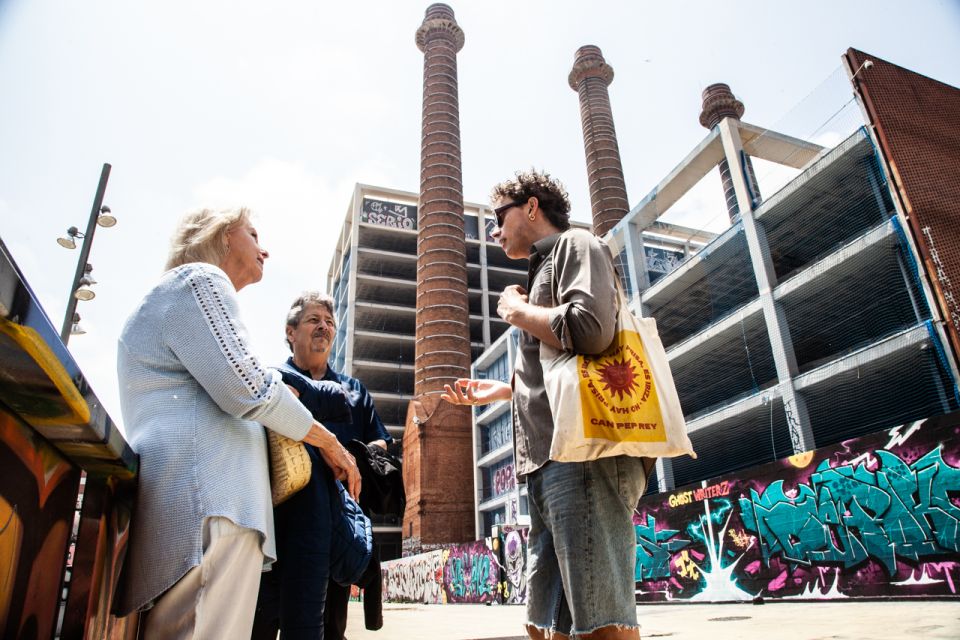
This is also where street art becomes a practical part of the tour, not just decoration. Close to a former power factory, you’ll admire colorful graffiti art that keeps changing. If you’re lucky, you might even catch street artists working in the area.
That moving target aspect is why this tour fits modern Raval. The neighborhood isn’t frozen in time. Even the “dark history” is layered onto an active present.
The Three Chimneys and Jardins de les Tres Xemeneies Finish
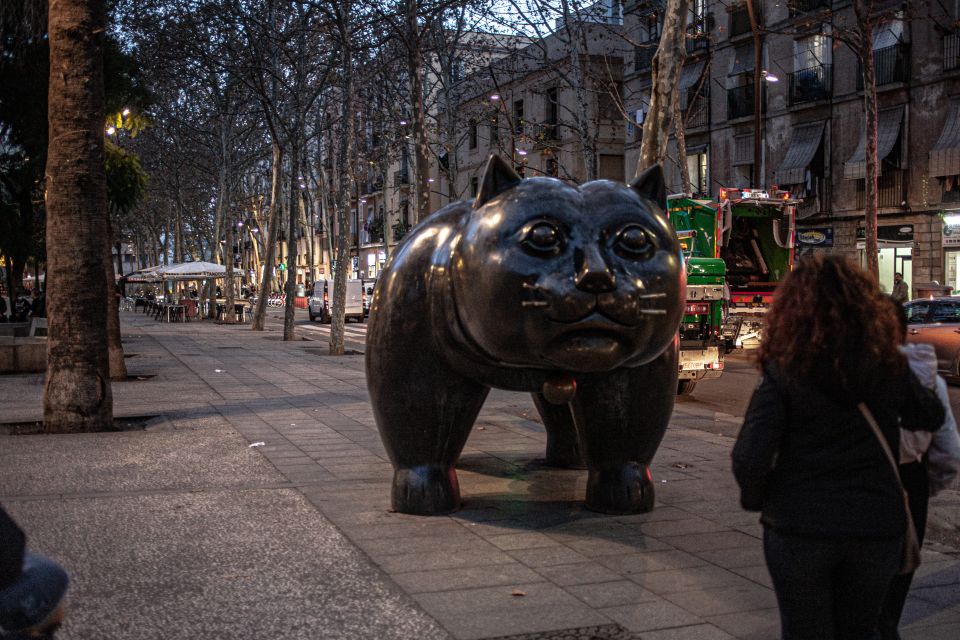
The route ends with a stop at The Three Chimneys, finishing at Jardins de les Tres Xemeneies. Even though you’re wrapping up, it’s a strong landing point because it matches the neighborhood’s industrial edge.
These final grounds give you space to look back over what you just learned: mercy-house stories, serial-killer legend, political mural messages, old hospital lore, and the entertainment past. Ending outdoors helps the experience feel less like a lecture and more like a finished walk you can digest.
If you want a smooth transition afterward, plan for a slow wander back into the neighborhood. This is one of those walks where you’ll start noticing details you missed before: murals, signs, and street corners you now understand in context.
Price, Pace, and Who This Tour Fits
The price is $33 per person for about 2 hours and roughly 2 miles at a leisurely pace. For a guided walk in Barcelona that includes multiple paid-for-feeling stops (church, hospital grounds, and major public art focus), I think this is fair value. You’re paying for interpretation: the way the guide stitches legend and place into something you can actually remember.
This tour fits best if you:
- enjoy spooky urban storytelling but want it tied to real places
- like street art with political meaning, not just wall photos
- want an El Raval experience beyond cafés and shopping
It might not fit if you want a gentle “see the city” walk with no heavy themes. The content includes abandoned children legends and serial-killer lore, and the hospital stop includes macabre claims tied to old entertainments.
A quick note on comfort: it’s wheelchair accessible, and tours run rain or shine. If weather is extreme and the tour is canceled, you’ll get a full refund.
And yes, tips aren’t included, but they’re always appreciated by the guides. If your guide brings the stories to life, a tip is a kind way to say thanks.
Should You Book This Dark History Walking Tour in El Raval?
If you’re curious about Barcelona’s darker threads and you want an El Raval walk that stays structured and easy, I’d book it. The tour has a smart mix: unsettling institutional stories, the Keith Haring mural moment near the MACBA area, a serial-killer legend stop, and then anchoring contrast with Bar Marsella and Sant Pau del Camp.
I’d skip it only if you want a light route with zero heavy material. Otherwise, this is one of the best ways to understand Raval as more than a destination you pass through. You leave with streets you can place in your mind, and with art you can actually explain.
FAQ
Where does the tour start?
The tour starts outside the Church of Sant Pere Nolasc Mercedaris in Plaça de Castella, 08001, Barcelona.
How long is the Dark History Walking Tour in El Raval?
It lasts about 2 hours.
Is the tour in English?
Yes, the live tour guide speaks English.
What’s included in the price?
The guided tour is included.
Is it wheelchair accessible?
Yes, this activity is wheelchair accessible.
Does it run in bad weather?
Tours run rain or shine, and if extreme weather causes a cancellation, you receive a full refund.