REVIEW · BARCELONA
Barcelona: Old Town Private Walking Tour of Past and Present
Book on GetYourGuide →Operated by Barcelona by Fábio · Bookable on GetYourGuide
History feels close-up on this walk.
You start with Parc de la Ciutadella and then move through El Born, La Ribera, and the Gothic Quarter, where Roman leftovers sit next to medieval plazas. I like two things most: you get a clear “then-and-now” story as you go, and you finish with real Barcelona flavor at La Boqueria. One drawback: it’s still a walking tour, so plan for lots of steps and old-stone streets.
This is a true private experience (small group, flexible pace) that also offers choices at the end. You can head toward La Barceloneta and the marina mood, or go up toward Plaza Catalunya and the Gaudí sights on Paseo de Gràcia, with time-dependent options that may include a stop near Sagrada Família.
In This Review
- Key points that make this tour stand out
- Why this €50-style price feels fair for a private old-town walk
- Meeting options: Arc de Triomf or Plaça de Sant Jaume
- Parc de la Ciutadella: a green breather before the Gothic Quarter
- El Born and La Ribera: where Barcelona’s working heart becomes a story
- Gothic Quarter power stops: Roman temple sites and medieval plazas
- Las Ramblas and La Boqueria: a tasting break that tastes like Barcelona
- Two smart finish routes: beach/marina mood or Gaudí on Paseo de Gràcia
- Option A: Liceu Theater to Plaza Reial, then Port Vell and La Barceloneta
- Option B: a wish at a fountain, Plaza Catalunya, then Gaudí house exteriors
- What about Sagrada Família?
- Fábio’s guiding style: why the tour feels personal, not scripted
- Who this walking tour suits best (and who should reconsider)
- Should you book this Barcelona Old Town Private Walking Tour?
- FAQ
- How long is the tour?
- Where does the tour start?
- Is food included?
- What languages are available for the guide?
- Are attraction tickets included?
- What should I bring and wear?
Key points that make this tour stand out
- Small private group with a guide who adapts to your pace and interests
- Roman to medieval to modern sights, explained in a way that’s easy to follow
- Parc de la Ciutadella gives you a green reset before the tight old streets
- La Boqueria tasting includes local bites like cheese, Iberic ham, and fruit juice
- Two different finish routes (beach/marina or Gaudí streets) so you can match your mood
- Photo-friendly stops across major plazas and narrow Gothic Quarter lanes
Why this €50-style price feels fair for a private old-town walk
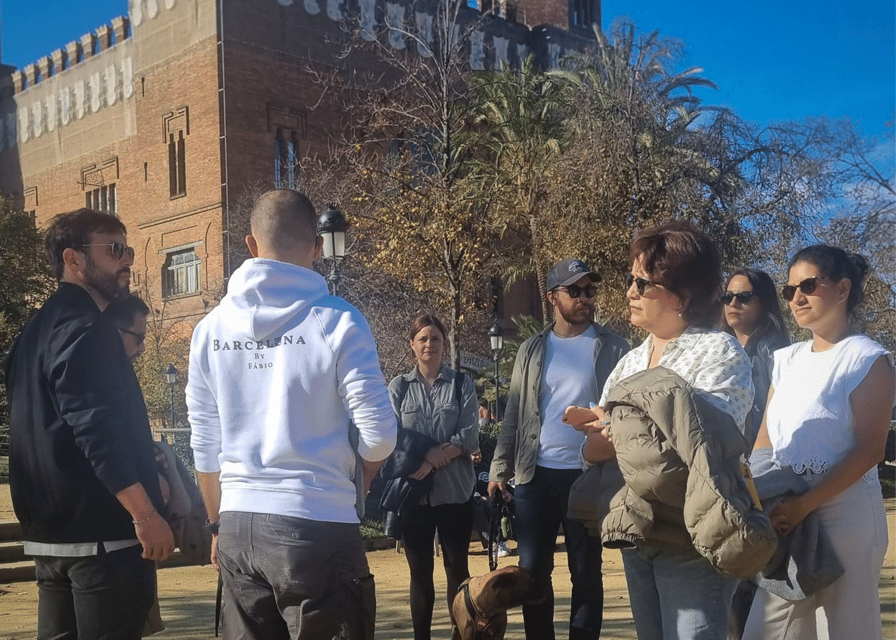
At $50 per person for 2 to 3 hours, the value comes from the mix: you’re not just seeing one neighborhood. You’re getting a guided line through multiple ages of Barcelona—from Roman-era traces to the medieval core and then into the modern city shaped by big moments like the 1992 Olympics (the route choices point you right into that present-day life).
You also get a small but useful “real life” add-on: a shared tasting at La Boqueria plus a mini eco-friendly bottle of water. It’s not a full meal, but it’s the kind of stop that makes the tour feel like Barcelona, not a checklist.
The “private” part matters too. This isn’t a cattle-car group. With a group size capped at 8 participants (and children under 6 free), your guide can slow down, answer questions, and switch priorities. That flexibility is what turns “I saw some landmarks” into “I understand what I’m looking at.”
A quick note on attractions: tickets to monuments aren’t included. If you want specific interiors, your guide can help you figure out what’s worth buying ahead or on the day, but you should be ready for some stops to be exterior or timing-based.
You can also read our reviews of more walking tours in Barcelona

Meeting options: Arc de Triomf or Plaça de Sant Jaume
You’ll start at one of two meeting points depending on the option booked: Arc de Triomf or Plaça de Sant Jaume. Either start sets you up well. Arc de Triomf is a clean visual gateway into the old city. Plaça de Sant Jaume drops you closer to political and religious power centers right away.
Because this is private, you’re not fighting for position in a crowd. Still, do yourself a favor: arrive a few minutes early and wear shoes you can handle on uneven paving. The old quarters look pretty in photos, but they’re not built for high heels or long grinds in slick soles.
Parc de la Ciutadella: a green breather before the Gothic Quarter
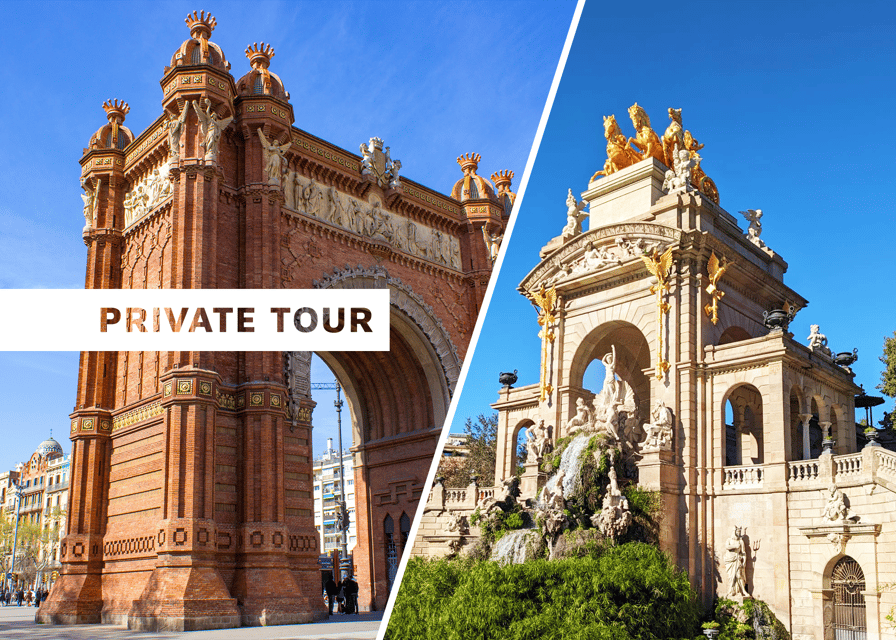
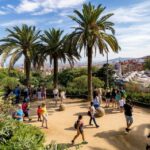
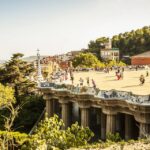
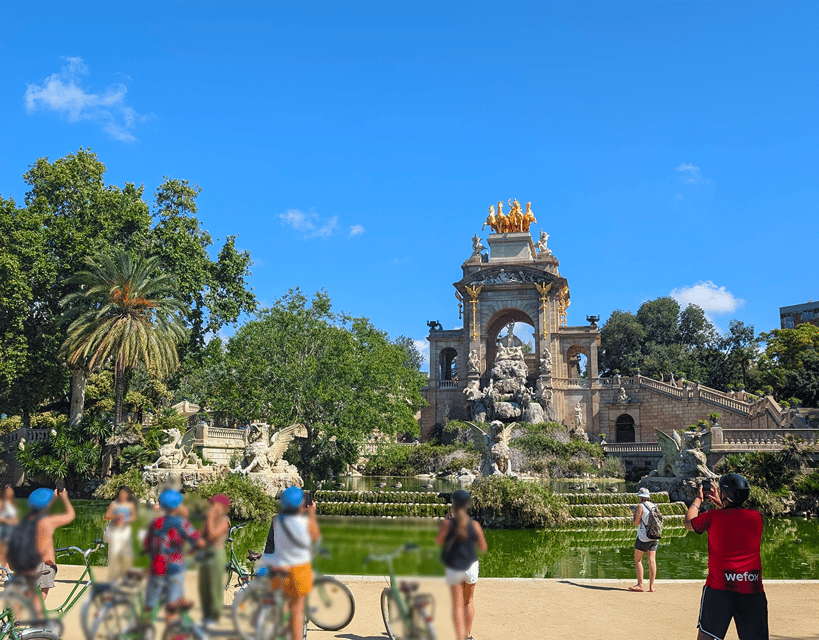
The route commonly begins (or quickly includes) Parc de la Ciutadella, Barcelona’s urban oasis. This isn’t just a break spot. It’s a smart warm-up for the tour’s biggest goal: contrast.
You move from open, calmer space—trees, shade, and breathing room—into the tight lanes and stone plazas of the city center. That shift helps you feel the difference between “Barcelona as lived-in today” and “Barcelona as built layer by layer over centuries.”
If you’re someone who gets overwhelmed by too many monuments in one go, this park stop is a lifesaver. It also makes it easier to take a steady pace without the tour feeling like a sprint.
El Born and La Ribera: where Barcelona’s working heart becomes a story
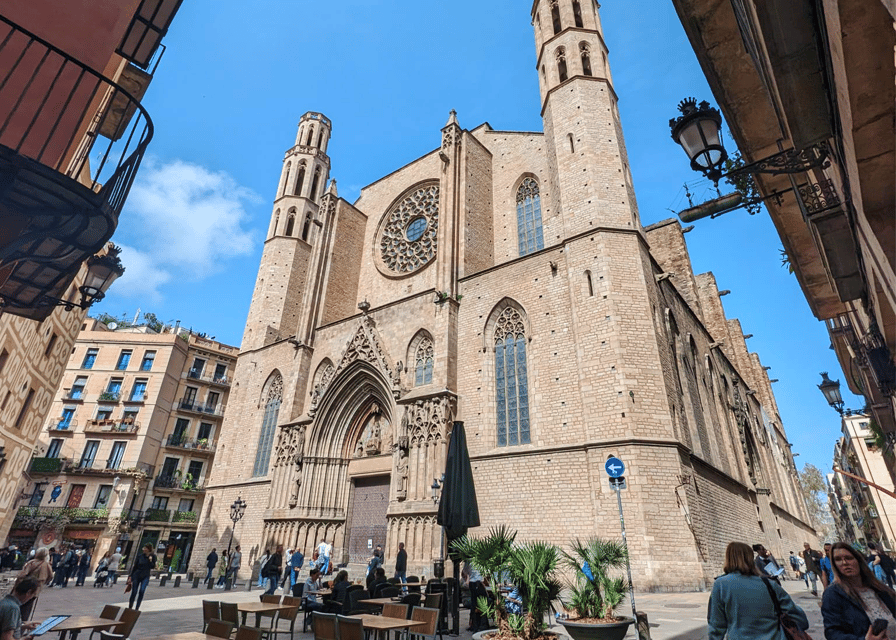
From Parc de la Ciutadella, the tour heads into El Born and La Ribera, neighborhoods tied to Barcelona’s older economic strength. Walking here feels like moving through a living archive: you get narrow streets, historic buildings, and the kind of atmosphere that makes “old town” more than a label.
Two things make this section work well:
1) The guide ties what you see to why it mattered back then.
2) You get chances to look closely at details you’d likely miss if you were simply wandering.
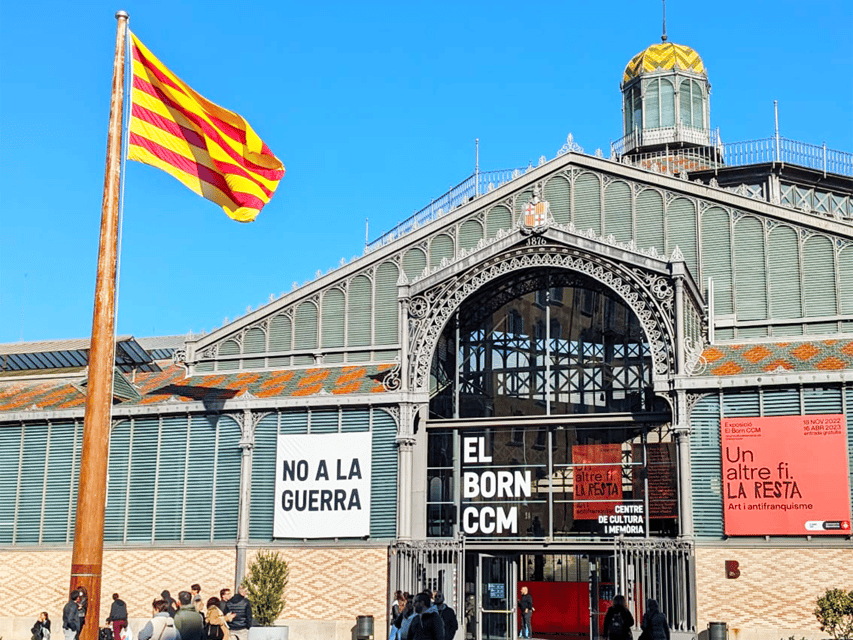
A highlight in this area is the chance to visit the Cultural Center and, time permitting, step inside Santa Maria del Mar without charge. Even if you don’t go in, the exterior and the surrounding streets help explain the neighborhood’s character.
Practical expectation: this part is paced for walking, not for museum-style deep immersion. If you want interiors and artifacts for hours, you might still add a separate ticketed visit later. But for learning how Barcelona developed, this is the right level.
Gothic Quarter power stops: Roman temple sites and medieval plazas
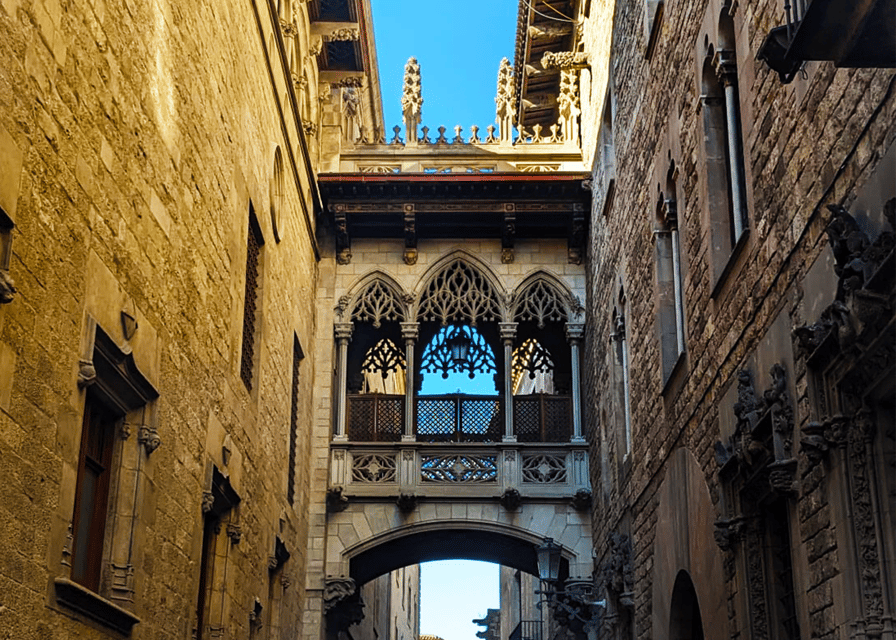
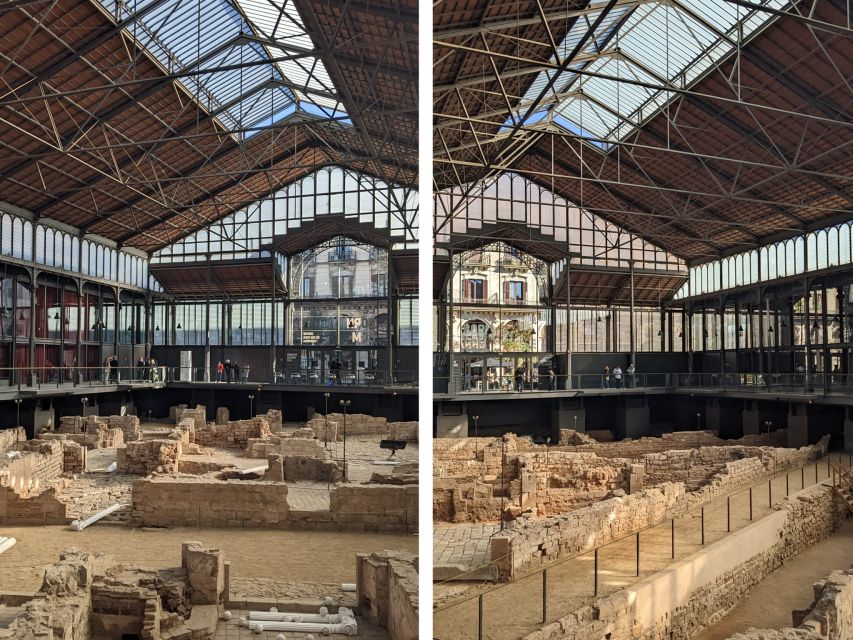
This is where the tour’s “time travel” feeling becomes real. The Gothic Quarter isn’t only medieval. You’ll also see and hear about older Roman traces, including the Temple of Augustus. That’s one of the best reasons to do a guided walk here: without context, it’s easy to assume the stone is all the same age.
Expect a strong sequence of major plazas and cathedral-adjacent landmarks:
- Plaza Sant Jaume (a focal civic and religious area)
- Plaza del Rei (associated with royal presence)
- Santa Eulalia Cathedral
- Plaça Sant Felip Neri
- Barcelona Cathedral (another major stop in the core zone)
As you move through these spots, the tour also includes narrow lanes and at least one secret stop where the guide points out less-obvious details. This is the difference between a generic old-town loop and a guide-led walk that helps you notice what your eyes would skip.
One more practical benefit: the guide’s pacing. The Gothic Quarter can be maze-like. With a guide, you don’t just see famous places; you also learn your way around. That helps later when you’re planning self-guided wander time.
You can also read our reviews of more private tours in Barcelona



Las Ramblas and La Boqueria: a tasting break that tastes like Barcelona
After the Gothic Quarter’s lanes and plazas, you reach Las Ramblas—a change of rhythm. The tour then pauses at La Boqueria for a tasting stop.
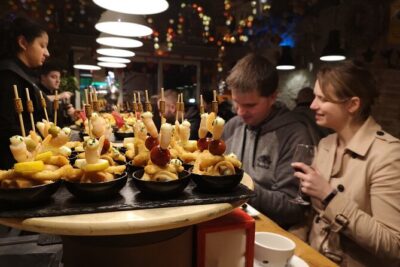
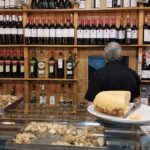
This is the tour’s easiest “food win.” You share a local sample that includes cheese, Iberic ham, and fruit juice. It’s not a heavy meal, but it’s enough to reset you for continued walking.
What I like about this design is that the market stop isn’t random. It acts like a cultural punctuation mark between “history buildings” and “where Barcelona goes from here.” You’ll come out with flavors in mind, so later when you see similar stalls and menus, you’ll understand what you’re looking at.
Two smart finish routes: beach/marina mood or Gaudí on Paseo de Gràcia
Ending choices are where this tour feels most customizable. You generally finish one of two ways:
Option A: Liceu Theater to Plaza Reial, then Port Vell and La Barceloneta
This route tends to flow downward toward the waterfront. Along the way you may pass Liceu Theater, Plaza Reial (noted for Gaudí’s early works), the Columbus Monument, and Port Vell before landing near La Barceloneta.
If you like your city endings with salt-air energy, this is the better fit. You also get the pleasure of seeing how the old city’s stone density gradually gives way to the openness of the port and beach areas.
Option B: a wish at a fountain, Plaza Catalunya, then Gaudí house exteriors
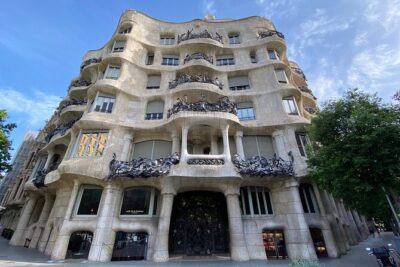
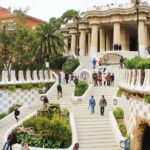
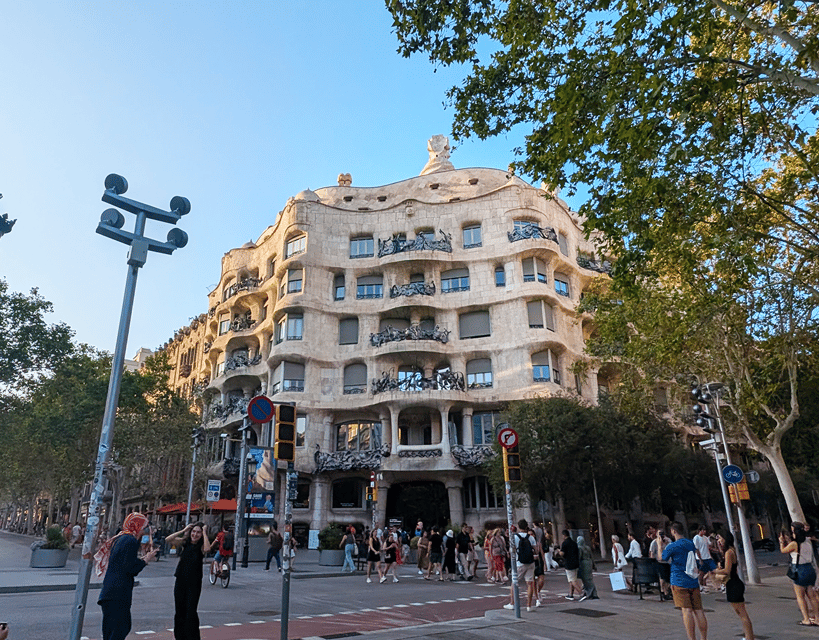
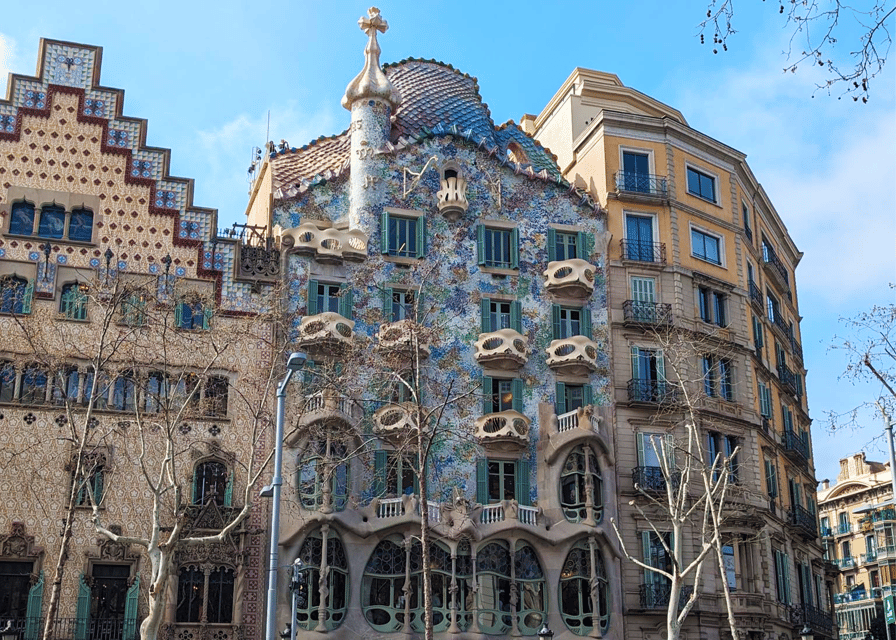
The other route climbs back up. You may stop at a notable fountain for a wish, then go through Plaza Catalunya and up Paseo de Gràcia to see Casa Batlló and Casa Mila from the outside.
This is perfect for travelers who want Gaudí’s impact without committing to extra timed ticketing. You get the visual “wow” and the city-planning context, then you can decide later if you want interiors.
What about Sagrada Família?
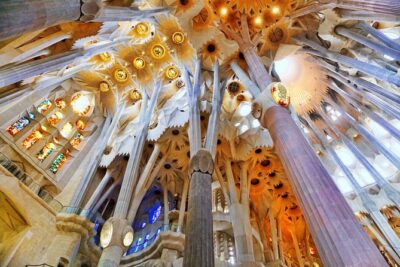
The tour description also mentions finishing with a walk by Sagrada Família. Since exact timing can change, treat it as a possible outcome depending on how your route and pacing land. Either way, your tour should position you well for future Gaudí decisions.
Fábio’s guiding style: why the tour feels personal, not scripted
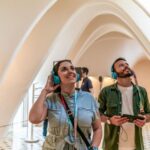
The biggest consistent theme in how this tour works is the guide: Fábio. He’s described as friendly, flexible, and focused on history plus modern city life. That combination is useful because it keeps the tour from turning into a list of dates.
Here’s what you can expect your guide to do in a way that actually helps you:
- Adjust pace and priorities so the group doesn’t feel rushed
- Share story-driven details and legends that make places easier to remember
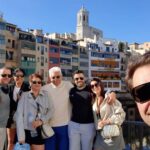
- Take photos during the walk, so you’re not stuck constantly asking strangers
- Give practical local advice afterward, including places to eat and what to avoid so you don’t waste time
Even if you’re a confident self-guided traveler, a guide like this helps you “get your bearings” fast. That’s valuable on a first Barcelona day.
Also, languages are covered well: guidance is available in Portuguese, Spanish, French, and English. So you can expect the same tour structure and explanations across languages.
Who this walking tour suits best (and who should reconsider)
This tour is a strong match if you:
- Want a first-time Barcelona intro that connects old quarters and present-day life
- Like walking through neighborhoods more than sitting in museums
- Appreciate food context, since the market tasting is built in
- Travel as a couple, family, or small group that benefits from a private format
It may not be your best fit if you:
- Only want big ticket interiors (cathedral/museum hours) since tickets aren’t included
- Have limited tolerance for uneven sidewalks and lots of steps, even though comfortable shoes are suggested
- Prefer a purely beach-focused or purely Gaudí-only itinerary, since the core is the old neighborhoods
The good news: the tour is wheelchair accessible and is pet-friendly, so it’s set up for more kinds of travelers than the typical “just walk and hope” city tour.
Should you book this Barcelona Old Town Private Walking Tour?
If you want a smart, small-group way to understand Barcelona without doing a dozen separate planning decisions, I think this is a yes.
Book it when:
- You want Roman-to-medieval-to-modern context in one connected route
- You’d rather spend time learning the streets than only taking photos
- You value a guide who keeps things flexible and answers your questions
- You like a built-in food stop at La Boqueria
Skip it (or add something else) when:
- You’re chasing only interior tickets and architecture deep-dives
- You don’t want a walking-based format at all
For most visitors, the tour hits that sweet spot: it shows you the famous places, but it also gives you reasons to look closer.
FAQ
How long is the tour?
The tour runs about 2 to 3 hours. That range depends on pacing and the route that fits your group best.
Where does the tour start?
You’ll meet at either Arc de Triomf or Plaça de Sant Jaume, depending on the option booked. The meeting point may vary based on the starting choice.
Is food included?
Yes. The tour includes a shared tasting stop at La Boqueria with local products, plus a mini bottle of water per guest.
What languages are available for the guide?
The live guide is available in Portuguese, Spanish, French, and English.
Are attraction tickets included?
Tickets to attractions, museums, and monuments are not included. If you want to enter specific sights, you’ll need to arrange tickets separately.
What should I bring and wear?
Wear comfortable shoes and consider sunscreen, since you’ll be walking for much of the tour.