REVIEW · BARCELONA
Bohemian Barcelona Neighborhood Evening Tapas & Wine Tour
Book on Viator →Operated by Devour Barcelona Food Tours · Bookable on Viator
Tapas, wine, and wandering El Born at night. This small-group evening tour turns Barcelona’s El Born lanes into a food story, not just a sightseeing checklist, with five wine tastings and plenty of bites along the way.
I especially like that you hit three different tapas stops, so you’re not stuck with one kitchen’s style all night. I also like the wine pacing: a toast, a couple of palate-shaping tastings, and a sit-down end that actually explains what you’re drinking and why it matters.
One possible drawback: this is a wine-forward tour. If you don’t drink alcohol, it may feel less fun than a pure food tour, even though alternatives can be discussed.
In This Review
- Key things that make this tour work
- El Born at dusk: why this neighborhood suits tapas nights
- A tight 3-hour plan: how the tasting night flows
- Stop 1 in El Born: setting the table with neighborhood context
- Restaurant Santagustina: Cava toast and the mix of traditional plus modern
- Bastaix: Argentinian twist meets the big white-and-fortified focus
- La Palma de Bellafila: sit-down Catalan flavors and a dessert-wine finish
- The wine component: what you’re actually paying for
- Who should book this El Born tapas and wine tour
- Meeting points and how to not lose time on a walking tour
- Should you book this tour?
- FAQ
- How long is the Barcelona Bohemian Neighborhood Evening Tapas & Wine Tour?
- How many people are in the group?
- How many tapas and wine stops are included?
- What languages is the tour offered in?
- Is hotel pickup or drop-off included?
- Is this tour mainly walking?
- Are dietary restrictions or food allergies accommodated?
Key things that make this tour work
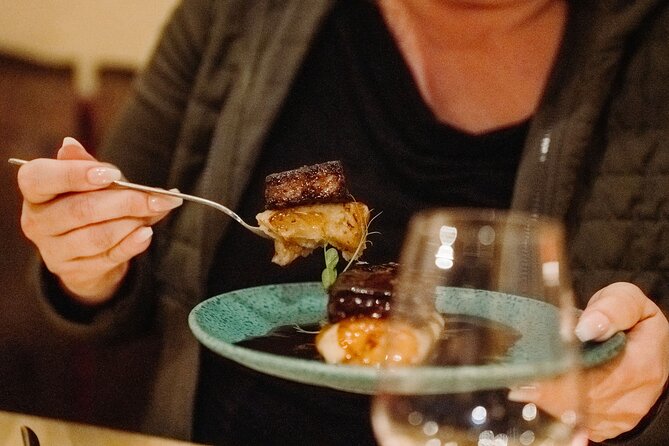
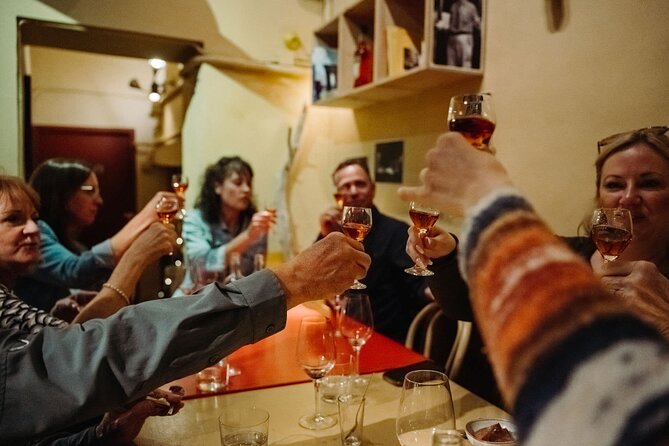
- Small group (max 12) keeps the night relaxed and conversational
- Three tapas bars plus a sit-down finale means more than just standing-and-snacking
- Five Catalan-focused wine tastings give you a real sense of the region’s flavors
- El Born after dark is where the neighborhood’s medieval textures and modern energy match
- Tour guides like Hector, Dom, Feliciano, Ariana, and Mick are often praised for mixing food with clear local context
El Born at dusk: why this neighborhood suits tapas nights
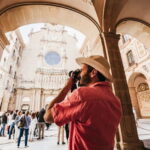
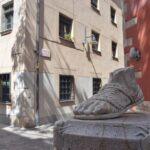
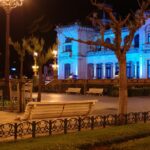
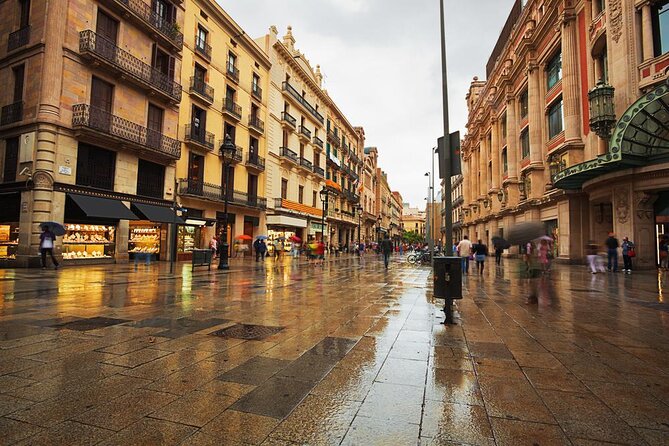
El Born has a way of looking medieval and trendy at the same time. By evening, the streets feel human-scaled: tight corners, candle-soft restaurant lights, and the kind of background noise that makes food taste better.
This tour starts you in the right mood. You meet at Carrer del Rec Comtal, 2 in Ciutat Vella, then the guide leads you through El Born to the first tapas stop. The end lands near Plaça de l’Àngel, so you’re not stranded far from the action once you’re done eating.
If it’s your first evening in Barcelona, I like that you get your bearings fast. You also get a built-in reason to wander: you’re not strolling just to stroll. You’re following the logic of what people actually order after work.
The walking is meant to be comfortable. The pace is described as moderate, and you’ll want at least a decent comfort level on your feet for a 3-hour evening.
You can also read our reviews of more wine tours in Barcelona



A tight 3-hour plan: how the tasting night flows
The whole experience runs about 3 hours. That time matters. It’s long enough to slow down, sit, and actually learn what you’re tasting. It’s short enough that you still feel like you did something meaningful, not that you’re “on a tour” the whole night.
Here’s the shape of the evening:
- You begin with a neighborhood moment in El Born (a quick setup and orientation).
- Then you move through three tapas/wine stops.
- The first two stops are more casual tasting formats.
- The final stop is a sit-down meal that gives the night a real finish.
You’ll sample a range of tapas nibbles at each place and learn how Barcelona eating culture connects to the ingredients and wine traditions of Catalonia.
Stop 1 in El Born: setting the table with neighborhood context
The first stop is in El Born, right in the medieval core. This isn’t a hard sell for history. It’s more like a warm-up that helps you understand why the later restaurants feel so specific.
El Born is packed with small-scale dining: places that rely on regulars, seasonal orders, and dishes that don’t need a lot of explanation once you get the rhythm. When a guide points out what you’re seeing as you walk—street layout, building age, neighborhood vibe—it makes the tapas stops land better.
This part is also practical. It’s where you can confirm you’ve got the meet-up point straight, get the group introduced, and settle in. The tour notes the start time as a key departure moment, so being on time here is the easiest way to avoid stress later.
Restaurant Santagustina: Cava toast and the mix of traditional plus modern
The evening kicks up at Restaurant Santagustina, a trendy tapas bar where you’ll get both traditional and modern small bites.
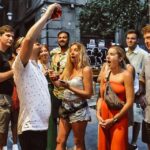
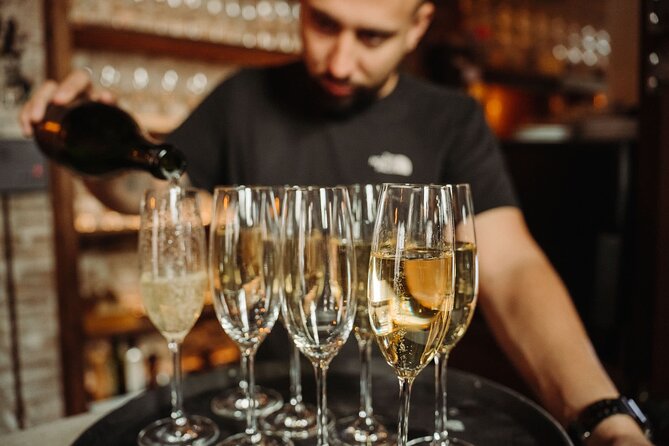
You’ll start with a toast of cava, which is sparkling wine made primarily in Catalonia. That first sip is a smart move. It gets your palate awake and sets a festive tone without overwhelming you.
What I like about this stop is the balance the restaurant represents. Barcelona tapas isn’t one thing. Some plates lean classic; others play with modern techniques. By starting here, you get a “range” feeling early, so the later places make more sense.
Potential drawback: since this is the early stop, you may feel like you’re still working up to the full meal energy. If you arrive hungry, that’s perfect. If you arrive only lightly hungry, make sure you save room—because the end stop is where the night really shifts into dinner mode.
Bastaix: Argentinian twist meets the big white-and-fortified focus
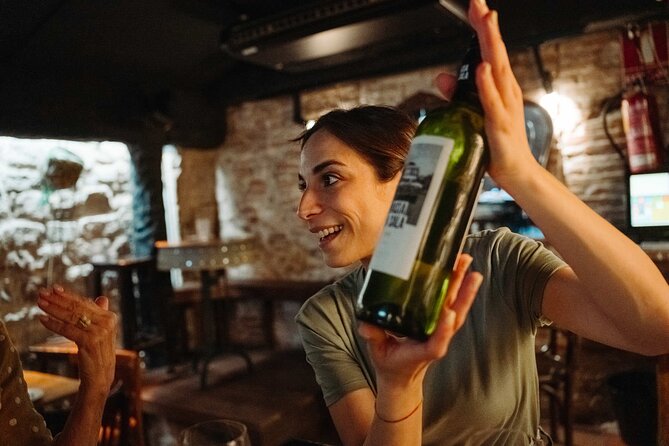
Next up is Bastaix, where the tour leans into a mix of quintessential Barcelona tapas with inspiration from the owner’s native Argentina. That blend matters because tapas culture in Barcelona is communal and flexible. A good guide can explain how outside influence can still show up as something that feels local at the table.
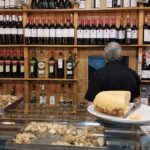
Here’s where the wine story grows more interesting. The tasting includes refreshing whites, and you also learn why fortified wine is making a resurgence. Fortified wines usually have more body and intensity, so they change how you experience flavors on the next bites.
This stop is a good mid-course checkpoint. You’ve already tasted cava. Now you’re getting contrast: lighter, refreshing whites, plus something richer and more dramatic. It’s the kind of progression that helps you notice how food and wine interact, not just what each one tastes like alone.
From prior experiences people describe, you might also spot tapas choices that hit the “simple but satisfying” lane—things like potatoes and other crowd-pleasers. Exact items can vary, but the vibe is clear: comfort meets local technique.
You can also read our reviews of more evening experiences in Barcelona





La Palma de Bellafila: sit-down Catalan flavors and a dessert-wine finish
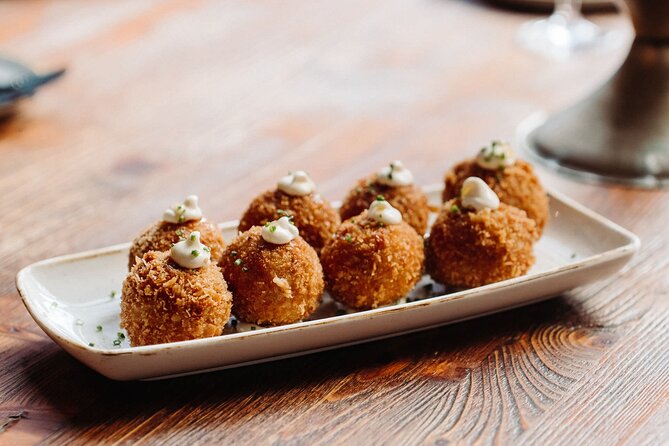
The final stop is La Palma de Bellafila, a family-run restaurant known for being in demand. This is the stop that turns the night from tastings into a full tapas dinner.
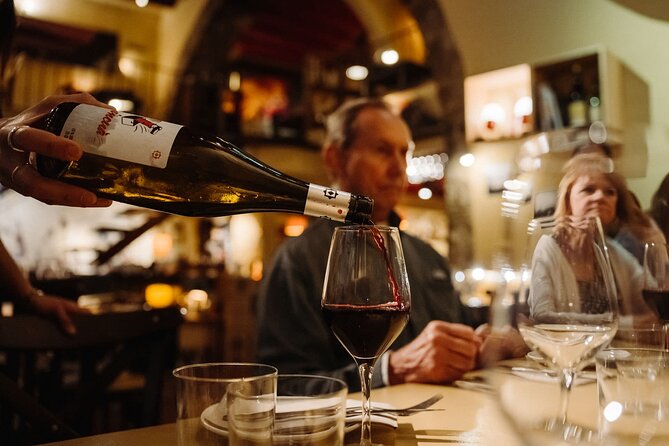
You’ll sit down for tapas that reflect traditional Catalan flavors, paired with a beautiful Catalan red wine. Then you finish with a sweet note using a regional dessert wine.
I like this ending structure because it feels complete. The earlier stops teach you the breadth of tapas styles and wine pairings. The last stop gives you the “why it works” moment: how a meal flows when the dishes and wines are chosen to match each other.
Practical note: since this is sit-down, treat it as part dinner, part tasting seminar. Pace yourself after the second stop, and you’ll enjoy the red wine pairing instead of feeling overfull.
Also, if you’re the type who likes to ask questions, this is when you should. At a table, your guide can explain what you’re seeing on the plate and how it ties into Catalan food habits.
The wine component: what you’re actually paying for
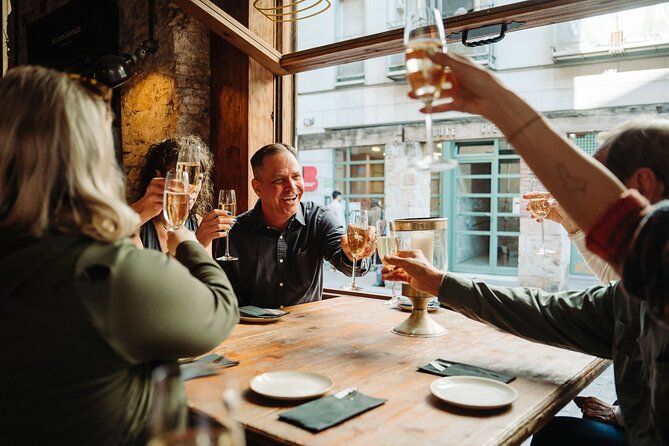
At $126.28 per person, the headline cost is the whole night. But the value comes from what’s included.
You get:
- A local English-speaking food guide
- Expertly guided pacing through three tasting stops
- Tastings of five Catalan wines
- A range of tapas nibbles at each stop
- Small-group attention (12 or fewer)
If you’ve ever tried to DIY a tapas crawl, you know how quickly it turns into chaos: figuring out which bars won’t be a tourist trap, ordering the right balance, and paying for wine education without any guidance. Here, you’re basically buying a guided route plus structured tastings. That’s why it can feel like a bargain compared to paying for wine flights and multiple cover charges one by one.
This tour is also designed around learning. The guide doesn’t just hand you a glass. You’ll hear enough context to notice patterns—why cava is part of Catalonia’s identity, why certain wines pair well with tapas rhythms, and why fortified wines are reappearing in the current scene.
Just be honest with yourself about alcohol. The tour has a big wine focus and isn’t suited for people who don’t drink alcohol (even if alternatives are sometimes possible). If wine is a main reason you’re in Spain, this is exactly your lane.
Who should book this El Born tapas and wine tour
This experience fits best if you want:
- A first-night or second-night plan that helps you feel oriented in Ciutat Vella
- A mix of food and short local culture stories, not just plate photos
- Wine tastings that are paced like a lesson, not random sips
- A small group vibe where you can actually talk with your guide
It’s also a strong option for solo travelers. Small groups help you avoid that awkward feeling of being the odd one out in a crowd. People often leave with new contacts simply because the evening is structured around sitting, tasting, and moving together.
Skip it if you:
- Don’t drink alcohol and don’t want to spend an evening around wine tastings
- Have dietary restrictions or food allergies and haven’t arranged them ahead of time
- Want a fully flexible self-guided experience with no fixed stops
Meeting points and how to not lose time on a walking tour
You’ll start at Carrer del Rec Comtal, 2 (Ciutat Vella) and end near Plaça de l’Àngel (Ciutat Vella).
The route is near public transportation, which helps if you’re coming from another neighborhood. The tour is a walking experience, so wear shoes you trust on uneven sidewalks, and keep your evenings simple before you set off. This is one of those tours where you’ll enjoy it more if you don’t start it already tired.
One more thing: because the tour’s start time is scheduled, get to the meeting area early enough to settle in. It’s the best way to avoid stress and keep the night smooth.
Should you book this tour?
Book it if you want a guided tapas night that teaches you Catalonia through food and wine, especially if it’s early in your trip. The small group size, the structured five-wine tastings, and the sit-down finale make this feel like more than a casual crawl.
Don’t book it if wine is a deal-breaker for you. The tour is built around tasting, and even with possible alternatives, the experience is still designed as a wine-forward evening.
If you do book, my best advice is simple: come hungry, pace yourself after the second stop, and ask questions at the table during the La Palma de Bellafila dinner. That’s when the night turns from samples into understanding.
FAQ
How long is the Barcelona Bohemian Neighborhood Evening Tapas & Wine Tour?
It runs about 3 hours.
How many people are in the group?
The group is limited to 12 people or fewer.
How many tapas and wine stops are included?
You’ll visit 3 tasting stops, and you’ll sample five different Catalan wines.
What languages is the tour offered in?
The tour is offered in English.
Is hotel pickup or drop-off included?
No, hotel pickup and drop-off are not included.
Is this tour mainly walking?
Yes. It’s a walking tour, and you should be able to walk at a moderate pace.
Are dietary restrictions or food allergies accommodated?
If you have dietary restrictions or food allergies, you should contact the operator at the time of booking.
If you tell me your travel dates and whether you like wine, I can suggest the best day/time to schedule this in your Barcelona plan.