REVIEW · BARCELONA
Barcelona Gracia Neighborhood Local Food & History Tour
Book on Viator →Operated by Devour Barcelona Food Tours · Bookable on Viator
Gràcia turns a food tour into a mini neighborhood tour. You’ll hit small, family-run spots, learn local history while you walk, and eat enough to cover breakfast and lunch in about 3.5 hours. I like that the schedule is built around actual corners of Gràcia instead of a checklist of tourist eateries, and I especially like the hands-on guide storytelling around Catalan food and drinks. One thing to consider: you’re walking at a moderate pace, and some included dishes are meat-based, so vegans may find the options limited.
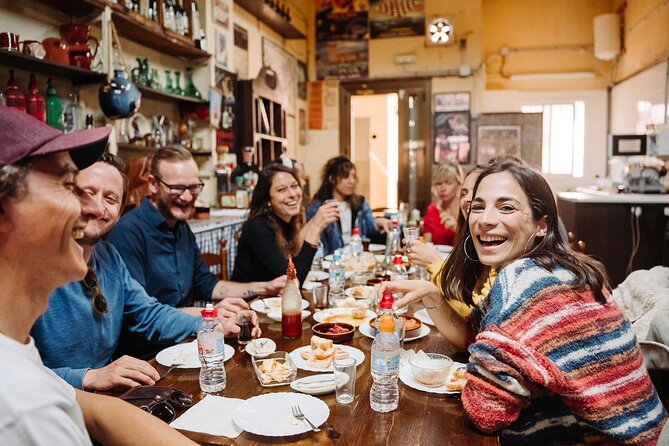
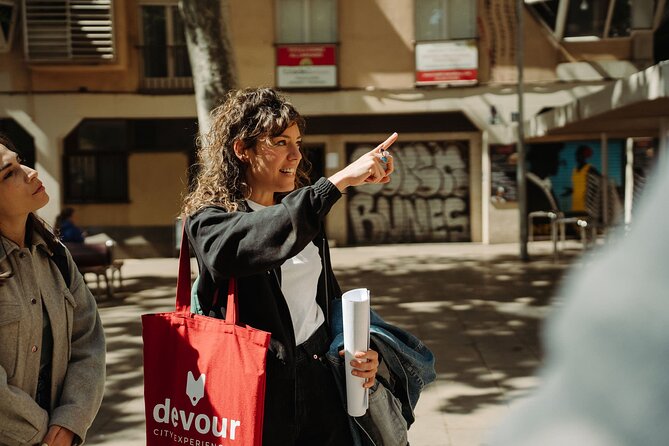
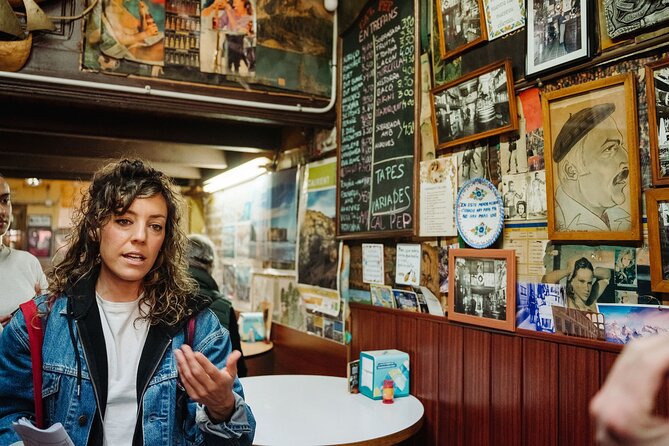
The vibe here is practical and personal, thanks to a max group size of 12. Guides such as Victoria, Danny, Raquel and Irene, Norah, and Ester are repeatedly praised for making the stops feel local—like you’re being shown around, not shuttled through. The other trade-off: Casa Vicens and the big Gaudí landmarks at the end are sight stops with admission not included, so you may want to budget separately if you want interiors.
If you want Barcelona’s famous architecture and famous food, this is a smart way to get both without spending your day in museums.
In This Review
- Key moments that make this Gràcia tour worth your morning
- Gràcia in 3.5 hours: how the tastings add up
- First stop: Casa Vicens and the Gaudí story in the neighborhood
- Gràcia pastry stop: a family-run bakery with staying power
- Cal Pep: bodega tradition, vermouth culture, and breakfast-day Catalonia
- Plaça de la Virreina and Mustafa’s Syrian pastry shop
- A quick snack through Barri de Gràcia and the nut-and-dried-fruit rhythm
- Mercat de la Llibertat: modernist market + aperitivo with cava
- Bar Roure: homemade lunch-style tapas and your pick of wine or beer
- Passing the hotel mansion and ending at La Pedrera (Casa Milà)
- Price and value: what $103.34 really buys you
- Who this tour is best for (and who should skip it)
- Practical tips so your morning goes smoothly
- Should you book the Barcelona Gràcia Local Food & History Tour?
- FAQ
- How long is the Barcelona Gràcia Local Food & History Tour?
- Where does the tour start and end?
- What food and drink can I expect during the tour?
- Is the tour small group size limited?
- Are vegetarian or gluten-free options available?
- Is admission included for Casa Vicens and Casa Milà?
Key moments that make this Gràcia tour worth your morning
- Gràcia first, not last: you start in the neighborhood people actually live in, then work outward.
- 12+ tastes plus drinks: designed to cover real meal territory, not just tiny bites.
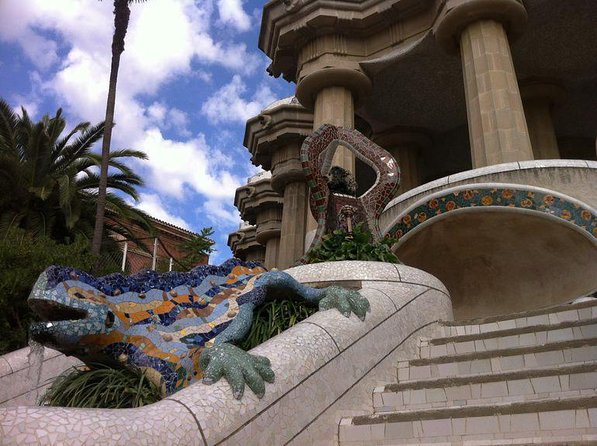
- Gaudí connections in the middle of everyday life: Casa Vicens plus nearby church and Passeig de Gràcia stops.
- Vermouth culture with context: Cal Pep is a classic bodega stop where sipping has a local rhythm.
- Market energy at Mercat de la Llibertat: modernist building + a proper aperitivo moment.
- A small-group pace: the tour is capped at 12, which helps you hear stories and ask questions.
Gràcia in 3.5 hours: how the tastings add up
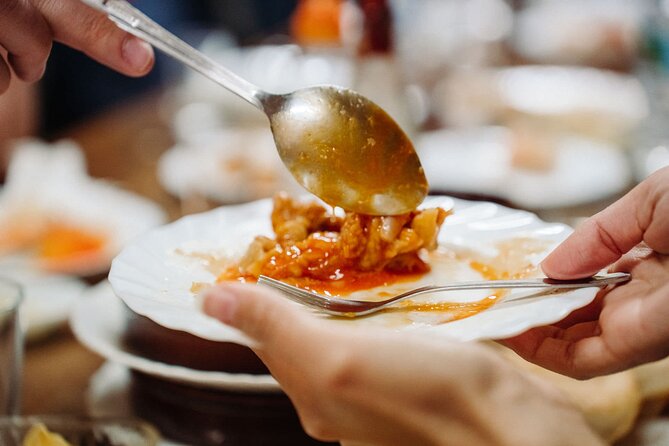
This is a walking 3 hours 30 minutes tour in Barcelona, starting at 10:00 am in Gràcia and ending at La Pedrera (Casa Milà) in the nearby Eixample area. The pitch is simple: you’ll sample at least 12 food tastes, plus multiple drink moments, while your guide links each stop to neighborhood history and Catalan food culture.
The part I like most is that the tour isn’t built around “one bite, one photo.” The stops are spaced so you get enough quantity to function like a meal plan—especially if you’re arriving hungry and want to avoid another long sit-down lunch later. The tour description highlights at least 10 items and four drinks, while the included list specifies 3 drinks; either way, you should plan on a drinks-and-bites flow with several “sip stops.”
If you’re the kind of traveler who wants to understand why people eat what they eat—vermouth habits, bodega culture, pastry traditions—this format is a good match. It also tends to work well for couples and small groups, because you’re not fighting crowds for attention.
You can also read our reviews of more food & drink experiences in Barcelona

First stop: Casa Vicens and the Gaudí story in the neighborhood
The tour starts outside Casa Vicens in Gràcia, tied directly to Antoni Gaudí’s early career. You’ll spend about 15 minutes here, looking at the colorful modernist building and learning how this project fits into the larger Gaudí arc—before he became the name most people associate with Sagrada Família.
Why this matters for your money and time: Casa Vicens isn’t treated like an optional detour. It’s used as the “anchor” for the walk. Even though the admission ticket is not included (you’re not promised full interior time), the architecture context helps you read the neighborhood as you move. You’ll notice modernist shapes and details more easily when someone points out what you’re looking for.
Potential drawback: if you were hoping for a guided entry into Casa Vicens, this stop may feel like viewing from the outside only. Since it explicitly says admission isn’t included, you’ll want to treat it as a visual and historical intro, not a full museum-style visit.
Gràcia pastry stop: a family-run bakery with staying power
After Casa Vicens, you head to a Gràcia pastry shop in the Barri de Gràcia area. This is the kind of stop I like on walking tours: quick, local, and built around something you can’t easily replicate at home. You get about 10 minutes here and an authentic pastry tasting from a third-generation family-run shop opened since 1916.
This is a smart “morning fuel” moment. It helps you settle into the tour rhythm early: smell the baked goods, taste something sweet right away, then keep walking while the guide layers in neighborhood context. If you’re sensitive to sugar, go slow here—because the tour continues with savory and drink stops.
Cal Pep: bodega tradition, vermouth culture, and breakfast-day Catalonia
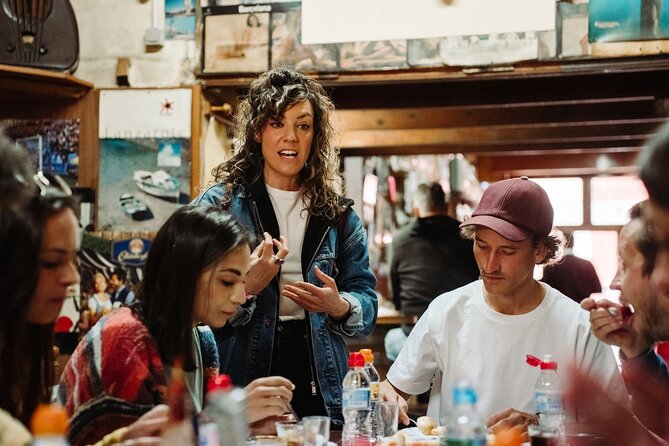
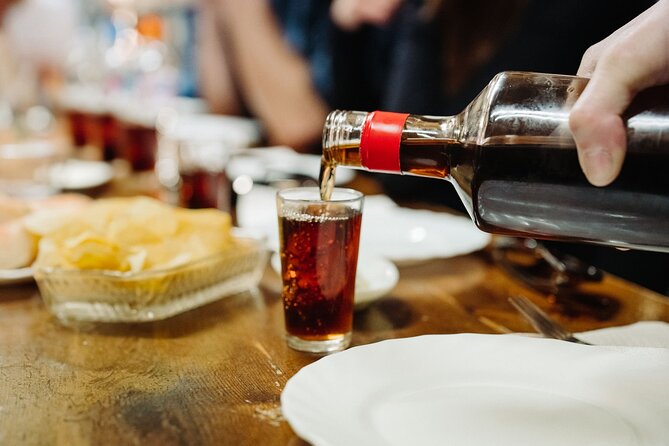
Next up is Cal Pep, a traditional bodega that’s been part of the local scene since 1939. You’ll spend about 35 minutes here, which is longer than many “food tour bodega snacks.” That time matters because it gives the guide room to explain the cultural logic behind what you’re tasting.
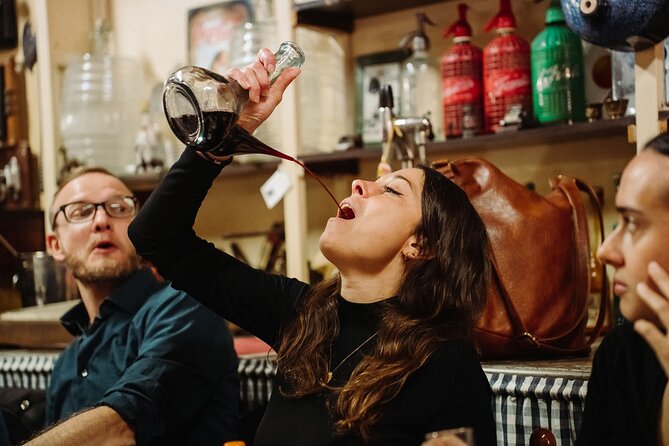
Expect classic Catalan bodega-style dishes and a glass of vermouth, with a focus on how drinking wine in Catalonia works in everyday life. This stop is where the tour shifts from “pretty storefronts” into “how locals actually spend their time.”
One thing to keep in mind: “breakfast dishes” are mentioned as part of what you’ll enjoy here, so the flavor profile will lean toward the comforting, traditional side. Also note the tour’s general guidance for diets: meat is commonly part of included dishes, so vegetarian guests may still do fine, but vegans may find limited matches.
Plaça de la Virreina and Mustafa’s Syrian pastry shop
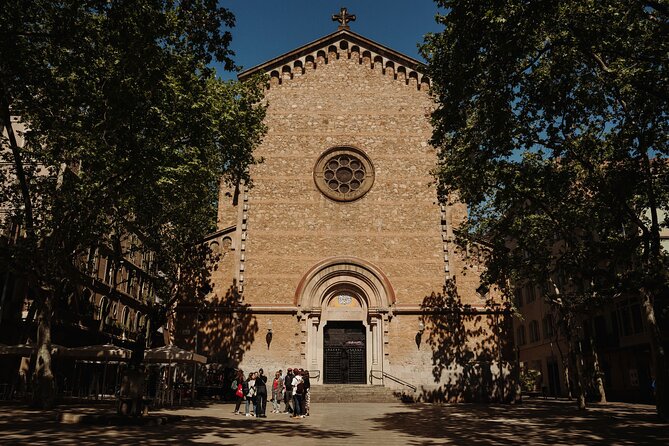
You’ll then reach Plaça de la Virreina for about 30 minutes, including views tied to Gaudí—specifically the Sant Joan de Gràcia church connection. This is one of those stops where you get architecture plus neighborhood history in a single pause, which keeps the tour from turning into just a sequence of tastings.
After that, the itinerary shifts to something deliciously practical: a small bakery linked to Mustafa’s Syrian pastry shop. The emphasis here is cultural blending. You’ll pick up pastries to go and enjoy them later on the tour, which is convenient if your group pacing means you don’t want to stop eating every few minutes.
Why this is worth your attention: it’s not just “another pastry.” It’s an example of how Gràcia has absorbed flavors from outside Catalonia while still feeling local. If you’re the kind of traveler who likes food as a map of migration and trade, this stop lands.
You can also read our reviews of more tours and experiences in Barcelona



A quick snack through Barri de Gràcia and the nut-and-dried-fruit rhythm
Then you move on with a short walk and a quick stop at an old dried fruits and nuts shop in Barri de Gràcia, around 150 years old. You’ll taste their specialty snack in about 15 minutes.
This bite is useful for two reasons. First, it keeps your sugar-and-salt balance from getting too one-note. Second, it gives you something easy to compare mentally later as you weigh your favorite stops—pastry versus savory versus sweet snack.
The short duration is also a feature. It’s the kind of “grab and go” tasting that keeps momentum without rushing you through the more substantial meal-like stops.
Mercat de la Llibertat: modernist market + aperitivo with cava
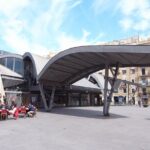
At Mercat de la Llibertat, you spend about 30 minutes in a historic and lively market setting. You’re told to expect the colors, sounds, and aromas of the market, with a modernist architecture backdrop that helps the market feel like more than just a place to buy food.
Your tasting here includes a typical aperitivo paired with a refreshing glass of cava at a market stall. This is another “culture through eating” stop: aperitivo isn’t just a drink, it’s a social ritual that starts your day (or evening) in a Catalan way.
If you don’t drink alcohol: the tour does say non-alcoholic options can be accommodated, but it also notes you may not get a replacement option at every stop. So plan to confirm with the operator when you book if you want a fully consistent menu.
Bar Roure: homemade lunch-style tapas and your pick of wine or beer
For the biggest lunch-style moment, the tour includes time at Bar Roure for about 35 minutes. You’ll get a selection of typical Catalan tapas, along with your choice of wine or beer.
This is where the tour earns its “breakfast and lunch” feel. By this point, you’ve already eaten sweet and savory bites, plus done market and vermouth culture—so this stop ties it together into a more “proper” meal structure.
Trade-off: since it’s listed as typical Catalan tapas and earlier notes mention meat-based dishes, vegetarian and other dietary requests may not match every dish perfectly. The tour says vegetarians and pescatarians can be accommodated, but also warns that not every stop can provide a replacement option.
Passing the hotel mansion and ending at La Pedrera (Casa Milà)
Before the final architectural stop, you’ll pass by Hotel Casa Fuster, a refurbished modernist mansion now used as a 5-star hotel. This is about 10 minutes and has no admission ticket included, so treat it as a guided “look and learn” moment.
From there, you head to Casa Milà (La Pedrera) on Passeig de Gràcia, with a stop time of about 15 minutes and another admission not included note. This is the end-cap for Gaudí lovers, but it’s also a finish designed for food tour momentum: you get the big-city architecture and then a sweet treat to wrap things up.
Here’s where cultural food context returns. You’ll pick up your final sweet treat from Mustafa’s Syrian pastry shop, and your guide explains the influence of Arab culture on desserts in Spain. Even if you’re not a dessert fanatic, this kind of explanation helps you connect flavors to history beyond the physical buildings.
Price and value: what $103.34 really buys you
At $103.34 per person, this tour isn’t “cheap eats.” But it’s also not trying to sell you a buffet of overpriced tourist appetizers. The value is in three areas:
- Time and guide labor: you’re paying for a local English-speaking guide and a guided walking route across multiple neighborhood stops.
- Quantity and meal function: 12+ tastes plus multiple drinks means you’re likely replacing a chunk of your food plan for the day.
- Small-group experience: with 12 people or fewer, you tend to get more conversation at each stop instead of being one voice in a crowd.
Also: the tour mentions you’re on average booked about 28 days in advance, which often means schedules can fill. If you like having options, booking early can help you secure the time slot you want.
Potential cost surprise: a few major architecture stops explicitly say admission tickets are not included. If you decide you want interior visits at Casa Vicens or Casa Milà, you’ll need to plan for extra tickets beyond the tour price.
Who this tour is best for (and who should skip it)
This tour fits best if you want Catalan food + Gràcia neighborhood context in one morning and you enjoy walking with a guide who talks through the “why.” It’s also ideal if you like small groups. Guides praised in the reviews—like Victoria, Danny, Raquel and Irene, Norah, and Ester—are specifically singled out for storytelling style and the feeling of being shown local spots.
It’s less ideal if:
- You’re vegan and expecting a fully vegan menu at every stop. The info is direct that it’s not recommended for vegans.
- You want mostly indoor museum-style Gaudí time. Casa Vicens and Casa Milà are not sold as paid admissions in this experience.
- You have diet needs where you need a consistent replacement dish every single time. The tour says accommodations are possible, but also warns you might not have replacement food at every stop.
If you’re vegetarian, pescatarian, or gluten-free (not celiac), the tour says accommodations are available. Pregnant travelers are also mentioned as able to participate, with the same general note: it’s a walking tour and not every stop may swap in an exact equivalent.
Practical tips so your morning goes smoothly
A few things will help you get the best version of this tour:
- Wear walking shoes and be ready for a moderate pace. The tour is a walk-first experience, not a hop-on-hop-off situation.
- Bring a light layer. Morning weather in Barcelona can change quickly, and you’ll be outside for the whole route.
- Eat like you’re on a course, not a snack run. The stops are spaced so you’ll accumulate tastes; don’t plan to add a big breakfast before you meet.
- If you have dietary needs, message ahead and be specific about what matters most to you (for example, whether you can do eggs/dairy, or whether non-alcoholic options are essential).
- If you’re mobility-limited, the tour says they can accommodate with advance coordination. Contact the Guest Experience team rather than assuming the route will work automatically.
Also, the meeting point is very specific: Farmàcia Les Carolines, Carrer de les Carolines 26, Gràcia. Plan to arrive a bit early so you can locate the group without stress.
Should you book the Barcelona Gràcia Local Food & History Tour?
Book it if you want a high-value, small-group morning that mixes serious food stops with real neighborhood context. You’ll get architecture connections to Gaudí, but the heart of the tour stays grounded in Gràcia’s everyday food life—pastries, bodega culture with vermouth, a market aperitivo with cava, and a lunch-style tapas moment.
Skip it (or think twice) if your main goal is indoor Gaudí sightseeing, or if you’re vegan and need matching dishes at every stop. It’s also walking-focused, so don’t book it if you’re expecting lots of sit-down time.
If your travel style is: good guide, great eats, and learning Barcelona through the streets—this one is a strong bet.
FAQ
How long is the Barcelona Gràcia Local Food & History Tour?
The tour runs for about 3 hours 30 minutes.
Where does the tour start and end?
It starts at Farmàcia Les Carolines, Carrer de les Carolines 26, Gràcia and ends at La Pedrera (Casa Milà), Pg. de Gràcia, 92, L’Eixample, in front of Casa Milà.
What food and drink can I expect during the tour?
You’ll have 12+ food tastes and at least 3 drinks, with the tour highlights also mentioning four drinks during the experience.
Is the tour small group size limited?
Yes. The tour keeps groups to 12 people or fewer.
Are vegetarian or gluten-free options available?
Yes. The tour can accommodate vegetarians, pescatarians, and gluten-free (not celiac) guests, plus non-alcoholic options and support for pregnant women. The tour also notes that you may not have a replacement option at every stop.
Is admission included for Casa Vicens and Casa Milà?
No. The stops for Casa Vicens and Casa Milà (La Pedrera) list admission tickets as not included, so you’d need separate tickets if you want to go inside.