REVIEW · BARCELONA
Barcelona Private Food Tour With Locals: 6 or 10 Tastings
Book on Viator →Operated by Withlocals · Bookable on Viator
Barcelona tastes better with a local guide. This private food tour pairs a passionate guide (like Lusi or Maria) with a simple plan: 6 or 10 tastings in central neighborhoods and food-focused stops over about 3 hours. I love that the pace stays human-sized and you get real context for what you’re eating, not just a checklist.
I also like the choice built into the tour: you can go shorter with 6 tastings or longer with 10, and you’ll still cover Catalonia staples like pintxos, vermut, churros with chocolate, and the sweet stuff. One thing to weigh: “tasting” can mean smaller portions at each stop, so come hungry but don’t expect a full restaurant meal.
In This Review
- Key highlights to know before you go
- Choosing 6 vs 10 tastings in Barcelona
- Plaça de Sant Jaume: the perfect launch point
- Mercado de Santa Caterina tastings (and why it’s worth your time)
- Eixample food stops: walking, snacking, and neighborhood context
- What you might taste: churros, pintxos, vermut, and more
- Drink note: vermut and wine aren’t just extras
- Vegetarian options: how to get a version that fits you
- Private guide perks: pacing, customization, and local storytelling
- Price and value: is $124.56 per person fair?
- Small logistics to handle before you leave
- Should you book this Barcelona private food tour?
- FAQ
- How long is the Barcelona private food tour?
- What food and drinks tastings are included?
- Can I get vegetarian options?
- Is it a private tour or a group tour?
- Do markets run every day?
- Is the tour in English?
Key highlights to know before you go
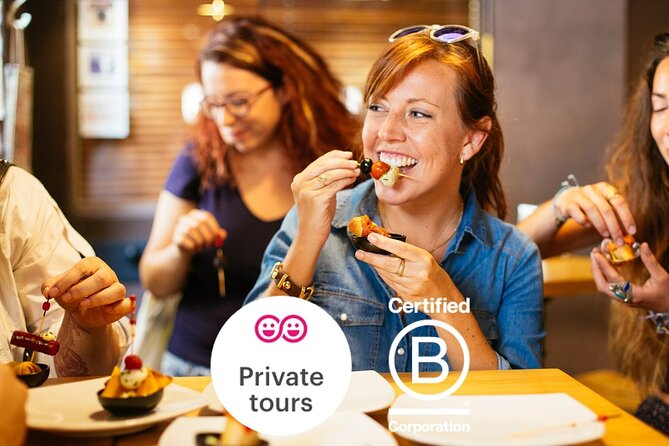
- Private, 3-hour walking route: it’s you and your local guide, with stops spaced out for sampling.
- Two menu lengths: choose 6 or 10 tastings, which changes how full you’ll feel at the end.
- Market time at Santa Caterina: you’ll visit Mercado de Santa Caterina (and swap venues on Sundays).
- Vermut and pintxos culture: you’ll hang out where locals snack and sip, not just where tourists pose.
- Stops vary by guide and day: some routes include specialty shops, so confirm your food expectations.
Choosing 6 vs 10 tastings in Barcelona
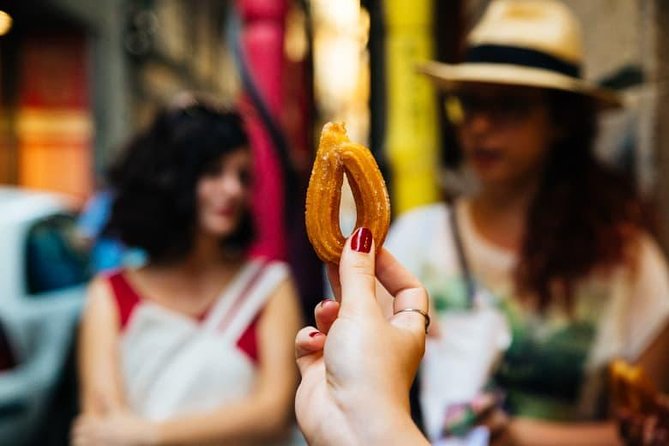
This tour is built around the idea that the best way to understand Catalan food is to sample it in small bites, then connect the dots as you walk. The big decision is 6 tastings or 10 tastings, and it affects both how satisfying the tour feels and whether it replaces your meal or just kick-starts your appetite.
With 6 tastings, you’ll likely get a mix of classics—think churros with hot chocolate, pintxos-style bites, and at least one savory highlight—without feeling stuffed. With 10 tastings, the tour can feel more like a true food crawl, especially when drinks (like vermut or wine) and multiple snack-style stops are included. If you’re a bigger eater or you want a stronger “wow, we tried a lot” payoff, the 10-tasting option is the safer bet.
You can also read our reviews of more food & drink experiences in Barcelona

Plaça de Sant Jaume: the perfect launch point

Your tour starts at Plaça de Sant Jaume, a central square that’s easy to orient yourself around. Even before food starts, this stop matters because it places you right in the political and cultural heart of the old city.
Expect a quick orientation and then movement into the story of Barcelona through food. It’s a good opening if you’re arriving with jet lag or you want a route that helps you get your bearings fast—on foot, in real neighborhoods.
Mercado de Santa Caterina tastings (and why it’s worth your time)
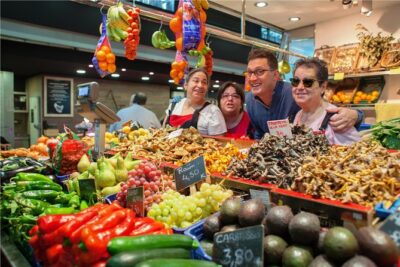
Next comes Mercado de Santa Caterina, one of the city’s great markets for tasting-and-watching. Markets in Barcelona aren’t just for browsing; they’re where you learn how locals think about ingredients, portion sizes, and what pairs well with what.
This tour gives you tastings tied to the market experience, plus the chance to see how a working food place actually feels. If your goal is authentic flavor over tourist souvenirs, this stop is a strong anchor.
One practical note: on Sundays, markets are closed, so the tour visits alternative venues. That doesn’t mean you miss the food vibe, but it does mean your exact market tasting experience can vary by day, so don’t plan your schedule around a specific stall or aisle.
Eixample food stops: walking, snacking, and neighborhood context
After the market, you head into Eixample, where you make multiple stops as you walk. This is where the tour shifts from “buy and sample” to “bar-and-bite” culture—exactly the rhythm that makes Barcelona food feel different from a sit-down restaurant.
Eixample is also where the architecture helps you understand why food culture sits where it does. You’re not just eating; you’re seeing how streets, sidewalks, and local routines shape what people order and where they linger.
Depending on the route and your guide, you might hit places that focus on classic bar snacks, cured meats, cheeses, breads, and sweets. You could also see specialty shop stops where the focus is on a product (like olive oil) rather than a plated course.
What you might taste: churros, pintxos, vermut, and more
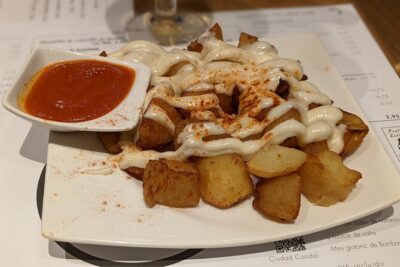
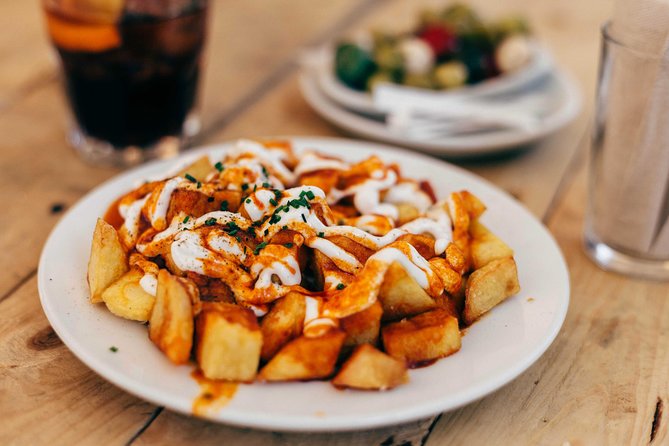
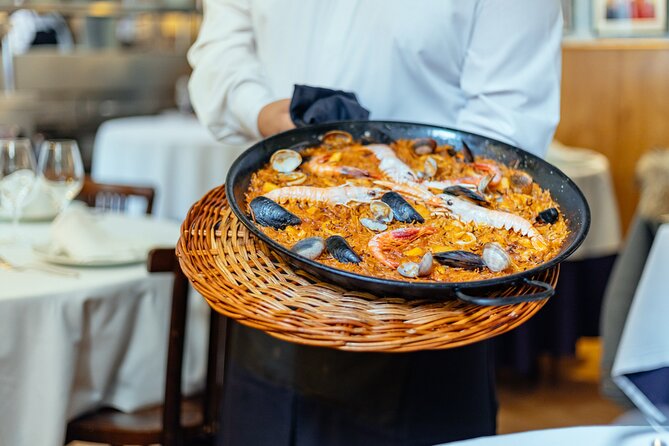
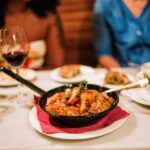
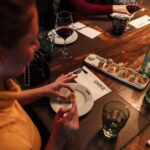
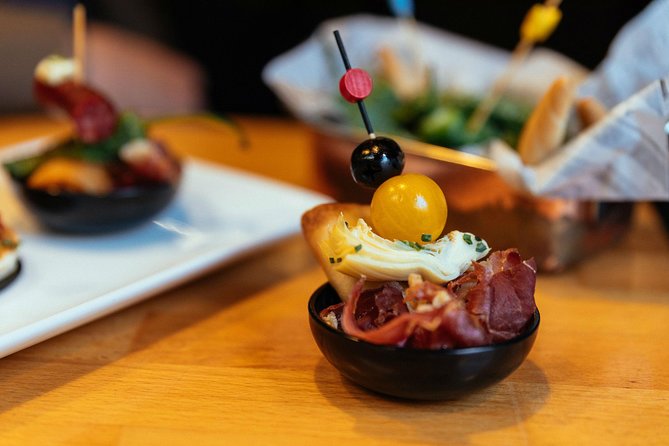
The sample menu covers a solid spread of Barcelona and Catalonia favorites. You might try combinations like churros and hot chocolate, pintxos, ensaimada, ham and cheese, pan con tomate, patatas bravas, and Spanish omelette. Many routes also include croquetas, nougat, and something drink-based such as vermut or Spanish wine.
Here’s how to think about it: this isn’t one restaurant with multiple courses. It’s a curated set of bites that reflect how locals eat—quick snacks, shared plates, and drinks that turn an afternoon into a social event.
You can also read our reviews of more tours and experiences in Barcelona


Drink note: vermut and wine aren’t just extras
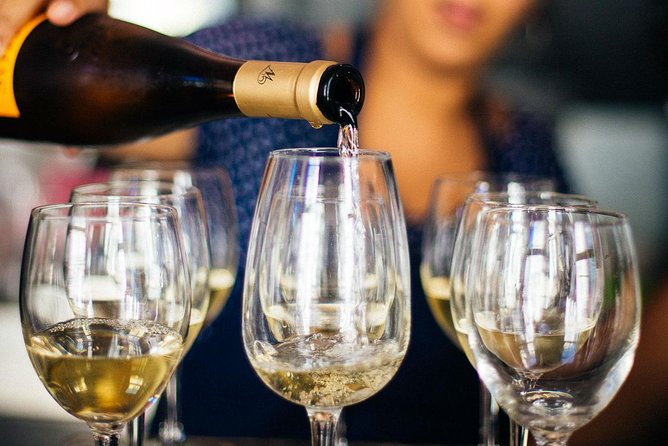
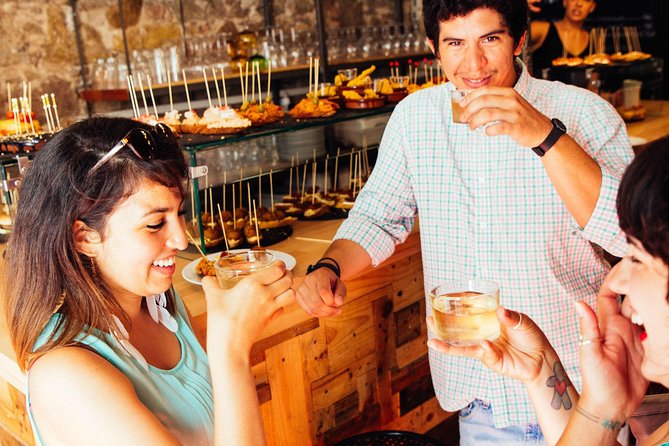
When a tour includes vermut and Spanish wine, it’s usually because those drinks are part of local “going out” culture, not a random add-on. Vermut in particular is tied to the bar scene—people snack, chat, and sip without it feeling like a formal meal.
If you don’t drink alcohol, ask ahead about what substitutions might work for you. The tour supports vegetarian alternatives, and it’s also worth messaging the host with any preferences early so the route can adjust.
Vegetarian options: how to get a version that fits you
Good news: the tour offers vegetarian alternatives. The key detail is timing—message the host in advance so your guide can shape the stops around what you can eat.
Vegetarian in Spain can mean a few different things, from “no meat” to “no fish” to “no gelatin.” If you’re picky, give specifics. That’s the difference between a tour that feels thoughtful and one that feels like you’re making do.
Private guide perks: pacing, customization, and local storytelling
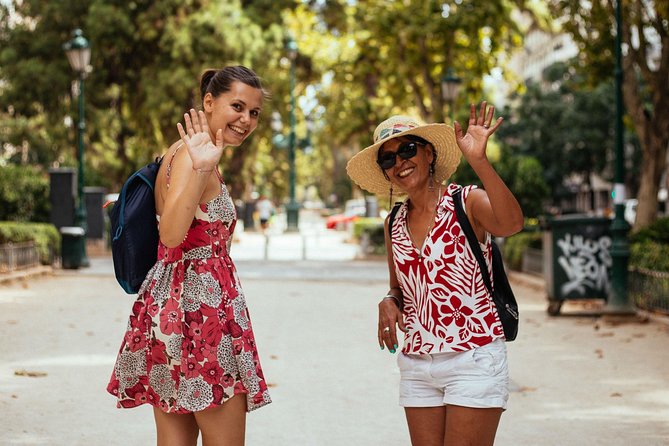
This is private, meaning you don’t share your route with strangers or get trapped in a one-size-fits-all script. In practice, that matters a lot in Barcelona, where food culture changes by neighborhood and even by block.
You’ll also get local context from a guide who genuinely talks about what you’re eating and why. Guides such as Gonzalo, Alessandro, Octavio, Irina, Sebastian, Tomas, and Christzina come up often, and the common thread is pairing food with clear neighborhood stories—from older eras to what’s happening right now.
Pacing is another quiet win. Some guides are especially good at slowing down for people who walk at a gentler pace. If you want a tour that feels like conversation plus snacks, this format is built for it.
Price and value: is $124.56 per person fair?
At $124.56 per person for a tour that runs about 3 hours, value depends on what you want the tour to do.
If you’re coming for bar culture plus market tastings plus drinks, then the price can make sense. You’re not paying for a single meal; you’re paying for a local guide, multiple stops, and the cost of food and drinks at each tasting. The private format also tends to justify the cost more than group tours when you care about flexibility and fit.
If you’re the type who expects large portions or a guaranteed “main meal” level of food, you may feel underfed—especially with the 6-tasting option. In that case, choose 10 tastings and be ready for snacks rather than a full plated dinner.
Small logistics to handle before you leave
A few practical things can protect your experience:
- Confirm the meeting point clearly. Some people run into trouble when the meeting address isn’t obvious, and late starts can eat into your mood fast.
- Wear comfortable shoes. You’re walking through central Barcelona and into Eixample, with enough stop-and-go to justify supportive footwear.
- Message dietary needs early. Vegetarian alternatives are available, but the best results come when your guide can plan around you.
- Go with an appetite mindset. Think “tasting crawl,” not “restaurant meal.”
Also, this tour is offered in English, and it runs with a mobile ticket. It’s near public transportation, which is helpful if you’re stitching together the rest of your day around it.
Should you book this Barcelona private food tour?
Book it if you want a guided, local-feeling food route that mixes market snacks with Barcelona bar culture in a way that’s easy to follow on foot. It’s a great first activity in town because it helps you learn what to order later, where to go, and how food fits into daily life.
Skip it or reconsider if you know you need big portions or you dislike stops that are more product-focused than restaurant-focused. Also, if your schedule includes a Sunday, plan for market closures, since the tour switches venues.
If you do book, I’d choose the 10-tasting option unless you’re confident you won’t mind finishing hungry. And if you have dietary requirements, send them before the day of the tour—your guide will be able to build a better route when they have that info.
FAQ
How long is the Barcelona private food tour?
It runs for about 3 hours (approx.). The tastings and city highlights are spread through that time with walking between stops.
What food and drinks tastings are included?
The tour includes 6 or 10 tastings of typical food and drinks. A sample menu may include items like churros with chocolate, pintxos, vermut, nougat, pan con tomate, patatas bravas, Spanish omelette, croquetas, and Spanish wine.
Can I get vegetarian options?
Yes. Vegetarian alternatives are available, but you should message your host with your dietary needs in advance so the guide can plan appropriately.
Is it a private tour or a group tour?
It’s a private tour, meaning it’s just your party with a multilingual local foodie guide. No other travelers join you.
Do markets run every day?
On Sundays, markets are closed, so the tour visits alternative venues instead.
Is the tour in English?
Yes, it’s offered in English.
If you want, tell me your dietary needs and whether you’re more into sweet bites or savory snacks, and I’ll help you choose between the 6 vs 10 tastings option.