REVIEW · BARCELONA
Montserrat with Black Madonna & Medieval Winery with Tapas/Lunch
Book on Viator →Operated by Castlexperience Wine Tours · Bookable on Viator
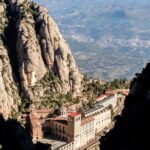
Montserrat feels like a movie set above Barcelona. This day trip adds two standout fixes for your trip: Montserrat with guided basilica time and smart free exploration, and a stop at a 10th-century winery castle with wine tasting and a proper meal. Guides like Laia and Azul keep the history moving without turning it into a lecture.
What I like most is the mix of structure and freedom. You get an organized monastery visit, then you choose your route on the mountain, including the popular St. Michael’s cross walk. The second big win is the winery experience, which can include either a lighter tapas brunch or a fuller multi-course lunch option, plus a guided cellar tour and a tasting.
One drawback to plan around: the schedule can feel tight if you add lunch, and Montserrat can get crowded enough that even skip-the-line access for the basilica doesn’t always remove every bottleneck during peak times.
In This Review
- Key moments that make this trip worth it
- From Barcelona North to Montserrat: the morning start that sets the tone
- Inside Abadia de Montserrat: guided basilica first, then your own path
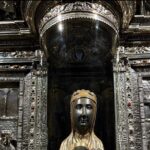
- The Black Madonna add-on and why your free time plan matters
- St. Michael’s cross: the viewpoint walk that turns the day into something memorable
- Don’t count on the boys’ choir every day: l’Escolania timing
- The medieval winery stop: where your lunch or tapas meets castle history
- Tapas vs lunch: choosing the option that fits your Montserrat goals
- Wine tasting: fun, but taste is taste
- Price and value: what you’re really paying for at $65.30
- Practical tips to keep the day smooth (and not scramble)
- Who this tour is best for
- Should you book it?
- FAQ
- How long is the Montserrat and winery tour?
- Where does the tour start and where do you return?
- What time do tours start?
- Is transportation provided and is it air-conditioned?
- Is the tour in English?
- What sites are included in Montserrat?
- Do I need to buy tickets for the Black Madonna and is it guaranteed to avoid waiting?
- What does the winery include?
- Is l’Escolania de Montserrat singing every day?
Key moments that make this trip worth it
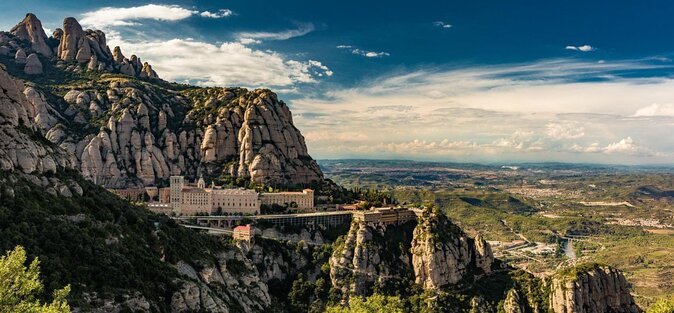
- Guided Montserrat monastery time first, with free time right after for your pace.
- Optional Black Madonna visit if you choose that add-on, plus other mountain highlights.
- A medieval estate winery setting, often in a 10th-century castle owned by the same family for generations.
- Wine tasting included (including ecological wines), not just a quick glass and run.
- Meal options matter: tapas brunch is lighter, while the lunch option reduces your Montserrat free time.
From Barcelona North to Montserrat: the morning start that sets the tone
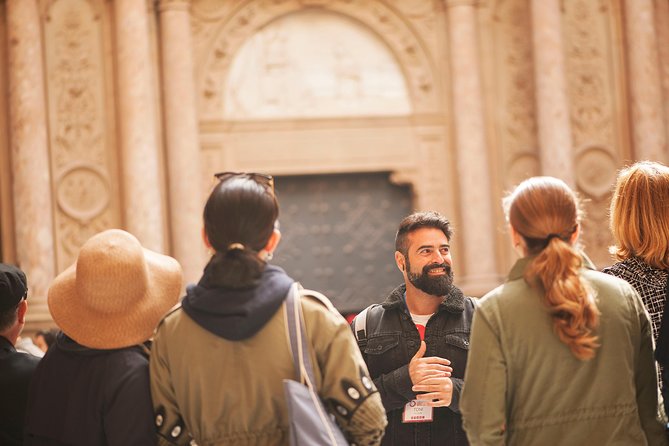
This tour runs about 9 hours 30 minutes and starts around 8:30 a.m. You’ll meet at Barcelona North Station, and they ask you to arrive 20 minutes early so check-in can happen before you head to the buses. That early start is part of the value: you get to the mountain before the day’s crush fully takes over.
The bus ride is comfort-focused. It’s air-conditioned, and the day includes shared transportation. That means you might ride with other tour groups at some points, even though your guided segments keep the group size small (max 20 per guide, sometimes 22). In practice, this setup is efficient: you spend time seeing Catalonia instead of losing hours transferring.
If you hate rushing, this trip still works, but you’ll want to choose your priorities fast. Montserrat has multiple “must-see” spots (basilica, museum, cave, viewpoints), and you’ll have to decide what you want most before the day gets busy.
You can also read our reviews of more wine tours in Barcelona



Inside Abadia de Montserrat: guided basilica first, then your own path
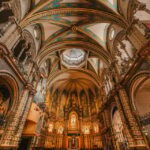
Montserrat’s big power is that it’s both spiritual and scenic. Your day starts with the monastery visit led by your guide, including an extended tour through the Basilica and Monastery and skip-the-line entry to the basilica. That alone saves time and stress because the site is famously popular.
After the guided portion, you get free time to explore on your own. This is where the day becomes personal. You can focus on religious art like the Black Madonna, browse the museum, visit the Holy Cave, or shop at the farmer’s market.
You can also choose vertical options. Many people take a funicular to go higher on the mountain, and some add the cogwheel train option if it’s available in your chosen package. The point is simple: Montserrat isn’t one sight. It’s a whole system of viewpoints, chapels, and walking paths.
The Black Madonna add-on and why your free time plan matters
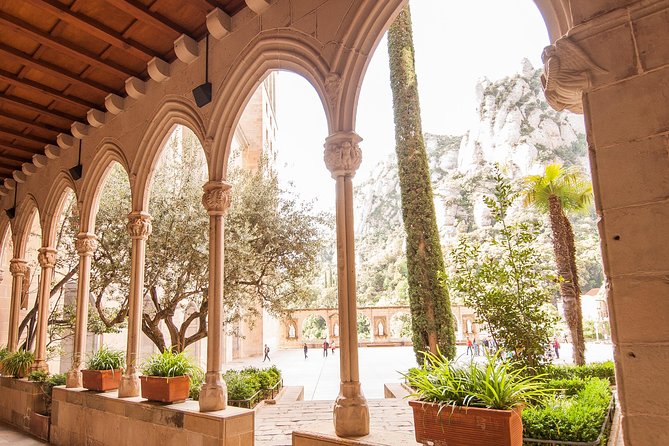
If you choose the Black Madonna option, you should know how it affects timing. Your basilica visit is guided, and then your free time is your main window to do extra highlights. The Black Madonna area can be hard to access during busy periods, and at peak times you might still run into long waits at the entrance even if you have skip-the-line access for the basilica session.
That’s why I suggest planning your free-time route like a mini itinerary:
- If Black Madonna is your top priority, treat it like the anchor point of your visit.
- If you want the famous viewpoint walk to St. Michael’s cross, give yourself enough time to do it properly. The payoff is the views—especially on clearer days.
Guides can help you here. Names you might see include Laia and Toni, and the common thread in the feedback is that good guides helped people sort what to see first and how to avoid wasting time on backtracking.
St. Michael’s cross: the viewpoint walk that turns the day into something memorable
Montserrat’s star views often come from outside the most obvious indoor stops. A lot of people end up loving the hike to St. Michael’s cross, because it combines a bit of effort with that “how did they build this here” feeling—plus big mountain panoramas.
Even if you’re not chasing religious sites, the cross walk can feel like the emotional climax of the day. It’s also a smart use of free time because it breaks up the sightseeing routine. You’ll be on your feet, yes, but it’s not a marathon, and it gives you a sense of space once you’re above the crowds.
Weather matters. Fog or low visibility can soften the view experience, and on those days you may feel more focused on the monastery architecture and museum than on the sweeping panorama. Bring a light layer even in season because higher elevations can feel cooler than Barcelona.
Don’t count on the boys’ choir every day: l’Escolania timing
One of Montserrat’s special extras is the chance to attend a performance by l’Escolania de Montserrat, described as the oldest boys’ choir in Europe. That can add a moving, local touch to an already dramatic setting.
But timing rules apply. The choir does not sing on Saturdays, school holidays, and several dates throughout the year. So if music is a deciding factor, pick your travel date carefully. If you can’t catch a performance, the good news is the rest of Montserrat still delivers: basilica art, monastery spaces, and those mountain viewpoints.
You can also read our reviews of more tours and experiences in Barcelona

The medieval winery stop: where your lunch or tapas meets castle history
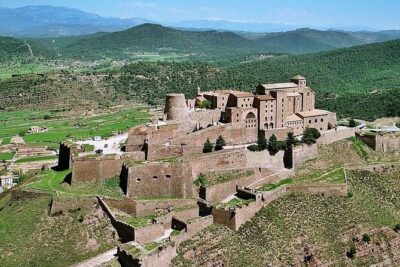
After Montserrat, you head to the winery: Oller del Mas is often used, and it’s set in a 10th-century castle. The estate is described as having 1,500 acres of land, with a public golf course on site. That combination makes the winery feel more like an estate museum than a commercial tasting room.
Meal expectations depend on your option:
- If you pick the lighter option, you’ll get tapas brunch or a similar light food service.
- If you pick the lunch option, you’ll get a multi-course traditional lunch with wine.
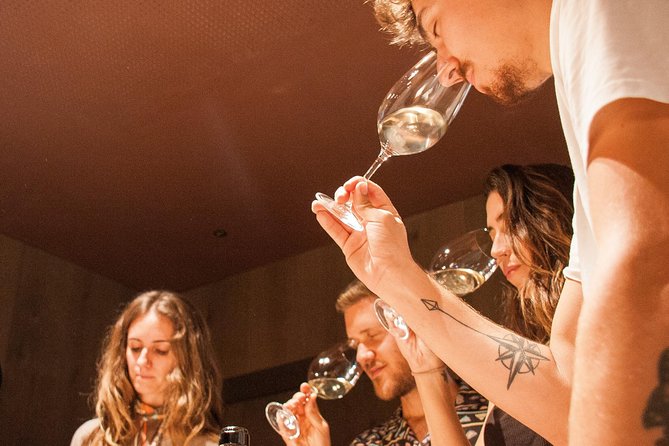
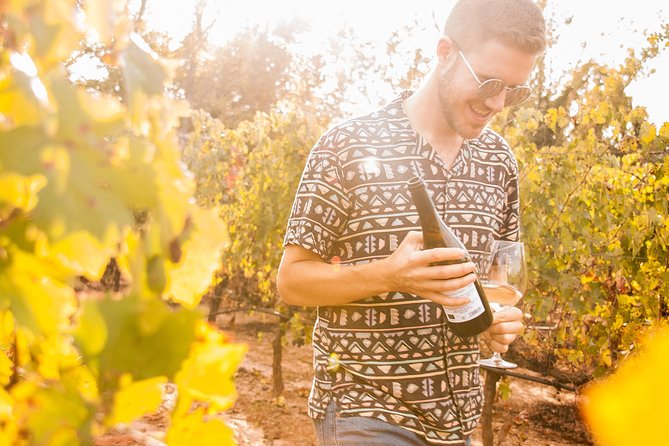
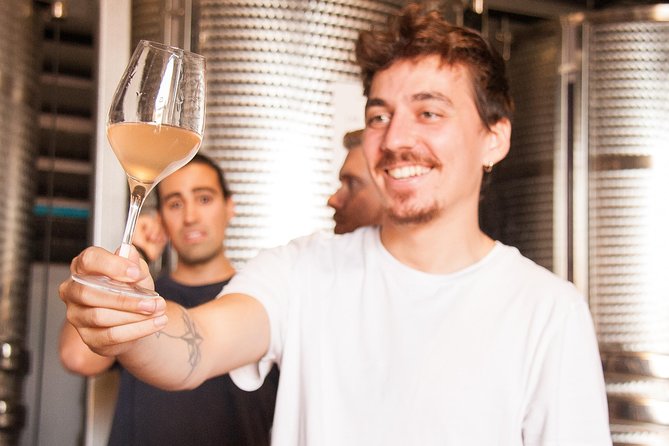
Either way, you’ll learn about wine production, and you should expect a tasting part of the day, not just “here’s the drink, enjoy.” The guided cellar tour and the wine tasting session with three ecological wines are both included, which is a solid way to understand how the wines connect to the local grape varieties.
One practical note: the tasting space and restaurant style can vary. Some people love the authenticity of the setting; others find the interior more modern than expected. If you’re booking for medieval atmosphere, keep your expectations flexible: the estate setting and process talk are the consistent pieces.
Tapas vs lunch: choosing the option that fits your Montserrat goals
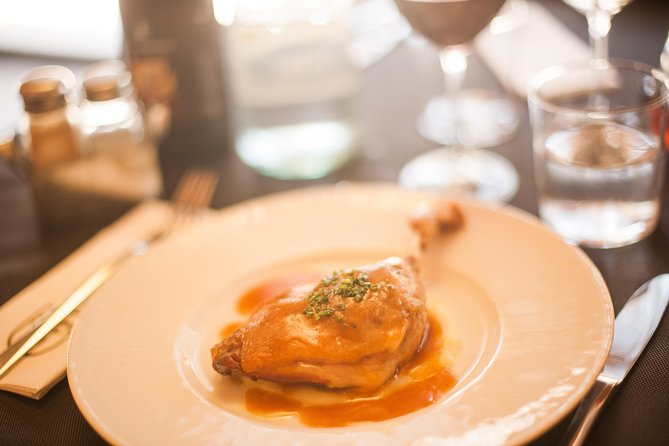
This is where people often feel the biggest difference, and it’s not subtle. If you choose the lunch option, you’ll generally have less free time on Montserrat because the meal slots into the day.
So ask yourself what you want more:
- If you want more time hiking to viewpoints and lingering around basilica corners, consider the lighter tapas option.
- If you want a fuller sit-down meal with more structure and a longer food window, choose the lunch option and accept that your Montserrat free time will feel tighter.
Also, manage portion expectations. The tapas brunch is described as traditional, but it’s still a brunch. If you’re the type who needs a heavy meal to power through steep walking, lunch is the safer bet.
Wine tasting: fun, but taste is taste
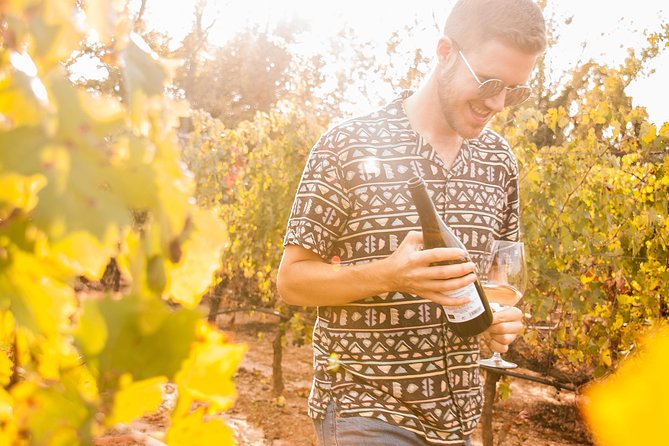
The winery tasting is part learning and part sipping. You’ll hear about how the wines are made and you’ll taste three ecological wines. If you like comparing styles, this section can be a highlight.
That said, wine is personal. There are a small number of experiences where people felt the tasting didn’t hit their preferences or didn’t feel generous. Most days likely run smoothly, but if you’re picky about wine style, don’t think of this tasting as a guarantee you’ll love every pour. Think of it as a chance to understand local production and decide what you’d actually want to buy.
Price and value: what you’re really paying for at $65.30
At $65.30 per person, the value comes from the bundle:
- Air-conditioned round-trip transportation
- Guided monastery visit with basilica entry
- Skip-the-line basilica access
- Winery visit with guided cellar tour
- Wine tasting included
- Meal included if you select the tapas or lunch option
If you tried to recreate this day independently, you’d be paying separately for transport, site access, and guided time. The winery stop is also harder to DIY well because you’d need to coordinate a visit, tour timing, and tasting session.
Is it “cheap”? No. Is it “worth it” for what you get? In general, yes—especially because Montserrat is such a high-impact place to see with minimal logistics stress.
Practical tips to keep the day smooth (and not scramble)
Montserrat is a mountain day, and that means your small choices matter:
- Wear comfortable clothes and walking shoes. There’s real walking involved, and the terrain includes steep spots.
- Bring water, especially if you’re traveling in warmer months.
- Expect temperatures to differ from Barcelona. Higher elevation can feel colder or more exposed.
- Use toilets when you see them. There’s no promise that facilities will be timed perfectly to your schedule.
Also, check the choir dates if you care about the performance. And if you’re planning the St. Michael’s cross walk, don’t stack additional activities immediately after the tour. Timing is approximate and can shift with traffic and weather.
Who this tour is best for
This trip fits best if you want:
- a straightforward Montserrat day that includes guided context and then freedom to explore
- a winery + wine tasting add-on without having to plan transport or book tours yourself
- English-speaking guides and a group size kept intentionally small during the guided portions
It’s especially good for first-time visitors to Montserrat who don’t want to figure out the mountain logistics alone. If you’re traveling as a family or in a mixed-age group, the organized flow can reduce decision fatigue.
Should you book it?
Book this tour if you want Montserrat as a full day with guided structure plus time to choose your own viewpoints, and if you’re happy to pair the mountain with a winery visit that includes tasting and a meal option. Guides like Laia, Azul, and Toni show up in the experience details as people who help you prioritize so you don’t waste your limited free time.
Skip or reconsider if your top priority is maximizing every single minute in Montserrat while also expecting the wine and food to match your exact preferences perfectly. Lunch options can tighten the mountain window, and wine is taste-driven.
If you’re aiming for a memorable, well-paced Catalonia day, this is a strong match.
FAQ
How long is the Montserrat and winery tour?
It runs about 9 hours 30 minutes (approx.).
Where does the tour start and where do you return?
You meet at Barcelona North Station (Carrer de Nàpols, 68, Eixample, 08013 Barcelona), and the tour ends back at the meeting point.
What time do tours start?
Tours start at 8:30 a.m. You should arrive 20 minutes before for check-in at the office.
Is transportation provided and is it air-conditioned?
Yes. You travel by shared transportation in a comfortable air-conditioned bus.
Is the tour in English?
Yes. The tour is conducted in English.
What sites are included in Montserrat?
You get a guided visit through the Basilica and Monastery, with basilica entrance included. You also get free time to explore other options on your own.
Do I need to buy tickets for the Black Madonna and is it guaranteed to avoid waiting?
The Black Madonna tickets are available if you choose that option. The tour includes skip-the-line entry for the basilica, but during peak periods there can still be queues at the Black Madonna area.
What does the winery include?
You’ll enjoy a guided visit to the winery, learn about the winemaking process, and participate in a wine tasting session with three ecological wines. A meal is included depending on the option you select.
Is l’Escolania de Montserrat singing every day?
No. The boys’ choir does not sing on Saturdays, school holidays, and several dates throughout the year.