Barcelona’s Gothic Quarter reads like a living script. I love how this guided walk strings Roman Barcino into the streets you see today, so the old stones stop feeling vague. You spend 2 hours on foot hearing how the city’s layers connect.
What really hooked me was the guide-style: clear, story-driven explanations and lots of room for questions. You’ll hear Legends and human-scale details that make the Gothic Quarter feel personal, not textbook—an approach I noticed in guides like Jordan, Darren, and Mariah.
One possible drawback: you don’t get entry to cathedrals or basilicas, so you’ll mainly see the big religious buildings from outside. If you want the inside experience, plan separate tickets.
In This Review
- Key Highlights You’ll Actually Feel
- Why This Gothic Quarter Walk Works So Well
- Price Value: What You Get for $22
- The Best Mindset for Getting More Out of Two Hours
- Starting at the Barcino Sculpture (Plaça Nova 40)
- Els Quatre Gats and The Kiss Of Freedom: Quick Stops, Big Meaning
- Barcelona Cathedral and La Casa de l’Ardiaca: Seeing the Shape of Power
- Carrer del Bisbe and Pont del Bisbe: The Skull Legend Stop
- Plaça de Sant Felip Neri: A Quiet Pause With Context
- MUHBA El Call: Jewish Quarter Meaning in One Guided Stop
- Plaça de Sant Jaume and Plaça del Rei: Power Squares You Can Feel
- Plaça de l’Àngel and Plaça de Santa Maria: The Route Lands Back in Place
- What I Love Most (and Who Should Choose This)
- Should You Book This Tour?
- FAQ
- How long is the Barcelona walking tour?
- What’s the starting location for the tour?
- Is the tour guided in English?
- What’s included in the price?
- Are cathedral or basilica entrances included?
- How much does the tour cost?
- Does it end at the same place where it starts?
- Are there multiple starting options mentioned for the first stop?
- Can I reserve and pay later?
- Is there free cancellation?
Key Highlights You’ll Actually Feel
- 2,000 years of Barcelona in one walking route, from Barcino roots to later turning points
- Expert storytelling in English, with a steady pace that keeps the group together
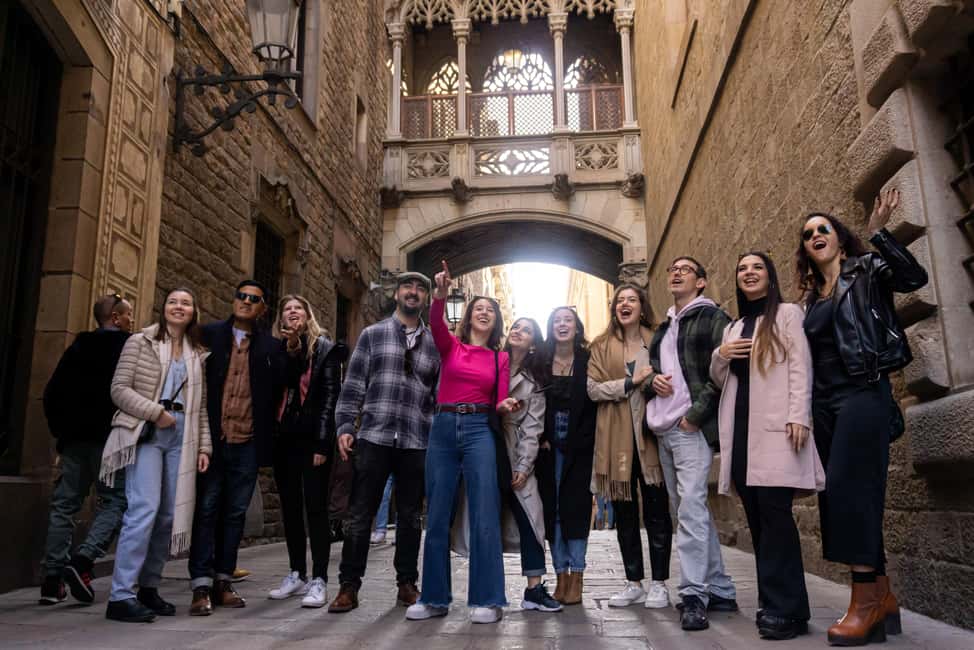
- Legend stop at Pont del Bisbe area, including the secret skull story and what happens if you look
- Major Gothic Quarter anchors like Barcelona Cathedral and key squares
- Jewish Quarter context at MUHBA El Call, added to the same day’s walking flow
- Cathedral/basilica interiors aren’t included, so you’re here for sights plus story, not museum tickets
Why This Gothic Quarter Walk Works So Well
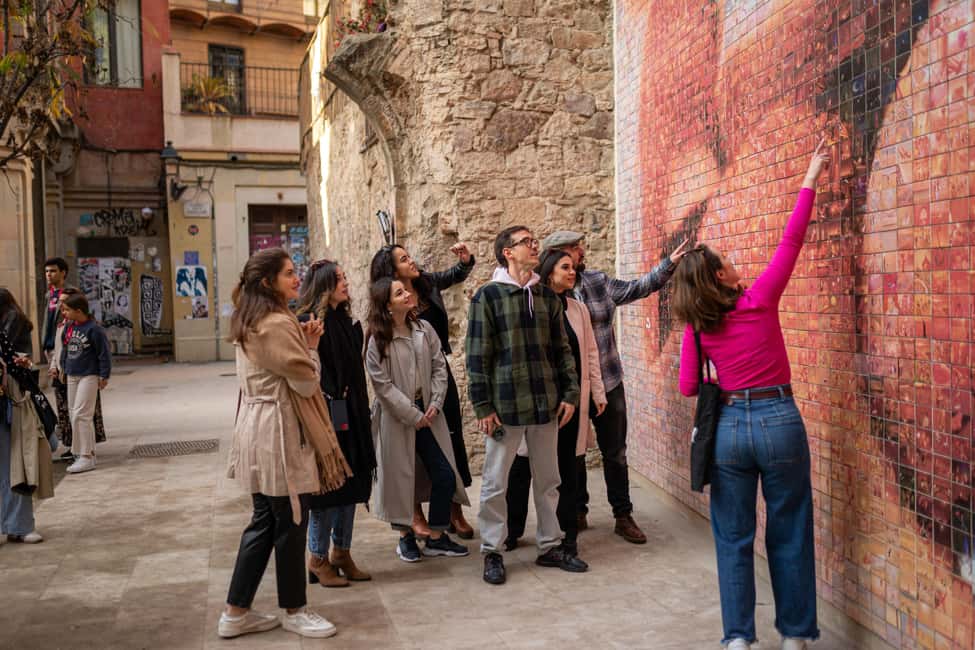
A good walking tour does two jobs at once: it gives you the route and it gives you the meaning. This one does both for Barcelona’s Gothic Quarter. In just two hours, you’re shown how the city’s present layout grows out of older eras, so you stop wandering randomly and start recognizing patterns.
I like the way the guide handles the city’s big time jumps. You’re not stuck in one era. Instead, you move from Roman foundations to medieval squares and on to more modern historical influences. That makes the Gothic Quarter feel like a timeline you can step through.
And it’s not only formal history. You get anecdotes, quirky cultural references, and those slightly strange legends people repeat because they’re fun and because they capture local attitudes. That mix is why the tour stays lively without turning into a comedy show.
You can also read our reviews of more walking tours in Barcelona



Price Value: What You Get for $22
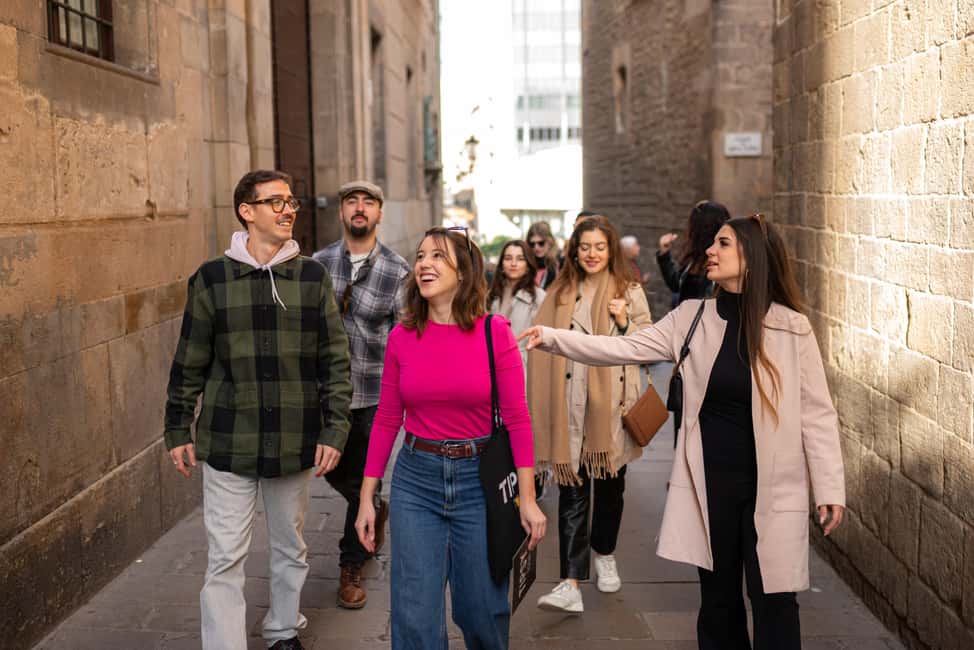
At $22 per person for a two-hour live guided walk, the value is mostly about what you’re buying: time plus context. You’re not paying for a bunch of paid admissions. The guide is the main inclusion, and that’s where the cost makes sense—especially if you’re the kind of visitor who wants to understand what you’re looking at.
Here’s the trade-off. Because entry into cathedrals and basilicas is not included, you should expect to spend your money on interpretation, not ticketed interiors. If your ideal Barcelona day is “see inside everything,” this may feel slightly limited. But if you want to get your bearings fast and learn how the neighborhood connects, the price is fair.
Also, a two-hour duration is practical. It fits early in a trip. It doesn’t force you to commit a whole afternoon to one zone. You can take what you learn and keep exploring afterward.
The Best Mindset for Getting More Out of Two Hours
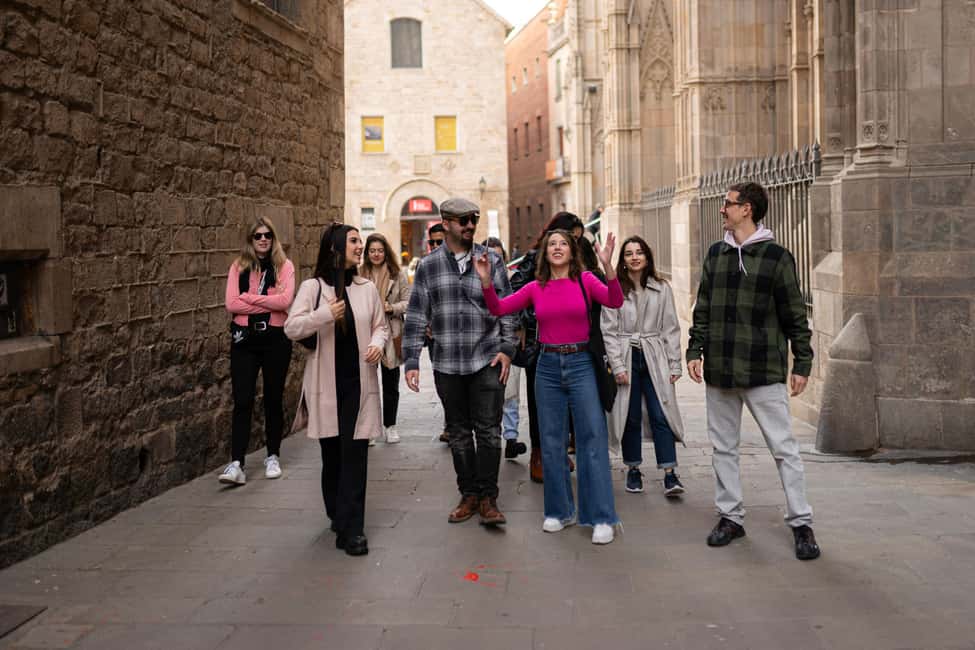
Bring comfortable shoes. You’ll be walking through old streets and squares, and the route is designed for steady movement from stop to stop. A camera helps too, because the story points often sit right on the streets you’re standing in.
Dress comfortably. This tour doesn’t promise long sitting breaks, so you’ll want to stay comfortable enough to focus on details. The guide’s job is to connect what you see—cathedrals, courtyards, plaques, and squares—to what those places meant across centuries.
Finally, come ready to ask questions. One of the strongest signals from the guide style on this route is patience with questions. If you’re curious about why certain areas have certain names or how dark historical chapters fit into the cityscape, this format is built for that.
Starting at the Barcino Sculpture (Plaça Nova 40)
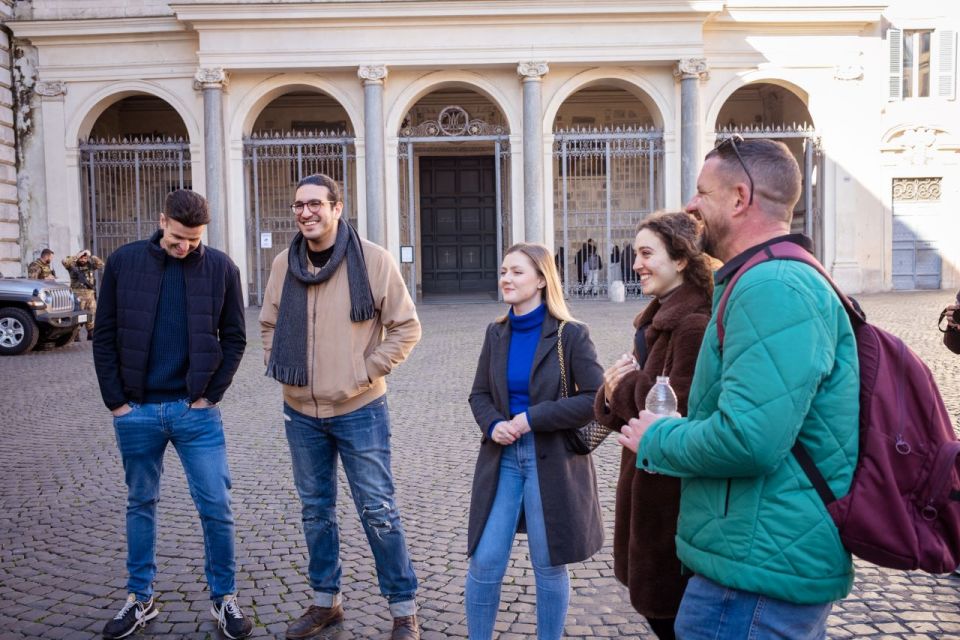
You begin at Plaça Nova, 40, right in front of the large sculpture with the letters Barcino, holding a yellow Carpe Diem Tours sign nearby. This is a smart start point because it plants you at the idea of the city’s beginning: Barcelona didn’t start as the Gothic Quarter you picture today.
This first segment is where the guide usually sets the tone. You’ll hear how the city’s identity evolves across eras—back to the Roman colony of Barcino and forward into later periods. Even if you’re not a hardcore history person, the “origin to present” framing helps everything else click.
One small practical plus: starting near Plaça Nova keeps you centered in the old-city walking flow. You’re not crossing the whole city to reach the first stop. You’re already in the zone where the streets do the storytelling.
Els Quatre Gats and The Kiss Of Freedom: Quick Stops, Big Meaning
Els Quatre Gats is one of the first culture-linked moments on your walk. In a short time window, the guide will point out why this kind of place matters in the story of the neighborhood. Think of it as a “where culture left footprints” stop—less about climbing inside and more about understanding why people gathered here and how that energy shaped local identity.
Then you move to The Kiss Of Freedom. Even though it’s a brief stop, it works because it’s the kind of landmark that makes you ask questions. Why is it called that? What does it represent for Barcelona’s political and social memory? The guide turns that curiosity into a structured explanation, connecting you to the city’s later historical influences.
If you like tours that balance landmark viewing with interpretation, this part is a good sign that the walk won’t become a checklist. It’s short, but it sets up the next stops where the history grows heavier.
You can also read our reviews of more guided tours in Barcelona


Barcelona Cathedral and La Casa de l’Ardiaca: Seeing the Shape of Power
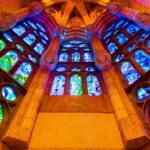
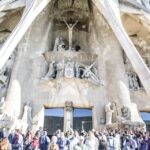
Barcelona Cathedral is a headline sight on this route. Since entry into cathedrals and basilicas is not included, your experience is about seeing and hearing—rather than ticketing and wandering inside. That can be a good thing. It keeps the pacing tight and lets the guide focus on how religious power and civic life intertwined in this area.
Right after that, you visit La Casa de l’Ardiaca. A name like that signals status and authority, and the guide uses the stop to explain how local buildings functioned as more than just background scenery. You’ll learn how the city’s social structure shows up in where these notable spaces sit.
A practical consideration: because you’re not going inside, your enjoyment depends on how well you can connect visuals to story. If you’re the type who loves stepping into chapels and reading inscriptions quietly on your own, you might want to pair this tour with a later self-guided visit to cathedral interiors on a different day.
Carrer del Bisbe and Pont del Bisbe: The Skull Legend Stop
This is one of the most character-driven parts of the walk. You head to Carrer del Bisbe, and this is where you’ll hear the legend of the secret skull on Pont del Bisbe—and what happens if you look at it. Even if you already know the premise from hearing rumors around town, the guide’s version gives you a sense of where the story fits in the street-level atmosphere.
Legends like this work on two levels. First, they’re fun. Second, they explain how local culture preserves memory through story instead of through official plaques. That’s a big part of why the tour feels more like walking with a storyteller than walking with a lecturer.
Also, this stop is useful for orientation. Once you’ve stood here and heard the explanation, the surrounding streets make more sense. You start noticing how narrow corridors and street angles helped shape daily life centuries ago.
Plaça de Sant Felip Neri: A Quiet Pause With Context
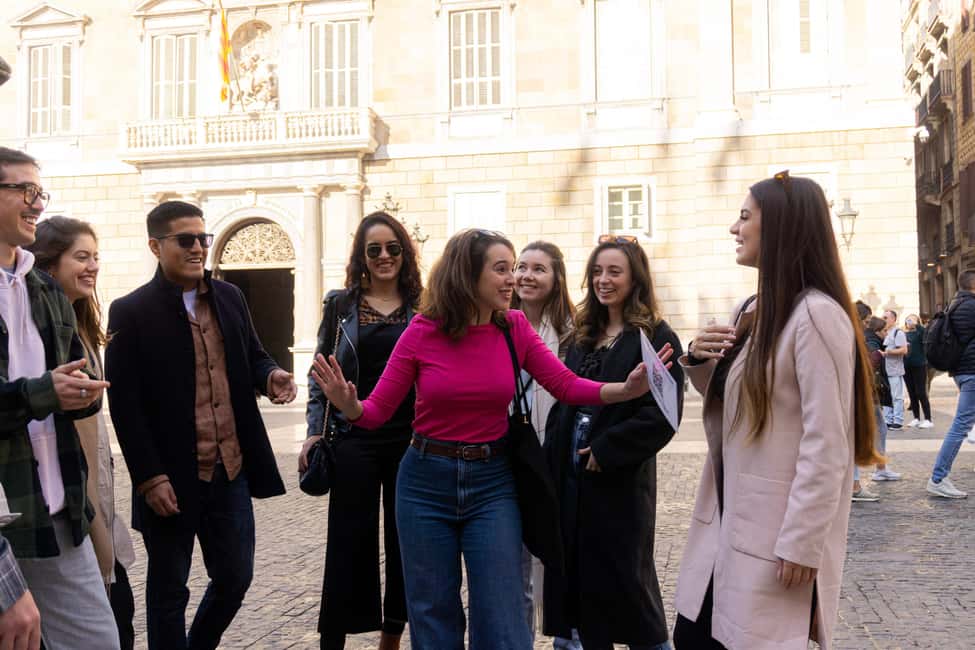
Plaça de Sant Felip Neri is a slower moment in the route, and that matters. Two hours is enough to see a lot, but only if you get little emotional resets between heavier history stops. This square gives you that reset.
The guide uses the setting to connect place to people and tradition—how everyday space becomes part of Barcelona’s identity. Even if you’re not sitting down, you’ll feel a shift from “major landmark momentum” to “neighborhood understanding.”
This is also where I’d pay attention to what the guide emphasizes about cultural figures and local traditions. Not every stop needs drama. Some need calm, so you can absorb the tone of the Gothic Quarter before moving toward deeper historical layers.
MUHBA El Call: Jewish Quarter Meaning in One Guided Stop
MUHBA El Call is the stop where the walk widens its historical frame. You’re not just seeing pretty streets. You’re learning how different communities contributed to the city’s story—and how those stories were affected by larger events.
The tour ties in dark chapters such as the Spanish Inquisition. The guide connects that to what you see around you, so history isn’t floating in the abstract. It’s sitting in the same streets where people now come for photos and short visits.
This is also one of the reasons I think this tour is useful early in your trip. It plants context. Later, when you explore on your own, you’ll understand why certain streets and quarters carry weight beyond architecture.
Plaça de Sant Jaume and Plaça del Rei: Power Squares You Can Feel
You move from MUHBA El Call into the civic center feel of Plaça de Sant Jaume and Plaça del Rei. These are the kinds of squares that help you understand the city’s structure—where authority stood, where decisions happened, and how public life organized itself.
The guide uses these stops to connect the dots between political history and the physical layout. You’ll hear how Barcelona’s historical path shaped modern identity, including the influence of later upheavals such as the Spanish Civil War.
The practical benefit here is simple: once you understand why these squares exist and what roles they played, the rest of the Gothic Quarter stops being a maze. It becomes a map.
Plaça de l’Àngel and Plaça de Santa Maria: The Route Lands Back in Place
The final stretch includes Plaça de l’Àngel and then Plaça de Santa Maria, 1. This is where the tour often feels like it’s tightening the story’s thread. Earlier stops raise questions; these last squares help you understand how all those eras sit next to each other in one compact area.
Because your time is limited, the guide’s storytelling is designed to end on meaning, not on exhaustion. You’ll likely leave with a clearer mental image of the Gothic Quarter’s identity and with a sense of which parts you want to revisit.
Also, remember the tour ends back at the meeting point. That makes it easy to build the rest of your day around it without guessing how to navigate your way out.
What I Love Most (and Who Should Choose This)
I really like that this tour treats Barcelona like a set of stories you can walk through. Two hours is long enough to matter, but short enough to stay fun. You get a strong sense of how the city evolved—from Roman roots to later turning points—without drowning in details.
I also appreciate that the guide’s job isn’t just to recite facts. You get legends, anecdotes, and cultural figures woven into what you see: Els Quatre Gats, The Kiss Of Freedom, Barcelona Cathedral, and the squares that explain power and everyday life.
This is a great fit if:
- You’re visiting Barcelona for the first time and want context fast
- You prefer walking tours with stories rather than only museum-type stops
- You want to understand dark historical chapters and how they connect to the streets you’re standing on
- You like asking questions and getting straight answers in English
If your main goal is to spend time inside churches and basilicas for a self-paced interior experience, you may want a separate ticket plan. This one is about sights plus story, not admissions.
Should You Book This Tour?
Yes—if you want a high-value orientation walk with real historical storytelling. The price is reasonable for a live English guide, and the route hits the major Gothic Quarter anchors while also adding the kind of background that makes self-exploration better.
I’d especially book it if you’re the type who feels lost without context. After this, you’ll know what you’re looking at and why it matters. Just go in with the right expectation: cathedrals and basilicas are exterior-focused here, so you’ll need a follow-up visit if you want interiors.
If you’re already a die-hard architecture specialist and you only care about interiors, you might skip. But for most visitors, this is a smart, story-forward way to understand Barcelona’s oldest streets in one manageable session.
FAQ
How long is the Barcelona walking tour?
It lasts about 2 hours.
What’s the starting location for the tour?
You meet at Plaça Nova, 40, in front of the Barcino sculpture area with a yellow Carpe Diem Tours sign.
Is the tour guided in English?
Yes, it is a live tour guide in English.
What’s included in the price?
The guide is included.
Are cathedral or basilica entrances included?
No. Entry into cathedrals and basilicas is not included.
How much does the tour cost?
The price is $22 per person.
Does it end at the same place where it starts?
Yes, the tour ends back at the meeting point.
Are there multiple starting options mentioned for the first stop?
Yes, there are 2 starting location options connected to the Barcino sculpture.
Can I reserve and pay later?
Yes, the option to reserve now and pay later is offered.
Is there free cancellation?
Yes. You can cancel up to 24 hours in advance for a full refund.