REVIEW · BARCELONA
From Barcelona: Tarragona & Sitges Full Day Tour with Pickup
Book on GetYourGuide →Operated by In Out Barcelona Tours · Bookable on GetYourGuide
Roman ruins and seaside art in one day. I like the hotel pickup and small 8-person group, and I love that Tarragona’s UNESCO stops come with a real guide, not just drop-off-and-hope. You also get enough time to shift gears: history in the morning, Sitges streets and ocean air in the afternoon.
The trade-off is the pace. You’ll do lots of walking and stairs, and food or drinks aren’t included, so you’ll want comfortable shoes and a lunch plan.
In This Review
- Quick hits before you go
- Roman Tarragona’s Devil’s Bridge Aqueduct and the Archaeology-First Timing
- The Roman Forum and Circus: Where Tarraco Ran for 2,000 Years
- Roman Walls to the Tarragona Amphitheater: A Coastal Arena Scene-Setter
- Sitges on the Costa del Garraf: Modernism, Fishermen’s Streets, and a Different Pace
- San Bartolomé and Santa Tecla, Maricel Palace, and the Quiet-Corner Break
- San Sebastián Beach Time: Turning the Day Trip Into a Real Rest
- Small-group logistics: Pickup, bilingual guiding, and why 10 hours still feels doable
- Price and value: What $116 buys you in real terms
- Who this tour is best for (and who should skip it)
- Should you book From Barcelona: Tarragona & Sitges Full Day Tour with Pickup?
- FAQ
- How long is the tour?
- Where does the tour start in Barcelona?
- How big is the group?
- Do you get a guided experience in both Tarragona and Sitges?
- What’s included for admission tickets?
- Is food or beverages included?
- What languages is the tour guide?
- Is there free time at the beach?
Quick hits before you go
- Devil’s Bridge (Les Ferreres Aqueduct): A 217-meter-long Roman aqueduct, 26 meters high.
- Tarraco’s Roman Forum and Circus: Tarragona’s ancient power center, with major UNESCO-era remains.
- Tarragona Amphitheater by the sea: A guided look at the coastal arena tied to 2nd-century spectacles.
- Sitges Modernism on foot: You’ll pass standout buildings like Casa Bacardi and Casa del Rellotge.
- Americanos connections: Learn how wealthy returnees from the Americas shaped Sitges homes.
- Playa de San Sebastián free time: A well-regarded urban beach break at the end of the day.
Roman Tarragona’s Devil’s Bridge Aqueduct and the Archaeology-First Timing
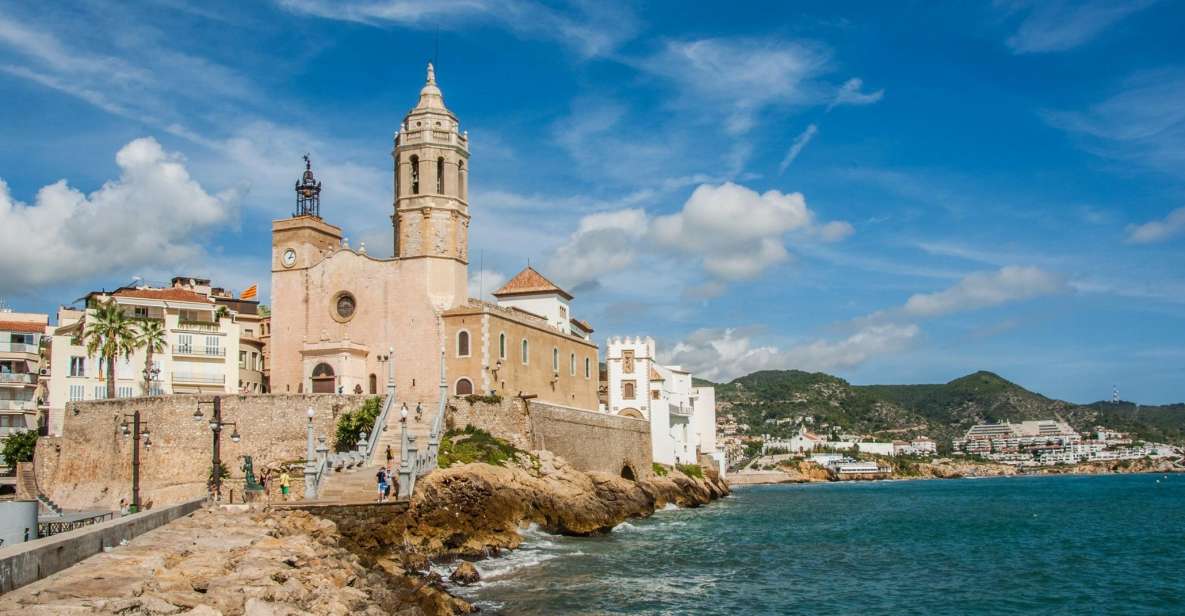
Tarragona is one of those places where you can feel the layers fast. The tour keeps it practical: you start with a long, clear hit of Roman engineering at Les Ferreres Aqueduct, often called the Devil’s Bridge. This aqueduct stretches 217 meters and rises to 26 meters—big numbers, but the real point is how it still dominates the landscape.
I like starting here because it gives you a frame. Before you’re reading inscriptions or trying to picture crowds, you’ve already seen what the Romans built to make the city work: water delivered with math, gradients, and persistence. From there, you move into more human-scale ruins.
You’ll walk from stop to stop through Tarragona’s archaeological areas and promenade zones. Expect that you’ll be switching between open views and museum-like ruin spaces. The benefit is you’re not just staring at one monument; you’re building a mental map of how Tarraco functioned.
One practical note: the tour includes entrance to key sites (like the amphitheater and circus), and it’s designed to avoid ticket-line friction. That matters on a day trip because time is the real currency. With a 10-hour schedule, every transition is part of the experience.
You can also read our reviews of more tours and experiences in Barcelona



The Roman Forum and Circus: Where Tarraco Ran for 2,000 Years
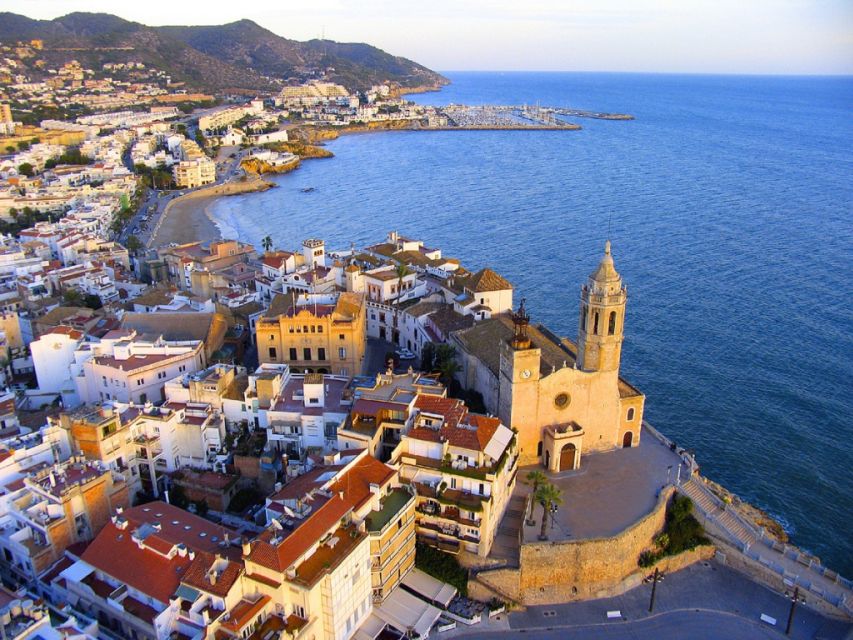
After aqueduct views, the tour centers on Tarragona’s heart: the Roman Forum and the Roman Circus remains. This is where the city’s story stops being “look at the ruins” and starts becoming “how the city operated.”
The Roman Forum is described as the town’s center for around 2,000 years, and that’s not a small brag. Forums were where administration, commerce, and civic life collided. Even when you’re standing among fragments, the layout makes sense once you’ve got a guide explaining what would have happened there.
Then comes the Roman Circus. One of the joys of Tarragona is that you can see how it’s survived in a readable way. You’re not hunting for hints of what used to be there; you’re walking in the zone where mass spectacle happened, with enough remains to help your imagination work.
I’d call this the most satisfying “brain” stop on the day. Sitges is fun, but Tarragona gives you context. Once you understand why the forum and circus mattered, the amphitheater later feels less like an isolated photo spot and more like a continuation of a city built around public gatherings.
Roman Walls to the Tarragona Amphitheater: A Coastal Arena Scene-Setter
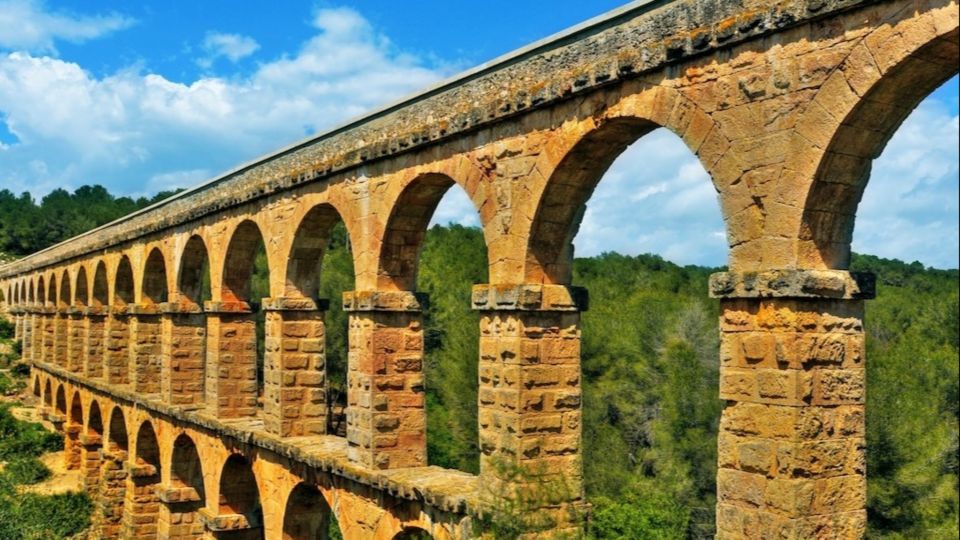
You’ll also pass the Roman walls of Tarragona, and that walkway change is more useful than it sounds. Walls help you picture scale and boundaries, and they also give you better angles for the ruins. It’s one of those small routing choices that makes the whole day feel coordinated.
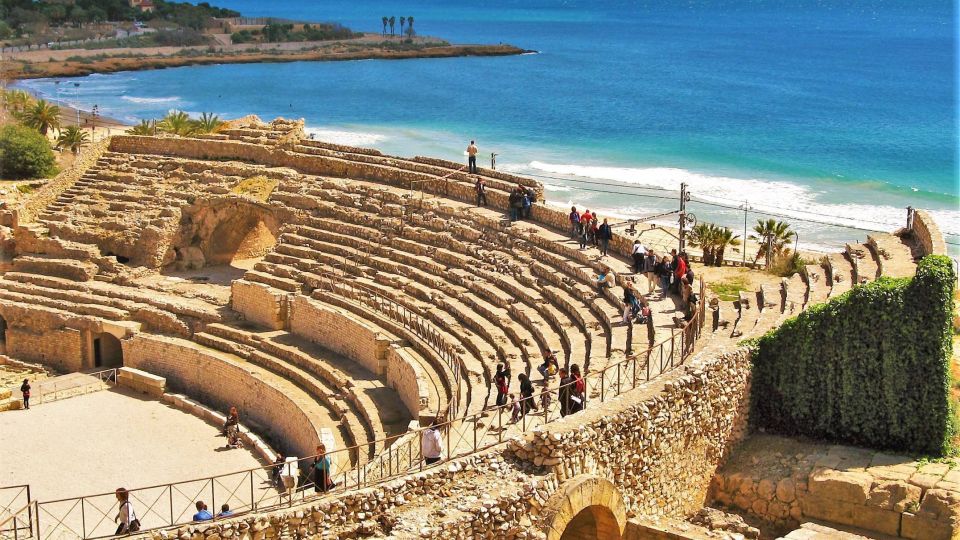
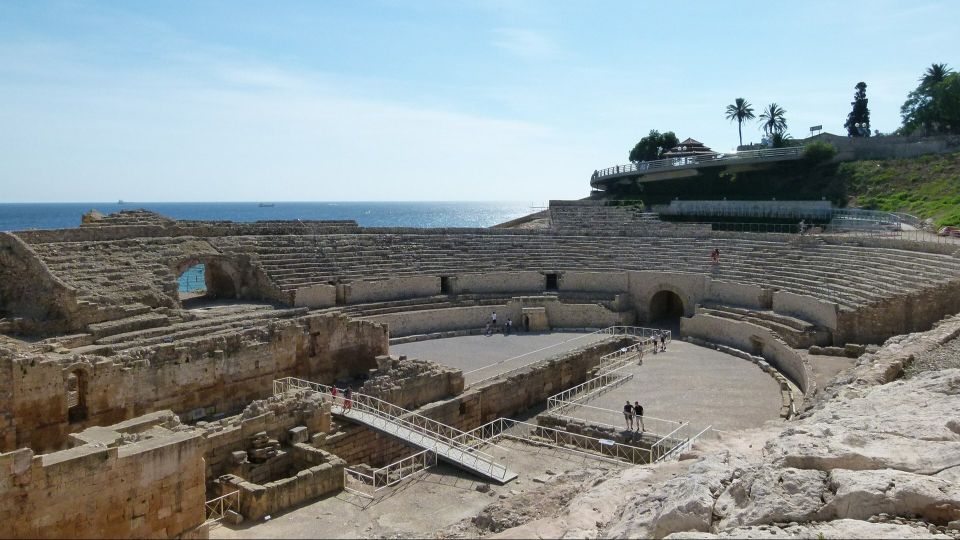
Next up is Tarragona Amphitheater, with guided time and entrance included. This is where the tour leans into atmosphere. The amphitheater sits by the Mediterranean, and it’s tied to 2nd-century spectacles—gladiator-style events are part of the tour’s focus.
Why this stop works: the sea acts like a natural “soundtrack.” Even if you’re not thinking about it, you’re suddenly aware of how open space changes what ancient buildings feel like. In a city amphitheater, you’d expect a different vibe than here, where the coastline frames the setting.
Also, walking toward the amphitheater area after seeing forum and circus ruins helps you connect dots. You’re basically moving from civic life to entertainment culture, with Roman daily rhythm in between.
If you’re the type who likes photos, this is a strong one. If you’re the type who likes explanations, it’s even better because the guide is there to put the ruins into context and help you understand why the amphitheater’s placement mattered.
Sitges on the Costa del Garraf: Modernism, Fishermen’s Streets, and a Different Pace
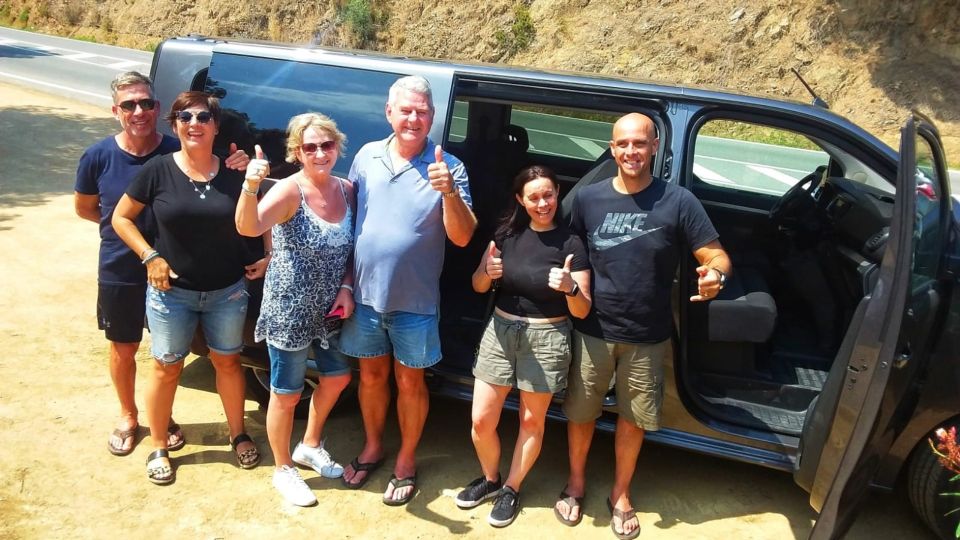
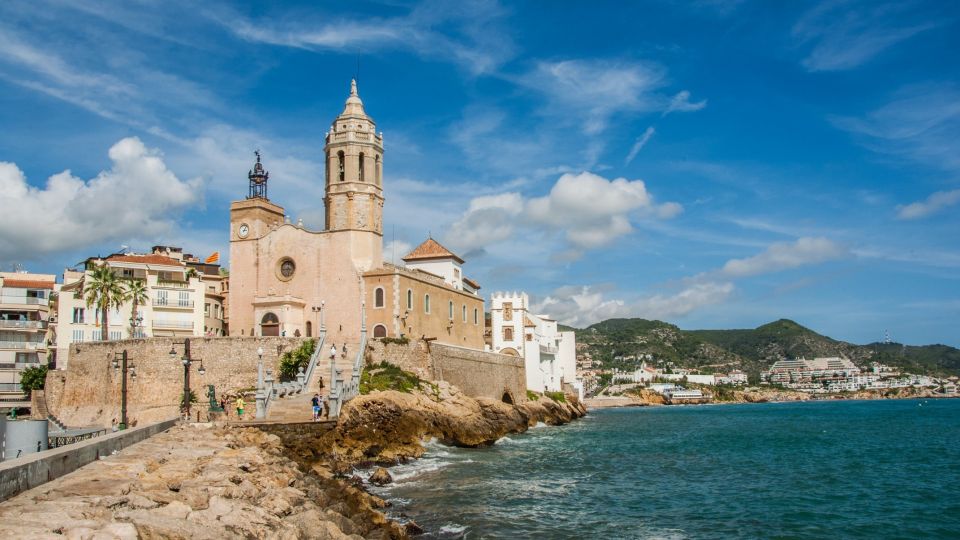
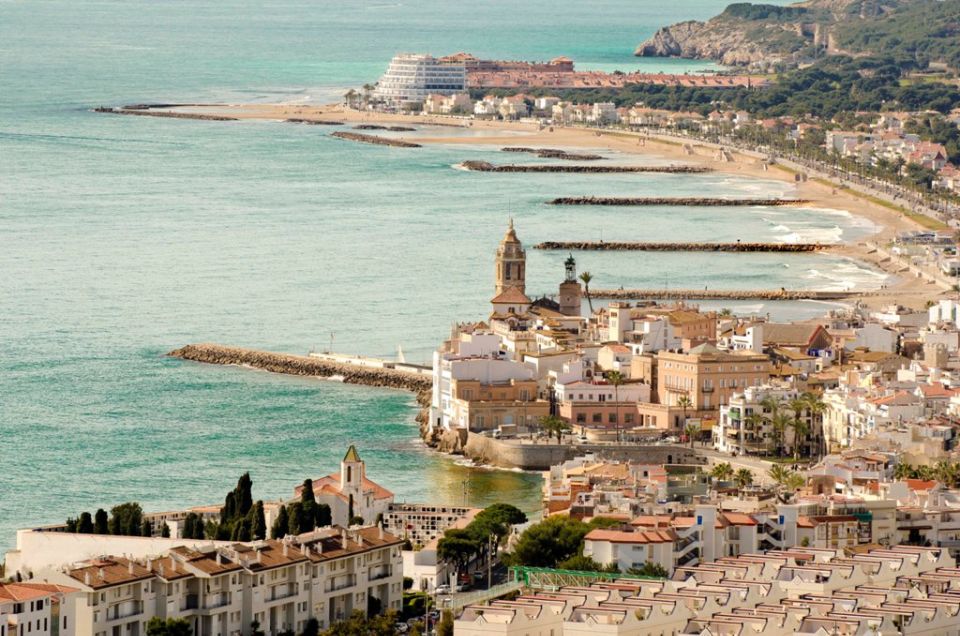
After Tarragona, the tour heads to Sitges along the Costa del Garraf. This is a real mental shift. Tarragona is stone, engineering, and ancient civic spaces. Sitges is colorful streets, art energy, and sea views.
Sitges is known as a modernist magnet. The tour walking section focuses on the way traditional fishermen’s houses exist alongside Modernist architecture. You’ll see buildings such as Casa Bacardi and Casa del Rellotge, and a guide will point out design details so you’re not just looking at facades.
This is also where the tour’s storytelling becomes personal. Sitges has a chapter tied to the Americanos—wealthy emigrants who returned from the Americas and built extravagant homes. Whether you’re a history person or not, it helps because it gives you a reason for the architecture choices you’re seeing.
On foot, Sitges rewards attention. The streets twist, small viewpoints pop up, and it’s easy to wander off—so the guided pacing is helpful. You’ll likely cover a lot of ground, but it stays organized enough that you still get moments to notice details.
San Bartolomé and Santa Tecla, Maricel Palace, and the Quiet-Corner Break
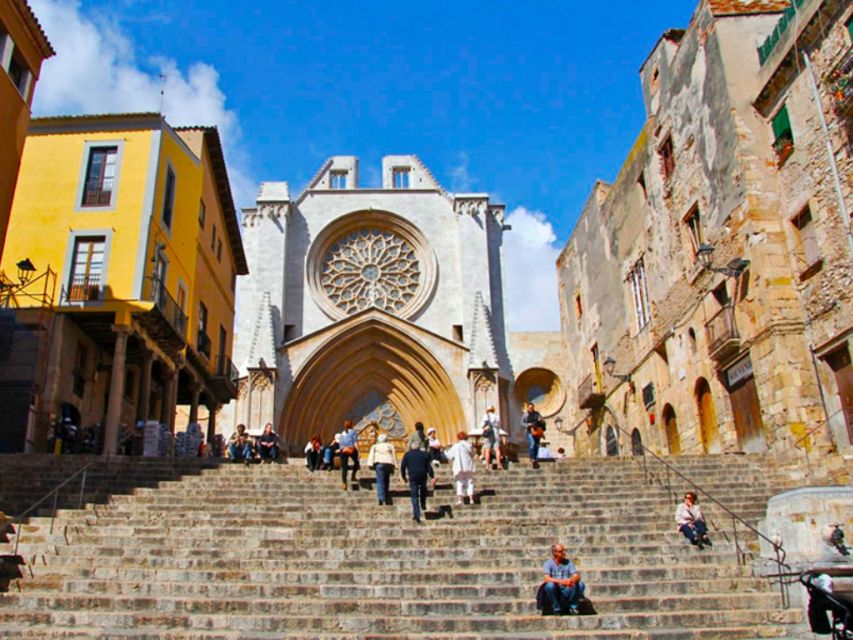
Your Sitges time isn’t only architecture spotting. You’ll also visit the Church of San Bartolomé and Santa Tecla and the Maricel Palace. These stops help balance the day because they show how Sitges blends everyday life, religion, and status-building architecture.
Then there’s the Quiet Corner, described as a plaza where local musicians perform. That matters more than it sounds. A day trip can feel rushed if every stop is “look, then move.” This kind of pause gives you a calmer beat, and it’s a nice way to absorb Sitges as a living town, not a theme park.
If you want the best value from this portion, I’d treat it like this: let the guide lead you for the major landmarks, then use your attention during quieter moments to soak up street-level atmosphere. Sitges is one of those places where the charm isn’t only in headline buildings—it’s in how everything fits together when you’re walking.



San Sebastián Beach Time: Turning the Day Trip Into a Real Rest
The day ends with Playa de San Sebastián, with free time to relax. This beach is described as one of the best urban beaches in Europe, and it’s popular for a reason: you can go from sightseeing mode to easy Mediterranean downtime without needing a separate plan.
The practical value here is huge. A 10-hour day with Roman walks and Sitges streets can wear you down. Beach time is the reset button, and it also helps you get a final memory that isn’t just stone and buildings.
You can use this block however you like—terrace sitting, a swim, or simply stretching your legs while watching the coastline. Since food and beverages aren’t included in the tour price, this is also where you might plan your late snack or casual meal around the beach area, depending on your timing.
Also, the return ride to Barcelona is part of the experience for many people, with the coastal drive described as scenic. Even if you’re tired, it gives you that slow-down feeling on the way back.
Small-group logistics: Pickup, bilingual guiding, and why 10 hours still feels doable
This tour runs for 10 hours, and it’s structured around comfort. You get hotel pickup and drop-off in a private air-conditioned minivan between 8:00 AM and 9:00 AM. The small-group size is up to 8 guests, which matters on a packed day. You’re not watching your tour leader disappear into a crowd.
The tour also runs with an expert guide speaking Spanish and English, and the company provides the specific pickup time and guide contact info about a day before.
A few real-world considerations based on what people consistently point out:
- Wear comfortable shoes. The day includes walking and stairs.
- Plan for a long but structured day. Tarragona-to-Sitges is a lot of switching gears.
- Bring your appetite strategy. Food isn’t included, so lunch is something you’ll likely want to handle in Sitges or during your beach time.
One more detail that can affect your morning: pickup is included, but there can sometimes be extra walking if your lodging is harder to reach right at the curb. If you’re staying in a narrow street or older building area, it’s smart to be ready for a short walk from a convenient pickup point.
Price and value: What $116 buys you in real terms
At $116 per person, this is a mid-range day trip price. The key question isn’t the number—it’s what’s included and how much friction the tour removes.
What you’re paying for:
- Private round-trip transport with hotel pickup and drop-off
- A guide for the big guided segments in Tarragona and Sitges
- Admissions to the Tarragona Amphitheater and Tarragona Circus
- Entrance handling that helps you skip the ticket line
- Small-group size that keeps the day from feeling chaotic
What you’re not paying for:
- Food and beverages
- Any personal shopping or extras
For many people, the value comes from avoiding the hassle of piecing together separate transport, tickets, and a guided route across two destinations in one day. Tarragona alone can be time-consuming on your own, and Sitges is easiest once you have a route that hits the major architecture points without wasting time.
If your priority is a packed, guided best-of day—Roman ruins plus Modernist seaside streets—this price starts to make sense quickly.
Who this tour is best for (and who should skip it)
This tour is best for you if:
- You want Roman Tarragona but don’t want to plan logistics alone.
- You like guided interpretation at ruins, not just photos.
- You want a contrast day: Tarragona’s antiquity followed by Sitges’ artistic seaside vibe.
- You appreciate small groups and hotel pickup.
You might want to consider another option if:
- You hate long days with constant walking and stairs.
- You want food included or prefer fully self-paced sightseeing.
- You’re looking for a very slow beach-only day. This has beach time, but it’s still built around history.
Should you book From Barcelona: Tarragona & Sitges Full Day Tour with Pickup?
If you’re in Barcelona and you want your day to feel like two distinct chapters—Roman power in Tarragona, then Modernist charm and sea air in Sitges—this is a strong pick. The small group, the hotel pickup, and the fact that entrance to the amphitheater and circus is included make it feel efficient.
My call: book it if you’re comfortable with a lot of walking and you’re good planning your own lunch since food isn’t included. If you want a guided route that hits the highlights without turning the day into a transport puzzle, this one is built for exactly that.
FAQ
How long is the tour?
It’s listed as a 10-hour full day tour.
Where does the tour start in Barcelona?
Pickup starts from your hotel in Barcelona, with pickup arranged between 8:00 AM and 9:00 AM.
How big is the group?
The tour is a small group with up to 8 participants.
Do you get a guided experience in both Tarragona and Sitges?
Yes. You’ll have guided time for Roman and medieval Tarragona, and also a guided walking tour in Sitges village.
What’s included for admission tickets?
Entrance is included for Tarragona Amphitheater and Tarragona Circus. The tour also notes that you can skip the ticket line.
Is food or beverages included?
No. Food or beverages are not included, so you’ll want to budget for lunch and snacks on your own.
What languages is the tour guide?
The live guide offers Spanish and English.
Is there free time at the beach?
Yes. The schedule includes free time at Playa de San Sebastián.