REVIEW · BARCELONA
Barcelona: Gothic Quarter Walking Tour
Book on GetYourGuide →Operated by Guydeez Tours · Bookable on GetYourGuide
Barcelona’s old streets compress a lot of time fast. This 2-hour Gothic Quarter walking tour strings together Roman traces, medieval lanes, and the big landmarks you usually only see from the outside. I especially like how the guide connects what you’re looking at to how the area changed—Roman village to medieval city. I also like that you’re not just staring at stone; you’ll walk along La Rambla and stop at the Mercat de la Boqueria, where Barcelona’s daily rhythm is right in front of you.
One heads-up: this is a walking tour in busy central Barcelona, so if you hate crowds or you’re sensitive to noise and smells around the market and main streets, you’ll want to plan your pace accordingly.
In This Review
- Key Takeaways Before You Go
- Where the Tour Starts (and What That Means for Your Time)
- Gothic Quarter Lanes: Seeing the City as a Timeline
- What I’d watch for on your first pass
- The one trade-off
- Roman Remains: Traces You Can’t Unsee Once Someone Points Them Out
- Transition to La Rambla: Street Life With a History Thread
- Quick practical note
- Mercat de la Boqueria: A Market Stop That’s More Than a Photo Op
- What you’ll likely enjoy most
- The only drawback
- Plaça Reial: A Rest Spot With Historical Flavor
- Barcelona Cathedral: Gargoyles, Scale, and Why Details Matter
- Why this stop is worth your attention
- Practical consideration
- El Born: Old Streets, New Energy
- What you’ll gain
- Santa Maria del Mar (St. Mary of the Sea): Catalan Gothic Built by People
- How to make this stop land
- Price and Value: Is $29 Worth Two Hours in the Old City?
- Who This Tour Fits Best (and Who Might Prefer Another Plan)
- Book It If You Like Guides Who Actually Know the Street
- FAQ
- How long is the Barcelona Gothic Quarter walking tour?
- Where does the tour start and end?
- How much does it cost?
- What’s included in the tour?
- Are food and drinks included?
- What languages are available?
- Is the tour wheelchair accessible?
Key Takeaways Before You Go
- Roman remains in unexpected places: You’ll spot traces scattered around the neighborhood, not just in one museum stop.
- Cathedral details you’ll actually notice: The guide points out the famous gargoyle sculptures at Barcelona Cathedral.
- La Rambla at pedestrian speed: You get the street energy without losing the thread of the history.
- Boqueria market as a sensory break: It’s built for people-watching, questions, and quick tasting if you choose.
- Neighborhood transitions matter: You’ll move from Gothic Quarter vibes toward Plaça Reial, then onward to El Born and Santa Maria del Mar.
Where the Tour Starts (and What That Means for Your Time)
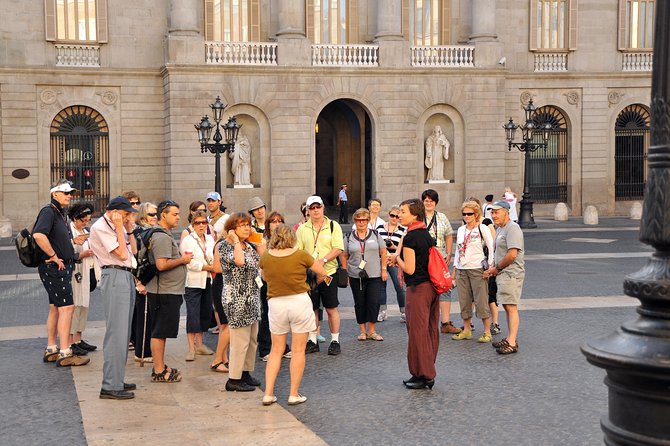
You begin at Pl. d’Urquinaona, 6 and finish back there. That matters because it keeps things efficient: you’re not crisscrossing the city for long transit gaps. In two hours, that’s the difference between feeling rushed and feeling like you got a real orientation to Ciutat Vella.
From the start, expect a mix of wide public spaces and tight alleys. Bring comfortable shoes—not fashion shoes. The “old streets” part of Barcelona can be uneven, and you’ll walk enough that your feet will let you know how you packed.
You can also read our reviews of more walking tours in Barcelona


Gothic Quarter Lanes: Seeing the City as a Timeline
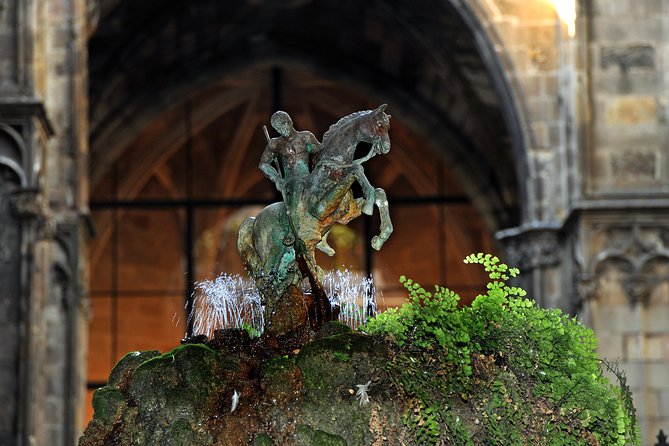
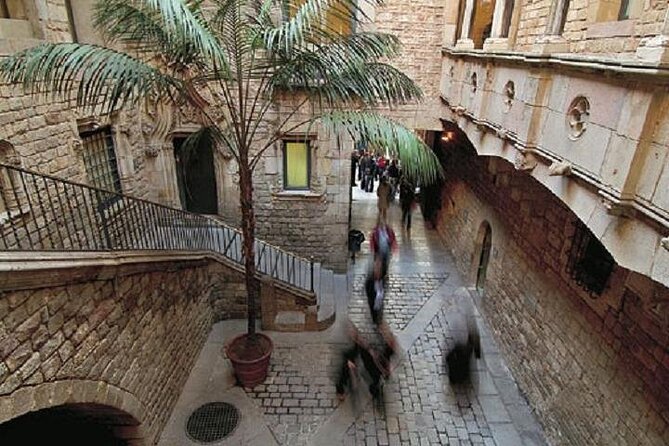
The tour focus is the Gothic Quarter, and the whole point is to read the neighborhood like a story. You’ll learn how the area grew from a Roman village into a medieval marvel, which changes how you interpret the buildings around you. Instead of treating it like a postcard district, you’ll start noticing layering: older foundations, later medieval shapes, and the way people kept building on the same ground.
What I’d watch for on your first pass
The best part here is the guide’s ability to point out meaning in small things—street geometry, architectural clues, and the legends attached to corners. If you’re the kind of traveler who likes your photos with context, this stop is where the tour pays off.
The one trade-off
Because this is a walking tour packed into a short window, you’ll be moving frequently. If you want long hangs inside every major site, you’ll need another visit later on. Think of this as orientation plus highlights, not a slow crawl.
Roman Remains: Traces You Can’t Unsee Once Someone Points Them Out
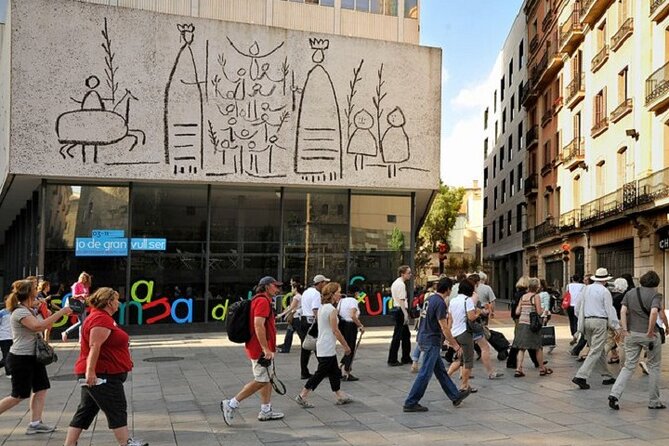
One standout promise of this tour is Roman remains scattered throughout the area. In Barcelona, Roman-era stuff isn’t always arranged in a neat, obvious “look here” exhibit. That’s why a good guide makes such a difference. You learn what you’re looking at and why it matters, so those fragments stop being random and start being evidence.
You’ll walk through areas where history is literally built into the streets, and the guide’s job is to connect the dots fast: what survived, what changed, and how the medieval city inherited the Roman footprint.


Transition to La Rambla: Street Life With a History Thread
Then the tour shifts gears to La Rambla. This isn’t just a scenic stroll. It’s your shift from quieter, side-alley thinking into Barcelona’s public stage—bars, restaurants, and street artists along the avenue.
Here’s what makes it valuable: La Rambla is where you see the modern city “wrapping around” the old one. If the Gothic Quarter felt like you were stepping into the past, La Rambla gives you the present-day context—how this city lives now.
Quick practical note
La Rambla can feel crowded and loud, especially near the market areas. Keep your phone handy for photos, but keep your brain on the tour route too—this is the part where the guide helps you keep the story straight while the street tries to distract you.
Mercat de la Boqueria: A Market Stop That’s More Than a Photo Op
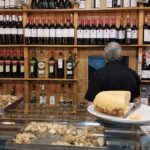
Next: Mercat de la Boqueria. Expect a loud, colorful, high-energy market environment—life in motion, food smells in the air, and plenty of choices if you want to snack. The tour doesn’t promise a specific tasting or meal, but it does give you a guided entry into how the market works and what you’re seeing.
What you’ll likely enjoy most
You’ll get a sense of why Boqueria is famous: the sheer variety, the craftsmanship of stalls, and how quickly people rotate through it. Even if you don’t eat, it’s a strong cultural stop because you can watch local routines up close.
The only drawback
This is one of the busiest-feeling parts of the walk. If you want calm sightseeing, you may find it a bit intense. If you like atmosphere, you’ll probably love it.
Plaça Reial: A Rest Spot With Historical Flavor
After the market, you’ll take a moment at Plaça Reial, a Napoleonic-era square frequented by artists and travelers. It’s a nice reset. The tour shifts from commercial chaos to a more relaxed “hang and look” square, where you can breathe and regroup.
This stop matters because it gives you a break right when your legs and attention might start to tire. It also adds a different layer to Barcelona’s story: not Roman or medieval this time, but a later period that still shapes the city’s public spaces.
Barcelona Cathedral: Gargoyles, Scale, and Why Details Matter
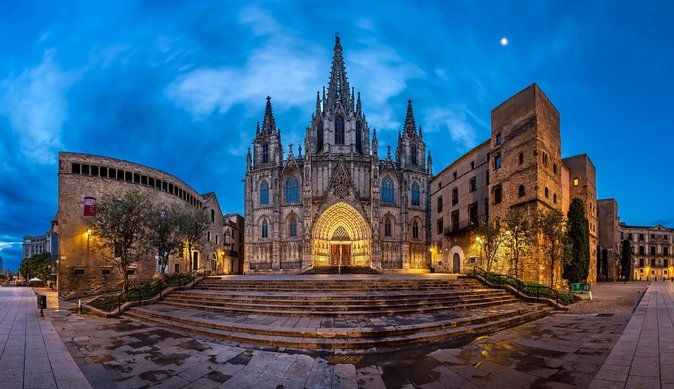
Now you’ll see Barcelona Cathedral, known for its impressive gargoyle sculptures. This is one of those landmarks where tourists often take quick pics, but the guide helps you slow down just enough to notice why the stonework is such a big deal.
Why this stop is worth your attention
Gargoyles are easy to treat like decoration. In context, you’ll better understand how cathedral architecture and sculptural details were part of the message of the era—religious, civic, and artistic at once. The guide’s job here is to steer you from “cool faces on corners” to “this is why they’re here.”
Practical consideration
Cathedral areas can get crowded. If you can, try to pause briefly for your best shots, then move on with the group to keep the flow.
El Born: Old Streets, New Energy
From the cathedral area, you’ll explore El Born, described as a neighborhood blending old and new. That’s a real Barcelona thing: medieval bones under modern life. You get the feel of a place where you can still sense the older city structure, but you’re surrounded by present-day shops, movement, and street character.
What you’ll gain
This section helps the tour feel less like museum time and more like living geography. You’ll understand where people are hanging out now, and where the medieval city shape still influences the feel of the streets.
Santa Maria del Mar (St. Mary of the Sea): Catalan Gothic Built by People
The tour ends with Basilica de Santa Maria del Mar, also called St. Mary of the Sea Cathedral. This matters for two reasons:
1) It’s a stunning example of Catalan Gothic architecture.
2) It was built by the people of the neighborhood themselves, so the story isn’t just about elites commissioning art—it’s about community effort.
If you enjoy architecture, this is a strong final note because it ties back to the tour’s main theme: how communities shape a city over generations.
How to make this stop land
Don’t rush. Even within a guided timeframe, take a moment to look upward and notice the space. The guide will help you connect design choices to what the neighborhood valued and how people intended the building to feel.
Price and Value: Is $29 Worth Two Hours in the Old City?
At $29 per person for about 2 hours, the value depends on what you want from your first day in Barcelona. If your goal is to get your bearings and learn what you’re seeing—Roman traces, Gothic Quarter structure, landmark context—this price is reasonable. The guide’s knowledge is the product here, and the tour also saves you time by bundling several high-impact stops in one walk.
If you’re the type who prefers self-guided sightseeing with zero structure, you might not feel the full value. But if you want someone to point out details you’d likely miss on your own—especially the Roman remains and cathedral sculpture context—you’ll usually feel like $29 buys you real understanding.
Also, you get multiple languages supported (English, French, Italian, Spanish). That’s a practical plus if you’re traveling with mixed-language friends.
Who This Tour Fits Best (and Who Might Prefer Another Plan)
This is a great match if:
- You want a fast, high-yield introduction to Ciutat Vella.
- You like your sights explained: what you’re looking at and why it exists.
- You want a mix of monuments and street life—cathedral plus market plus public squares.
It may be less ideal if:
- You need a slow pace with long dwell time at a single monument.
- You strongly dislike crowds around central streets and Boqueria.
Book It If You Like Guides Who Actually Know the Street
Guides make or break this kind of tour, and this one has a solid track record. I like that you could end up with guides such as Teresa or Adele, who are described as committed to history and helpful in making sense of the neighborhood. When the guide is strong, the tour feels like a conversation with the city—not just a route.
If you’re booking your first days in Barcelona and you want to start with context, I’d recommend grabbing a spot on this walk. It’s short enough to fit tight schedules, but structured enough to change how you see the Gothic Quarter afterward.
FAQ
How long is the Barcelona Gothic Quarter walking tour?
It lasts about 2 hours.
Where does the tour start and end?
It starts and ends at Pl. d’Urquinaona, 6.
How much does it cost?
The price listed is $29 per person.
What’s included in the tour?
You get a guided tour led by a live guide. The tour is also described as customizable.
Are food and drinks included?
No. Food and drink are not included.
What languages are available?
The live guide is available in English, French, Italian, and Spanish.
Is the tour wheelchair accessible?
Yes, it’s listed as wheelchair accessible.