REVIEW · BARCELONA
Barcelona: Handmade Ceramic Tiles Workshop
Book on GetYourGuide →Operated by Taller Gingell · Bookable on GetYourGuide
The first time you press clay, Barcelona turns into a studio. This handmade ceramic tiles workshop at Taller Gingell is a hands-on break from sightseeing, with real tools, real technique, and personal guidance. I especially like the way it starts with fundamentals before you decorate, so even if you’re rusty, you still end up with something you’re proud of.
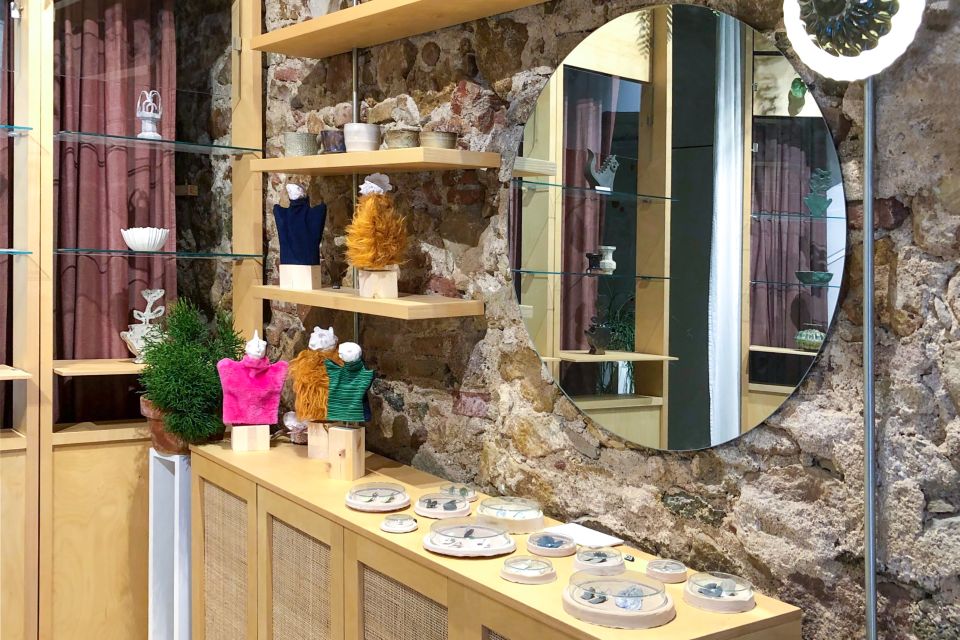
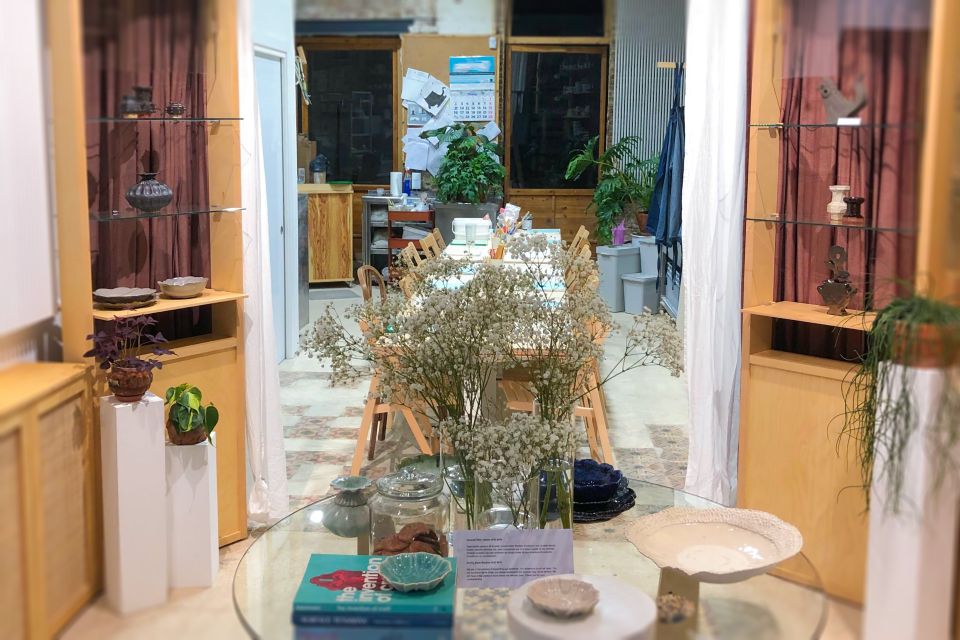
Two things I really like: the workshop runs in a real artisan space (Salvà 71-69 in Poble Sec, in a building that dates back to the 1890s, when it served as a bakery and fish monger). And you get to work with AMACO Velvet Underglazes, which is a fun way to see how color behaves before the final firing.
One consideration: your tiles don’t pop out ready to go in two hours. You’ll make and decorate your pieces during the class, but you’ll typically pick them up a few weeks later (or pay to ship them).
In This Review
- Key Things You’ll Remember After Taller Gingell
- Where This Workshop Fits in Your Barcelona Day
- The 2-Hour Flow: From Tools to Two Finished-Looking Ideas
- 1) A quick intro to ceramics and the tools
- 2) You create your tile(s)
- 3) You decorate with AMACO Velvet Underglazes
- 4) Kiln firing and glazing happen after class
- AMACO Velvet Underglazes: Why This Color Step Feels Worth It
- Meet Wendy and Eric: The Teaching Style That Makes It Easy
- Taking Your Tile(s) Home: Pick-Up, Shipping, or a Finished Swap
- Value for $21: Why This Price Works (If You Want Something Real)
- Who Should Book This Workshop—and Who Might Skip It
- Practical Tips Before You Go (That Actually Help)
- Should You Book This Handmade Ceramic Tiles Workshop?
- FAQ
- FAQ
- How long is the Barcelona handmade ceramic tiles workshop?
- What does the workshop cost?
- Where does the workshop meet?
- Do I need prior ceramics experience?
- How many tiles will I make or take home?
- When will my tiles be ready?
- What languages are the instructors?
Key Things You’ll Remember After Taller Gingell
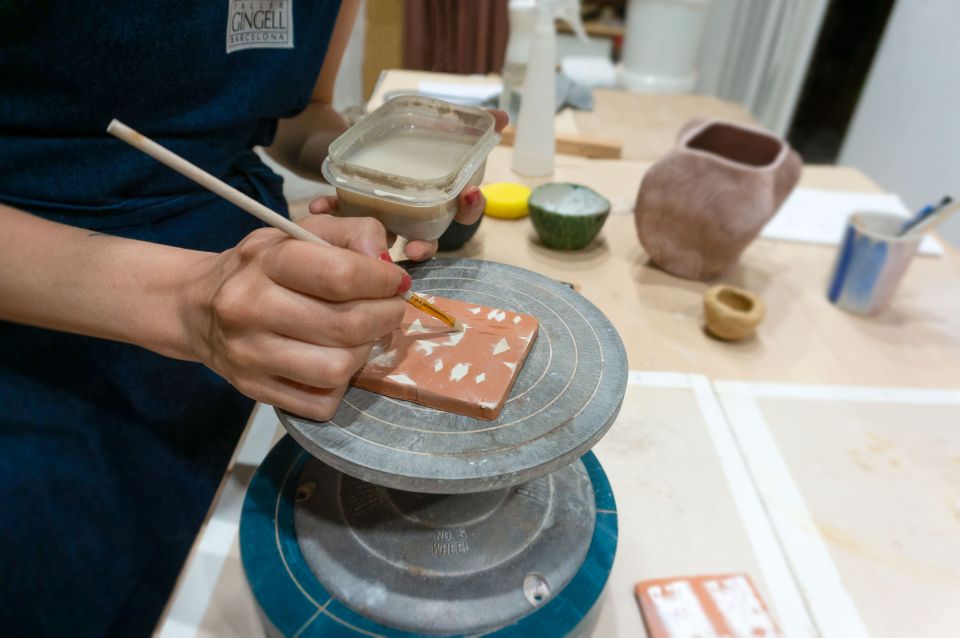
- Small group (up to 10) so you’re not lost in a crowd
- Two hours that moves from basics to hands-on tile-making
- Working with AMACO Velvet Underglazes for layered, expressive color
- Built for all skill levels, with Wendy and Eric teaching in English and Spanish
- Your tiles can be picked up later or shipped (shipping extra)
Where This Workshop Fits in Your Barcelona Day
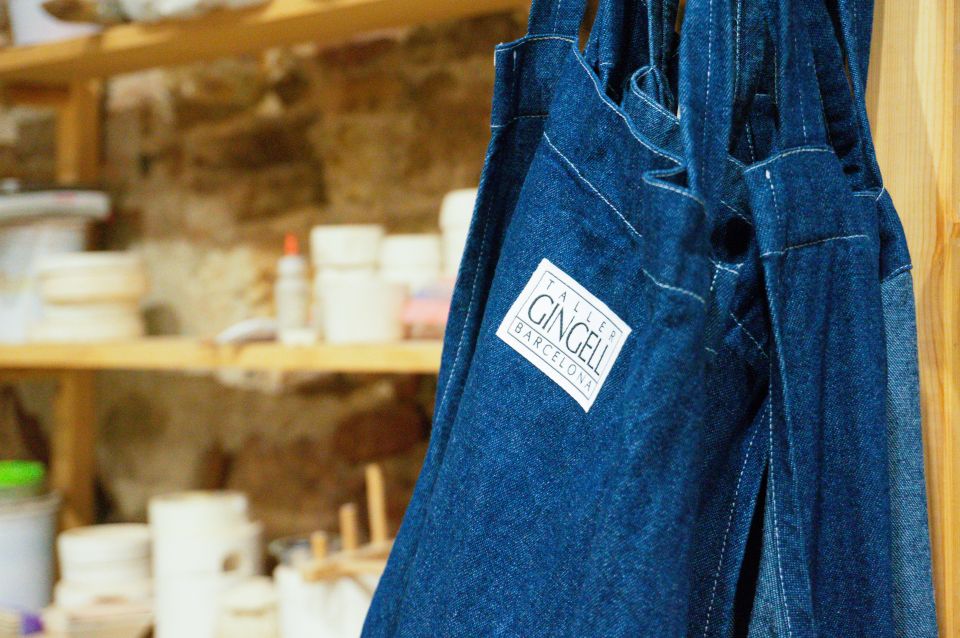
This class is in the Poble Sec neighborhood, at Salvà 71-69, inside the street-front workshop Taller Gingell. The space itself is part of the charm. It’s the kind of working studio you can walk past and still have no clue what’s happening inside—until you step in and smell that earthy, kiln-and-clay vibe.
The location is also practical. Poble Sec is an easy base for a day of wandering, and the workshop gives you something more grounded than another “photo stop.” If you’ve been doing Gaudí all week, this is a welcome change: your hands do the work, and you leave with a result that feels personal.
The workshop is wheelchair accessible, and it runs with English and Spanish instruction. It’s also credited by the Generalitat de Catalunya, which is a useful stamp of legitimacy when you’re choosing a hands-on activity.
You can also read our reviews of more tours and experiences in Barcelona



The 2-Hour Flow: From Tools to Two Finished-Looking Ideas
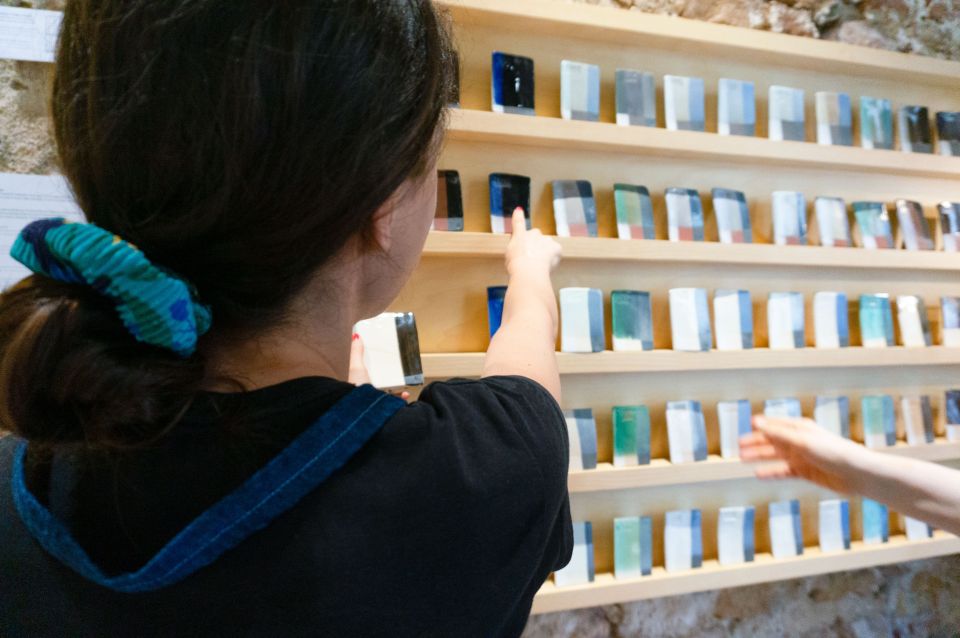
The workshop is built like a mini process lesson. You don’t just sit and watch. You’re guided through the workflow, with time to make and decorate your own ceramic tiles.
Here’s how the experience typically unfolds:
1) A quick intro to ceramics and the tools
You’ll start with an overview of the basics—what clay is doing, what tools do, and why ceramic doesn’t become “finished” until firing and glazing. Even if you’ve never touched clay before, you’re shown the steps in plain language.
This part matters because it prevents the most common mistake in art classes: copying a style without understanding the material. Once you know what the workshop is aiming for, your choices make more sense.
2) You create your tile(s)
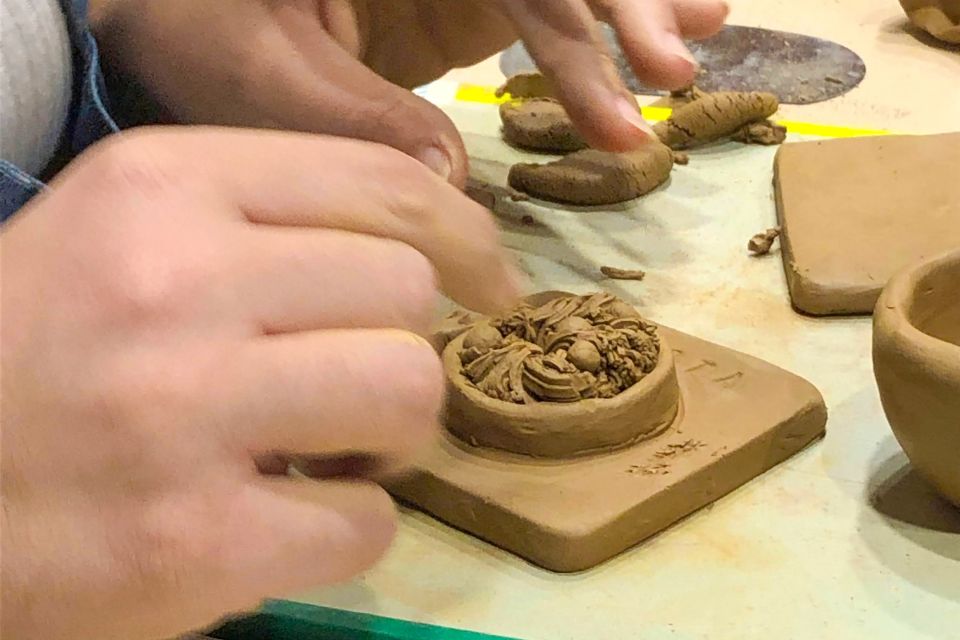
Next comes the hands-on time. The workshop provides aprons, clay, and ceramic modeling tools, so you’re not scrambling to find supplies. You’ll shape your tile and get it ready for decoration, following the guidance from the instructors.
You can also expect the staff to slow down when needed. One of the best recurring themes from people who’ve done the workshop is that they don’t rush you. If your first attempts look a little wobbly, that’s normal. You’re learning a craft, not performing a finished product on the spot.
3) You decorate with AMACO Velvet Underglazes
Then you get to color. The workshop emphasizes working with AMACO Velvet Underglazes, and this is where the class becomes fun-fast. Underglazes are meant for decorating before the final firing, so you can see your design take form while still learning how ceramic chemistry changes the final look.
Even people who don’t think of themselves as artistic tend to relax here, because you’re not expected to draw like a pro. You’re exploring shapes, patterns, and color application—using the tools and techniques the studio teaches.






4) Kiln firing and glazing happen after class
During the class, you’re doing the creative part. The workshop handles the technical finishing: kiln firings and glazing. You’re not waiting around for heat cycles and studio equipment, but your tiles still get the proper process they need to become durable ceramic.
The practical takeaway: plan your expectations. Your work comes alive after the studio does the finishing work.
AMACO Velvet Underglazes: Why This Color Step Feels Worth It
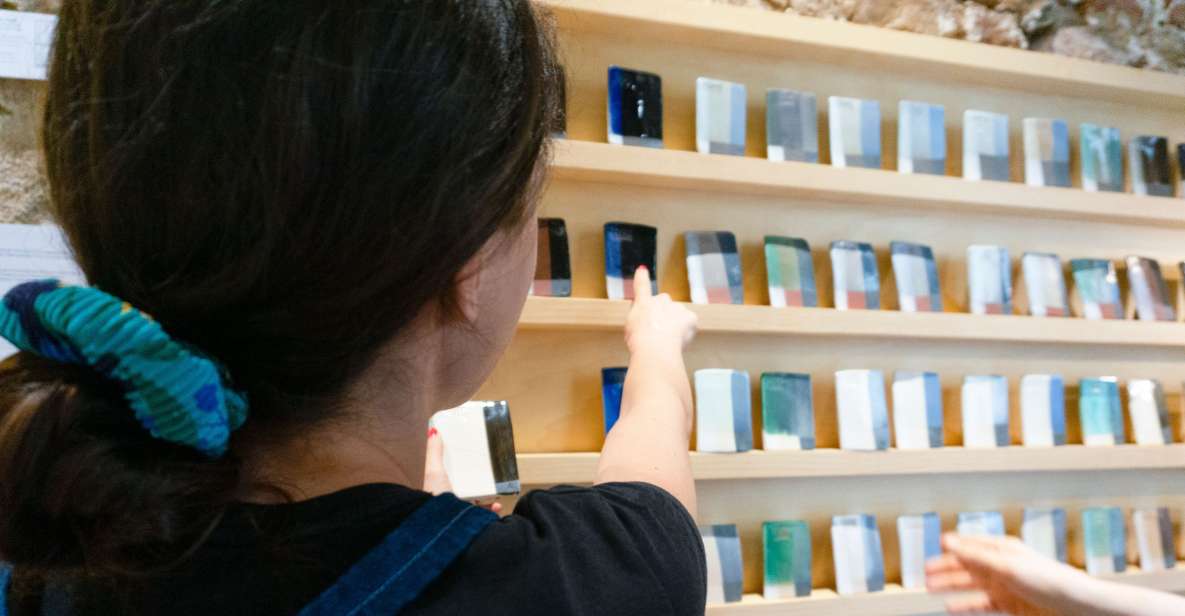
Most tile workshops let you slap on color and call it a day. This one uses AMACO Velvet Underglazes, which gives you a clearer path to a satisfying result.
Here’s why that matters for you:
- You can experiment without fear. Underglazes are made for decoration before firing, so the whole point is testing color effects and patterns.
- The studio’s technique helps you avoid common clay surprises. Clay and glaze can react differently than you imagine, but you’re guided through the “how it works” basics first.
- Your tile looks like a real ceramic piece, not a craft project. That’s the difference between something you made and something you keep.
If you’re the type who enjoys learning by doing, this is the sweet spot. You’re not just painting. You’re using a ceramic product designed for the process.
Meet Wendy and Eric: The Teaching Style That Makes It Easy
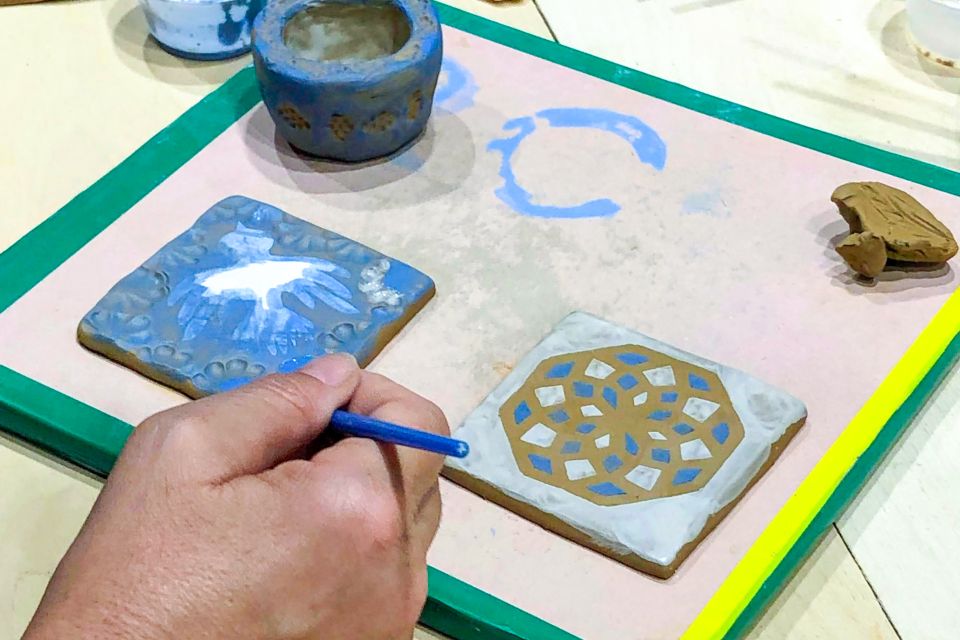
The workshop is run by instructors including Wendy and Eric, and their big strength is how they pace the room. People consistently describe an atmosphere where you feel supported rather than judged.
A small group helps a lot. The workshop is limited to 10 participants, so you’re not waiting for help while everyone else catches up. That means you can ask questions when you hit a snag—whether it’s about tool use, how thick to apply, or what kind of pattern will read well after firing.
They’re also bilingual (English and Spanish), which matters more than you’d think in a hands-on class. If you’re more comfortable in English, you’ll still get clear instructions. And if someone in your group prefers Spanish, you won’t feel left out.
One small detail I love in the overall experience: they take photos during the class and share them afterward. That’s handy because your hands will be busy, and you’ll still want a record of what you did.
Taking Your Tile(s) Home: Pick-Up, Shipping, or a Finished Swap
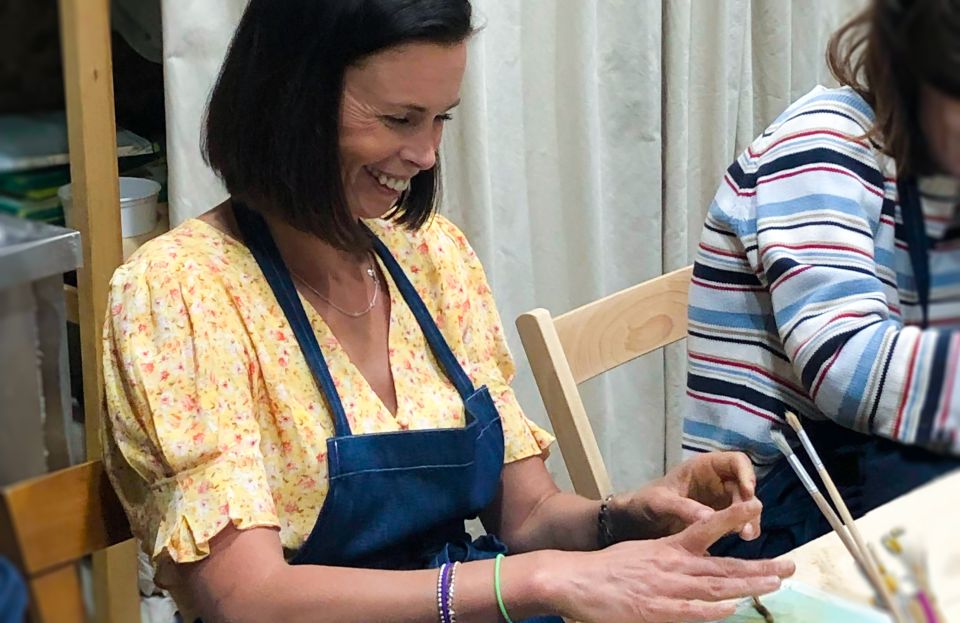
This workshop is unusually practical about what happens after you leave.
You can make tiles during the class and then choose from two options to take home. The common paths are:
- Pick up your tile a few weeks later, once it’s fired and ready.
- Have your tile shipped to your home if you want it later, with the note that shipping isn’t included in the price.
- There’s also an option where you leave both of your tiles and choose a finished tile by Taller Gingell to take home.
This last point is great if you’re short on time. Maybe you’re visiting for only a few days and you don’t want to plan your schedule around pickup. Or maybe you’d rather guarantee something ready immediately rather than waiting for firing timelines.
Keep in mind one key reality: ceramics takes time. You’re creating now, but the workshop’s kiln work and glazing happen after. If you’re hoping for a “leave with the finished tile in two hours” souvenir, adjust your plan.
Value for $21: Why This Price Works (If You Want Something Real)
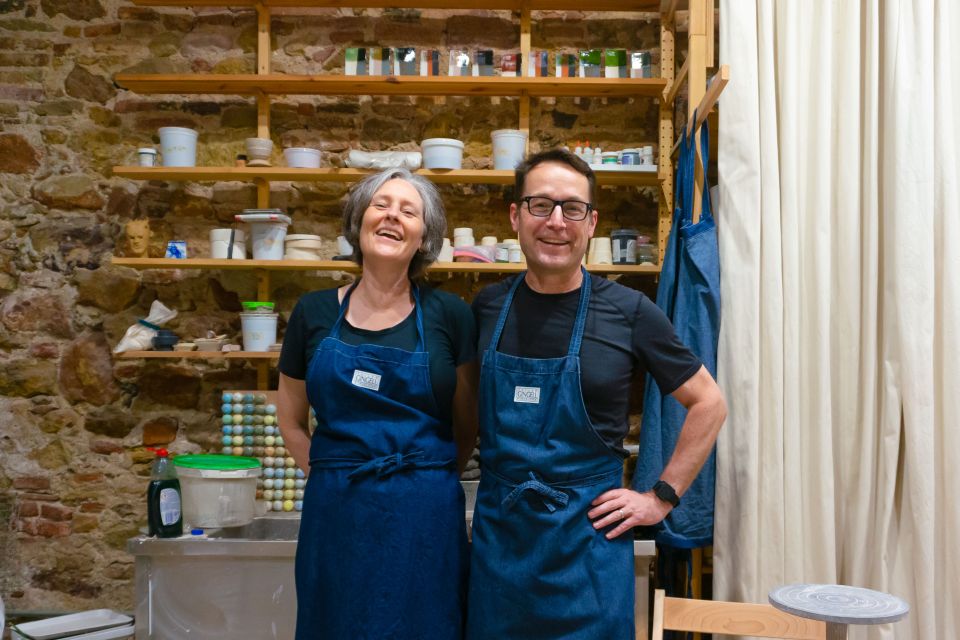
At $21 per person for a two-hour workshop, the value comes from what’s included—and from what’s not typical at that price point.
Included:
- Aprons, clay, and ceramic modeling tools
- Kiln firings and glazing
- WiFi
What you’re not paying extra for (at least at the base level) is the most costly part of ceramic making: firing and glazing. That’s the difference between a cheap craft class and a workshop that produces a real ceramic object.
Your real “cost” is time. You’re investing two hours to make something that will be finished by the studio process afterward. If you can spare the wait for pickup or shipping, you’ll feel like you got more than a one-time distraction.
Who Should Book This Workshop—and Who Might Skip It
This workshop is a strong match for:
- Couples and solo travelers who want a creative, low-pressure experience
- People who want a break from fast-paced tour days
- Anyone who enjoys learning by doing, even without prior experience
- Families with older kids—because the activity isn’t listed for children under 7, and it also notes one paying adult per child 8+ required
It’s also wheelchair accessible, which is a useful plus when you’re looking at hands-on activities that often forget mobility needs.
You might skip it if:
- You’re only in Barcelona for a very short stop and can’t handle the “finished later” timing unless you plan for shipping or a finished swap.
- You want something that’s purely a guided tour with no creative work. This is hands-on first.
Practical Tips Before You Go (That Actually Help)
A few small, practical ideas will make your class smoother:
- Wear clothes you don’t mind getting a little messy. Aprons are provided, but clay work can be unpredictable.
- Plan one unhurried block. Two hours feels short, but the workshop’s pace plus cleanup takes you from sightseeing mode into making mode fast.
- Think about your design before class. You don’t need artistic talent, but a simple idea (pattern, shape rhythm, contrast) helps your time.
- Decide now if you’ll pick up or ship. If your travel window is tight, ask yourself which option fits better.
Should You Book This Handmade Ceramic Tiles Workshop?
If you want a Barcelona experience that’s hands-on, creative, and genuinely tied to local craft, I’d book this. The combination of small group size, instructor support from Wendy and Eric, and the fact that your work goes through proper firing and glazing makes the $21 feel fair.
It’s also a good choice when you want something authentic but not intimidating. You’re learning techniques with a real studio behind it, not just “making something” for the moment.
The main reason to hesitate is timing. If you can’t do pickup and don’t want to handle shipping, you’ll need to choose the option that includes a finished tile swap.
FAQ
FAQ
How long is the Barcelona handmade ceramic tiles workshop?
The workshop lasts 2 hours.
What does the workshop cost?
The price is listed as $21 per person.
Where does the workshop meet?
It takes place at the street-front workshop Taller Gingell, located at Salvà 71-69 in the Poble Sec neighborhood of downtown Barcelona.
Do I need prior ceramics experience?
No. The workshop is described as requiring no prior ceramics experience.
How many tiles will I make or take home?
You create ceramic tiles during the class, and you can choose between two options to take home a ceramic tile. The workshop also notes a possibility to leave both of your tiles and choose a finished tile from Taller Gingell to take home.
When will my tiles be ready?
Your tiles are not typically finished during the 2 hours. You can pick up your tile a few weeks after the workshop, or you can have it shipped (shipping is not included in the price).
What languages are the instructors?
The instructor language options are English and Spanish.