REVIEW · BARCELONA
Barcelona: Gothic Quarter Walking Tour
Book on GetYourGuide →Operated by Barcelona Dragon Tours · Bookable on GetYourGuide
Stone streets make history audible. This 3.5-hour Barcelona Gothic Quarter walking tour turns the Barrio Gòtic into a living story, led by a German guide (often Johannes) who keeps it lively and personal. I especially liked the storytelling in German that connects details to the city you see today, and the practical Barcelona tips that help you keep exploring after the tour.
Just keep one thing in mind: this is mainly an exterior walk. You’ll see monuments and alleyways up close, but interior visits and entry tickets aren’t part of the plan, so if you want museums or lots of indoor sites, you may feel slightly limited.
In This Review
- Key Highlights You’ll Actually Notice
- Finding the Tour at Plaça de Catalunya, Then Losing Yourself in Barrio Gòtic
- German Guidance That Turns Corners Into Connections (Johannes Matters)
- Romans to Middle Ages: Learning to Read Barcelona Like a Timeline
- A note on expectations
- Dragons, Brothers, and the Crown of Aragon: Medieval Drama in Real Places
- From the Jewish Quarter Remnants to Inquisition-Era Corners
- Spanish Civil War Scars and the Gothic Quarter as a Living Stage
- Born Finale: Why Passeig del Born Ends the Story Well
- Cloister Stop and Dress Rules: The One Place You Need to Prepare
- Weather-Proof Walking: Sun, Rain, Wind, and Strong Showers
- Time, Value, and Who Gets the Most From This Tour
- Best fit
- Possible mismatch
- Should You Book the Barcelona Gothic Quarter Walking Tour?
- FAQ
- What language is the tour guide?
- How long is the walking tour?
- Where does the tour start?
- Where does the tour end?
- Is it private or shared?
- How much does it cost?
- Are interior visits or entry fees included?
- What should I wear for the cloister visit?
- Does the tour run in bad weather?
- Is it wheelchair accessible?
- Is free cancellation available?
Key Highlights You’ll Actually Notice
- German-language guiding with flexible attention (Johannes takes personal needs seriously)
- A relaxed pace with photo stops and bathroom breaks so you don’t feel rushed
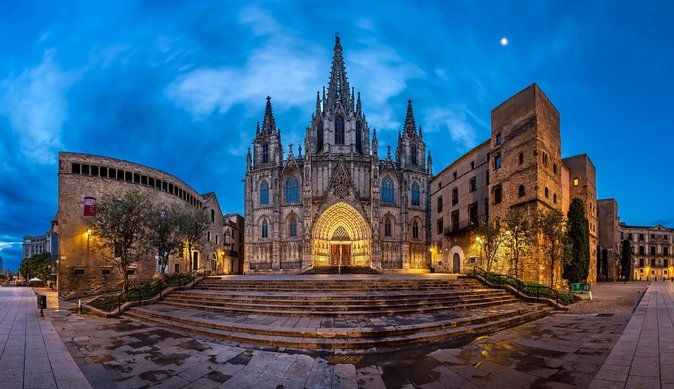
- Old streets + romantic squares in the Barrio Gòtic and toward the Ribera
- A story path through Roman, medieval, and early-18th-century Barcelona
- Supplemental visual support like extra photos to clarify what you’re looking at
- Cloister dress guidance (knee-length clothing and covered shoulders for that stop)
Finding the Tour at Plaça de Catalunya, Then Losing Yourself in Barrio Gòtic
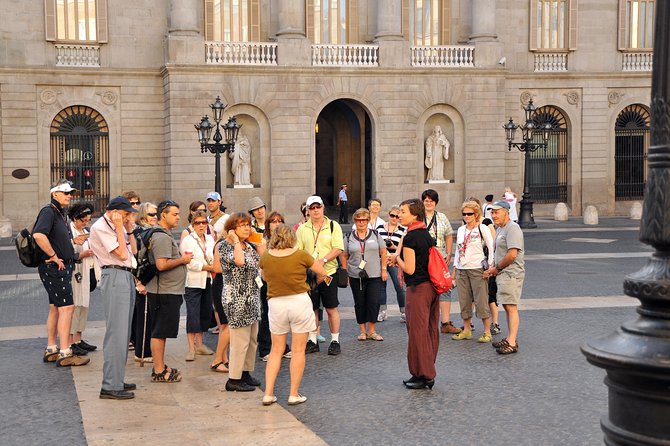
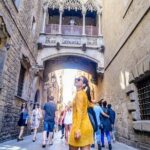
The tour starts at Plaça de Catalunya, 19, meeting in front of the Hotel Olivia Plaza. It’s a sensible choice: you get a central starting point, then your guide leads you away from the big avenues and into lanes that feel like a different world. In the first stretch, you’ll get your bearings fast—this is where the guide sets up how to read the Gothic Quarter, not just where to walk.
From the start, expect small turns, tight alleys, and sudden square views. That’s not an accident. One of the best parts of this experience is how the route is built for “street-level history”—you learn to notice building forms, street alignments, and why certain places matter. It helps you stop treating Barcelona like a checklist and start seeing it as a layered city.
You can also read our reviews of more walking tours in Barcelona



German Guidance That Turns Corners Into Connections (Johannes Matters)
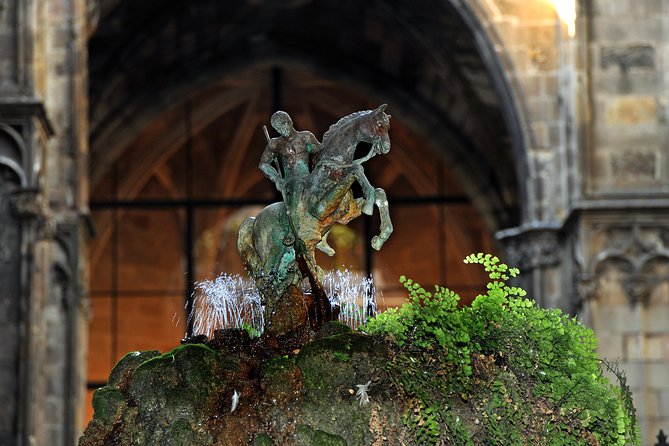
This tour is led in German, which is a big plus if you’re comfortable with the language. The payoff is the level of detail: names, motives, and cause-and-effect stories that you might miss on a shorter, more basic tour format. A highlight from the experience is the guide’s responsiveness—Johannes is singled out for taking personal needs into account and shaping the walk around the group.
Another practical advantage: you’re not just left with facts. The guide also brings in real-world advice—what to look for, where to eat, and what to try for local specialties and shopping. That matters on a short city break. Many history tours end when you finish; this one gives you a direction for the next hours and days.
Romans to Middle Ages: Learning to Read Barcelona Like a Timeline
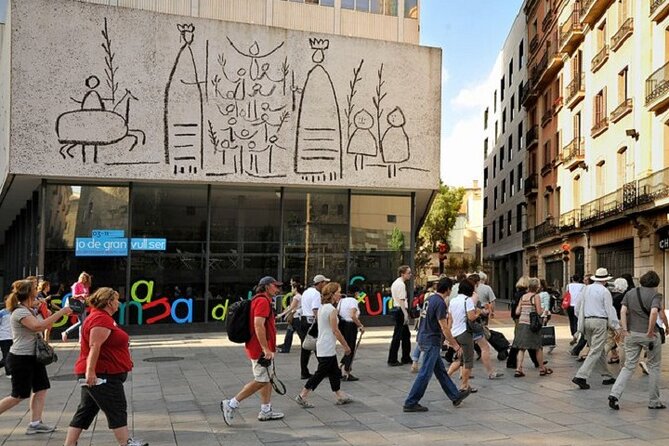
The tour follows a long arc. You begin in the more ancient layer of the city and work forward. Even when you’re just standing in a narrow street, the guide ties what you see to a specific historical phase. The topics include Roman-era ideas like flowing water connected to a convalescent colony, which is a reminder that cities didn’t just build monuments—they built systems.
Then you move into the medieval shift: Barcelona becomes a holy place, a political stage, and a birthplace of power. The walk includes darker episodes and messy turning points—things like a “nasty affair and a bloody situation” and the way religious and political authority intertwined. If you like history with tension (not just dates), this style works well. You’re not memorizing trivia. You’re seeing why certain themes show up again and again in architecture and street life.
A note on expectations
The route sticks to streets and squares. That’s a gift for value and pacing. It also means you’re learning the city through its outside face—watching how old structures sit next to newer ones, and how the port-city mindset keeps changing the place.
Dragons, Brothers, and the Crown of Aragon: Medieval Drama in Real Places
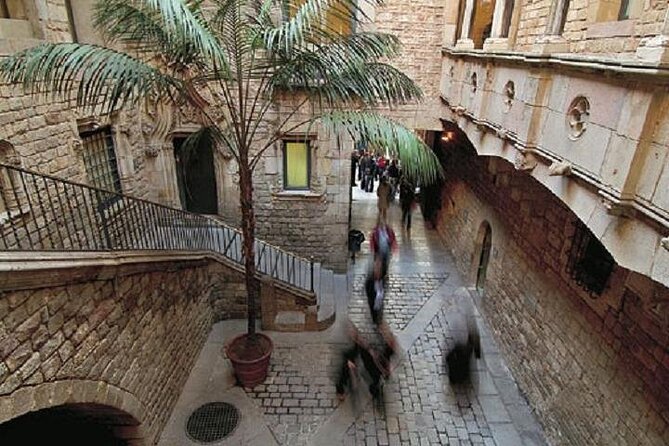
At some point the tour leans hard into the characters—myths, legends, and power struggles that shaped Barcelona’s identity. You’ll hear about how the dragon came to Barcelona, plus stories like the “young girl in the pines” and a moment involving a French soldier’s bayonet. These aren’t told to entertain only. The point is to show how symbols spread and stick, even when the world changes.
Then the guide moves into political and institutional storylines, including the crown of Aragon and the transition from a smaller city to a maritime force. That’s where the Gothic Quarter stops feeling like stone scenery and starts feeling like a place with ambitions. When the guide explains the connection between governance and the city’s reach, you can look at the streets and understand why Barcelona’s identity doesn’t come from one era—it comes from repeated reinvention.
And yes, there’s also the “slightly spooky brotherhood” element. It’s delivered in a way that fits the alleys you’re walking, so the atmosphere actually makes sense. If you’re traveling with someone who likes stories and someone who likes facts, this is a strong compromise.


From the Jewish Quarter Remnants to Inquisition-Era Corners
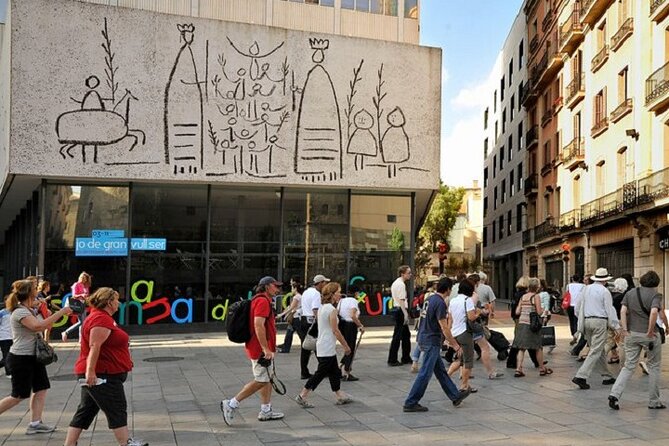
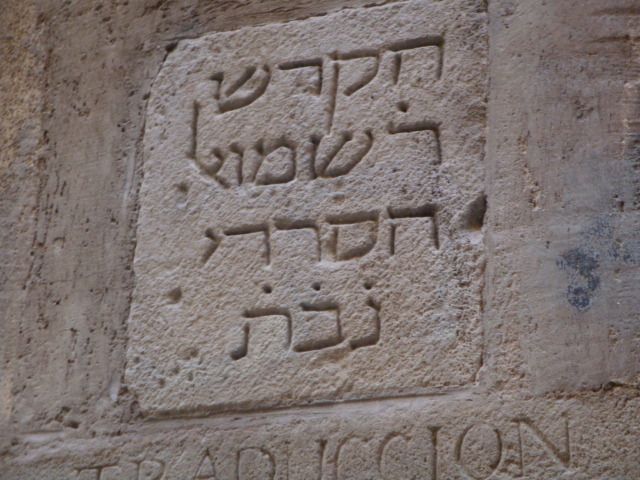
One of the tour’s most important sections focuses on the Jewish Quarter and the remnants of a lost world. It’s not just a name drop. The guide frames how communities were positioned, how their presence shaped the city, and what happened when the balance changed.
Then the tone darkens further with topics such as the Inquisition and the hound kings, including the line that praise is nothing to play with. That phrasing matters: it signals that the guide is aiming for human stakes, not only historical labels. You’ll see how fear, authority, and survival influenced daily life—and how that history lingers in the way neighborhoods are structured.
This portion can feel heavy. If you prefer light sightseeing, you might want to mentally pace yourself with breaks for photos and a quick pause. The walk is described as relaxed, and the guide makes space for bathroom breaks and stopping for pictures, which helps you manage the emotional weight.
Spanish Civil War Scars and the Gothic Quarter as a Living Stage
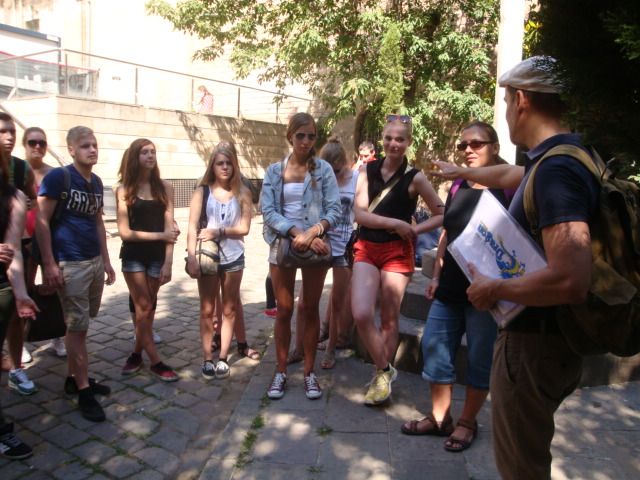
A standout part of the tour is how it links romantic medieval scenes to more recent trauma. You’ll hear about My Immortal as a romantic place with scars tied to the Spanish Civil War. That contrast—beauty on the surface, history underneath—is part of what makes Barcelona so hard to summarize. The guide’s job here is to make you notice both layers.
You also get the concept of a “Gothic theme park,” including the idea that even houses can feel like they move stone by stone. That might sound playful, but it’s basically a way of explaining preservation and reconstruction: the city’s look is shaped by choices made over time, including repairs and reinterpretations. When you understand that, you’ll start spotting how Barcelona continues to rewrite itself without fully erasing its past.
Born Finale: Why Passeig del Born Ends the Story Well
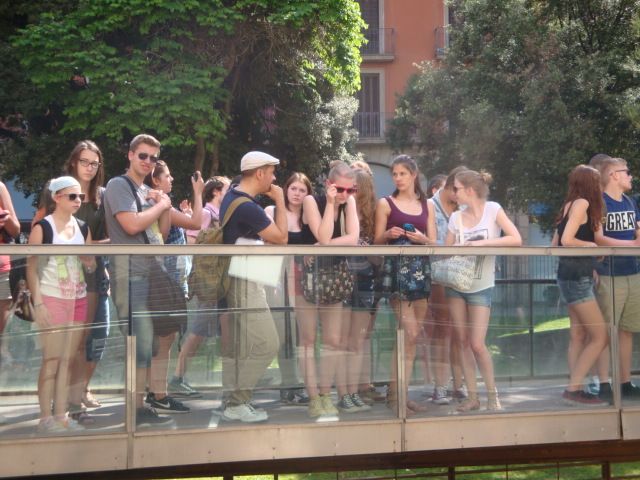
The tour finishes at Passeig del Born, 22. Ending in Born makes practical sense: it’s a place where you can keep walking, grab a drink or bite, and still feel like you’re in the same old-city zone. More importantly, it closes the story with a vibe shift. After hours of political drama and medieval threads, you land in an area that feels active and lived-in.
If you plan your next steps, use this moment. The guide’s practical tips are meant for exactly this: turn what you learned into a plan for food, shopping, and sights that are worth your time. Even if you’re only in Barcelona for a short window, leaving the tour with direction beats wandering with no sense of priority.
Cloister Stop and Dress Rules: The One Place You Need to Prepare
There’s a specific guidance point you should not ignore: for the visit to the cloister, wear at least knee-length clothing and cover your shoulders. That’s not about being picky—it’s about respecting the site’s rules and avoiding interruptions.
What’s smart here is to plan your outfit before you even arrive. If you’re traveling in summer, it’s easy to show up in shorts and a sleeveless top. Bring a light layer or choose clothes that already meet the requirement so you don’t have to scramble at the last minute.
Outside of that cloister guidance, the tour keeps things simple. You’re outside for much of it, and you’ll keep moving through streets and squares rather than doing long indoor detours.
Weather-Proof Walking: Sun, Rain, Wind, and Strong Showers
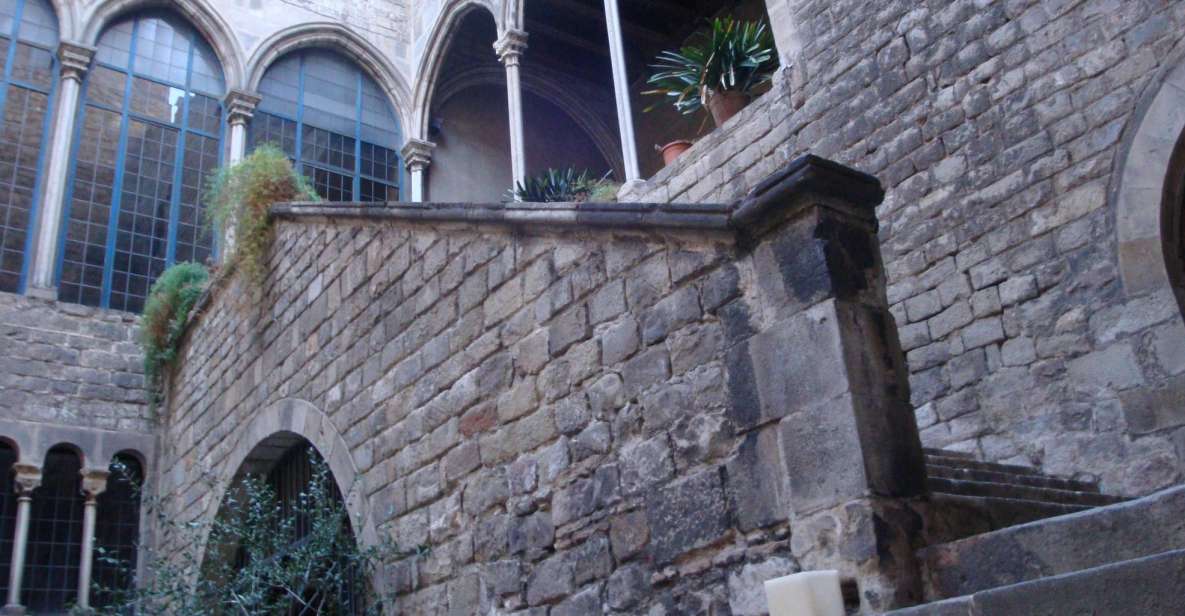
This tour runs in sun, rain, and wind—even strong showers. That changes how you pack. You’ll want a hat when it’s bright, sunglasses, and sunscreen in warmer months. In winter, a jacket or thin coat usually makes sense. And yes, bring a small bottle of water for comfort in the heat.
The big practical tip: treat it like any outdoor city walk. Comfortable shoes matter because the tour is relaxed but still a walking route through older streets. If you’re not used to uneven stone surfaces, go slow on the first part while your body finds its rhythm.
Time, Value, and Who Gets the Most From This Tour
Let’s talk money. The price listed is $212 per group up to 4, for a private group experience with a German live guide. That can be excellent value if you’re traveling as a pair or small group. Why? Because you’re not paying “per person” for a guide to shepherd you around. You also get a more tailored dynamic, and the guide can respond to your personal needs—something Johannes is noted for.
It can be less ideal if you’re traveling solo and hoping for a bargain. In that case, you might compare it with per-person group tours available in Barcelona and see whether the private-group structure is worth the difference. But if you like a guide who can actually shape the conversation, this one makes a strong case.
As for pace: it’s described as relaxed. Still, it’s a walking tour through the Gothic Quarter and the Ribera area, so you should plan a day that isn’t packed with other long activities right after. Think of it as your “getting oriented” day.
Best fit
This tour suits you if:
- You can handle German (or you want to practice with a real local guide)
- You enjoy history told as stories, not as a list
- You want exterior sights plus context that helps you understand what you’ll see later
- You like practical tips that turn into better food and shopping decisions
Possible mismatch
You might hesitate if:
- You want lots of indoor entrances and paid sites (not the focus here)
- You need a tour in English or another language
- You dislike heavier historical themes (it does cover darker periods and events)
Should You Book the Barcelona Gothic Quarter Walking Tour?
I’d book it if you want your Gothic Quarter time to feel guided and meaningful, not like you’re just drifting around medieval-looking streets. The combination of German-language storytelling, a flexible guide (Johannes is praised for tailoring to the group), and practical recommendations makes it more useful than a pure “look at this building” walk.
You should skip—or at least consider another format—if your top priority is museums and multiple interior visits with entry tickets. This tour is designed to teach you how to see the city from the outside. And if you’re okay with that, you’ll come away with a better mental map, clearer context, and a stronger sense of how Barcelona layers its past into everyday life.
FAQ
What language is the tour guide?
The live guide speaks German.
How long is the walking tour?
It runs about 3.5 hours.
Where does the tour start?
It starts in front of the Hotel Olivia Plaza at Plaça de Catalunya, 19, 08002 Barcelona.
Where does the tour end?
It finishes at Passeig del Born, 22, 08003 Barcelona.
Is it private or shared?
It’s a private group.
How much does it cost?
The price is listed as $212 per group up to 4.
Are interior visits or entry fees included?
Interior visits are not included, and entry fees are not included. There are a couple of exceptions.
What should I wear for the cloister visit?
Wear at least knee-length clothing and cover your shoulders.
Does the tour run in bad weather?
Yes. It operates in sun, rain, and wind, even strong showers.
Is it wheelchair accessible?
Yes, it is wheelchair accessible.
Is free cancellation available?
Yes, you can cancel up to 24 hours in advance for a full refund.