REVIEW · BARCELONA
Barcelona: Gothic Quarter Gems Private Walking Tour
Book on GetYourGuide →Operated by Eteobcn · Bookable on GetYourGuide
Cobblestones, Roman ghosts, and medieval squares. A private walking tour like this makes the Barcelona Gothic Quarter feel like one connected story, not a list of stops. I like the way the guide can tailor the pace and focus as you go, so the history lands where you’re standing.
You’ll also get a smart hit of the area’s big-name sights and quieter corners, from the Roman remains to the Jewish Quarter streets. I especially like the specific mix of places, including Fossar de Les Moreres and Santa María del Mar, which add emotion and atmosphere to the walk.
One possible drawback: the old streets come with uneven surfaces, cobblestones, and stairs. If you’re dealing with mobility limits, some sections may be challenging, even though the tour is wheelchair accessible.
In This Review
- Key things to know before you go
- Why the Gothic Quarter makes sense on a private walk
- Where you meet (and what that means for your day)
- What to wear and bring in the Gothic Quarter
- Stop by stop: the Roman roots you’ll actually notice
- Santa María del Mar: the Gothic church that pulls everything together
- Roman Wall to King’s Square: where the layers stack
- Temple of Augustus and Sant Felipe Neri Square: more recent stories
- The Call (Jewish Quarter): streets with memory
- Sant Jaume Square to Sant Miquel Square: politics and a slow finish
- How the 2.5 hours works for different travel styles
- Price and value: is $57 a good deal?
- The guide experience: English, Greek, Spanish, and a sense of fun
- Who should book this tour (and who should think twice)
- Should you book this private Gothic Quarter walk?
- FAQ
- How long is the Barcelona Gothic Quarter gems private walking tour?
- Where does the tour start and end?
- Is this a private tour?
- What languages are available?
- Is the tour wheelchair accessible?
- Are museum fees included?
- Is food or drinks included?
- Does the tour run in bad weather?
- What should I bring?
- Can I reserve without paying right away, and is there free cancellation?
Key things to know before you go
- A private tour that adjusts to you: you control the balance between landmarks and smaller side streets.
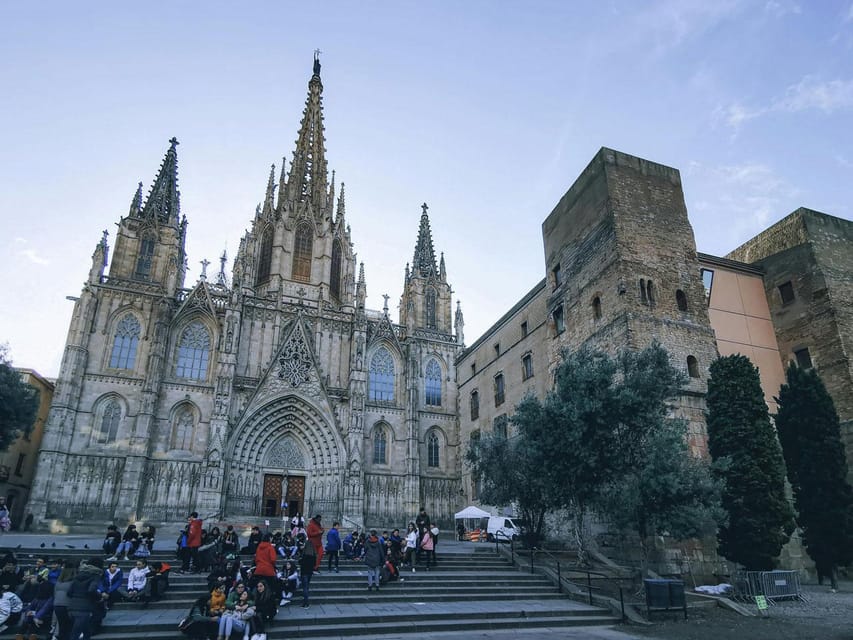
- A Roman-to-medieval route in 2.5 hours: aqueduct remains, Roman Wall, Temple of Augustus, then squares and Gothic churches.
- Memorial stop at Fossar de Les Moreres: a solemn moment that changes the mood of the walk.
- Jewish Quarter streets in The Call: you’ll see where Barcelona’s Jewish community lived, before the political center takes over.
- Top sights plus quieter squares: Santa María del Mar and then Sant Felipe Neri Square for more recent stories.
- A real local guide matters: one guide named Sebastian is noted for enthusiasm and a great sense of humor.
Why the Gothic Quarter makes sense on a private walk
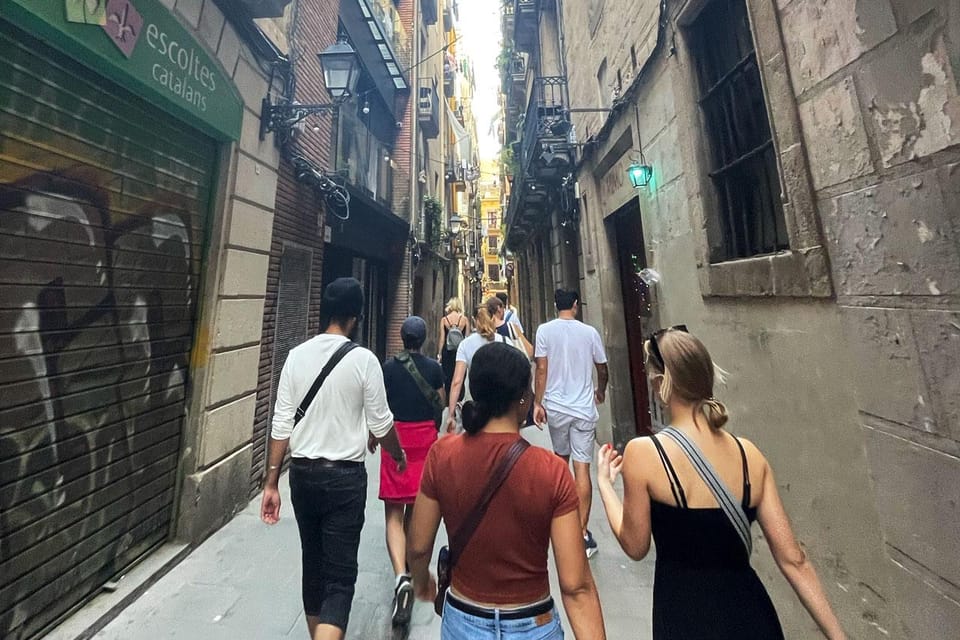
The Gothic Quarter can feel a bit like a maze—beautiful, but easy to wander without direction. What I like about a private approach is that you get a path through the confusion. Your guide isn’t just pointing things out; they’re building meaning as you walk.
This tour is also designed for a relaxed pace. That’s a big deal in a neighborhood where sidewalks aren’t always smooth and signage isn’t always obvious. Instead of rushing to “tick boxes,” you can linger at the spots that click for you—Roman structures if you’re a history person, church architecture if you’re into design, or memorial stories if you want depth.
You can also read our reviews of more walking tours in Barcelona



Where you meet (and what that means for your day)
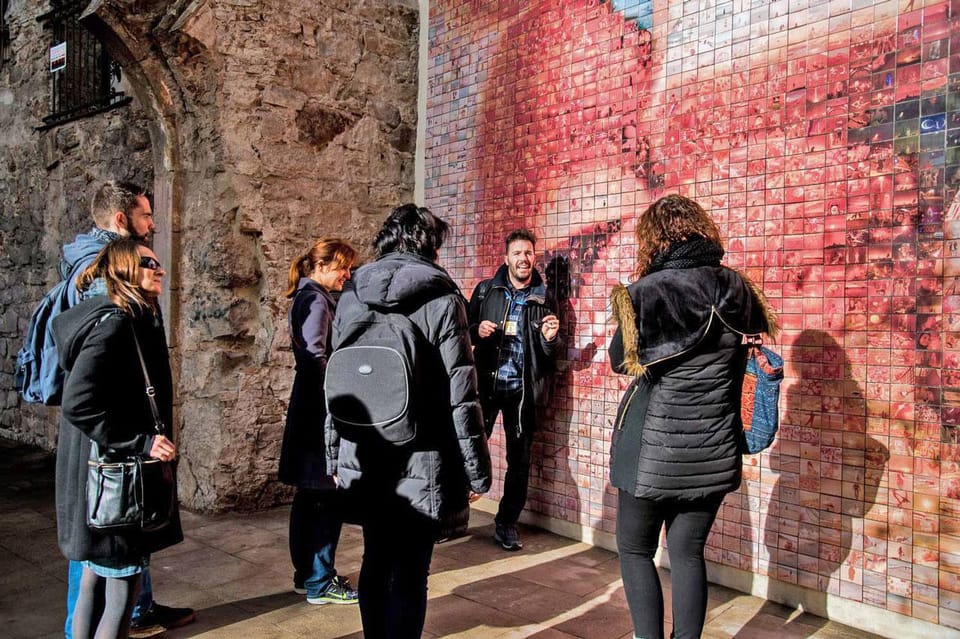
You start outside Café Zurich, and you finish back at the same meeting point. That simple loop matters because it reduces stress. You’re not guessing where you’ll end up, and it’s easier to plan what you’ll do next—meal, museum, or a quick wander on your own.
Plan to arrive a few minutes early. One experience note mentioned a little trouble finding the guide at first, and once sorted out, the tour itself was a hit. In other words: don’t treat meeting time like a suggestion—treat it like the start of a smooth plan.
What to wear and bring in the Gothic Quarter
You’ll want comfortable shoes. This is common for Barcelona walking tours, but here it’s especially important because you’ll deal with cobblestones and stairs. Even if you’re comfortable walking in cities, uneven stone surfaces slow you down—so your pace (and your enjoyment) depends on footwear.
Also think weather and sun:
- The tour operates rain or shine.
- Shade can be limited, so a hat, sunscreen, and water help a lot in warmer months.
If you’re traveling with mobility needs, tell the operator about it ahead of time so the route can be adjusted. The tour is listed as wheelchair accessible, but the historic street layout can still be tough in places.
Stop by stop: the Roman roots you’ll actually notice
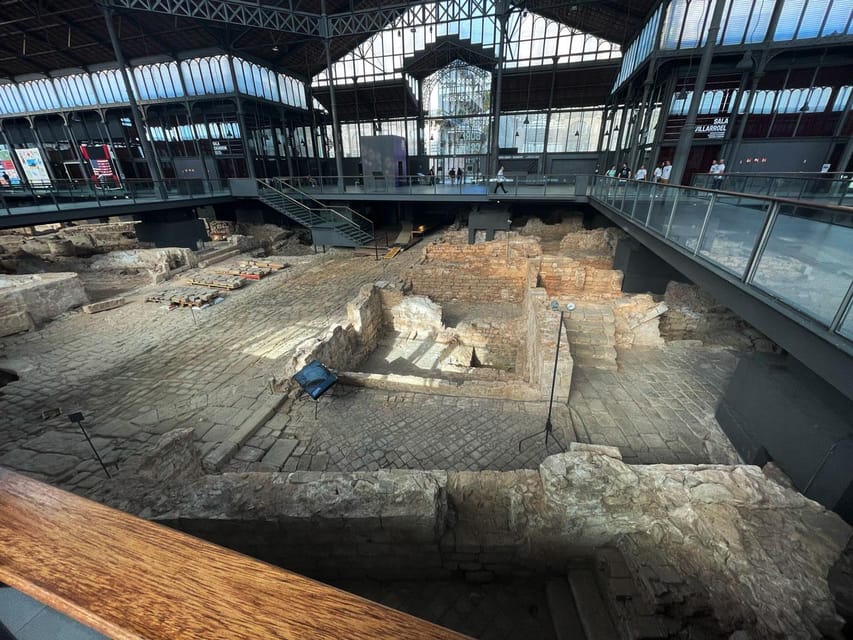
This walk starts with the ancient remains of a Roman aqueduct. Even if you know Barcelona mainly as a modern city, the Roman layer is there—sometimes faint, sometimes surprising. An aqueduct stop gives you a useful reference point. It’s not just “more ruins”; it explains how water and infrastructure helped shape the city long before the Gothic Quarter looked the way you see today.
Next comes a lively break at Borne Market. This isn’t about buying food (food and drinks aren’t included), but it’s a good way to switch from ancient stone to everyday life. Markets give you texture. You get the sense of what this neighborhood feels like now, while your guide keeps tying it back to earlier centuries.
You’ll then reach Fossar de Les Moreres, a memorial tied to the city’s fallen defenders. This is a standout emotional stop. It changes the tone from sightseeing to reflection, and it helps explain why certain squares and streets feel so charged—because they’re built on real events, not just architecture.
Santa María del Mar: the Gothic church that pulls everything together
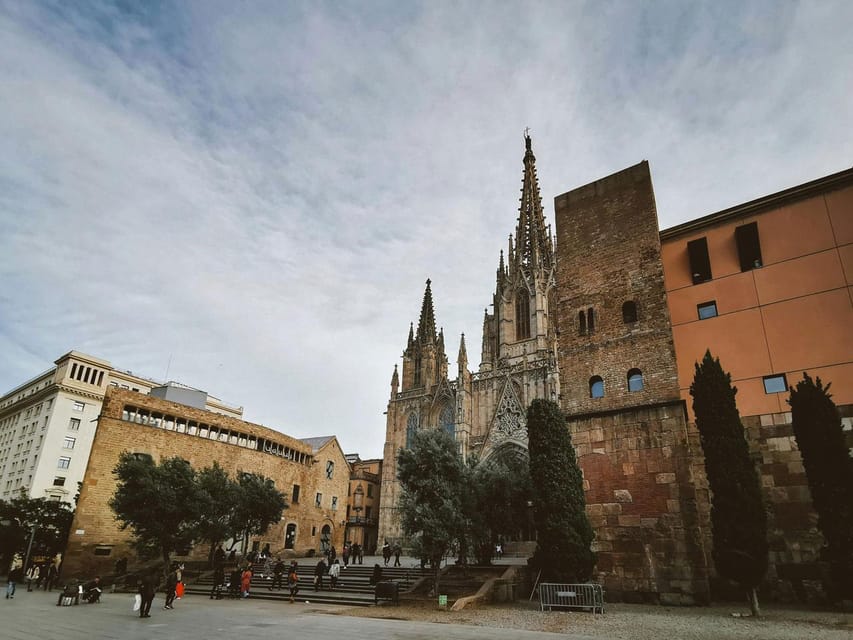
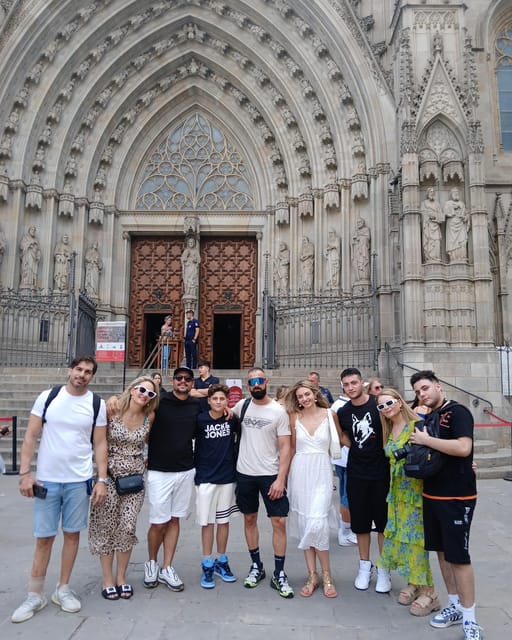
One of the biggest anchors on the route is Santa María del Mar. Your guide will point out what makes it a Gothic masterpiece and share stories that give the building context.
Why this stop works on a walking tour (instead of as a random photo stop) is simple: you’ve just walked through Roman remnants and medieval meanings, so the church isn’t floating in space. By the time you arrive, you understand why this area mattered—people, power, beliefs, and civic life.
You may not spend a long time here, but even a focused stop can be valuable. A good guide can help you notice details you’d miss on your own, from the way the church fits into its setting to the kind of community it represented.
You can also read our reviews of more private tours in Barcelona





Roman Wall to King’s Square: where the layers stack
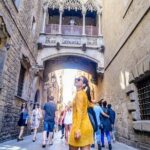
After Santa María del Mar, you move toward the Roman Wall. Walking near or along remnants like this gives you a clear visual bridge between the city’s Roman era and its later medieval identity. Without a guide, it’s easy to see “old wall” and move on. With one, you get the why.
Then you head into King’s Square, where medieval Barcelona really comes alive. Squares are where power shows up. You’ll feel it in the geometry of the place, the way streets funnel into open space, and the way history tends to concentrate around public areas.
If you like city planning and how spaces shape daily movement, this segment will click. If you’re mainly there for quick photos, it still helps—you’ll understand what you’re looking at and why it looks the way it does.
Temple of Augustus and Sant Felipe Neri Square: more recent stories
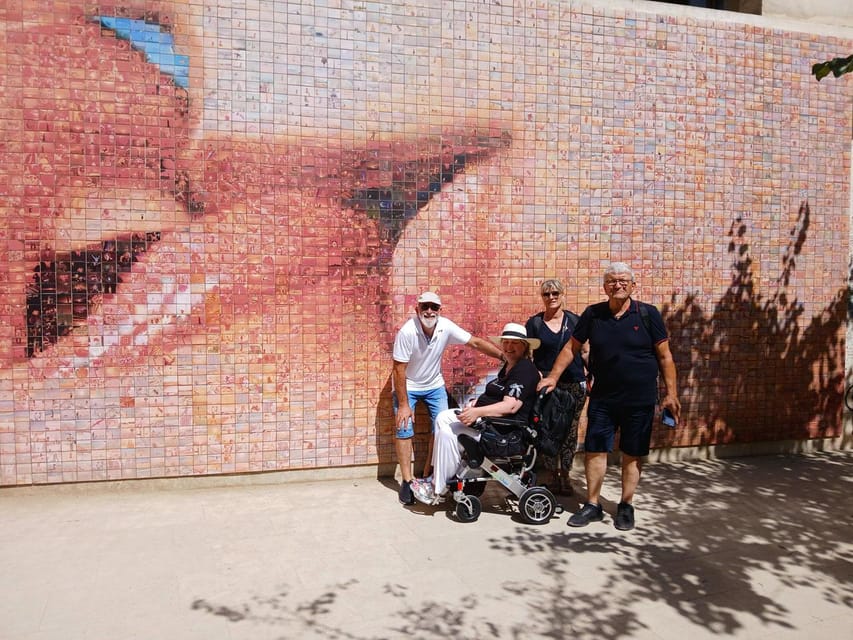
Next is a visit to the Temple of Augustus. It’s a strong reminder of Barcelona’s Roman roots. This isn’t just a “cool ancient site”—it’s the kind of stop that helps you connect the dots between empires and local city life.
After that you’ll reach Sant Felipe Neri Square, where you’ll hear stories tied to Barcelona’s more recent history. This is one of the tour’s smartest pacing choices. It prevents the walk from becoming purely Roman or purely medieval. It also makes the Gothic Quarter feel like a living neighborhood, not a museum set.
The Call (Jewish Quarter): streets with memory
The itinerary then moves into The Call, Barcelona’s historic Jewish Quarter. This part is where your guide’s storytelling matters most, because the neighborhood can look similar street to street. The value here is in the context—who lived here, what shaped the community, and what changed over time.
A walking tour is perfect for this because you’re experiencing the streets at the human scale. You’re not just reading plaques. You’re seeing how neighborhoods work: where people would have moved, gathered, and lived.
Sant Jaume Square to Sant Miquel Square: politics and a slow finish
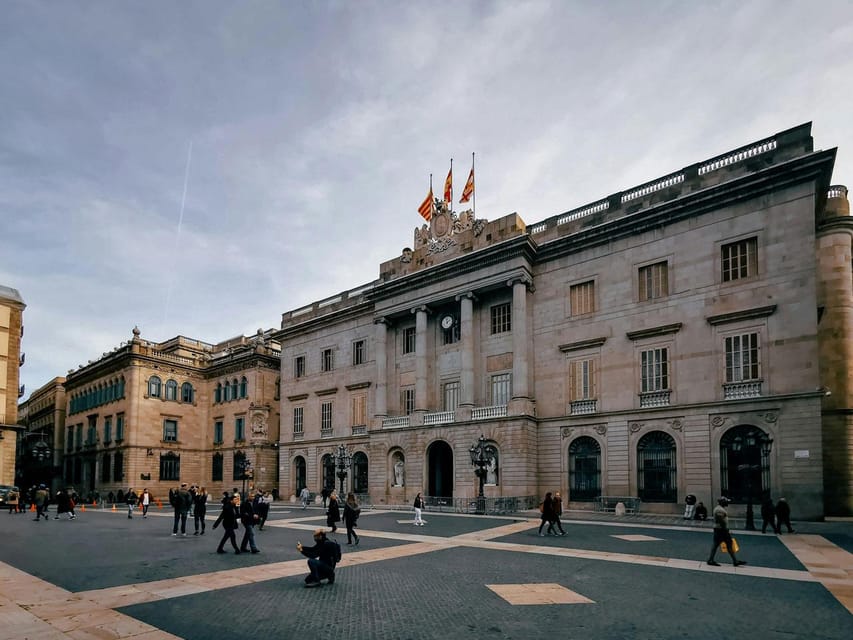
You’ll arrive at Sant Jaume Square, the political heart of Barcelona. Squares like this are where civic identity shows up. It’s often one of the most “real” moments on a historical walk because government and public life feel present even now.
Finally, the tour wraps up at Sant Miquel Square. This ending matters. Finishing in an open, lively space gives you time to absorb what you’ve learned. You can reset your mental map and decide what you want to explore next on your own.
How the 2.5 hours works for different travel styles
Two and a half hours is a sweet spot. Long enough to cover real ground and meaningfully connect the eras, short enough to stay pleasant—especially in a neighborhood with stairs and uneven surfaces.
If you’re a first-timer, you’ll leave with a guided orientation of the Gothic Quarter. If you already know Barcelona a bit, you’ll still benefit from a guide who can connect the Roman layer to medieval Barcelona and then to later political life.
Best match:
- History lovers who want context, not just photos
- Couples, friends, and solo travelers who prefer a plan that adapts
- Anyone who wants the Gothic Quarter explained in a way that feels human
Not ideal if:
- You need fully flat walking with no stairs
- You dislike tours that include emotional memorial stops (like Fossar de Les Moreres)
Price and value: is $57 a good deal?
At $57 per person for a private 2.5-hour walk, the value depends on what you care about. You’re not paying for a bus and a crowd. You’re paying for a guide to personalize the pace and emphasize the parts you actually want.
Two things improve value:
- The route focuses on major landmarks and the smaller in-between story points.
- The tour notes that there are no extra fees for museums, which can save hassle if you encounter any paid entries during your walk.
Also consider opportunity cost. In the Gothic Quarter, it’s easy to spend half a day wandering and still feel like you didn’t understand much. A guided, private plan helps you get meaning faster, which is what you’re really buying.
The guide experience: English, Greek, Spanish, and a sense of fun
The tour runs with a live guide in English, Greek, or Spanish. That language detail matters because you’ll get better storytelling if you’re comfortable hearing the context in your own language.
A practical bonus: guides with a strong sense of humor can make heavy topics easier to handle. One guide named Sebastian is specifically praised for enthusiasm and humor, and that kind of tone helps on a route that ranges from Roman ruins to memorial stories.
Your guide also has over 7 years of expertise in Barcelona’s history, which shows in how they connect sites. You’re less likely to get random facts and more likely to get explanations that make you think, Ah—that’s why this matters.
Who should book this tour (and who should think twice)
Book it if you want:
- A private, flexible plan that fits your interests
- A guided route through Roman remains, Gothic churches, and major squares
- A coherent story of how Barcelona’s identity changes over time
Think twice if:
- Walking on cobblestones and stairs is hard for you
- You’re hoping for a food-focused tour (food and drinks aren’t included)
- You want a completely hands-off experience with zero emotional content; the memorial stop is real and intentional
The tour is wheelchair accessible, but historic streets can still be tricky. If that applies to you, tell them your needs early so the itinerary can be adjusted.
Should you book this private Gothic Quarter walk?
If you want your time in Barcelona to feel organized and meaningful, I’d say yes, book it—especially if you like history explained on your feet. The mix of Roman remains, Gothic landmarks like Santa María del Mar, memorial context at Fossar de Les Moreres, and the Jewish Quarter streets in The Call gives you a rounded view of the Gothic Quarter’s layers.
Skip it only if you know walking conditions will be a problem for you, or if you prefer unguided wandering with no structure. Otherwise, this is the kind of private tour where you come away with a map in your head—and reasons behind what you saw.
FAQ
How long is the Barcelona Gothic Quarter gems private walking tour?
It’s a 2.5-hour walking tour.
Where does the tour start and end?
It starts outside Café Zurich, and it ends back at the same meeting point.
Is this a private tour?
Yes, it’s a private group tour.
What languages are available?
The live guide is available in English, Greek, and Spanish.
Is the tour wheelchair accessible?
It’s listed as wheelchair accessible, but some areas may be challenging due to historic streets, uneven surfaces, and stairs. Let the operator know about mobility concerns so the itinerary can be adjusted.
Are museum fees included?
The tour indicates there are no extra fees for museums.
Is food or drinks included?
No. Food or drinks are not included.
Does the tour run in bad weather?
The tour operates rain or shine.
What should I bring?
Bring comfortable shoes. In warmer weather, it’s also recommended to bring a hat, sunscreen, and water.
Can I reserve without paying right away, and is there free cancellation?
Yes, you can reserve now & pay later. There is also free cancellation up to 24 hours in advance for a full refund.