REVIEW · BARCELONA
Alternative Barcelona – Raval Quarter Private Walking Tour
Book on GetYourGuide →Operated by LocalCoolTour · Bookable on GetYourGuide
Barcelona hides in plain sight in Raval. I love how this tour mixes Palau Güell with real street texture, and how the pintxo & wine stop feels like a break locals actually take. The only catch is you’ll be on your feet for the full route, so plan for lots of walking on older sidewalks.
What makes it worth your time is the private format and the guide’s ability to steer you through side streets. In one guide-led experience, Raphaël was praised for showing corners you likely would not spot on your own. If you want big, spread-out sights with long museum time, this tour’s focus on neighborhoods and quick stops may feel tighter than expected.
In This Review
- Key highlights worth planning around
- Raval, Poble Sec, and Sant Antoni: the part of Barcelona you feel, not just see
- Price and what you actually get in 3 hours ($81 per person)
- Meeting at Escultura de Pitarra: easy start, smart way to begin
- La Rambla and the early photo stop: getting your bearings in 20 minutes
- Palau Güell: Gaudí’s first big leap, set inside real neighborhood context
- Bar Marsella: the artists bar that shaped an attitude
- Rambla del Raval and Sant Pau del Camp: where the tour gets more “street-level”
- Carrer de Blai break time: the tasting rhythm without locking you in
- Mercat de Sant Antoni: a restored market with a local heartbeat
- Barcelona Museum of Contemporary Art and the Old Hospital de la Santa Creu: culture stops that don’t feel random
- Grand Theater of Liceu: a quick look that marks the neighborhood shift
- How the private guide changes everything (and why customization is key)
- What to wear and how to time your day
- Who this tour suits best
- Should you book Alternative Barcelona – Raval Quarter Private Walking Tour?
- FAQ
- How long is the Alternative Barcelona – Raval Quarter Private Walking Tour?
- What is included in the tour price?
- What does the tour focus on?
- Where do I meet the guide?
- Is the tour private or group-based?
- What languages are available for the live guide?
- Is the route wheelchair accessible?
- Are there breaks during the walk?
- Can I cancel for a refund?
Key highlights worth planning around
- 100% private, customizable route so you can lean into what you care about
- Palau Güell as your Gaudí anchor, before you bounce back into street life
- Bar Marsella as a lived-in arts stop tied to Dalí, Picasso, and Hemingway
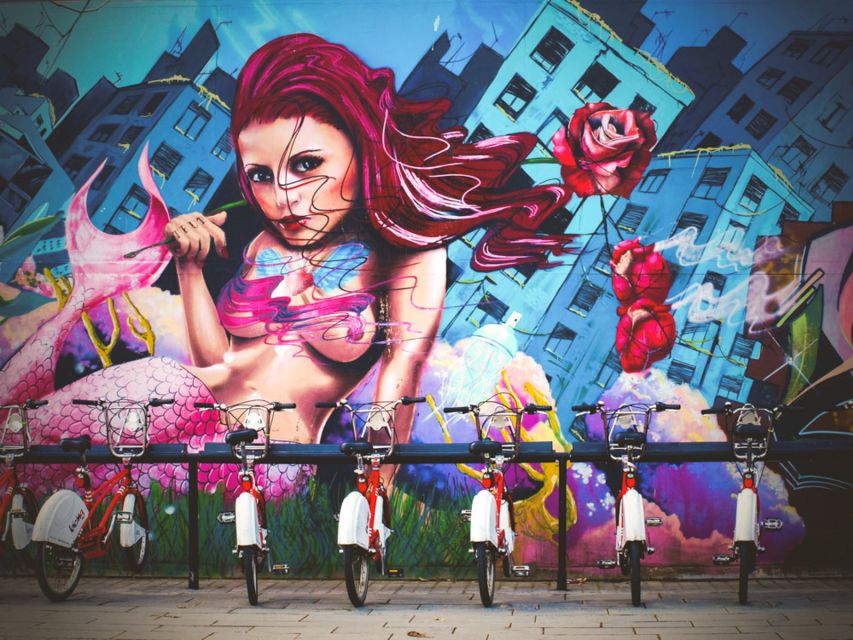
- Street art and passages in Raval, where small details carry the stories
- Pintxo & a drink at a traditional tavern, built into the pacing
- Sant Antoni Market plus local nightlife zones like Poble Sec for context beyond sightseeing
Raval, Poble Sec, and Sant Antoni: the part of Barcelona you feel, not just see
Raval is the neighborhood that refuses to behave like a postcard. It’s multicultural, layered, and made of small passages where life happens close to the sidewalk. I like that this tour treats Raval as a living place, not a theme park.
The route also keeps you moving between different “moods” of the city. You’ll spend time in artsy streets, then shift to calmer garden space, and later land in evening-friendly areas with terraces and bars. That pacing helps you understand Barcelona as a set of neighborhoods with their own rhythms, not a single sight loop.
If you’re the type who enjoys back streets, quick photo stops, and learning how locals actually move through town, you’ll get a lot from this format. And because it’s private, your guide can adjust the balance between architecture, street art, and food.
You can also read our reviews of more walking tours in Barcelona

Price and what you actually get in 3 hours ($81 per person)

At $81 per person for 3 hours, you’re paying for a local guide plus a structured route that hits major anchors without turning into a checklist marathon. The biggest value piece is that it’s private—no matching with strangers, no waiting for slower walkers, and no awkward “follow the herd” energy.
You also get 1 stop in a traditional tavern with 1 pintxo and 1 drink included. That’s not a full meal, but it’s enough to try the local rhythm and reset your energy mid-walk. Everything else is on you, so if you know you’ll want multiple drinks or a larger snack, budget a bit extra.
My practical advice: treat the included pintxo-and-drink as part of the tour’s pacing, not as the whole food plan. Use the tavern moment to taste something, ask questions, then decide whether you want to keep eating afterward.
Meeting at Escultura de Pitarra: easy start, smart way to begin
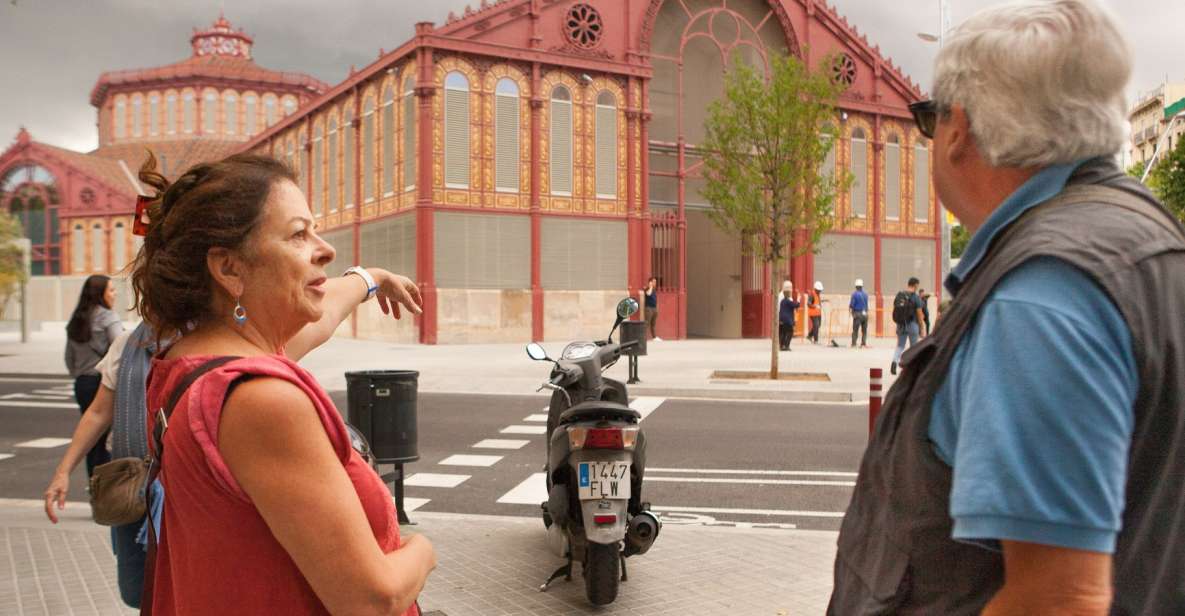
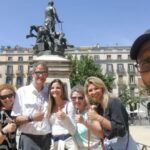
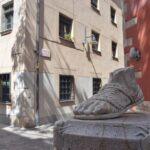
You’ll meet your guide at the feet of the statue at Escultura de Pitarra. It’s a simple starting point that helps you avoid the usual “where exactly are we?” stress that can ruin the first 10 minutes of a walk.
From there, the tour immediately jumps into neighborhood flow—La Rambla first—so you’ll get bearings fast. A good start matters here because later you’re moving through tighter lanes and passages where it’s easy to lose your sense of direction without a guide.
If your Spanish, English, French, or Italian are decent, you’ll probably enjoy the conversation more. The tour is offered in those languages, and a thoughtful guide will use that shared language to explain what you’re seeing in plain terms.
La Rambla and the early photo stop: getting your bearings in 20 minutes
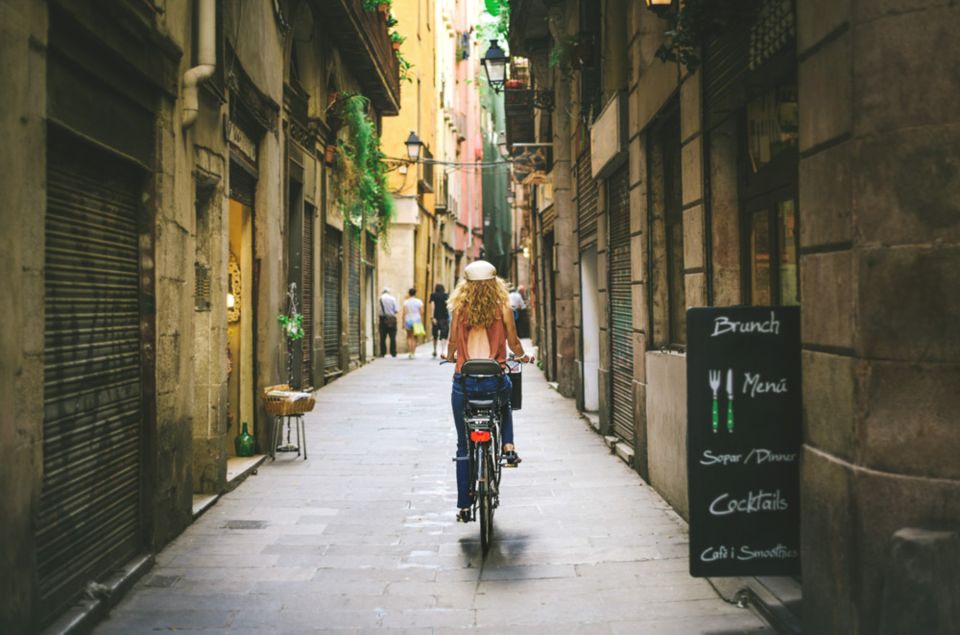
La Rambla is where you see the classic boulevard energy, even if this isn’t about long tourist lingering. You’ll get a photo stop and a guided walk (about 20 minutes), which is the right setup: enough structure to understand where you are, without eating the whole morning or afternoon.
Think of this as the warm-up. After the start, you’ll slip off the most obvious path and into areas that feel more local. If you only glance at Rambla and rush on, you’ll miss the point—your guide is using it to transition you into Raval’s different scale of street life.
Practical tip: bring a camera, but also look up. Some of the best context in this neighborhood is in doorways, signage, and the way streets funnel into small passages.
Palau Güell: Gaudí’s first big leap, set inside real neighborhood context
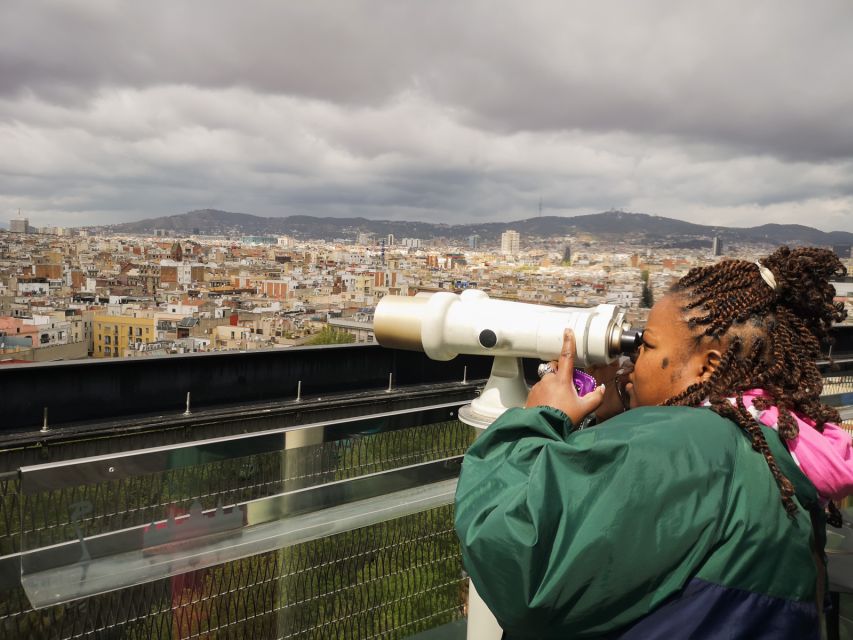
Your next stop is Palau Güell, with another photo stop plus guided visit time (around 20 minutes). This matters because it gives you an actual Gaudí anchor before the tour gets artsier and grittier.
You’re not just seeing an exterior or a quick glimpse. The guided stop is short, but it’s designed to give you the basic framework so when you later notice decorative patterns or unusual architecture, you’ll know what you’re looking at.
A real advantage here: Palau Güell acts like a contrast mechanism. After the palace, you’ll return to street culture and artistic scenes, so you can feel how Barcelona expresses creativity in both formal architecture and everyday life.
You can also read our reviews of more private tours in Barcelona



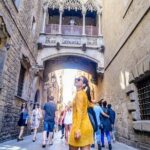

Bar Marsella: the artists bar that shaped an attitude
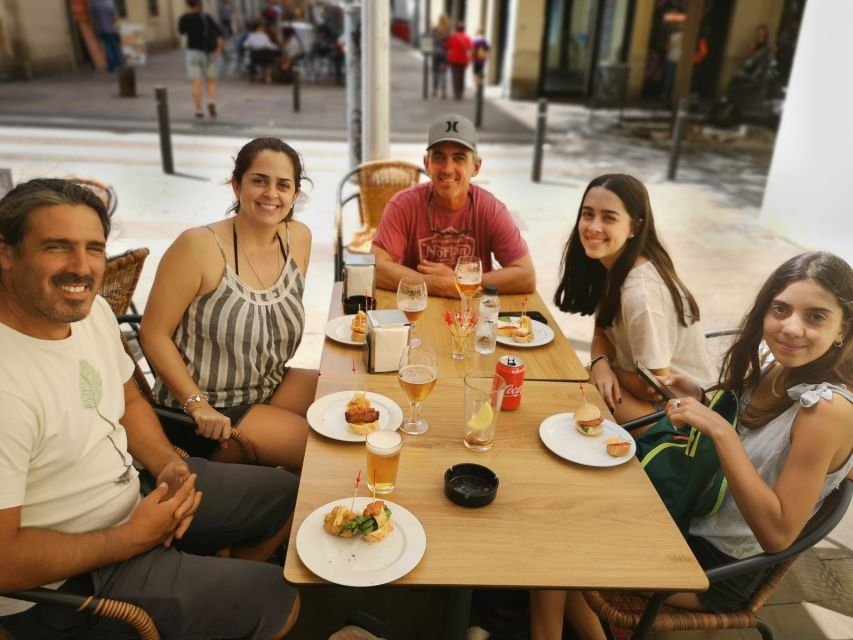
Bar Marsella is one of the tour’s most famous moments, with guided time (about 10 minutes). The story ties the bar to an arts world—night shelter of Dalí, Picasso, Hemingway, and other artists.
This kind of stop works best when you treat it like cultural context, not a museum item. Even if you don’t know all the names, you’ll understand the neighborhood vibe: a place where creativity has a seat at the table and where the walls hold more than drinks.
Don’t plan on a long drink here. It’s more of a short orientation stop, setting you up for the bigger practical experience later at the included pintxo-and-drink stop.
Rambla del Raval and Sant Pau del Camp: where the tour gets more “street-level”
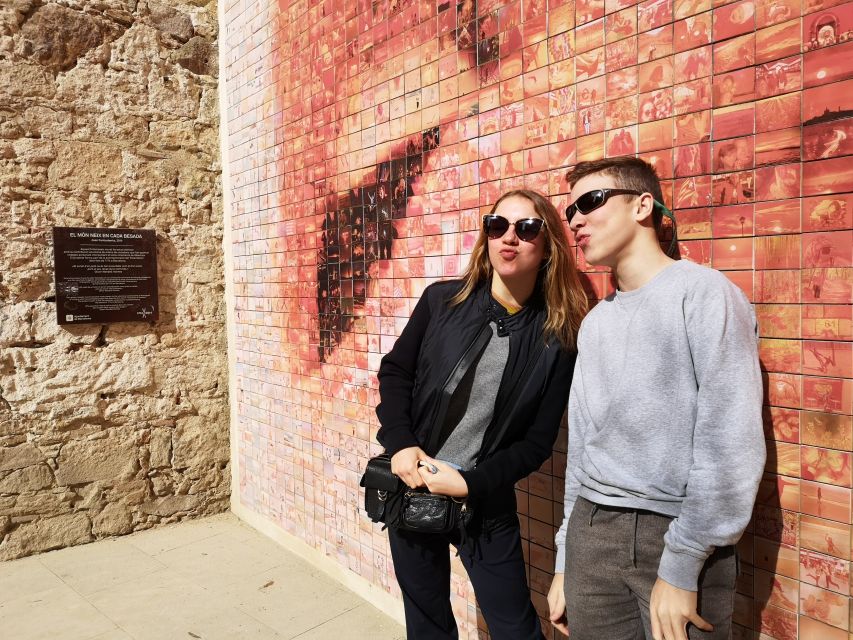
After Bar Marsella, you’ll move to Rambla del Raval (about 10 minutes) and then Sant Pau del Camp (another guided stop around 10 minutes). These segments keep the pace moving but shift the focus toward texture: street corners, historic layers, and how Raval organizes space.
Rambla del Raval is described as the youngest Rambla of the city and an open space in the heart of the quarter. That matters because it gives you a pocket of fresh air inside a labyrinth of streets. In other words, you’re not just walking endlessly—you’re being shown how neighborhoods breathe.
Sant Pau del Camp gives you a different kind of “time travel,” where history shows up in the physical place. Even with short guided time, it helps you understand why Raval isn’t just street art and nightlife; it has older roots too.
Carrer de Blai break time: the tasting rhythm without locking you in
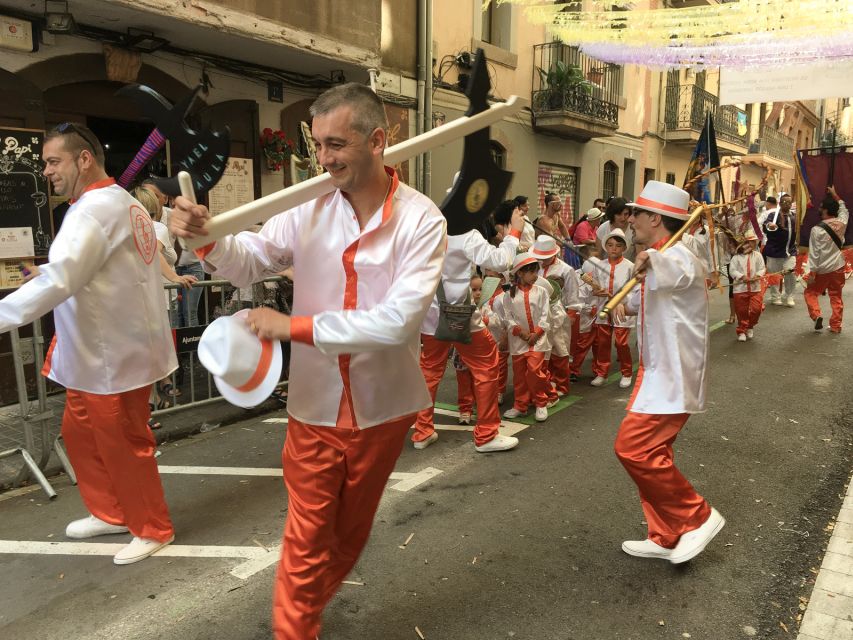
Carrer de Blai is where the tour builds in a break time (around 30 minutes). The route sets you up for this pause because you’ll soon head toward the market and then more cultural stops.
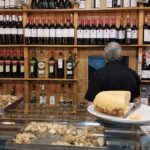
This is also the section associated with the tasting energy of the route. The included food is a pintxo and drink at a traditional tavern, and Carrer de Blai is a sensible area for that kind of break because the street’s identity supports quick, local-style eating.
My advice: use the break time to slow down a bit and check in with your guide. If you’re enjoying graffiti, ask where else to look on the route. If you prefer architecture, ask for extra explanation on what you’ve already seen.
Mercat de Sant Antoni: a restored market with a local heartbeat
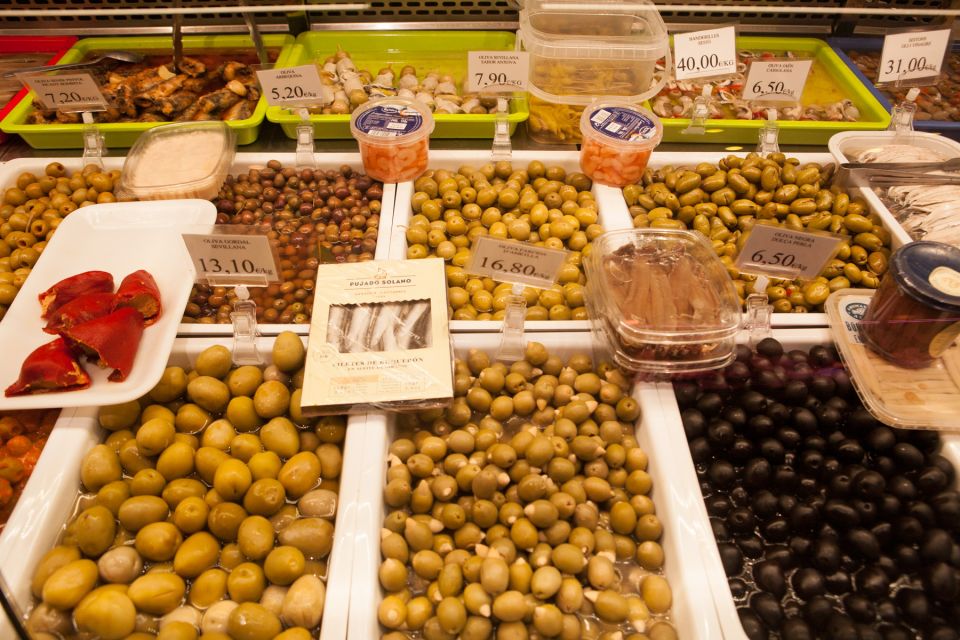
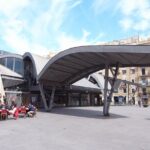
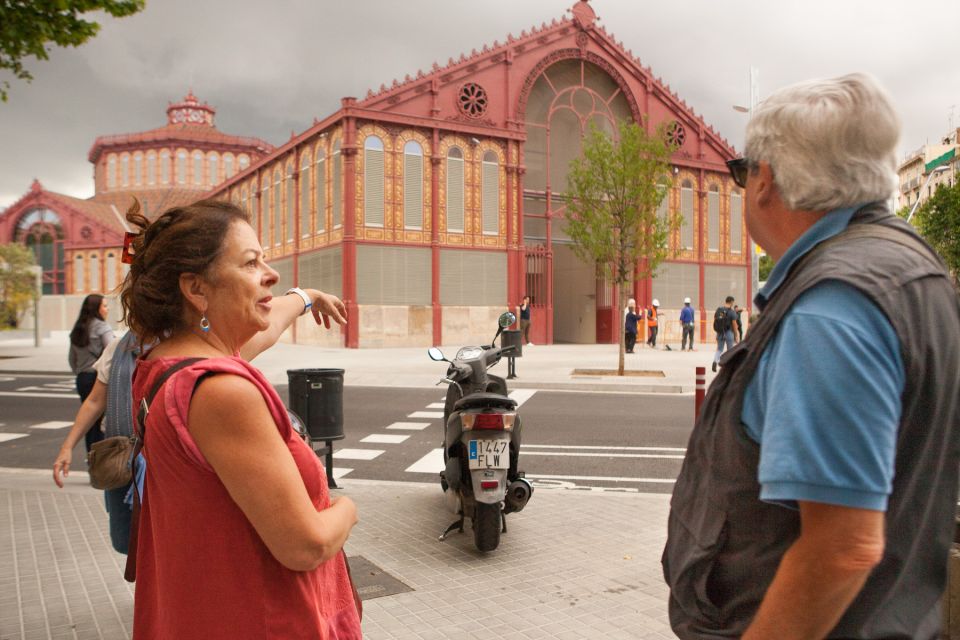
The tour heads to Mercat de Sant Antoni for guided time (about 20 minutes). This is one of the places I’d call “practical wow.” You get an organized, beautiful market environment that still feels connected to daily life.
The market is described as recently restored and one of the most beautiful in the city. It also has an origin story tied to the medieval walled Barcelona gates, which gives the market depth beyond what you’d guess from looking at it.
Why it’s valuable on a neighborhood tour: markets tell you how a place feeds itself. After Raval’s arts and street art energy, Sant Antoni feels more grounded and everyday.
If you’re thinking about buying snacks or thinking ahead for later meals, markets like this help you spot what’s typical. Even if you don’t buy much, you’ll learn what locals consider normal.
Barcelona Museum of Contemporary Art and the Old Hospital de la Santa Creu: culture stops that don’t feel random
You’ll then reach the Barcelona Museum of Contemporary Art with a mix of photo stop, visit, guided tour, and sightseeing (about 20 minutes). This is not a full museum day, but it’s placed to connect the neighborhood’s art attitude to formal contemporary culture.
Right after that comes the Old Hospital de la Santa Creu with guided time (about 20 minutes). The tour specifically points you to the gardens of the old hospital and notes that Gaudí died there. Even if you’re not a hardcore Gaudí fan, this link adds weight to the green space you’ll walk through.
This pair of stops works because it creates a storyline:
- contemporary art energy (Museum)
- old institutional space and quiet gardens (Old Hospital)
That contrast helps the route feel coherent instead of like separate attractions stitched together.
Grand Theater of Liceu: a quick look that marks the neighborhood shift
Your later stop includes the Grand Theater of Liceu with a photo stop, visit, and guided sightseeing (about 10 minutes). This is a short, visual payoff near a major landmark zone.
The practical point: Liceu is a boundary marker. It helps you sense where the “tourist density” increases, so the rest of your Barcelona day can be planned with more intention. If you want to keep exploring the local side, you’ll know what to aim for next.
Even in a short stop, your guide can help you interpret what you’re seeing. In a private tour, you can ask questions on the spot instead of watching everyone else move on.
How the private guide changes everything (and why customization is key)
The best part of a private walking tour is not that it’s quiet. It’s that you get a route that fits your curiosity.
You’ll have a local guide, and the tour is described as 100% private and customizable. In real guided experiences on this route, people praised guides for knowing shortcuts through back streets and for pointing out details like architecture and churches without turning it into a boring lecture.
One review also highlights flexibility when guests had their own wishes, and another specifically mentions Raphaël and the ability to show corners people would not suspect. That’s exactly what you should look for when booking a neighborhood walk: not just facts, but route intelligence.
If you love street art, ask how the street patterns and alleys connect. If you prefer architecture, ask for a slower explanation at Palau Güell and the hospital gardens. Private format means you can steer the balance.
What to wear and how to time your day
This is a walking tour across active neighborhood streets with photo stops and guided segments. Comfortable shoes are a must, especially because you’ll be moving through older city blocks and passages.
The duration is 3 hours, which is a strong length for a half-day plan. If you book this early in your trip, it can set your mental map. If you book it later, it can help you understand what you’ve already seen and where you might want to return on your own.
Food-wise, remember the included pintxo and drink are one taste stop, not a full meal. If you’re traveling with big appetites, plan a proper dinner after.
Who this tour suits best
This tour is a great match if:
- you like neighborhood texture more than museum marathons
- you want Gaudí context without spending the whole day at one site
- you enjoy street art and cultural atmosphere
- you want local bar and market life in the same route
It’s less ideal if you only want landmark megasites or long indoor time. The route uses a short guided format at many stops, so it’s designed for movement and context, not deep immersion in one building.
Should you book Alternative Barcelona – Raval Quarter Private Walking Tour?
I’d book it if you want a guided walk that takes you off the main tourist road and into Barcelona’s everyday creative life. The combination of Palau Güell, Bar Marsella, Sant Antoni Market, and the hospital gardens gives you an art-and-history mix with real neighborhood pacing.
I would hesitate only if you dislike walking, or if you’re looking for a slow, sit-down tour with lots of time inside major attractions. For most people who want Barcelona to feel human, not scripted, this $81 private format plus a pintxo-and-drink stop is a solid value.
If you do book, go in with two priorities: ask your guide what to notice at each stop, and use the break time to ask for a couple of recommendations you can follow after the tour. That’s where the day becomes yours.
FAQ
How long is the Alternative Barcelona – Raval Quarter Private Walking Tour?
It lasts 3 hours.
What is included in the tour price?
The tour includes a 3-hour private walk with a local guide, plus 1 stop in a traditional tavern with 1 pintxo and 1 drink.
What does the tour focus on?
The tour focuses on Barcelona’s Raval quarter and nearby areas, with highlights like Palau Güell, Bar Marsella, Sant Antoni Market, and stops connected to arts and local street life.
Where do I meet the guide?
You meet your guide at the feet of the statue at Escultura de Pitarra.
Is the tour private or group-based?
It’s a private group tour, and it’s described as 100% private.
What languages are available for the live guide?
The guide is offered in Spanish, English, French, and Italian.
Is the route wheelchair accessible?
Yes, the tour is listed as wheelchair accessible.
Are there breaks during the walk?
Yes. There is break time, including a longer break associated with Carrer de Blai and additional short breaks/photo stops at other points.
Can I cancel for a refund?
Free cancellation is available up to 24 hours in advance for a full refund.