REVIEW · BARCELONA
The Spanish Civil War & Franco Barcelona Walking Tour
Book on Viator →Operated by Nostos Tours · Bookable on Viator
A Civil War walk in Barcelona feels different. You’ll connect everyday streets to the politics and people who shaped the city during the Spanish Civil War and Franco’s dictatorship. I really like the way this tour explains the factions clearly and uses historic images to make the story stick, not just sound smart.
Second, I love that the guides turn tough subject matter into something you can ask questions about. On recent tours, guides like Henrieta and Evan stood out for answering lots of questions and making complicated events easier to follow. The only drawback I’d flag is that you’re working with a few places that have less obvious Civil War signage, so the best experience depends on your guide’s pacing and clarity.
In This Review
- Key moments to look for
- Walking Barcelona Through the Spanish Civil War: why this tour works
- Where it starts: Plaça Catalunya and the war’s urban center
- La Rambla: Civil War traces hidden in plain sight
- Antic Hospital de la Santa Creu: 15th-century walls, wartime meaning
- Basilica de Santa Maria del Pi: a church stop with a Civil War link
- Plaça Sant Felip Neri: beauty with a visceral reminder
- Guides, images, and the kind of explanation you should expect
- Price and time: is $47.16 worth it?
- Logistics you should plan around (without getting sidetracked)
- Who should book this Barcelona Civil War walking tour
- Should you book the Spanish Civil War & Franco Barcelona Walking Tour?
- FAQ
- How long is the Spanish Civil War & Franco Barcelona Walking Tour?
- What does it cost and what language is it in?
- How many people are in the group?
- Is a guide radio headset included?
- Is entry included at all the stops?
- What happens if the weather is bad?
Key moments to look for
- A Civil War storyline in the middle of normal Barcelona: you’ll learn to “read” streets that look ordinary
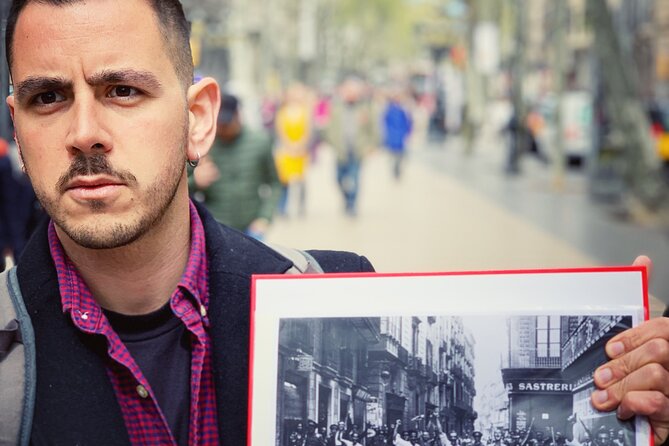
- Period images and posters as teaching tools: not just talking, but showing visual proof
- Straight talk about factions: you get help sorting Republican groups and what they were fighting for
- Old Town stops chosen for meaning: squares and churches where war-era traces still matter
- A small group size (max 25): questions stay possible, not awkward
Walking Barcelona Through the Spanish Civil War: why this tour works
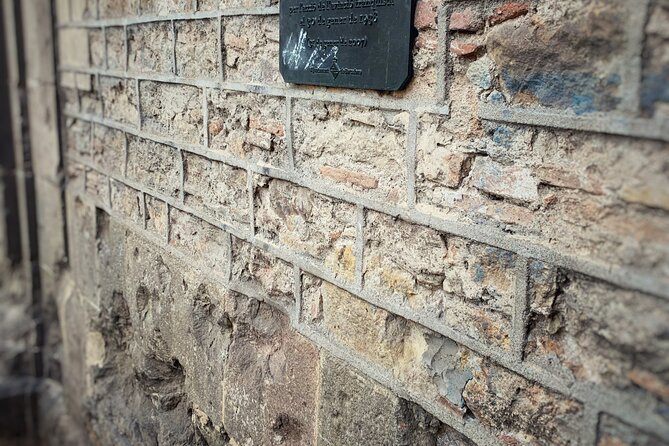
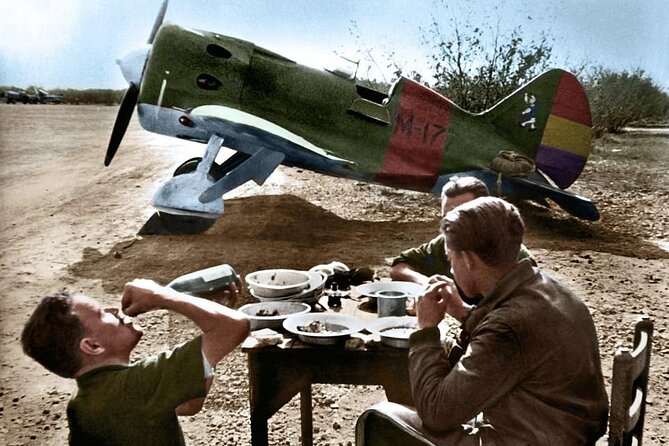
Barcelona has plenty of monuments, but the Spanish Civil War is harder to point at with one big plaque. This tour leans into that. Instead of chasing obvious markers, you’ll follow your guide’s logic—how the war played out in daily life and how Franco’s years left long shadows.
You’ll come away with a clearer mental map of how different groups collided in 1936 and after. The best part is the tour doesn’t treat history like trivia. It connects political choices to working-class life, including anarcho-syndicalist currents and the working-class pressure that shaped Barcelona.
Also, you’re walking with an expert guide on a sensitive topic. In the feedback I saw, guides such as Henrieta, Filipa, Chrisa, and Yannis were singled out for being careful, organized, and open to questions. That matters here, because the topic is personal for many people and easy to misunderstand if the story gets simplified.
You can also read our reviews of more walking tours in Barcelona



Where it starts: Plaça Catalunya and the war’s urban center
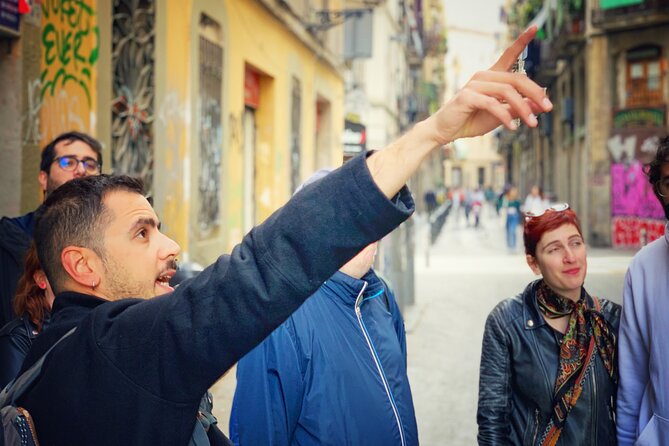
You kick off at Plaça Catalunya, the city’s busiest hinge point. It’s also a good place to start when your goal is to understand the war through the layout of Barcelona, not only through one building.
Your guide frames why this location mattered during the Civil War era. Since you’re beginning in an active square, it helps to think of this first stop as setting your bearings—how “the city center” relates to power, movement, and control. The stop is short (about 10 minutes), so treat it like a launchpad, not a lecture.
Practical note: the group is small enough (up to 25), so you can typically hear the guide, but the square gets noisy. If you’re sensitive to street sound, plan to keep close to the guide and bring headphones if you have them.
La Rambla: Civil War traces hidden in plain sight
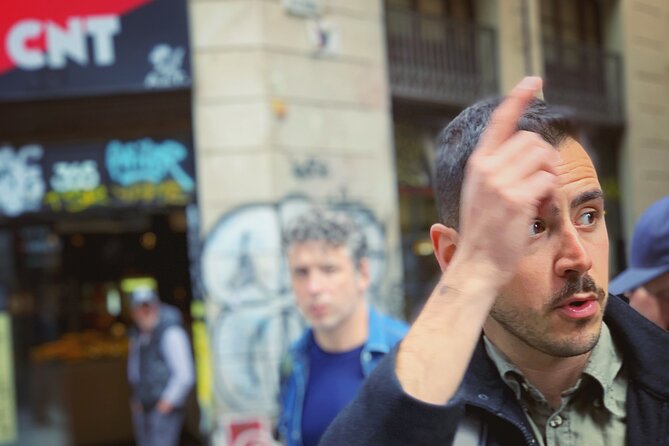
Next you move down La Rambla, and this is where the tour’s approach really earns its keep. La Rambla gets treated like a postcard street, but your guide uses it as a corridor for Civil War references—sites, stories, and connections you’d miss on your own.
Expect several quick beats rather than one long stop: you’re usually given around 10 minutes here. The value isn’t in memorizing every street name. It’s in learning how a city keeps records in unexpected ways: through names, patterns, and the context behind what you’re seeing.
A helpful mindset: look at the crowds and shops as the present-day layer. Then listen for the guide’s switch to the 1930s—who moved where, what was feared, and what people believed they were fighting for. If you already know some Spanish history, you’ll still likely appreciate the way the guide ties it directly to Barcelona’s particular strains of politics.
Antic Hospital de la Santa Creu: 15th-century walls, wartime meaning
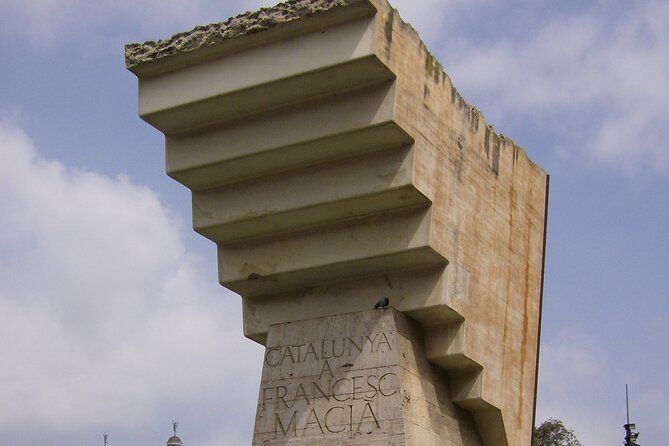
One of the most tangible stops is the Antic Hospital de la Santa Creu, a 15th-century hospital. You’ll spend about 5 minutes here, with the guide connecting its old role to the wartime reality of emergencies, care, and suffering.
Even with a short visit, a hospital makes the Civil War feel human fast. You can’t keep it abstract. If the guide brings up working conditions, aid systems, and the strains on the city, this stop tends to land emotionally because it’s a real building with real age.
Admission is free for this stop. That’s a small but real value add: you’re not paying extra just to access a key piece of context. If you like historical sites that are still functioning as landmarks today, this is one of your most satisfying “I get it now” moments.
Basilica de Santa Maria del Pi: a church stop with a Civil War link
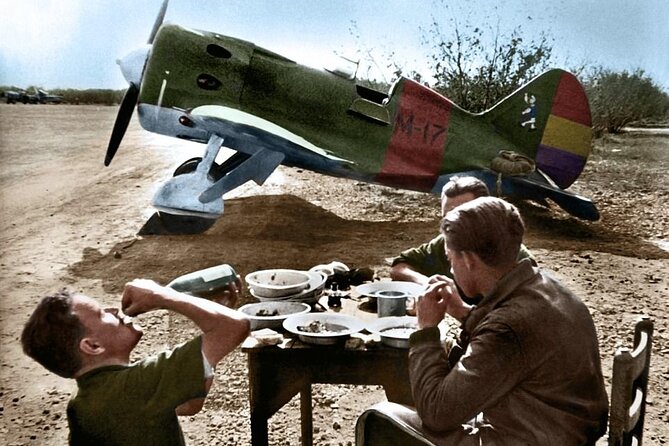
Next is Basilica de Santa Maria del Pi, another quick (about 5 minutes) stop. The tour frames it as an old church with a hidden connection to the Civil War.
This is also one of your only paid-adjacent moments: admission for the basilica is not included, so you may need to cover entry separately if you want to go inside (depending on what your guide plans during your walk). The upside is that even if you don’t enter, the guide can still use the exterior and surrounding context to explain what the site meant.
My advice: if you’re the type who likes seeing more than just a viewpoint, arrive mentally ready to pay a small extra amount for the basilica entrance. If you prefer your time focused on walking and explanation, you can still get plenty from the stop without lingering.


Plaça Sant Felip Neri: beauty with a visceral reminder
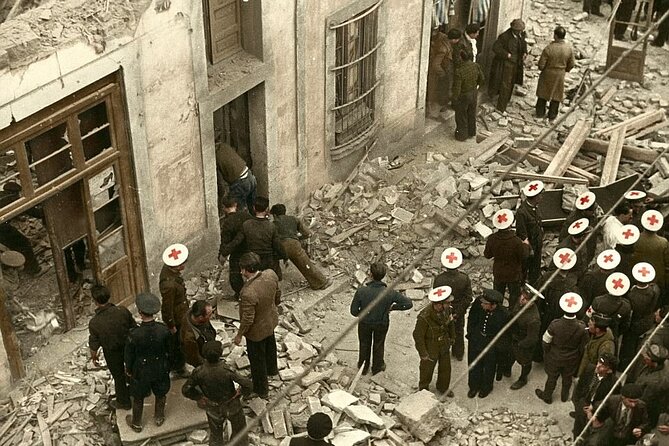
You end on Plaça Sant Felip Neri, described by many as mystically beautiful while also serving as one of the most visceral reminders of Civil War destruction. This is the stop that tends to stick in your head afterward, because it pairs atmosphere with memory.
The tour gives about 5 minutes here. That short time forces you to pay attention to what the guide points out—damage traces, spatial clues, and the story behind why that beauty exists beside the reminder. This is also where the guide’s sensitivity matters most. A topic like this can go wrong fast if the tone turns casual. In the feedback, guides like Chrysa and Evan were praised for being thoughtful and able to handle difficult details without turning them into spectacle.
Tip: this square can feel like a pause button in a tour that otherwise stays in motion. If you’re the kind of traveler who likes reflection, use this moment to ask one last question before the group moves on.
Guides, images, and the kind of explanation you should expect
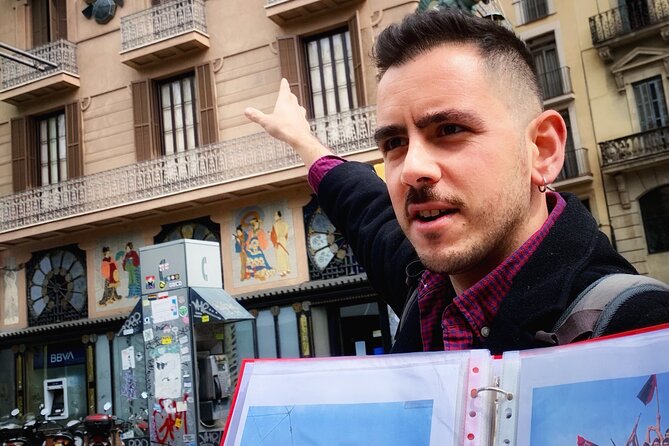
This is one of those tours where the guide really shapes the outcome. The strongest feedback centered on guides who could explain the complicated politics clearly and answer lots of questions without getting lost in jargon.
In particular, I noticed repeated praise for:
- Clear explanations of factions and how events unfolded
- Historic images—photos and posters used as evidence
- An ability to make the story understandable even if you start from zero
You’ll also see that different guides bring slightly different strengths. Henrieta was highlighted for serious depth and for using strong, non-soundbite material (including lots of period visuals). Evan was praised for making the danger and desperation feel real rather than academic, plus for sharing suggested books, articles, and films at the end.
One small caution: a couple of experiences suggested a mismatch in storytelling clarity. That’s the nature of group history tours when the subject is complex and the pace varies by guide. If you show up with patience for nuance, you’ll likely enjoy the structure. If you want a strictly timed, monument-to-monument itinerary with obvious markers at every turn, you may find the Civil War traces harder to “see” without excellent guidance.
Price and time: is $47.16 worth it?
At $47.16 per person for about 2 hours 30 minutes, you’re paying for more than walking. You’re paying for guided interpretation of a complicated, sensitive chapter that doesn’t have simple visual cues everywhere in the city.
This tour looks like good value if you:
- want context for Barcelona beyond sightseeing
- care about the social side (working-class history and political struggle)
- like guides who can answer questions
It also helps that the group stays small, with a maximum of 25 travelers. That supports better Q&A and less “headphone-only” learning. And since it runs in English, it’s built for visitors who might not read the Spanish historical references as quickly.
One extra detail to budget for: the radio headset is not included. You’ll pay 1€ per person at the meeting point to an external provider. It’s common for city noise to compete with a guide, so if you can’t easily hear in crowds, consider using it.
Logistics you should plan around (without getting sidetracked)
You’ll meet at Foot Locker, Plaça de Catalunya 20, and the tour ends in a different location. That’s normal for Old Town routes, but it affects your plans after the walk. If you have a reservation, give yourself time to relocate calmly.
The tour runs in good weather. If Barcelona is pouring rain, the experience may be canceled and you’d typically be offered another date or a full refund. That matters because you’re walking through a few different zones where visibility and comfort change quickly with weather.
You’ll also want comfortable shoes. The reviews leaned either “walking intensive” or “easy to follow,” but the common factor is that you’re moving city blocks while listening. If your legs hate long city walks, consider timing this on a lighter day.
Who should book this Barcelona Civil War walking tour
Book it if you want Barcelona history with political and social gravity. This is best for people who:
- enjoy explanations that connect events, people, and place
- want help sorting factions and timelines without getting overwhelmed
- like Old Town wandering with a clear interpretive lens
Skip it (or be cautious) if you’re expecting big, dramatic battle-site monuments every stop. This tour spends more time teaching you how to notice traces than pointing to large, obvious memorials. You can still learn a lot, but the experience depends on being open to “history reading,” not just sightseeing.
Should you book the Spanish Civil War & Franco Barcelona Walking Tour?
If you’re in Barcelona for a few days and you want your Old Town visit to mean more than photos, I’d say yes. The price is reasonable for a guided, expert-focused topic, and the small group size makes questions realistic.
My decision rule is simple: if you’re willing to listen closely and ask questions—especially with guides like Henrieta or Evan who were praised for clarity—this tour becomes one of the most useful educational experiences in the city. If you prefer your history tours to be highly visible and marker-heavy, you may need an extra dose of patience.
FAQ
How long is the Spanish Civil War & Franco Barcelona Walking Tour?
It’s about 2 hours 30 minutes.
What does it cost and what language is it in?
The price is $47.16 per person, and the tour is offered in English.
How many people are in the group?
The group has a maximum of 25 travelers.
Is a guide radio headset included?
No. A 1€ per person guide radio headset is paid at the meeting point to an external provider.
Is entry included at all the stops?
Admission is free for stops including Plaça Catalunya, La Rambla-related sites, and Antic Hospital de la Santa Creu. Basilica de Santa Maria del Pi admission is not included.
What happens if the weather is bad?
The experience requires good weather. If it’s canceled due to poor weather, you’ll be offered a different date or a full refund.