REVIEW · BARCELONA
Photo Walking Tour Sagrada Familia and Gaudí in Barcelona
Book on Viator →Bookable on Viator
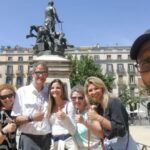
Gaudí turns into photos you can actually use. This 2.5-hour photo walk is built around composition and street-level shooting around Barcelona’s most recognizable modernist sites, taught in English with a small group of up to ten.
I especially love two things: you only need your phone (no pro camera setup), and you get personalized, on-the-spot guidance from guides such as Leonardo and Charlotte, who slow down to help you get the shot you want.
One thing to consider: this is an exterior-focused tour. You do not go inside Casa Batlló, Casa Milà (La Pedrera), or Sagrada Família, so if you’re chasing interior views, you’ll want a different tour for that.
In This Review
- Key points I’d bank on
- Phone-First Gaudí Photography: what you’re really paying for
- Meeting on Passeig de Gràcia and ending by the Fanal modernista
- La Mansana de la Discordia: learning composition with Casa Lleo i Morera
- Casa Batlló without going in: making an exterior photo feel like a story
- Casa Milà (La Pedrera) details: texture, windows, and “photo storytelling”
- Passing Casa Comalat and Palau Malaya: spotting secrets in plain sight
- Sagrada Família exterior techniques: capturing the essence without entry
- Farola Avinguda Gaudí: finishing with a purpose-built final shot
- What the small-group coaching feels like (and why it works)
- Price and logistics: how to judge if $60.23 is a win
- Timing, weather, and comfort: what to plan for
- Who this tour suits best
- Should you book this Gaudí photo walking tour?
- FAQ
- Do I need a professional camera for this tour?
- Are entrance tickets included for Casa Batlló, Casa Milà, or Sagrada Família?
- How long is the tour?
- How big is the group?
- What language is the tour offered in?
- Where do I meet and where does it end?
- What should I bring besides my phone?
- What happens if the weather is bad?
- Do I need prior photography experience?
Key points I’d bank on
- Phone-first coaching so you can leave with photos you actually like, not just pretty ideas
- Small group size (max 10) keeps the attention personal instead of rushed
- No entrance tickets needed for the main stops, which helps you plan and move faster
- Composition basics early so later stops feel easier to shoot
- Exterior-only Gaudí classics with angles and details that work even without entering buildings
- A specific ending point at a modernist streetlamp, so the walk finishes with a clear “final shot” goal
Phone-First Gaudí Photography: what you’re really paying for
This tour costs $60.23 per person for about 2 hours 30 minutes, and the value comes from the coaching style, not from access to buildings. You pay for guided photo practice: how to frame, how to pick a viewpoint, and how to turn a famous façade into an image with intent.
The big practical win is that you don’t need special gear. You bring your phone or any camera you already have. The guide helps you use what you’ve got, so you’re not stuck trying to recreate “Instagram looks” later with no idea how they were made.
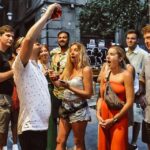
The other value piece is that it’s a small group. That matters in Barcelona, where you can easily lose time to crowd flow, camera confusion, or waiting for people to catch up. Here, the pacing includes built-in stops where the guide checks your framing and gives tips right where you’re standing.
You can also read our reviews of more walking tours in Barcelona


Meeting on Passeig de Gràcia and ending by the Fanal modernista
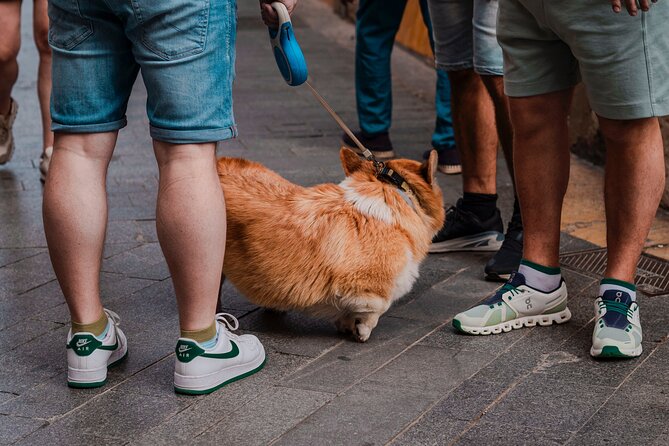
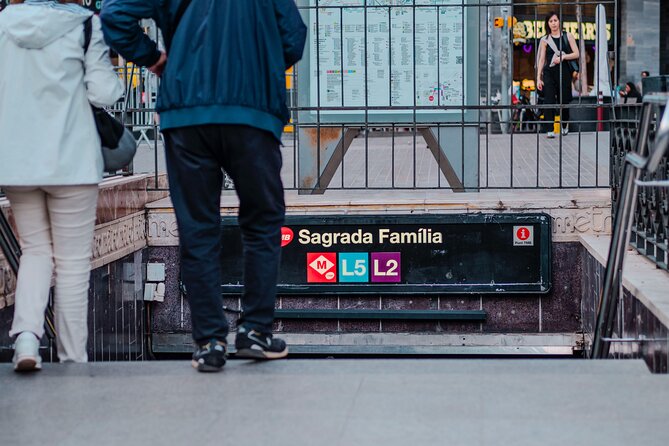
You start near Safestay Barcelona Passeig de Gràcia on Pg. de Gràcia, 33 (Eixample). The walk ends by the Fanal modernista in Eixample, near a famous modernist streetlamp at the finish.
Why this matters: you’re not doing a complicated transit shuffle between far-apart areas. You’re walking through a modernist pocket where Gaudí’s influence is everywhere, so you get more “shooting time” and less “where are we now?” time.
Also, the meeting spot is close to public transportation. That’s helpful because you can arrive with confidence, then focus on the walk instead of logistics.
La Mansana de la Discordia: learning composition with Casa Lleo i Morera
The tour begins in the area known for its modernist architectural “block of surprises.” The first stop is Casa Lleo i Morera (the opening point for the story of the walk).
This part is smart because it teaches you the fundamentals before you’re surrounded by bigger, flashier façades. The guide starts with composition basics—things like how to position your phone so lines feel intentional, how to watch spacing between elements, and how to avoid getting a façade that looks flat or messy in the frame.
Even if you’ve taken photos in Barcelona before, this is where you can recalibrate fast. You’ll learn what the guide is looking for, so later stops become easier.
Practical note: you’ll spend about 15 minutes here, and entrance isn’t included. Use that time to get a “practice photo” you can compare to later.
Casa Batlló without going in: making an exterior photo feel like a story
Next up is Casa Batlló. The catch is good to know from the start: you won’t enter. Instead, you’ll learn how to capture it from the street in ways that go beyond the obvious postcard shot.
You’ll get ideas for angles and framing that help you highlight the building’s personality while still keeping the photo clear. The goal is not just “look at Gaudí.” It’s “make the façade look like it belongs in your photo series at home.”
This is also a great stop for anyone who likes variety. You can shoot a wide view for context, then switch to a detail shot for texture and pattern. The guide nudges you to think like a photographer, not just a tourist with a camera app.
Time on this stop is about 20 minutes, and you’re not buying entrance tickets, which keeps the schedule realistic.
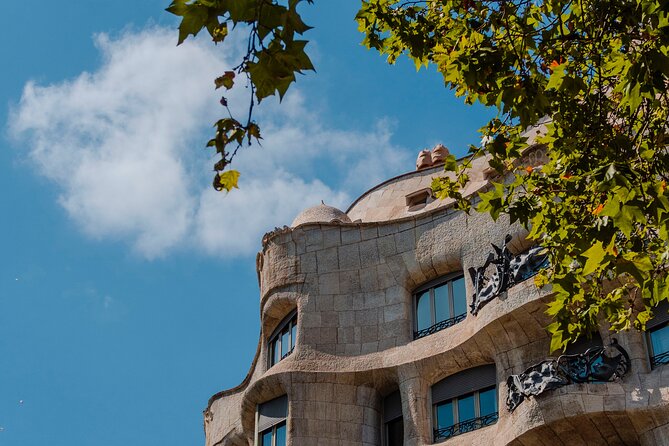
Casa Milà (La Pedrera) details: texture, windows, and “photo storytelling”
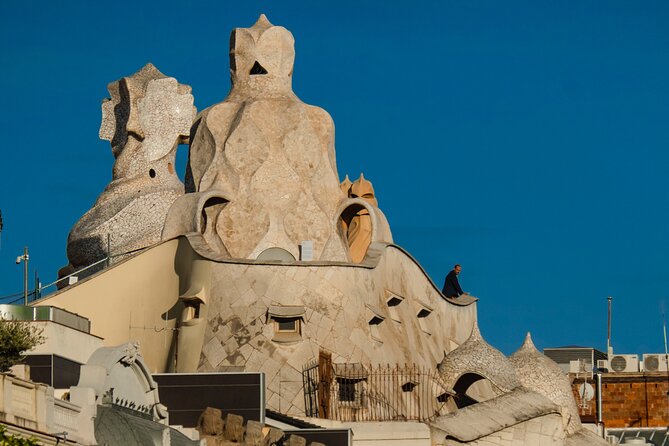
Then it’s Casa Milà (La Pedrera). Again, no interior access—so you focus on what works outside.
This stop is all about details. The guide helps you include smaller elements in a way that strengthens your storytelling: how to compose with curves, how to use architectural textures, and how to avoid cropping out the parts that make the building feel unmistakably Gaudí.
If you’ve ever photographed a famous building and thought it looked good on screen but flat in real life, this is where it changes. You learn a method: build your frame around key features, then decide what to leave out so the story stays readable.
It’s about 20 minutes here, and the tour keeps moving, which helps you train your eye instead of overthinking.


Passing Casa Comalat and Palau Malaya: spotting secrets in plain sight
Along the route, you also pass Casa Comalat and Palau Malaya. These aren’t the headline stops, but that’s part of the appeal. The guide explains what to look for while you’re still walking—so you’re not just staring at big-name buildings.
This is the kind of moment that makes the tour feel more “Barcelona” and less like a checklist. If you pay attention, you’ll see how modernist designers hid personality in details that don’t show up in quick glances.
Time here is less structured (you’re passing by), so don’t expect a long “shooting set.” Expect quick coaching: where to stand, what part of the façade to emphasize, and how to frame fast before the group moves on.
Sagrada Família exterior techniques: capturing the essence without entry
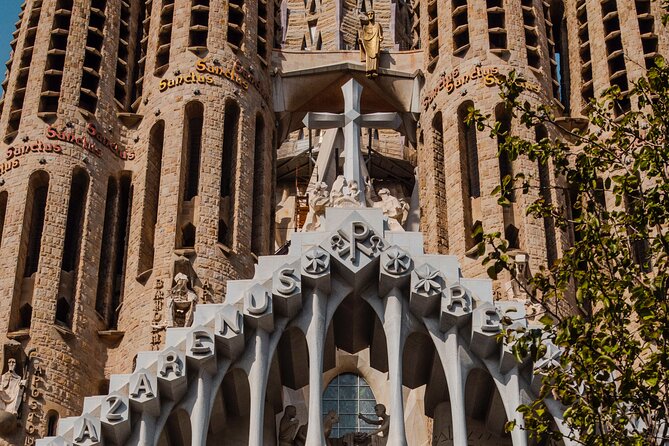
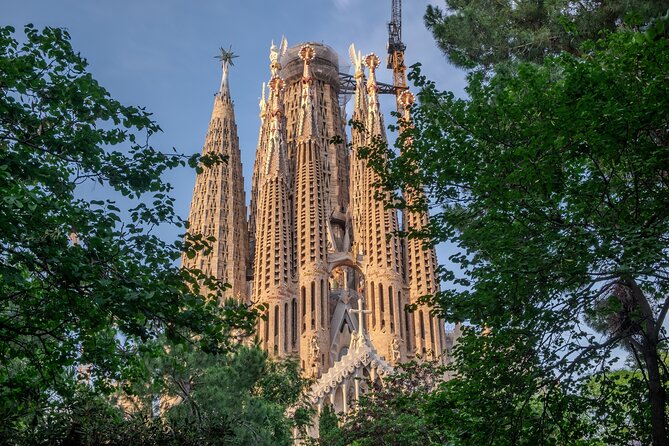
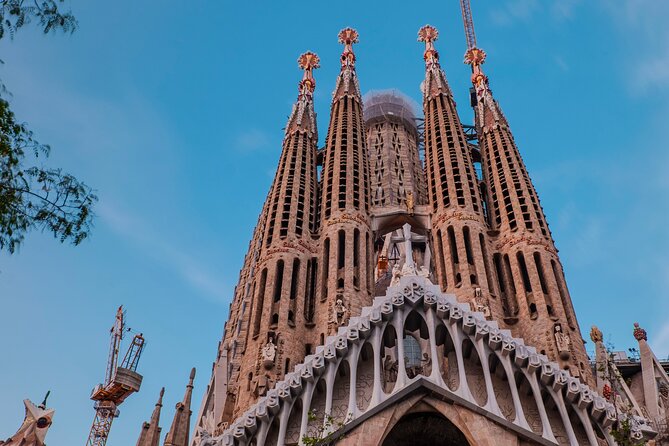
The walk reaches the Basilica de la Sagrada Família, one of the most photographed places in the city. But like the other major stops, you don’t enter. Instead, the guide teaches you ways to capture the building’s essence from outside.
The value here is learning how to photograph a structure with so many layers without turning your image into visual noise. You’ll get direction on building shots that feel balanced, plus detail-focused photos that show the character of the façade.
This stop is about 20 minutes, and it’s a great time to use the composition skills you practiced at Casa Lleo i Morera. If you’ve been adjusting your framing all day, this becomes where everything clicks.
Farola Avinguda Gaudí: finishing with a purpose-built final shot
The tour ends with Farola Avinguda Gaudí, a modernist streetlamp. It sounds small, but it’s a clever finale.
Why: it gives you a clean end goal. You’re not scrambling for the last photo after the most crowded part of the walk. Instead, the guide takes you to a specific subject for close-up, high-detail framing.
This is also where your “new photo habits” show up. By now you’ll likely be thinking in shapes and lines, not just pointing your camera and hoping.
It’s about 10 minutes at the end, so bring your best settings and be ready to shoot quickly.
What the small-group coaching feels like (and why it works)
The tour is structured so you get a mix of teaching and practice. A good chunk of the time is dedicated to coaching at each stop, plus 1-to-1 style tutoring on the spot as you walk.
In the best situations, you’ll notice your guide doing three things:
- Explaining what to change in your framing
- Showing you what to look for in the façade
- Helping you simplify your shot so it reads well
From what I can see in the guide-led feedback, people consistently appreciate that the guide isn’t rushed and answers questions clearly. Guides linked with the tour—such as Leonardo, and in some cases Charlotte as a partner—tend to focus on both photography and Barcelona context, so you learn what you’re photographing and why it matters.
That blend is practical. You don’t just leave with photos. You leave with a better way to see.
Price and logistics: how to judge if $60.23 is a win
$60.23 might sound like a lot for a walking tour—until you treat it like a mini photo course.
You’re paying for:
- Small-group attention (max 10)
- Individual tips you can apply immediately
- A route timed around exterior photo opportunities
- A guide who helps you shoot smarter instead of just walking and pointing
Where the price is less of a win: if you want interior access or “skip-the-line” entry. This tour explicitly keeps the focus outdoors and does not include entrance tickets to Casa Batlló, Casa Milà, or Sagrada Família.
For most people, though, it’s a very workable value because you’re learning skills that travel with you. You can use the same composition approach in other cities too.
Timing, weather, and comfort: what to plan for
This experience requires good weather, so plan to dress for Barcelona street walking and bring a rain layer if you’re traveling in changeable seasons. If weather cancels it, you’ll be offered another date or a full refund.
Duration is about 2 hours 30 minutes, which is long enough to make a real difference in your photos but not so long that you’ll feel spent if you pace yourself. The route includes several stops and passes by additional modernist buildings, so expect short bursts of focus rather than one long “stand and shoot” session.
One more practical tip: because it’s a phone-based activity, check that your battery and storage are ready before you start. This is where the “mobile ticket” style also means you should make sure your phone works properly for the tour itself.
Who this tour suits best
This is ideal if:
- You want smartphone photography coaching without carrying extra gear
- You love Gaudí’s buildings but prefer learning how to photograph them rather than just touring them
- You like small groups and clear guidance at real locations
- You’re new to photography or you feel stuck repeating the same type of shot
It’s less ideal if:
- You specifically want interior visits at Casa Batlló, Casa Milà, or Sagrada Família
- You expect a long stop at every building like a traditional sightseeing tour
Should you book this Gaudí photo walking tour?
If your goal is to leave Barcelona with photos that look intentional, this is a strong bet. You’ll learn composition early, get help at the exact moments you need it, and finish with a specific final “subject” at Farola Avinguda Gaudí. The small group size and the guide attention are the main reasons it works.
Book it if you want to treat your phone like a tool, not a camera afterthought. Skip it if you’re chasing entry tickets and interior rooms, because this one is all about the exterior magic and how to photograph it well.
FAQ
Do I need a professional camera for this tour?
No. You can bring your phone, and any Android or iPhone works. A camera is also fine, but the tour does not provide equipment.
Are entrance tickets included for Casa Batlló, Casa Milà, or Sagrada Família?
No. You will not enter Casa Batlló, Casa Milà, or Sagrada Família, so entrance tickets are not included.
How long is the tour?
It runs for about 2 hours 30 minutes.
How big is the group?
The tour has a maximum of 10 travelers, which keeps the coaching personal.
What language is the tour offered in?
The tour is offered in English.
Where do I meet and where does it end?
You start near Safestay Barcelona Passeig de Gràcia on Pg. de Gràcia, 33. You end next to the Fanal modernista in Eixample near Farola Avinguda Gaudí.
What should I bring besides my phone?
Wear comfortable walking shoes and bring whatever you plan to take photos with. Food and drinks are not included.
What happens if the weather is bad?
The tour requires good weather. If it’s canceled due to poor weather, you’ll be offered a different date or a full refund.
Do I need prior photography experience?
No. There’s no photography experience required, and the guide starts with basic composition skills.