REVIEW · BARCELONA
Penedes Wine & Cava Tasting & 4WD Vineyards Tour from Barcelona
Book on Viator →Operated by World Experience · Bookable on Viator
Cava lives underground, and this small-group day trip is a smart way to see Penedès without the stress of self-driving. I love touring cava cellars and tasting four cavas in Sant Sadurní d’Anoia, and I also love the Jeep ride where you learn how grapes and vines work from ground level.
Do plan for a slower pace and standing-heavy tastings. If you’re the type who needs frequent sitting breaks, this is the one part that can feel like a squeeze on a long day.
In This Review
- Key takeaways before you go
- How this Penedès trip really feels from Barcelona
- The morning ride: modern Barcelona first, then vineyard views
- Sant Sadurní d’Anoia: cava cellars and four tastings you’ll remember
- The vineyard Jeep ride: what you learn from the viticulturist
- Second winery: small-batch still wine, cellar time, and three pours
- What’s included in your tasting day (and what it means for value)
- Guide styles: what I’d watch for with different personalities
- Comfort, pacing, and the main thing to plan around
- Who this tour suits best (and who might prefer something else)
- Should you book this Penedès wine and cava tour?
- FAQ
- FAQ
- What does the tour cost?
- How long is the tour?
- Where does the tour start and end?
- What time does it depart?
- How many wineries do you visit?
- What tastings are included?
- Is food included?
- Is hotel pickup included?
- How big is the group?
- What if the weather is bad?
Key takeaways before you go
- Small group (max 15): personal attention, not a cattle-car routine.
- Cava expertise in the cellar: you’ll learn the process in the very place it happens.
- 4×4 Jeep vineyard ride: a hands-on way to connect grape varieties to what you see outside.
- Two family-run wineries: one focused on cava, the other on small-batch still wine.
- Seven tasting pours: 4 cavas plus 3 wines, with food support like cheese/charcuterie.
- Central Barcelona meeting point: the departure is set up for easy arrival by public transit.
How this Penedès trip really feels from Barcelona
This is a classic Barcelona-to-country “get out of the city” day, but with more hands-on wine time than you’d expect for the distance. You’re looking at about a 6-hour outing, starting in the morning, with driving through the outskirts of the city before you hit the Penedès countryside and vineyard views.
The big value here is that you’re not just buying a generic tasting. The tour is built around instruction: you’ll hear from an oenologist and a viticulturist, then see both the cellars and the vines that shape the final glass. It’s also capped at 15 people, so you’re less likely to disappear into the group.
Logistics note: the meeting address can be in the Eixample area (your confirmation should confirm the exact spot). Either way, it’s designed to be reachable by public transportation, which makes it much easier than coordinating taxis or renting a car.
You can also read our reviews of more food & drink experiences in Barcelona

The morning ride: modern Barcelona first, then vineyard views
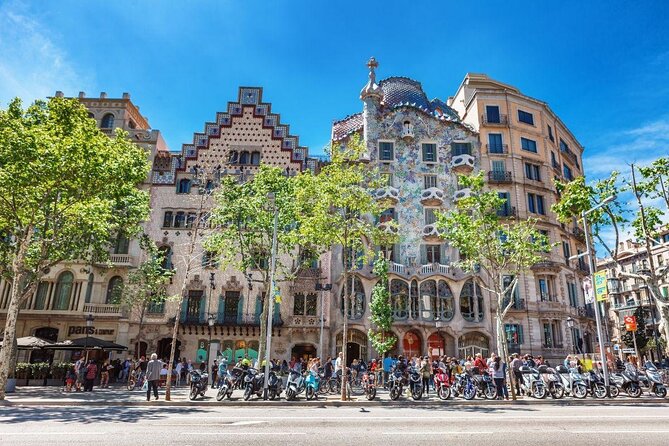
You’ll start around 9:00 am and move from a central Barcelona pickup through the city’s modernist area (think Passeig de Gràcia vibes). This isn’t the part you’ll brag about later, but it matters: it gives you a clean visual shift from city architecture to open countryside.
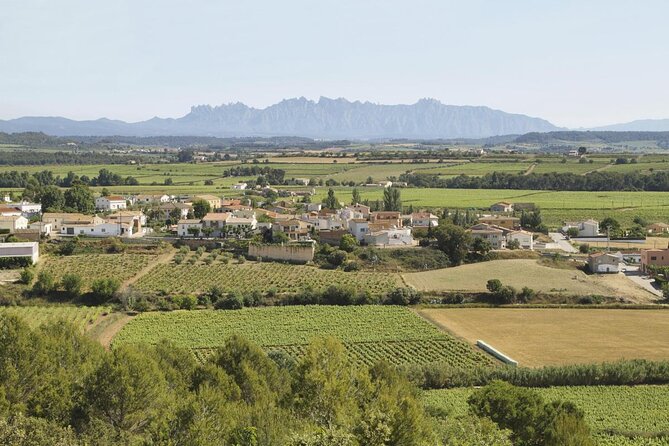
Then the pace changes. You leave the city and head into the Penedès region, where the views become the lead character—vine rows, rolling terrain, and that calm “this is why people come here” feeling. The drive also sets expectations: one review noted that the minibus portion is mostly transport, with limited talking from the driver. So don’t plan on a running commentary during the ride. Bring a light attitude and save your attention for the actual cellar and vineyard stops.
Practical tip: wear shoes that handle standing and uneven ground. More than one guest called out that there’s a fair amount of standing during tastings, and you’ll be walking too.
Sant Sadurní d’Anoia: cava cellars and four tastings you’ll remember
This is where the day turns. You arrive in Sant Sadurní d’Anoia and head into a local, family-run winery focused on cava. The emphasis is on process, not just product.
You’ll tour the cellars with a specialist and learn how cava is made—both how it was done historically and how modern production works today. Even if you’ve had cava before, seeing the aging space and hearing the method in context makes the bottles feel less like a label and more like a craft with steps.
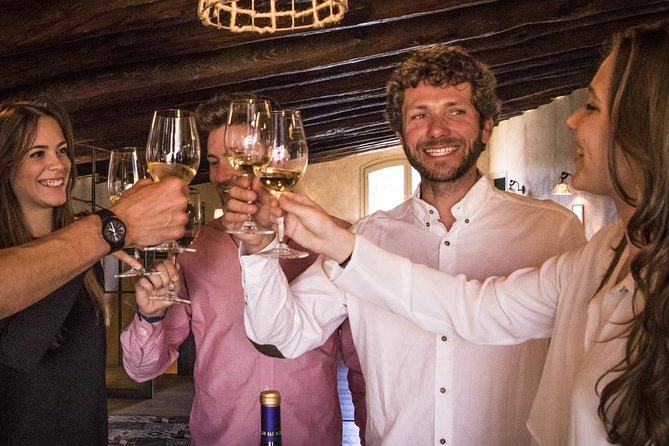
Then comes the tasting: four of their best cavas, typically with pairing support such as cheese and charcuterie. This part is often the highlight for people who want education, not just drinking time. One guest put it plainly: the tour felt built for learning and appreciating the craft, not getting sloppy.
Possible drawback: the cava stop still involves a lot of standing. If you’re used to wine tours with lots of seated time, this is worth planning for in advance with water and pacing yourself during pours.
The vineyard Jeep ride: what you learn from the viticulturist
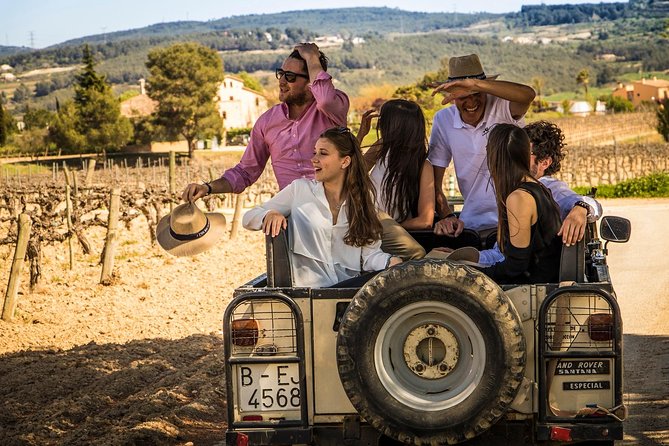
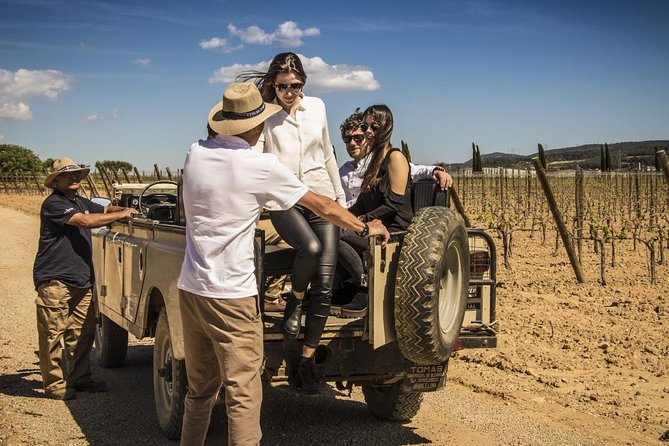
Between the two wineries, you switch gears to a 4×4/Jeep ride through the vineyards. This is not just for pictures. It’s part of the educational arc of the tour: you’ll get out on the land and talk about vines and grapes with the help of a local viticulturist.
The Jeep also changes the “look” of the day. In a normal bus tour, you see the rows from a distance. Here you’re closer—bouncing along enough to make the geography feel real. Several reviews singled out the accuracy of the Jeep experience: the ride is part of what you should expect from this tour style.
Two practical considerations:
- It can be warm in open-air vineyard areas. One review noted a sense of being rushed due to heat, which usually means shorter explanations and quicker movement outdoors.
- The ride is not a long safari-style adventure. It’s a focused segment that connects the story you heard in the cellar to what’s growing outside.
Second winery: small-batch still wine, cellar time, and three pours
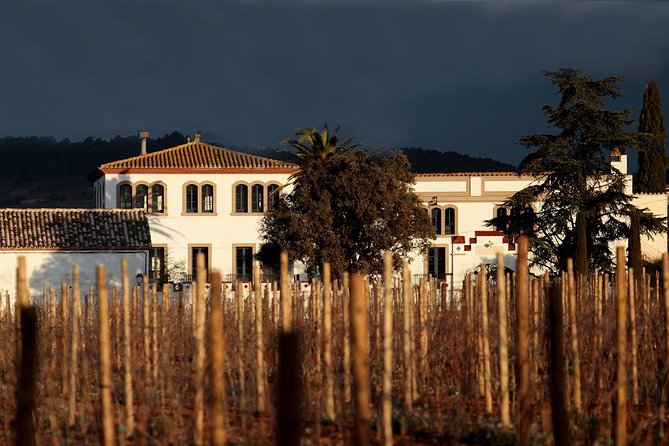
After the Jeep ride, you head to the second winery—also described as family-run—with a strong focus on still wine production (not cava). You’ll hear about the history of the property, then visit the cellars where wine is made and stored.
Next is the tasting: three different wines. This is an important contrast to the cava-heavy first winery. The day stops being a single-theme party and turns into a broader look at how grapes become very different styles of wine.
Many guests really like this pairing logic: cava first, then still wine. It helps you stop thinking of the region as only bubbles. You start seeing Penedès as a place with multiple outputs—and grape behavior you can compare across styles.
Food support continues here as well, with local tastings and accompaniments. One guest even highlighted that the “caves” in the second winery shouldn’t be skipped. If the tour is operating on the day you’re there, this portion is usually where you’ll feel the atmosphere of the property the most.
You can also read our reviews of more wine tours in Barcelona



What’s included in your tasting day (and what it means for value)
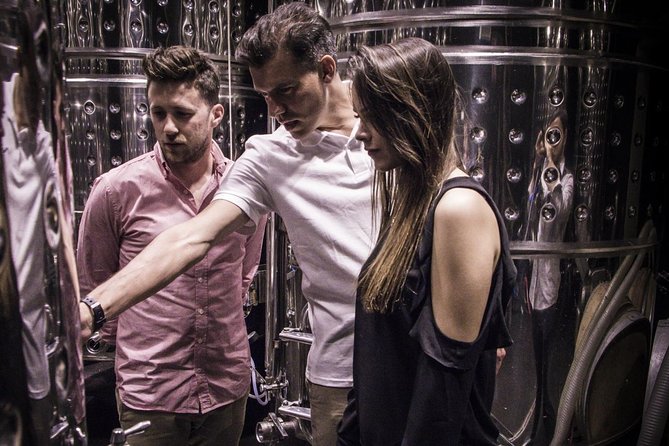
The included package is simple but solid:
- Transportation by minibus between sites
- A specialized guide for the day
- Visit of a local wine and cava family-run winery
- Tasting of 3 wines and 4 cavas (seven total tastings)
- Exclusive 4×4 ride through vineyards with a viticulturist
- Local delicacies such as cheese and charcuterie
- Mobile ticket
- English offered
For $145.17 per person and around 6 hours, I see the value in three places:
1) You get more access than the average tasting. Cellar visits and educational explanation tend to cost extra when you do them separately.
2) You remove the driving problem. Even if you’re comfortable driving in Spain, Penedès day tours are about schedule and timing, not just distance.
3) You get two different production styles. Cava is one craft. Still wine is another. Doing both in one day makes the trip feel like a real survey of the region.
That said, value isn’t only numbers. One mixed review complained about timing and pacing—tasting felt delayed compared to earlier walking and explanation. Another pointed out that pours weren’t heavy and that the second tasting was far enough away that the buzz didn’t quite build the way some people expected.
So here’s my practical advice: go in expecting a learning-focused schedule. If your goal is to get heavily drunk quickly, this isn’t that kind of tour.
Guide styles: what I’d watch for with different personalities
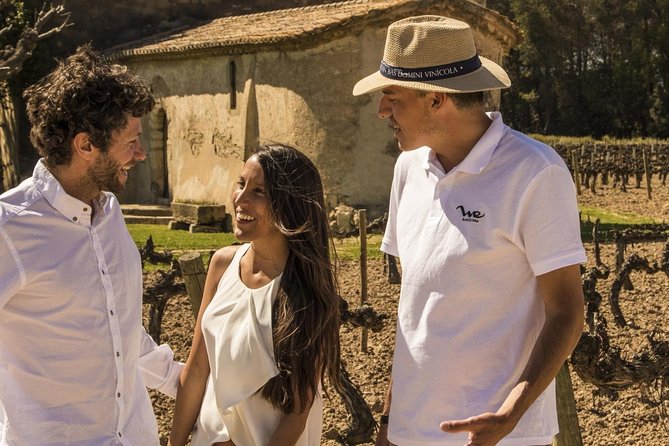
This tour can feel dramatically different depending on the guide’s voice and pacing, because the content is largely educational. Good news: the reviews show guides doing real work and real explanations.
Names that came up include Rosie, Christine, Elizabeth, Ana, Nuria, Rob, and Christina. Even when the guide isn’t named in every account, the consistent pattern is that the instruction is central to the experience.
What you should expect from a guide-led format like this:
- Straight talk about grape varieties in the Penedès region
- Process explanations you can picture once you’re standing in the cellar
- Pairing guidance linked to what’s in your glass
Also, don’t assume the minibus itself will be a lecture. One guest specifically noted the driver didn’t talk during the drive. If you want storytelling, be ready to focus your energy on the wineries and the Jeep segment.
Comfort, pacing, and the main thing to plan around
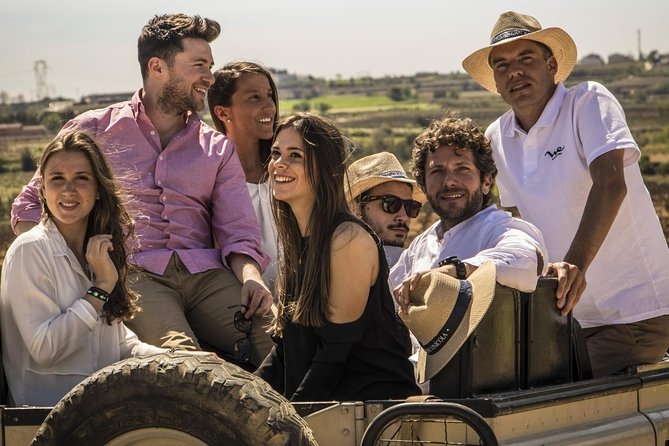
Here’s the honest “you should know this” part: several guests flagged that you’ll likely spend a lot of time standing. There’s also walking involved across vineyard grounds and through cellar areas.
What helps:
- Wear comfortable shoes you don’t mind getting a little dusty.
- Bring water if permitted, and pace your tastings so you don’t feel rushed.
- Plan to take the day slowly after the tour. If you’re touring Barcelona the same evening, keep your plans light.
Some reviews also mentioned that tastings weren’t huge pours. That’s not necessarily bad—it can be a sign the tour is designed for responsible pacing—but it can disappoint if you expected a drink-heavy format.
On the food side, the tour includes delicacies like cheese and charcuterie. One mixed comment said snacks felt duplicated between wineries. If you’re someone who loves variety in every segment, you might want to follow up with a proper lunch or extra snack after you return to the city.
Who this tour suits best (and who might prefer something else)
This works well if you want:
- A guided introduction to cava production and Penedès wine basics
- Time in cellars, not just a quick photo stop
- A small group experience where questions feel possible
- A day structured around tasting both bubbles and still wine
It’s less ideal if you:
- Need frequent seating during tastings
- Want a party-style, fast-drinking itinerary
- Hate tours where the day includes a lot of walking and standing
If you’re an experienced wine traveler and you already know wine tasting formats, you may still enjoy the region-specific craft details. If you’re newer to Spanish wine, this tour can be a great on-ramp because the explanations connect directly to what you’re seeing.
Should you book this Penedès wine and cava tour?
I’d book it if you want an education-heavy day that still feels fun and scenic. The combination of cava cellar learning, four cava tastings, a Jeep vineyard ride, then a second stop with three still wines is a strong way to spend limited time in Barcelona.
I’d think twice if standing time, lighter pours, or a slower tasting schedule would frustrate you. This is the kind of tour where comfort planning matters.
If you do book, go with the right mindset: you’re here for craft, process, and place—Penedès wine made tangible.
FAQ
FAQ
What does the tour cost?
The tour price is $145.17 per person.
How long is the tour?
It runs about 6 hours (approx.).
Where does the tour start and end?
It starts with a central pickup in the Eixample area in Barcelona and ends back at the starting point.
What time does it depart?
The start time is 9:00 am.
How many wineries do you visit?
You visit two wineries: a cava-focused stop in Sant Sadurní d’Anoia and a second winery for still wine.
What tastings are included?
You taste four cavas at the first winery and three wines at the second winery, for a total of seven tastings.
Is food included?
Yes. The tour includes local delicacies such as cheese and charcuterie, with tastings.
Is hotel pickup included?
No. Hotel pickup and drop-off are not included.
How big is the group?
The maximum group size is 15 travelers.
What if the weather is bad?
The experience requires good weather and can be canceled or rescheduled due to inclement weather. If that happens, you’ll be offered a different date or a full refund.