REVIEW · BARCELONA
Build A Catalan Charcuterie Cheese Board & Wine Pairing (V/VG Options)
Book on Viator →Operated by Savour Academy · Bookable on Viator
A board you can copy at home. This Barcelona class turns Catalan charcuterie and wine pairings into a practical 2-hour skill you can use after you fly back. It’s small-group, in English, and ends with you eating what you made.
What I like most is the no-cook assembly style. You learn how to plan a good-looking board, not just how to follow a recipe. I also like that the spread is built to be a real meal, with cured meats, cheeses, local preserves, fruit/veg, and crunchy add-ons.
One thing to consider: it starts at 8:00 pm and runs about 2 hours, so it’s aimed at people who want an evening activity (not an early-afternoon snack). And while it teaches board-building, it’s not heavy cooking—more hosting skill than stove time.
In This Review
- Key things to know before you build your Catalan board
- A no-cook Barcelona evening for Catalan charcuterie and wine pairing
- Where Savour Academy fits into your Barcelona plans
- The real heart of the class: building your board (then eating it)
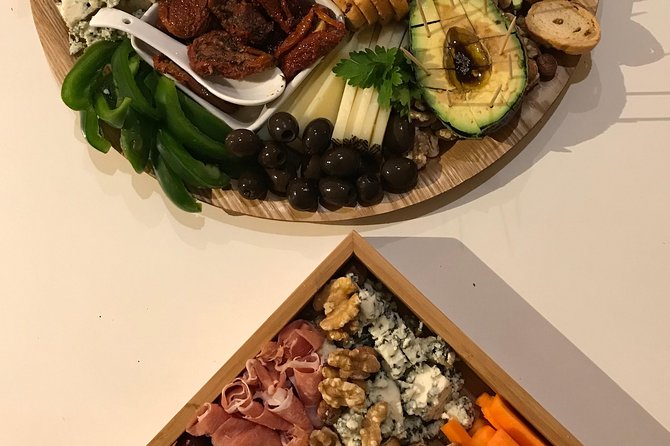
- What you’ll be assembling
- How the “meal” part makes it worth your time
- Wine tastings and pairing tips you can actually use
- Vegetarian or vegan options: what you should ask for
- Small group size (max 10) and the vibe you’ll feel
- Price and what you’re really paying for in Barcelona
- Who this class fits best (and who might skip it)
- Should you book this Barcelona charcuterie and wine pairing workshop?
- FAQ
- How long is the charcuterie and wine pairing experience?
- Is there any cooking involved?
- What food is included?
- Is the workshop offered in English?
- Do you offer vegetarian or vegan options?
- Can I get a refund if I need to cancel?
Key things to know before you build your Catalan board
- No-cook class format: you assemble a board and then eat it
- Small group size (max 10): more attention, less crowding
- Wine tastings + pairing tips: learn how to match wine to what’s on the board
- Catalan ingredients and local seasonal produce: the board reflects the region
- Vegetarian or vegan option by request: you can still build a full board
A no-cook Barcelona evening for Catalan charcuterie and wine pairing
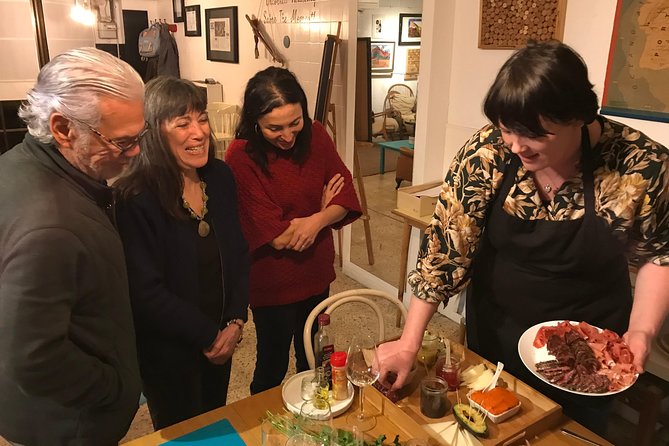
If you’ve ever stared at a cheese board and thought, I could do this… but then realized there’s a method, this class is for you. It’s built around the Catalan way of eating, where cured meats and regional cheeses are only the start. The real win is learning how to structure a board so it’s balanced: salty + creamy + sweet + crunchy.
This is also a good reality check for expectations. You’re not signing up for a culinary boot camp. You’re signing up for board design, pairing logic, and a meal that feels like you hosted well—without needing culinary superpowers.
The host setup also matters. The instructor is a long-time Barcelona resident with a WSET Level 2 Certificate in wines and a sommelier diploma from the Gremi de Restauracio de Barcelona. The academy has been open since 2017, and that background shows in how the session connects food choices to wine choices.
You can also read our reviews of more wine tours in Barcelona



Where Savour Academy fits into your Barcelona plans
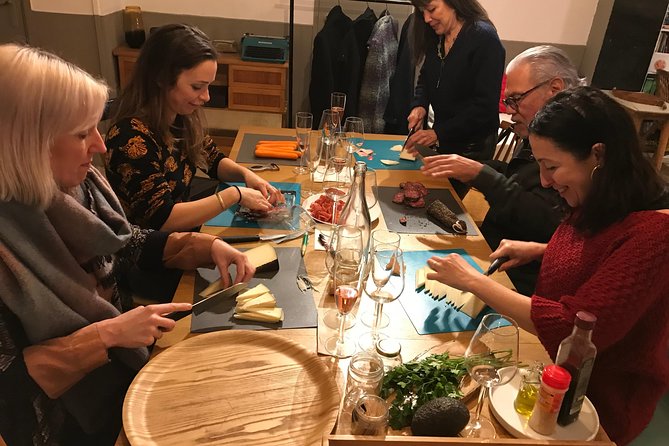
The workshop meets at Savour Academy, Carrer del Farell, 12, bajos, in the Sants-Montjuïc area of Barcelona. It starts at 8:00 pm, and the activity ends back at the meeting point, so you’re not stuck navigating across town afterward.
This time slot is ideal if your day already filled up with museums, beaches, or just roaming. Late-evening classes can also be a pressure test: you’ll want something that feels like dinner, not just a class. Here, the format works because you eat the board you create, in good company.
The location is also described as near public transportation, which is useful in Barcelona where good walking routes and transit options matter. If you’re staying central, plan an easy route so you don’t turn the last hour into stress.
The real heart of the class: building your board (then eating it)
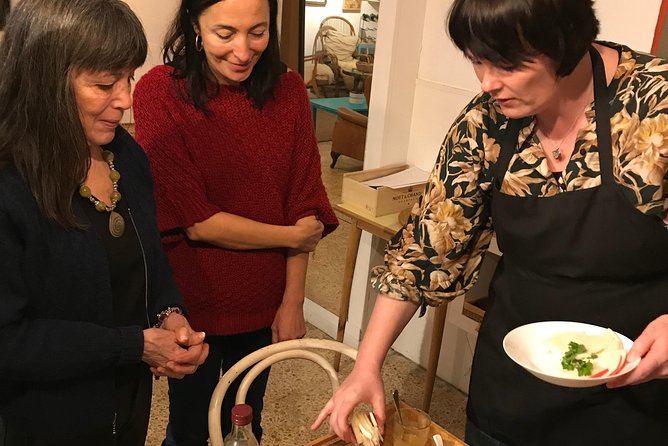
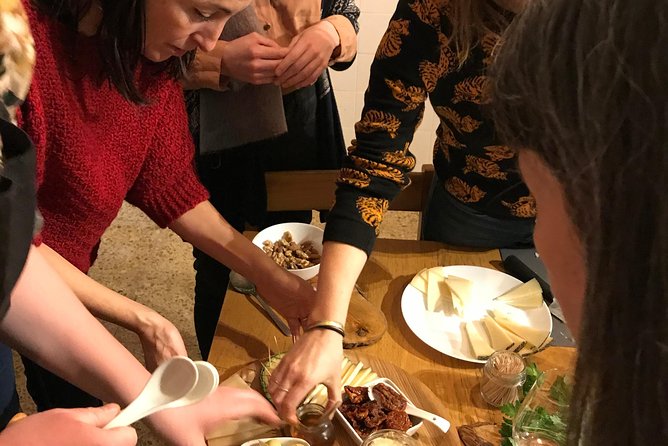
This workshop is a classic “learn it, make it, then enjoy it” setup. You’ll use fresh local and seasonal ingredients to build a Catalan charcuterie and cheese board. The session is described as no-cooking, meaning you’ll focus on selection, layout, and pairing choices—not using the stove.
What you’ll be assembling
The sample menu gives you a clear sense of what lands on the table. Expect a mix like:
- Barcelona embotidos (cured meats)
- Spanish and Catalan cheeses
- Local preserves
- Seasonal fruits and vegetables
- Dried fruits and crackers
That mix is smart because it covers multiple taste jobs. Cured meats bring salt and depth. Cheese adds creamy fat. Preserves and fruit add sweetness. Crackers and dried fruit add crunch and chew.
And there’s a practical side: this is the exact kind of board you can recreate for a dinner party. Once you know the categories, you stop thinking in terms of one perfect ingredient and start thinking in terms of balance.
How the “meal” part makes it worth your time
You don’t just taste two bites and leave. The board is described as enough to eat as a meal. That changes the value math. Even if you’re not a big cheese person, the board still has plenty going on: cured meats, multiple textures, and fruit/veg to keep it from feeling heavy.
The setting also pushes you toward relaxed learning. You’re eating what you make in good company, with stories tied back to Barcelona and the wines you’re tasting. That turns a board from a photo exercise into something you understand.
You can also read our reviews of more tours and experiences in Barcelona

Wine tastings and pairing tips you can actually use
Wine pairing can sound like fancy wordplay. Here, it’s taught as something you can apply at your table. After the board is built, the instructor explains how to pair wine with the items you just assembled, with tastings included.
This matters because most visitors don’t have access to a wine explanation that’s connected to real food choices. You need rules of thumb you can remember. A board like this is perfect for that since it includes salty cured meats, creamy cheese, and sweet elements from preserves and fruit.
What I’d look for in the session (and what this class is set up to deliver) are pairing principles such as:
- matching intensity (so the wine doesn’t get bullied by the cheese)
- accounting for fat and salt (so your palate stays fresh)
- using sweetness to handle cured meats and aged flavors
Because the host has WSET training and a sommelier diploma background, the advice is likely to be structured rather than vague. And because you’re learning after you build the board, it sticks. You’re not learning pairing in a vacuum—you’re learning it with your own food lineup in front of you.
Vegetarian or vegan options: what you should ask for
This is one of the more important practical notes for picky eaters and groups with different diets. The workshop explicitly says you can ask about vegetarian or vegan options.
So the move is simple: when you book, request your option early. That way the board can be built properly from the start, rather than feeling like a last-minute replacement.
From a “value” perspective, diet-friendly options are also a fairness upgrade. Everyone in your group should get a board that follows the same board-building logic—rather than receiving a token plate.
Small group size (max 10) and the vibe you’ll feel
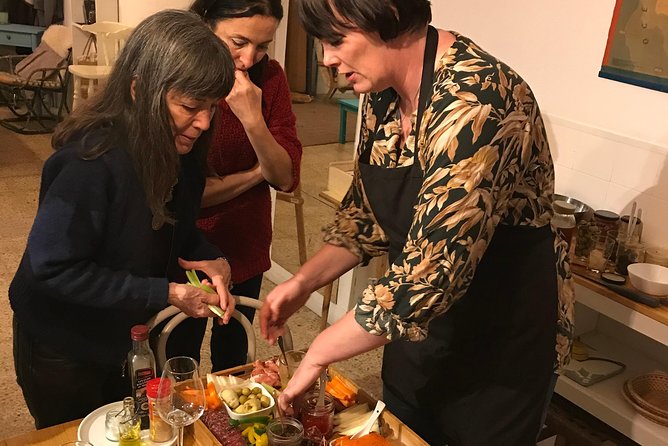
The group cap is 10 travelers, which usually means fewer awkward waits and more chance for questions. In a class like this, questions are not random. They’re useful: where to place elements for balance, which cheeses pair better with which wine styles, and how to build a board that looks good but doesn’t collapse into random ingredients.
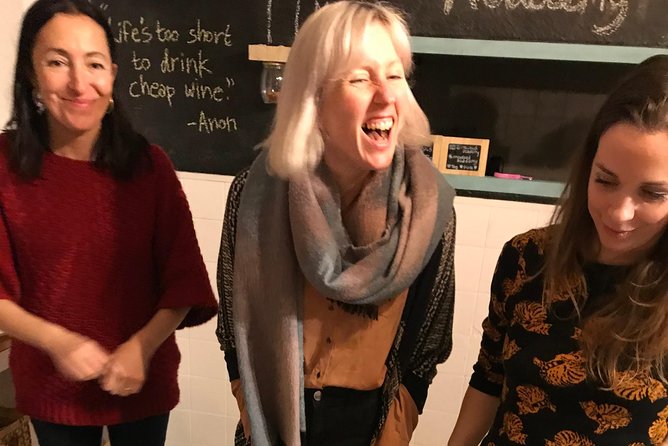
The reviews also point to a light, welcoming tone with hosts like Zara and Kiki. One review even notes laughter and a fun, dynamic atmosphere. That matters because board building is partly technique and partly confidence. If the room is relaxed, you’ll walk away more likely to recreate it at home.
And the intimacy helps with pacing. With only a small group, the session can slow down when needed. That’s the difference between learning the method and simply getting through the steps.
Price and what you’re really paying for in Barcelona
At $106.04 per person for about 2 hours, this isn’t a budget bargain class. But it can be good value if you compare what’s included. You get:
- instruction on building a Catalan charcuterie and cheese board
- enough food to eat as a meal
- wine tastings plus pairing tips
- a small-group format (max 10)
So you’re not just paying for ingredients. You’re paying for guidance, wine expertise, and the payoff of eating what you make right away. If you’ve ever bought ingredients for a board and then realized you still needed someone to explain the balance, this pricing starts to make sense.
Also, this is Barcelona at night. That tends to cost more than daytime. The 8:00 pm timing plus wine tasting component naturally pushes the price upward.
The best way to decide is to ask yourself one question: do you want a board you can rebuild with confidence? If yes, the cost can feel fair.
Who this class fits best (and who might skip it)
This workshop suits:
- couples or small groups who want a guided dinner plan
- people who love wine but want practical pairing logic
- hosts-in-training who want a board method for parties
- veg-forward groups who will request vegetarian or vegan options
You might skip it if:
- you want a hands-on cooking class with real cooking tasks
- you only want a quick bite and don’t care about wine pairing
- you hate nighttime plans or know you’ll be tired at 8:00 pm
It’s also a solid choice for visitors who want something authentically Catalan without needing a long commute or a complicated itinerary. A board is a small thing, but it’s a real way to learn how the region eats.
Should you book this Barcelona charcuterie and wine pairing workshop?
If your goal is to leave Barcelona with a skill you can use at home, I’d book it. The best part is that the lesson and the meal are the same thing. You build the lineup, you taste with the lineup, and you learn pairing by seeing how the elements work together.
I’d book especially if you’re traveling with someone who cares about wine, or if you want a no-stress activity that still feels hands-on. And if your group has dietary needs, make the vegetarian/vegan request early so the board can be built as a full experience.
If you only want cooking or you’re trying to keep spending low, you might find other classes cheaper. But if you want a guided Catalan board that looks good, tastes good, and comes with pairing tips, this one does the job.
FAQ
How long is the charcuterie and wine pairing experience?
It lasts about 2 hours.
Is there any cooking involved?
No. It’s described as a no-cooking cooking class, focused on building your board.
What food is included?
You’ll build a board using items like cured meats, Spanish and Catalan cheeses, local preserves, seasonal fruits and vegetables, dried fruits, and crackers. You eat what you make, enough as a meal.
Is the workshop offered in English?
Yes, it’s offered in English.
Do you offer vegetarian or vegan options?
Yes. You’re asked to request the vegetarian or vegan option when booking.
Can I get a refund if I need to cancel?
Yes. You can cancel up to 24 hours in advance for a full refund.