REVIEW · BARCELONA
Barcelona Urban Planning Tour – Towards a Sustainable Smart City
Book on Viator →Operated by Nostos Tours · Bookable on Viator
Barcelona changes fast, if you know where to look. This guided walk-through connects street corners to the decisions behind a more sustainable, smarter city. You’ll focus on superblocks and traffic redesign, then see how those ideas roll into neighborhoods that used to run on industry.
I like this tour because it doesn’t treat sustainability like a poster. It shows you the how and why, from old-town constraints to modern planning tools. And I also like the mix of areas: Sant Antoni’s superblock experiments, then Eixample’s traffic-reduced corridors, and finally the 22@ innovation district.
One thing to consider: the experience length is listed as 2 to 4 hours, and it’s a multi-neighborhood route. If you’re tight on time or don’t love walking, you’ll want to plan your day so you’re not rushing between stops.
In This Review
- Key things to notice on this smart-city route
- A Sustainable Smart City You Can Actually See
- Rambla del Raval: Where Urban Problems and Old Streets Meet
- Sant Antoni and the Superblock Idea in Motion
- Eixample Along Consell de Cent: The Traffic-Reduced Axis
- Glòries and 22@: Turning a Former Industrial Zone into Innovation
- Walking Route, Optional eBike, and How to Make It Comfortable
- Price and Value: When $210.28 Actually Makes Sense
- Who This Tour Fits Best (and Who Should Skip It)
- Should You Book This Barcelona Smart-City Tour?
- FAQ
- How long is the Barcelona Urban Planning Tour?
- Where does the tour start and end?
- Is the tour in English?
- Is bicycle or eBike use included?
- How long are the stops?
- Is the tour private?
- Are the admissions at stops included?
- Is free cancellation available?
Key things to notice on this smart-city route
- Street-level planning, not PowerPoint: you’ll connect what you see to policy choices that affect daily life
- Sant Antoni’s superblock concept in real space: small changes in street access, big changes in movement
- Eixample’s Consell de Cent as a traffic-reduced axis: an easy place to compare before-and-after feel
- Glòries and 22@ shift from factory zone to startups: you’ll look at reuse, not just new construction
- Flexible transport: walking or a RideMovie eBike add-on: bicycles aren’t included, but the option exists
A Sustainable Smart City You Can Actually See
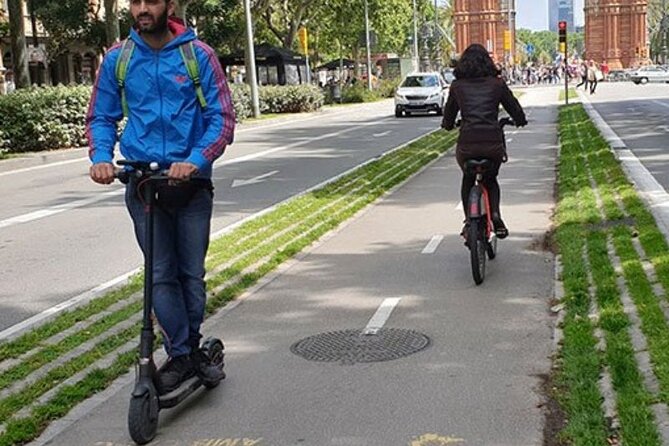
Barcelona has a talent for turning planning into visible neighborhoods. This tour is built around that idea: you start in the older layers of the city, then move into districts where modern traffic management and redevelopment show up on the ground.
The guiding strength here is that you’re not just chasing sights. You’re learning how the city tries to rebalance streets for people—walking, biking, local life—while still handling the realities of mobility. The tour is also offered in English, and it’s a private tour/activity, meaning only your group goes with the expert guide.
At $210.28 per person (with group discounts sometimes available), you’re paying for focused guidance across several planning zones rather than one single landmark. If you like cities the way some people like museums—by paying attention to design decisions—this price starts to make sense.
Also, this is scheduled to run about 2 to 4 hours, and it’s often booked around 81 days in advance. That’s a hint the best time slots go quickly, especially if you’re traveling during high season.
You can also read our reviews of more city tours in Barcelona


Rambla del Raval: Where Urban Problems and Old Streets Meet
The tour begins at El Gato de Botero on Rambla del Raval in Ciutat Vella. It’s a solid starting point because it puts you in the older urban fabric first, where planning choices often respond to existing conditions—narrow ways, mixed uses, and neighborhoods that have evolved over time.
You’ll spend about 20 minutes here, with the guide talking about the historic situation. That time matters. It’s not a long stop, but it sets the frame for the rest of the walk. You’ll start noticing what planners must balance: access, safety, local life, and traffic flow—all inside streets that weren’t designed from scratch in a single era.
The potential drawback? This kind of opening segment can feel dense if you prefer to jump straight to photos and big landmarks. If that’s you, treat this first stop as your orientation. Ask your guide to point out what to watch for later, like street patterns, crossings, and where vehicle space gets reduced.
Sant Antoni and the Superblock Idea in Motion
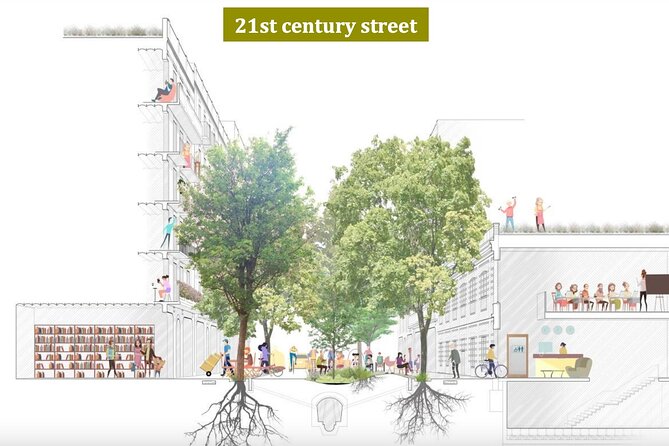
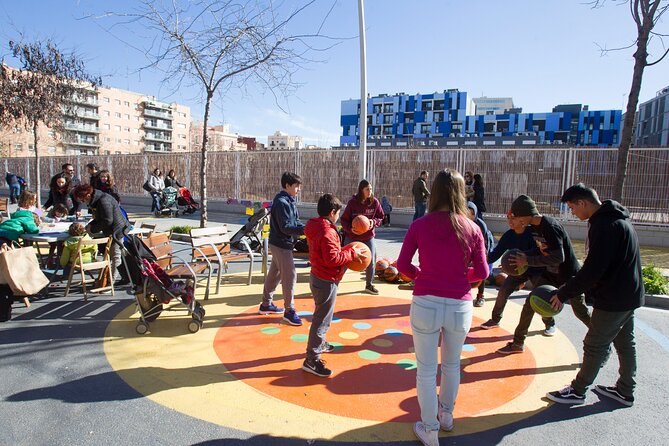
Next comes Sant Antoni, with a quick 15-minute stop focused on the superblock concept. If you’ve heard the term and wondered what it looks like at street level, this is where it clicks.
A superblock is basically about reorganizing how cars move through a defined area. Instead of every street trying to carry through-traffic, access is tightened so local streets can feel more human. You’ll look at how the neighborhood functions when through movement changes, and how that can affect everything from walking comfort to neighborhood-scale activity.
Why this stop feels so practical: you’re not learning the concept in theory. You’re learning it by watching the layout and imagining how daily routes shift when the city redirects car traffic. It’s the kind of planning idea that sounds abstract until you stand near it and see how street roles change.
Possible consideration: because the stop is short, you’ll want to stay alert. If you drift into photo mode too early, you might miss the guide’s key comparisons. I’d keep your camera ready, but keep your ears open first.
Eixample Along Consell de Cent: The Traffic-Reduced Axis
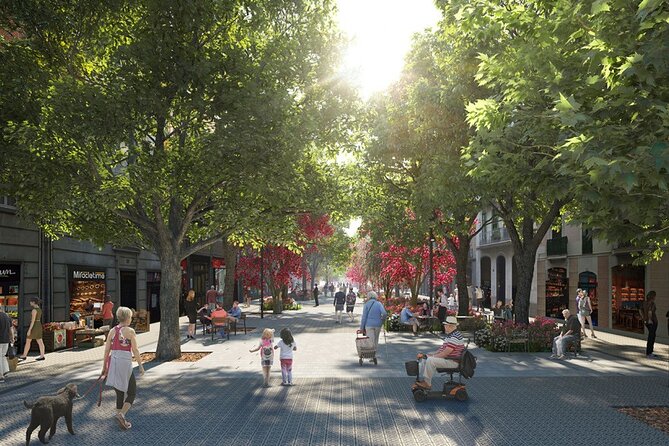
After Sant Antoni, you’ll head to Eixample, spending about 30 minutes around Consell de Cent—described as a newly traffic reduced/free axis that runs through Barcelona.
This is where you can feel the planning logic more clearly. Eixample is known for its strong grid and street clarity, so any change in vehicle access stands out. A traffic-reduced corridor turns a major thoroughfare into something closer to a civic space. That shift changes how people move through the city: more crossings feel comfortable, foot traffic patterns can shift, and the street starts acting like a place, not just a channel.
I especially like this kind of stop because it gives you a comparison mindset. You can look at what looks similar—street width, movement corridors, block geometry—then see what changes when the city limits vehicle dominance. It’s a reminder that sustainability isn’t only about greenery. It’s also about who gets priority in the right places.
One small caution: if you’re the kind of person who loves long architectural tours, the Eixample segment might feel fast. That said, it’s placed strategically. You’re building a mental model, and then you cash it in at the next neighborhood.
Glòries and 22@: Turning a Former Industrial Zone into Innovation
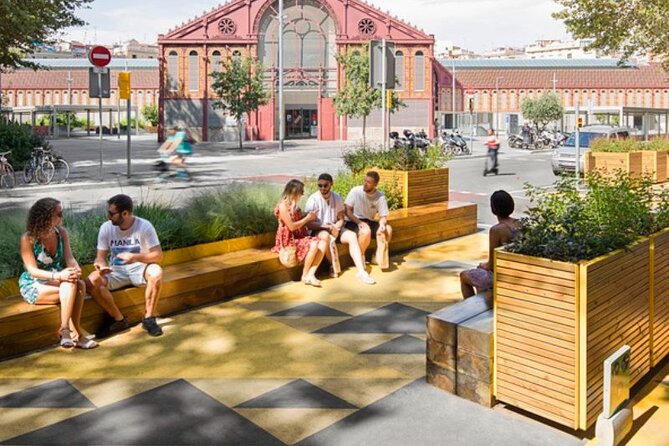
The final stop is Glòries, in the 22@ district. You’ll spend about 30 minutes here, and the focus is on the shift from a former industrial area to a modern startup-style innovation district.
This is the planning story people sometimes skip. Sustainability isn’t only about reducing cars. It’s also about how cities reuse land and adapt building stock. In 22@, the conversation is about transformation: old industrial space becomes space for new kinds of work and life, supported by new infrastructure and a changed district identity.
You’ll probably find this stop hits a different emotional note than the superblock conversation. The mood moves from policy mechanics to redevelopment logic. Instead of asking how cars move, you’ll ask: what happens when a city changes the purpose of a whole zone?
The trade-off here is context. If you’re not already tracking Barcelona’s redevelopment eras, you might want the guide to slow down and explain the basics of why the industrial-to-innovation transition mattered. Luckily, the tour is private, so you can ask follow-ups on what the city aimed to achieve with the 22@ transformation.
At the end, the tour finishes in Sant Martí, at El Parc i la Llacuna del Poblenou.



Walking Route, Optional eBike, and How to Make It Comfortable
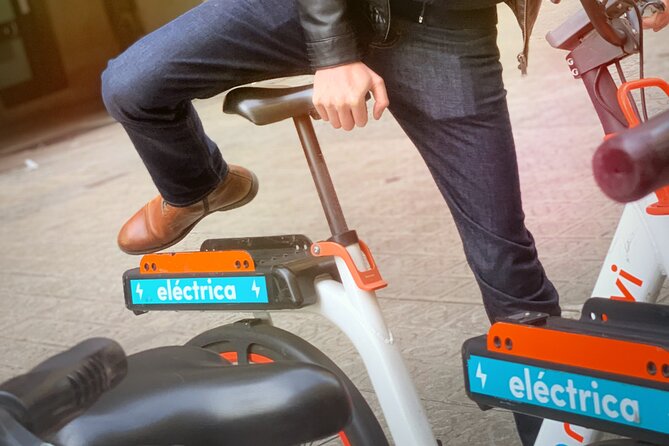
Even though bicycles aren’t included, the tour can still be bike-friendly because eBike rental is handled separately through the RideMovie application. That matters if you want to cover more ground without feeling exhausted.
If you’re walking the whole route, you’ll likely appreciate the structure. The stops are staggered across neighborhoods, with enough time at each location (roughly 15–30 minutes) to hear the planning points without dragging you through the city for hours at once.
If you’re considering an eBike, use the same strategy: listen first, then ride. The value of this tour isn’t just movement. It’s the ability to connect what the guide points out—like traffic access changes—to what you’re seeing while you move through the area.
Also, this tour is described as near public transportation, which helps if you want to start early, or if you need an easy way to connect to the rest of your day after the route ends at Poblenou.
From the feedback I’ve seen, the guide and format really shape the experience. Names like Onno and Yannis show up in people’s notes as part of why the tour feels easy to follow—especially when it focuses on city planning and government choices without making it sound like a textbook.
Price and Value: When $210.28 Actually Makes Sense
Let’s talk value in real terms. $210.28 per person is not a casual “grab-and-go” price. You’re paying for:
- An expert guide
- A focused route across distinct planning zones
- A private tour/activity format (so you aren’t squeezed into a crowded group experience)
- English delivery, plus mobile ticket convenience
- The possibility of group discounts depending on your setup
So when does it feel worth it? If you want to understand Barcelona as a living system—how streets get redesigned, how neighborhoods get prioritized, and how old areas become new ones—this is the kind of tour that rewards your attention.
If you’re only in town for quick photo stops and you don’t care about the logic behind street changes, you might decide it’s too specialized for your style. But if city planning clicks for you, the route gives you multiple angles on the same theme: making space for daily life.
Also, if you like tours where the guide explains the why, this one fits. Several people highlight how it changed their perspective, especially around superblocks and the idea that planning decisions can make city life feel more livable.
Who This Tour Fits Best (and Who Should Skip It)
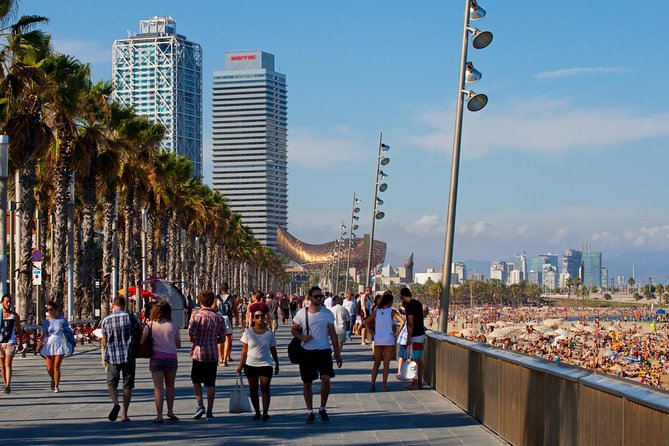
This Barcelona urban planning tour is a strong match for you if you:
- Like architecture, urban design, and how policies show up in the street
- Want a smarter way to see Barcelona beyond the usual monument checklist
- Enjoy guided explanations you can connect to what you’re standing next to
- Travel with a group that benefits from a private format
It may be less satisfying if you:
- Prefer slow, single-attraction sightseeing
- Don’t enjoy talking through planning and governance concepts
- Need long stops for deep exploration, because some segments are intentionally short
Should You Book This Barcelona Smart-City Tour?
I’d book it if you’re curious about how Barcelona is trying to make everyday movement better—through superblocks, traffic redesign on axes like Consell de Cent, and district changes in 22@. The route covers both the human-scale idea and the big redevelopment scale, and that mix is what makes it interesting.
If you’re on the fence, here’s a practical test: do you enjoy learning why streets work the way they do? If yes, you’ll likely come away with a new way of walking Barcelona. If not, you may prefer a more classic sights-first tour.
One last timing thought: since this gets booked about 81 days in advance on average, don’t wait until the last minute if your schedule is tight.
FAQ
How long is the Barcelona Urban Planning Tour?
The tour runs for about 2 to 4 hours.
Where does the tour start and end?
It starts at El Gato de Botero on Rambla del Raval, s/n (Ciutat Vella) and ends at El Parc i la Llacuna del Poblenou in Sant Martí.
Is the tour in English?
Yes, it’s offered in English.
Is bicycle or eBike use included?
Use of a bicycle is not included. eBike rental is available but you pay separately through the RideMovie application.
How long are the stops?
Stops range from about 15 minutes to about 30 minutes, including a 20-minute start stop at Rambla del Raval.
Is the tour private?
Yes. Only your group will participate.
Are the admissions at stops included?
Admission tickets for the listed stops are free.
Is free cancellation available?
Yes. You can cancel up to 24 hours in advance for a full refund.