REVIEW · BARCELONA
Barcelona: “The Cathedral of the Sea” Literary Walking Tour
Book on GetYourGuide →Operated by ICONO Barcelona · Bookable on GetYourGuide
Barcelona turns into a novel on foot. This 2–3 hour literary walk links The Cathedral of the Sea to real places in the Ribera and Gothic Quarter, ending near Plaça Nova. You’ll also learn why Santa Maria del Mar mattered so much to the city’s 14th-century makers.
I love the way the tour makes Santa Maria del Mar feel like more than a landmark. It’s focused on the construction of Santa Maria del Mar, presented as the apogee of Catalan Gothic art, and tied directly to the fishermen who paid and built it. I also love that the guide can be very engaging in English and other languages, and one guide named Cristina specifically gets called out for keeping people hooked from the first minute.
The main thing to plan for is timing uncertainty. There’s at least one documented case where the tour was canceled or the guide didn’t arrive, so I recommend checking day-of updates and having a backup idea if you’re on a tight schedule.
In This Review
- Key Highlights You’ll Actually Feel
- Getting Started at Placa Santa Maria del Mar (and Why the Red Umbrella Helps)
- Turning The Cathedral of the Sea into Barcelona You Can Walk Through
- Stop 1: Santa Maria del Mar—More Than a Photo Stop
- Barri de La Ribera Walk: Where the Novel’s Neighborhood Energy Lives
- Museu d’Historia de Barcelona Photo Stop: Useful Context in a Short Window
- Gothic Quarter Guided Tour: Seeing the City Like a Storyboard
- Old City Barcelona Visit: Finishing Strong Near Plaça Nova
- Price and Value: What $345 per Group Really Means in Barcelona
- Languages, Group Size, and Pacing: How the Tour Fits Your Day
- Practical Tips to Make It Click (Fast)
- Who Should Book This Tour (and Who Might Not Love It)
- Should You Book It?
- FAQ
- How long is the Cathedral of the Sea literary walking tour?
- Where do I meet the guide, and where do we end?
- What languages are available for the live guide?
- What is included in the price?
- Is the tour wheelchair accessible?
- Do I need to pay upfront, and what’s the cancellation window?
Key Highlights You’ll Actually Feel
- Story-to-street connections as you walk scenes tied to The Cathedral of the Sea
- Santa Maria del Mar explained as the peak of Catalan Gothic art
- Ribera and Gothic Quarter explored with a guided format that keeps moving
- Museu d’Historia de Barcelona used as a quick photo-and-context stop
- Small-group style (up to 15 per group) plus private tour options
Getting Started at Placa Santa Maria del Mar (and Why the Red Umbrella Helps)
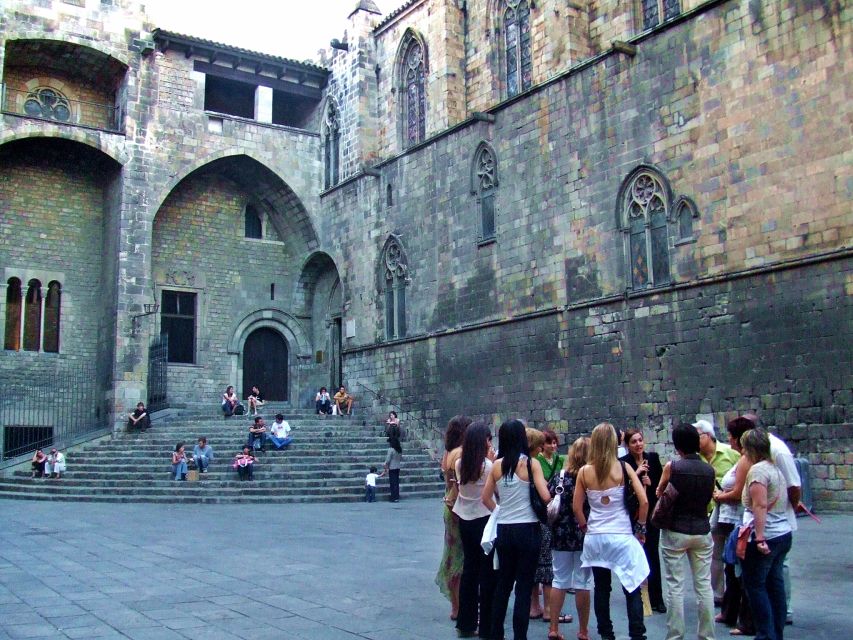
Your tour starts at Placa Santa Maria del Mar, and the guide will be holding a red umbrella. That detail matters more than you’d think. In Barcelona, where streets can feel like a maze when you’re hungry and carrying a map, a visible meeting point saves time and stress.
Plan on 2–3 hours, with exact starting times depending on availability. This tour is paced like a walking experience first, and a history lesson second. You’ll need comfortable shoes, because you’ll be moving through older neighborhoods where the streets aren’t built for slow strolling.
Language options are straightforward: the official guide can work in Spanish, English, and French. So if you’re traveling with mixed-language friends, you’re not stuck splitting groups just to understand the story.
At the end, the tour returns back to the meeting area. There are also two drop-off locations listed at Plaça Nova, which is useful if you’re trying to connect to another plan right after the tour.
You can also read our reviews of more walking tours in Barcelona



Turning The Cathedral of the Sea into Barcelona You Can Walk Through
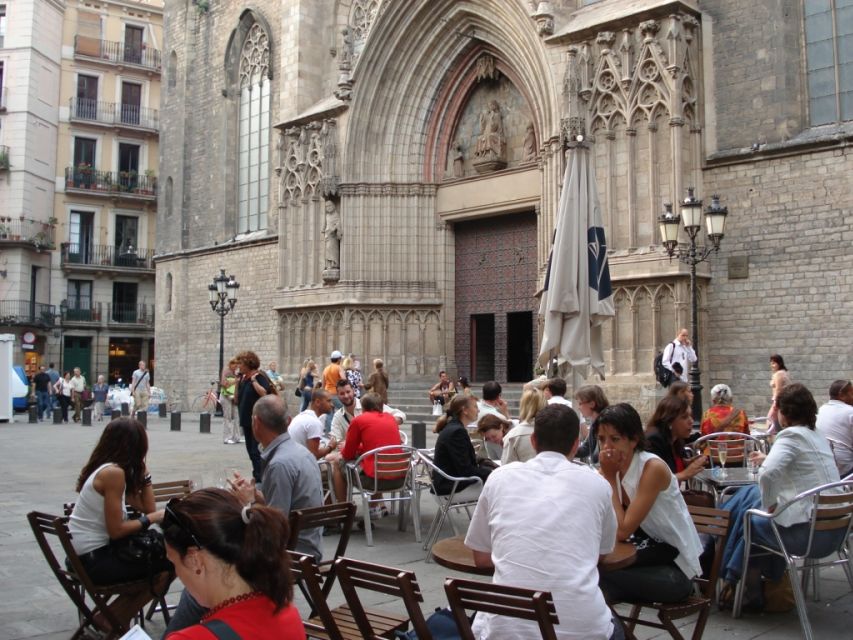
This isn’t a generic “see the sights” walk. It’s built around scenes from the bestseller set in the 14th century, using the streets of Barcelona as your map. The idea is simple: you follow the novel’s events, then you look at the real locations those events are associated with.
The tour frames 14th-century Barcelona as a prosperous city that had already grown before the coast. That context is important because it changes how you view the neighborhoods you’re walking through. Instead of treating the Gothic streets as just old and pretty, you start to connect them to why people would build there and what they needed.
You also get the specific backstory behind Santa Maria del Mar: a humble fishermen’s district decided to build the largest temple that had ever existed, using their own money and effort. That’s a powerful lens. It makes the monument feel like a community project, not a random monument someone important commissioned.
The tour also includes a literary moment tied to a wider Spanish geography. You’ll hear about Bernat’s discovery of the sea from the top of Collserola Mountain, and the ancient Roman road connecting Empúries to Tarragona. Even if you’re not a hardcore literature fan, this kind of framing helps you understand how the novel imagines movement—through land routes and then toward the endless sea.
Stop 1: Santa Maria del Mar—More Than a Photo Stop
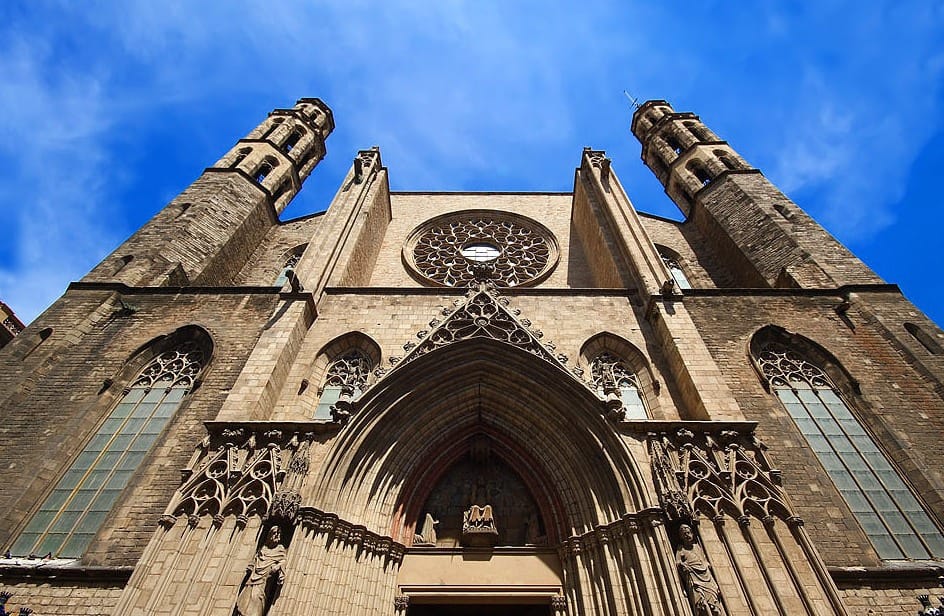
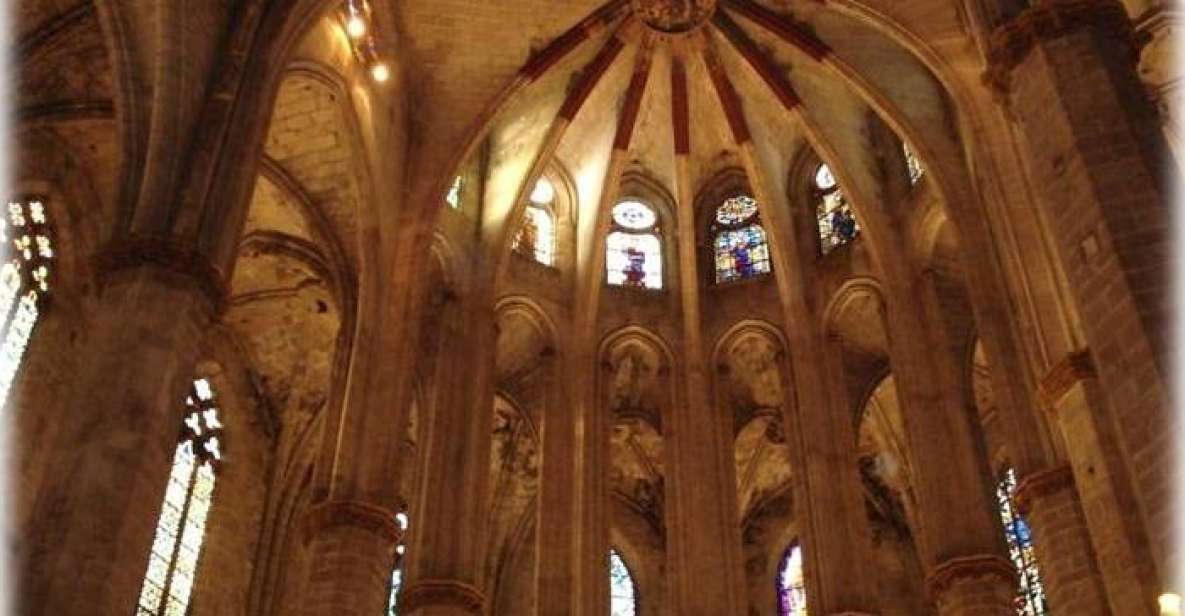
Your first stop is Basílica de Santa Maria del Mar. This is the anchor of the whole tour, and it’s placed first for a reason. When you start with the church that the story centers on, everything that comes later has a clear “why.”
The tour focuses on learning about the construction of Santa Maria del Mar, and specifically calls it the apogee of Catalan Gothic art. That phrase might sound a bit like museum language, but in practice it keeps the walk grounded. You’re not just seeing buildings—you’re being guided to understand the monument’s significance in the Catalan Gothic tradition.
Because you start at the basilica, you can also orient yourself for the rest of the neighborhoods. If you like having your bearings early, this setup helps. It also means you’re seeing the story’s “big idea” at the beginning, not after you’ve already walked past the hardest-to-place details.
Barri de La Ribera Walk: Where the Novel’s Neighborhood Energy Lives
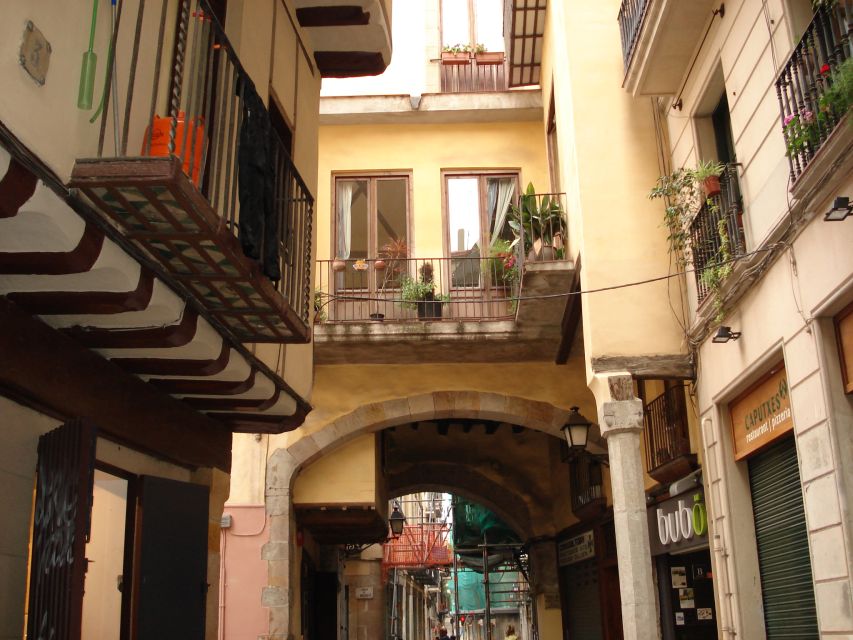
After Santa Maria del Mar, you move into the Barri de La Ribera for a walk. The tour presents this area as part of the Barcelona that feels almost untouched by time—especially if you’re the type who likes small streets and the feeling of old city layers.
The Ribera segment is where you can really feel the tour’s storytelling style. Instead of listing dates, you’re walking with scenes in mind. That means you’ll notice how the neighborhood layout supports the vibe the novel needs: narrow routes, old building lines, and a sense of being inside the past.
The Ribera part also gets described as a place with mysteries, and that’s a good match for the tour’s tone. If you enjoy learning how everyday places can carry dramatic events, you’ll probably like this stop.
Practical note: the Ribera walk is a walking portion, not a sit-down museum block. If you’re visiting on a hot day or you’re not used to city walking, pace yourself and keep an eye on your feet. Good shoes matter here.
Museu d’Historia de Barcelona Photo Stop: Useful Context in a Short Window
Stop 3 is Museu d’Historia de Barcelona, listed as a photo stop. That word matters: you’re not committing to a full museum visit.
For many people, that’s actually a smart trade. It gives you a quick sense of place and provides context without eating up the whole tour duration. If you’re trying to balance a literary walk with the rest of your day—maybe you want lunch, maybe you want beach time later—this kind of photo stop keeps the schedule on track.
Even though it’s brief, a photo stop can still be valuable. It helps you remember where you were and makes it easier to connect what you learned to the broader city. You might find yourself looking at photos later and thinking, That’s where the story’s energy shifted.


Gothic Quarter Guided Tour: Seeing the City Like a Storyboard
The Gothic Quarter segment is a guided tour, which usually means you’ll get more explanation here than during the simple walking parts. It’s also the part of the route most likely to feel like you’re stepping through a filmed scene.
This section is tied to the tour’s main theme—walking in the footsteps of characters from The Cathedral of the Sea. That approach changes what you look for. Instead of scanning for the “most famous” facade, you may start noticing street corners, narrow passageways, and how different areas connect.
The Gothic Quarter is also one of the easiest places to feel like you’re lost without guidance. Having a guide matters most when streets look similar. With direction and story prompts, your brain builds a map faster. That’s one reason this kind of guided walk can feel better than doing the neighborhood on your own and hoping you pick up all the right details.
Old City Barcelona Visit: Finishing Strong Near Plaça Nova
The tour rounds out with an Old City visit. This is the “tie things together” part. If you’ve been thinking the whole time about why certain places matter in the novel, this section helps you land your understanding and shift back into modern Barcelona without losing the 14th-century thread.
You’ll also finish with drop-off locations at Plaça Nova (listed twice as two locations, but the key practical takeaway is that Plaça Nova is where you end up). Plaça Nova is a convenient exit point if you want to keep exploring afterward, grab food, or transfer to another area.
Price and Value: What $345 per Group Really Means in Barcelona
The price is $345 per group, up to 15 people. That pricing model is the big value lever here. If you’re traveling with a small group, you’re often paying far less per person than you’d expect from a guided tour, especially in central Barcelona where private guiding can get pricey fast.
It’s also a “short duration, high payoff” format. 2–3 hours is long enough to walk through multiple neighborhoods and learn the story connections, but short enough that you’re not losing an entire day to one activity. For many visitors, that balance is where the value lives.
There’s also private group available, which is worth considering if you want the story focus but with less group pacing. In a private format, you can ask more questions and adjust the walk to your interest level—whether you care more about the novel plot links or more about Santa Maria del Mar’s role as Catalan Gothic’s peak.
Languages, Group Size, and Pacing: How the Tour Fits Your Day
You can choose Spanish, English, or French for the live guide. That keeps the tour accessible if you don’t speak Spanish. It also matters for comprehension: the point isn’t to see buildings—it’s to understand the 14th-century storyline behind them.
Because the group size can be up to 15, you’ll likely get a lively pace and some interaction, without feeling like you’re swallowed by a huge crowd. That sweet spot often makes walking tours feel more personal.
Timing-wise, starting times depend on availability. If you have plans right after the tour, look at your schedule early. You finish at/near the meeting point and with Plaça Nova drop-offs, so you can usually connect to the rest of your itinerary without going out of your way.
Practical Tips to Make It Click (Fast)
Here’s how to get the best experience out of this kind of literary walking tour:
- Arrive at Placa Santa Maria del Mar early enough to spot the red umbrella. You’re starting with a clear anchor point, but you still don’t want to be rushing.
- Wear comfortable shoes. The tour is built on walking through historic streets.
- If you know the book well, you’ll notice more. If you don’t, you can still enjoy it. The story framing gives you a reason to pay attention.
- Keep a flexible mindset about pacing. The format is 2–3 hours, and the value is in following scenes step by step.
One caution: there’s at least one documented case where a tour was canceled or the guide didn’t arrive. I handle that by checking updates before you head out and having a simple backup idea for what you’ll do if the start time slips.
Who Should Book This Tour (and Who Might Not Love It)
I think this tour is ideal if you fall into one of these buckets:
- You’re a fan of The Cathedral of the Sea (or you’ve started reading and want the setting in real space)
- You like historical walking tours that focus on a specific story rather than a general sightseeing checklist
- You want a structured look at the Ribera and the Gothic Quarter without getting lost
It may be less perfect if you mainly want landmark facts with no narrative link. The entire experience is guided by the novel’s 14th-century scenes and Santa Maria del Mar’s central role. If that story connection isn’t your thing, you might prefer a more general Gothic Quarter tour.
Should You Book It?
I’d book this tour if you want Barcelona that feels like a lived-in story. The biggest strength is that it ties the novel’s characters and events to real places, and you start with Santa Maria del Mar, so the whole walk has a strong center.
I’d think twice only if your schedule is painfully tight or you’re relying on this as your single guaranteed activity. Not because the tour is likely to go wrong, but because there is documented uncertainty around guide arrival in one case. If you can keep a little buffer, you’ll give yourself the best odds of a smooth, satisfying walk.
If you’re traveling with up to 15 people (or you can coordinate a small group), the $345 per group structure can be a great value for a guided, story-led way to see the Ribera and Gothic Quarter.
FAQ
How long is the Cathedral of the Sea literary walking tour?
It runs for about 2–3 hours. Starting times depend on availability.
Where do I meet the guide, and where do we end?
Meet your guide at Placa Santa Maria del Mar. They’ll be holding a red umbrella. The tour ends back at the meeting point, with drop-off locations listed at Plaça Nova.
What languages are available for the live guide?
The live guide is available in Spanish, English, and French.
What is included in the price?
The tour includes an official guide.
Is the tour wheelchair accessible?
Yes, the tour is listed as wheelchair accessible.
Do I need to pay upfront, and what’s the cancellation window?
You can reserve and pay later. Free cancellation is offered up to 24 hours in advance for a full refund.