REVIEW · BARCELONA
Barcelona: Rooftop Paella Cooking Class with Sangria
Book on GetYourGuide →Operated by Faca Bcn · Bookable on GetYourGuide
Cooking paella on a rooftop feels like cheating. You get to make a classic seafood paella from scratch, sip homemade sangria or vermouth, and eat what you cooked in the sunshine with a small group.
I especially like the hands-on format. You are not watching from the sidelines, you are working through the steps with a friendly host, including the sofrito, the broth, and the rice technique that makes paella work.
One thing to plan for: the rooftop setting means you will feel the sun. Bring what you need, and don’t assume the weather will be mild just because you are in the city center.
In This Review
- Key things I’d mark on your Barcelona food list
- Paella in Barcelona: The payoff is learning the rice rhythm
- Meeting by a small blue door, then you’re up on the roof
- The sangria or vermouth kickoff: a real local-style icebreaker
- Learning paella step by step: sofrito, broth, and the rice technique
- The rooftop meal: what’s included and how it lands
- The best part for couples, families, and solo food nerds
- Price and value: what $82 gets you for 2.5 hours
- After the rooftop: how to use the recipe without losing the technique
- Should you book this Barcelona Rooftop Paella and Sangria class?
- FAQ
- How long is the Barcelona rooftop paella cooking class?
- Where do I meet for the class?
- Is the cooking hands-on or just a demonstration?
- What will we cook?
- What is included in the price?
- What languages are offered?
- Is hotel transfer included?
Key things I’d mark on your Barcelona food list
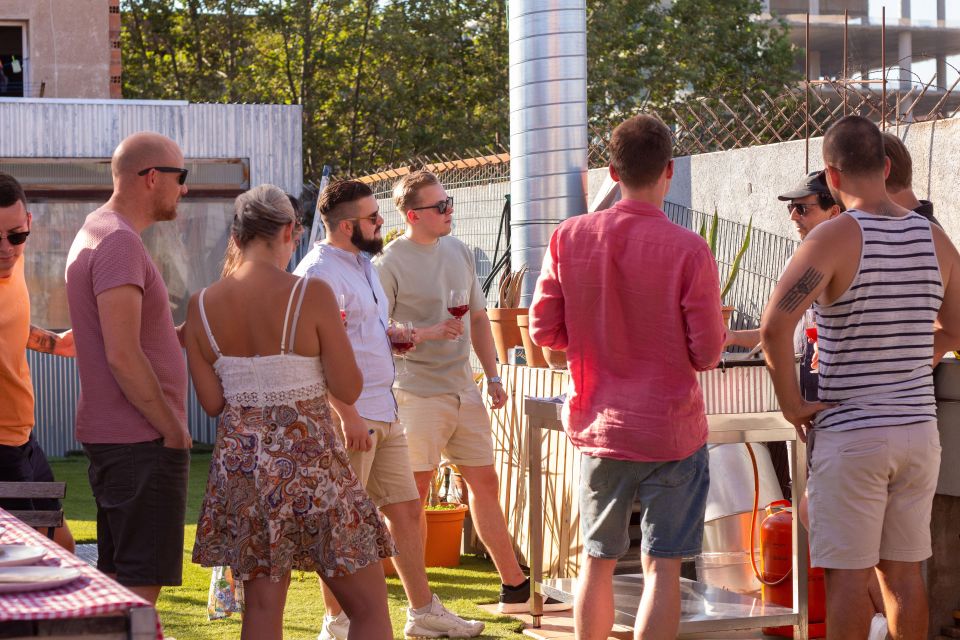
- Hands-on paella from scratch with step-by-step guidance (not a demo)
- Homemade sangria or vermouth to start, and you get to learn the flavor balancing
- Seafood paella focus, built around the real foundations: sofrito, broth, rice technique
- Shared meal in the sunshine right after cooking, with bread, olives, tomato salad, and fruit
- Recipes to take home so you can recreate the basics later
Paella in Barcelona: The payoff is learning the rice rhythm
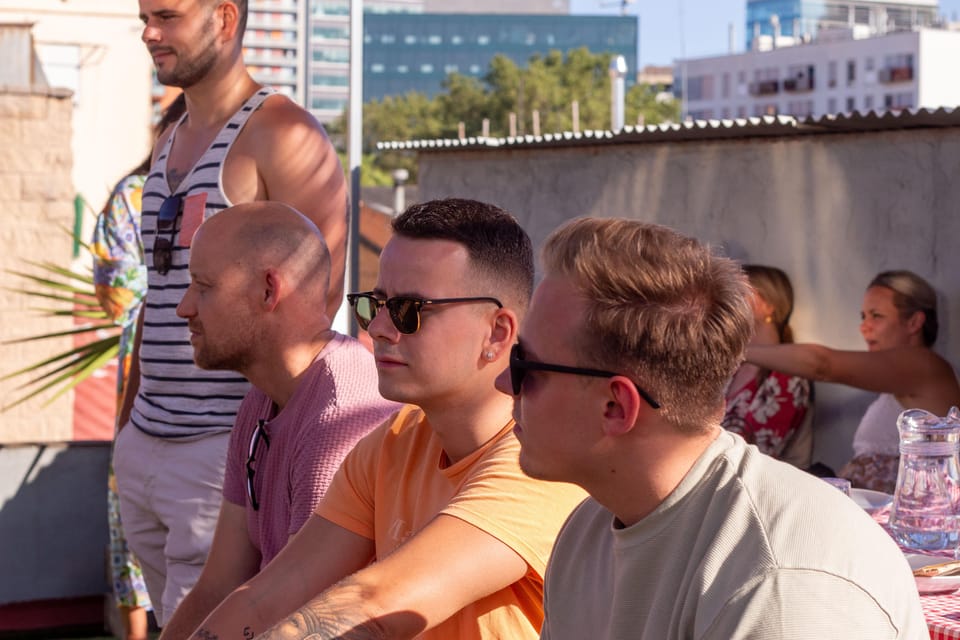
Paella has a reputation for being intimidating. Here, the trick is that you learn it in the order locals think about it: flavor base first, liquid and seasoning next, and then the rice technique that turns ingredients into paella. You start with context too, with your host explaining where paella comes from and how it fits regional traditions in Spain, so it is not just a cooking session, it is a story you can taste.
The best part for me is that you get to practice the steps yourself. When you cook the sofrito and build the broth, you stop guessing why some paellas taste deep and others taste flat. And when you work the rice stage under guidance, you understand what to watch for rather than just memorizing a recipe.
You will be making a traditional Spanish seafood paella, so expect the class to keep its eyes on what makes this style work: the base flavors, the right timing, and the way the rice absorbs and sets.
You can also read our reviews of more cooking classes in Barcelona
Meeting by a small blue door, then you’re up on the roof
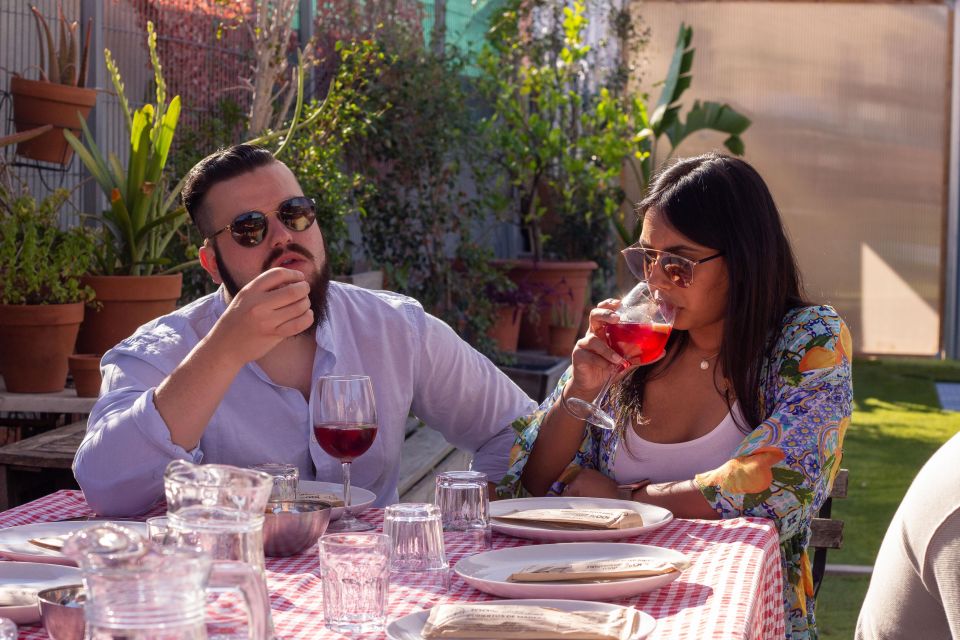
The experience begins at a simple street-level meet-up: look for a small blue door. The activity provider will meet you there and walk you to the rooftop kitchen, so you do not have to figure out the logistics on your own.
Because there is no hotel transfer included, you should plan to get yourself to the meeting point on public transit, taxi, or on foot. In a city like Barcelona, that is usually easy, but it does matter if you are arriving late or carrying lots of luggage.
Timing-wise, you are looking at about 2.5 hours total. That is perfect for a food activity that does not swallow your whole evening, especially if you already plan to do tapas or sightseeing the rest of the day.
What to bring is also very straightforward. Pack sunglasses, a sun hat, and sunscreen. Rooftops can shift fast with light and wind, and the class involves enjoying the paella outside or in an open-air rooftop kitchen setup.
The sangria or vermouth kickoff: a real local-style icebreaker
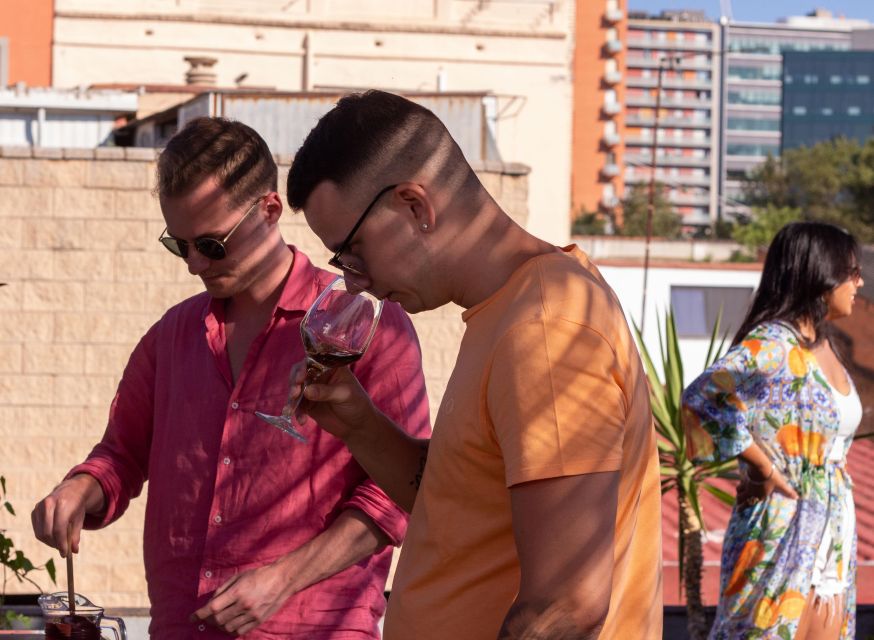
Before the paella hits the pan, you start by making something to sip. Depending on the session, you will prepare homemade sangria or make vermouth, and it is not just mixing for flavor points. Your host explains the idea behind the balance—how fruit, wine, and overall flavor work together—so you can understand what you are tasting instead of treating it like a sugary welcome drink.
This is also where the group energy clicks. Instead of everyone staring at their hands while the instructor talks, you are actively involved and chatting. That social start shows up again later at the table, because the paella meal is shared right after cooking.
If you are hoping for a class that feels more like a friend’s dinner plan than a scripted tour, this sangria or vermouth start is part of why it works.
Learning paella step by step: sofrito, broth, and the rice technique
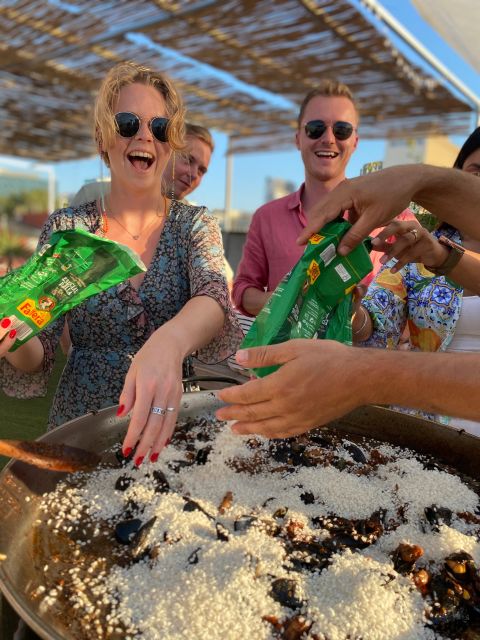
Once you get the drink going, your host brings in the deeper background. You will get the history of paella and its regional traditions, plus a tour of the key ingredients that make an authentic version. It stays practical—enough story to make the food make sense, not so much lecture that you lose the hands-on momentum.
Then comes the cooking. This is fully hands-on, which means your group is not just passing ingredients. You are working together in a small team, with the host guiding you step by step so you know what you are doing and why.
Here are the core learning targets you should expect:
- Making sofrito (the flavor base)
- Preparing the broth (so the rice cooks in something worth tasting)
- Mastering the rice technique (the crucial part that turns ingredients into paella)
This structure matters because it teaches you the logic of paella, not just the final dish. Sofrito and broth build the flavor. Rice technique turns that flavor into texture. If you only memorize steps, you end up with paella that looks right but eats wrong. If you understand the order and the purpose of each part, your results improve fast.
You will also keep sipping as the paella cooks. That is a subtle but important detail: you are not rushed from station to station. You have time to talk, ask questions, and relax while the dish reaches readiness.
The rooftop meal: what’s included and how it lands
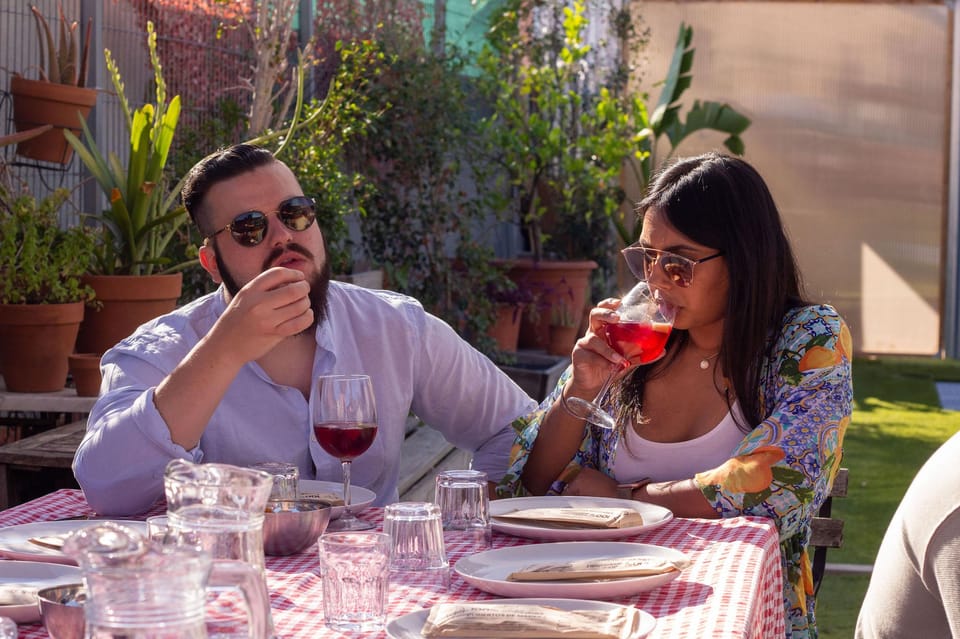
When the paella is ready, your group sits down together to eat what you cooked. The vibe is simple and social: you share the same meal you worked for, and the rooftop setting makes it feel like a special occasion without being stiff.
The included meal setup is built for a full Spanish-style bite:
- Bread, olives, and tomato salad
- Seafood paella
- Fresh fruit
- Sangria and vermouth (plus water)
- An apron
- A recipe you can take home
Two food details are worth highlighting. First, you are eating with the fresh tomato and olive oil elements that show up in the tomato salad component, which helps the whole meal feel lighter against the richness of seafood paella. Second, you get a recipe at the end, so you do not leave with only memories—you leave with a way to repeat the experience.
Even if you are not a confident cook, this format makes success more likely. You are not trying to plate a complicated dish. You are building a foundation, cooking it under guidance, then enjoying the final results together.
You can also read our reviews of more tours and experiences in Barcelona


The best part for couples, families, and solo food nerds
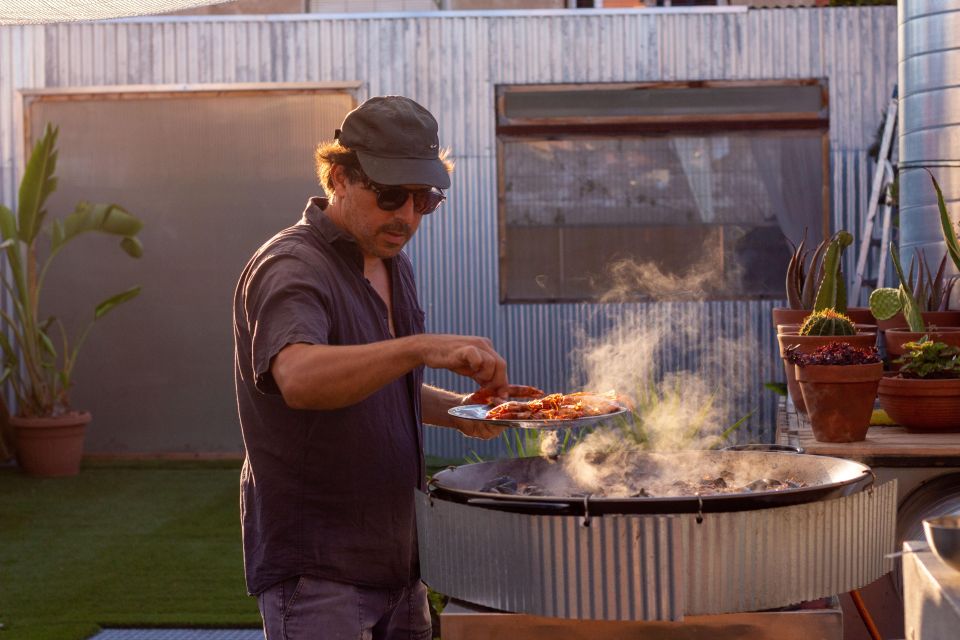
This class fits a lot of trip styles because it is both interactive and easy to join. If you are traveling as a couple, you get shared work at the stove, shared drinks, and a shared meal. If you are solo, you are not stuck watching everyone else—your group work keeps you involved, and the host keeps the conversation moving.
It also seems family-friendly in practice. People have done it with kids in the group, and the structure is flexible enough that younger travelers can participate without feeling like they are only there to snack.
Who I would not recommend it for: if you want a strictly quiet, museum-like experience or you hate being outside in the sun. Otherwise, if you like food, cooking, and conversation, this hits the sweet spot.
Price and value: what $82 gets you for 2.5 hours
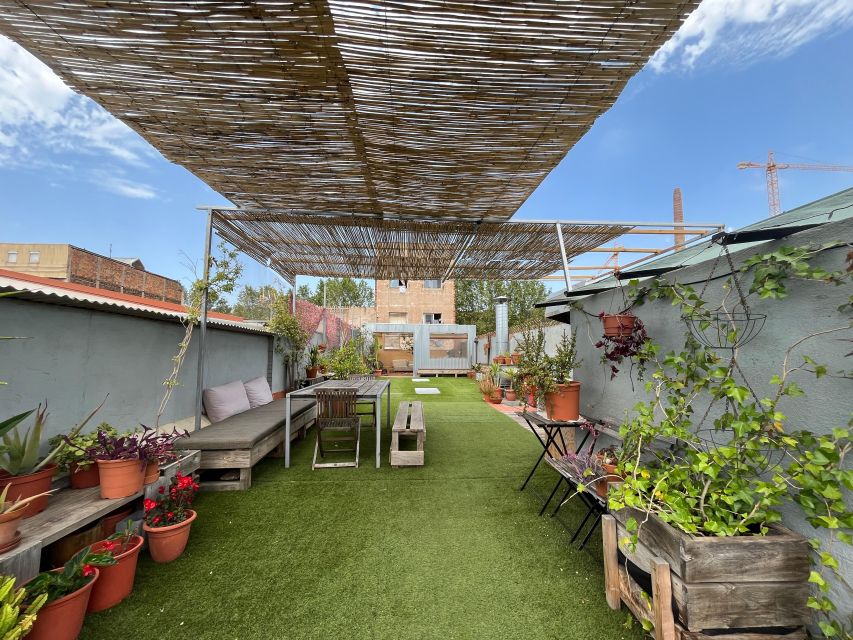
At $82 per person, this is not a bargain-basement activity. But it is also not just a drink-and-eat show. You are paying for several real components at once:
- A guided, hands-on cooking class
- Ingredients and tools for making the paella
- Homemade sangria or vermouth
- The full meal (paella plus sides and fruit)
- The practical recipe you receive afterward
If you were to buy the same amount of food and drinks in Barcelona, plus add a cooking instructor, the value starts to make sense. And because the class teaches the core technique—especially the rice part—you are also buying skills, not just dinner.
The only cost caveat is logistics: since hotel transfer is not included, you are responsible for getting to the meet-up point. If you are staying nearby or comfortable with transit, this is a minor issue. If you need door-to-door pickup, that is when you might feel the price more sharply.
After the rooftop: how to use the recipe without losing the technique
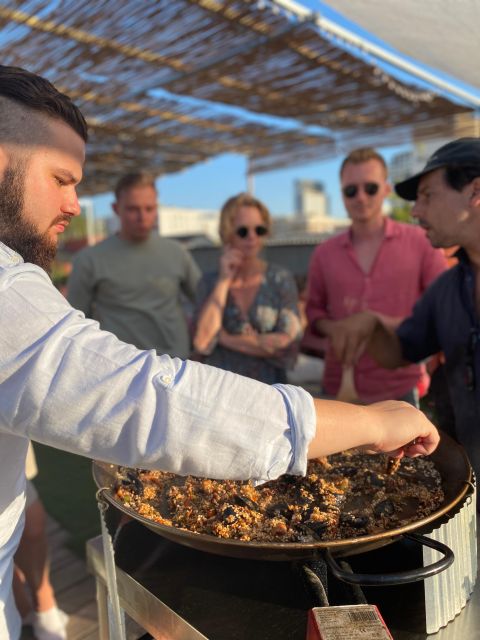
Your recipe and insider tips matter because they can turn a one-time meal into a repeatable skill. You will already have the structure drilled into you: sofrito, broth, and rice technique. That is the backbone you should look for when you cook again.
Here’s how I’d use what you learn:
- Follow the steps in the same order your host emphasizes, because paella is about timing and sequence.
- Treat the rice stage as the key moment. That is what the class spends time on for a reason.
- Use the recipe as a guide, but keep the technique in mind rather than trying to make every variable identical.
Also, you will likely remember the flavor balance you learned in the drink part, because homemade sangria or vermouth does not taste like bottled versions. That matters at home too: you will know to think about fruit, wine, and overall flavor balance, not just the sweetness level.
Should you book this Barcelona Rooftop Paella and Sangria class?
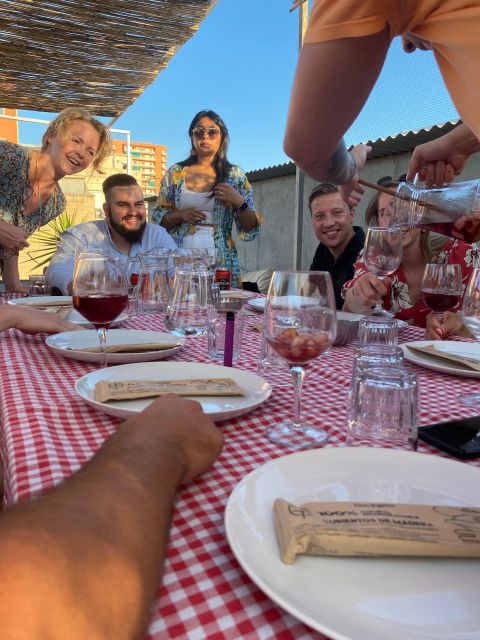
Book it if you want an authentic-feeling Barcelona food moment that mixes hands-on cooking with a relaxed rooftop setting. It is a great choice when you like learning technique, not just eating something tasty. The combination of making seafood paella from scratch and ending with the shared meal, plus sangria or vermouth, is a strong value for the time.
Skip or choose something else if you get uncomfortable in sun and open-air conditions. Also consider it if you need transfer support, since you will make your own way to the meet-up point.
If your goal is one memorable evening that is not just another meal out, this is the kind of experience that pays off for weeks afterward—because you leave with a method you can actually try again.
FAQ
How long is the Barcelona rooftop paella cooking class?
It lasts about 2.5 hours.
Where do I meet for the class?
Look for a small blue door. The provider will meet you there and walk you to the rooftop.
Is the cooking hands-on or just a demonstration?
It is fully hands-on, and you cook from scratch with guidance from your host.
What will we cook?
You’ll prepare a traditional Spanish seafood paella from scratch, and you’ll also make homemade sangria or vermouth at the start.
What is included in the price?
Bread, olives, and tomato salad; seafood paella; fresh fruit; sangria; vermouth; water; an apron; and the recipe.
What languages are offered?
The instructor speaks English and Spanish.
Is hotel transfer included?
No, hotel transfer is not included.