REVIEW · BARCELONA
Barcelona: Poble Espanyol Entry Ticket
Book on GetYourGuide →Operated by POBLE ESPANYOL BARCELONA · Bookable on GetYourGuide
Poble Espanyol feels like Spain in one walk. I love how it turns Spanish architecture into something you can wander street by street, and I also like the craftsmanship angle—watching traditional trades at work makes the whole place feel real. One catch: parts of the site (shops and cafés) can be closed depending on the day and season, so build in some flexibility if you’re planning a longer lunch break.
What makes this ticket worth your time is that you’re not just looking at buildings—you get museum access, audiovisual shows (Feeling Spain and Fiesta!), and a dedicated photo exhibition about the site’s construction. Add the panoramic views from Montjuïc, plus a kids area with giant slides, and it’s a solid 1-day plan when you want culture without the center-city chaos.
In This Review
- Key things you’ll notice fast
- Why Poble Espanyol feels like a smart escape from the city
- The 1929 village: 117 buildings made for walking
- Craft workshops: where the architecture gains a heartbeat
- Fran Daurel Museum: contemporary art inside an old-school setting
- Panoramic views and the photo exhibition that explains the place
- Practical plan: how to time your 1-day visit without rushing
- Food, shops, and souvenirs: what’s worth your time (and what to watch)
- Accessibility and family fit: when it works well
- Price and value: is $15 a good deal here?
- Should you book this Poble Espanyol entry ticket?
- FAQ
- How long is the Poble Espanyol experience with this ticket?
- What’s included with the entry ticket?
- Is the audio guide or video guide included?
- What are the opening hours?
- Is Poble Espanyol wheelchair accessible?
- Are unaccompanied minors allowed?
Key things you’ll notice fast
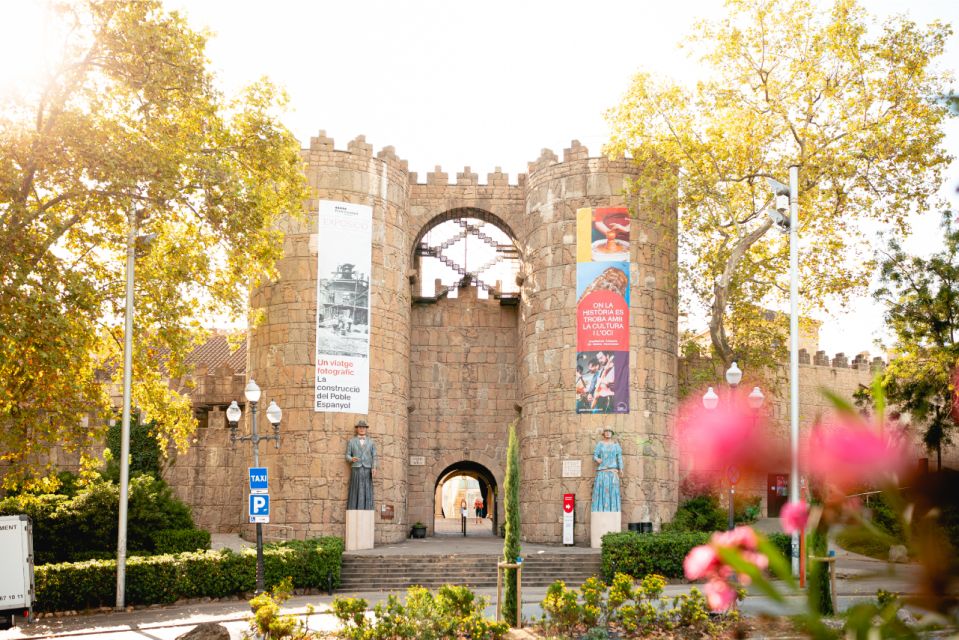
- A whole Spanish town, built as replicas: 117 buildings preserving styles from different regions
- Craft workshops you can watch: glass, leather, and ceramics at work
- Fran Daurel Museum on site: contemporary art with names like Picasso, Dalí, and Miró
- Big views from Montjuïc: a reason to go up even if you think you’ll only stay briefly
- Family-friendly breaks: giant slides and a children’s area keep young kids happy
Why Poble Espanyol feels like a smart escape from the city
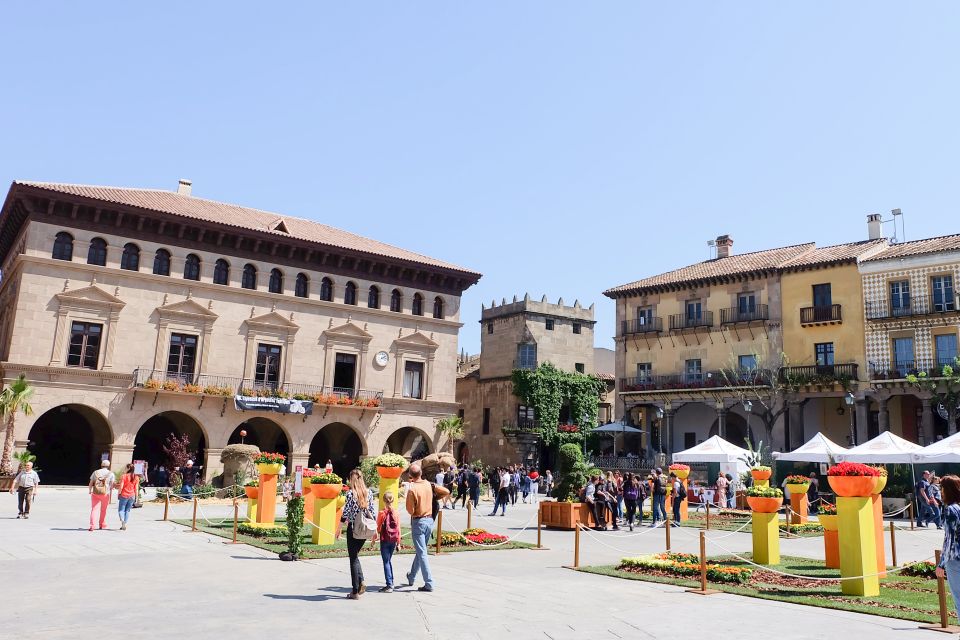
Poble Espanyol sits in Montjuïc, and that changes the mood immediately. This is a green, open-air spot with roughly 40,000 m² of space, so you can breathe. It’s also a nice alternative when you want something cultural, but you don’t want Barcelona’s main sights to swallow your whole day.
The ticket is also unusually “complete” for an entry option. For one set price, you get entry, museum access, and multiple on-site features—especially the audiovisual shows and the photographic construction exhibition. That matters because a lot of open-air attractions turn into a simple walk unless you plan your stops. Here, you can slow down and still feel like you’re doing something.
Value-wise, the $15 price is less about paying for a building and more about buying time in a curated environment that mixes architecture, art, and craft. If you’re the type who likes to understand what you’re seeing (instead of just taking photos), this place will click.
You can also read our reviews of more tours and experiences in Barcelona
The 1929 village: 117 buildings made for walking
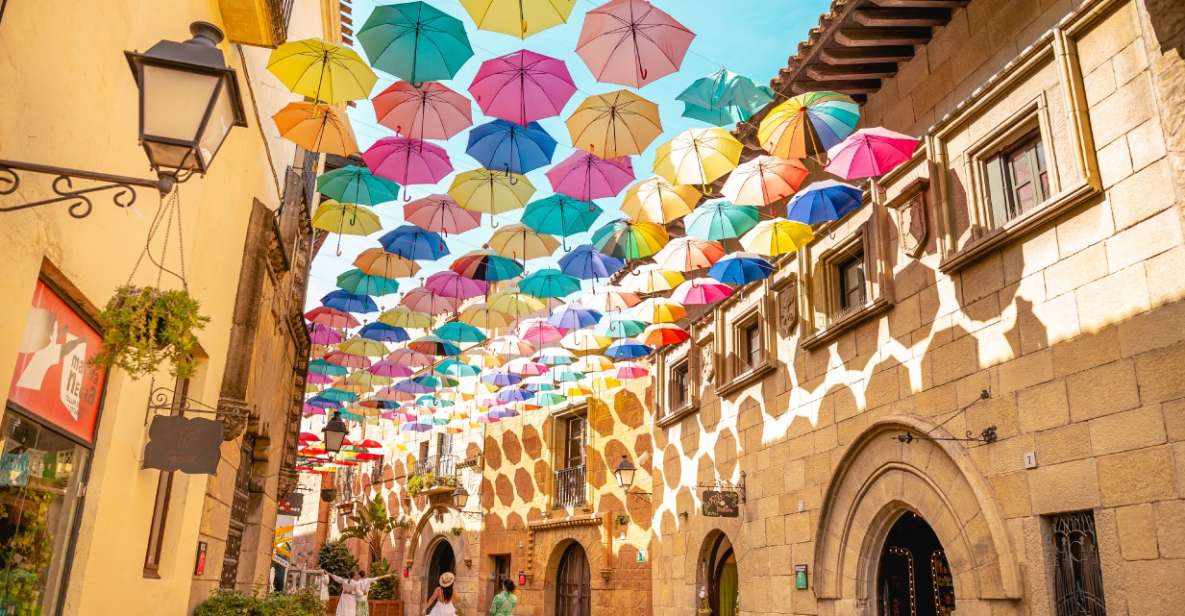
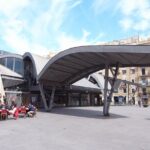
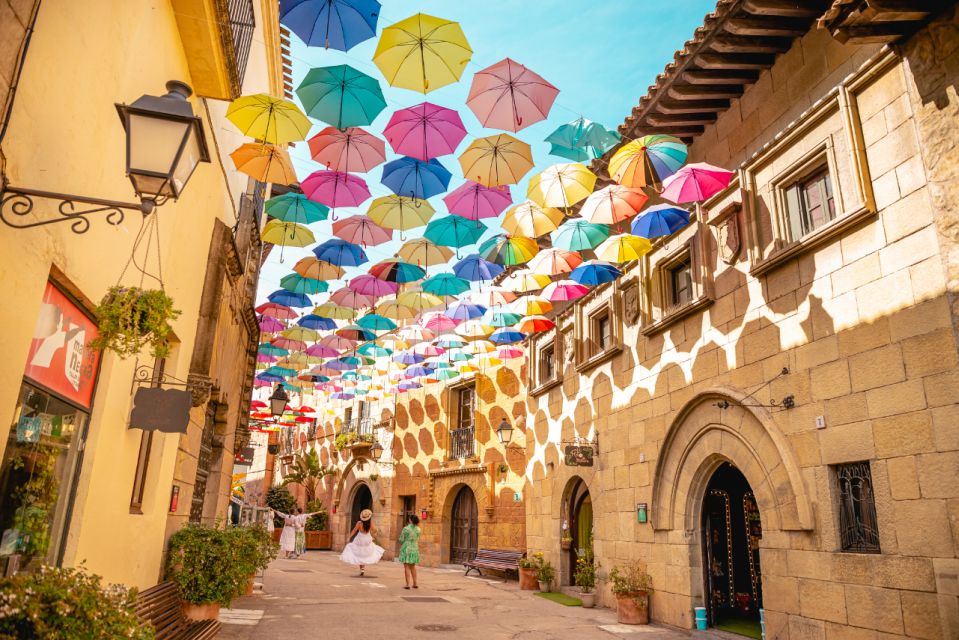
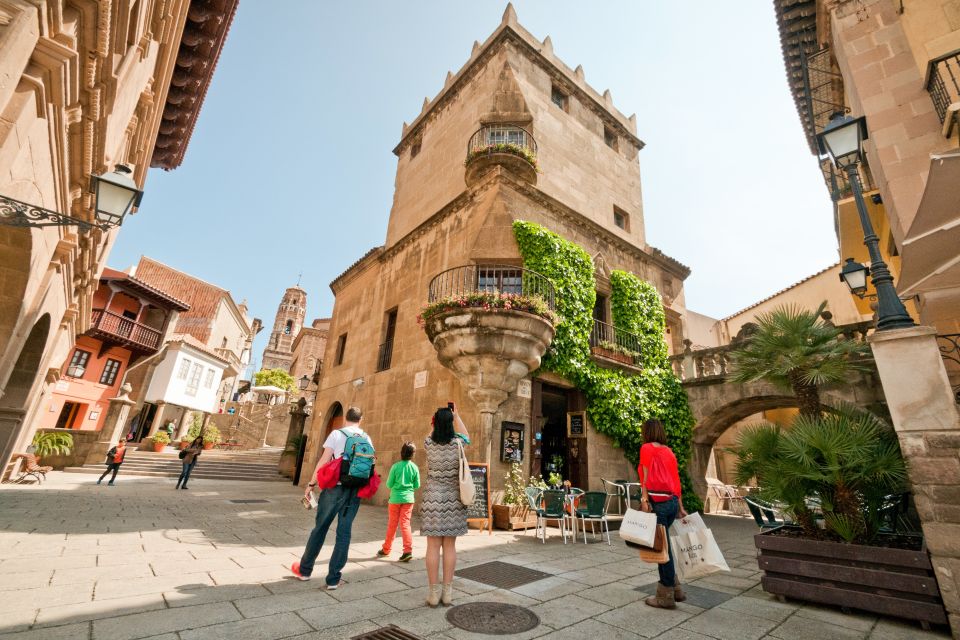
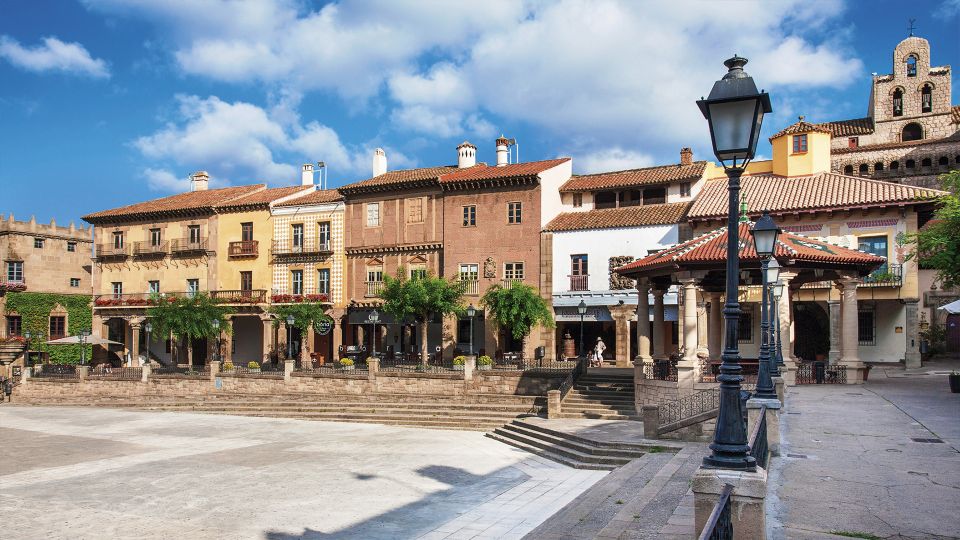
Poble Espanyol was built in 1929 for the International Exhibition, and the design philosophy is clear: show Spain through architecture. The streets are replicas, but they aren’t random decoration. As you move around, you can see how different styles appear across the site—described here from Romanesque to Baroque—so you’re not just wandering; you’re comparing.
I like that the layout encourages pacing. You’ll end up walking longer than you expect because every turn gives you a new façade, balcony style, doorway detail, and “this looks like ___” moment. It’s the kind of place where you can go at your own speed: 90 minutes if you’re efficient, or 3–4 hours if you stop often (shops, workshops, museum rooms, and viewpoints).
One practical note: you’re going to climb. Reviews mention a steady uphill walk from the metro, and there are lots of steps to reach different areas. If you’re choosing between “see this” and “take it easy,” plan around your energy level—especially if you’re traveling with kids or anyone with mobility limits.
Craft workshops: where the architecture gains a heartbeat
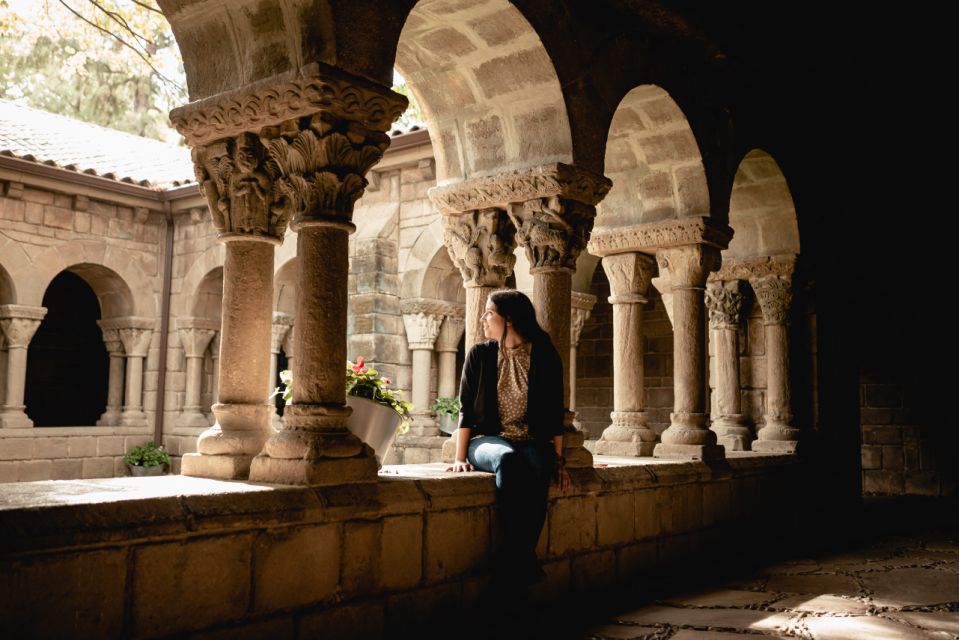
A big reason to choose Poble Espanyol is that it’s not only built for viewing. It’s also a working craft center. You can enter workshops to watch masters working, with trades highlighted like glass, leather, and ceramics.
Even when you don’t join an extra hands-on activity, watching the process turns the architecture into context. You start thinking about materials, tools, and how design connects to craft—how a doorway detail or a tiled façade relates to the kind of making that still happens today.
If you’re hoping for the workshops to be running, timing matters. The site’s hours vary seasonally, and some smaller places (including cafés and boutiques) may close at certain times. If your top priority is watching trades, aim for earlier in the day and don’t count on every shop to be open on your first glance.
Also, if you want a staff explanation that makes the place feel more human, I’d ask on site. One booking praised a guide named Adrianna for her energy—exactly the kind of approach that can turn a “walk around” into a real story about what you’re seeing.
Fran Daurel Museum: contemporary art inside an old-school setting
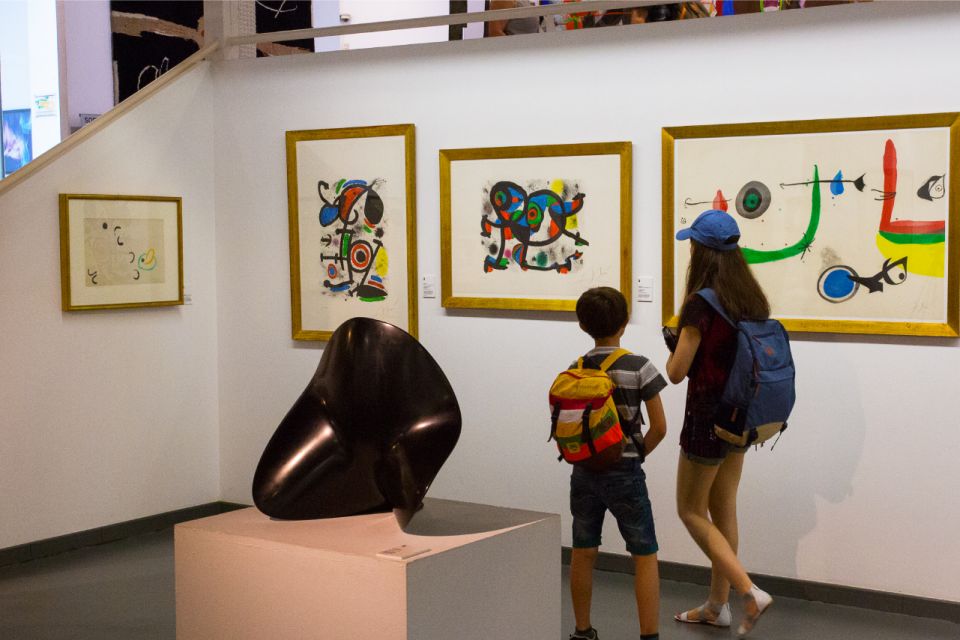
Poble Espanyol includes the Fran Daurel Museum, which focuses on contemporary art and calls out artists including Picasso, Dalí, and Miró. That contrast is part of the appeal: you’ve just been comparing historical styles in a reconstructed village, and then you step into a museum space with modern art weight.
If you’re the kind of person who assumes museums in open-air places are small add-ons, this is a place where you might be surprised. The museum has been described as larger than expected, and that’s meaningful. It means you can take a breather from sun and stairs and still feel like you used your ticket efficiently.
There’s also an on-site audiovisual program that helps tie it together—Feeling Spain and Fiesta! Both are designed to give you cultural context without needing a long guided tour. If you’re trying to get your bearings fast, these shows can do that job.
Panoramic views and the photo exhibition that explains the place
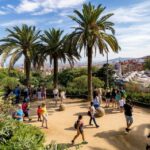
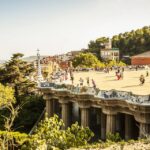
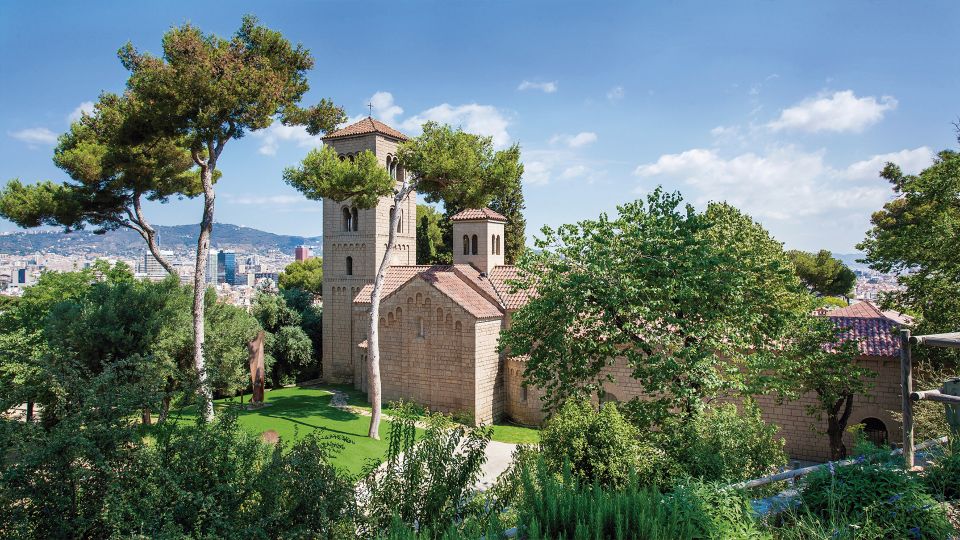
The panoramic views are one of the strongest “payoff” moments. You’ll climb and walk, and then you get a view over Barcelona that makes the whole Montjuïc effort feel worth it. It’s a classic travel move—earn the view—except here you also keep exploring while you’re waiting to see it.
Another smart included feature is A photographic journey. The construction of Poble Espanyol. This is the part that helps you understand what you’re walking through. When you know the site was built to preserve architectural heritage, you stop treating it like a theme park and start treating it like a historical preservation experiment with living craft.
There’s also a sense of events on site. The venue is described as a center with a schedule of concerts, exhibitions, and family activities. Even if you don’t plan your whole day around an event, you may catch something happening while you’re there.

Practical plan: how to time your 1-day visit without rushing
You have 1 day on the ticket, and the site is open long hours—general opening times run from 10 a.m. onward, with late hours from Tuesday to Sunday (until midnight) and Mondays until 8 p.m. The workshops and shops adjust by season, with workshop and shop hours provided for different months (for example, March–April and May–October have different closing times).
Here’s how I’d structure your day based on how the site works:
- Go early if you want a calmer walk. Reviews describe it as peaceful soon after opening, which also makes photos easier.
- Do the architecture loop first, before you get tired. That way, you still have energy for stairs and viewpoint areas.
- Plan crafts mid-day, when you’re ready to slow down and watch people work.
- Museum and audiovisual shows are great “in-between” stops when you want less stepping and more indoor time.
- Finish with views and a relaxed browse of shops, ideally when you’re not trying to cram everything.
If you’re pairing your day with Montjuïc’s other attractions, that’s a common combo. One review notes it’s about a 10-minute walk to the Montjuïc fountains, which means you can reasonably turn this into a half-day + fountains plan (or do both in the same general area).
Also, keep an eye on what’s open. Some people find lots of boutiques and cafés shut on certain days—especially Sundays. That doesn’t ruin the experience, but it does change how comfortable your day feels if you were counting on a sit-down lunch.
Food, shops, and souvenirs: what’s worth your time (and what to watch)
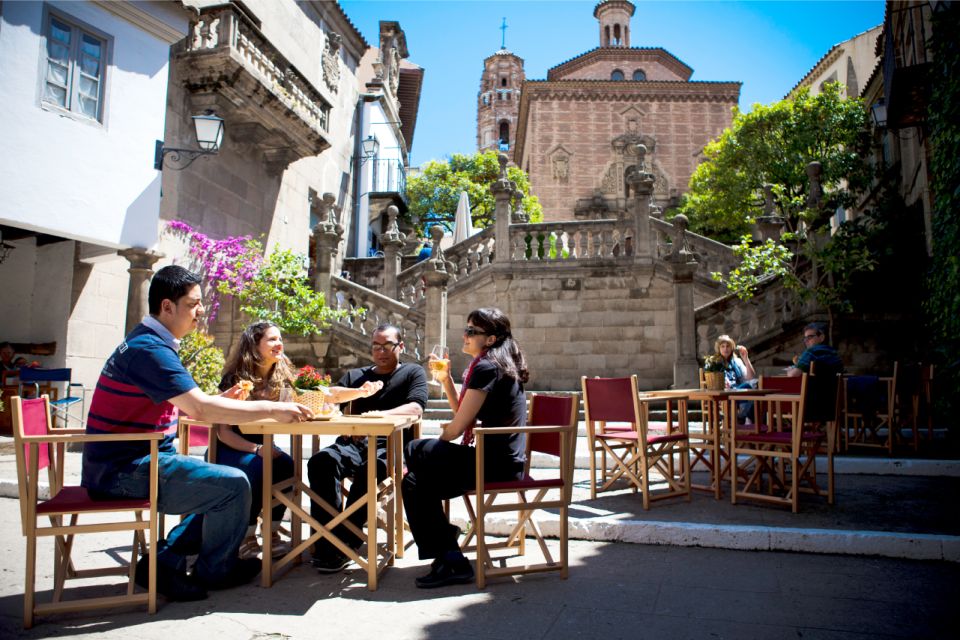
Poble Espanyol has bars, restaurants, terraces, and shops for local products. The best strategy is to treat it like a place to browse slowly rather than a quick grab-and-go mall.
A few review-based tips stand out:
- Shops can have good-value pricing compared to what you might expect in a tourist-heavy area.
- The site sells artisan-style wares, and many people enjoy that the selection feels varied—alongside craft workshops, it’s part of the same “making” theme.
- If a specific café or restaurant is closed during your visit, you still have alternatives on site, but don’t assume every option will be running.
If you’re thinking about souvenirs, this is the kind of place where “first shop syndrome” can happen—you see something great and you buy it immediately. Then you realize the next street has a similar item, or something better. One practical piece of advice from a booking: don’t overspend in the first shop. Take a lap first.
Accessibility and family fit: when it works well
The site is wheelchair accessible, which is a big plus when you want a cultural day without feeling locked out. That said, expect stairs and steps in several areas based on how the site is described and how people access different parts. If your group has mixed mobility needs, you’ll likely want to check your route and decide where you’ll spend extra time.
For families, it’s a natural win. There’s a children’s area with giant slides, and reviews describe plenty for kids to do. It also helps that the environment is open-air with space to roam.
One important rule: unaccompanied minors aren’t allowed. If you’re traveling with kids, make sure they’re accompanied appropriately.
Price and value: is $15 a good deal here?
At $15 per person for a 1-day visit, this ticket can be a very good value—if you match the style of the place to your interests.
Why it can feel worth it:
- You’re not paying just for entry. You get museum access, audiovisual shows, and an included construction photo exhibition.
- You’re paying for something you can repeat within the same day. The site’s long hours mean you can time your visit and still have a chance for evening atmosphere if you want.
- You get architecture + craft + art + views in one location, which saves you time compared to piecing together multiple stops across the city.
When it might feel less worth it:
- If you only want one quick photo and you hate walking uphill or across lots of steps, the value depends on how much you’ll actually explore.
- If you show up late in the day or on a time when shops and cafés are limited, you might feel like parts of the experience are “there” but not fully operating.
Should you book this Poble Espanyol entry ticket?
Book it if you want a focused day in Barcelona that covers Spanish architecture, craft traditions, and contemporary art—without the pressure of moving between five different neighborhoods. It’s also a strong choice if you like open-air wandering with built-in indoor options like the Fran Daurel Museum and audiovisual shows.
Skip it (or go with lower expectations) if your main priority is a totally uninterrupted shopping-and-café experience. Some areas close depending on day and season, and the walk involves real climbing and steps.
If you do book, my best advice is simple: go early, bring comfy shoes, plan for stops (crafts + museum + views), and treat the “little village streets” as the main event. That’s where Poble Espanyol earns its place on your Barcelona day plan.
FAQ
How long is the Poble Espanyol experience with this ticket?
The ticket is valid for 1 day. Plan on using that time to walk the town, visit the included museum and shows, and take breaks for views and browsing.
What’s included with the entry ticket?
Included are entrance to Poble Espanyol, access to the Fran Daurel Museum, the audiovisual shows Feeling Spain and Fiesta!, A photographic journey. The construction of Poble Espanyol exhibition, panoramic views, and access to the children area with giant slides.
Is the audio guide or video guide included?
No. A video guide is listed as not included, and the information also notes that a video guide is not part of what’s included.
What are the opening hours?
General opening times are listed as: Monday 10 a.m. to 8 p.m., and Tuesday to Sunday 10 a.m. to midnight. Opening times for workshops and shops vary by season, with different closing times from March–April, May–October, and November–February.
Is Poble Espanyol wheelchair accessible?
Yes. The experience is listed as wheelchair accessible.
Are unaccompanied minors allowed?
No. Unaccompanied minors are not allowed.