REVIEW · BARCELONA
Sweet Barcelona Tour
Book on Viator →Operated by Oh my guide! · Bookable on Viator
Sugar has a map in Barcelona. This guided tour stitches together historic sweet shops and classic food markets with short stops that connect the flavors to the city’s streets and architecture. I love how it mixes real Barcelona icons—like Cacaolat and the Gothic churches—with taste-testing along the way.
Two things I liked a lot: first, the tasting lineup goes beyond one-note desserts. You’ll sample a chocolate drink tied to the origin story of Cacaolat, plus classics like turrón and candies, and even sweet items that show up in traditional holiday and local snack culture. Second, the guide-led walking format keeps it lively and easy to follow, and it works especially well for families—many people choose it because it feels interactive instead of lecture-heavy.
One possible drawback to consider: this is strongly sweet-focused. If you’re not into chocolate, nougat-style sweets, or pastry treats, the route may feel a bit one-track because nearly every stop is built around dessert or sweet traditions.
In This Review
- Key Points You’ll Care About
- Sweet Barcelona Tour at a Glance
- Price and What You Actually Get in Two Hours
- A Stop-by-Stop Route for Chocolate, Nougat, Coffee, and Cakes
- 1) Granja M. Viader: Cacaolat’s 1930s Chocolate Drink
- 2) Mercat de la Boqueria: Sweet Finds in a Historic Market
- 3) Escriba Rambla: Chef Christian Escribà’s Patisserie Prestige
- 4) Plaza del Pi and Santa Maria del Pi Area: Gothic Setting with Festive Food
- 5) Carrer Petritxol: Old Chocolate and Churros Traditions
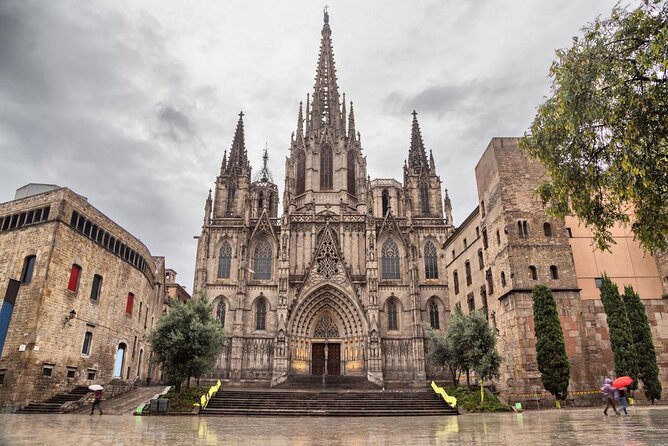
- 6) Barcelona Cathedral Square: Roman Walls and a Story-Led Walk
- 7) La Colmena: Merengues and Traditional Candies
- 8) Cafès El Magnífico: The First Coffee Store in the City
- 9) Basílica de Santa Maria del Mar: Gothic Architecture with Stone-Carrying Sacrifice
- 10) Bubó Barcelona: Awarded Chocolate Cake
- 11) Botifarres Shop: Sweet Sausage with Chocolate
- 12) Casa Gispert: Nuts and the Oldest Roasting Oven in Europe
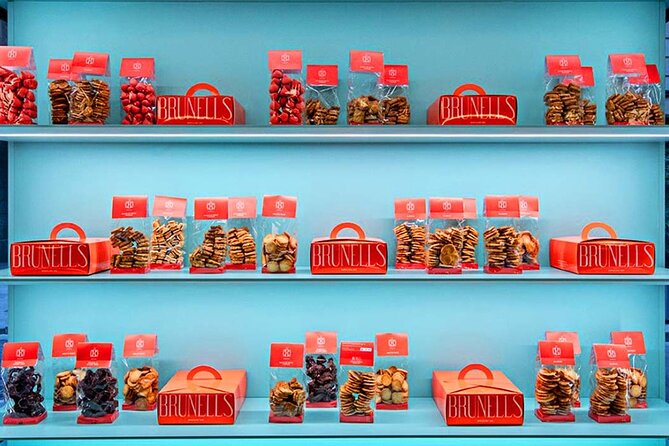
- 13) Brunells: Artisan Butter Croissant Finish at a Centenary Oven
- Who This Tour Is Best For (and Who Might Skip It)
- What the Walk Feels Like Day-of
- The Guides Matter More Than You Think
- Should You Book Sweet Barcelona Tour?
- FAQ
- How long is the Sweet Barcelona Tour?
- What is the meeting point and start time?
- Where does the tour end?
- What does the tour cost?
- What kinds of tastings are included?
- Is this tour private?
- Is there an option for a mobile ticket?
- Are service animals allowed?
- What is the cancellation policy?
Key Points You’ll Care About
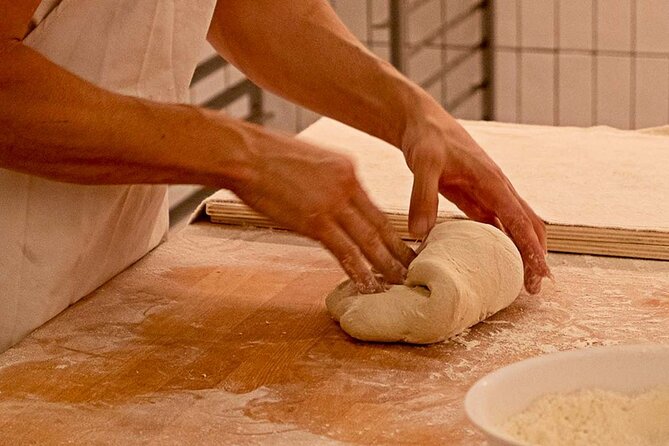
- Cacaolat origin stop: taste the traditional chocolate drink tied to its 1930s creation at Granja M. Viader (a shop dating to 1870).
- Old and new sweet worlds: from Mercat de la Boqueria to modern pastry prestige like Escriba by chef Christian Escribà.
- Holiday classics on the walk: you’ll try turrón, traditionally eaten around Christmas time.
- Sweet food history in storefronts: you pass places linked to Barcelona’s long-running confection traditions, including merengues and candies.
- A pastry finish near Jaume I: the walk ends at Brunells, near Jaume I metro and the Picasso Museum area.
Sweet Barcelona Tour at a Glance
This is a 2-hour guided culinary tour in central Barcelona built around sweets: chocolates, pastry, nougat, candies, coffee, and even a few surprising traditions that don’t sound like dessert at first. You start on La Rambla at Font de Canaletes (La Rambla 133), and the tour ends at Brunells (Carrer de la Princesa 22), close to Jaume I metro and the Picasso Museum area.
It’s private in the sense that it’s for your group only, not a big shared crowd. That matters on a food tour, because questions come up and kids (if you’re traveling with them) can move at a pace that doesn’t feel chaotic. You’ll get a mobile ticket, tastings along the route, and you’ll also receive samples and one artisan pastry included.
Price-wise, it’s $248.72 per person for a short walk, so you’re paying for guided access to multiple specialty counters, plus the tasting plan. In my view, it’s good value when you want a structured “greatest hits” route without having to guess which shops are worth your time.
You can also read our reviews of more tours and experiences in Barcelona.
Price and What You Actually Get in Two Hours
Let’s talk about the number on the ticket: $248.72 per person. For a two-hour tour, it isn’t budget travel. What makes it feel fair is that you’re not just walking past storefronts—you’re built into a sequence where each stop has something to taste and something to explain.
Here’s the practical way to think about value:
- You’re paying for access + guidance, which saves you time in a busy area like La Rambla and the Gothic Quarter.
- You’re paying for a tasting chain across multiple well-known places, not just one “main” shop.
- You get one artisan pastry included, and there are snacks and samples along the way, so you’re less likely to end up hungry afterward.
If your trip is short and you want a smart use of half a day, this kind of tasting itinerary can be worth it. If you’d rather snack at a slower pace and explore independently, you might spend less. But then you lose the curated sequence and the origin stories behind certain treats.
A Stop-by-Stop Route for Chocolate, Nougat, Coffee, and Cakes
You’re walking through the center where Barcelona’s old lanes meet famous markets and long-running family shops. The tour keeps each stop brief—often around 5 to 10 minutes—so you get variety without dragging your feet.
1) Granja M. Viader: Cacaolat’s 1930s Chocolate Drink
Your first stop is Granja M. Viader, a traditional cheese and milk shop with roots going back to 1870. This is where the tour’s chocolate story really starts: you’ll taste Cacaolat, the classic chocolate drink that was created in the 1930s.
This stop works for two reasons. One, it’s a real location tied to a specific origin tale, not just a modern brand you’ve already seen in supermarkets. Two, it gives you a baseline flavor early, so later chocolate and pastry tastes have something to compare to.
2) Mercat de la Boqueria: Sweet Finds in a Historic Market
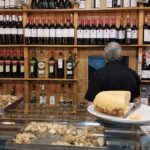
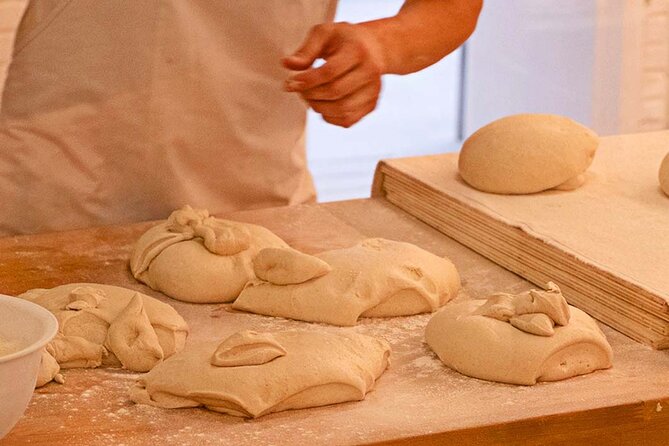
Next you head to Mercat de la Boqueria, a market with a long story and a layout that makes it easy to spot fruit and sweet sections as you move through. The tour highlights its food-focused vibe and the fact that this market has been around since 1840, with the site connected to the former old convent of St Joseph.
Boqueria can be touristy on your own, but on a guided tasting route it becomes useful. You get pointed toward what to notice, and it fits the tour theme without turning into a random browse.


3) Escriba Rambla: Chef Christian Escribà’s Patisserie Prestige
Then comes Escribà Rambla, linked to chef Christian Escribà. This is a big name in Barcelona pastry circles, and the tour’s angle is about how these cakes and sweets show up for major moments and famous occasions.
Even if you don’t buy anything, it’s a good “contrast stop.” The flavors are one thing, but seeing a high-end patisserie on the same walk where you’re also tasting market treats helps you understand how Barcelona does sweets at different levels—street classics and showpiece cakes side by side.
4) Plaza del Pi and Santa Maria del Pi Area: Gothic Setting with Festive Food
At Plaza del Pi, you’re in a traditional outdoor food market area tied to local festivities. Nearby is the Gothic Basilica of Santa Maria del Pi, which gives the stop a strong architectural frame even when the tasting element is quick.
This is where the tour starts doing more than desserts. It helps you connect the food culture to the spaces where people gather.
5) Carrer Petritxol: Old Chocolate and Churros Traditions
Carrer Petritxol is one of those lanes that feels like it was made for sweet travel. The tour connects it with the tradition of chocolate and churros (and also melindros, another sweet pastry style you’ll hear mentioned in Barcelona).
Here you taste turrón, a nougat delicacy traditionally eaten around Christmas time. I like this stop because it takes you beyond “any candy is fine” and shows you how seasons shape what people eat.
6) Barcelona Cathedral Square: Roman Walls and a Story-Led Walk
At the Barcelona Cathedral area (outside, in the cathedral square zone), the tour shifts from pure sweets to city context. You see the Roman walls and the Roman gate, and you also get shown the front of the Cathedral of Barcelona.
This works because it keeps the tour feeling like a real Old Town walk, not a series of food counters with no sense of place. The sweets theme continues, but the city texture helps your brain hold onto where you are.
7) La Colmena: Merengues and Traditional Candies
Then you reach La Colmena, an older pâtisserie known for merengues and candies. You’ll taste a candy produced in the old traditional way, which is the kind of detail that turns a quick sample into a “wait, that’s why it tastes like that” moment.
This is a good stop if you like when the tour doesn’t treat sweets as just sugar. Instead, it frames them as craft and method.
8) Cafès El Magnífico: The First Coffee Store in the City
Next is Cafès El Magnífico, described as the first coffee store in the city. You’ll taste or experience something coffee-related here, tied to its reputation.
Why include coffee on a sweets tour? Because it balances what you’ve already had. Sweet tours can get heavy. A coffee stop helps you reset your palate and keep the afternoon from turning into one long sugar climb.
9) Basílica de Santa Maria del Mar: Gothic Architecture with Stone-Carrying Sacrifice
At Basílica de Santa Maria del Mar (outside), you’re in Gothic territory dating back to the 1300s. The guide explains how this church was built with people carrying stones from the hill of Montjuïc down to downtown as a kind of sacrifice.
This might sound unrelated to dessert, but it isn’t. It’s one of the tour’s strengths: it links sweet culture to the human scale of the city—effort, craft, and community. And yes, it breaks up the tasting cadence so your mind has somewhere to rest.
10) Bubó Barcelona: Awarded Chocolate Cake
Then you hit Bubó Barcelona for chocolate cake. It’s noted as having won a best chocolate cake prize in 2005.
This stop makes sense late in the tour when your “sweet senses” are already switched on. By then you can taste with a bit more attention—texture, cocoa intensity, and overall style—because you’ve had a few different sweet types already.
11) Botifarres Shop: Sweet Sausage with Chocolate
There’s also a Botifarres shop stop known for a unique sweet and chocolate sausage. Even if the idea sounds strange at first, that’s the point of this tour: Barcelona sweets have traditions that don’t always match what you expect from the word dessert.
12) Casa Gispert: Nuts and the Oldest Roasting Oven in Europe
Now you go to Casa Gispert, a nuts shop famous for its oldest roasting oven in Europe. You get a tasting here too, which is a smart change of pace from candy and pastry.
Nuts and roasted flavors add a crunch and a different kind of sweetness. It also gives you something practical to take home, even if your included items stay limited to the tasting format.
13) Brunells: Artisan Butter Croissant Finish at a Centenary Oven
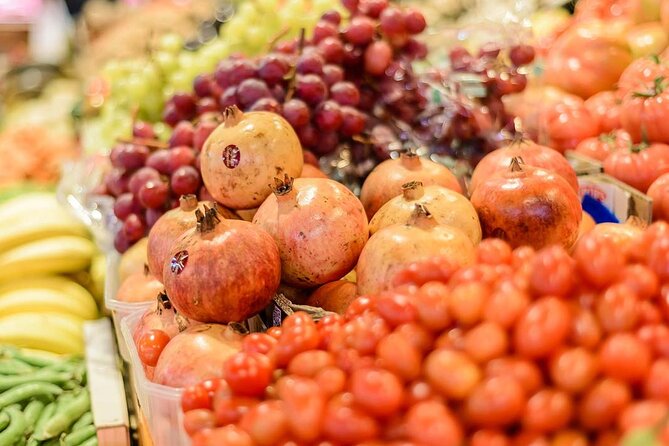
Your last stop is Brunells, where you’ll find an artisan butter croissant tied to the note that it was recognized as best in Spain in 2020. The stop also includes seeing a centenary oven.
This end point feels well chosen. You’re near Jaume I, close to big sights and easy onward transport, and you’re finishing with something you can truly savor after all the earlier samples.
Who This Tour Is Best For (and Who Might Skip It)
This is one of those tours that earns its keep in two traveler types:
- Families with kids, especially ones who get bored in long museum-style walks. The short stops, frequent interaction, and repeated tasting moments make it easier to keep everyone engaged. You’ll also see why guides like Cristina, Dolors, and Oliver are often praised for working well with children.
- Foodies with a sweet tooth who want a structured way to explore Barcelona’s historic pastry and candy world. You’ll get a real mix: drink chocolate (Cacaolat), market sweets (Boqueria), Christmas nougat (turrón), candies (La Colmena), coffee (Cafès El Magnífico), and a pastry finale (Brunells).
If you prefer savory food or want a mostly quiet sightseeing stroll, you may not love it. This one is built around taste, and the story keeps circling back to sweets.
What the Walk Feels Like Day-of
You’re in central Barcelona, starting at Font de Canaletes on La Rambla. That’s a very easy starting area to orient yourself, and it’s near public transportation, which helps if you’re coordinating with other plans.
The overall pace is friendly: short stops, quick taste moments, and enough walking to see more of the Gothic Quarter and Old Town lanes without turning it into a full-day endurance event. It also ends in an area that’s convenient for continuing the day—especially if you’re pairing this with nearby sights around Jaume I and the Picasso Museum area.
If you have little kids, you’ll probably appreciate the private-group format. It makes it easier for the guide to keep the tasting moments flowing without losing the group.
The Guides Matter More Than You Think
This tour tends to be remembered for two things: what you eat and how smoothly it all connects. The guide role is big here because each tasting is paired with context—why that shop matters, what the treat is connected to, and what you should look for in the surrounding streets.
You’ll see names like Cristina, Dolors, and Oliver tied to great experiences, especially for families. That’s a signal that the tone is practical and human, not overly formal.
Should You Book Sweet Barcelona Tour?
I’d book this when you meet at least two of these conditions:
- You want a short, guided route that hits multiple famous sweet places in central Barcelona.
- You’re excited to taste Cacaolat, turrón, candies, and an artisan pastry rather than just window-shop.
- You’d like the city context too: Roman walls near the cathedral area and Gothic churches outside while the sweets keep coming.
I’d think twice if you’re on a strict dessert-light trip, hate chocolate and nougat-style sweets, or you’d rather roam markets at your own tempo without a timed tasting sequence. In that case, independent wandering could suit you better.
FAQ
How long is the Sweet Barcelona Tour?
It lasts about 2 hours.
What is the meeting point and start time?
You meet at Font de Canaletes on La Rambla (La Rambla, 133) and the start time is 12:30 pm.
Where does the tour end?
The tour ends at Brunells (Carrer de la Princesa, 22, Ciutat Vella, 08003 Barcelona).
What does the tour cost?
The price is $248.72 per person.
What kinds of tastings are included?
The tour includes samples and one artisan pastry, plus tastings and snacks during the walk.
Is this tour private?
Yes. Only your group participates.
Is there an option for a mobile ticket?
Yes, the tour uses a mobile ticket.
Are service animals allowed?
Yes, service animals are allowed.
What is the cancellation policy?
You can cancel for a full refund if you cancel at least 24 hours before the start time.