REVIEW · BARCELONA
Sagrada Familia Jamón Iberico Masterclass with Wine Tasting
Book on Viator →Operated by Vesping - Original Tours & Rentals · Bookable on Viator
You get smarter fast with jamón in hand. This class takes you through seven types of jamón ibérico and shows you what actually changes the flavor, set right in the Sagrada Familia area.
I like two things most: the expert-led, step-by-step tasting (guided by instructors such as Cintia) and the fact that you’re pairing the ham with wine while you learn the differences. One thing to consider: if you’re hoping for lots of big visual demos like cutting-on-the-spot, this can feel more like an educational tasting than a performance.
In This Review
- Key things to know before you go
- Sagrada Familia area + jamón education in one hour
- The meeting spot: Enrique Tomás Sagrada Familia
- What you taste: a lineup of jamón categories (and why it matters)
- Wine pairing: Bardós and Menade with your jamón
- The guide experience: step-by-step, not vague
- How the tasting usually flows (so you know what to listen for)
- When it feels like great value (and who should book it)
- Practical tips to get the most out of the masterclass
- What you’ll be able to say afterward
- Should you book this jamón ibérico masterclass near Sagrada Familia?
- FAQ
- How long is the masterclass?
- Where do I meet for the experience?
- Is this a private tour?
- How much does it cost?
- What jamón is included in the tasting?
- Are drinks included?
- Is tipping included?
- Who is it for?
- Will I receive a ticket on my phone?
- What is the cancellation policy?
Key things to know before you go

- Seven ham types, from milder to intense: you taste a progression that helps your palate “learn the scale.”
- You won’t just sample, you’ll compare: the class explains what changes flavor—diet, breed, and climate.
- Ham cuts show up on the table: you’ll go beyond standard slices with items like paleta and taquitos.
- Wine pairing is part of the lesson: you get red wines meant to bring out the ham flavors.
- Private group feel: only your group joins, so it’s easier to ask questions.
- One-hour format: short enough for a busy day, long enough to actually taste and understand.
Sagrada Familia area + jamón education in one hour
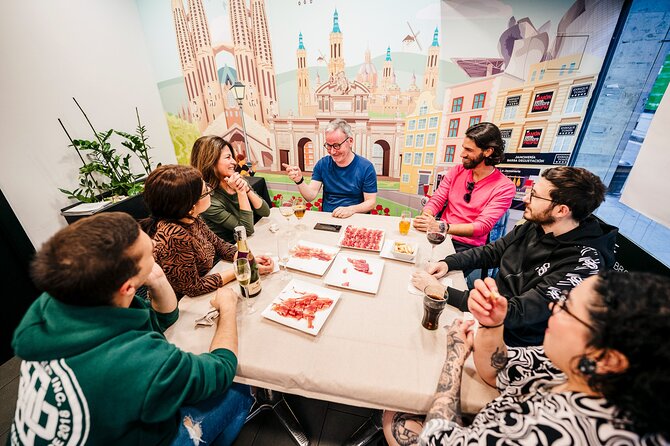
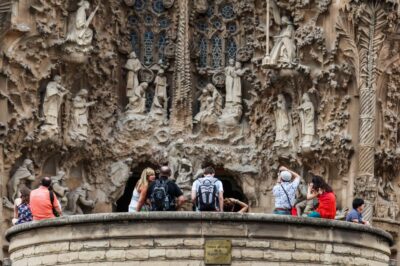
This is the kind of experience that works even if you’re not a total jamón nerd yet. The setup is simple: you start at Enrique Tomás Sagrada Familia, then you move into a guided tasting built around comparing types of jamón ibérico. The charm here is the location—this is Barcelona, and the lesson happens close to Sagrada Familia, not in a far-off, generic food hall.
The length matters. At about 1 hour, it’s long enough to do real comparisons, but short enough that it won’t derail your day of sightseeing. And because it’s private (only your group), you’re not lost in a crowd while trying to figure out what you’re tasting.
Price-wise, $103.56 per person isn’t “cheap,” but you’re paying for a guided tasting of multiple cured products plus two wine pours. If you like food classes that make you walk away with names, categories, and a clearer palate, it can feel like good value rather than just paying for bites.
You can also read our reviews of more food & drink experiences in Barcelona

The meeting spot: Enrique Tomás Sagrada Familia
Your starting point is Enrique Tomás Sagrada Familia – Jamonería Gourmet, Carrer de la Marina, 261 (L’Eixample), 08025 Barcelona. The best part about meeting here is that you’re already in a recognizable jamón shop setting, so the tasting doesn’t feel abstract. It’s also listed as near public transportation, which is practical if you’re moving between neighborhoods and don’t want to fight parking.
The class ends back at the same meeting point, which keeps your planning easy. No transfer drama, no “and then you’ll be dropped off somewhere else.” You can slot this into your day as a neat stop with a clear start and finish.
What you taste: a lineup of jamón categories (and why it matters)
The core of the masterclass is that it isn’t one ham and a shrug. You taste multiple kinds and use the comparisons to understand what makes each one different. The lesson frames jamón ibérico around the influences you can actually notice: pig’s diet, breed, and climate.
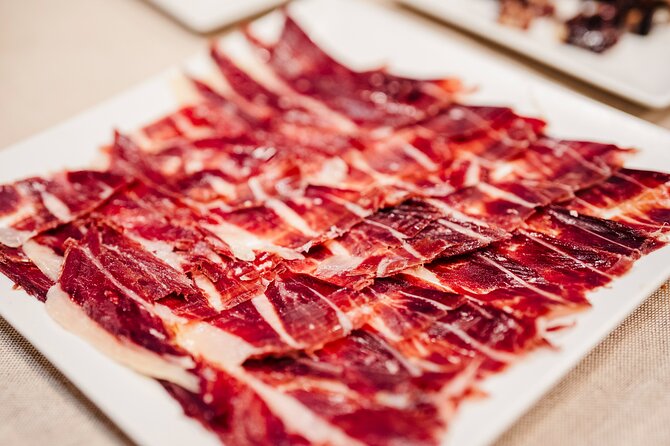
You’ll go through a structured tasting that (per the included items) includes several labeled categories and also different cured formats. Expect portions around 20g each for multiple offerings.
Here’s the “shape” of the tasting, in plain language:
- You start with Jamón Reserva
- You move through 50% ibérico options, including Cebo and Cebo Campo
- You taste Bellota versions at different ratios
- You also try Paleta (not just ham) and taquitos so you can compare texture and how presentation changes your experience
- The progression finishes at Jamón ibérico Bellota 100%
Why this matters for your palate:
- Diet labels (like cebo vs bellota) are basically the shortcut to understanding flavor. When feed changes, fat quality and how the cured meat tastes can shift too.
- The tasting order helps you notice the gradient—how “soft and sweet” notes can give way to more intense flavors.
- Trying both ham and paleta lets you hear the lesson with your senses. Even if two products both say ibérico and both come from Iberian pigs, different cuts can behave differently on the tongue.
And yes, you’re tasting enough that you can start forming opinions fast. One review called it a best learning experience for exactly this reason: the class is built for tasting plus meaning, not tasting plus guesswork.
Wine pairing: Bardós and Menade with your jamón
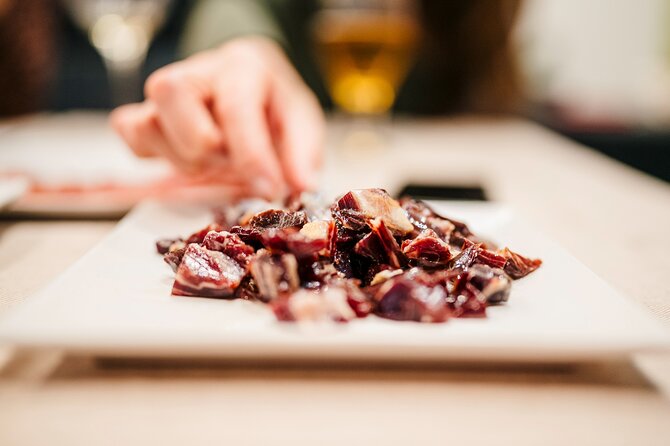
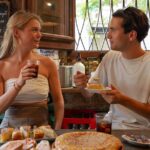
This masterclass includes 1 glass of red wine Bardós and 1 glass of red wine Menade. The idea is simple: you sip, then taste again, and learn how wine either sharpens flavors or smooths them out.
Pairing is one of those topics that sounds fancy until someone shows you the practical effect. Here, the pairing is tied to the sequence of ham types, so you’re not just drinking wine next to cured meat—you’re using it as a tool to understand how flavors interact.
There’s also mention in reviews of plenty of cava, even though the listed alcoholic inclusions focus on red wine glasses. If you’re the type who loves bubbles with cured meats, you might enjoy that extra touch if it’s part of your specific session.
The guide experience: step-by-step, not vague
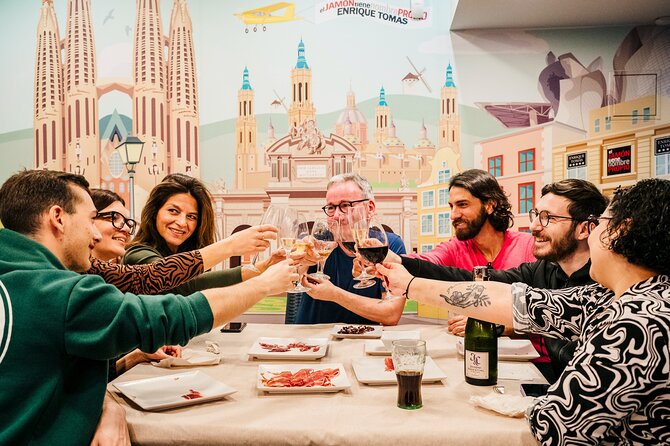
The masterclass promise is that an expert guides you step by step and explains the differences between cuts and curing methods. In practice, the standout praise is about clarity. One review specifically highlights Cintia running the class and making sure the process and details actually land. Another praises Xavi and the whole team for being friendly and attentive.
What you should expect from the teaching style:
- You’ll get explanations for cuts of ham (so you’re not only learning categories like cebo/bellota, but also the physical differences)
- You’ll hear how curing methods tie into flavor outcomes
- You’ll be encouraged to compare what you notice in taste and texture
This is the part that makes the experience feel more than a tasting. You leave with better “buying instincts” for jamón back home: which labels to look for, how to think about intensity, and what to notice beyond salt.
You can also read our reviews of more wine tours in Barcelona



How the tasting usually flows (so you know what to listen for)
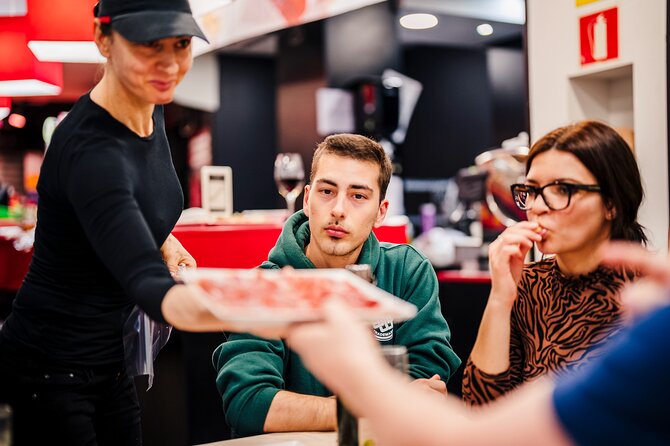
Even without a detailed minute-by-minute schedule, you can expect the class to follow a basic rhythm:
- Welcome + setup: you get introduced to what you’ll taste and why the comparisons matter.
- First round: you start with a reference point (like the Reserva portion) so your palate has a baseline.
- Diet and curing comparisons: you move through Cebo and Cebo Campo, and then into Bellota grades. This is where you’ll hear how the pig’s diet and finishing period affect flavor.
- Cut variety: as paleta and taquitos enter the lineup, texture becomes part of the lesson.
- Final intensity test: the Bellota 100% portion is a good “capstone,” helping you understand what a higher-end stage tastes like.
- Wine pairing throughout: you use wine to highlight the differences you’ve been tasting.
If you want something more visual—like a large cutting demonstration—you may feel slightly under-served. One review points out that it’s more educational tasting and less audio-visual show. So set your expectations: this is about guided tasting and explanation, not a stage production.
When it feels like great value (and who should book it)
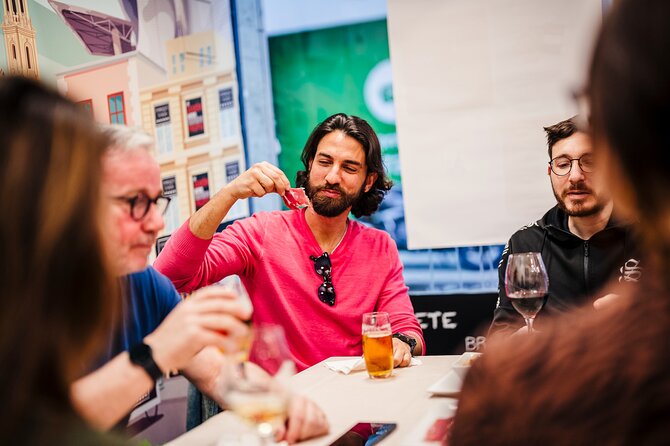
This class is a strong fit if you:
- Want a short food experience that still teaches you something you can use
- Like wine pairings that are tied to what you’re eating
- Enjoy comparing food side-by-side (that’s how you truly learn)
- Prefer a private setup where questions feel welcome
It’s also a good choice if you’re doing Barcelona in a “see a lot” style. The 1-hour length and central meeting area near public transport makes it easy to add without turning your day into logistics.
You might want to think twice if you:
- Expect lots of cutting demonstrations and hands-on prep. The format reads more like a structured tasting with instruction.
- Don’t eat jamón. The class is not for vegan and vegetarian.
Practical tips to get the most out of the masterclass
If you want this to feel like a true learning experience (not just eating cured meat), do a few small things:
- Go in ready to compare. Take quick mental notes on texture: soft vs firmer, melting vs chewy.
- Pay attention to aroma. The class is specifically framed around characteristic aroma and how it connects to pasture and diet.
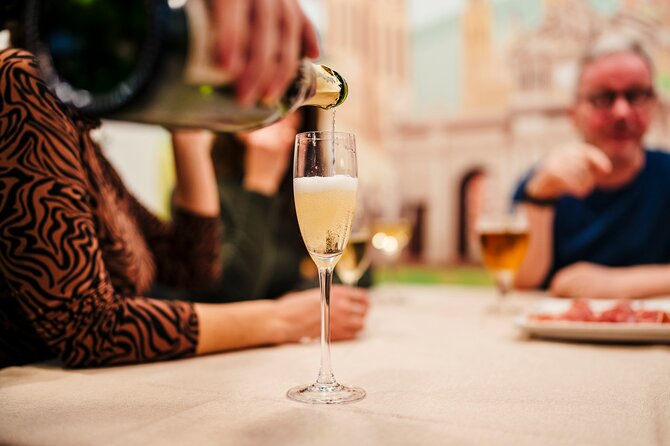
- Don’t treat the wine as a separate event. Sip, then taste again and notice what changes.
- If you’re unsure about labels like cebo vs cebo campo, ask early. The class is designed around explaining those differences.
And yes, you’ll be tasting a lot. It’s not a “one slice and you’re done” situation.
What you’ll be able to say afterward
The best part of this kind of class is that it gives you language. After you taste the full lineup—from Reserva through Bellota grades and finishing with Bellota 100%—you’re more prepared to talk about what you liked and why.
You’ll also be better at ordering jamón in Spain because you can connect:
- diet category to flavor style
- cut type to texture behavior
- intensity level to what you’re actually craving
That’s real value. It’s not just eating; it’s learning how to choose.
Should you book this jamón ibérico masterclass near Sagrada Familia?
Book it if you want a short, guided tasting that teaches you the logic behind jamón ibérico, plus wine pairing, in a private group setting close to Sagrada Familia. Based on what’s praised most—clear teaching, friendliness, and lots of ham to taste—it’s a very strong option for food-focused days.
Skip it (or adjust expectations) if you’re mainly looking for a visual show or hands-on cutting demonstrations. This one is education through tasting, not a performance.
If your ideal Barcelona food stop is one that leaves you with better instincts and a clearer palate, this class is a smart pick.
FAQ
How long is the masterclass?
It runs for about 1 hour.
Where do I meet for the experience?
Meet at Enrique Tomás Sagrada Familia – Jamonería Gourmet, Carrer de la Marina, 261, L’Eixample, 08025 Barcelona, Spain.
Is this a private tour?
Yes. Only your group participates.
How much does it cost?
The price is $103.56 per person.
What jamón is included in the tasting?
The included tasting list features multiple portions of jamón ibérico categories and formats, including items like Jamón Reserva, 50% ibérico cebo and cebo campo, bellota-based options, plus Paleta and taquitos. Portions listed are generally 20g.
Are drinks included?
Yes. Alcoholic beverages include 1 glass of red wine Bardós and 1 glass of red wine Menade (served only to age 18 and above).
Is tipping included?
No, tips are not included.
Who is it for?
Most people can participate. It is not for vegan and vegetarian.
Will I receive a ticket on my phone?
Yes, it uses a mobile ticket.
What is the cancellation policy?
Free cancellation is offered. You can cancel up to 24 hours in advance for a full refund.