
REVIEW · BARCELONA
Skip-the-line access ticket to Fundación Miró
Book on Viator →Operated by TRCK - Commercial · Bookable on Viator
Miró art hits you fast, in the best way. This skip-the-line ticket gets you into the Joan Miró Foundation in Parc de Montjuïc, where you can move through modern and contemporary works that range from bold color experiments to sculptural forms. I love the museum’s clear layout that helps you understand Miró without feeling lost, and I also like how much is actually under one roof (thousands of drawings plus paintings, sculptures, and more). One possible drawback: the ticket description can say an audio guide is included, but you may find audio access is inconsistent once you’re at the museum.
For a lot of people, the biggest win is time and stress. You’ll spend roughly 40 minutes to 1 hour 30 minutes, and you won’t be gambling on whether lines are long at the exact moment you arrive. The other thing to watch is the accuracy of expectations: there’s often no real meet-up point. Plan to handle things at the museum desk and be flexible if you run into a small check-in hiccup.
In This Review
- Key things to know before you go
- Skip-the-line at Montjuïc: what this ticket really gets you
- The Joan Miró Foundation: your 1-stop route through surreal thinking
- What you’ll see: drawings, paintings, sculptures, and more
- The Miró angle: why these artworks feel different in Barcelona
- Audio guide included? Here’s how to avoid the letdown
- How long it takes: pacing your visit on Montjuïc
- Crowd level and entry flow: what to expect at the desk
- The café break you’ll actually want to take
- Is it worth the price? Value math that makes sense
- Who should book this ticket?
- Should you book this skip-the-line access to Fundación Miró?
- FAQ
- How long does the Fundación Miró skip-the-line experience take?
- What language is the experience offered in?
- Is the ticket mobile?
- Is an audio guide included?
- Does the ticket include temporary exhibitions?
- How does entry work when I arrive at the museum?
- Is there a skip-the-line benefit?
- Are service animals allowed?
- Can I cancel for free?
Key things to know before you go
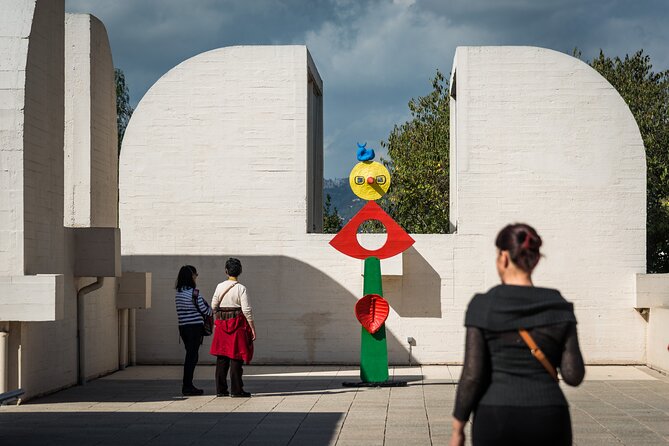
- Skip-the-line access is the point, but if you arrive early, you might not notice much difference.
- Mobile ticket means less fuss than paper, especially when you’re crossing Montjuïc streets.
- Museum flow is easy to follow, so you can enjoy Miró without an info-overload spiral.
- Big collection in a single visit: thousands of drawings plus paintings and sculptures.
- Audio guide may be listed but not always available, so be ready to adjust.
Skip-the-line at Montjuïc: what this ticket really gets you
This experience is simple on paper: you buy a skip-the-line access ticket to the Joan Miró Foundation, you show a mobile voucher, and you walk in. The duration is flexible, roughly 40 minutes to 1 hour 30 minutes, which is exactly right for this kind of museum stop. Miró rewards attention, but you don’t need a half-day to appreciate what’s here.
At around $18.06 per person, the value comes from convenience. If you’ve ever arrived at a major museum in Barcelona and watched your time drain while you wait, you’ll understand why this kind of ticket can be worth it. Even when there is little or no line at certain times, having the option to skip removes uncertainty.
That said, the skip-the-line part isn’t magic. If you go when it’s quiet, you might have gotten in with or without it. If you go when it’s busy, the benefit becomes more obvious. Think of it as buying peace of mind, not a guarantee that doors open instantly.
One more practical note: even though the ticket experience is sold as a guided entry product, a few visitors have reported that the museum process is basically take your voucher to the desk and go. So keep your expectations grounded: you’re paying mainly for admission access and the museum experience, not a dramatic, in-the-lobby tour.
You can also read our reviews of more tours and experiences in Barcelona


The Joan Miró Foundation: your 1-stop route through surreal thinking
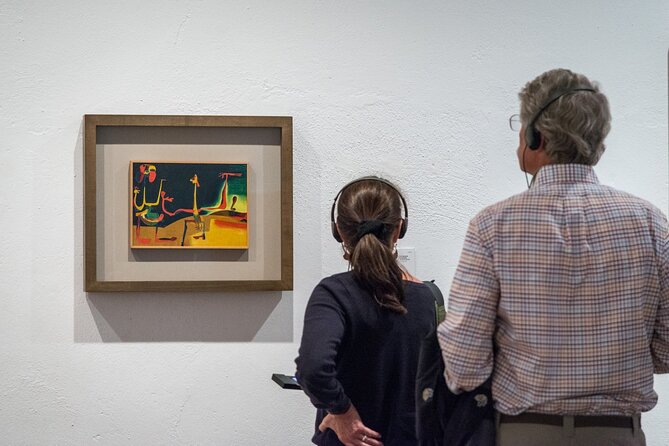
Your visit centers on the Joan Miró Foundation, inside the larger Parc de Montjuïc area. This is the kind of setting that makes sense for Miró. He wasn’t just painting pretty scenes. His work is built from symbolic shapes, intuition, and color you can almost feel in your hands.
When you enter, you’re stepping into a world of modern and contemporary art where categories blur. You’ll see surrealist, fauvist, and expressionist influences, then watch how Miró’s personal language stays consistent even when the medium changes.
What makes this museum especially worthwhile is that it doesn’t just throw famous pieces at you. It’s designed to show how Miró built his ideas over time—through paintings, sculpture, ceramics, and graphic work. If you’ve ever wondered how one artist can look so free yet so deliberate, this is the place to start answering that question.
What you’ll see: drawings, paintings, sculptures, and more
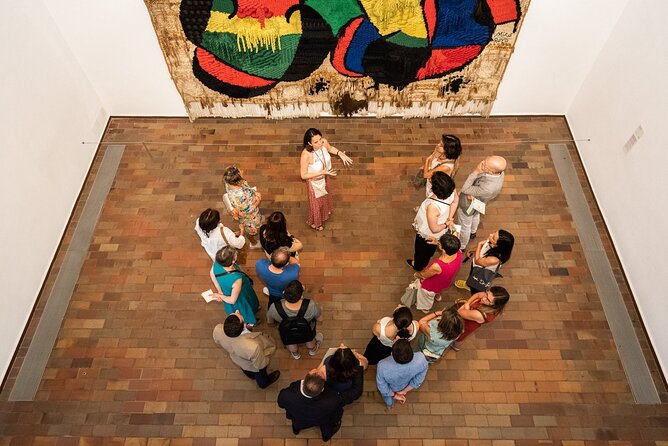
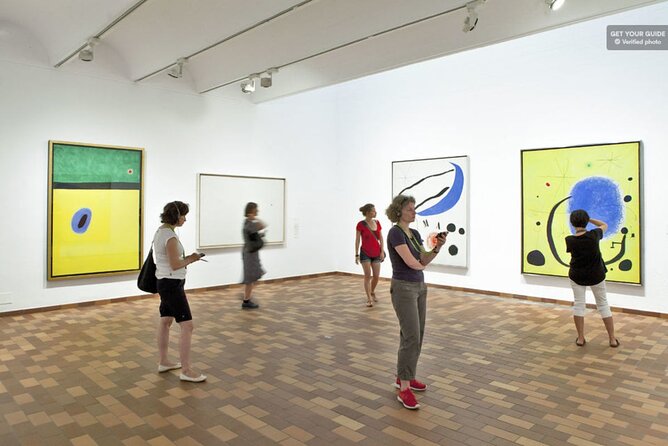
The collection is large enough that you can have a “main route” and still feel like you got the point. The museum presents up to 8,000 drawings, 217 paintings, and 178 sculptures, plus ceramics, textiles, and graphic works.
Here’s the practical way to think about those numbers. Drawings can feel like an endless notebook unless the exhibit design helps you. In a good Miró museum, you don’t just see sketches—you see thinking. You’ll likely notice that he repeats shapes and variations the way a musician repeats themes, then shifts the rhythm.
Paintings are where you’ll feel his bold color choices most directly—color functioning like message, not decoration. Sculpture adds weight to those same forms. Even if you’re not a sculpture person, this helps you understand why Miró’s shapes feel both playful and serious.
And those extra mediums matter. Ceramics and textiles bring a more physical, everyday craft energy. Graphic works help you see how his style can travel through different formats.
The Miró angle: why these artworks feel different in Barcelona
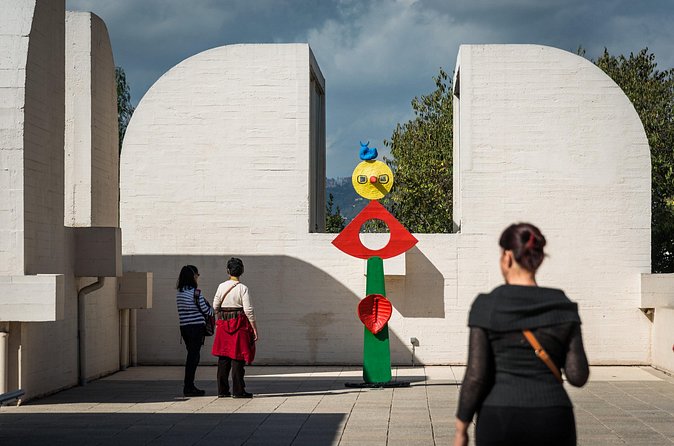
Miró became one of the most influential figures in world art, and Barcelona is where that influence feels personal. He’s known for paintings, sculptures, murals, and ceramic works, with a visual system built from bold colors and organic shapes.
If you like art with a story behind it, this is a great stop. One of the standout contextual details tied to Miró is the connection to language and meaning. He described colors as something like words that form poems, notes that form music. That’s a weird way to explain painting, until you see the work and realize it’s not about literal objects. It’s about how your eye receives ideas.
There’s also a famous literary link: Ernest Hemingway compared Miró’s La Masía, which he bought, to James Joyce’s Ulysses. You don’t have to read either book to enjoy the comparison. It’s a useful reminder that Miró’s art can feel big, literary, and culturally loaded—even when the shapes look simple.
The museum experience becomes easier when you remember this: you’re not hunting for realism. You’re learning a visual vocabulary.
Audio guide included? Here’s how to avoid the letdown
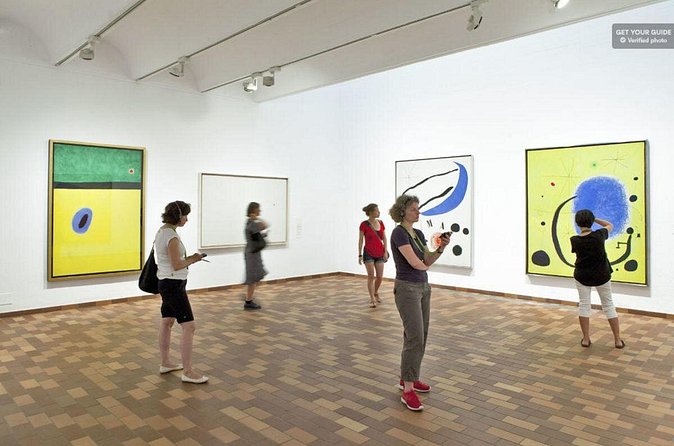
The ticket information you’ll see says an audio guide is included, along with temporary exhibitions and the permanent exhibition. That’s a solid package on paper.
But at least a few visitors have flagged a mismatch: the museum has reportedly not been offering the audio in some recent stretches, even when the ticket description suggests otherwise. One person also pointed out that the museum doesn’t provide an audio guide or tours in the way the ticket implies.
So how do you protect yourself?
- Go in ready for the possibility that the audio won’t be there when you want it.
- If you care about audio, confirm availability at the museum desk once you arrive.
- If the audio is unavailable, plan to rely on the exhibit labels and your own eye. Miró often works better that way anyway. You can spend your attention where it counts—on the forms.
This doesn’t ruin the visit. The museum is well laid out, and the works are varied enough that you won’t feel stuck even without an audio track.
You can also read our reviews of more tours and experiences in Barcelona





How long it takes: pacing your visit on Montjuïc
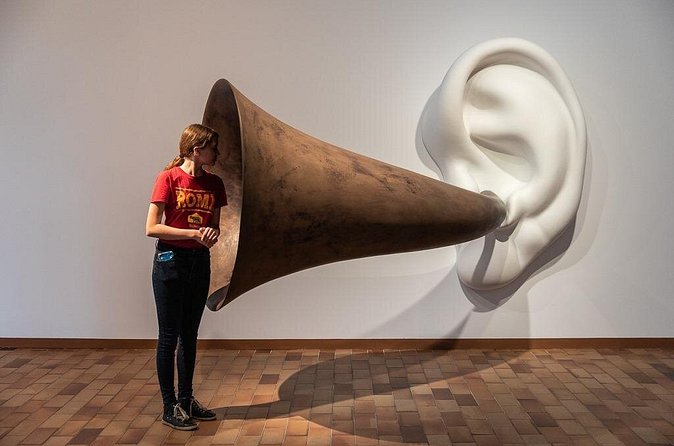
Expect 40 minutes to 1 hour 30 minutes. That range isn’t random. If you want to skim and pick a few favorites, you can do it quickly. If you like reading labels and stepping back to compare drawings to paintings, you’ll want the longer end.
I like this duration because it fits Barcelona travel reality. You’re on Montjuïc, which already demands time for the climb or ride. A museum stop that doesn’t balloon into a half-day makes it easier to pair with other sights.
A practical tip: start with the pieces that catch you hardest first. Miró can change moods as you move through the collection. If you save the “harder stuff” for the end, you might burn your energy before you reach it.
Crowd level and entry flow: what to expect at the desk
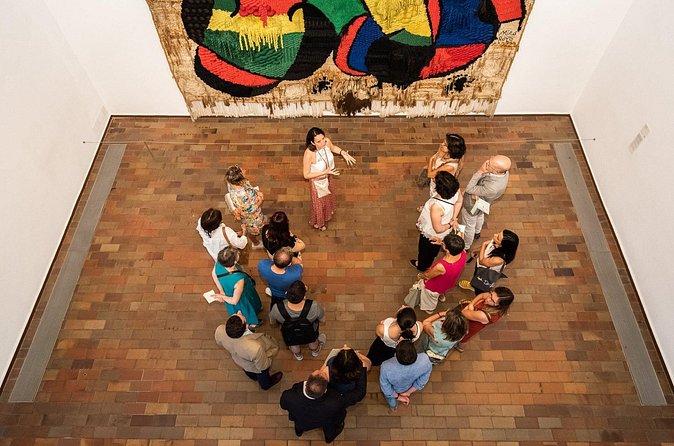
One of the most praised parts of this experience is that the museum atmosphere can be calm and respectful. A visitor even noted that the crowd wasn’t small, but people behaved well. That matters. Miró’s art is better when you can stand, look, and think for a minute without someone hovering over your shoulder.
The other entry reality is that skip-the-line access doesn’t always mean there’s a dramatic line to defeat. At least one person arrived at 10 am and reported no line, so the skip benefit didn’t feel like a superpower at that moment.
Also, consider this: you may not have a named meeting place. In practice, you may simply walk to the museum desk, present your voucher, and go in. That’s straightforward once you know it. It’s also where check-in problems can happen—one visitor reported a small issue tied to the code on the tour ticket, but it was resolved quickly.
So if you want the smoothest experience, don’t wait until the last second outside the entrance. Get to the desk early enough to straighten out any voucher questions without rushing.
The café break you’ll actually want to take
One reason people keep recommending this museum is that it’s not just art-in-a-vacuum. Reviews also mention the café and describe it as very good. If you time your visit well, you can do a quick art loop, then refuel before heading back down from Montjuïc.
This matters because Montjuïc weather can change fast. A café stop gives you a simple reset point, and you’ll come back to the museum (or to Barcelona streets) with better energy.
Is it worth the price? Value math that makes sense
At $18.06, you’re paying for admission access plus the convenience of a packaged ticket. That’s usually good value when you want less waiting and a smoother day plan.
Where value gets tricky is the audio guide situation. If the audio is included as advertised, it’s a bonus. If audio availability is inconsistent, then the ticket value becomes more about entry timing and museum admission rather than extra interpretation.
Still, even without perfect audio certainty, the museum itself has strong reasons to justify the cost: a thoughtfully laid out collection, lots of works across multiple mediums, and enough variety to keep you engaged without overwhelming you.
If you’re someone who hates lines and wants a dependable plan, this ticket often makes sense. If you’re arriving at a quiet hour and you’re totally fine walking in with general admission, you might not see a big difference.
Who should book this ticket?
Book it if:
- You want a focused Miró museum stop without spending hours.
- You like museums where the layout helps you make sense of the art.
- You prefer reduced friction and a skip-the-line option, even if crowds vary.
Skip it (or reconsider) if:
- You’re counting on the audio guide being available exactly as described.
- You need a true guided tour with a person leading you the whole way. This experience is mainly a museum entry setup, and some parts may feel self-guided once you’re there.
- You want to keep costs as low as possible and you’re arriving when you expect little to no line.
Should you book this skip-the-line access to Fundación Miró?
My take: yes, if you want a clean, time-saving way to hit a top Barcelona museum. The collection is substantial, the museum flow earns praise, and the visit length is just right for pairing with other sights. Even if the audio guide is hit-or-miss, the museum itself is built for you to enjoy the art through your own eye.
Before you click confirm, I’d do one simple thing: go in expecting a desk check, not a dramatic meeting with a guide. If you’re flexible about that and treat this as an admission-focused experience, you’ll get a lot out of your hour or so with Miró.
FAQ
How long does the Fundación Miró skip-the-line experience take?
It typically runs about 40 minutes to 1 hour 30 minutes.
What language is the experience offered in?
The experience is offered in English.
Is the ticket mobile?
Yes, it’s a mobile ticket.
Is an audio guide included?
The ticket information says an audio guide is included, but some visitors report that the museum may not offer the audio guide or tours at certain times. If audio matters to you, check at the museum desk when you arrive.
Does the ticket include temporary exhibitions?
Yes. Temporary exhibitions are included.
How does entry work when I arrive at the museum?
In practice, you may go to the museum desk and present your voucher rather than meeting someone at a specific place.
Is there a skip-the-line benefit?
The ticket is sold as skip-the-line access. In quieter arrival windows you might not notice much difference, but it can help when entry is slower.
Are service animals allowed?
Yes, service animals are allowed.
Can I cancel for free?
Yes. Free cancellation is offered if you cancel at least 24 hours before the experience start time.