REVIEW · BARCELONA
Seaside Segway Tour in Barcelona
Book on Viator →Operated by Euro Segway Spain · Bookable on Viator
Barcelona from a Segway makes instant sense. It’s an easy, low-effort way to connect the city’s waterfront today with the big changes Barcelona made around the 1992 Olympics. You’ll start near an old Roman wall, then roll along promenades and bike lanes where the views are doing most of the work.
What I especially like is the mix of hands-on instruction plus real city context. Before you head out, you get a training session so you’re not just balancing and hoping. And the guides have a knack for history that’s practical, not lecture-y, with people having excellent experiences with guides like Philip, Alex, Ivan, and Nunu.
One consideration: this is a short, outdoor circuit built for seeing lots quickly. If you’re craving long museum time or slow wandering, you’ll probably want to pair this with a separate afternoon on foot.
In This Review
- Key highlights to look for
- Entering the Segway zone: training, age rules, and gear
- Getting bearings on wheels: the Roman wall to Port Vell setup
- Port Vell’s main story beat: Olympics-era changes you can feel
- Paseo de Colom and Columbus Monument: a quick history marker
- Vila Olímpica to the beach lanes: views that feel effortless
- Guides make the difference: history with a sense of humor
- Price and value: what $34.84 gets you in real terms
- Weather and comfort: the small choices that make it easy
- Who should book (and who might skip)
- Should you book this Seaside Segway Tour in Barcelona?
Key highlights to look for
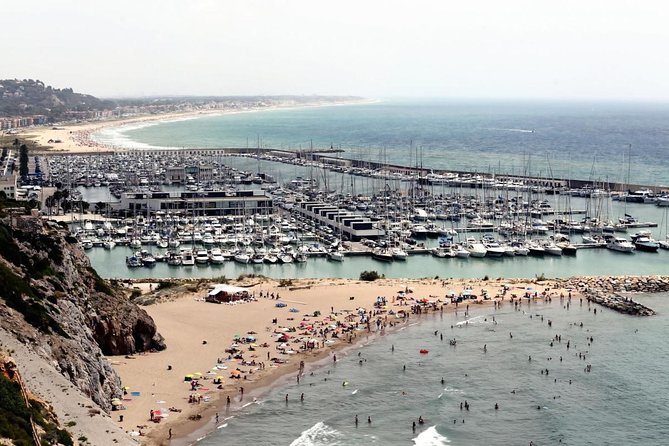
- Self-balancing Segway + mandatory helmet with rental in all sizes
- Raincoat included if the weather turns, and the tour runs in all weather conditions
- Seaside route from Port Vell toward Port Olímpic and the Columbus area
- 1992 Olympics story tied to what you pass on the waterfront and nearby sites
- Small-group feel (typically groups of 6 + 1 guide) with space between riders
- Easy pace, guided stops that keep you learning without turning it into a long slog
Entering the Segway zone: training, age rules, and gear
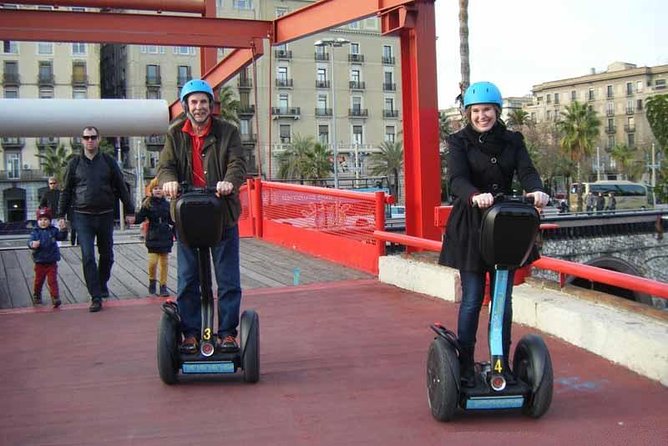
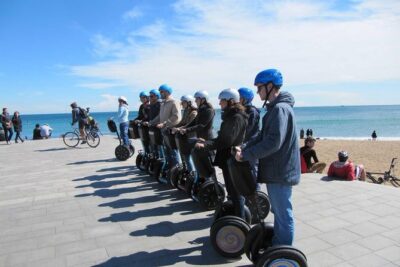
This is a Segway tour, so you should plan for the first few minutes to be about control, not speed. The helmet is mandatory, rental is free, and you’ll get a training session so you can drive in the city confidently. If you’re worried about balance, that training is exactly where you want to focus your attention.
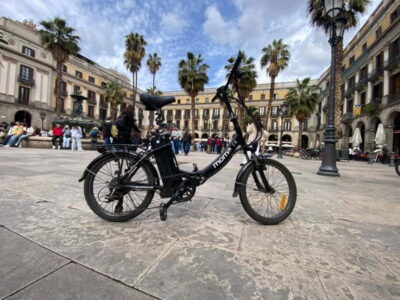
Barcelona’s rules matter here. The minimum age to participate is 12, but local laws say the minimum age to ride a Segway is 16. If you’re under that, the operator provides electric bicycles suited for children, and the tour price stays the same. Weight also has a range: 45 kg (100 lbs) minimum and 117 kg (260 lbs) maximum.
You’ll also want to dress like you’re going outside for a short, active loop. Comfortable shoes are recommended (this is practical; you’ll be moving and turning more than you think). If rain shows up, you get a raincoat, but bringing your own light layer can’t hurt if you run cold.
Finally, the tour is strict about staying fully alert. It’s forbidden to ride under the influence of alcohol, drugs, or strong medicine. Also, routes can shift due to outside interferences, so treat the itinerary as “this area and these themes,” not a guaranteed stopwatch.
You can also read our reviews of more tours and experiences in Barcelona.



Getting bearings on wheels: the Roman wall to Port Vell setup
Meeting point is Carrer del Correu Vell, 6, Ciutat Vella, 08002 Barcelona. The day starts with check-in and practice, and you’ll be asked to arrive about 15 minutes early. Tours start and finish on time, so arriving late can mean a postponement to another slot.
From there, the tour begins by heading out from the ancient Roman wall toward the marina area of Port Vell. This is a smart way to start your Barcelona day because it pulls you out of the “classic postcard zone” and into the city’s real relationship with the sea.
At Port Vell Barcelone, you get about 10 minutes in the old port area. It’s now a modern marina, with visitor energy but also that recognizable harbor layout that makes navigation easy. The vibe here is ideal for an early Segway ride: you’re fresh, you get the training feeling under control, and the scenery is open enough to read.
If you like seeing how a place evolves rather than just standing still, this opening is your payoff. It’s not about cramming facts into your brain; it’s about setting your mental map so the rest of the route clicks.
Port Vell’s main story beat: Olympics-era changes you can feel
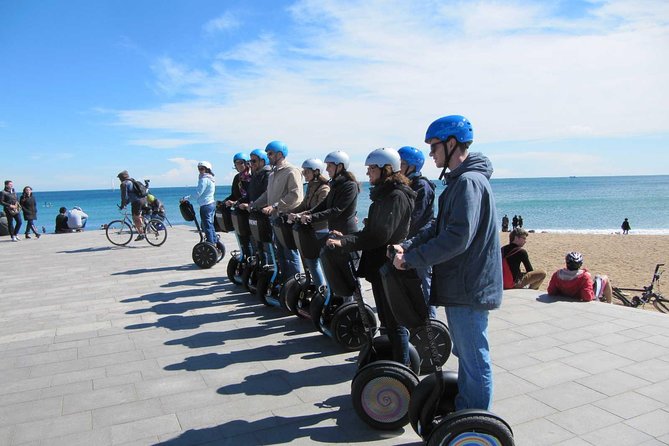
Next comes a stop tied to Barcelona’s biggest modern transformation. You’ll pass by a sculpture symbolizing the major changes the city went through during the 1992 Olympics. The idea here is simple: you’re not only traveling through pretty waterfront views—you’re traveling through phases of the city.
The tour then reaches Port Olímpic, where you’ll spend about 10 minutes. Between beaches, this is one of the main stages from the Olympics. Even if you don’t know the event history, you’ll likely recognize what the operator is doing: showing you how Olympic infrastructure became public-facing shoreline and walkable spaces.
One reason I like this stop is that it reframes the waterfront. Barcelona’s sea area isn’t random scenery. It’s a planned public realm, and you can see that planning while riding along instead of just reading about it.
A potential drawback is also baked in here: if you’re hoping for slow, detailed explanations at each moment, the time is limited. The route keeps moving, with short stops for context. That’s good for getting your bearings fast, but it’s not a “stand around and talk for 45 minutes” kind of tour.
Paseo de Colom and Columbus Monument: a quick history marker
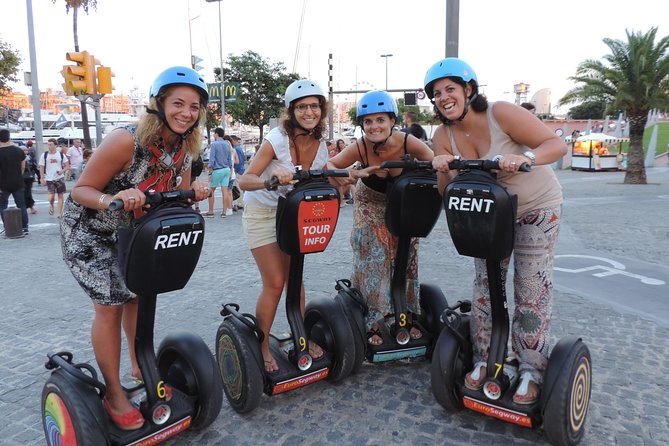
After Port Olímpic, the route heads toward Paseo de Colom, arriving at the Columbus Monument, built especially for the 1888 World Trade Fair. You’ll get about 10 minutes passing by this area and absorbing what it represents in Barcelona’s longer timeline.
This stop works well because it broadens the story. The Olympics get attention, but the Columbus monument anchors you in earlier “Barcelona as a trading-and-world-facing city” thinking. It helps you notice that the city’s waterfront identity didn’t appear overnight in the 1990s.
In practical terms, this is also where the Segway ride can feel the most scenic. Promenades tend to give you smooth sightlines, and you’ll likely appreciate that you’re not constantly fighting for balance in tight spaces.
If you’re a first-time visitor, this quick marker is useful. You’ll understand what area you’re in later when you’re walking around on your own and trying to link monuments, streets, and the coastline in your head.
Vila Olímpica to the beach lanes: views that feel effortless
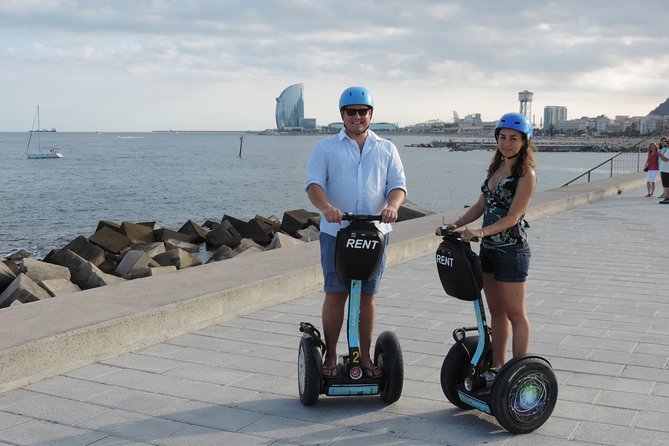
The later part of the tour starts from Vila Olímpica and focuses on Barcelona’s evolution before and after the 1992 Games. You’ll spend about 5 minutes at this stop, but the point isn’t the minutes—it’s the experience of rolling through the shapes of the city’s transformation.
This section is where the ride tends to feel most natural, especially if you’re comfortable by now. The route moves through areas where you can take in Mediterranean views without constantly worrying about traffic. One of the standout pieces from past experiences is that riders have found the paved, marked bike lanes near the beach feel safe and manageable.
Guides also seem to use this part to keep your attention where it belongs: on what you’re passing and what it means. People have talked about how guides stop when needed, share water, and point out other places to visit afterward—so you leave with ideas, not just a ride.
One nice practical aspect: the group structure is designed to prevent crowding. By local law, groups are typically divided into smaller groups of 6 participants plus 1 guide, and riders travel with at least 50 meters between groups. That means the pace stays smoother, and you’re less likely to feel boxed in by other Segways.



Guides make the difference: history with a sense of humor
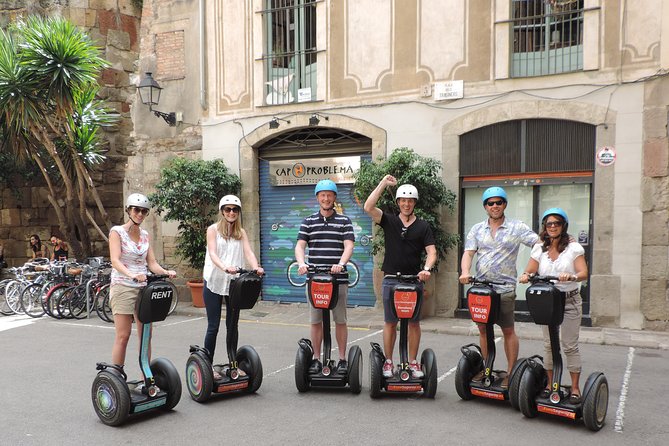
A Segway tour lives or dies by the guide, and this one tends to deliver that “you actually learned something” feeling. Across different guide styles, the common thread is clear instruction plus easygoing explanations that connect landmarks to the bigger city story.
You’ll hear real-world details, not just generic descriptions. One example from past experiences is how a guide might check your skills in a nearby small square before you head out, then use photos and maps to explain what you’re seeing. That photo-and-map approach can help a lot if you like understanding how cities grow over time.
Names that have shown up with strong impressions include:
- Philip for fun facts and history delivered in an engaging way
- Alex for tailoring the route conversation and coaching skills right before rolling out
- Ivan and Dennis for careful guidance and keeping a group of mixed ages comfortable
- Nunu for patience and making the experience feel like a good time, even for groups doing a special event
If your guide is the patient type (and many seem to be), you’ll likely feel safe even through narrow lanes. Several experiences highlight the guide checking in, giving water, and adjusting when riders needed a pause. That’s a big quality marker for me: it shows they’re watching the group, not just chasing a route.
Price and value: what $34.84 gets you in real terms
At $34.84 per person for about 1 hour, this is positioned as an affordable activity that packs in orientation value. You’re not paying just for the Segway. You’re paying for:
- the instructor/guide and the setup/training session
- the helmet (mandatory and rental included)
- bottled water
- a raincoat if needed
- the Segway itself
That matters because Segway tours can turn expensive when they add gear and instruction separately. Here, the core essentials are included, so you’re not scrambling last minute for head protection or a wet-weather workaround.
For a first visit, the “value per hour” is the point. Barcelona is huge, and you can waste time figuring out where you are. This kind of ride gets you across a coherent stretch of the waterfront with enough context that you can enjoy the rest of your day.
If you’re traveling with a group, the operator notes group discounts, which can make it even more of a bargain. And since the maximum experience size is 18 travelers, you’re not likely to feel like you’re riding inside a mega-bus.
Weather and comfort: the small choices that make it easy
This tour runs in all weather conditions, and raincoats are provided. That means you shouldn’t treat rain like a cancellation trigger; instead, treat it like a cue to dress smart.
Comfort wins. Wear shoes you can stand in and steer in. Avoid slick soles. If rain is likely, a thin personal layer under the provided raincoat can keep you from getting chilled.
Also, the experience is meant to be quick and efficient. You’ll be asked to arrive early for practice, and you’ll want to avoid late arrival drama. Tours start and finish on time, and late arrivals can cause postponement to another slot. It’s not just bureaucracy; it’s how they keep the training safe and smooth.
Finally, there’s a rule about rider condition: no alcohol, drugs, or strong medicine. If you’re planning a Barcelona evening with drinks, do this tour earlier rather than later in your trip.
Who should book (and who might skip)
This is a good fit if you want a fun way to get your bearings and see a connected stretch of Barcelona without spending half your day walking. It also works well for people who like structure: you’ll learn as you go, with short stops and clear themes.
It’s especially suitable if:
- you want a first-time orientation to the waterfront
- you enjoy city history tied to specific places (Roman wall origins, Columbus-era trade symbolism, and Olympics-era change)
- you like the idea of smooth bike-lane riding by the sea
- your group includes different ages, since an instructor can help and pacing stays manageable
You might consider a different style of tour if:
- you want long museum time or deep indoor stops (this experience focuses on sights and views, not building entrances)
- you’re sensitive to the idea of short stops and steady movement
- you don’t meet the Segway age/weight requirements (though child-friendly electric bicycles are available for underage participants)
Should you book this Seaside Segway Tour in Barcelona?
I’d book it if you’re in Barcelona for a limited time and you want a high-impact way to understand the city’s waterfront layers: Roman-era roots, Port Vell’s harbor identity, the 1992 Olympics transformation at Port Olímpic, and the Columbus Monument’s earlier “world fair” symbolism. The mix of guided history, easy training, and a scenic, bike-lane-friendly route makes this one of the more practical fun activities you can choose.
I’d skip it if your ideal day is slow wandering, lots of indoor time, or you’re uncomfortable with the idea that you’ll be on a short circuit with specific stop durations. In other words: book if you want momentum and context; choose something else if you want lingering.
If you’re deciding between Segway tours, this one has a strong advantage: it’s designed around an efficient waterfront story in about an hour, with gear included and a guide-led pace that keeps learning and fun balanced.