REVIEW · BARCELONA
Món Sant Benet Monastery Tickets
Book on GetYourGuide →Operated by Món St Benet · Bookable on GetYourGuide
Medieval walls, a very human story.
Món Sant Benet turns a 1,000-year-old monastery complex into a museum experience that tells Catalonia’s past with sound, images, and guided stops you can follow at your own pace. I like how the visit is structured around major monastery spaces, not random exhibits, so you quickly understand how monastic life shaped the region.
What I love most is the audioguided flow that helps you make sense of what you’re looking at, even if Catalan medieval art isn’t your default topic. I also like the way the tour routes you through the church and cloister alongside other core areas like the wine cellar, so the site feels like a whole working complex, not just scenery.
One consideration: the standard visit clocks in at about 1.5 hours, so if you’re the type who reads every panel slowly, you may feel a little time pressure to keep moving.
In This Review
- Key highlights worth building your day around
- Món Sant Benet: a medieval monastery museum near Barcelona
- Tickets and value: $18 for an audio-led 1.5-hour visit
- La Fàbrica reception start: what your 1.5 hours is built to do
- Church, cloister, wine cellar: your main route through the monastery complex
- The church
- The cloister
- The wine cellar
- Catalonia over the last millennium: what the museum story is really doing
- Montserrat gallery cells: the monastic life detail most people overlook
- Add dinner afterward: using your ticket visit to pace a real meal
- Who should book Món Sant Benet tickets?
- Should you book? My take
- FAQ
- How long does the Món Sant Benet monastery ticket experience take?
- What does the ticket include?
- What languages are available for the audio guide?
- Where do I meet for the visit?
- Is this visit wheelchair accessible?
- Is there a cancellation option for a refund?
Key highlights worth building your day around
- Audio guide in four languages: Catalan, English, Spanish, and French
- A medieval route through key monastery spaces: church, cloister, wine cellar, and more
- Catalonia’s story over the last millennium in museum format
- Montserrat gallery cells that connect the building to how people lived
- Three restaurants on site, including Michelin-starred L’Ó (extra cost)
- Wheelchair accessible so you can plan with mobility needs in mind
Món Sant Benet: a medieval monastery museum near Barcelona
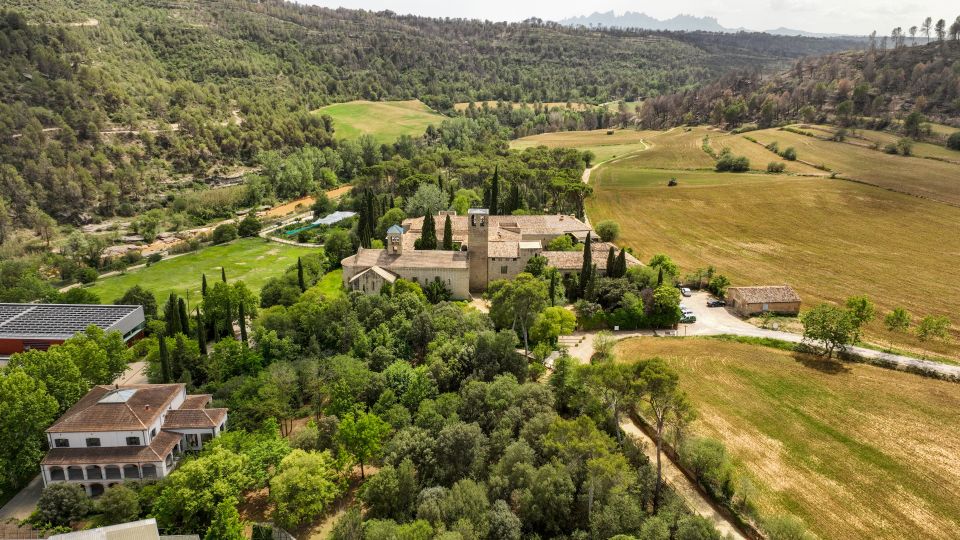
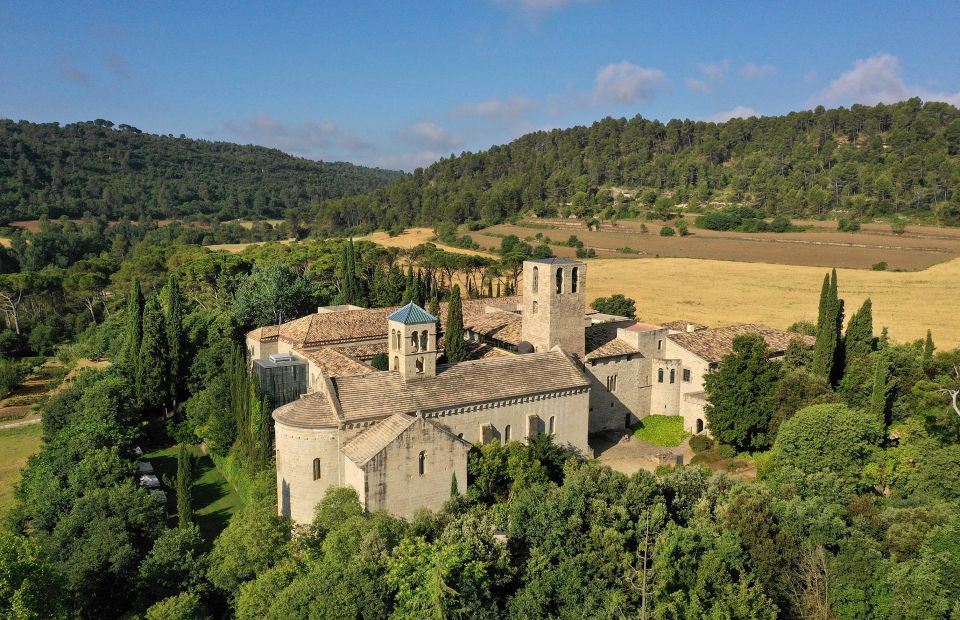
Món Sant Benet sits in the Catalan town of Sant Fruitós de Bages, about 68 kilometers (42 miles) from Barcelona. The setting matters because it’s not only an indoor museum. It’s a real monastery complex where architecture and atmosphere work together.
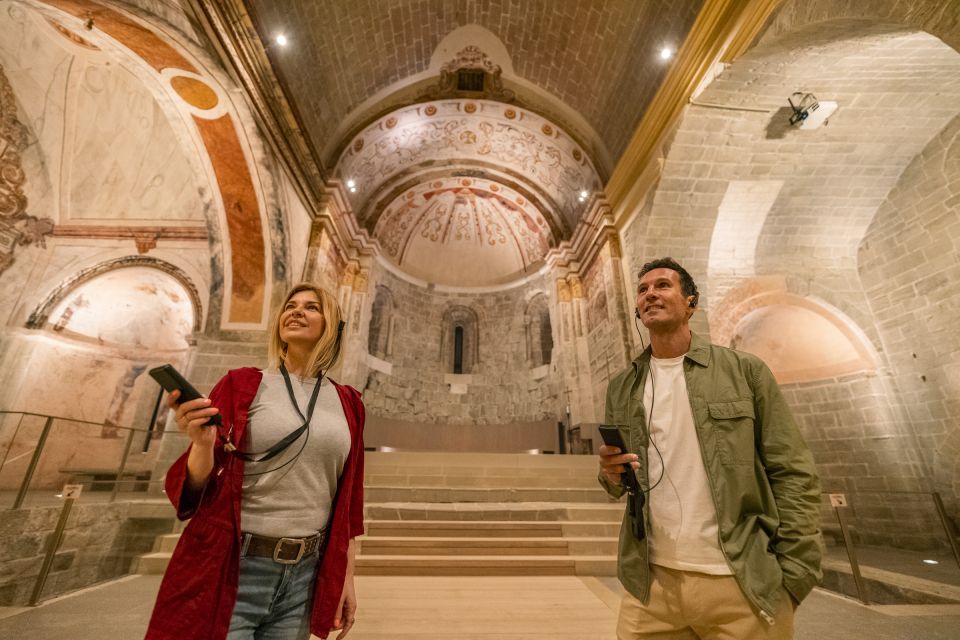
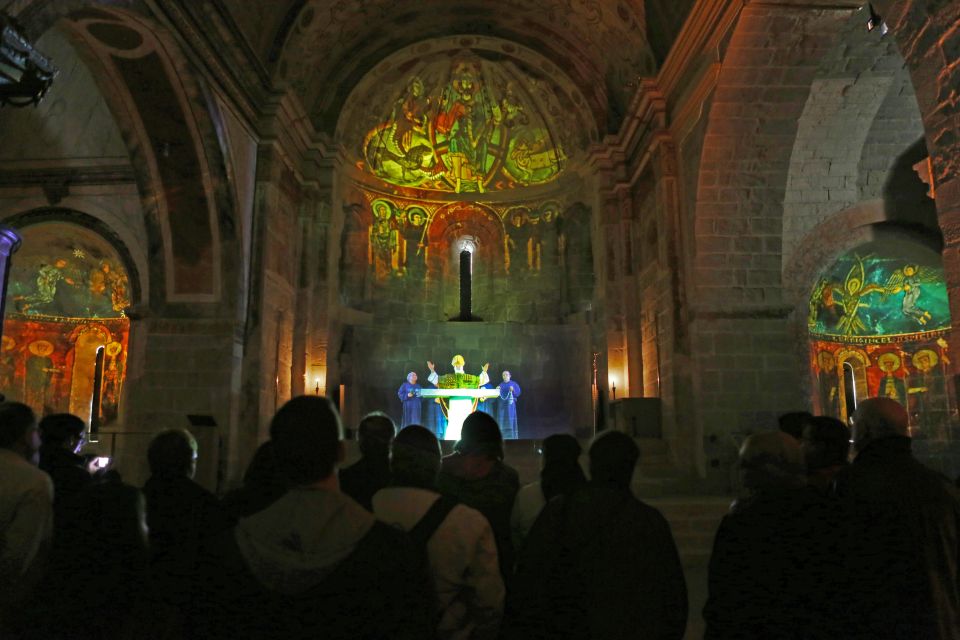
The heart of the experience is its idea of “life in the monastery,” not just dates and artifacts. You’re guided through spaces inside a complex that dates back roughly a thousand years, and the storytelling is built to feel emotional and lived-in, with voices, everyday sounds, and images from the past appearing between the walls.
That mix is also why this works for more than one type of visitor. If you’re drawn to medieval art, you’ll get a museum route that explains Catalan history. If you simply want a calm, cultural stop outside the city, it still gives you structure without feeling like a rushed “box-ticking” tour.
You can also read our reviews of more tours and experiences in Barcelona
Tickets and value: $18 for an audio-led 1.5-hour visit
At about $18 per person, the ticket price is easiest to judge by what’s included. You get an audioguided entrance that covers the monastery’s principal features and the museum story.
Is that a bargain or just a fair deal? I’d call it solid value if you use the audio guide instead of treating it like background noise. A 1.5-hour visit is long enough to absorb the museum’s main threads—especially the monastery spaces—without eating your whole day. If you’re also planning a meal afterward, the whole stop becomes better value because the site already offers dining options you can tack on with minimal extra logistics.
If your priority is only one thing—say, a quick look at buildings and you don’t care about the museum explanation—then 1.5 hours might feel like more than you need. For most people, though, the built-in pacing is exactly what helps you appreciate the place.
La Fàbrica reception start: what your 1.5 hours is built to do
Your visit begins at La Fabrica, the reception of Món St Benet Monastery on Camí de Sant Benet in Sant Fruitós de Bages. The activity ends back at the same meeting point, which helps you plan the rest of your day without guessing how far you’ll wander.
Because the experience is audio-led, the best way to use your time is to let the guide direct your attention. In practice, that means you’re not just looking at the church or cloister as standalone sights. You’re moving through the complex while the audio connects what you see to what you’re meant to understand about the monastery and Catalonia’s broader evolution.
Also, the audio guide being available in four languages—Catalan, English, Spanish, and French—matters more than it seems. It makes it easier to pick a language where the explanations land naturally, especially if you want the museum parts to really click.
Church, cloister, wine cellar: your main route through the monastery complex
The visit is designed around the monastery’s principal features: the church, the cloister, and the wine cellar among other areas. Even if you’ve seen medieval sites before, this layout helps you get “the big picture” faster.
The church
The church is typically your first clue that this wasn’t a museum built to imitate the past. It’s a working-type architectural environment, and the tour approach keeps you oriented to why religious spaces mattered in how monastic communities organized life.


The cloister
The cloister is where the rhythm of monastery life becomes easier to imagine. You’re in a space strongly associated with daily routines, and the audio format helps you connect that daily calm to the broader historical story you’ll hear throughout the visit.
The wine cellar
The wine cellar is a practical reminder that monasteries weren’t only about prayer and scholarship. The museum framing gives context for how monastic communities participated in the economy of their world, especially through production and storage. It’s the kind of stop that turns abstract history into something concrete.
One helpful way to think about these three spaces: the church and cloister help you understand belief and routine, while the wine cellar adds a layer of everyday work and local ties.
Catalonia over the last millennium: what the museum story is really doing
A major promise of Món Sant Benet is that it takes you through the history of Catalonia over the last millennium, and it does so inside a monastery setting. That’s more than a timeline. The museum aims to show social evolution—how community life changes over centuries—and it keeps the monastery itself as the “stage” for that story.
I like this approach because it prevents medieval history from turning into a list of names and dates. Instead, you’re learning alongside the site that shaped and reflected those changes. You aren’t just hearing about Catalonia. You’re watching how the monastery complex becomes part of the explanation.
The emotional angle is also important here. The audio experience includes voices, everyday noises, and images from the past, which pushes the museum away from sterile exhibits. Even if some of those elements are more interpretive than literal history, they support the goal: to help you feel what monastic life could have been like rather than only memorize it.
Montserrat gallery cells: the monastic life detail most people overlook
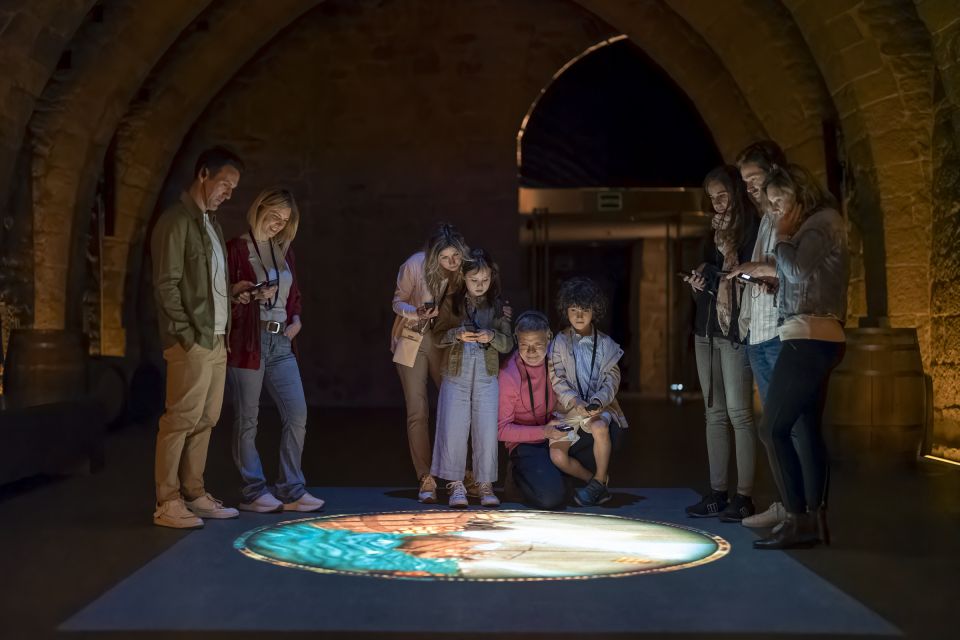
One of the featured stops is the cells in the Montserrat gallery. The word cells makes you think of simple rooms, but the value of this part of the tour is the context. It helps you connect the building’s architecture to human routines, personal space, and the kind of life that filled these walls.
This is also where the tour’s focus on “life in the monastery” becomes most tangible. You’re seeing the monastery not only as a monumental structure, but as a place where people lived day to day. For anyone interested in Catalan Roman art and the social function of religious spaces, this stop is a strong payoff.
If you’re short on time, don’t skip it. This is often the segment that makes the whole visit feel coherent, because it adds the human scale behind the big rooms.
Add dinner afterward: using your ticket visit to pace a real meal
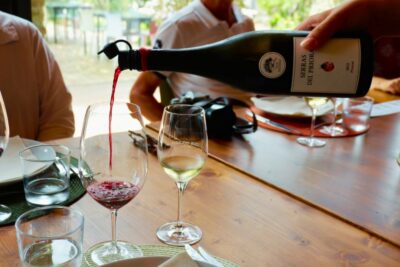
After your 1.5-hour audio-guided visit, you can stay for dining. Món Sant Benet has three restaurants, including L’Ó, which is Michelin-starred. Dining is an extra cost, but the option is genuinely useful because you don’t have to find transport or a new plan immediately after your museum time.
Here’s how I’d think about it for planning: treat the monastery visit as your “culture block,” and dinner as your slow-down moment. That lets you keep the day from feeling like constant movement. It also works well if you like ending with something local and intentional rather than grabbing a quick bite in transit.
Practical note: since the ticket ends back at the meeting point, you’ll be well-positioned to head straight to the restaurants without extra navigation stress.
Who should book Món Sant Benet tickets?
This ticket makes the most sense if at least one of these is true:
- You want a structured, audio-led way to understand medieval Catalonia without a complicated itinerary
- You’re interested in Roman art in Catalonia and want an explanation that ties art to place
- You like cultural experiences that feel atmospheric, not only informational
- You want an easy half-day plan outside Barcelona that still includes a meaningful stop
It may be less ideal if you’re only looking for a quick photo stop, because the visit is built around a guided, museum-style flow. And if fine dining is a must, remember that the restaurants are own expense, even though they’re on site.
Should you book? My take
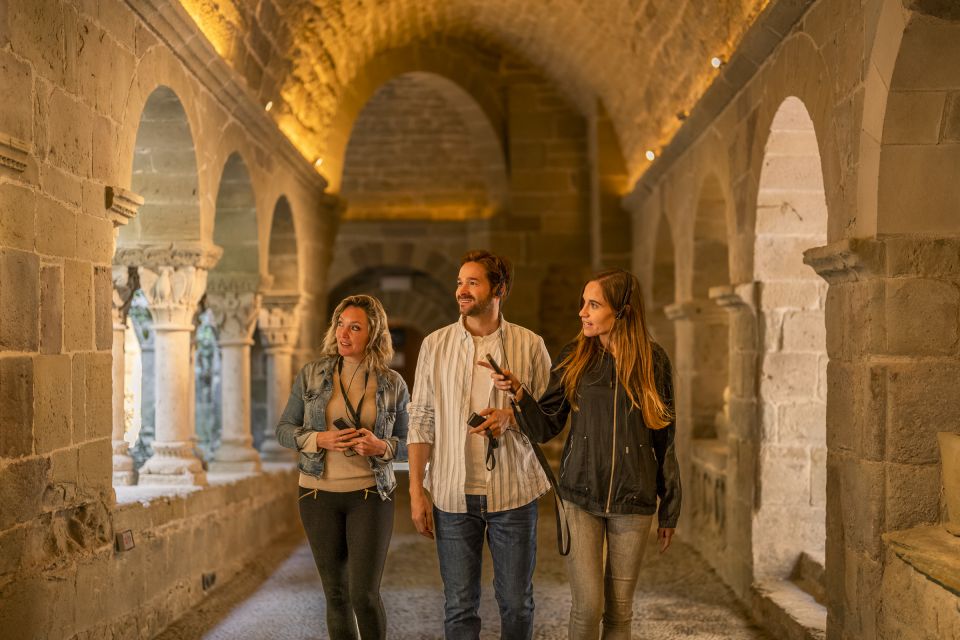
If you want a calm, well-paced monastery visit that connects architecture + history + museum storytelling, I’d book Món Sant Benet tickets. At $18 for an audio-guided 1.5 hours, you’re paying for a guided way to understand the complex—church, cloister, wine cellar, and the Montserrat gallery cells—rather than just walking through rooms.
I’d book especially if your goal is to make medieval Catalonia feel understandable, not just old. And if you might want a meal afterward, the on-site restaurant options—including Michelin-starred L’Ó—turn a museum stop into a full outing.
FAQ
How long does the Món Sant Benet monastery ticket experience take?
The experience lasts about 1.5 hours. Starting times depend on availability.
What does the ticket include?
The ticket includes an audioguided entrance to Món Sant Benet.
What languages are available for the audio guide?
The audio guide is available in Catalan, English, Spanish, and French.
Where do I meet for the visit?
You start at La Fabrica, the reception of Món St Benet Monastery, Camí de Sant Benet, Sant Fruitós de Bages, and the activity ends back at the same meeting point.
Is this visit wheelchair accessible?
Yes, the experience is wheelchair accessible.
Is there a cancellation option for a refund?
Yes. You can cancel up to 24 hours in advance for a full refund.