REVIEW · BARCELONA
From Barcelona: Priorat’s Exclusive Cellars, Wines & Nature
Book on GetYourGuide →Operated by Spanish Trails · Bookable on GetYourGuide
Slate hills. Big reds. Zero rush. Priorat has a way of making wine feel like geology you can taste: steep hills, slate-heavy viñedos, and boutique cellars where the people making the wine actually talk with you. I like that this feels truly private and all-access, with a guide who keeps the day moving without turning it into a checklist.
My second favorite part is the way the wine is paired with real food. You’ll have a 3-course lunch made from local produce, matched with the region’s full-bodied reds, then continue tasting in a relaxed rhythm. The wine selection across three stops also helps you understand the range you can get from the same area.
One consideration: it’s a long day. With about 11 hours total and real driving time from Barcelona, it’s best for people who are happy to spend the day out of the city and on their feet.
In This Review
- Key points worth marking on your mental map
- Priorat, in plain terms: why this day feels different
- Leaving Barcelona: the ride that sets the tone
- First wine stop: getting your bearings fast with two hours of tasting
- Moving between cellars: why the short drives matter
- Second wine stop: tightening your palate and your questions
- Lunch in Priorat: 3 courses that actually belong to the region
- Final cellar visit: learning how vintners shape the style
- Wine nerd corner: what to listen for when you taste
- Price and value: what $877 per group really buys
- Who this works for (and who should choose another plan)
- Practical tips that make your day smoother
- Should you book it?
- FAQ
- How long is the Priorat wine tour from Barcelona?
- Where does the tour start and end?
- Is it a private tour?
- How many wineries do you visit?
- Are the tastings hosted by winemakers?
- What’s included for lunch?
- What languages are available for the live guide?
- What should I bring?
- What’s the cancellation policy?
- Is there an option to pay later?
Key points worth marking on your mental map
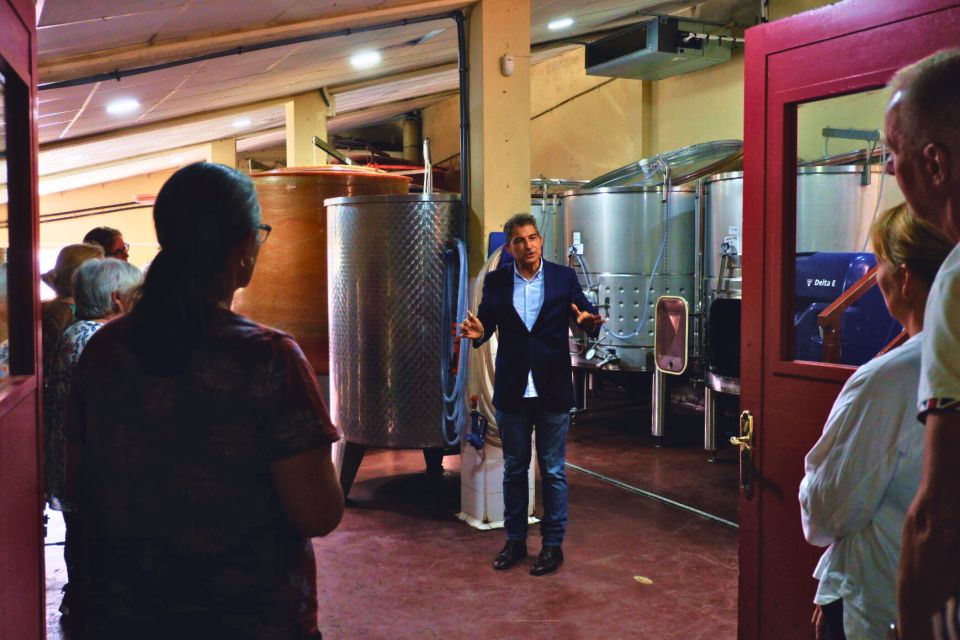
- Winemaker-hosted tastings at three boutique cellars for a more personal, less touristy feel
- Slate-laden soils (black slate/mineral-rich ground) that explain the style: full-bodied, consistent, and structured
- A 3-course lunch paired with wine built around local produce rather than an afterthought meal
- Small group size (up to 8) keeps conversations practical and helps your guide tailor the pacing
- English or Spanish live guiding so you can ask questions instead of guessing what you’re tasting
- Comfortable-vehicle pickup and drop-off in Barcelona means you don’t have to deal with logistics
Priorat, in plain terms: why this day feels different
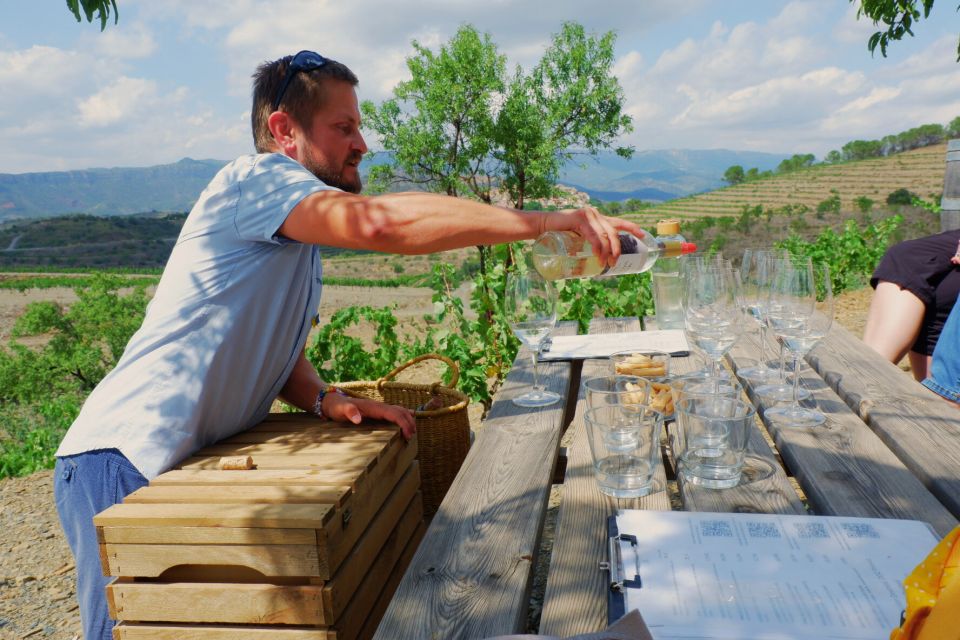
Priorat sits in Catalonia, and it’s famous for dark, serious reds. The reason isn’t marketing. It’s the combination of old vines and tough conditions—limited rain and high filtration in the local environment, plus mineral-rich ground that includes black slate. That slate shows up in the glass as texture and backbone: wines that often taste concentrated without feeling flat.
On this tour, the “different” part is how the day is built. You don’t just stop at wineries for quick photos and a generic pour. You visit exclusive cellars and taste with context: how the vineyards are planted, why the soil matters, and what each producer is aiming for.
If you’re someone who likes to learn while tasting, that matters. It changes how you notice aromas and how you understand structure—tannins, freshness, and that mineral edge people look for when they say a wine feels rooted.
You can also read our reviews of more wine tours in Barcelona



Leaving Barcelona: the ride that sets the tone
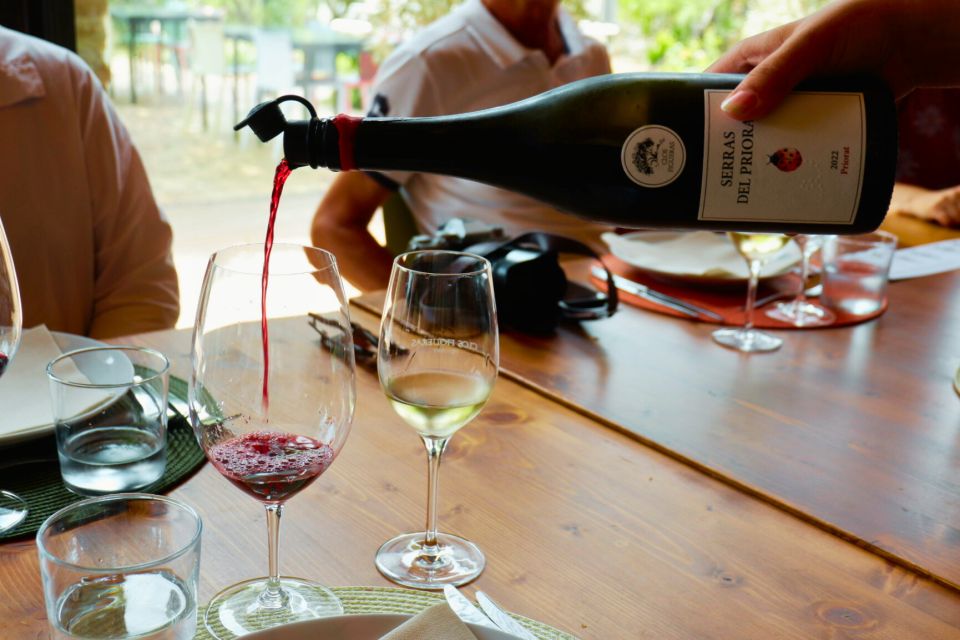
Your day starts with pickup in Barcelona and a comfortable van ride. Plan for around 2 hours in transit on the way to Priorat, then you’ll move between tasting stops with short additional drives. That rhythm matters because it lets the experience unfold instead of feeling like one long sprint.
What I appreciate about a schedule like this is the pacing. You’re not just traveling; you’re also transitioning from city time into countryside time. And once you arrive, the first tasting stop becomes more than a sip-fest. The region’s steep terrain and river canyons set up your brain for what you’re about to taste.
Tip: wear shoes you can walk in. You’ll want your feet comfortable because winery visits and time on vineyard-adjacent areas aren’t always “sit down and wait.”
First wine stop: getting your bearings fast with two hours of tasting
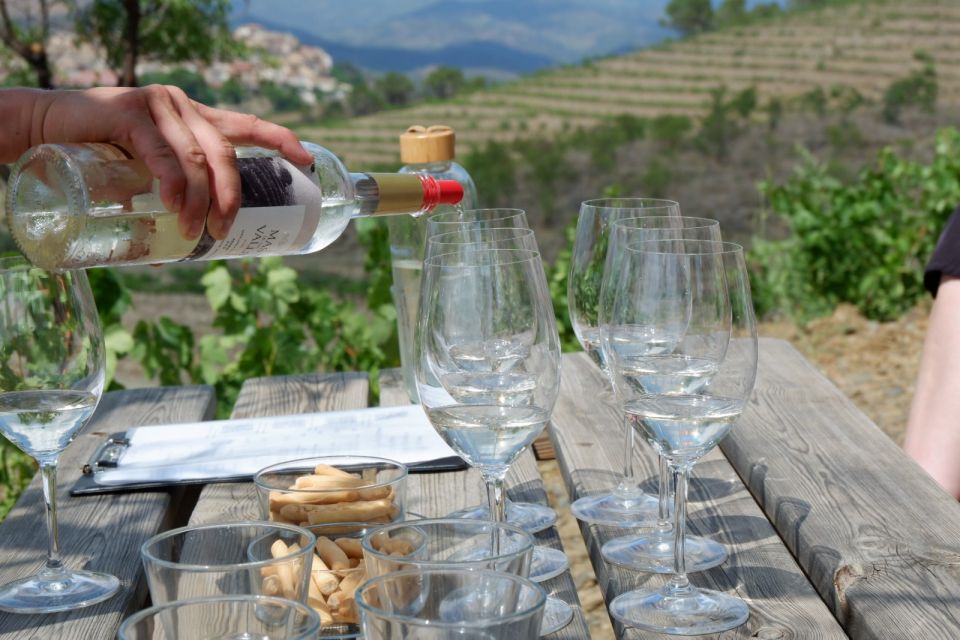
The initial cellar visit is longer than you might expect—about 2 hours. That’s a good sign. In wine country, short tastings can feel rushed: you taste, nod, and forget. A longer block gives you time to do something more useful: compare styles, ask what’s driving flavor, and notice how glass temperature and pacing change your perception.
This stop is also where a strong guide earns their keep. Names matter here because the day can run differently depending on who’s talking. Guides such as Filippo have been described as a perfect fit for the experience—helpful, easygoing, and tuned to what you want to understand. When that happens, you don’t just sample; you learn how to read the wine as a regional signature.
What you should do during this first tasting:
- Pace yourself and don’t rush to “pick your favorite” too fast
- Ask how the winery thinks about balance in a full-bodied style
- Pay attention to the slate-driven texture and whether the wine feels firm or more plush
You’ll leave with a baseline. Then the next two stops can be more meaningful because you’ll already know what you’re looking for.
Moving between cellars: why the short drives matter
After the first stop, there’s a short van transfer (about 20 minutes). Then you return for another tasting session, followed by lunch and a final cellar visit.
Those small gaps are not just logistics. They help you separate experiences in your head:
- First tasting = your starting point
- Second tasting = confirmation or contrast
- Lunch = reset for the palate
- Third tasting = deeper understanding and a more focused comparison
In wine tours, fatigue is real. If you’ve ever lost your sense of nuance after too many sips, you’ll appreciate the way this schedule builds in breathing room.
Second wine stop: tightening your palate and your questions
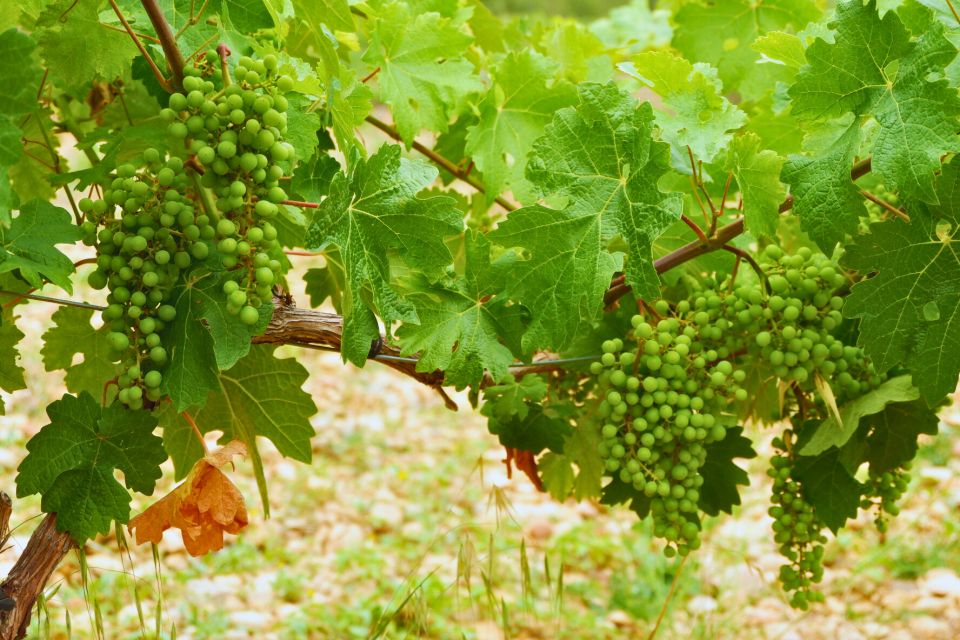
The second tasting runs about 1 hour. This is a good length for refinement. By now you’re less likely to stare at the glass like it’s a math problem. You’ll probably be asking more pointed questions, like:
- Is this producer aiming for more freshness or more density?
- What part of the vineyard or winemaking process changes the final feel?
- How does their style compare with the first cellar you visited?
This is also where you can start spotting patterns across wineries. Priorat wines can share traits—full-bodied structure and that slate-mineral character—but each producer balances power and finesse differently.
The guide factor again matters. Jose Luis is one example of a guide who’s been praised for being friendly and highly informed, which helps you keep the conversation practical instead of abstract.



Lunch in Priorat: 3 courses that actually belong to the region
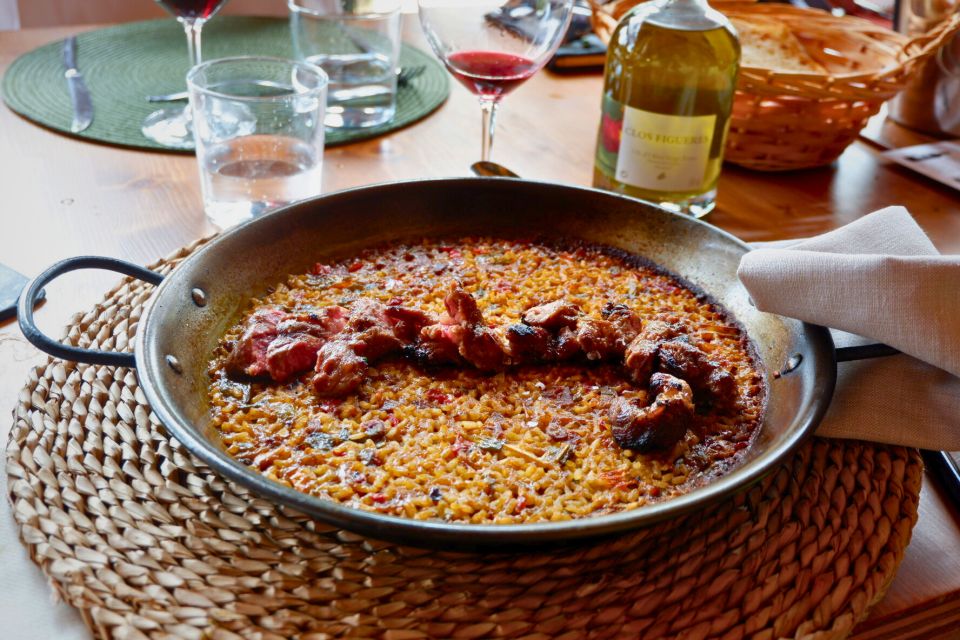
Lunch is 3-course and paired with wine, with local produce at the center. You also get about 1 hour for the meal, which is enough time to eat without feeling glued to your glass.
This is one of the best ways to understand Priorat. Serious reds can taste heavy if you only taste them in a vacuum. But with food—especially the kind of dishes that match local ingredients—the wine’s structure can feel more harmonious.
Here’s what I find smart about lunch on this kind of day:
- It refreshes your palate before the final tasting
- It gives your palate a “job” (pairing and flavor matching)
- It helps you decide what to buy later, because you’ve tasted wine in context
If you care about value, this is also where you get a real meal, not just a snack between tastings.
Final cellar visit: learning how vintners shape the style
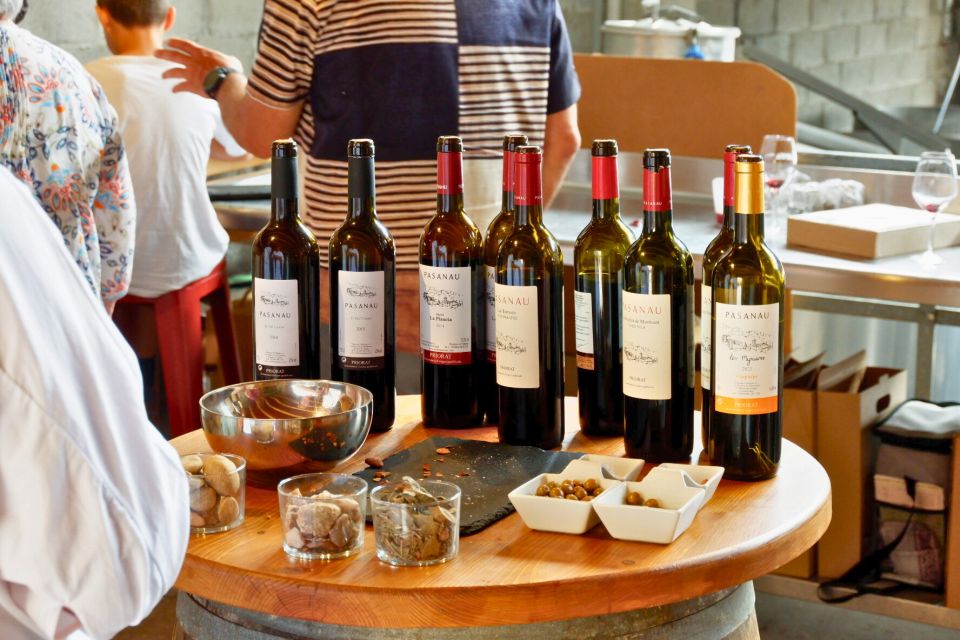
The last wine stop lasts about 1.5 hours, and that extra time can be the difference between liking a wine and understanding it.
You’ll likely get another round of tastings in a setting that emphasizes the exclusivity of these boutique cellars. One standout detail from guide experiences: Valeria has been noted for delivering an extensive, informative tour of her vineyard, which makes the wine feel connected to real ground and real work—not just a brand story.
If you’re aiming to leave with bottles you’ll actually drink, this final stop is where you decide:
- Which style fits your taste at home (more structured vs. more approachable)
- Which wines keep their character after food pairing
- What you want to reorder for dinners, not just special nights
Also, if you’re a collector type, this is often the moment when buying becomes easier. Priorat can produce wines that are harder to track outside the region, and a focused day can help you target what’s worth it.
Wine nerd corner: what to listen for when you taste
This tour is built for people who enjoy wine, but you don’t need to be an expert to get value. If you want to learn fast, use these cues while tasting.
1) Think about soil, not just grapes
Priorat’s black slate and mineral-rich ground are a big part of why wines feel structured and consistent. You’ll often notice texture—tannins that feel present but not necessarily dry.
2) Priorat reds are full-bodied by design
That’s the region’s reputation, and you’ll taste it across stops. The key is balance: look for wines that stay composed instead of just powerful.
3) Ask about balance and filtration
Limited rain and high filtration are part of the regional story. When you hear producers talk about how they handle concentration and clarity, the wines often click faster in your brain.
4) Compare, don’t sample randomly
A longer tasting window is only useful if you compare what changes from cellar to cellar.
Price and value: what $877 per group really buys
The price is listed at $877 per group, and the day runs 11 hours total with pickup and drop-off in Barcelona plus a full day of tastings and lunch. That’s not cheap, but wine touring in premium regions rarely is—especially when visits are hosted in exclusive boutique cellars and guided end-to-end.
Where the value shows up:
- Three boutique winery visits with generous tastings (not just one stop)
- Winemaker-level hosting in exclusive cellars, which often costs more than standard tastings
- A 3-course lunch paired with wine included, instead of paying separately for food
- Transportation in a modern, comfortable vehicle so you’re not piecing together trains and transfers while carrying wine-glass expectations
Where to be cautious:
- This is a day trip built for a small group/private experience model. If you only want a quick tasting and a casual wander, you might find cheaper options. But if you want focused access and a guided education through Priorat’s style, this is priced like a serious day.
If you can share the cost with others (depending on how your booking is configured), it can feel more reasonable. If it’s just you, treat it as a splurge—and plan your purchases thoughtfully so the day turns into real bottles you’ll actually drink.
Who this works for (and who should choose another plan)
This tour is a strong match if you:
- Love full-bodied Spanish reds and want to understand why they taste the way they do
- Want winemaker-hosted access instead of a drive-by tasting room
- Prefer a small group limit (up to 8) for better conversation and pacing
- Enjoy pairing wine with real food, not just bites
It may feel less ideal if you:
- Want a short, low-effort outing with minimal travel time
- Don’t drink much wine and won’t enjoy multiple tastings
- Have limited stamina for a long countryside day with transfers
Practical tips that make your day smoother
- Wear comfortable shoes. Winery visits and walk-around moments add up.
- Bring a light layer. Even in good weather, cellar air can feel cooler than the van.
- Go slow on tasting number one. If you’re tipsy early, you lose the point of the comparison later.
- Have your questions ready. The best days are the ones where you ask about soil, structure, and balance, not just what tastes best.
- If you plan to buy bottles, consider how you’ll store them after the day. (The tour covers tastings and lunch; transport after purchase is something you’ll manage separately.)
Should you book it?
If you’re excited by Priorat’s dark reds and want a day that combines exclusive cellar access, serious tasting time, and a meal that actually fits the wines, I’d book this. The small group size, long first tasting, and the 3-course paired lunch make it feel like a full experience rather than a rushed tasting tour.
Book it especially if you like the idea of leaving with clearer taste memories: not just which glass was “best,” but how each winery shaped the same Priorat character in its own way. If that sounds like your style, this is one of the more satisfying ways to experience the region from Barcelona.
FAQ
How long is the Priorat wine tour from Barcelona?
The total duration is 11 hours, including pickup, travel, tastings, and lunch.
Where does the tour start and end?
It starts with hotel pick-up and ends with drop-off in Barcelona. If you’re staying somewhere else, you can inquire.
Is it a private tour?
It’s described as a private full-day tour with all-access visits and a guide. It is also listed as a small group limited to 8 participants.
How many wineries do you visit?
You visit 3 boutique wineries for tastings.
Are the tastings hosted by winemakers?
Yes. The wineries are hosted by the winemakers themselves.
What’s included for lunch?
You’ll have a 3-course lunch paired with wine, featuring local produce.
What languages are available for the live guide?
The live tour guide is available in English and Spanish.
What should I bring?
Wear comfortable shoes.
What’s the cancellation policy?
Free cancellation is available up to 24 hours in advance for a full refund.
Is there an option to pay later?
Yes. You can reserve now and pay later to keep travel plans flexible.