REVIEW · BARCELONA
From Barcelona: Wine Cellar Visit in Penedes with Tasting
Book on Viator →Operated by Amigo Tours Spain · Bookable on Viator
Vineyard air beats Barcelona every time. This Penedès wine cellar visit takes you out of Barcelona and into Catalonia’s wine world, and I like that the tasting highlights the region’s Cava-style identity. You’ll also get a working-winery perspective, not just a quick stop for photos.
I love that you step through vineyards and the production areas with a professional guide, so the whole process clicks into place. The wine tasting comes with simple snacks like cheese and cold meat, which makes it easy to slow down and actually pay attention to flavors.
The main drawback is timing. You’re looking at about an hour each way by road, so it’s a day trip mindset, not a quick half-hour detour.
In This Review
- Key Things That Make This Penedès Wine Cellar Visit Worth Your Time
- Getting Out of Barcelona: The Ride and What It Sets Up
- The First Real Taste of Spain: Catalan Wine Culture and Cava’s Role
- Stop at the Winery: Walking Through Vineyards and Production
- The Vineyard Part: Views, Terrain, and Why Place Changes Taste
- The Guided Tour and History Thread: What You’ll Actually Learn
- Wine Tasting With Appetizers: How to Taste Like You Mean It
- Price and Value: What $53 Buys You (and Why It Can Be a Good Deal)
- What to Bring and How to Make the Day Feel Easy
- Group Size and the Feel of the Tour
- Who Should Book This Penedès Wine Cellar Visit
- Should You Book? My Take
- FAQ
- Where is the meeting point for the tour?
- How long does the experience last?
- What’s included in the $53 price?
- Is lunch included?
- What should I know about kids and car seats?
- Can I get a refund if I cancel?
Key Things That Make This Penedès Wine Cellar Visit Worth Your Time
- Vineyard views with a real winery tour in the Penedès mountains, guided end to end
- Catalonia-focused wine education, including how grapes and local methods shape what ends up in your glass
- Cava shows up in the story, since this region is known for its specialty bubbles
- Tasting with snacks included (cheese and cold meat), so you’re not drinking on an empty stomach
- Small-group feel with a maximum of 30 people, which usually keeps the tour conversational
- Convenient meeting point near transit: Estación de Francia in central Barcelona
Getting Out of Barcelona: The Ride and What It Sets Up
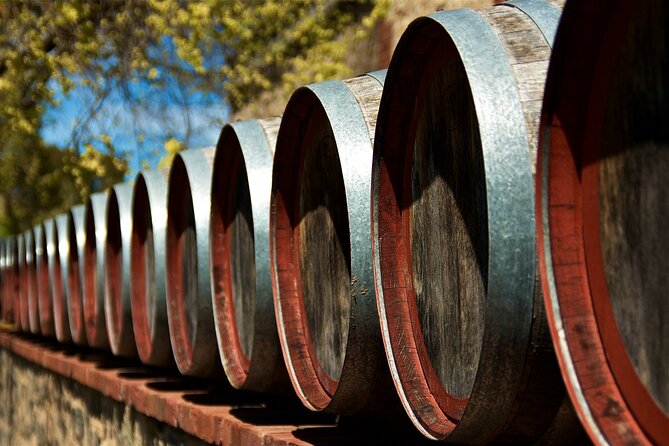
This is built as a classic out-of-the-city wine day. You meet at Estación de Francia (Av. del Marquès de l’Argentera, 6), then you head toward the Penedès countryside with about one hour each way on the road. That commute matters, because it’s the difference between a generic tasting and a full morning/afternoon you can actually feel.
Once you’re out of the city, the pacing shifts. You’re moving from traffic, streets, and schedules into vineyard time: slower roads, cooler air, and that quiet you only get when you stop being in the middle of a metropolis. Even if you’ve had Spanish wine before, the setting gives context fast. Penedès isn’t just a label on a bottle; it’s a landscape where grape growing and cellar work are part of daily life.
A practical note: this tour runs about 5 hours total (approx.). So I’d plan your day around it. If you’re also trying to squeeze in lunch plans, you’ll likely feel rushed. The tour includes tasting snacks, but it doesn’t replace a full meal.
You can also read our reviews of more food & drink experiences in Barcelona

The First Real Taste of Spain: Catalan Wine Culture and Cava’s Role
The tour frames Catalan wine within the bigger Spanish story. Spain has some of the largest cultivated vine areas in the world, and the long history is part of how Spanish wine culture developed. In this region, the emphasis is on the local twist: different grape varieties and production choices that shape the final style.
That’s where Cava comes in. The tour highlights Cava as a specialty tied to Penedès, which helps you understand why this region gets attention beyond standard reds and whites. Even if you’re new to bubbles, Cava is a useful entry point because it teaches you that wine is not just one thing—it’s style, process, and time. You start to see how grape choice and cellar method influence taste.
I like this approach because it prevents the usual mistake: thinking of wine tasting as a guessing game. Instead, you learn what the winery is trying to do, so you can taste with purpose. When you smell something fruity, or when bubbles feel fine and persistent, you’ll have a better idea what in the background likely drove that result.
Stop at the Winery: Walking Through Vineyards and Production
The centerpiece of the day is a guided visit to an important winery near Guardiola de Font-Rubí in Catalonia’s Penedès area. You’re taken through what the winery considers the heart of the operation: the vines, the winemaking areas, and the facilities behind the scenes.
What’s valuable here is that you don’t stay on the surface. A tour like this is usually strongest when it connects three ideas:
- where grapes come from,
- how they’re turned into wine,
- and how the winery’s setup supports that work.
Based on what’s described, you get exactly that kind of flow: a guided tour that includes history plus a walking tour through the plant, then tasting afterward. For you, that means the tasting isn’t random. It’s the final page of the story you just walked through.
Also, there’s a difference between “seeing wine” and seeing how wine is made. When you’re in production areas, you pick up a sense of scale and logistics—how much work is involved, how careful the process needs to be, and why cellar decisions affect the final glass. If you’ve ever wondered why two bottles can both be good yet taste completely different, this kind of walkthrough helps you spot where the difference likely begins.
The Vineyard Part: Views, Terrain, and Why Place Changes Taste
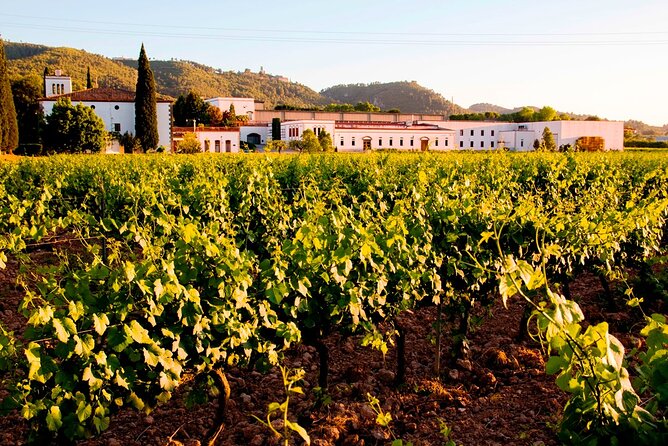
Even if you care most about the tasting, the vineyard time is still useful. Vineyards aren’t decoration; they’re part of the flavor system. In Penedès, grape variety is a key theme, and being in the growing areas makes that feel real.
The standout element people highlight is the views, and that’s not surprising. You’re in the mountains outside Barcelona, so you get that quick mental reset. You trade city edges for rolling wine-growing country. The visual reminder helps you connect the education you’re getting with something physical.
If you like photos, this is where you’ll want to step out for a moment. If you like quiet, it’s also the moment you’ll get it. Either way, dress for outdoor time: you’ll be walking as part of the tour, and the weather outside the city can feel cooler than you expect.
The Guided Tour and History Thread: What You’ll Actually Learn
One reason this kind of winery visit works for most people is that it’s not just facts. It’s a guided storyline. The tour includes:
- how the winery operates,
- the facilities involved,
- and the winery’s history.
That matters because Spanish wine isn’t only about what’s in the bottle. It’s about tradition carried forward, updated by production needs, and shaped by local choices. When your guide ties that together, you end up understanding the why behind the process.
And because the day focuses on Catalonia, you’ll also learn why local production patterns can be different from other Spanish regions. Wine is shaped by many variables—grape types, climate, and the way a producer handles fermentation and aging. Even if you don’t catch every technical detail, you’ll come away with a clearer idea of what to look for when you taste.
You can also read our reviews of more wine tours in Barcelona



Wine Tasting With Appetizers: How to Taste Like You Mean It
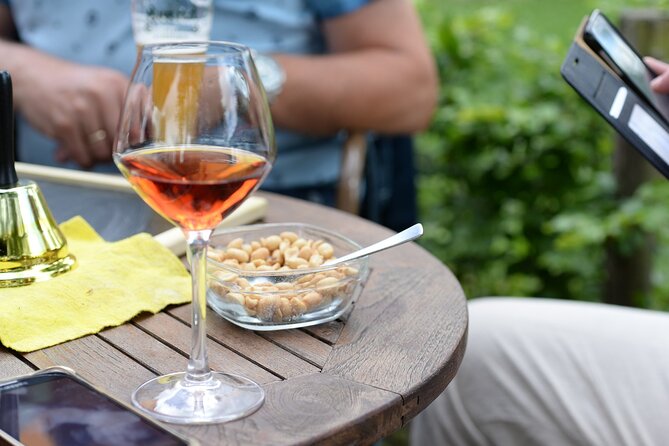
After the walk, it’s time for the tasting, and this is where the tour earns its keep. Wine tastings can become a blur if there’s no structure. Here, you get the tasting with appetizers—cheese and cold meat—which helps in two ways.
First, food balances the experience. You’ll likely taste more accurately when you aren’t hungry. Second, the snacks create a simple pairing playground. You can notice how saltiness, fat, and texture change how wine reads on your palate.
I’d treat the tasting like a mini lesson. Take a breath before your first sip. Smell first, then sip, then ask yourself what you’re noticing:
- Is the wine more about fruit or dryness?
- Does it feel light and refreshing, or heavier?
- For any sparkling option connected to Cava, watch the bubble character—fine and steady bubbles usually feel different than big, flashy ones.
And don’t rush. With snacks in the mix, you can take your time and compare. That’s often the difference between a tasting that feels like a checkbox and one that actually changes how you’ll choose wine later.
Price and Value: What $53 Buys You (and Why It Can Be a Good Deal)
At $53 for about 5 hours, this isn’t the kind of tour where you’re paying mostly for a bus ride. The value comes from what’s included:
- transportation from the meeting point,
- a professional guide,
- a winery entrance plus guided tour,
- wine tasting,
- and snacks (cheese and cold meat).
If you’ve ever priced the cost of a guided winery tour plus a tasting in Spain, you’ll know the price can jump fast once you add transportation and an actual cellar visit. Here, the structure is one ticket that handles the big chunks of the day. That’s especially helpful if you don’t want to plan transit to the countryside on your own.
Two more value points: group size and time spent. With up to 30 people, you generally get a better shot at questions than on a huge crowd tour. And the itinerary isn’t just “arrive, taste, leave.” You get the vineyard and production walkthrough first, then tasting afterward.
The only real trade-off is that you’re paying for an organized format rather than going fully independent. If you love building your own route and timing, this might feel a bit scheduled. But for many people, the convenience and education are exactly the point.
What to Bring and How to Make the Day Feel Easy
Since the tour includes walking and outdoor time around vines, come ready:
- comfortable shoes for uneven paths and winery grounds,
- a light layer in case it feels cooler in the mountains,
- and a charged phone for the quick photo moments that will happen once you’re in vineyard territory.
Also, plan your food expectations. Lunch is not included, so either eat before you go or be ready to pick up something afterward. The cheese and cold meat snacks help, but they won’t replace a full meal if you eat big.
If you’re bringing kids: children under 11 must sit in a baby car seat, and the operator can’t provide one—so bring your own if needed.
Group Size and the Feel of the Tour
This experience caps at 30 travelers, which is a sweet spot for most day trips. You want enough people for a friendly atmosphere, but not so many that the guide has to race through explanations.
The day is built as a single itinerary: you depart, you tour, you taste, and you return to the meeting point. That simplicity makes it easier to relax. You don’t need to map out where to go, and you don’t have to worry about missing a connection in the countryside.
One more practical plus: you get a mobile ticket, and the meeting point is near public transportation. That matters if you’re already using transit heavily while in Barcelona.
Who Should Book This Penedès Wine Cellar Visit
You’ll likely enjoy this tour if:
- you want more than a quick tasting and want the production context,
- you’re curious about Catalan wine and how Penedès connects to Cava,
- you like guided explanations paired with a real working winery visit,
- you’re happy doing a structured day trip from Barcelona.
It’s also a good fit for a date idea or a small group outing where everyone can share the same experience and compare what they tasted.
If you hate any walking or dislike day trips with a commute, this might feel like too much structure. But if you’re flexible, the vineyard time plus the tour is usually the best part.
Should You Book? My Take
I’d book this if you want an honest, grounded way to understand Spanish wine right outside Barcelona. The combination of a guided winery visit, a vineyard-focused tour setting, and a tasting with snacks is a strong formula for the price.
You’re not just buying time with bottles. You’re paying for context: how Catalonia’s grape variety and winemaking choices turn into what you taste. If that sounds like your style, go for it—especially if you’d rather learn from a guide than figure everything out solo in the countryside.
FAQ
Where is the meeting point for the tour?
The tour meets at Estación de Francia, Av. del Marquès de l’Argentera, 6, Ciutat Vella, 08003 Barcelona, Spain. It ends back at the same meeting point.
How long does the experience last?
The duration is approximately 5 hours.
What’s included in the $53 price?
Included are transportation from the meeting point, a professional guide, winery entrance and guided tour, wine tasting, and snacks (cheese and cold meat).
Is lunch included?
No. Lunch is not included.
What should I know about kids and car seats?
For children under 11, a baby car seat is mandatory. Amigo Tours can’t provide one, so you need to bring your own.
Can I get a refund if I cancel?
Yes. You can cancel for a full refund up to 24 hours before the experience starts. If you cancel less than 24 hours before, it won’t be refunded.