Barcelona turns symbolic on this walk. You start in the big, modern hub and end in the medieval streets, with stops tied to Western esotericism and spirituality. I like that this isn’t just theory in a classroom; it’s ideas mapped onto real corners of the Barri Gòtic.
Two things I really liked: the guide is an expert in Western esotericism, and the stories connect symbols to what you can actually see in the Gothic Quarter. I also like the small maximum group size (up to 8), since it keeps the talk moving and makes it easier to ask questions.
One consideration: it’s a 3-hour, slow walking tour with standing, so it’s best if you’re comfortable on your feet and can handle some wind and street-step changes. If you want a sit-everywhere kind of tour, this one may feel like too much movement.
In This Review
- Key Things That Make This Tour Worth Your Time
- Why This Esoteric Walk Feels Different in Barcelona
- From Plaça de Catalunya to the Gothic Quarter: Getting Your Bearings
- El Call and the Cathedral Area: Where Faith Stories Overlap
- Temples, Masons, Alchemy, and Kabbalah on Real Streets
- Roman Remains and Medieval Landmarks: Seeing Time Layer by Layer
- Pace, Group Size, and the Private-Tour Feel
- Tips for a Comfortable 3-Hour Esoteric Stroll
- Price and Value: Is $90.02 Worth It?
- Should You Book This Esoteric & Spiritual Tour of Barcelona?
- FAQ
- How long is the Esoteric & Spiritual Tour of Barcelona?
- Where does the tour start and end?
- Is the tour offered in English?
- What kind of walking should I expect?
- Is transportation required?
- How big is the group?
- Is there a cancellation policy?
Key Things That Make This Tour Worth Your Time
- Templars, Masonic symbols, alchemy, Kabbalah all get explained while you walk, not after you leave
- Barri Gòtic through a symbolism lens, so familiar streets feel new
- El Call (the Jewish district) and the cathedral area are woven into the story rather than treated as checkboxes
- Roman remains and medieval landmarks add physical depth to the spiritual themes
- Small group (up to 8) helps keep attention personal and questions welcome
- Morning or afternoon departures let you fit the walk around your day
Why This Esoteric Walk Feels Different in Barcelona
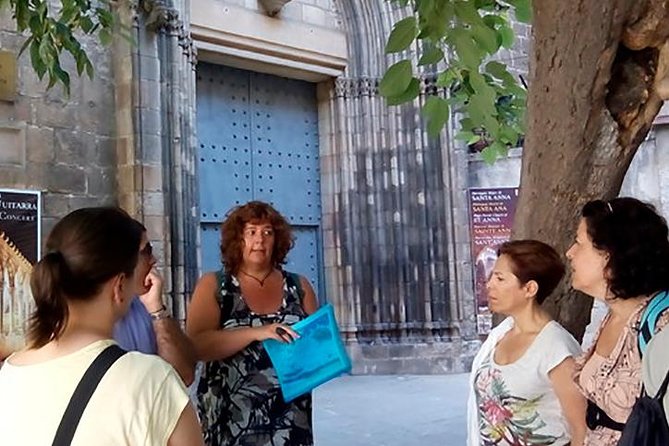
Most Barcelona tours give you architecture and big historical beats. This one gives you another layer: what symbols and spiritual ideas meant to people who lived through the Middle Ages and beyond.
You’ll move through streets in the Barri Gòtic that are old enough to have had multiple lives. The tour’s sweet spot is tying Western esoteric themes to places you can point to: Templars, Freemason-like imagery, alchemy themes, and the birth stories connected to Kabbalah.
I also like the tone. It’s not a lecture that talks down to you. It feels more like street conversation with an expert who knows how to make the ideas stick, even if you only know the basics.
If you enjoy medieval symbolism, tarot, or the way different traditions borrow and transform ideas, you’ll likely feel at home. If you’re expecting strict academic history only, you might need to switch gears and treat the walk as interpretation plus context.
You can also read our reviews of more tours and experiences in Barcelona.
From Plaça de Catalunya to the Gothic Quarter: Getting Your Bearings
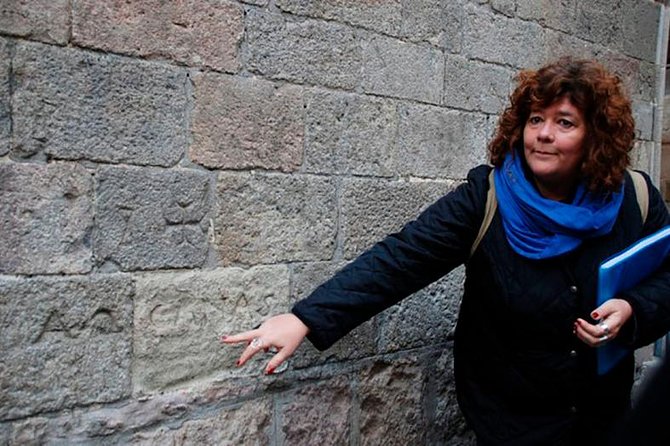
You meet near Plaça de Catalunya at the top of Las Ramblas, and your walking route immediately starts mixing the city’s scale. Las Ramblas can feel like a river of motion, and then the tour slowly guides you into a quieter world of narrow pedestrian streets.
The starting point is at Centre Comercial El Triangle, Plaza de Catalunya 1, 4, in the Eixample area. That matters because it’s easy to find in a central zone, and you’re not trekking across the city to begin.
Then the pace becomes the point. You’re not trying to sprint from landmark to landmark. You’re doing slow walking and frequent looking, so you can track the symbolism as it’s explained and as it appears in the surroundings.
By the time you’re properly inside the Gothic Quarter, you’ll start seeing it less like a theme-park of old buildings. You’ll see it as a dense mix of eras where spiritual ideas, community history, and power structures all left marks.
El Call and the Cathedral Area: Where Faith Stories Overlap
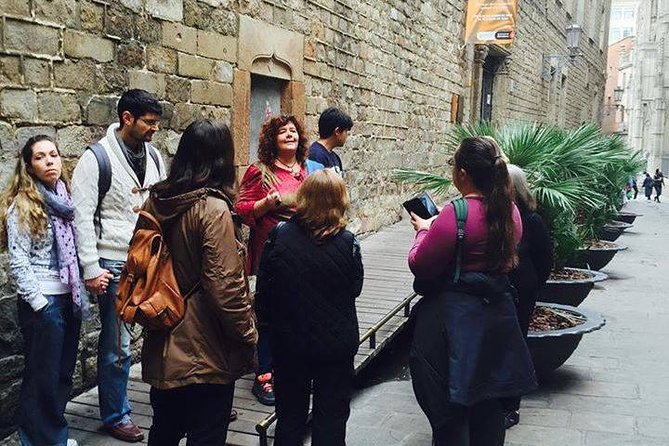
One of the tour’s main strengths is how it uses place to explain people. You’ll visit El Call, Barcelona’s Jewish district, and that stop gives the walk emotional weight beyond the usual sightseeing checklist.
You’ll also spend time around the Barcelona Cathedral area and an older church. That pairing matters because cathedrals and churches aren’t just architecture here. They’re part of the visual language of faith, authority, and identity across centuries.
The tour approach helps you connect dots without forcing you to memorize dates. Instead, you get guided attention: what to look for, why it might have been meaningful, and how it ties into the broader themes of spirituality and symbolism.
A possible drawback is that this isn’t a route built for fast photos. Expect to pause, listen, and stand. If your day is photo-first with minimal time spent reading details, you may find the stopping points slow you down.
Temples, Masons, Alchemy, and Kabbalah on Real Streets
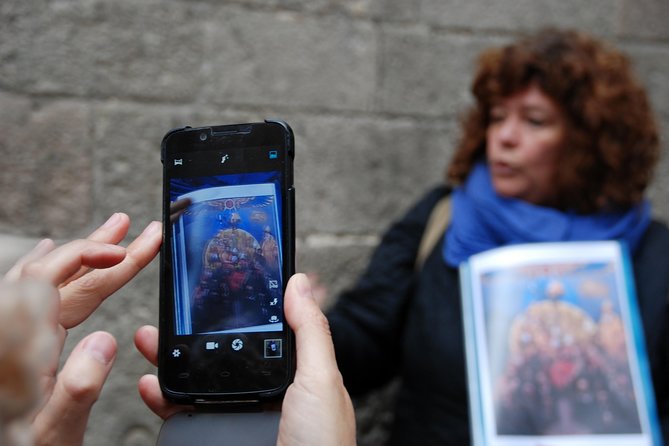
This tour’s core promise is walking Western esotericism into view. You’ll hear about the remains of Templars and you’ll also encounter Masonic symbols as part of the larger story the guide is building.
Alchemy comes up too, which is a fun theme because it bridges myth, early science, and symbolic thinking. On the walk, it’s not presented as fantasy for its own sake. It’s used as a lens for how people tried to explain transformation, both inward and in the physical world.
Then comes Kabbalah, including the birth of Kabbalah as part of the narrative. If that’s a subject you’ve only seen online, this is the kind of format that can make it feel less abstract. You’re getting the ideas tied to a city you can physically navigate.
From the way the tour is described, you can also expect connections across traditions, including mentions that help bring tarot and related mystical systems into the conversation. That makes the experience feel like a guided map of themes, not a single-track lecture.
If you love this kind of symbolism, it can feel like the best kind of city tour: the streets start acting like footnotes. If you don’t, you’ll still learn a lot about the Gothic Quarter, but you might want more “what you’re seeing” and less “what it symbolizes.”
Roman Remains and Medieval Landmarks: Seeing Time Layer by Layer
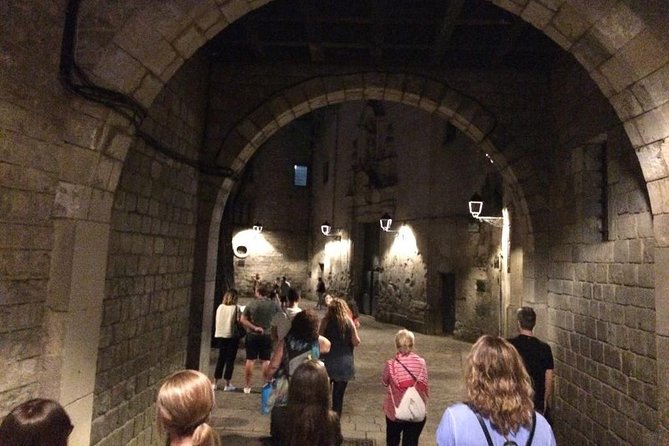
Barcelona is famous for eras stacking on top of each other, and this walk leans hard into that reality. You’ll explore Roman remains that are still part of the street-world, which is a big deal for how the tour feels.
Roman material on its own can be interesting, but it’s easy to treat it like a relic. Here, it’s positioned as part of a long timeline that feeds into the medieval landmarks around you.
The guide keeps the route pedestrian-friendly, and you spend enough time that those landmarks register. Instead of one quick glance, you get a chance to build a mental map of the area’s structure and its historical layering.
This is also where the Gothic Quarter starts to click. The neighborhood becomes less of a single “old area” and more of a patchwork shaped by different communities and different belief systems.
If you like walking tours that give you mental models, you’ll probably enjoy how the tour stitches the eras together. If you’re looking for official “museum-style” storytelling only, this might feel more interpretive than you expect.


Pace, Group Size, and the Private-Tour Feel
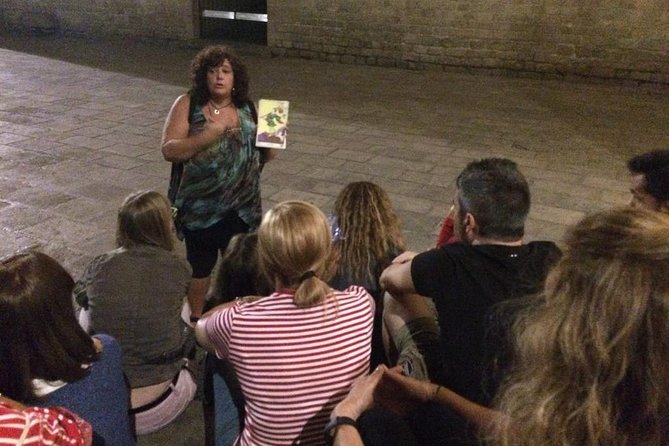
A lot of small-group tours still feel rushed. This one is built around slow walking through pedestrian streets, with about 3 hours of gentle pace that includes standing for stops.
You’re not dealing with buses or transfers. That’s a plus in a city where transit and traffic can drain time. You’re simply walking, which also makes the tour easier to plan around meals and other sights.
The experience runs with a maximum of 8 travelers, and it’s offered in English. That small size often matters more than people think. You get more chances for direct questions, and the guide can respond to your curiosity instead of sticking to a script for a big crowd.
It also sounds like departures can be scheduled for morning or afternoon. That gives you flexibility, especially if you want to avoid Barcelona’s strongest midday sun.
One small reality check: it’s a walk with standing. If you have limited mobility, you’ll want to think carefully. The good news is that it’s a stroll through pedestrian areas, and the tour is described as walking slowly.
Tips for a Comfortable 3-Hour Esoteric Stroll
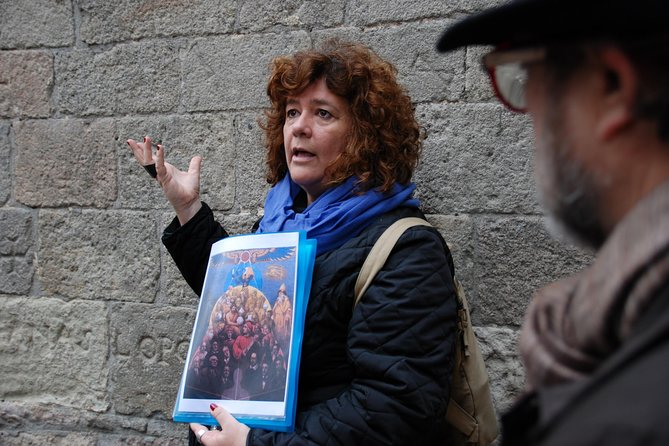
Wear shoes you trust. Even with slow walking, Gothic Quarter streets can mean uneven stone and frequent small changes in footing.
Bring layers. Wind can happen in parts of the area, and one comment notes it was windy at times during the walk. A light layer helps you stay comfortable while you’re stopped to listen.
Keep expectations aligned with the format. This is a theme-based walking tour, so you’ll get the best results if you’re ready to pay attention. It’s not just “see this, then see that.” It’s “look, listen, connect.”
Also, give yourself time after. You’ll likely leave with a head full of symbols and questions. The tour ends at Plaça del Rei, right by the Barcelona Cathedral area, so you can stay in the historical zone without needing to travel far.
If you’re the type who likes to talk about what you just learned, this tour fits your style. The guide’s tone is described as energetic and engaging, which matters because esoteric subjects can otherwise sound dry fast.
Price and Value: Is $90.02 Worth It?
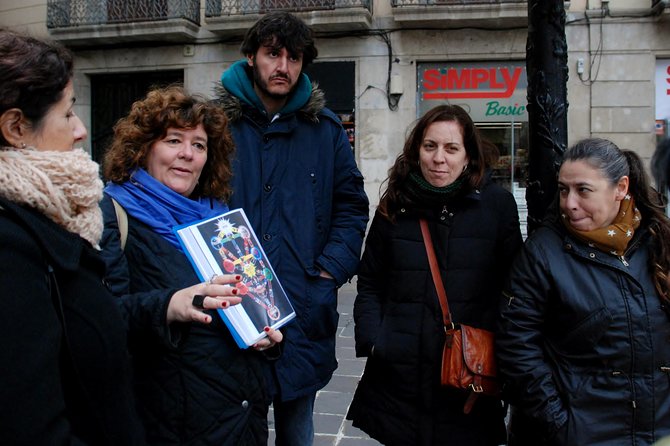
At $90.02 per person for about 3 hours, this isn’t a bargain-basement walking tour. But it also isn’t priced like a high-end private museum day.
The value comes from a few specific choices:
- You’re paying for an expert guide in Western esotericism, not just a general city guide
- The route covers a dense area where many themes can be tied to visible places
- The group size is capped at 8, which often helps you get more direct attention
- There’s no transportation cost built in, since it’s walking end to end
You’re also getting something that’s harder to book elsewhere in Barcelona: a structured, symbolism-focused walk. If your goal is to learn how people connect Templars, alchemy ideas, and Kabbalah stories to the city’s spaces, this is where your money is going.
If your goal is pure architectural sightseeing with minimal interpretation, you may feel like you’d get a similar overview from other Gothic Quarter tours. So decide based on what you want to think about for the rest of your trip.
Should You Book This Esoteric & Spiritual Tour of Barcelona?
Book it if you enjoy symbols, hidden meanings, and spirituality as a way to read the past. You’ll probably appreciate the way the guide ties together Templars, Masonic themes, alchemy, and Kabbalah while you walk through El Call, the cathedral zone, Roman remains, and medieval corners of the Barri Gòtic.
Skip it (or consider another option) if you want mostly straightforward history with little emphasis on interpretation. This walk asks you to stay curious and listen closely, not just take in views from a moving route.
If you’re excited by the idea of seeing the Gothic Quarter with a new lens, this is the kind of tour that can change how you notice the city afterward. Even if you only know a little about these traditions, the guide’s energy and topic focus can turn that into real interest fast.
FAQ
How long is the Esoteric & Spiritual Tour of Barcelona?
The tour is approximately 3 hours.
Where does the tour start and end?
It starts at Centre Comercial El Triangle, Pl. de Catalunya, 1, 4, L’Eixample, 08002 Barcelona, Spain. It ends at Plaça del Rei, Pl. del Rei, Ciutat Vella, 08002 Barcelona, Spain, next to the Barcelona Cathedral.
Is the tour offered in English?
Yes, it is offered in English.
What kind of walking should I expect?
It’s a stroll with slow walking through pedestrian streets, including 3 hours of slow walking and standing.
Is transportation required?
No. The tour is walking, so no transportation is required.
How big is the group?
The tour has a maximum of 8 travelers.
Is there a cancellation policy?
Cancellation is free. You can cancel up to 24 hours in advance for a full refund, and the experience requires good weather.