El Born is where Barcelona history feels close enough to touch. This 2.5-hour, small-group walk pairs major landmarks with the kind of street-level commentary that helps the Old Town click into place fast. You’ll start at Arc de Triomf, then move through medieval churches, Modernist architecture, food-market energy, and the memorial places tied to 1714.
I especially like the mix of free-entry stops and “why it matters” explanations. One moment you’re looking at religious buildings that shaped everyday life; the next you’re at a UNESCO-listed concert hall type of stop where Barcelona’s Modernisme ambition shows through. I also like that you’re not left guessing what to eat and where to go afterward, since you get restaurant recommendations plus visuals to reinforce what you just saw.
A possible drawback: the tour is weather-dependent and focuses on walking, so if you hate crowds or you’re sensitive to steps and streets in old neighborhoods, you’ll want to think twice. Also, one key site (Santa Maria del Mar) has admission not included, so you may want to budget a little extra there.
In This Review
- Key things to know before you go
- Why El Born’s streets feel different from the big sights
- Price and what you actually get for $21.63
- Start at Arc de Triomf: the easiest way to get your bearings
- From medieval faith to Modernisme at Sant Pere and the Palau de la Música
- Mercado de Santa Caterina: where the tour turns practical
- Basilica de Santa Maria del Mar and the story behind perseverance
- El Fossar de les Moreres: remembering 1714 in the open air
- El Born Centre de Cultura i Memoria: the museum that connects the streets
- Parc de la Ciutadella: finishing where Barcelona shows off
- What the guides do that makes the tour feel worth it
- Who should book this El Born tour
- Should you book this El Born tour?
- FAQ
- How long is the El Born historic heart tour?
- Where does the tour start and finish?
- What time does the tour begin?
- Is the tour offered in English?
- How many people are in the group?
- What’s included in the price?
- Are entry tickets included for all stops?
- What if weather is bad or I need to cancel?
- Do I get a mobile ticket?
Key things to know before you go
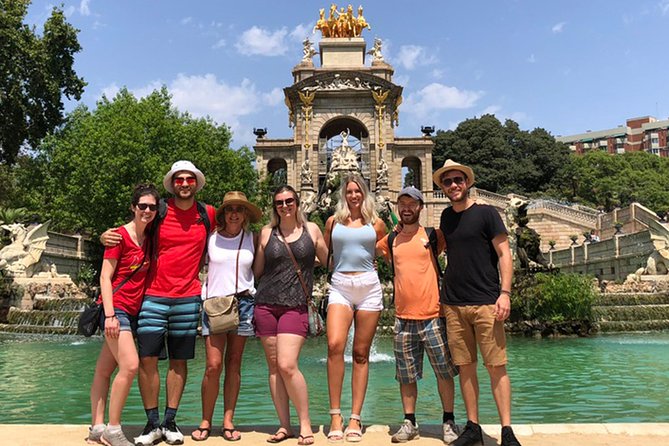
- Small group size (max 15) keeps the pace human and questions welcome.
- Most admissions are free across the route, which makes the $21.63 price feel more reasonable.
- Modernisme meets medieval Barcelona at stops that explain how the city changed over centuries.
- Santa Caterina market is built into the route, with time for tapas/drinks and a practical break.
- 1714 memorial stops give context to what you see at street level, not just names on a plaque.
- Photos and images help you connect the dots, especially when you’re back in your hotel.
Why El Born’s streets feel different from the big sights
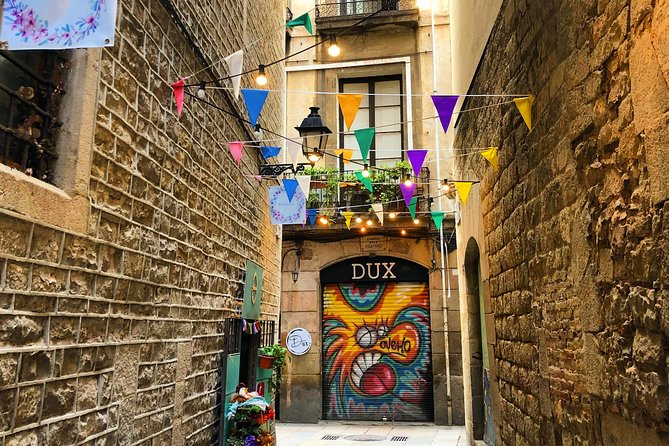
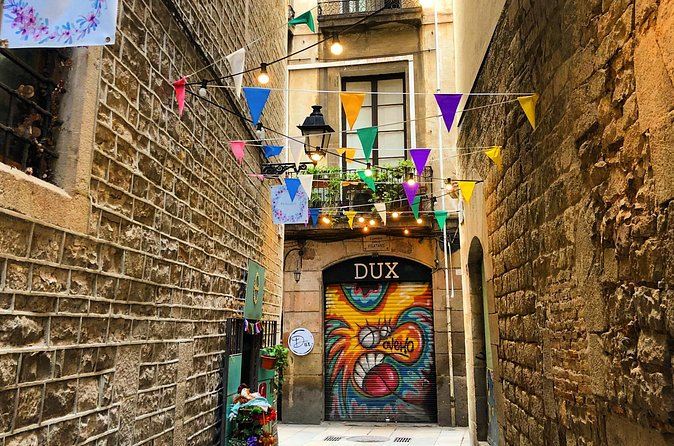
El Born has a way of making Barcelona feel less like postcards and more like a living neighborhood. You get narrow streets, old stone, and buildings that still look used, not staged. The tour is designed around that feeling: you won’t spend the whole time staring at one famous façade. Instead, you bounce between places that represent different eras and different priorities, from worship to art to food to memory.
That time-spread matters. If you’ve already hit the headline sights earlier in your trip, El Born is a strong next step because it gives you a “how did this city become itself?” lens. You’ll also come away with photo angles at multiple points, not just one or two perfect spots. The route is built for pictures, but it’s also built for understanding—so you’re not just collecting photos, you’re collecting context.
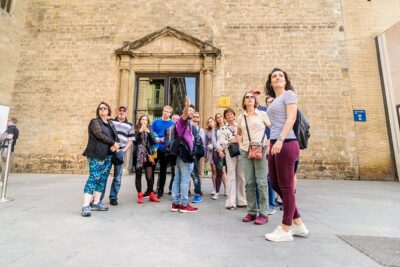
And the small group size is not a luxury detail. It changes the vibe. You can actually hear the guide, you can ask follow-ups, and the commentary can move at a pace that makes sense instead of a factory line.
You can also read our reviews of more historical tours in Barcelona
Price and what you actually get for $21.63
At $21.63 per person for about 2 hours 30 minutes, the big value isn’t just the walking. It’s what’s bundled with the guide. You get a tour guide, plus photographs and images that help you understand what you’re seeing as you move through the streets. You also receive a list of restaurant recommendations, which is useful when you’re hungry later and you want something local instead of random.
Then there’s the admission mix. Several stops are listed with free admission—Arc de Triomf, the monastery church, the market, the memorial sites, and the final park area. The one site called out as not included is Basilica de Santa Maria del Mar, so you may pay there depending on what’s required for entry during your visit.
So the cost feels more like paying for a great guide plus a set of well-chosen stops, rather than paying a pile of tickets. If you’re comparing alternatives, this is the type of tour where the math usually works in your favor because you’re not forced into paying for every single location along the way.
One more practical point: the tour isn’t covering snacks, bottled water, or tips. The good news is the route includes a market stop where you can handle food on your own terms.
Start at Arc de Triomf: the easiest way to get your bearings
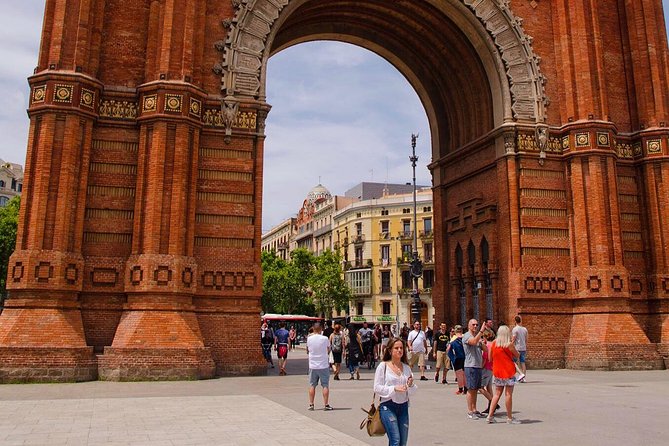
You kick off at Arc de Triomf at Passeig de Lluís Companys. It’s a strong first visual anchor, and it’s also a smart setup: the guide can use it to introduce the story of the city before you start threading through narrower neighborhoods.
Arc de Triomf also gives you a natural “reset moment.” You get about 20 minutes there with free admission, which means you can take photos, look around, and figure out which direction you’ll be walking. That may sound minor, but it matters in Barcelona. Old-town streets can feel like a maze if you’re trying to orient yourself without a plan.
You’ll also be starting at 11:00 am, which typically means good daylight for photos. If you’re sensitive to sun or heat, bring something to block it and try to keep moving while the light is best.
From medieval faith to Modernisme at Sant Pere and the Palau de la Música
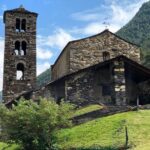
The tour’s early middle is where Barcelona’s time layers start to show. Next up is the Monasterio de Sant Pere de les Puel.les, a monastery space dating back to around 945 AD. You’re there for about 20 minutes, and the point is less about architecture trivia and more about understanding how religion shaped medieval Barcelona. You’ll likely notice the way the church context changes the mood of the street around it—stone feels older, quiet feels louder.
Then comes a pivot to Barcelona’s later creative confidence: the stop at the Palace of Catalan Music (the Palau de la Música Catalana). This is a UNESCO modernist musical palace type of stop, and it’s one of those places that makes you look up, not ahead. Modernisme in Barcelona is not subtle, and this is a great early introduction to that side of the city, after you’ve just seen medieval structures.
Expect the guide to connect what you see to how people lived and celebrated. It’s architecture with purpose, not just decoration.
Mercado de Santa Caterina: where the tour turns practical

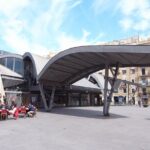
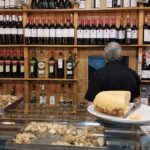
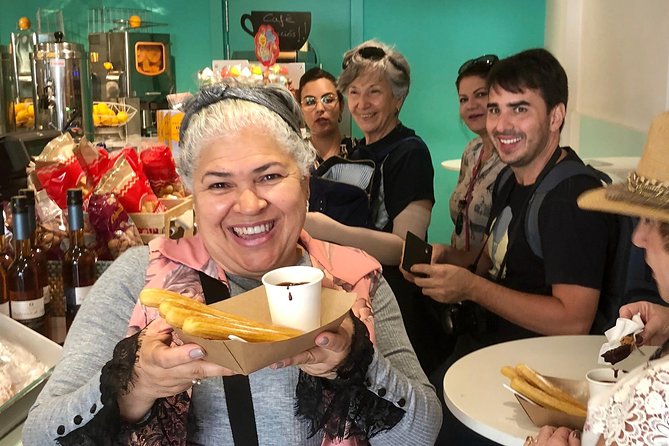
About 20 minutes are set aside at Mercado de Santa Caterina. This is one of the most practical parts of the route, because it breaks the walking rhythm and gives you an easy way to eat like locals without feeling lost.
You’ll have time to try tapas and drinks at your own pace, and yes, there’s also a toilet break here. That detail sounds basic, but it’s exactly the kind of small comfort that keeps a walking tour enjoyable instead of draining.
This market stop is also a good moment for “ask the guide” energy. Even if you’re not ordering a full meal, you can pick up snacks that fit your tastes and learn what to look for. If your guide is the type of person who’s passionate about food (and the small-group reviews suggest some guides are), you might get pointed toward what to order right away, rather than wandering stalls for 20 minutes and ending up with something you didn’t want.
Admission here is free, which again helps value. You’re paying for the guide’s route and context, not for constant ticket fees.


Basilica de Santa Maria del Mar and the story behind perseverance
Next is Basilica de Santa Maria del Mar, one of the most important churches in the old town. The stop is about 20 minutes, and it’s positioned as a place to listen and take pictures while the guide explains what the basilica represents.
One key detail: admission is not included. So if you’re the kind of traveler who hates surprise costs, budget a bit here. The tour’s framing suggests the church visit is central to the emotional arc of the route, so it’s likely worth paying for entry rather than rushing past.
This stop also changes the tone. Early on, you’re learning about how people worshipped and built community. Here, the guide ties the basilica to stories of Barcelona’s perseverance and faith. That kind of explanation helps you understand why the area keeps mattering long after the medieval era.
El Fossar de les Moreres: remembering 1714 in the open air

Then you’re at El Fossar de les Moreres, a memorial tied to September 11, 1714 and one of the most tragic defeats in the city’s history. This stop is about 20 minutes with free admission, and it’s less about sightseeing and more about place-based memory.
If you want Barcelona to feel real, you need stops like this. You see stone and names, but you also learn why the neighborhood remembers. The memorial helps you interpret the seriousness behind the dates that pop up later in museums and plaques.
It’s also a pause moment. You’re walking in dense streets, then suddenly the memorial gives you space to absorb. If you want to take photos, it’s a good place for them—but the best use of your time is to listen first, then shoot.
El Born Centre de Cultura i Memoria: the museum that connects the streets
After that comes El Born Centre de Cultura i Memoria, where an old market has been converted into a museum that shows parts of the medieval city of Barcelona. You spend about 15 minutes here, and admission is listed as free.
This is the “connect the dots” stop. Earlier you’ve heard the story through buildings and monuments. Here, you get a more grounded way to picture what the city looked like and why the defeat of 1714 still echoes.
Even in a short 15 minutes, the guide’s framing matters. If you’re prone to museum fatigue, don’t worry—you’re not being asked to read your way through a novel. This stop is designed for quick clarity: it gives you a mental map you can use after the tour when you’re walking on your own.
Parc de la Ciutadella: finishing where Barcelona shows off
The tour ends at Parc de la Ciutadella, finishing inside the park near the end of Passeig de Picasso and the promenade connected to Lluis Companys. This is about 15 minutes, with free admission.
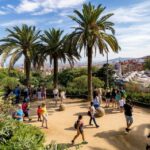
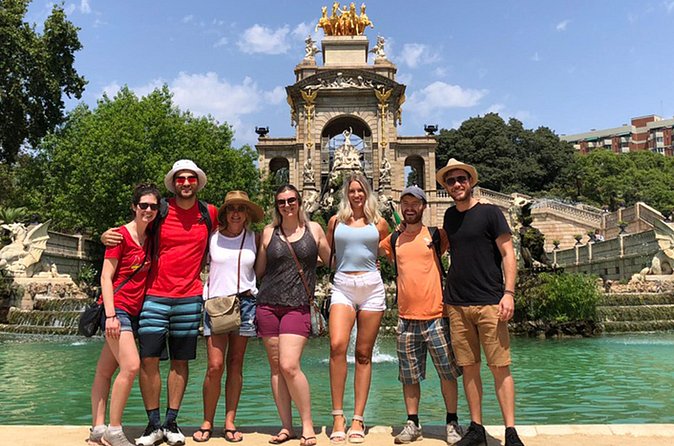
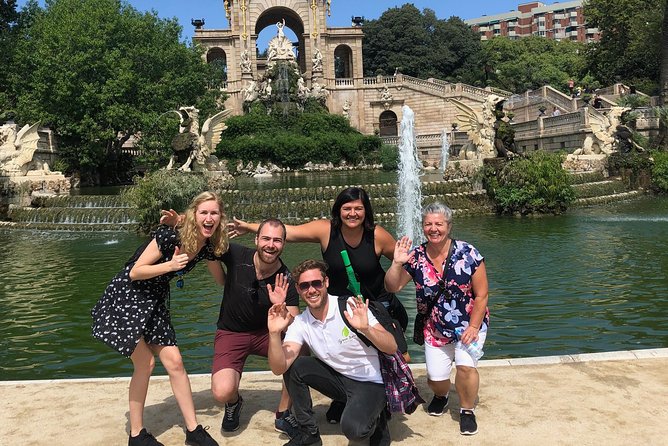
You’re leaving the dense old neighborhood for green open space, which is exactly what you want after a walking circuit. But this park isn’t just a chill finish. It was once a fortress built after the War of Succession and later converted into a park. It also became the heart of the Universal Exposition of 1888.
That last detail ties the loop together. Early on, you started at Arc de Triomf and got an introduction to the city’s symbols. Now you end in a place shaped by conflict and then repurposed into public life and international attention. It’s a nice closing lesson in how cities transform.
What the guides do that makes the tour feel worth it
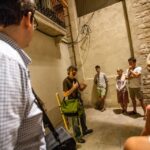
The tour is built around the guide’s ability to turn buildings into story, and small-group access makes that easier. In the examples of guide styles you might encounter, there’s a clear pattern: friendly energy plus specific local knowledge, not just textbook descriptions.
Some guides, like Paulo or Alessio, are described as animated and attentive—people who point out hidden angles of architecture and food choices, and who tell stories in a way that makes history feel watchable. One guide style includes playful acting with props (like using an umbrella as part of a battle story), which can sound silly until you realize it helps you remember what you just learned.
Not every guide will be identical, of course. But the best sign here is consistency: guests gave top marks for both expertise and delivery, which is what you want from a paid walking tour.
Who should book this El Born tour
This is a great fit if you:
- Want a structured walk through El Born without losing time at every corner
- Care about architecture beyond the obvious, especially Modernisme touches like the Palau area
- Like food-market breaks that are practical, not just window-shopping
- Prefer small-group guiding where you can hear the explanation and ask questions
You might skip it if you:
- Are looking for a purely beach-style, low-effort tour
- Hate walking through older streets and alleys
- Don’t want to pay any extra admission at all (Santa Maria del Mar is not included)
Should you book this El Born tour?
I think you should book it if you want El Born to click. The price is reasonable for what you get: a guide, a route that layers medieval and Modernist Barcelona, multiple photo moments, and an easy market stop. Add in that so many entry points are listed as free and you’re not nickel-and-diming yourself all morning.
The main “watch-outs” are simple: wear comfortable shoes, plan for the basilica admission, and go when weather is decent since it’s weather-dependent. If that sounds doable, this tour is a smart way to see a part of Barcelona that feels more like a neighborhood than a checklist.
FAQ
How long is the El Born historic heart tour?
It lasts about 2 hours 30 minutes.
Where does the tour start and finish?
It starts at Arc de Triomf (Passeig de Lluís Companys, Ciutat Vella) and ends inside Ciutadella Park (Passeig de Picasso, 21, Ciutat Vella).
What time does the tour begin?
The start time is 11:00 am.
Is the tour offered in English?
Yes, it is offered in English.
How many people are in the group?
The tour has a maximum of 15 travelers.
What’s included in the price?
A tourist guide is included, along with photographs/images to help you understand the tour and a list of restaurant recommendations. Snacks and bottled water are not included, and tips are not included.
Are entry tickets included for all stops?
Several stops are listed as free admission, but Basilica de Santa Maria del Mar is specifically marked as not included.
What if weather is bad or I need to cancel?
The experience requires good weather. If it’s canceled due to poor weather, you’ll be offered a different date or a full refund. You can cancel for a full refund up to 24 hours before the experience’s start time.
Do I get a mobile ticket?
Yes, the tour uses a mobile ticket.