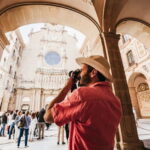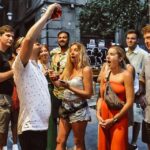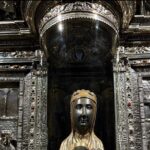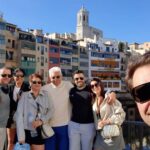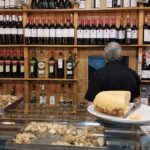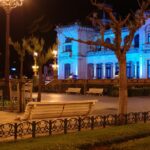
Streets first. Then tapas. This is a 3-hour evening walk that mixes the best parts of Barcelona sightseeing with a real tapas-and-wine dinner that you’d struggle to line up on your own. I like the tight focus on the Gothic Quarter + El Born neighborhoods and the way each stop turns into something you can taste right away. I also like that the pace stays personal because the group is capped at 12. One thing to consider: you’ll be walking, and it’s built around multiple restaurant stops, so it’s not the kind of tour you want if you hate moving on foot.
You start near La Rambla and end back where you began, so you don’t have to play transit-chess afterward. The price is $102.58 per person, and you’re paying for guidance plus a full dinner-style spread with wine (not just a “snack tour”). If you’re hoping for big, landmark-only photo time, expect more eating and street-level context than long museum-style stops.
In This Review
- Key things to know before you go
- Why This Tapas-and-Wine Walk Works in Barcelona
- Price, Portions, and What Your $102.58 Buys
- Meeting on La Rambla: the Easy Start and the 3-Hour Pace
- Gothic Quarter First: Getting Oriented Before the First Bites
- El Born and La Ribera: Pintxos, Vermut, and Local Street Life
- Santa Maria del Mar: A Cathedral Stop That Feels Like a Breather
- Placeta del Pi: Tomato Bread, Braves, and Small-Place Comfort
- La Barceloneta Finale: Seafood Bites and DO Wine Pairing
- Guide Style and Group Size: What You’re Really Paying For
- What Food You’ll Likely Taste (and How It Adds Up)
- Who This Tour Is Best For (and Who Might Skip It)
- Should You Book This Barcelona Tapas & Wine Experience?
- FAQ
- How long is the Barcelona tapas and wine experience?
- Where does the tour start and how does it end?
- Is dinner included?
- Are alcoholic beverages included?
- Is the tour offered in English, and how large is the group?
- What parts of Barcelona will we walk through?
- Can the guide accommodate dietary restrictions?
- What if I need to cancel?
Key things to know before you go
- Small group (max 12): more conversation, less waiting, better pacing.
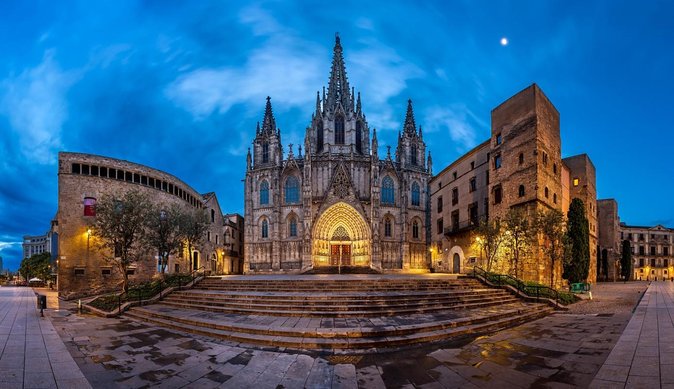
- Neighborhood route: Gothic Quarter, El Born/La Ribera, Santa Maria del Mar area, Placeta del Pi, and La Barceloneta.
- Tasting structure: several tapas stops plus paired wines and aperitifs.
- Real local foods: Iberian ham, croquettes, tortilla, braves, mojama tuna, and sardines with tomato bread.
- Guides with personality: names you may hear—Libor, Eli, Naomi, and Ellie—are praised for making the walk fun and easy.
- Wine options included: Terra Alta DO white, Montsant DO red, plus a craft vermut aperitif.
Why This Tapas-and-Wine Walk Works in Barcelona
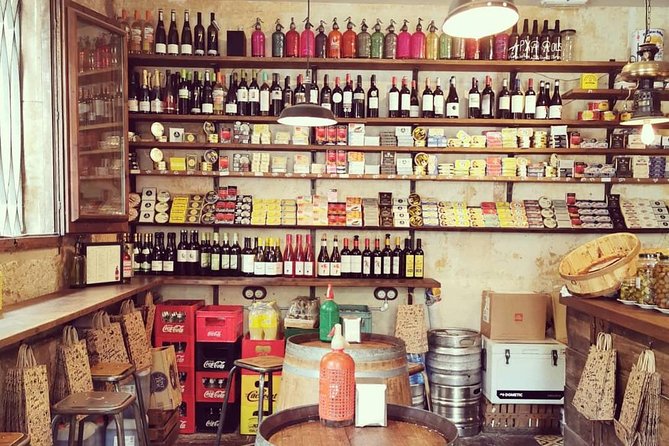
Barcelona has a lot of places to eat. The problem is picking the right ones on a short trip. This experience solves that with a simple plan: you walk through classic old streets, and then you eat your way through that setting.
What makes it feel local is the order of operations. You get the street context as you go—Gothic Quarter textures, the El Born vibe, the seafaring shift toward La Barceloneta—so the food lands with more meaning. You’re not just hopping restaurants. You’re also learning why these neighborhoods look the way they do and how locals think about food and drink.
The other practical win is the pacing. It’s only about three hours, and you’re not stuck listening forever before the first bite. The stops are frequent enough to keep the energy up, but not so many that you feel rushed.
You can also read our reviews of more wine tours in Barcelona



Price, Portions, and What Your $102.58 Buys
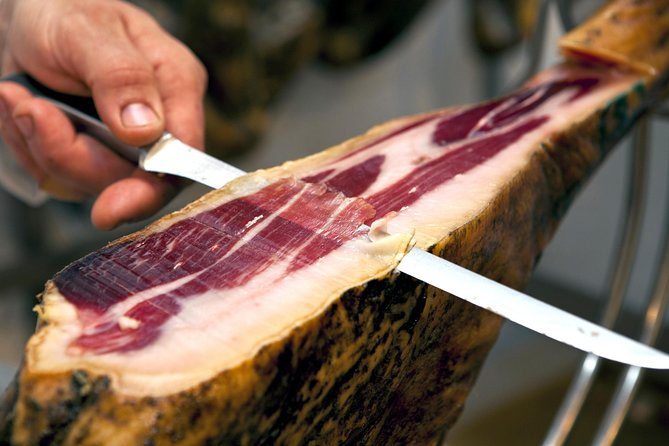
At $102.58 per person, this isn’t a cheap “wander and snack” deal. You are paying for a guide, multiple tapas tastings, and alcoholic beverages as part of the dinner-style plan.
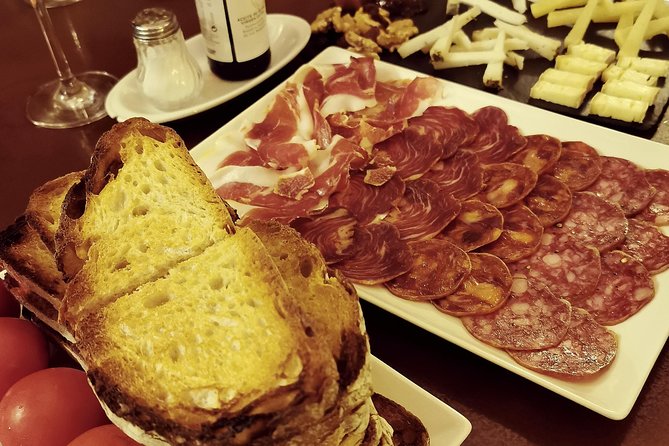
Here’s what that means for value: you’re not expected to budget separately for wine, vermut, and a full meal. The menu includes multiple mains/snacks—think Iberian ham, local cheeses, croquettes, patatas bravas, tortilla, Catalan tomato bread, gilda pintxo, plus seafood items like mojama (salted cured tuna) and smoked sardine with tomato bread. Then drinks round it out with DO wines.
Even if you’re not a heavy drinker, wine pairing is part of the point here. It’s a structured way to try several styles in a single evening: craft vermut aperitif, Terra Alta DO white wine, and Montsant DO red wine.
Meeting on La Rambla: the Easy Start and the 3-Hour Pace
You meet on La Rambla, 97 (Ciutat Vella) and you return there at the end. That loop matters more than it sounds. After a tapas dinner, walking back to a transit line or your hotel can feel like effort. This tour keeps the logistics tidy by ending where it began.
The experience is offered in English, and the group size max is 12, which usually means you’re not waiting around for late people or dealing with a loud crowd. You’ll also get a mobile ticket, and confirmation comes at booking.
Do plan for normal city walking shoes. This is a “see it by foot” evening, with stops spread across old streets. If you’re tired from a long day or you hate stairs/uneven pavement, think twice.
Gothic Quarter First: Getting Oriented Before the First Bites
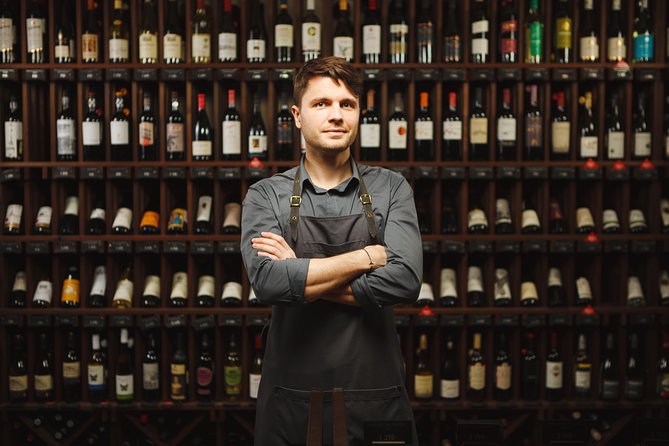
The evening kicks off in the Gothic Quarter, where the streets feel like a maze even when you think you’ve got them figured out. Starting here is smart because it gives you a mental map. You learn what you’re looking at while you’re still near your starting point, not after you’ve already gotten lost.
You’ll also be primed for the food side right away. Early tapas matter because they set the rhythm: salty, rich flavors (like Iberian ham) and warm bar bites (like croquettes and patatas bravas) help you adjust to the local style of eating. In Barcelona, tapas are often a meal-by-stops, not a single plate.
Practical takeaway: arrive hungry but not starving. You want to taste everything on the list, and the tour’s design spreads it out so you don’t hit a “too full too fast” wall.
El Born and La Ribera: Pintxos, Vermut, and Local Street Life
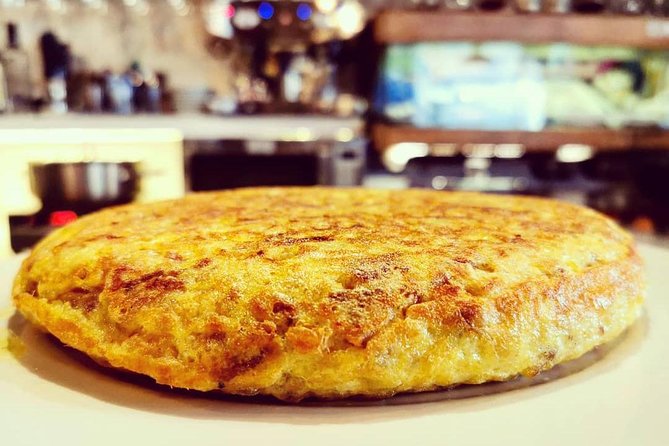
Next you head to El Born / La Ribera. This is where the tour’s character shifts from medieval-street mood into a more food-and-café culture. The walk keeps you moving through neighborhoods where people actually spend evenings, not only tourists.
Food-wise, this is a great place for pintxo-style bites. The menu includes a gilda pintxo, and you’ll also likely get that aperitif moment that makes Catalan dining feel like a ritual. The plan includes craft vermut aperitif, which is a key flavor category here. It’s not just “a drink.” It’s part of how locals start a night.
One of the strongest things about this portion is how it ties history to taste. You’re not learning facts in isolation. You’re learning why the neighborhood feels the way it does, then tasting foods that match that social atmosphere.



Santa Maria del Mar: A Cathedral Stop That Feels Like a Breather
You’ll visit Basilica de Santa Maria del Mar. This isn’t just a quick photo stop. It’s a palate reset in both senses: visually, it breaks up the street-walk energy; practically, it gives you a moment to slow down before the next food stop.
This is also a good reminder that Barcelona’s eating culture isn’t separate from its architecture. Places like this sit right inside the everyday city grid. You walk through neighborhoods with real people moving through them, then step into a landmark that helps explain why the streets have that particular shape and density.
If you want to come away with a better sense of the city, this is one of the stops that makes the tour feel more than “eat and walk.”
Placeta del Pi: Tomato Bread, Braves, and Small-Place Comfort
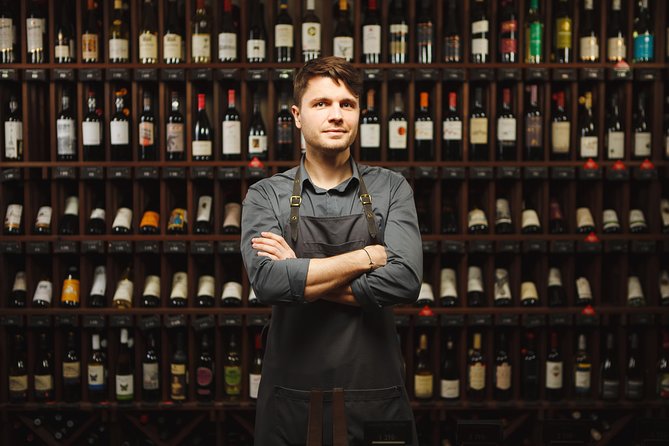
Then you reach Placeta del Pi, which feels like a natural gathering spot—small square energy after the longer street stretches. It’s a good spot in the route because it sets you up for comfort foods that match Barcelona’s laid-back bar culture.
This is where the menu’s favorites line up well. You’ll see Catalan tomato bread, plus classic snack types like patatas bravas and tortilla. These items are simple in ingredients but strong in flavor, and that’s why they work in a tasting format: each bite can be distinct without you needing a full course explanation.
A small detail worth knowing: tapas tours often include foods that are easy to miss if you browse on your own. By putting these at a specific point in the route, you’re more likely to try them without second-guessing menus in a foreign language.
La Barceloneta Finale: Seafood Bites and DO Wine Pairing
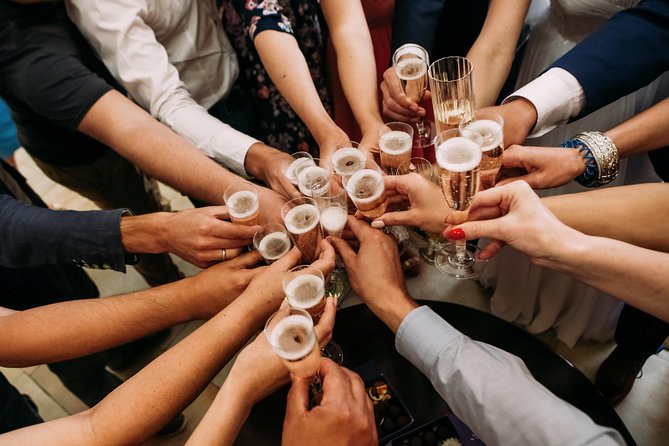
Finally, you end in La Barceloneta, the famous fisher neighborhood. This is a smart conclusion because your food shifts toward the sea. The menu includes mojama (salted cured tuna) and smoked sardine with tomato bread, which fit the area’s identity.
This is also where wine pairing becomes more noticeable. The tasting includes Terra Alta DO white wine and Montsant DO red wine. Even if you’re not a wine person, DO labels help you understand you’re not just getting generic pours. You’re tasting specific regions that connect to the broader Catalan idea of local identity.
If you enjoy the “how do these flavors work together” part of food travel, this ending lands well. Seafood pairs with the crispness of white wine, while the red can anchor richer bites and round out the evening’s rhythm.
Guide Style and Group Size: What You’re Really Paying For
The guide is the engine here, and the group size makes it matter. With a max of 12, you get more than a scripted experience. Guides like Libor, Eli, Naomi, and Ellie are specifically praised for being friendly, funny, and able to explain what you’re seeing in plain language.
You’ll also notice the guide’s job isn’t only food logistics. They connect the dots between streets and plates. That’s why the tour doesn’t feel like a list of restaurants. It feels like a guided evening with context.
One more practical note: there’s mention that dietary restrictions can be accommodated. That’s not something I’d assume without confirming, but it’s a strong sign the operator takes it seriously.
What Food You’ll Likely Taste (and How It Adds Up)
You’re offered a dinner-style tasting with a menu that spans ham, cheese, fried bites, bread-based staples, and seafood. On paper it sounds like a lot, but spread across multiple stops, it becomes a satisfying way to “sample widely” without ordering full portions yourself.
Here’s the flavor range you should expect:
- Salty, cured starts: Iberian ham and mojama
- Creamy bar comfort: croquettes
- Classic heat-and-crunch: patatas bravas
- Egg-based comfort: potato omelette (tortilla)
- Bread-and-topping Catalan basics: Catalan tomato bread plus related bites
- Pintxo style: gilda pintxo
- Smoke-and-sea feel: smoked sardine with tomato bread
On the drink side, you get a mix: craft vermut aperitif, plus white and red DO wines. The effect is you’ll leave knowing more than one “Catalan drink lane,” which is useful if you want to order confidently later.
Also, there’s a fun note from one account about trying a wine moment with something called borron. Even if you don’t end up doing that exact bit, the tour’s overall structure makes it easy to try at least one local-drink ritual.
Who This Tour Is Best For (and Who Might Skip It)
This is an excellent fit if you want:
- A short evening that mixes neighborhood walking + food
- A guided route through older parts of Barcelona where you want help noticing details
- A small group that feels social, not chaotic
- A meal that includes both tapas variety and paired drinks
You might skip it if:
- You dislike walking long city blocks
- You want a mostly landmark-heavy experience with minimal food focus
- You’re looking for a private tour feel (this one is capped at 12, so it’s social by design)
If you’re the type of traveler who likes learning just enough about a place to order like a local later, this tour fits that style perfectly.
Should You Book This Barcelona Tapas & Wine Experience?
Yes, if you’re visiting Barcelona for the first time and you want an efficient, high-reward night. The best reason to book is the combination: Gothic Quarter + El Born + Santa Maria del Mar + Barceloneta, tied together with a structured dinner that includes multiple tapas and wine/aperitif.
No, if you prefer to eat entirely on your own schedule, or if you’re budgeting calories/steps tightly. Also, since it’s a moving, multi-stop plan, show up early enough to settle in at the start.
Overall, this is the kind of evening that helps you understand Barcelona at street level. You’ll go in seeing neighborhoods. You’ll come out knowing how the city tastes.
FAQ
How long is the Barcelona tapas and wine experience?
It runs about 3 hours.
Where does the tour start and how does it end?
It starts at La Rambla, 97, Ciutat Vella, 08002 Barcelona and ends back at the same meeting point.
Is dinner included?
Yes. The experience includes dinner with a set selection of tapas items.
Are alcoholic beverages included?
Yes. Alcoholic beverages are included.
Is the tour offered in English, and how large is the group?
The tour is offered in English, and the group size is capped at a maximum of 12 travelers.
What parts of Barcelona will we walk through?
You’ll walk through the Gothic Quarter and El Born, plus stops that include Basilica de Santa Maria del Mar, Placeta del Pi, and La Barceloneta.
Can the guide accommodate dietary restrictions?
The tour information doesn’t list a special policy, but there are indications from the experience itself that dietary restrictions can be accommodated—just plan to tell the provider your needs.
What if I need to cancel?
You can cancel for a full refund if you cancel at least 24 hours before the experience starts. Changes within 24 hours of start time aren’t accepted, and cancellations inside that window aren’t refunded.