REVIEW · BARCELONA
Barcelona: Montjuïc e-bike adventure via port and Ciutadella
Book on GetYourGuide →Operated by Tres Gatos Bike Tours · Bookable on GetYourGuide
Montjuïc on an e-bike feels like cheating—in the best way. You glide up to Montjuïc Castle for wide-open skyline views, then cruise past the Olympic Ring sites without turning the trip into a workout. And you finish with a pay-as-you-go break on a terrace for cava or coffee while the whole city spreads out below.
What I like most is how the ride stitches together Barcelona’s “layers” in one smooth loop: fortress viewpoints, harbor perspectives, and the 1992 Games landmarks. My only real caution: you need to be comfortable riding a bike, and this isn’t for mobility impairments (plus there’s a minimum height requirement).
In This Review
- Key highlights worth waking up for
- Why Montjuïc by e-bike is the sweet spot
- Starting at Plaça Tetuán: bikes, fitting, and a smart warm-up
- Ciutadella to Port Vell: Barcelona’s harbor story on a glide
- Climbing to Montjuïc Castle: fortress layers and 360° payoffs
- Olympic Ring after the castle: 1992 landmarks without the hassle
- Palau Nacional and Plaça d’Espanya: understanding the city layout from above
- Price and value: is $50 worth it?
- Who this tour suits (and who should skip it)
- Guide factor: Igor/Egor’s explanations make the stops stick
- Should you book the Montjuïc e-bike loop?
- FAQ
- What is the duration of the Barcelona Montjuïc e-bike adventure?
- Where do we meet for the tour?
- What time does the tour start?
- What’s included in the price?
- Are drinks and tapas included?
- Is this tour suitable for everyone?
Key highlights worth waking up for
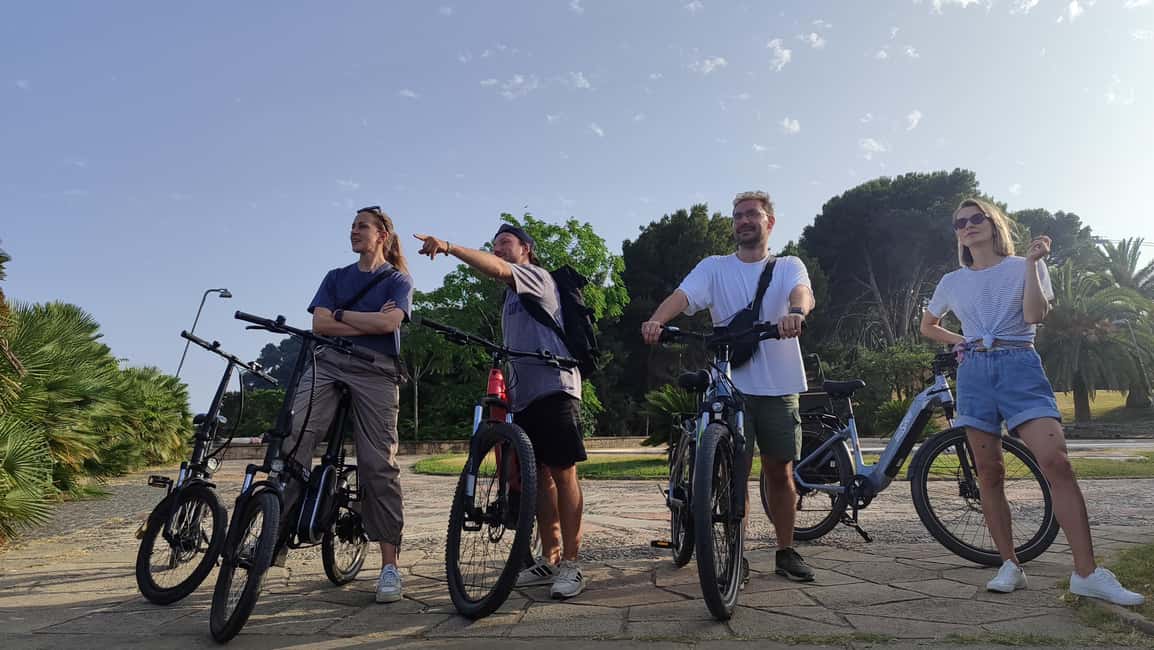
- E-assist climb to Montjuïc Castle for 360° views and fortress stories you’ll actually remember
- Ciutadella to Port Vell along protected lanes, with the Columbus Monument pointing toward the sea
- Miradors and a cactus stop at viewpoints overlooking the harbor and the Mediterranean
- 40 minutes of terrace time to choose your own cava, coffee, or tapas (pay as you go)
- Olympic Ring landmarks including Estadi Lluís Companys and Palau Sant Jordi, with Calatrava’s tower in the mix
- Palau Nacional at Plaça d’Espanya to understand how the 1929 Exposition shaped the city’s layout
Why Montjuïc by e-bike is the sweet spot
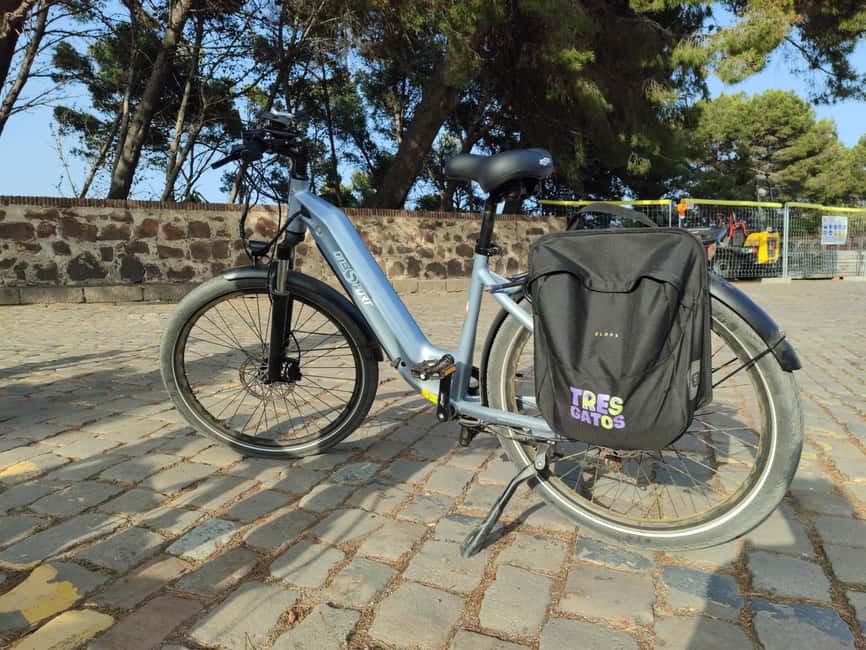
Montjuïc is one of those places that looks close on a map, then turns into a “seriously?” climb once you’re there on foot. The e-bike changes the math fast. You still get the satisfaction of reaching the top, but you’re not paying for it with sore legs or arriving out of breath.
You’re also getting the best views at the best pace. The ride is timed so you’ll hit the big lookouts before your energy drains, and you’ll move through the city in a logical arc—harbor first, fortress next, Olympics after. That flow matters in Barcelona, where the viewpoints are worth the time but the streets can eat it.
And yes, the ending matters. That terrace break isn’t just a rest stop—it’s your chance to slow down, pick your own drink, and see how the city connects: sea, avenues, stadiums, and the mountain all in one frame.
You can also read our reviews of more cycling tours in Barcelona
Starting at Plaça Tetuán: bikes, fitting, and a smart warm-up
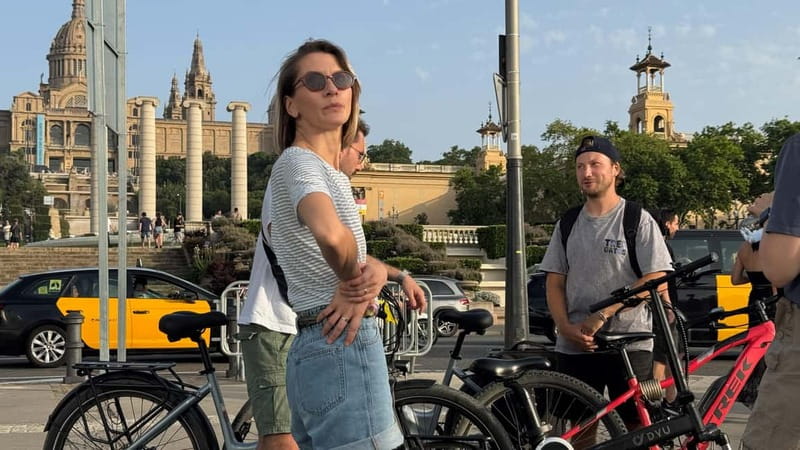
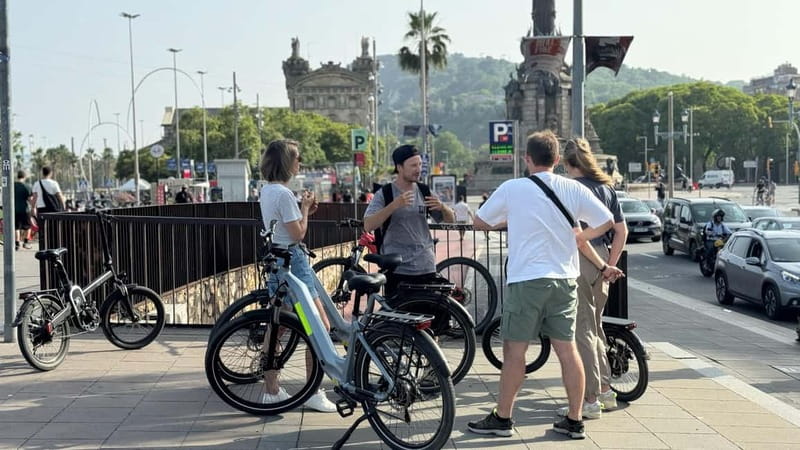
You meet at 10:00 AM at Plaça Tetuán, by the central fountain, where the guide does a quick safety briefing and bike fitting. The area is easy to spot once you’re looking for the bike rental setup. If you’re early, hang around—this tour moves promptly, and the fitting takes a few minutes but prevents problems later.
From there, the ride rolls south along the Arc de Triomf cycle lane toward Parc de la Ciutadella. I like this first segment because it’s not all uphill and pressure. You build confidence on the bike while your eyes start calibrating to the city—wide avenues, then a green breathing space.
In Parc de la Ciutadella, you’ll stop near the Cascada Monumental. This is a great early photo moment, and it sets context: Ciutadella is tied to Barcelona’s former military roots, and the guide explains how the park was carved out from that older past. It’s the kind of detail that makes later stops click.
Ciutadella to Port Vell: Barcelona’s harbor story on a glide
Once you leave the park, you’ll use protected lanes to get to Passeig de Colom. This is one of the tour’s underrated strengths: it keeps you mostly away from the chaos you might expect on busy roads, while still letting you experience the city streets properly.
Port Vell is where the atmosphere shifts. You’ll see super-yachts drifting in the harbor, and the guide connects the dots between maritime trade and Barcelona’s growth. Then you’ll head toward the Columbus Monument, the one that points seaward—an iconic symbol, but the explanation gives it meaning beyond the postcard pose.
This part also works as a “photo with perspective” stretch. Instead of just shooting buildings, you’ll capture long lines: the harbor, the monument orientation, and the city’s edge meeting open water. And by the time the climb starts, you’ll already feel like you understand where you are.
Climbing to Montjuïc Castle: fortress layers and 360° payoffs
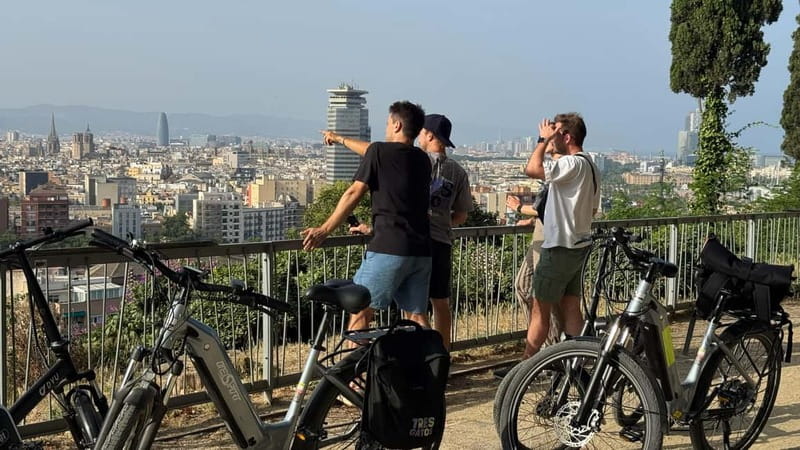
Here’s the moment you came for. The e-assist takes over for the climb to Montjuïc Castle, and suddenly the mountain feels reasonable. You’ll reach the top around midday, at roughly 173 meters above sea level, with time for stops that aren’t rushed.
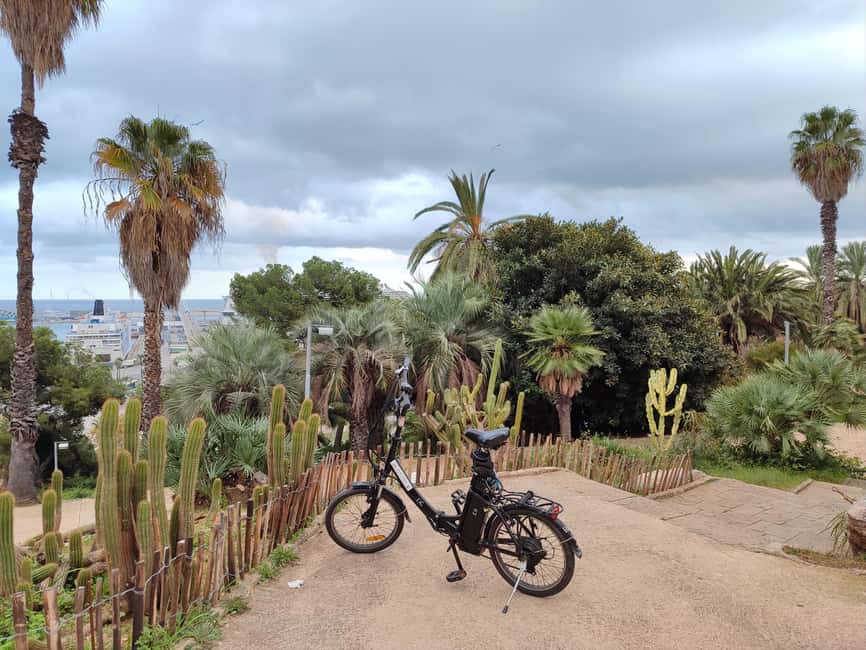
There are viewpoint moments along the way, including Mirador de l’Alcalde, which frames the whole harbor. It’s one of those stops where you’ll want to pause for a full look, not just take a quick shot. The second stop is at the Cactus Garden, featuring 800 desert species overlooking the Mediterranean. That contrast—cacti on a mountain with sea views—is oddly memorable.
When you arrive at the castle itself, the guided tour focuses on the fortress chapters behind the scenery. You’ll hear stories that go beyond the scenic postcard version: artillery, and later darker use of the site, including Civil-War prisons. The payoff is that you don’t just see ruins—you understand why they’re there and what they were built to do.
The views are the obvious reward: skyline, coastline, and even distant mountains on clear days. The less obvious reward is mental. By the time you’re up there, the whole Barcelona “picture” finally makes sense: city plan, sea direction, and why Montjuïc became so strategically important.
Olympic Ring after the castle: 1992 landmarks without the hassle
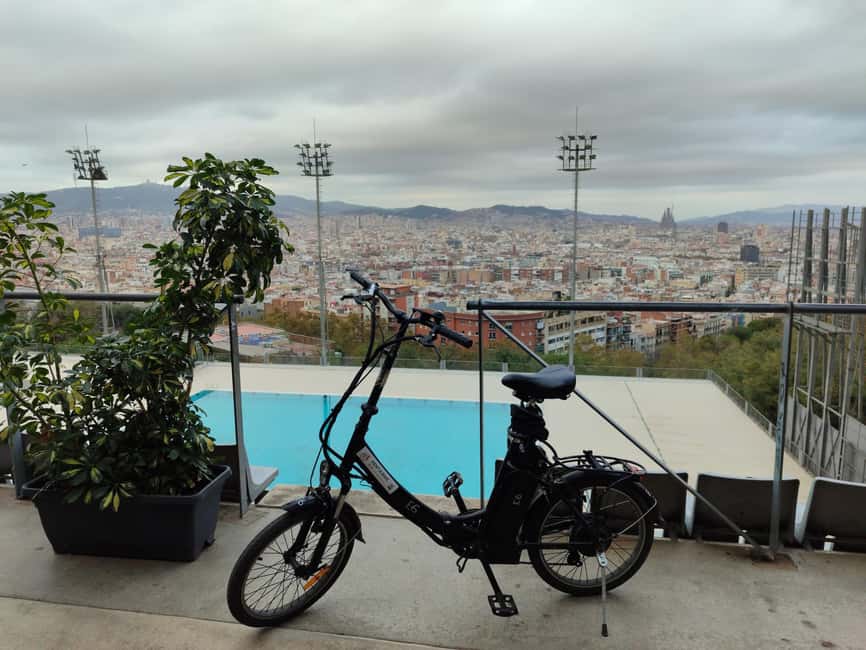
After the castle, you descend gently to the Olympic diving pool area and Terrassa Bar. Then you lock the bikes and get about 40 minutes of free time. This is the part I recommend planning for mentally. You’ll want a relaxed break, not a frantic scavenger hunt.
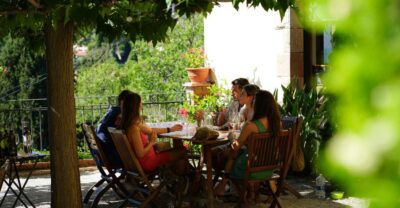
Food and drinks are pay-as-you-go, which is good for value control. You can order something classic like vermut, or choose a zero-alcohol spritz, or go for patatas bravas. If you want just coffee and a breather, you can do that too. The terrace panorama is the real “included” ingredient here.
Then you’re back on the saddle for the Olympic Ring loop. You’ll pass Estadi Lluís Companys, Palau Sant Jordi, and get the chance to see Santiago Calatrava’s telecom tower as you ride. The guide ties these landmarks to the 1992 Games, explaining how the Olympics changed the city’s infrastructure and public image.
One reason this segment feels special: you’re experiencing the sites as a visitor, not as a bus passenger. You control your speed, you can glance to the side naturally, and the places come with context instead of isolated facts.
You can also read our reviews of more tours and experiences in Barcelona


Palau Nacional and Plaça d’Espanya: understanding the city layout from above
The grand finale is around Palau Nacional and Plaça d’Espanya. You’ll ride toward the impressive staircase area and then stop at the terrace for the viewpoint and explanation.
From here, the guide points out the radial avenues radiating out from Plaça d’Espanya, and you’ll see how that design supports movement through the city. The palace’s role in the 1929 International Exposition is part of what you’ll learn, and once you see the geometry in place, it’s hard to unsee.
After that, it’s a last glide through Plaça d’Espanya and along Gran Via, bringing you back around 1:00 PM to where you started the loop.
This ending works well because it returns you to the big-city scale. After fortress walls and Olympic structures, it’s the open avenues and palace architecture that help you connect everything you’ve seen into one mental map.
Price and value: is $50 worth it?
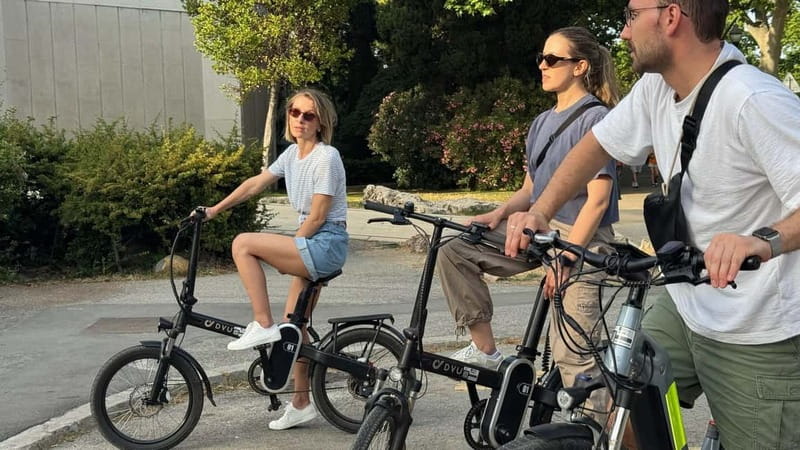
At $50 per person for a 3-hour e-bike tour, the price feels fair for what’s included. You’re getting the electric bike, helmet, and a live guide who handles the explanations and keeps the ride flowing.
What you pay extra for is also sensible: drinks and tapas during the terrace stop. Because it’s optional, you can keep costs down if you want only a drink, or lean into tapas if that’s your style.
The real value isn’t just transportation up a hill. It’s the structure: a guided route that hits Montjuïc Castle, Olympic landmarks, and key viewpoints with less backtracking. If you’re the kind of person who enjoys learning why places look the way they do—fortress use, harbor trade, Olympics-era changes—you’ll feel like this ticket buys you more than just “bike time.”
Who this tour suits (and who should skip it)
This is a great fit if you:
- Want a scenic, viewpoint-heavy day without turning it into a cardio grind
- Prefer guided context while you explore, especially around Montjuïc and the Olympics
- Like the idea of a self-chosen food/drink break at the terrace
I’d skip it if you:
- Have mobility impairments, since the activity isn’t suitable for that
- Don’t feel confident riding a bike, since participants must know how to ride
- Are under the 150 cm height requirement
Guide factor: Igor/Egor’s explanations make the stops stick
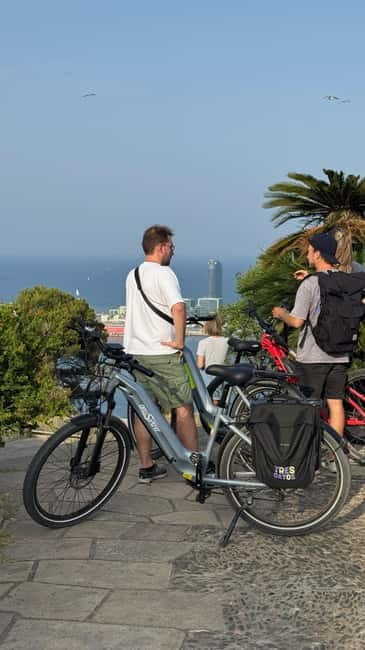
The guide energy is a major reason people rate this tour so highly. In particular, the guide named Igor (spelled Egor in one account) is described as very knowledgeable and able to connect the sites’ history with what you’re seeing in front of you right now.
That matters on a tour like this because Montjuïc can become “pretty views, next stop.” With strong guiding, you get the narrative thread: harbor trade leads into a strategic mountain fortress; the Olympics aren’t just stadiums, they’re part of a city-scale transformation; and the Exposition design at Plaça d’Espanya explains how Barcelona organizes space.
If you’re the type who enjoys that cause-and-effect feeling, this part will land.
Should you book the Montjuïc e-bike loop?
Book it if you want a tidy package that mixes views, history, and iconic landmarks without wasting time figuring out routes or fighting uphill streets. The e-assist is a big deal, but the bigger win is the way the loop connects different sides of Barcelona—harbor edge, fortress heights, and Olympic city design.
Skip it if you’re already comfortable doing long bike routes alone and you don’t care about guided context. Also skip if mobility or bike confidence is an issue.
If you’re on the fence, here’s my practical take: you’re paying $50 to trade hassle for momentum—bike access, guide storytelling, and a climb-and-view plan that’s hard to recreate on your own in just half a day.
FAQ
What is the duration of the Barcelona Montjuïc e-bike adventure?
It runs for about 3 hours.
Where do we meet for the tour?
You should look for the bike rental setup on Gran Via de les Corts Catalanes, 704. The meeting time is 10:00 AM at Plaça Tetuán by the central fountain.
What time does the tour start?
The meeting time is 10:00 AM.
What’s included in the price?
You get the electric bike, helmet, and a guide. A child seat is available upon request.
Are drinks and tapas included?
No. During the terrace break, drinks and tapas are pay-as-you-go.
Is this tour suitable for everyone?
It isn’t suitable for people with mobility impairments. You also need to know how to ride a bike, and there’s a height requirement of at least 150 cm (about 4’11”).