REVIEW · BARCELONA
Barcelona: Highlights & Gems Private Tour with Tapa & Drink
Book on GetYourGuide →Operated by LocalCoolTour · Bookable on GetYourGuide
Barcelona’s old streets teach fast. This private 3-hour walk connects the dots between the Gothic Quarter, the Born area, and the market-and-architecture stops you’ll hear about for years after. I like that you get a local guide who explains how Barcelona lived day to day, and I like the built-in structure that still leaves room to adjust your pace and interests. One thing to watch: since it’s a walking tour, you’ll want a guide who stops often enough for everyone to hear, and you may need to nudge for tailoring if that’s a priority.
I also like that the food moment is simple and focused. You’re not buying your way through a full meal—just a tapa to share and a traditional drink—so you stay in sightseeing mode without turning the tour into a long sit-down. The possible drawback is that this isn’t a food-focused tour, so if you’re expecting multiple tastings or a big lunch, you’ll feel the limit.
In This Review
- Key Things You’ll Notice on This Private Barcelona Walk
- Starting at Plaça del Teatre: Getting Your Bearings in 10 Minutes
- La Rambla and Plaça Reial: How Barcelona Looks When It’s Still Human-Scaled
- Palau Guell: Gaudí’s Early Genius Without the Full Gaudí Day
- La Boqueria Market: A Food Stop That Still Stays on Track
- Gothic Quarter Highlights: Roman Walls, Cathedral Area, and Neighborhood Layers
- Barcelona Cathedral Area: The Stop That Helps You See the City’s Timeline
- Sant Felip Neri Square: Why Small Stops Matter
- St. Mary of the Sea (Santa Maria del Mar): A Church That Feels Built for People
- El Born Centre Cultural and Mercat del Born: Ruins Under the City
- Private Means You Can Adjust the Story (But Speak Up)
- Price and Value: Is $93 for 3 Hours Worth It?
- What to Bring and How to Plan Your Day
- Should You Book This Barcelona Highlights & Tapa Tour?
- FAQ
- FAQ
- How long is the Barcelona highlights and tapa private tour?
- Where do I meet the guide?
- What’s included in the price?
- Is there a vegetarian or veggie option?
- What language is the tour guide available in?
- Is this tour a full food or gastronomic experience?
- Can the itinerary be customized, and can it be adjusted for children?
Key Things You’ll Notice on This Private Barcelona Walk
- Palau Guell (Gaudí’s early work): A standout architectural stop without needing a full-day Gaudí plan.
- La Boqueria market time that feels practical: Enough time to browse and snack, not just pose for photos.
- Gothic Quarter with context: Roman walls, the cathedral area, and neighborhood history tied together.
- Born’s quieter side: Santa Maria del Mar and the medieval layer under the city.
- A real private feel: You can customize, and your guide can steer the story toward what you care about.
- One tapa, one drink: Simple and budget-friendly for a 3-hour overview, with a veggie option.
Starting at Plaça del Teatre: Getting Your Bearings in 10 Minutes
Most Barcelona tours start “in the middle of everything,” which can be great if you already know the map. This one starts at the Statue of Frederic Soler (Pitarra) at Plaça del Teatre, which is a smart anchor point because you’re close to the energy of La Rambla while still able to slip into side streets quickly.
From there, you head toward La Rambla for the first stretch. You’ll get a photo stop and a short guided walk, which is useful for two reasons. First, it’s a quick warm-up so your legs don’t revolt too early. Second, your guide can set the tone: what parts are medieval, what parts got reshaped later, and why certain neighborhoods feel different from one block to the next.
Wear comfortable shoes. This is not a shuffle-along tour. You’re covering a lot of ground in a short time, and you’ll enjoy it more if your feet are happy.
You can also read our reviews of more private tours in Barcelona

La Rambla and Plaça Reial: How Barcelona Looks When It’s Still Human-Scaled
You get a look at two iconic squares tied to street life: La Rambla and Plaça Reial. La Rambla is the obvious draw, but the value here is how it acts like a connector. You’re not just watching a crowd—you’re using it as a route to the next architectural and historic stops.
Then you hit Plaça Reial, a small breather with palms and arcades. It’s the kind of place where you can pause, reset, and notice details that you’d miss if you were rushing. Arcades change the sound in a square. They shape light. They also tell you something about how public spaces were designed for daily use—meeting, walking, pausing.
If you’re the type who likes architecture but also likes street-level reality, this is a good early balance.
Palau Guell: Gaudí’s Early Genius Without the Full Gaudí Day
One of the best reasons to book this tour is Palau Guell—Antoni Gaudí’s first great work. Even if you only know Gaudí from famous buildings, Palau Guell gives you a different angle: you see how ideas grew, not just finished masterpieces.
You’ll have a photo stop and time to visit with your guide. That matters because Palau Guell rewards attention. Details like how the building is composed, how light and space are handled, and how ornament supports function are the kind of things that become clearer when someone explains what you’re looking at.
Practical note: this isn’t a ticket-and-autopilot stop. The guided piece helps you get beyond guessing. In just a short window, you’ll come away with at least a few clear mental pictures you can connect to the rest of your Barcelona trip.
La Boqueria Market: A Food Stop That Still Stays on Track
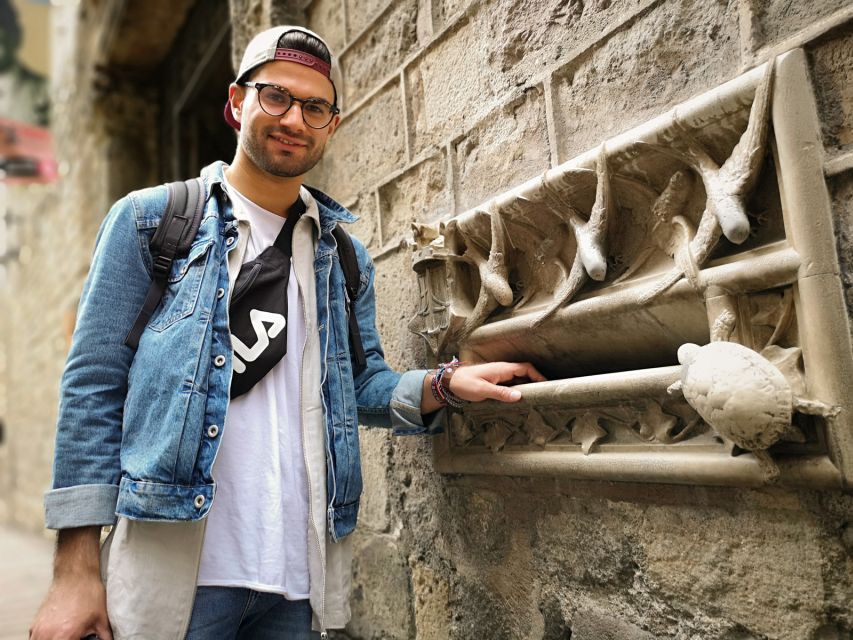
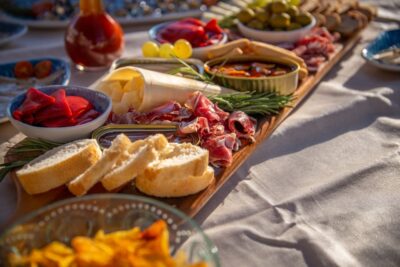
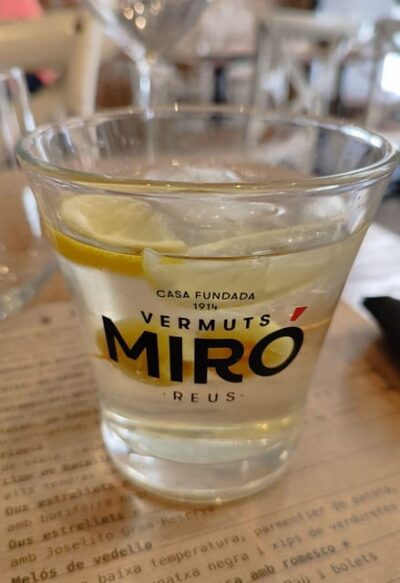
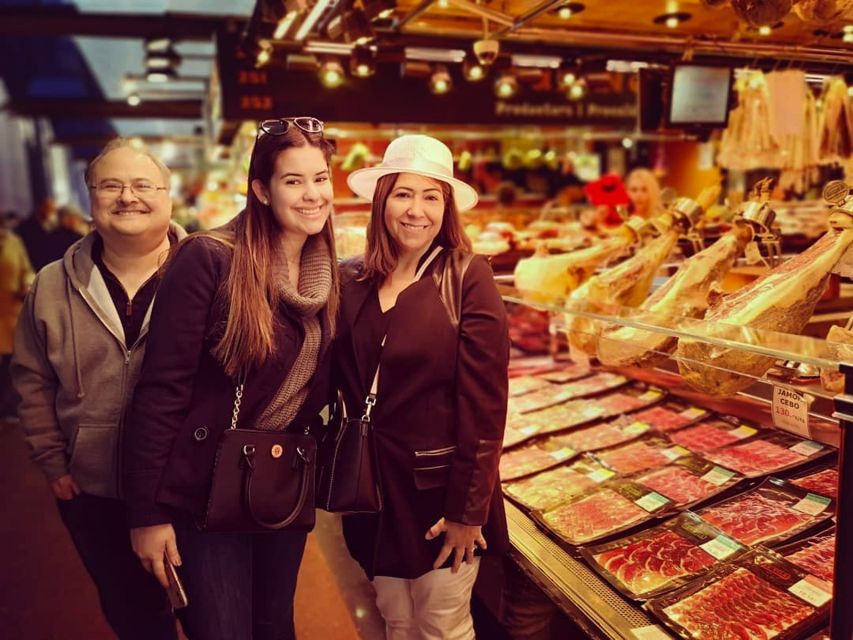
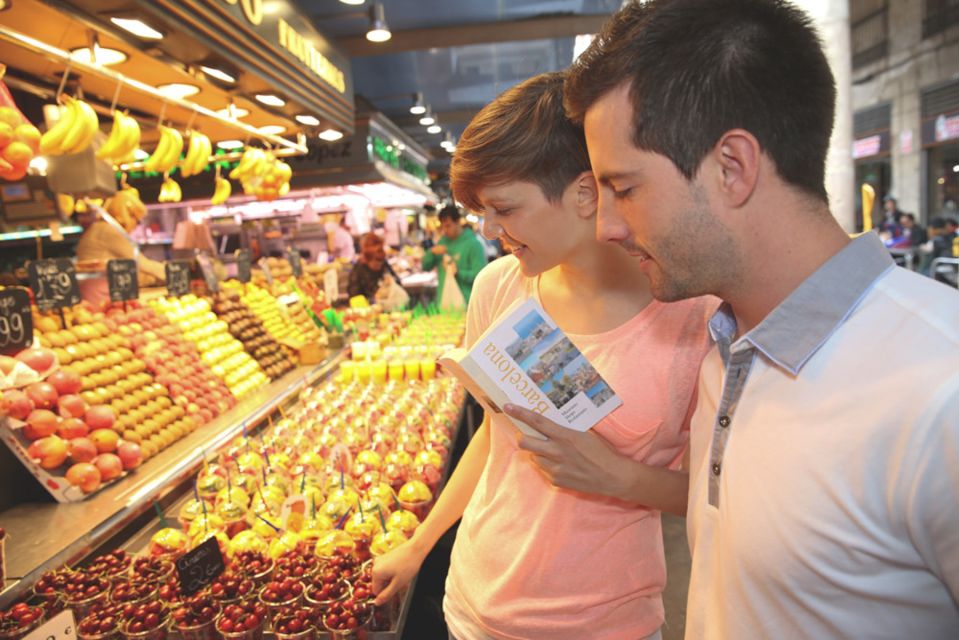
This tour includes a stop at La Boqueria, Barcelona’s famous market. You’ll spend time for a guided look and shopping/browsing, plus a food-market visit. Then comes the tasting: a tapa to share accompanied by a traditional drink.
That’s the smart part. This isn’t pitched as a gastronomic experience where you sample ten things and spend your afternoon eating. It’s a single tasting moment. You leave the market understanding what the market represents—how Barcelona feeds itself and how ingredients and stalls reflect local tastes—without losing your focus on the historic neighborhoods afterward.
If you have food preferences, good news: there’s a veggie option available. And since the tasting pairs the tapa with a drink (red wine is mentioned in the tour flow), it gives you that classic Spanish rhythm of food + conversation without turning into a long meal.
Tip for your own timing: if you want extra shopping at the market, keep an eye on the group pace. This is built around a tight 3-hour route.
Gothic Quarter Highlights: Roman Walls, Cathedral Area, and Neighborhood Layers
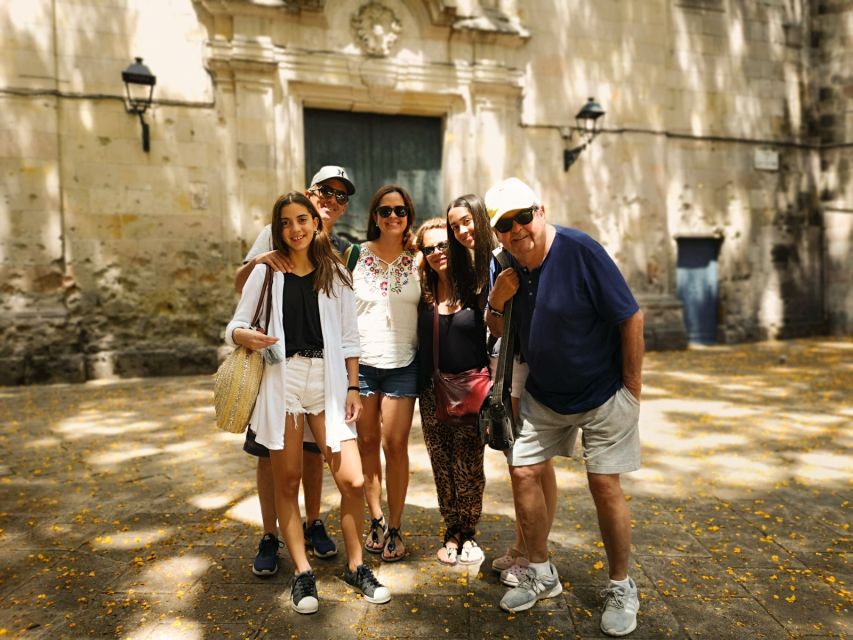
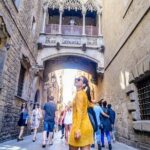
Once you move into the Gothic Quarter, the tour shifts from “big landmarks” to “layered streets.” You get photo stops and guided walking through key sites such as the Barcelona Cathedral area and surrounding historic streets.
You’ll also pass the Roman Walls—one of those Barcelona facts that feels unbelievable until you see it. Roman remains in the middle of modern city life are a reminder that the city didn’t restart from scratch; it built on itself, piece by piece. Your guide’s job is to help you read the neighborhood, so you’re not just walking past old stone while thinking, Cool, old.
You’ll also touch areas connected to Barcelona’s Jewish Quarter. The point isn’t memorizing every term. The point is understanding how different communities shaped the city’s physical layout and cultural life over time.
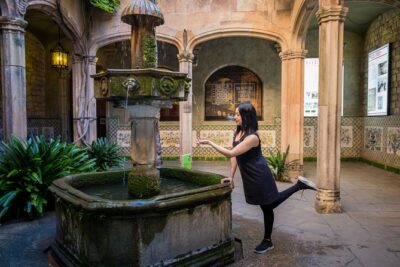
Sant Felip Neri Square is another stop where your guide’s explanation matters. Small squares like this are where Barcelona’s social habits show. You notice how people gather, where shade sits, and why certain spots feel calmer even when the city is doing city things.


Barcelona Cathedral Area: The Stop That Helps You See the City’s Timeline
The cathedral stop is brief in a 3-hour tour, but it’s placed well. It gives you a historic anchor before you head toward the Born area and the sea-church focus later.
When you see Gothic-style architecture in person, it can feel like a style lesson. Your guide helps you interpret it as a timeline—what it meant to build and decorate such major religious spaces, and how that influence ripples through the surrounding streets.
Even if you’re not an architecture superfan, this stop gives you a reference point. After this, the rest of the tour’s historic sites feel connected instead of random.
Sant Felip Neri Square: Why Small Stops Matter
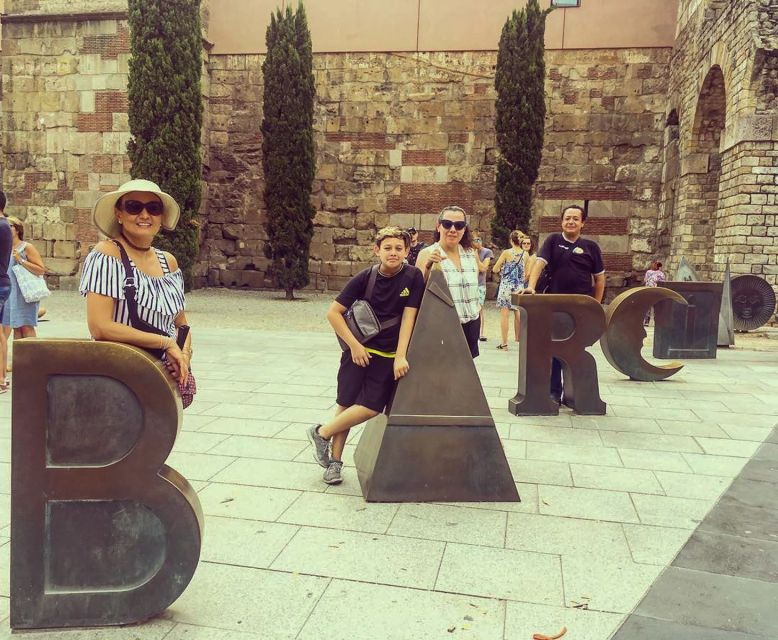
This is one of those tour choices that feels minor until you’re standing in the square. Sant Felip Neri Square is one of the places where the atmosphere changes—less “main postcard” and more everyday Barcelona.
In a short tour, it’s easy to treat squares like photo stations only. Don’t. Pause and let your guide finish a thought. These little breaks are where you absorb the local context: how the city’s history shows up not just in monuments, but in public space design and everyday rhythms.
St. Mary of the Sea (Santa Maria del Mar): A Church That Feels Built for People
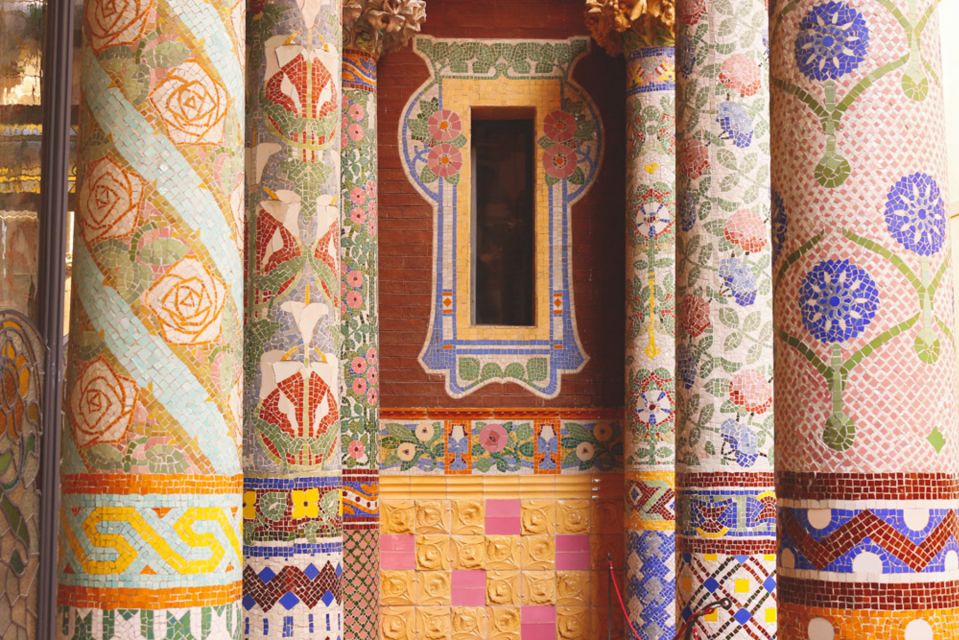
Then you swing into the Born area and arrive at Santa Maria del Mar, also known as St. Mary of the Sea Cathedral. This is a must-stop church in Barcelona for a reason that’s easier to explain once you’ve walked through older streets first.
Santa Maria del Mar has a strong sense of place. Your guide’s walk-through and photo time give you the chance to notice the lines and scale without turning it into a rushed checklist.
If you’ve ever found other churches to feel too big and untouchable, this one tends to land differently. It feels connected to the neighborhood and to the working world of the city—especially because you’re pairing it with the Born Market stop later.
El Born Centre Cultural and Mercat del Born: Ruins Under the City
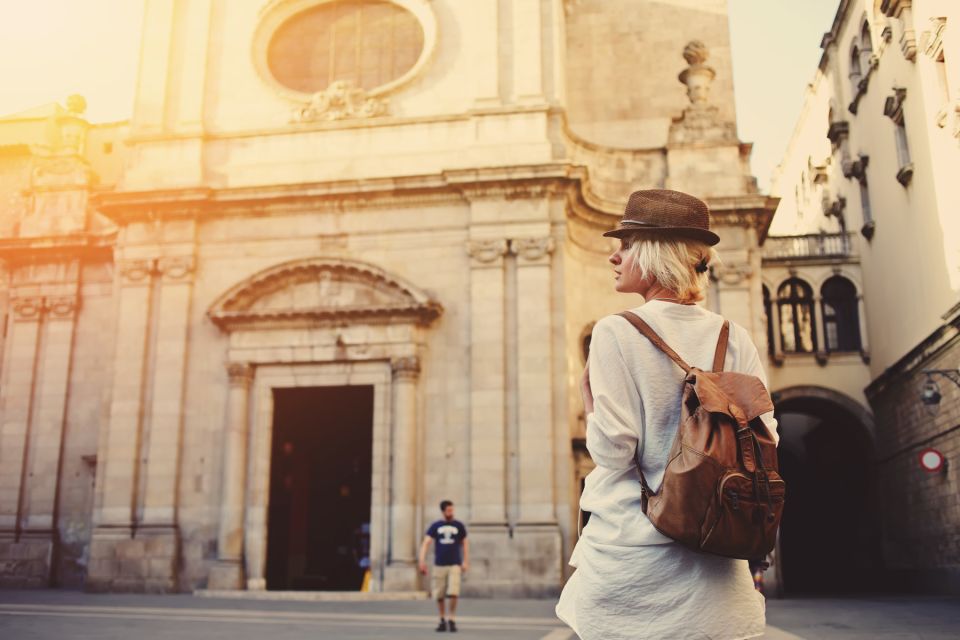
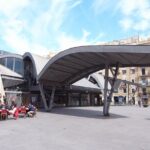
The final stretch heads to the El Born Centre Cultural area and then ends at Mercat del Born in Plaça Comercial. What makes this ending interesting is the medieval layer you can see through the Ruins recently found beneath the city (as described in the tour details).
This is where Barcelona stops being only about above-ground sightseeing. You get a sense of how cities stay alive by constantly building and rebuilding—leaving traces behind. Even if you’re not a deep history person, the idea of seeing ruins under a market area is the kind of perspective shift that makes the whole tour feel more meaningful.
You also get a finish point that works for continuing your day. After the tour, you’re right where you can keep walking, grab a snack, or switch to a different part of Barcelona without having to backtrack.
Private Means You Can Adjust the Story (But Speak Up)
This is advertised as a private tour with freedom to customize your itinerary. In practice, that only works if the guide asks what you like and then adapts on the fly.
I’d treat the first couple of stops as your moment to set expectations. If you care more about architecture than markets, say so early. If you want the walking pace slower, ask immediately. If you’re trying to learn how different neighborhoods evolved, tell them you want more street-level explanation.
One review included a less-than-perfect experience where the guide didn’t ask questions and shared information while walking, which made it harder for the group to hear. The upside is still real: this is a private format, so you can usually fix these issues fast—by speaking up at the start and asking for a calmer, more interactive rhythm.
If you meet a guide like Raphaël (named in one of the experiences), you may get extra value from a focus on the social fabric of the city, not just dates and names.
Price and Value: Is $93 for 3 Hours Worth It?
At about $93 per person for 3 hours, this tour sits in the “worth it if you want guidance” zone rather than the “cheap overview” zone. The value comes from three things working together:
- Private format: You’re not competing with strangers for the guide’s attention.
- High-impact stops: Palau Guell, La Boqueria, and major Gothic/Born sights in one route.
- A tasting that keeps pace: One tapa and one traditional drink gives you a real Barcelona taste without turning the day into a long food detour.
If you already know Barcelona well and just want to see everything on your own, you might not need a private guide. But if this is your first visit—or you want a clear, efficient route—paying for a guide can save hours of wandering and second-guessing.
Also, you’re not being charged for a full meal. The tasting is capped by design, so you can choose what you want after the tour.
What to Bring and How to Plan Your Day
Bring comfortable shoes. That’s the big one.
Beyond that, plan your day like you’re doing an active city walk. This is a short window that hits multiple neighborhoods, so don’t schedule something far away right before or after unless it’s within easy walking or a quick ride.
If you’re traveling with children, the operator can tailor the tour to their interests, but you should request it ahead of time. Likewise, the tour can be customized—ask early so your guide has time to adjust.
Finally, this is offered with English, French, Italian, and Spanish-speaking guides. If you’re specific about language preference, it’s worth checking availability.
Should You Book This Barcelona Highlights & Tapa Tour?
Book it if you want a fast, guided route that links Barcelona’s Gothic roots to the Born area, with Gaudí architecture and La Boqueria included—plus one real tasting moment. It’s a good fit for first-timers and for anyone who likes context, not just photos.
Skip it (or consider a different style of tour) if food is your main goal. Since it’s only a tapa tasting and one drink, you won’t get a long, multi-stop eating experience here.
FAQ
FAQ
How long is the Barcelona highlights and tapa private tour?
The tour lasts 3 hours.
Where do I meet the guide?
Meet your guide at the Statue of Frederic Soler (Pitarra), at Plaça del Teatre.
What’s included in the price?
You get a 3-hour private walking tour with a local guide, plus 1 tapa to share and 1 traditional drink.
Is there a vegetarian or veggie option?
Yes, there is a veggie option available for the tapa.
What language is the tour guide available in?
The guide is available in English, French, Italian, and Spanish.
Is this tour a full food or gastronomic experience?
No. It includes only a tapa tasting and a drink, not a full lunch or a long multi-tasting food program.
Can the itinerary be customized, and can it be adjusted for children?
You can request customization to match your interests, and if you have children you can ask for the tour to be catered to them.