REVIEW · BARCELONA
Barcelona: German City Tour from Gaudí’s Perspective
Book on GetYourGuide →Operated by Barcelona Dragon Tours · Bookable on GetYourGuide
Gaudí’s buildings make more sense with a timeline. This German-language Gaudí city tour turns Barcelona into a story of artistic change, from his early student years to later surprises. You’ll learn how nature shaped his thinking, and why his reputation grew long before his most famous projects began.
Two things I really liked: the Golden Square walk is fun and easy, and the guide connects details to the bigger idea behind each style shift. You also get the myth side of Gaudí, not just the facts—so the whole character feels human, quirky, and very Barcelona.
One thing to consider: this tour is mostly exterior-only. If you’re hoping for lots of inside time, you may end up wanting a second stop later with tickets for specific sights.
In This Review
- Key highlights worth your time
- Gaudí’s career as a walking story (not just famous buildings)
- Starting at Plaça Reial and getting oriented fast
- Student years: contracts, nature, and the early “real world” Gaudí
- Historicism to Modernism: how to spot the change while you walk
- Golden Square on foot: the reputation-building part of the story
- Casa Mila and the surreal mood: the part that feels playful
- Colonia Güell and the mindset behind Sagrada Família
- What you actually see: exterior-focused, with a few exceptions
- The 4.5-hour rhythm: not rushed, but still efficient
- Price and value for a private group up to 3
- A German-language guide you can follow—and question
- Weather reality check: it’s a three-weather walk
- Who this tour suits best (and who may want something else)
- Should you book the Gaudí tour from Gaudí’s perspective?
- FAQ
- How long is the Barcelona Gaudí perspective tour?
- Is this tour private?
- What languages are the guides?
- Does the tour include public transit tickets?
- Does the tour include museum visits or going inside buildings?
- Is the tour affected by weather?
Key highlights worth your time
- Gaudí as an artistic timeline: student work, Historicism to Modernism, then surreal detours
- Golden Square on foot: a relaxed stroll through one of the city’s best design neighborhoods
- Casa Mila’s vibe without the rush: you’ll meet the surreal mood tied to his later style
- Myths and the secret side of Gaudí: character stories that make the architecture stick
- Private group pace: you can ask questions and set a comfortable rhythm
- Public transit built in: you ride twice, with tickets included—no extra planning needed
Gaudí’s career as a walking story (not just famous buildings)
This tour works because it treats Gaudí like a living timeline, not a list of monuments. You start with the idea that his style didn’t appear fully formed—it evolved. You’ll compare his early work with what came later, and the guide keeps pointing out the theme tying it together: how nature fed his imagination.
What makes it especially useful is the way the guide frames the shifts between styles. Historicism to Modernism is explained in plain, human terms, not lecture mode. Then, when the tour reaches the surreal side—linked to Casa Mila—it feels like the next logical step, not a random detour.
You also get a “Gaudí the person” angle. The tour covers his early career hustle, his methods, and the myths that cling to him. That mix helps you read Barcelona’s architecture like a puzzle that actually has answers.
You can also read our reviews of more city tours in Barcelona



Starting at Plaça Reial and getting oriented fast
Your meeting point is Plaça Reial, at the Drei Grazien Brunnen, U-Bahn Station Liceu. It’s a good spot because it puts you in the city’s center, where the walking feels natural and easy to follow.
You’ll use public transit twice during the 4.5-hour walk, and the tour includes public transit tickets. That matters because it saves you time on ticket machines and avoids the common “which line do we take?” stress. The key practical move: bring the tickets with you, because you’ll need them during the rides.
Also, the guide sticks to streets and squares. That’s a small detail, but it changes the whole feel. You don’t just hop between viewpoints—you experience the city around the buildings, where the architecture sits inside real life.
Student years: contracts, nature, and the early “real world” Gaudí
The tour begins with Gaudí’s early period—when he was still figuring out how to turn ideas into designs. You’ll see and compare early contract work, then connect it to how nature played a role in his thinking. Even if you’re not an architecture nerd, this part is valuable because it explains the “why” behind the later spectacle.
You also get the practical side of his story: to earn money for his architecture studies, he made plans for professors. He even helped with the world’s fair grounds in Ciutadella Park. That detail does a lot of work. It shows you Gaudí didn’t come out of nowhere—he was building experience, connections, and skills while still learning.
If you like stories that make geniuses feel less like statues, this section is your warm-up. It gives you context so later styles don’t feel like disconnected eras.
Historicism to Modernism: how to spot the change while you walk
After the student years, the tour tracks Gaudí’s gradual move from Historicism to Modernism. You’re not just hearing labels—you’re learning how the style thinking changes. The guide points out what to look for so the differences feel visible, not abstract.
This is one of the tour’s best values: style shifts can be hard to understand when you’re standing alone in front of a building. Here, the guide gives you a mental checklist. As you move through Barcelona, you start recognizing patterns—what’s becoming more expressive, what’s breaking away, and what’s staying consistent.
And because the guide keeps things in streets and squares (not constant museum hopping), you get repeated chances to see those visual cues. That repetition is what makes the learning stick during a single 4.5-hour outing.
Golden Square on foot: the reputation-building part of the story
At some point, the tour focuses on the Golden Square—a neighborhood where Modernism shows up in big, confident form. This isn’t a “quick photo and run” stop. The walking is relaxed, with time to pause for pictures and take in details.
I like how the guide treats the Golden Square as a turning point. By the time you reach it, you’ve already learned why Gaudí changed. So instead of just admiring forms, you’re understanding what those forms were doing for his career and reputation.
The guide also uses this area to blend architecture with character. You’ll hear about Gaudí’s “secret side” and the myths that surround him. That matters because the myths often come from real eccentric behavior—so the stories make the buildings feel more alive.
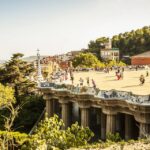
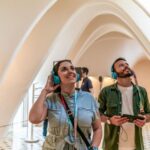

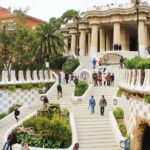

Casa Mila and the surreal mood: the part that feels playful
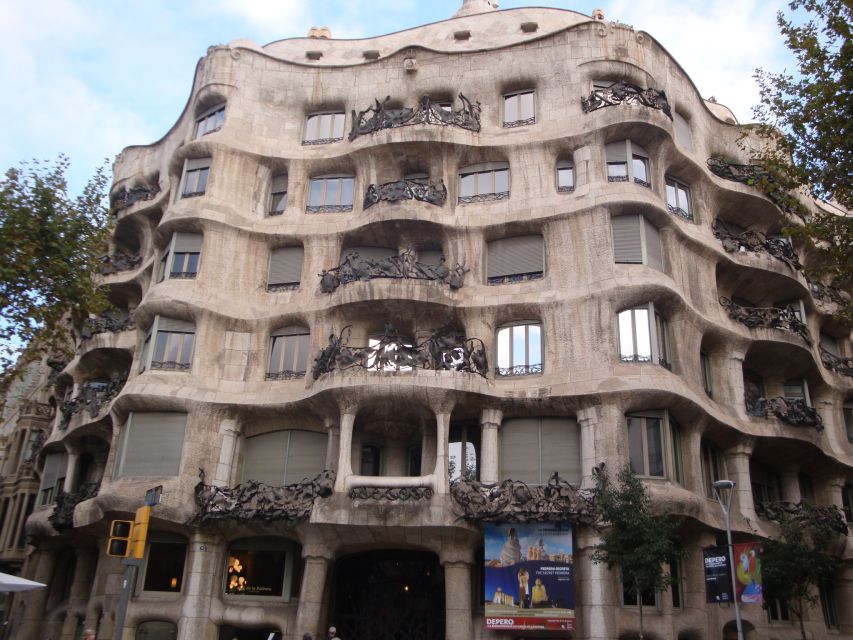
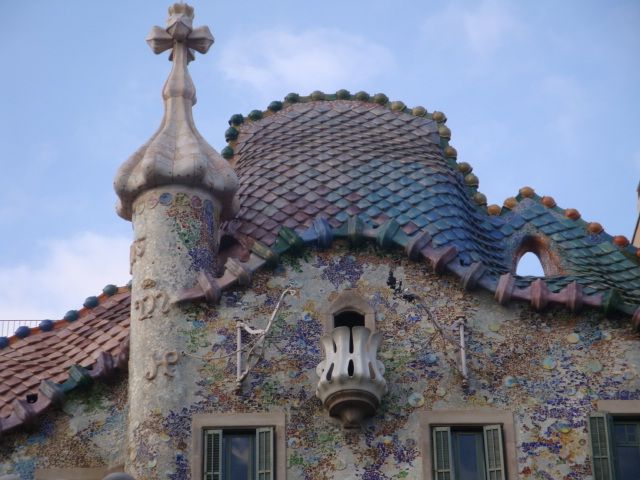
Casa Mila is where the tour leans into Gaudí’s surreal-ish later style. You’ll hear how his style expanded beyond strict categories and how he kept experimenting. The tour frames this phase as forays into Surrealism, so it doesn’t feel random—it feels like a continuation of his evolving approach.
The benefit for you is confidence. When you see Casa Mila’s distinctive look, you’ll already have context for why it looks the way it does, not just the “famous because it’s famous” version. And since the tour maintains a relaxed pace, you’re not stuck rushing through a single viewpoint.
Also, if you enjoy architecture with personality, this segment tends to land well. Gaudí’s humor, mystery, and stubborn experimentation all show up through the explanation.
Colonia Güell and the mindset behind Sagrada Família
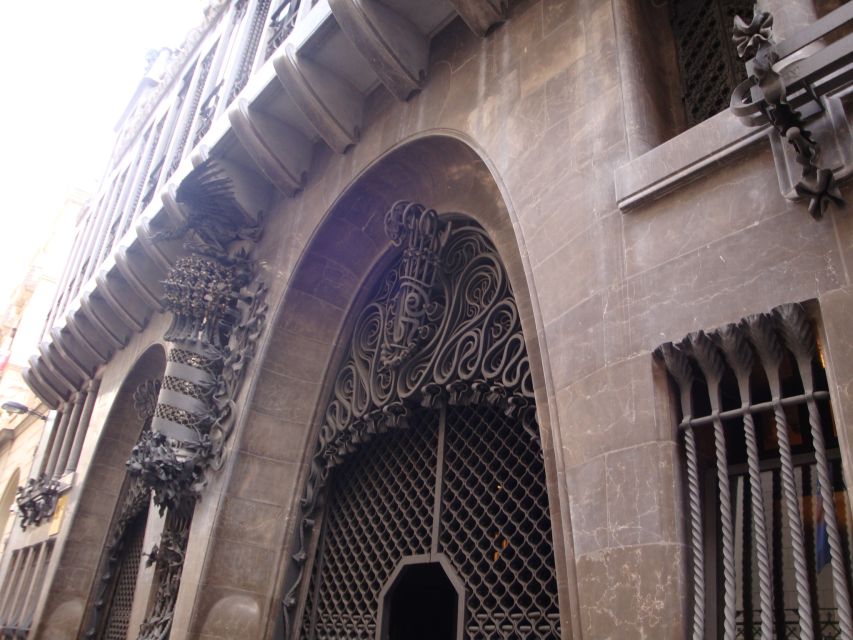
The tour doesn’t treat Gaudí’s life like a straight line from early brilliance to final masterpiece. It includes his work at Colonia Güell and how it shaped his approach to sacred architecture. You’ll learn that the church in the worker’s colony was important to him, and that he even finished its crypt.
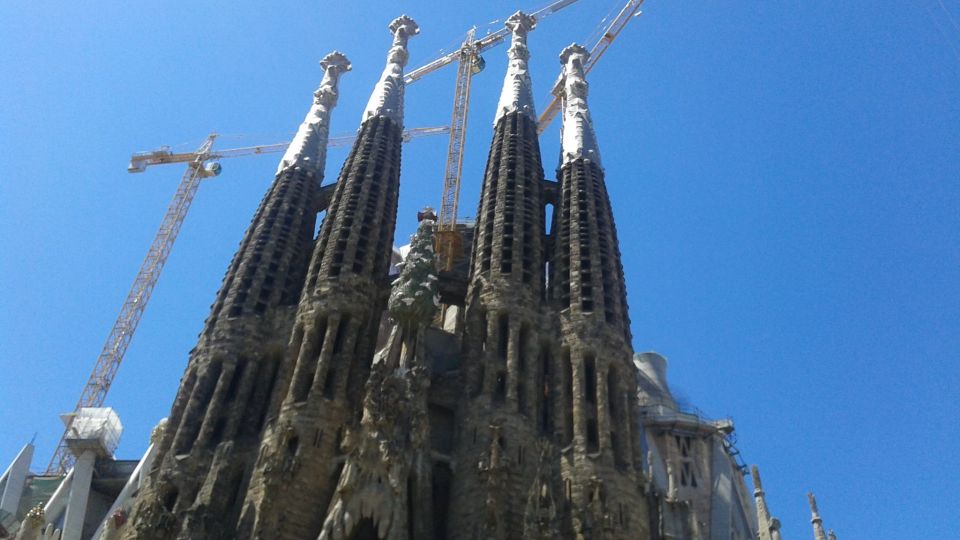
Then you connect that to the start of the Sagrada Família. Construction began when Gaudí was 31, and the guide explains how he dedicated much of the rest of his life to it. That’s a key storytelling move: it helps you understand why the Sagrada Família feels like an ongoing conversation with time.
The tour also mentions an oft-cited idea that Gaudí reinvented himself about every ten years. The big takeaway is practical: if you visit the Sagrada Família later, you’ll recognize how those changing phases show up in the work.
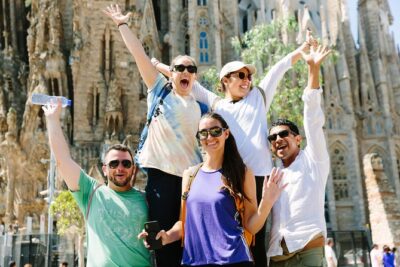
Even though the tour stays focused on Barcelona streets and squares, it helps you see Sagrada Família as the culmination of everything you just heard.
What you actually see: exterior-focused, with a few exceptions
The tour is designed as a relaxed walk focused on street-level experience. You’ll admire monuments from their exteriors, and museum visits or interior explorations aren’t part of the plan (with a couple of exceptions).
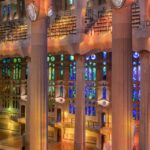
That choice has consequences. It’s great if you want to keep momentum and see lots of neighborhood context. But it’s not ideal if your main goal is interior details—stained glass, chapels, and close-up materials—inside.
My practical advice: treat this as your “context and comprehension” tour. Afterward, if a specific building really grabs you, you’ll be better prepared for an interior visit on your own.
And you don’t need to rush. There are photo stops, and the guide allows time for bathroom breaks. That sounds basic, but it makes a real difference in whether a walking tour feels friendly or punishing.
The 4.5-hour rhythm: not rushed, but still efficient
Four and a half hours is a sweet spot. Long enough to cover multiple periods of Gaudí’s style, short enough that you can still do other sightseeing the same day.
The walking is relaxed, and the guide’s pacing keeps you from feeling like you’re dragging your feet. Since you travel by public transit twice, you also get small resets between neighborhoods. That keeps the experience from turning into one continuous slog.
If you’re traveling with someone who gets tired easily, this structure tends to work. You get stops to look and think, plus transit breaks so your legs can recover.
Price and value for a private group up to 3
The price is $294 per group up to 3 for a 4.5-hour private tour. On paper, that sounds high if you’re thinking per person. But private pricing works differently here.
If you split it three ways, you’re paying about $98 per person for a German-language guide, plus public transit tickets included, and a custom pacing that’s built for questions. That’s the main value: you’re not competing with a huge group for the guide’s attention.
Also, the tour runs in a German-language format, with the guide able to handle German and English. That helps if you have mixed language comfort in your group.
One more value point: the tour allows flexibility. You can cancel up to 24 hours in advance for a full refund, and there’s a reserve now & pay later option. That reduces the stress of timing your day in a city where plans often shift.
A German-language guide you can follow—and question
The guide experience matters here because the tour is story-driven. The format relies on clear explanations of style changes, plus answers to questions as they come up.
In recent runs, the German guide has been Johannes. Multiple people highlight that he answers questions competently and keeps the tour interesting without turning it into a dry lecture. One practical detail I love: he’s described as staying available for follow-up questions after the tour, even by message. That’s not something every guide does, but it’s a sign of good customer care.
You’ll also notice how the guide uses myths and small details to keep things human. That’s what makes a genius story feel less like homework.
Weather reality check: it’s a three-weather walk
This is a three-weather tour. It runs in sun, rain, and wind—yes, even strong showers. So you should plan for movement in real weather, not just “nice outdoor time.”
In summer, pack the basics: hat, sunglasses, sunscreen, and a small bottle of water. In winter months, bring a jacket or thin coat. It’s a short enough walk that you don’t need full expedition gear, but you do need the right comfort items to avoid turning the day into a miserable slog.
If weather is extreme where you are, consider scheduling it earlier in your trip. That way, if you need a backup plan, you still have time for building-specific visits afterward.
Who this tour suits best (and who may want something else)
This tour is a strong fit if you want architecture explained through Gaudí’s artistic periods—and you’d rather understand the logic than just collect photos. It’s also a good choice if you enjoy character stories, myths, and the idea that geniuses have habits, quirks, and very real career struggles.
I’d especially recommend it for:
- Couples who want a shared “aha” moment about what you’re seeing
- Small groups up to 3 who value a private pace
- German speakers (with English support available) who want deeper context without a museum day
If you want lots of interior time—chapels, museum exhibits, or long indoor stops—this won’t be your whole answer. You’d pair it with targeted tickets later.
Should you book the Gaudí tour from Gaudí’s perspective?
Book it if your goal is to understand Gaudí’s evolution and to walk the city with a guide who can connect each period to what you see. The format works well because it’s relaxed, exterior-focused, and built around story clarity, not exhaustion.
Skip it (or pair it carefully) if interior access is your top priority. Since the program mostly sticks to exteriors, you’ll get the “how and why,” then likely want separate time for interiors you’re most curious about.
For the right traveler, this is a smart use of 4.5 hours: you’ll leave with a clear mental map of Gaudí’s changes—and Barcelona will look a lot less random.
FAQ
How long is the Barcelona Gaudí perspective tour?
It lasts 4.5 hours.
Is this tour private?
Yes, it’s a private group.
What languages are the guides?
The live guide offers German and English.
Does the tour include public transit tickets?
Yes. Public transit tickets for the tour are included, and you ride public transit twice during the experience.
Does the tour include museum visits or going inside buildings?
The tour focuses on monument exteriors. Museum visits and interior explorations are not part of the program, with a couple of exceptions.
Is the tour affected by weather?
Yes. It’s a three-weather tour that runs in sun, rain, and wind, including strong showers, so you’ll want to dress and pack for weather.