REVIEW · BARCELONA
Barcelona: Catalan Cuisine cooking course 100% vegan
Book on GetYourGuide →Operated by In Bloom Cooking School · Bookable on GetYourGuide
Fricandó goes plant-based in Barcelona. This hands-on Catalan cuisine cooking course at In Bloom Cooking School turns beloved local recipes into 100% vegan dishes you can actually cook, not just watch. You’ll work through classics like Fricandó (with mushrooms) and Suquet de mar, then sit down for a proper tasting.
I especially like two things: the menu stays rooted in Catalonia while still being playful, and the class is structured so you cook and eat with your group. One thing to think about up front is that the number of recipes you’ll make can change based on how many people are in your session, so you may not cover every item on the full menu.
In This Review
- Key highlights worth your attention
- Getting oriented behind Plaza España at In Bloom Cooking School
- What 4 hours of vegan Catalan cooking really covers
- Starters: Sobrasada pastries and ocean fritters with all i oli
- Main course focus: cannelloni, seitan fricandó, and seasonal work
- Suquet de mar and butifarra: two Catalan ideas, veganized
- Dessert is Menjar blanc almond cream
- The tasting moment: eating together after you cook
- Recipes by email the following Monday: bring the class home
- Price and value: what $93 buys you in real terms
- Who this Catalan vegan class suits best
- Small details that matter on the day
- Should you book this 100% vegan Catalan cooking course in Barcelona?
- FAQ
- How long is the Catalan cuisine vegan cooking course in Barcelona?
- Where do I meet for the class?
- Is the cooking course 100% vegan?
- What dishes will we cook and taste?
- What’s included in the price besides cooking?
- Are drinks included during the whole event?
- What language will the instructor teach in?
- Should I bring anything with me?
Key highlights worth your attention
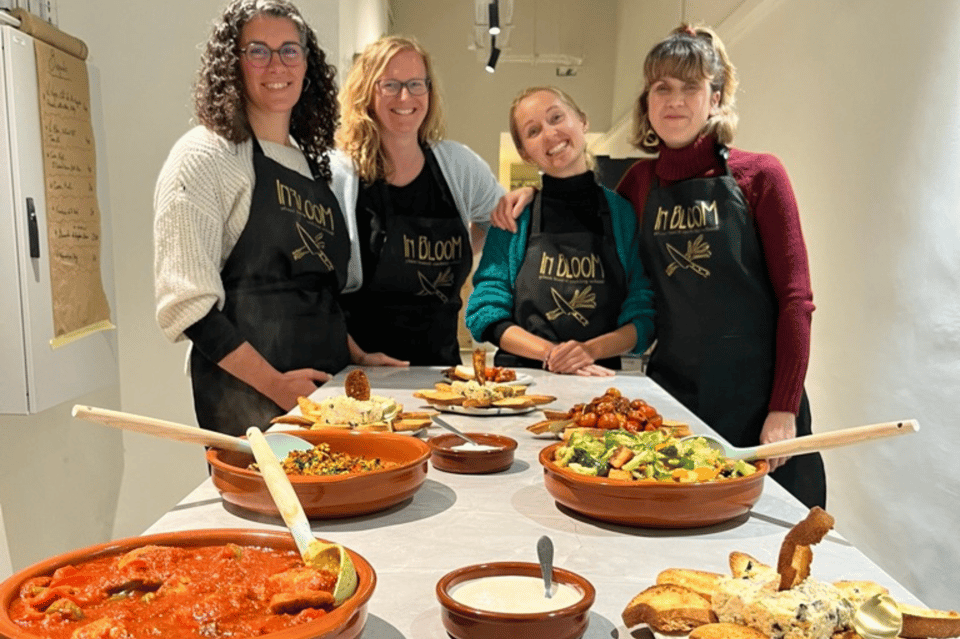
- Small-group format starting from 4 people means you get real cooking time, not just a studio tour.
- A welcome drink per person is included, and additional drinks are available for purchase afterward.
- A full cooking-and-tasting flow: presentation, hands-on cooking, then everyone eats together.
- Traditional Catalan dishes, fully plant-based, including seitan fricandó, cannelloni with béchamel, and menjar blanc almond cream.
- Multilingual instruction in Catalan, Spanish, English, and German so you can follow along easily.
- PDF recipes by email the following Monday, which is great for recreating meals back home.
Getting oriented behind Plaza España at In Bloom Cooking School
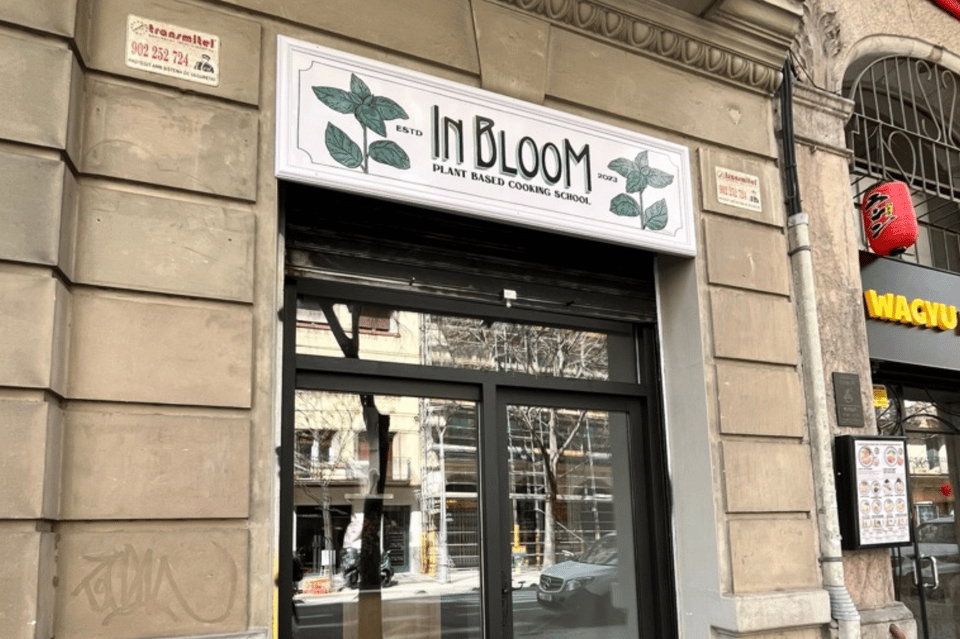
This Barcelona vegan cooking class is based at In Bloom Cooking School, behind Plaza España, behind the Arenas mall. That location matters because it’s practical. You can plan your day around it without hunting across town, and you can easily pair it with other sights in central Barcelona.
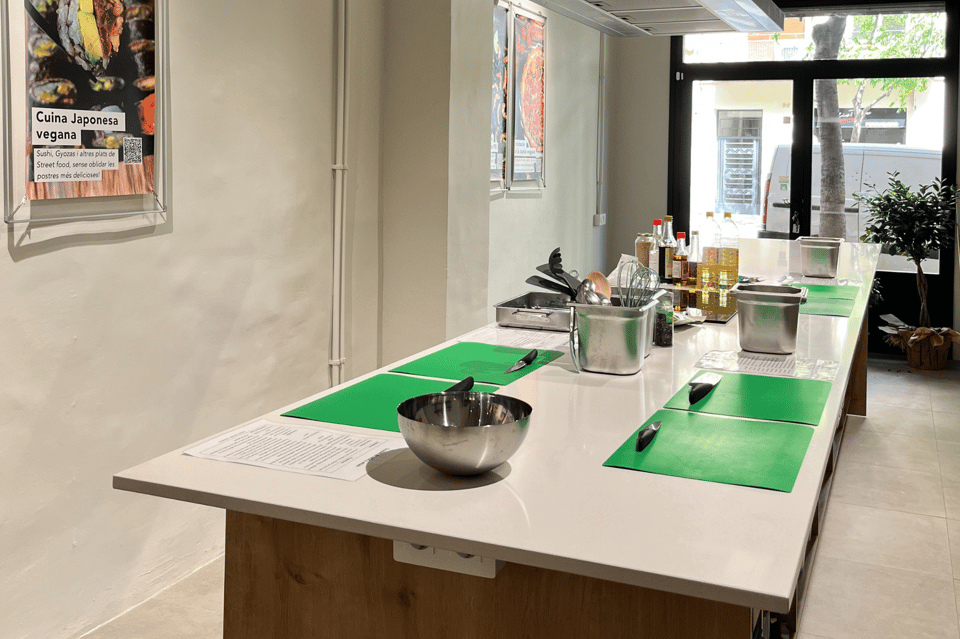
You’re not walking into a big, anonymous kitchen. This is a dedicated cooking school, and the experience is set up like a guided meal in motion: you’ll be taught what to make, you’ll cook it, and then you’ll taste it in the same setting. Even if you’re new to vegan cooking, the course is designed to feel manageable, with a presentation at the start and a clear rhythm afterward.
You can also read our reviews of more tours and experiences in Barcelona
What 4 hours of vegan Catalan cooking really covers
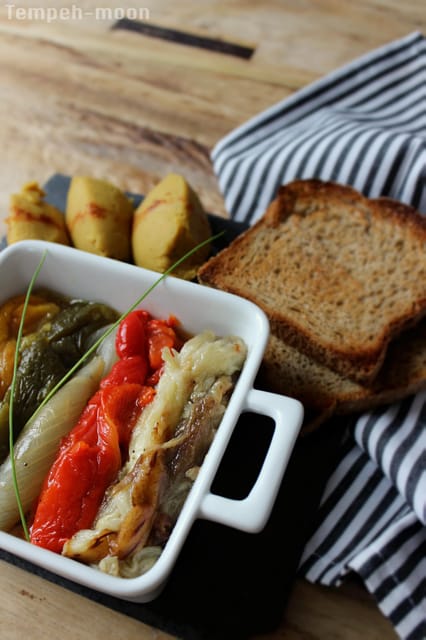
The total duration is 4 hours, with a built-in pacing you’ll appreciate if you don’t want to spend half the day in a classroom. The session starts with a 20–30 minute presentation and description of what’s coming. Then you get about 1.5–2 hours of hands-on cooking. Finally, you have about 1.5–2 hours to taste and enjoy the dishes you prepared.
This structure is one of the biggest reasons the class feels like more than a gimmick. You’re not just learning “vegan versions” as a concept. You’re cooking the components and putting them together—then you immediately get feedback from the group table because everyone eats what’s made.
Also note that the course is taught with a group size starting from 4 people. The exact number of recipes you make depends on how many participants are in your session, so the experience stays flexible rather than forcing a fixed script.
Starters: Sobrasada pastries and ocean fritters with all i oli
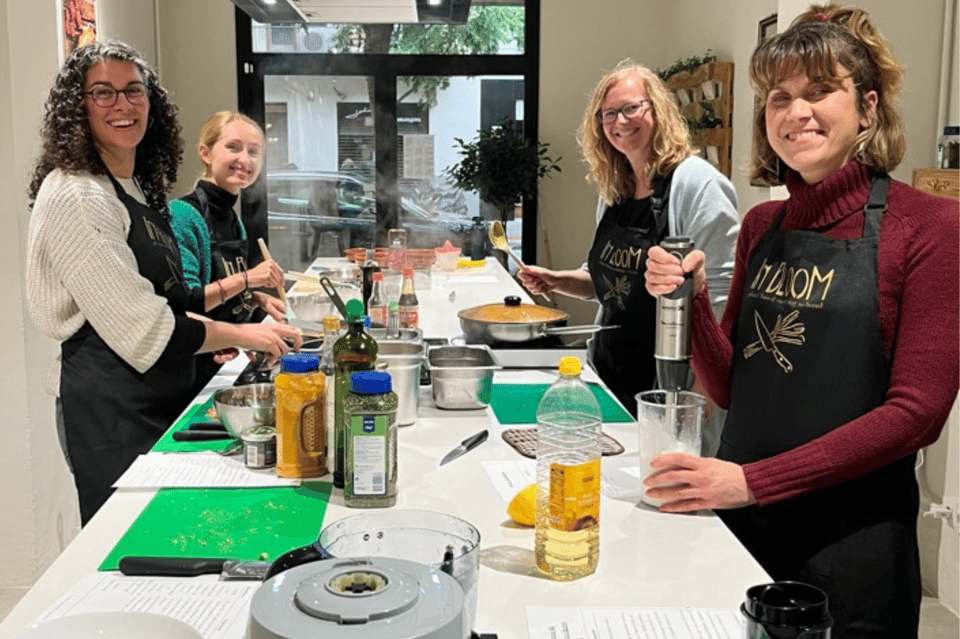
You’ll start with starters that are very Catalan in spirit, but fully plant-based in execution.
The first is Sobrasada pastries, described as cured smoked paprika paste wrapped in pastry. If you’ve never tasted sobrasada before, this is a smart place to start because you immediately get a sense of Catalonia’s love for smoky paprika flavors. The pastry format also makes it easy to learn and handle early in the class without feeling rushed.
Next comes ocean fritters with All i oli. This pairs a seafood-inspired fritter concept with a plant-based all i oli style sauce. Even though it’s vegan, it’s still built around the Catalan idea of rich, garlicky comfort food—so the starter stage gives you both crunch and that satisfying, sauce-forward character that makes Catalan tables feel social.
A practical tip: since you’ll be tasting soon after cooking, go in with a hungry mindset. Starters set the tone fast.
Main course focus: cannelloni, seitan fricandó, and seasonal work
For the mains, the course turns up the satisfaction. You’ll work on dishes that feel like a real Catalan meal, not just a collection of small bites.
One main is seasonal cannelloni with béchamel. The key here is that you’ll be learning the “proper” comfort structure: pasta rolled and filled, plus a creamy béchamel component. It’s the kind of dish that translates well to home cooking later because it’s recognizable and portionable.
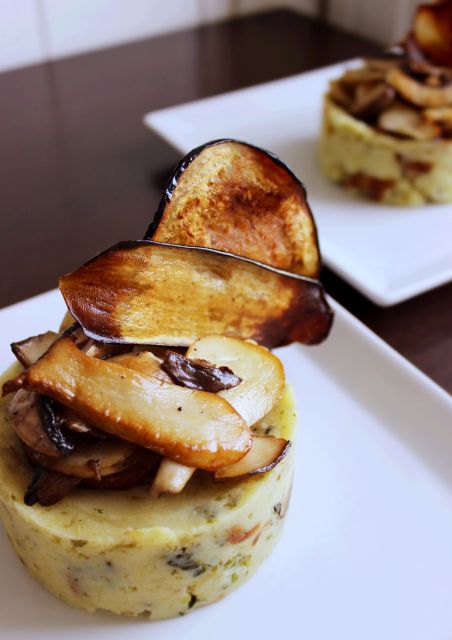
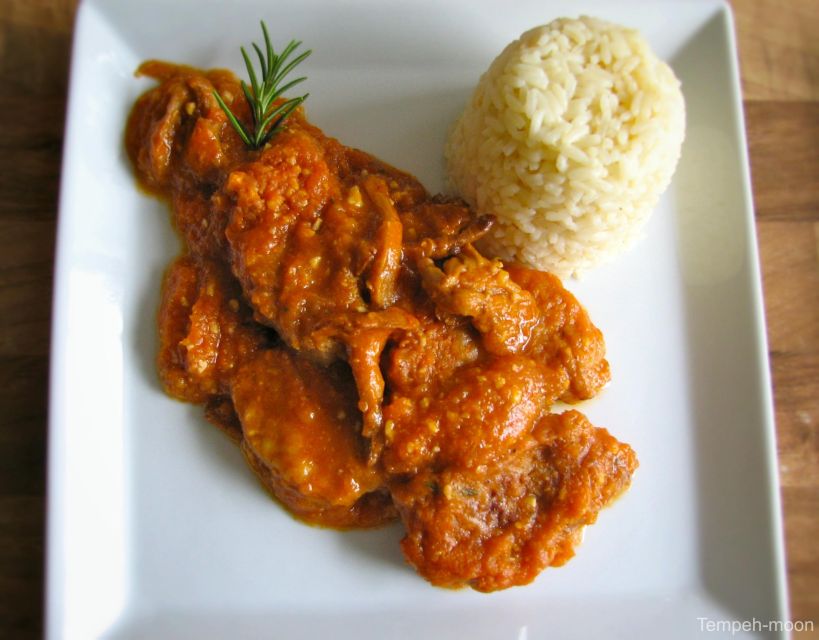
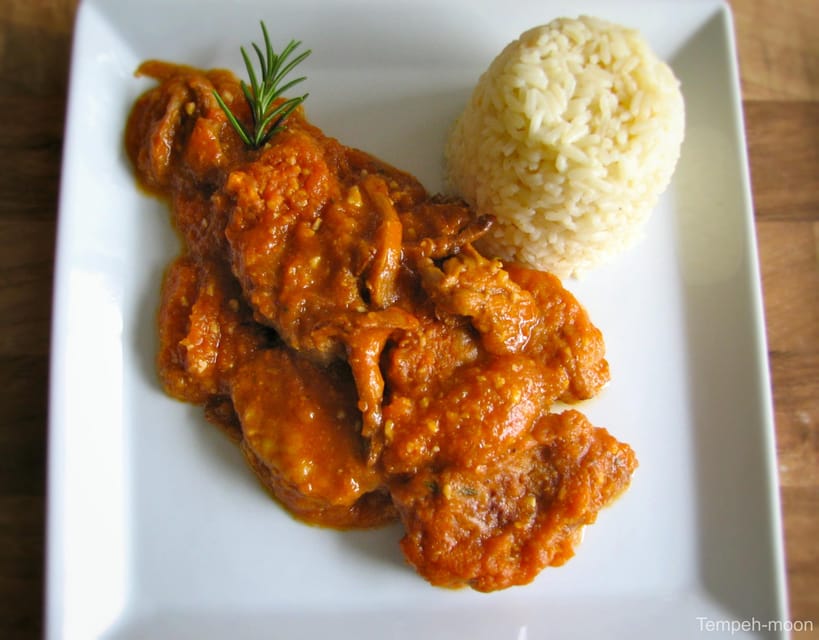
Then there’s Fricandó, described as a mountain seitan stew with mushrooms. This is the headliner for many people because fricandó is strongly associated with Catalan cooking, and here it’s given a plant-based backbone using seitan and mushrooms. You’ll be able to taste the stew after it comes together, so you’re learning technique for building depth using the ingredients you’re already working with.
If you like meals where sauce and texture matter, this is where the class clicks.
Suquet de mar and butifarra: two Catalan ideas, veganized
The course also includes Suquet de mar, a Catalan ocean stew made with daikon. Ocean stew is exactly the kind of dish name that makes people curious, because it signals comfort and character. With daikon in the mix, the course shows a vegan approach that keeps the concept while changing the ingredient base.
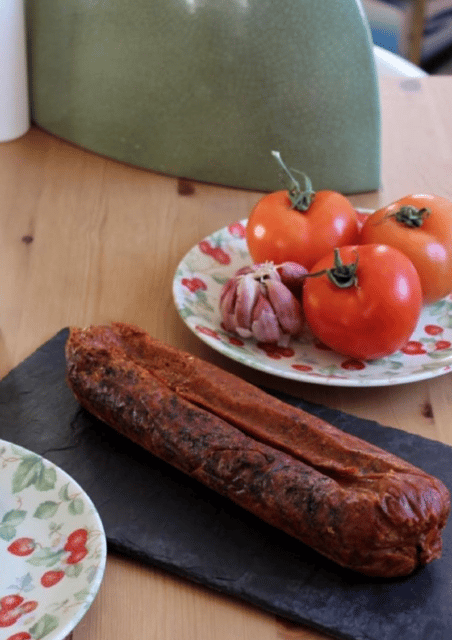
Then there’s butifarra, described as a white beans vegan sausage. That’s a very Catalan word—butifarra—and the course keeps it in the lineup on purpose. It’s a good reminder that vegan cooking isn’t just salads and substitutes. It can be about making local food language—sausages, stews, pastries—work with plant-based ingredients.
At the table, you’ll likely appreciate how these dishes cover different cravings:
- something hearty and stew-like,
- something creamy and baked,
- something sausage-like and filling.
That variety is a big part of why 4 hours feels full, not dragged out.
You can also read our reviews of more cooking classes in Barcelona
Dessert is Menjar blanc almond cream
You’ll finish with Menjar blanc, described as almond cream. This kind of dessert is ideal for a cooking class because it’s sweet without taking over the whole meal. It also fits the Catalan idea of ending on something creamy and gentle.
If you’ve ever made almond-based desserts at home, you’ll like having this as a reference point after the savory work. And since you’ll receive the recipes by email the following Monday, you won’t have to rely on memory for dessert, either.
The tasting moment: eating together after you cook
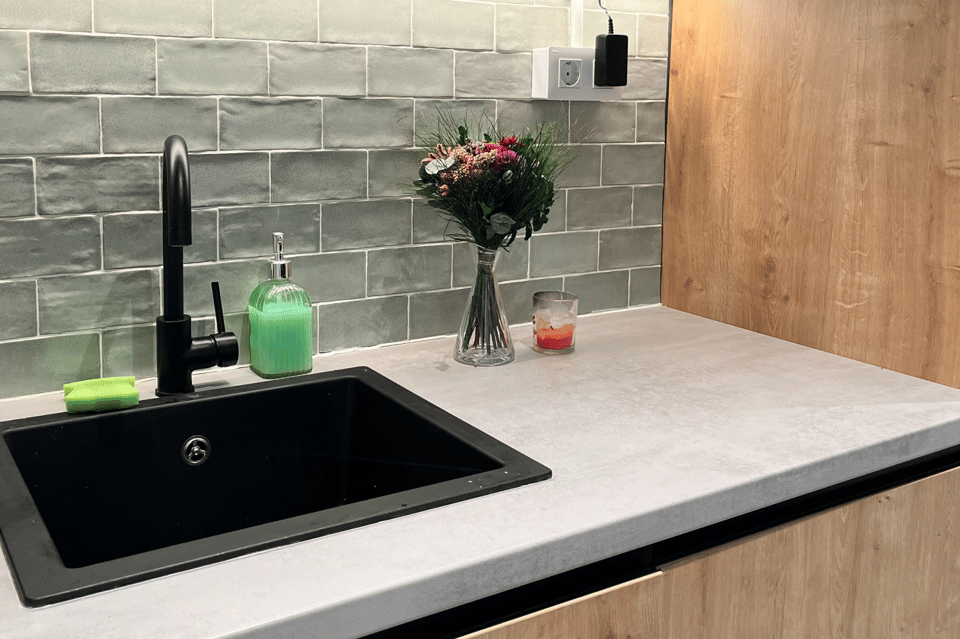
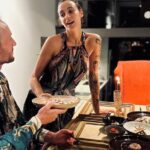
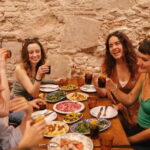
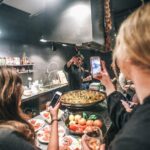
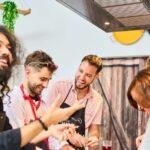
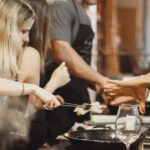
The last stretch is 1.5–2 hours of tasting and enjoying the cooked recipes in a beautiful location. The “beautiful location” detail matters because it keeps the class from feeling like a behind-the-scenes work shift. You’re meant to relax and actually eat.
This is also when small-group classes win. With a starting group size of 4 (and in at least one session reported as max 8), the table conversation is usually easier and more real. One standout theme from people who’ve done this course is that the chat can be as enjoyable as the food itself—because you’re sharing the experience at the same time, not waiting around.
Bring an appetite, and bring patience for the slow pace of eating. Cooking is fun, but the tasting is where everything becomes a meal.
Recipes by email the following Monday: bring the class home
You’ll receive the recipes by email on PDF the following Monday. That’s a big deal if you want this cooking class to pay off beyond the day in Barcelona.
The main reason it’s valuable: you can recreate the dishes while the steps are still fresh in your mind. And since the course focuses on specific Catalan vegan dishes—sobrasada pastries, ocean fritters with all i oli, seasonal cannelloni with béchamel, seitan fricandó with mushrooms, suquet de mar with daikon, vegan butifarra, and menjar blanc—your takeaway list is clear. No vague “inspired by” recipes.
One practical thing to plan for: the course asks you to bring a Tupperware to take leftovers home. So if you think you’ll want lunch the next day, plan for that right away.
Price and value: what $93 buys you in real terms
At $93 per person for a 4-hour class, you’re paying for a few things that are often missing from cheaper food experiences:
- Instruction with multilingual support (Catalan, Spanish, English, German),
- hands-on cooking time (not just observation),
- a full tasting meal made from the course menu,
- one welcome drink per person included,
- PDF recipe delivery the following Monday.
The value part comes from how much of the time is active. You’re not spending 4 hours just learning—you’re cooking and then eating what you made. That’s what makes the price feel more fair than a standard “demo and snack” setup.
The main cost reminder: after the included welcome drink, additional drinks can be purchased at the location and paid at the end of the event. If you like wine or cocktails, budget for it, but you’re not forced into anything.
Who this Catalan vegan class suits best
This experience fits well if you want Barcelona food that feels local in language and recipe style, but you want it without animal products. The course is especially appealing if you:
- love Catalan comfort food names like fricandó and suquet de mar,
- want to learn cooking skills you can use again at home,
- enjoy sitting down to eat as part of the experience,
- prefer small-group settings where conversation actually happens.
It’s also not meant for everyone. It’s not suitable for children under 10, and you should be ready for a cooking-focused environment with clear rules around indoor smoking and other prohibited items (the school has specific house guidelines).
Small details that matter on the day
A few practical points help you enjoy the class more:
- Group size affects recipes: the number of recipes you make depends on participants.
- Alcohol isn’t included beyond the welcome drink: you can buy more drinks and pay at the end.
- Plan for leftovers: bring Tupperware so you can take food home.
- Language support is built in: instructors work in Catalan, Spanish, English, and German, so you can follow along.
Also, double-check your timing. The duration is 4 hours, and the session includes a presentation before cooking starts, so don’t rush in at the last second.
Should you book this 100% vegan Catalan cooking course in Barcelona?
Book it if you want a Barcelona food activity that feels genuinely tied to Catalonia, not just a generic vegan class. This one teaches specific dishes—sobrasada pastries, ocean fritters with all i oli, cannelloni with béchamel, mountain seitan fricandó with mushrooms, suquet de mar with daikon, vegan butifarra, and menjar blanc almond cream—and it pairs the learning with a full tasting meal.
Skip it (or reconsider) if you need a session that guarantees a fixed number of recipes regardless of headcount, or if you’re traveling with kids under 10. And if you’re the type who prefers restaurant-only tasting, you might find that hands-on cooking is more work than you want.
FAQ
How long is the Catalan cuisine vegan cooking course in Barcelona?
The course lasts 4 hours, including a presentation, cooking time, and a tasting meal.
Where do I meet for the class?
You meet at In Bloom Cooking School, behind Plaza España, behind the Arenas mall.
Is the cooking course 100% vegan?
Yes. The entire course uses 100% plant-based products.
What dishes will we cook and taste?
Included dishes are sobrasada pastries, ocean fritters with All i oli, seasonal cannelloni with béchamel, fricandó (mountain seitan stew with mushrooms), suquet de mar (Catalan ocean stew with daikon), butifarra (white beans vegan sausage), and menjar blanc almond cream.
What’s included in the price besides cooking?
You get a complete cooking experience with ingredients and equipment, one welcome drink per person, and PDF recipes sent by email the following Monday.
Are drinks included during the whole event?
Only one welcome drink per person is included. Additional drinks are available for purchase and are paid at the end of the event.
What language will the instructor teach in?
The instructor teaches in Catalan, Spanish, English, and German.
Should I bring anything with me?
Bring a Tupperware to take leftover food home.