REVIEW · BARCELONA
Wine Tasting in Barcelona (Catalan Varieties) Small Groups
Book on Viator →Operated by Barcelonadelights · Bookable on Viator
Barcelona teaches you to taste smarter. In this small-group experience with Marc, you’ll sample five wines while learning how to read a glass using sight, smell, and taste. The biggest thing to consider is that the tour needs a minimum number of people, so it can be canceled if too few sign up.
I like that it’s built for real learning instead of a quick toast-and-go. You’ll meet at Carrer de Jaume Puigvert, 13 (Horta-Guinardó), it runs about 2 hours, it’s offered in English, and it ends back where you started—so your afternoon stays simple even if you’re hopping around the city.
In This Review
- Key highlights worth your time
- Catalan wine tasting in Barcelona: why two hours actually matters
- Getting to Carrer de Jaume Puigvert (and keeping your timing sane)
- The method you’ll practice: look, swirl, sniff, taste
- What five Catalan wines can teach you (without needing a wine library)
- Marc’s small-group teaching vibe: ask questions, keep it friendly
- Price and value: is $60.21 a fair deal?
- Practical tips so your tasting goes smoothly
- Who this Barcelona wine tasting is best for
- Should you book this Catalan varieties tasting?
- FAQ
- How long is the wine tasting?
- What is the price per person?
- Is the tour offered in English?
- How many wines are included?
- What is the group size limit?
- Where does the tour start?
- Can I get a full refund if I cancel?
Key highlights worth your time
- Five included wines: you taste multiple Catalan styles instead of just one.
- Guided tasting skill-building: learn how to judge appearance, aroma, and taste.
- Small-group limit of 15: easier questions, less waiting, more back-and-forth.
- Expert host, Marc: reviewers call him an especially strong guide and a friendly presence.
- Ends back at the meeting point: no complicated transfer plans.
Catalan wine tasting in Barcelona: why two hours actually matters
If you’ve ever stood in a wine shop and felt totally blank, this is the kind of class that fixes that. The tour is short, but it’s structured around the basics you can use forever: how to look at wine, how to smell it, and how to describe what you’re tasting without guessing wildly.
You’re not just consuming drinks. You’re building a simple system. That’s why the “five wines” part is the real value. One wine teaches you almost nothing. Five wines let you compare aromas, flavor intensity, and how different styles behave in the same tasting framework.
One caution from the reality of how these tours run: there can be a cancellation if the minimum number of travelers isn’t met. It’s not common enough to ignore, but it is common enough to respect. If you book near a busy weekend, I’d keep an eye on your email so you don’t lose half a day to a surprise cancellation.
You can also read our reviews of more food & drink experiences in Barcelona

Getting to Carrer de Jaume Puigvert (and keeping your timing sane)
The meeting point is Carrer de Jaume Puigvert, 13, in the Horta-Guinardó area of Barcelona. That’s not the center of the tourist postcard zone, so give yourself a little buffer and arrive on the early side.
The good news: it’s described as near public transportation. So you can usually get there without needing a car, and you can stay flexible if you’re already moving around the city.
Because the activity ends back at the meeting point, you don’t need to plan a second ride at the end. This matters if you’ve got dinner reservations later or you’re trying to avoid that last-minute “how do we get back?” scramble.
The method you’ll practice: look, swirl, sniff, taste
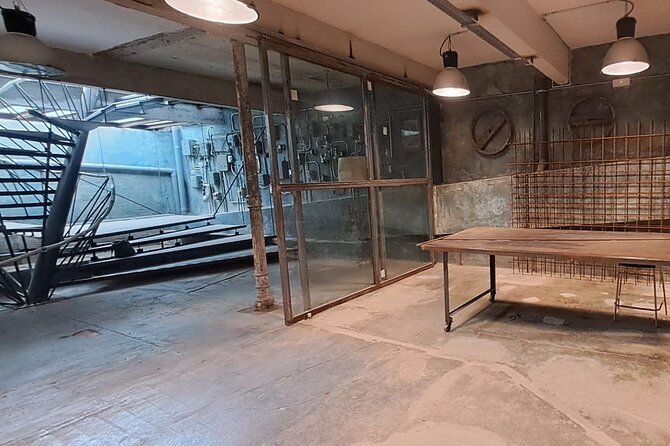
This is one of those activities where you’ll feel smarter fast. The instruction is centered on how to examine a wine’s appearance, then its aroma, and then the tasting itself.
Here’s what that typically looks like in a structured tasting lesson:
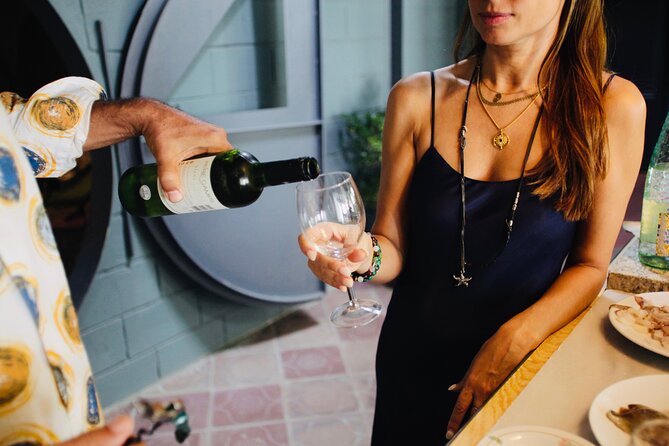
Appearance first. You’ll be prompted to look at color, clarity, and viscosity. Even without knowing grape names, these clues help you form a first impression. Color can hint at style, clarity can signal how the wine is presented, and viscosity (often called “legs”) can reflect how the wine feels in the mouth.
Swirl for aroma. You’ll gently swirl the wine, then inhale its aromas. That swirl isn’t just theatrical. It helps release volatile compounds so you can smell more clearly.
Smell in categories. You’ll be encouraged to identify scents like fruit, spices, or floral notes. This gives you a vocabulary and a way to describe what you notice, which is honestly half the fun.
Taste with a lens. The goal isn’t to be perfect. It’s to taste with awareness. You’ll learn to connect aroma to flavor, and how the wine’s character changes from the first sip to the finish.
If you’re new to wine, this is exactly what you want: a process that doesn’t require prior knowledge. If you already drink wine, you’ll still benefit because the structured guidance helps you spot what you might have been missing or describing poorly.
What five Catalan wines can teach you (without needing a wine library)
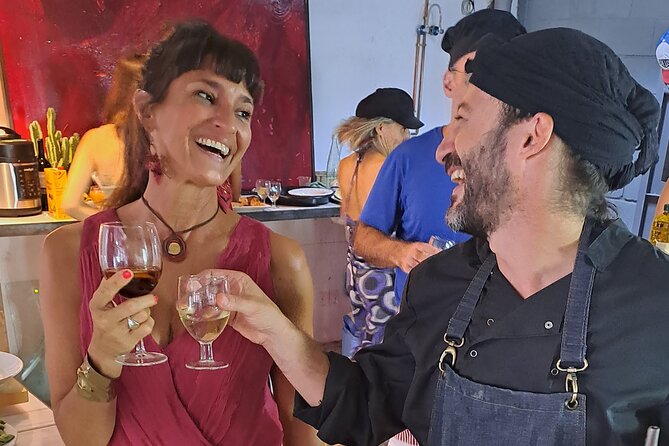
Catalonia is famous for its winemaking traditions and distinct grape varieties. In this tasting, you’ll sample a selection of local wines, often spanning both white and red styles. That mix is useful because it shows you how different wine types express themselves through the same tasting method.
Even though you won’t be asked to memorize a huge amount, you’ll start noticing patterns. For example, you’ll likely find differences in:
- Aroma style (what you smell first and what lingers)
- Flavor profile (fruit vs spice signals)
- How the wine feels (light vs more structured sensations)
- How comparisons work (what changes after you’ve tasted the previous wine)
This is where the “five” really earns its keep. Your brain learns through contrast. One wine is a moment. Five wines become a mini course on how style shows up in aroma and taste.
And because the tour is guided, you’re not left alone trying to decide if your guess is right. The host helps you connect what you’re picking up to what you’re actually tasting, which is the fastest route to confidence.
Marc’s small-group teaching vibe: ask questions, keep it friendly
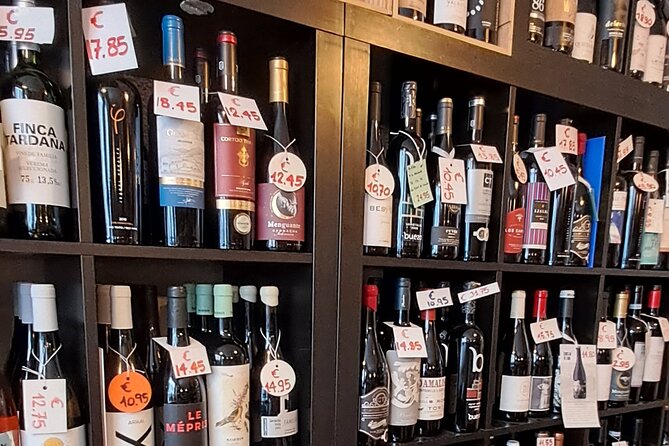
A standout theme in the feedback is the host, Marc. People describe him as an especially fun and strong guide—someone who turns the tasting into more than a checklist.
In a group capped at 15 travelers, that friendliness actually has a practical benefit. You’re more likely to get answers in the moment, and you won’t feel like you’re watching from the back row. If you ask something basic—like why a wine smells a certain way—you’re more likely to get a real explanation instead of a quick brush-off.
The course runs in English, which is a big deal if your Spanish is still in progress. You can focus on the wine rather than translating every sentence in your head.
Also, the group size means the host can keep the pacing right. Two hours is enough time for real tasting, but it’s short enough that you shouldn’t be stuck waiting. That balance is exactly what a small group is good at.
You can also read our reviews of more wine tours in Barcelona



Price and value: is $60.21 a fair deal?
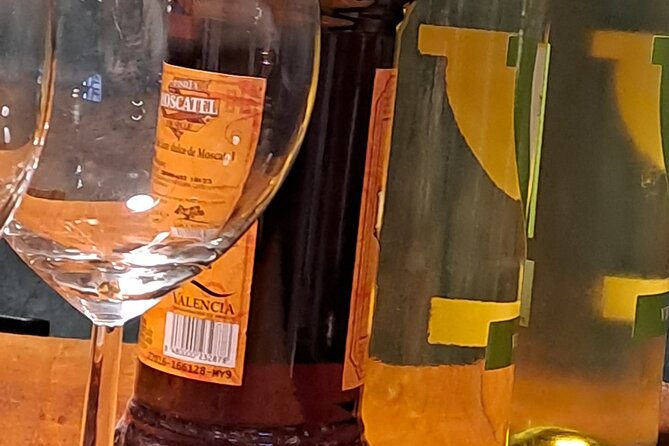
At $60.21 per person for about 2 hours, you’re paying for three things: guided instruction, a curated tasting lineup, and the convenience of a pre-planned experience.
The best value driver here is that five wines are included in the tour cost. If you were to compare this to buying individual bottles or even paying for wine tastings where you only get a tiny sample, the included lineup gives you more “learning per euro” than you’d get on your own.
The second value driver is the teaching. This isn’t just a guided stroll through wine culture. You’re practicing a method—appearance, aroma, taste—so you can use it later in wine bars and shops across Spain.
The price also feels more reasonable because the tour is intentionally small. More space around the table means more interaction with the host, and more chances to ask questions while it matters.
My practical take: if you like wine, this is a strong buy. If you don’t care about learning and only want to drink, you might find it a bit more structured than you expected. But if you want wine skills you can reuse, it’s a good value.
Practical tips so your tasting goes smoothly
Here are the small things that can make this kind of tour feel effortless.
Bring curiosity, not pressure. The whole point is learning. You don’t need to sound like an expert. You’ll taste and compare, then the host helps you label what you’re noticing.
Pay attention to aroma prompts. Fruit, spices, and floral notes are common categories in tastings like this. If you lean into the prompts instead of trying to guess a perfect description, you’ll enjoy it more.
Go at a relaxed pace in the morning/afternoon. It’s about two hours, and it includes multiple wines. If you’ve planned a marathon schedule afterward, you’ll feel rushed. If you plan something calm—like a stroll or an early dinner—you’ll get more out of the experience.
Plan for the possibility of a cancellation. This tour can be canceled if the minimum number of travelers isn’t met. So keep your calendar flexible if you can, and check your email after booking.
Who this Barcelona wine tasting is best for
This tour fits best if you’re one of these travelers:
- You want a guided taste with real instruction, not just a free pour
- You enjoy learning with your senses and like comparing multiple wines
- You’re traveling in a group or as a couple and want something social but not chaotic
- You prefer English instruction and clear explanations over guessing
It’s also a good option if you’re visiting Barcelona and want a change from the standard museum-and-miracle views. This gives you a hands-on Barcelona-adjacent culture lesson through Catalan wine.
If you already know a lot about wine, you may still enjoy it, especially for sharpening your tasting language and comparison skills. If you’re completely uninterested in wine, you’ll probably get more value from something else.
Should you book this Catalan varieties tasting?
I’d book it if you want a practical, guided way to understand Catalan wine styles in just two hours. The strongest reasons are the structure (appearance, aroma, taste), the five included wines, and the small-group setup with Marc leading the experience.
I’d hesitate or at least be cautious if your schedule is tight or non-negotiable, because the tour can be canceled if enough people don’t sign up. If you can keep a little buffer in your day and check your email after booking, you’re set up for success.
FAQ
How long is the wine tasting?
It lasts about 2 hours.
What is the price per person?
The price is $60.21 per person.
Is the tour offered in English?
Yes, it is offered in English.
How many wines are included?
You’ll taste five different local wines that are included in the tour cost.
What is the group size limit?
The tour has a maximum of 15 travelers.
Where does the tour start?
The meeting point is Carrer de Jaume Puigvert, 13, Horta-Guinardó, 08024 Barcelona, Spain. The activity ends back at the meeting point.
Can I get a full refund if I cancel?
Yes. You can cancel for free up to 24 hours in advance for a full refund.