REVIEW · BARCELONA
The Ultimate Old Town Tour in Barcelona
Book on Viator →Operated by Buzziler · Bookable on Viator
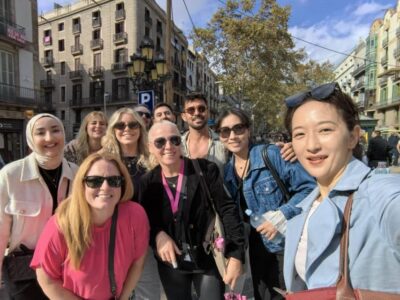
Barcelona’s Old Town clicks fast on foot. This 2.5-hour small-group tour (max 10) helps you make sense of a complex city, with a local guiding you through the big landmarks and the quieter streets. I especially like how the walk connects eras—from the Roman village roots to the medieval layers, then into the old Jewish Quarter—so the Gothic Quarter feels less like random stone and more like a timeline you can see.
You’ll also get practical sightseeing help plus real life advice. Stops can include Las Ramblas, the Boqueria Market area, and La Catedral de Barcelona, with plenty of time for photos and a guide who can point out what matters and what to ignore. One thing to consider: the experience depends on good weather, so plan for outdoor walking and bring rain/heat gear just in case.
In This Review
- Key things to know before you go
- What you’re really buying with this Old Town tour
- Meeting at Pl. del Teatre and getting oriented fast
- Las Ramblas to Boqueria: the easiest way to understand the city’s energy
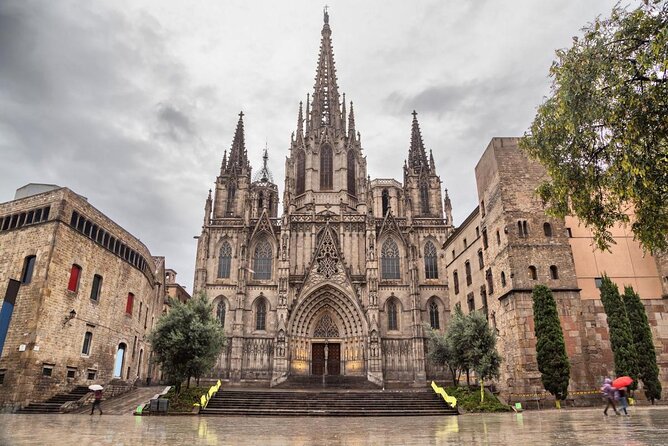
- La Catedral de Barcelona and the Gothic Quarter: history that isn’t just dates
- Roman village roots to medieval streets: how the route ties it together
- The old Jewish Quarter finish: meaning, not just another stop
- Food, drinks, and what to do after the tour
- Who this tour is best for (and who should consider alternatives)
- Price and value: what $90 buys you in Barcelona terms
- Timing, pacing, and what to wear for this kind of walking
- Ratings and guide styles: what the best sessions feel like
- Practical checklist before you book
- Quick FAQ for planning your Barcelona Old Town tour
- FAQ
- How much does The Ultimate Old Town Tour in Barcelona cost?
- How long is the tour?
- How many people are in the group?
- What language is the tour offered in?
- Where do I meet for the tour?
- Does the tour include major sights like Las Ramblas, Boqueria Market, and the Cathedral?
- Is the ticket digital?
- What’s the cancellation policy?
- What happens if the weather is poor?
- Should you book this Old Town Tour?
Key things to know before you go
- Max 10 people means more time for your questions and a less hectic pace through tight streets
- You’ll hit major classics like Las Ramblas, Boqueria, and the Cathedral without feeling like you’re rushing
- Guides like Lucy and Enrique bring history with clear stories, plus hands-on guidance at the market
- Expect context that explains why the Gothic Quarter is tied to Neo-Gothic ideas
- You’ll finish with food and evening recommendations, tailored to how locals actually spend time
- It’s designed for walking, so wear shoes that can handle uneven old-town pavement
What you’re really buying with this Old Town tour
On the surface, this sounds like a classic “Old Town highlights” stroll. But the real value is the order of the route and the way the guide explains what you’re seeing. You don’t just collect landmarks—you learn what each neighborhood used to be, and what changed as Barcelona grew.
The small group size matters a lot in Barcelona’s historic center. With only up to 10 people, you’re less stuck behind crowds and more able to pause, ask questions, and move at a pace that suits you. That’s especially helpful around the Gothic Quarter and the market streets, where the bottlenecks can be real.
The other big reason this works is that it connects sightseeing to daily life. After the walking portion, you get practical suggestions on where to eat and drink, plus how people tend to party and socialize. If you’re trying to plan the next day (or tonight) without guessing, that guidance can be worth as much as the tour itself.
You can also read our reviews of more tours and experiences in Barcelona.


Meeting at Pl. del Teatre and getting oriented fast
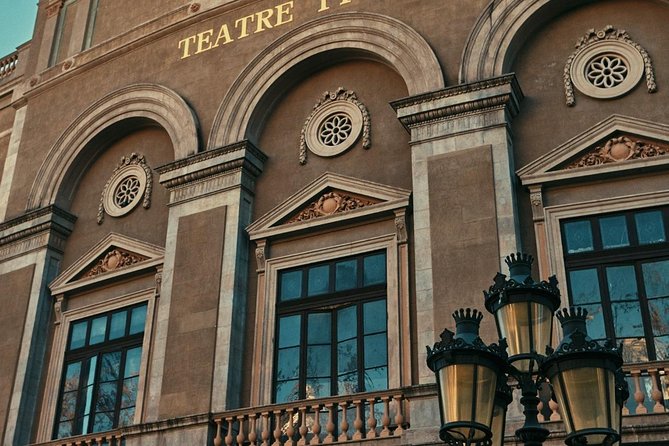
You meet at Pl. del Teatre 30 in Ciutat Vella, and the tour ends back at the same point. That “start and finish in the same place” detail seems small, but it saves you from having to figure out how to get home after you’ve walked a lot.
This area is also well placed for public transit, so you’re not forced into a complicated route just to begin. The bigger takeaway, though, is mental: you’re starting from the old-town heart, which helps you form a map in your head right away. That makes it easier to come back later on your own and feel confident navigating without a guide.
Las Ramblas to Boqueria: the easiest way to understand the city’s energy
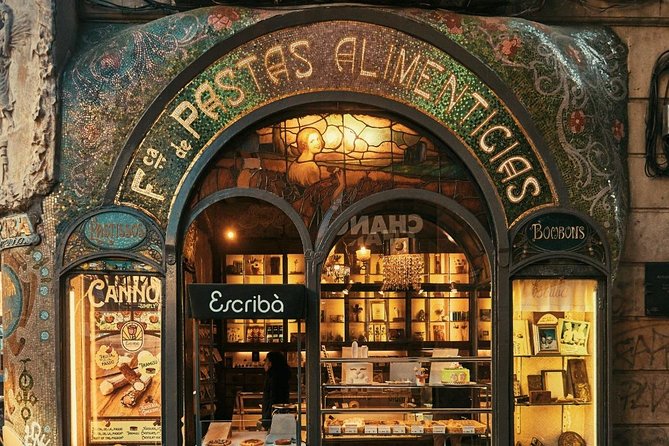
Las Ramblas is one of those places you’ve seen in photos a thousand times. The trick is not just to stand there—it’s to know how to read it. On this tour, you spend time around Las Ramblas and the Boqueria Market area, so you can connect the street’s theater-like atmosphere to what’s actually happening in the market ecosystem.
Boqueria is the kind of stop where a guide can help you avoid the most common mistake: treating it like a food court for tourists. If your guide is Lucy, for example, the market stop can include pointed guidance on products that are specifically Catalan, plus favorite vendors for different items. Lucy’s approach is also hands-on in a friendly way—she’s described as being on first-name terms with many of the merchants, which helps the stop feel more like a guided local errand than a scripted shopping pitch.
Expect the market portion to be a mix of short looks and smart commentary. You’ll get ideas for what to try, and you’ll leave with a better sense of how to shop there later without feeling lost.
Photo time is built in. Enrique’s style is noted for including adequate stops for pictures, which matters when you’re weaving through crowds and narrow lanes. If you like to shoot architecture and street scenes, this tour won’t leave you entirely rushing.
La Catedral de Barcelona and the Gothic Quarter: history that isn’t just dates
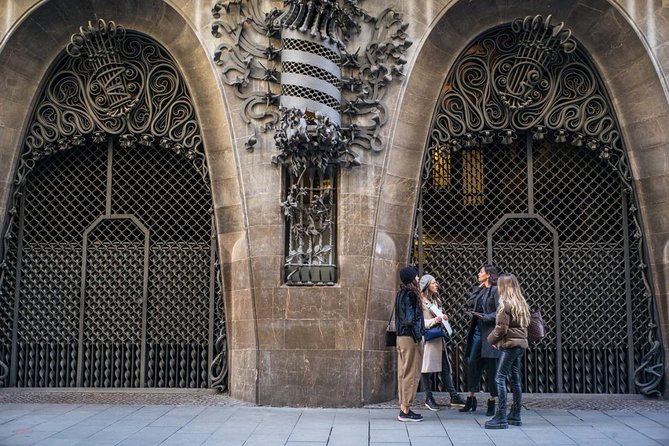
One of the best parts of this experience is how it treats the Gothic Quarter as more than a postcard. You’re shown the key sights, but the guide keeps explaining what the area means historically and architecturally.
A standout topic is the idea of the Gothic Quarter being associated with Neo-Gothic ideas. That explanation helps a lot if you’ve ever stared at a medieval-looking building and wondered whether it’s truly from the Middle Ages or later revival work. Once you understand the timeline logic, the streets start to feel readable.
You’ll also get walking-time context that turns the stone streets into a story. The guide talks about movement through Barcelona across periods—starting earlier with the Roman village roots, then passing into medieval town layers. That “then and now” approach makes the Gothic Quarter feel less like a single attraction and more like a living overlap of centuries.
The pacing is generally designed for you to keep up without feeling rushed. Even in rain, the tour can adjust. One review described a rain-day experience where the guide kept moving through the streets for over the planned window, and the group size effect mattered: with fewer crowds around, it felt more personal and easier to linger in certain spots.
Roman village roots to medieval streets: how the route ties it together
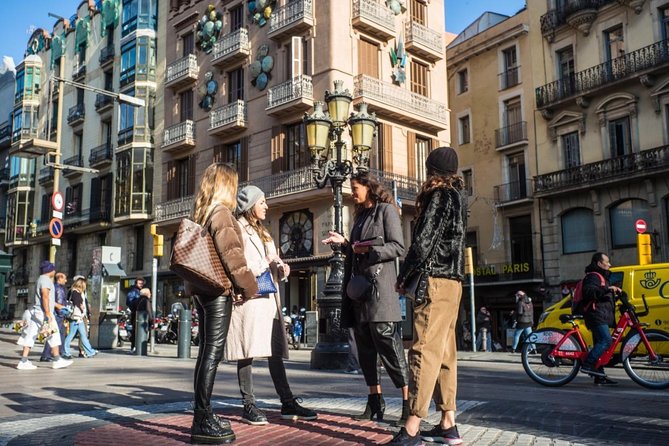
Barcelona’s old center can feel confusing if you only approach it from a modern map perspective. This tour helps by putting the city’s history into the exact order you walk through it.
You start with the story line that begins at the Roman village, then you move through medieval town. That structure is what makes the Gothic Quarter discussion land. When you hear why the neighborhood looks the way it does, it’s much easier to picture how earlier settlement patterns and later building decisions shaped what you see today.
This is also where your guide’s storytelling style becomes important. Both Lucy and Enrique are noted for delivering history with charm and friendly clarity. The best version of this tour doesn’t just tell you facts; it connects them to what you’re standing next to, so you remember it later when you’re exploring on your own.



The old Jewish Quarter finish: meaning, not just another stop
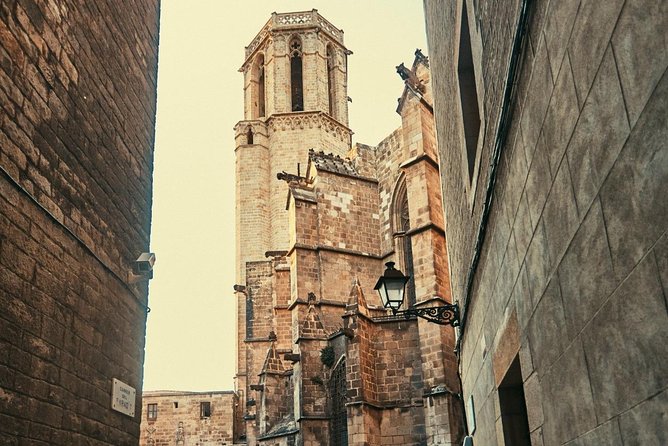
The tour’s ending focuses on the old Jewish Quarter, which is a smart choice for a final chapter. By the time you get there, you’ve already heard how Barcelona grew from older layers into the medieval and later eras. That makes the Jewish Quarter part feel like a consequence of the city’s history, not a random last photo.
If you enjoy neighborhoods with strong identity and dense streets, this is a good place to slow down and pay attention. The streets and structure can be subtle, so a guide’s framing helps you see more than just walls and arches.
You also transition into practical life advice right after. The tour includes recommendations on where to eat and how to drink and party like locals, plus an opportunity to learn about Catalan lifestyle. Even if you don’t plan to party, those pointers are still useful because they often translate into where to find real food and normal local rhythms.
Food, drinks, and what to do after the tour

A tour that ends after the final landmark is fine. But this one aims to reduce decision fatigue. When you finish, you’re not stuck with the classic question: What now?
The guide provides best-place-to-eat recommendations, plus suggestions for how to drink and socialize locally. That matters because Barcelona’s “tourist central” areas can be easy to overuse if you don’t know where to pivot. Having a local-style route for your next meal can save you time and money.
If you get Lucy, the market stop and lunch guidance can be especially helpful. One review noted that she walked the group to a local restaurant and introduced them to the owner, and the food was described as outstanding. That kind of extra support isn’t guaranteed every time, but it signals the overall service style you can expect: personal, practical, and designed to help you follow through after the tour ends.
Who this tour is best for (and who should consider alternatives)
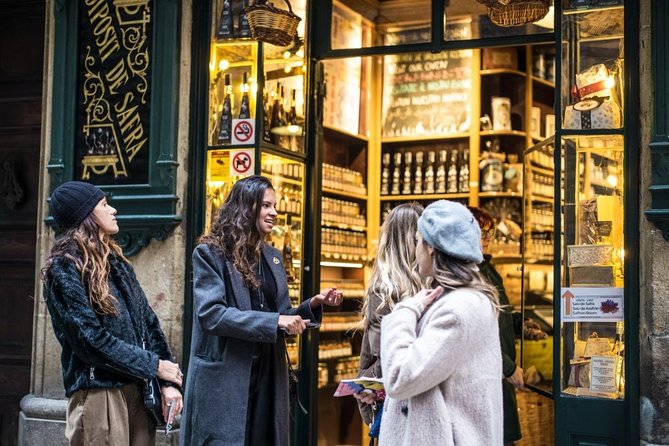
This tour suits you best if you want a strong introduction to the old center with minimal stress. It’s also a good fit if you like history but don’t want a lecture. The structure—big sights plus context plus clear finishing advice—helps you get oriented fast.
It’s especially smart for first-time visitors who want to return later on their own. You’ll leave with a mental map, key reference points, and a sense of which streets and areas are worth lingering in without guessing.
If you’re the type who only wants a few famous attractions and then wants long, independent wandering, you might feel the tour is too much structure. But for most people, the mix of landmark time and street-level storytelling hits a sweet spot.
Price and value: what $90 buys you in Barcelona terms
At $90 per person for about 2 hours 30 minutes, you’re paying for three things: a live guide, a curated route, and small-group access. In a city like Barcelona, that can be good value if it prevents you from wasting a day figuring out where to go next.
The small group size (max 10) is a major part of the value equation. Big-city walking tours can be cheap but hard to enjoy when you’re shoulder-to-shoulder. Here, the pricing makes sense because you’re more likely to ask questions and get direct answers, especially at stops that can otherwise overwhelm you—like the Cathedral area and the market streets.
You’re also getting added value through the post-tour recommendations. Food and evening guidance can noticeably improve your trip, because it affects what you do after the tour, not just during it.
Timing, pacing, and what to wear for this kind of walking
The official duration is about 2 hours 30 minutes. One review described a rain-day version that ran closer to 3.5 hours, suggesting the guide may adjust the timing based on conditions and how long you want to stop for photos or specific streets.
Either way, expect steady walking through older, uneven streets. Comfortable shoes are non-negotiable. If it’s warm, the guide may choose shadier spots; one review specifically noted the guide staying aware of intense heat and working shade into stops.
Because good weather is required, you should take the weather seriously. If the tour is affected by poor weather, you may be offered a different date or a full refund. That’s not just policy language—it’s a sign the experience is designed around time outdoors.
Ratings and guide styles: what the best sessions feel like
The tour has strong performance on guide quality, with a 5 rating and a recommendation rate of 100%. Two names show up repeatedly: Lucy and Enrique.
Lucy is described as kind, very knowledgeable, and particularly strong around the market. The standout details are her market guidance—pointing out products unique to Catalonia—and her ability to recommend vendors and then connect you to where to eat afterward. Enrique is praised for excellent background and history throughout, and for an engaging, personable style with good pacing.
If you care about both facts and atmosphere, the combination of history plus friendly delivery is the point. You’re not only seeing places; you’re learning what makes those places make sense.
Practical checklist before you book
- Wear shoes built for uneven old streets
- Bring water, especially if it’s hot
- If weather looks iffy, pack a light rain layer
- Have your phone charged for the mobile ticket
- Keep room in your evening plans, since you’ll get food and drink suggestions after
Quick FAQ for planning your Barcelona Old Town tour
FAQ
How much does The Ultimate Old Town Tour in Barcelona cost?
It costs $90.00 per person.
How long is the tour?
The duration is about 2 hours 30 minutes.
How many people are in the group?
The tour has a maximum of 10 travelers.
What language is the tour offered in?
The tour is offered in English.
Where do I meet for the tour?
You meet at Pl. del Teatre, 30, Ciutat Vella, 08002 Barcelona, Spain.
Does the tour include major sights like Las Ramblas, Boqueria Market, and the Cathedral?
Yes. The tour highlights include Las Ramblas, Boqueria Market, La Catedral de Barcelona, and more.
Is the ticket digital?
Yes. The tour uses a mobile ticket.
What’s the cancellation policy?
Cancellation is free up to 24 hours in advance for a full refund.
What happens if the weather is poor?
The tour requires good weather. If it’s canceled due to poor weather, you’ll be offered a different date or a full refund.
Should you book this Old Town Tour?
If you’re trying to understand Barcelona fast, this is a smart starting move. I’d book it if you want a small-group walk that connects major sights with neighborhood context, plus clear suggestions for what to do next.
I’d skip it if your ideal day is mostly independent wandering and you don’t care about history links or food/drink guidance. But if you want less guessing and more direction—especially around the Gothic Quarter and Boqueria—this one earns its hype.
If your schedule allows, booking ahead can also help you get the time you want, since the average booking window is about 81 days in advance.