
REVIEW · BARCELONA
Hola Barcelona Travel Card
Book on Viator →Operated by Turisme de Barcelona · Bookable on Viator
Barcelona without thinking about fares.
The Hola Barcelona Travel Card makes it simple: you get unlimited rides across Barcelona’s main transit systems, plus airport-to-city access, so you can plan your days without counting every trip. I like the flexibility of choosing a pass length that fits your schedule, and I like that it covers the metro/bus network you’ll actually use day to day. One caution: the redemption and pick-up instructions can be confusing, and a couple of key routes are not included—like night buses and Aerobus.
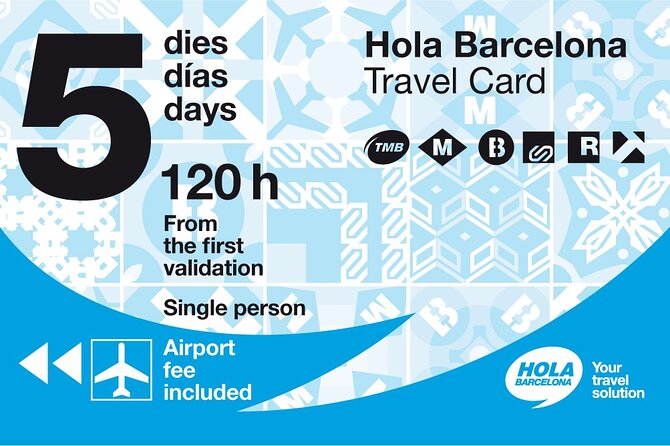
What makes this pass especially useful is how broad the coverage is once you activate it. Your card is valid for 48, 72, 96, or 120 hours starting from the first time you use it, and it works on metro, tram, buses, the Funicular de Montjuïc, and RENFE suburban trains in the right zone. That “activate when you’re ready” setup is great if your arrival day is packed, but it also means the clock starts running as soon as you tap in.
If you’re the type who walks a lot and uses transit only now and then, you might not need a multi-day pass. But if you’ll ride more than a couple of times—especially on the way to and from the airport—this is often a practical way to keep costs under control while giving you freedom to change plans.
In This Review
- Key highlights worth knowing before you buy
- How the Hola Card works when you’re on the move
- Price and value: when $26.43 makes sense
- Airport access: included routes (and the ones that aren’t)
- Picking up and redeeming the paper card at BCN
- Where you can ride: metro, bus, tram, and the Montjuïc funicular
- Using the pass for a smart 2-to-5-day Barcelona plan
- Day 1: Land, get oriented, then pick a neighborhood base
- Day 2: Seafront time plus a mid-day transit reset
- Day 3: Green areas and a higher-altitude switch
- Day 4 (optional): Mix-and-match based on what you still want
- Timing tips that prevent wasted hours
- Common friction points (and how to sidestep them)
- Redemption confusion
- You may not use it enough
- Not every airport option is covered
- Who this card fits best
- Quick practical FAQ
- FAQ
- How long is the Hola Barcelona Travel Card valid?
- What transportation is included with the pass?
- Are night buses included?
- Is Aerobus included from the airport?
- Where do I pick up the card in Barcelona?
- Is this card paper or digital?
- Should you book the Hola Barcelona Travel Card?
Key highlights worth knowing before you buy
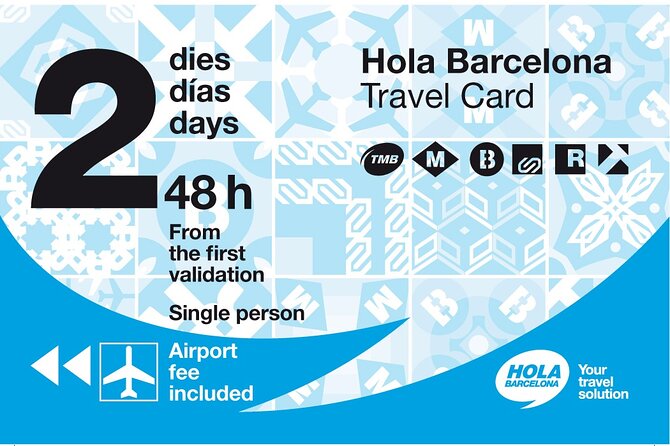
- Unlimited rides across TMB, FGC, and RENFE zone 1 so you can mix metro, bus, tram, and suburban trains without extra tickets
- Time-based validity (48–120 hours) starting from your first use, not from the day you pick it up
- Airport metro/train is included, which is usually where the value starts
- Night buses and Aerobus are not included, so plan your late rides accordingly
- Paper ticket you collect at BCN terminals, with voucher redemption tied to official information points
- Small group cap (up to 15) for the experience workflow through the provider, Turisme de Barcelona
How the Hola Card works when you’re on the move
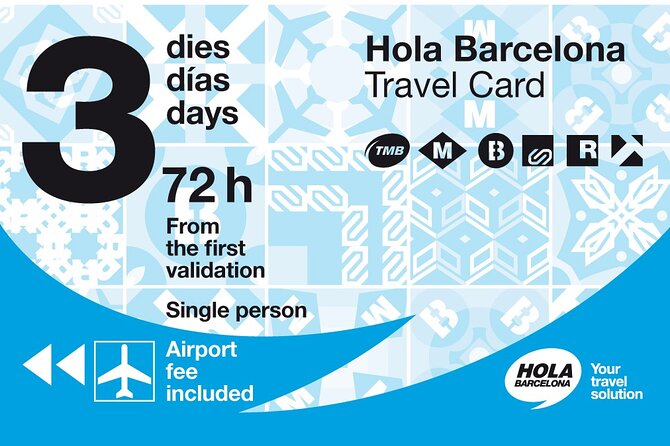
This pass is built for the kind of travel where you don’t want to stop and buy something every time you change neighborhoods. Once you have your card, you’re free to ride the metro, tram, and buses as often as you want—within the included operators and zones.
The key idea is that your cost is fixed for your chosen number of hours. That matters in Barcelona because you’ll likely move between areas: central streets one day, seafront another day, and then quieter green spaces where a ride can save your legs. Even if you’re walking a lot, transit helps you avoid “half-day detours” when you’re tired or running late.
Also note the time rule. Your validity runs from the first time you use it. If you pick up the card but don’t ride until later, your hours still aren’t ticking away yet. This is a big difference from passes that start counting at midnight or on the purchase date.
You can also read our reviews of more tours and experiences in Barcelona.



Price and value: when $26.43 makes sense
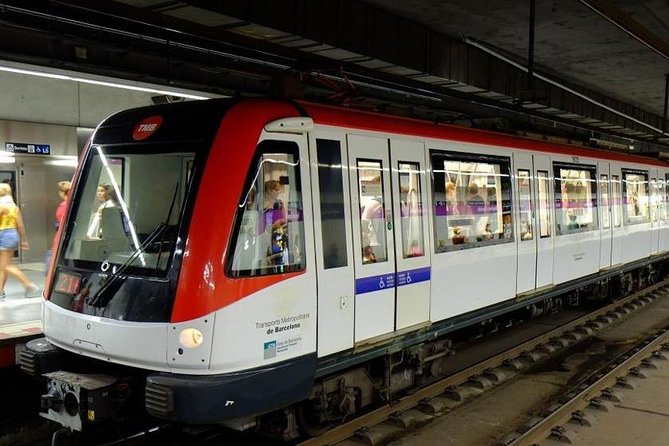
The listed price here is $26.43 per person, and the pass covers 2 to 5 days (about 48 to 120 hours) depending on which option you choose. That price only feels like a bargain if you’ll actually use the included network enough times to justify it.
Here’s the value test I’d use: if you’ll do the airport trip and then ride more than twice on regular transit during your stay, you’re already playing to the pass’s strengths. The airport element is a major part of why this can pay off fast—because a standalone airport transfer can be one of your bigger transit costs.
If your plan is mostly walking with occasional short metro hops, you may do fine without it. But if you’re doing multiple neighborhood switches, the “unlimited rides” model can make your day feel easier. You stop thinking about which ride costs extra and just pick the quickest route.
Airport access: included routes (and the ones that aren’t)
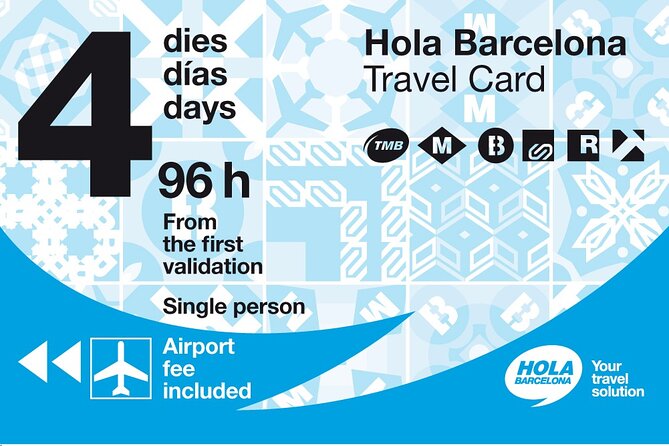
One of the strongest features is that the card allows you to travel from Barcelona Airport using the included rail/metro options. That’s a real convenience factor because Barcelona’s airport-to-city connection is a common first cost—and it’s often where travelers get value out of a transit pass.
Two important exclusions show up clearly in the details:
- Aerobus (airport shuttle bus) is not included.
- Night bus service is not included.
So if your arrival or departure is late, don’t assume you’re covered for every airport bus option. It’s worth planning your timing so you’re relying on the included metro/train routes rather than any excluded bus service.
Picking up and redeeming the paper card at BCN
This is a paper ticket experience, not a phone-only pass. That means you need to pick up or redeem it correctly, and that’s where timing and clarity matter.
You can buy or pick up your card at tourist information offices at the two terminals. That’s the smoothest path if you’re landing and want to get moving quickly. I also like that it’s designed to be available right where you arrive—less running around.
If you’re starting from a voucher, you’ll want to pay attention to where you must redeem it. One recurring theme from real-world use is that the redemption message can be unclear. In particular, it points people toward official information help at Plaza Catalunya—and if you head to the wrong kind of booth or the wrong location, you can lose time.
One more practical note: some instructions can send you toward places that sound like pick-up points, but not every tourism booth stays open forever. If your instructions seem outdated or don’t match what’s on the ground, prioritize getting help at an official tourist information center instead of guessing.
Where you can ride: metro, bus, tram, and the Montjuïc funicular
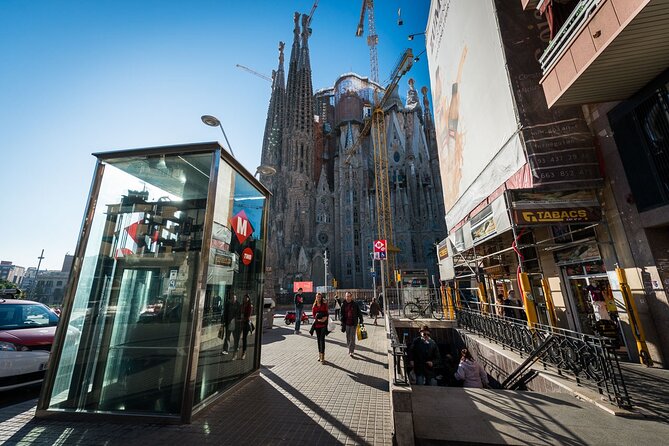
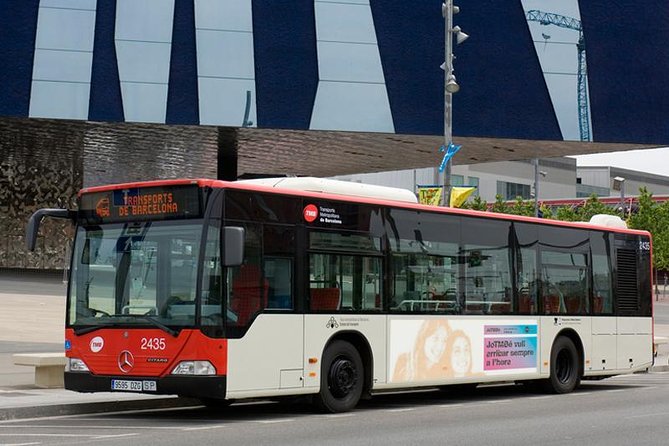
The coverage is broad enough to build an easy routine. Your card works on:
- Metro, buses, and trams operated by TMB
- City network lines operated by FGC
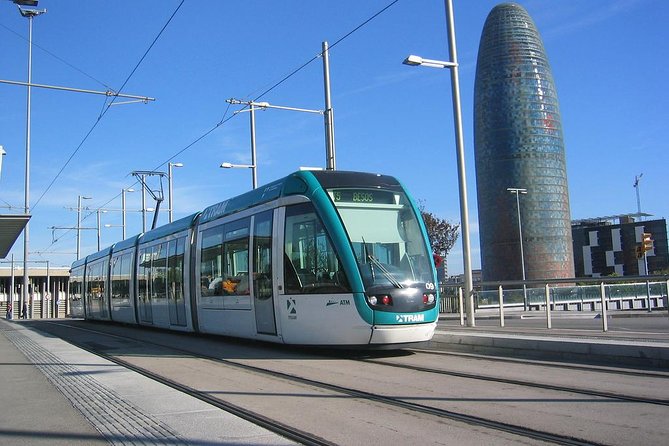
- TRAM coverage where included
- RENFE suburban trains in zone 1
- Funicular de Montjuïc
- Barcelona Airport metro and train
And here’s the practical takeaway: in Barcelona, you’ll usually combine walking with a short transit hop. A pass works best when it matches that style—short rides, frequent changes, and no extra payment every time you cross a neighborhood boundary.
Also, don’t worry about needing the exact “right line” every time. The pass is designed so that you can use any included metro, tram, and bus lines within the operator coverage. That keeps your planning flexible when you change your mind mid-day.




Using the pass for a smart 2-to-5-day Barcelona plan
This isn’t a guided sightseeing tour with set stops. Instead, it’s a transportation backbone. So I’ll frame it as a practical itinerary pattern you can copy.
Day 1: Land, get oriented, then pick a neighborhood base
On your first day, your main job is to get from the airport to the city, then set yourself up near something walkable. Since the pass supports airport metro/train, you can aim for that included connection and keep your travel day uncomplicated.
Once you’re in town, think in “neighborhood blocks.” Barcelona is perfect for wandering through narrow streets, and the pass helps you bridge between areas when walking becomes a long grind.
If you’re planning a major landmark day, save it for a time when you’re less stressed. One review-focused example that shows up in the real world is Sagrada Familia, where transit can help you move efficiently and still keep the day relaxed.
Day 2: Seafront time plus a mid-day transit reset
Barcelona’s seafront is an easy “yes” day, especially when you want a long outdoor walk. Use the pass to reach the area, then let the rest of the day be about pacing yourself.
If you get tired, transit is your reset button. Instead of pushing through on foot, you can hop back toward your next planned area. This is where unlimited riding starts to feel like more than value—it feels like freedom.
Day 3: Green areas and a higher-altitude switch
The pass includes Funicular de Montjuïc, which is one of those “worth it if you’re doing it” options. If your day involves Montjuïc or views from higher ground, having that included ride means you don’t have to calculate extra costs on the fly.
Also, Barcelona’s green spaces and viewpoints can turn a half-day into a full day of walking. Transit lets you manage your energy without turning the day into a slog.
Day 4 (optional): Mix-and-match based on what you still want
With 96 or 120 hours you have room to react. Maybe you spend longer in a neighborhood you love. Maybe you skip something you didn’t expect to be as interesting. The pass is designed for that kind of flexibility because you aren’t buying tickets one ride at a time.
A small but real benefit: when your plans change, you don’t need to “rebuild your budget.” You just choose the next best route.
Timing tips that prevent wasted hours
Because this is a time-based pass, small decisions can add up. Here are the ones that matter most:
- Activate carefully. The hours run from the first use, not necessarily the first day you open the card. If you pick it up early, you may prefer to delay your first ride until you actually start using it.
- Plan around exclusions. Night buses and Aerobus aren’t included. If your schedule is late-night heavy, build an alternate plan so you’re not stuck.
- Don’t assume every booth is open. Some redemption/pick-up spots may not be operating as expected at the time you arrive. If instructions don’t match the ground reality, go straight to an official tourist information center rather than wandering.
One more note from real-world trouble: if a card doesn’t work, be ready to return for help and possibly get a replacement. In that situation, time can get eaten up fast—so build a little buffer into day one if you can.
Common friction points (and how to sidestep them)
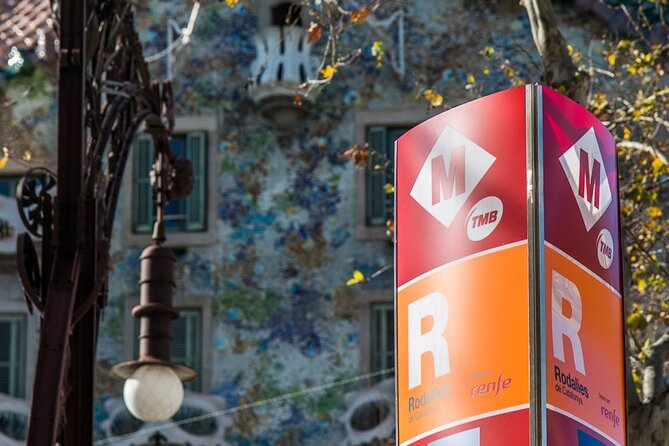
This pass can be smooth—but it’s not magic. The main friction points are logistical, not mechanical.
Redemption confusion
If the instructions you receive don’t clearly state where to redeem, expect frustration. The fix is simple: prioritize official information centers and don’t rely on vague directions. Plaza Catalunya is specifically relevant for the type of redemption guidance described here.
You may not use it enough
Some people end up walking most places and only using transit sparingly. If that’s you, the card may feel like a miss. The way to avoid that is to estimate your transit needs before you buy—especially how many times you’ll likely ride during your stay.
Not every airport option is covered
Because Aerobus is excluded, you can’t treat this as an all-in-one airport travel ticket. Stick to the included airport metro/train approach.
Who this card fits best
I’d point this card at travelers who want flexibility and dislike doing fare math every day. It also fits well if you’re staying for a few days and will bounce between areas rather than staying in one neighborhood.
It’s especially useful if:
- You’re taking the airport train/metro connection.
- You expect to use metro/bus/tram multiple times.
- You like walking but don’t want to walk everything.
It may be less ideal if:
- Your plan is mostly on foot with very few transit rides.
- Your schedule heavily depends on night buses or the Aerobus shuttle.
Quick practical FAQ
FAQ
How long is the Hola Barcelona Travel Card valid?
You can choose a pass for 48, 72, 96, or 120 hours, and the time starts from the first time you use it.
What transportation is included with the pass?
The pass includes unlimited travel on metro, tram, and buses (night buses not included), plus RENFE suburban trains zone 1, the Funicular de Montjuïc, and airport metro/train.
Are night buses included?
No. Night bus service is not included.
Is Aerobus included from the airport?
No. Aerobus is not included.
Where do I pick up the card in Barcelona?
You can buy or pick up your card at tourist information offices at the two airport terminals.
Is this card paper or digital?
It’s a paper ticket.
Should you book the Hola Barcelona Travel Card?
If your Barcelona plan includes an airport connection plus multiple days of getting around, I think this is a strong buy. The reason is simple: unlimited rides combined with airport-to-city coverage can make the cost feel small fast, and it gives you the freedom to change your route without recalculating your budget.
But if you’re arriving late often, plan to rely on excluded services (like Aerobus or night buses), or you know you’ll mostly walk, then it may not be worth it. In that case, you might do better with a simpler plan where you pay only for what you truly use.
One last practical tip: since pickup/redemption instructions can trip people up, give yourself a little time on arrival day to confirm you’re using the right official location. And if your dates shift, you can cancel for a full refund if you do it at least 24 hours in advance.