REVIEW · BARCELONA
From Barcelona: Pyrenees Mountains Day Tour
Book on GetYourGuide →Operated by Explore Catalunya · Bookable on GetYourGuide
Barcelona to the mountains in a day.
What makes this Pyrenees day trip special is how quickly it pulls you out of city life and up into a totally different rhythm, with stops that feel medieval and a rail ride that lifts you straight into high-valley scenery in one smooth move. You’ll also get an English-speaking guide to stitch the day together, from Catalan town life to the legends behind the Vall de Núria sanctuary.
Two parts I especially like: first, the 900+ year old market town of Vic, where you get real time to wander around the old center and big-arched plaza. Second, the rack railway and mountain valley time, which is a rare combo of easy elevation gain plus enough space to hike, snack, and just stare at the views.
One drawback to factor in: this is a walking-and-stairs kind of day, with cobblestones and hills, and it’s not suited for people with mobility impairments. If your legs or balance need a very gentle day, plan carefully.
In This Review
- Key highlights worth marking on your map
- From Barcelona to the Pyrenees: why this 11-hour day feels so effective
- Vic: medieval market town time with cathedral views and plaza energy
- Queralbs at 1,236 meters: the last car-accessible village vibe
- The rack railway to Vall de Núria: high altitude without the grind
- Vall de Núria: sanctuary, lake time, and Catalan mountain life
- Hiking and weather realities: what to pack and how to pace the day
- Price and value: what you get for about $140
- Getting there and staying comfortable: meeting point, timing, and group feel
- Who should book this Pyrenees day trip, and who should skip it
- Should you book this Barcelona to Pyrenees tour?
- FAQ
- How long is the Pyrenees Mountains day tour from Barcelona?
- What’s included in the price?
- Is lunch included?
- What should I bring for the day?
- Does the rack railway always run?
- Where is the meeting point?
- Is the tour suitable for people with mobility impairments?
Key highlights worth marking on your map
- Vic’s market-square intro gives you a fast understanding of what you’re looking at before you go exploring on your own
- Queralbs village at 1,236 m feels like a stone stop on the edge of the Pyrenees, not another quick photo stop
- The rack railway up to 1,964 m is the easy way to reach high altitude without a long climb
- Vall de Núria sanctuary lore includes the legend of the Virgin de Núria and a stubborn ox
- You can hike, but you can also play with optional activities like archery lessons, crazy golf, and boating
- Weather affects small details like outdoor options and how long you can comfortably stay out on trails
From Barcelona to the Pyrenees: why this 11-hour day feels so effective
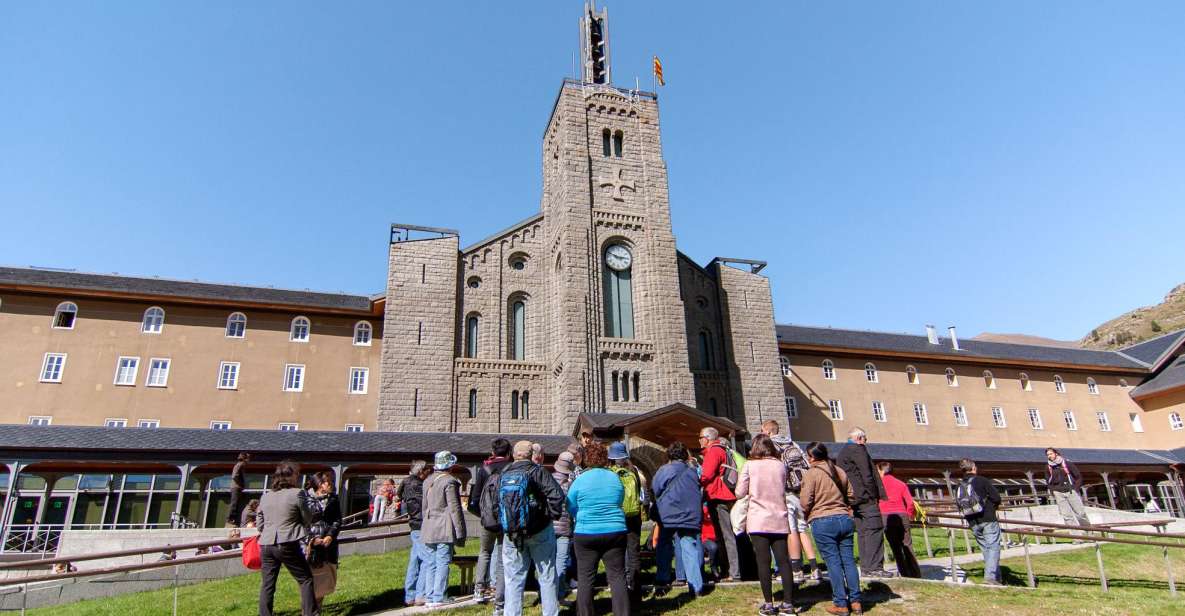
This trip works because it doesn’t just sell scenery. It gives you a rhythm change. You leave Barcelona in the morning, head north, and the day shifts from city pace to small-town pace to mountain pace before you even realize you’ve moved far.
Your guide keeps things organized, but the schedule also leaves space to wander. That matters in places like Vic and Queralbs, where the best moments come when you slow down: a street corner, a cathedral facade, a quiet café, and people-watching when the market atmosphere kicks in.
Also, the payoff comes in layers. You don’t only see the mountains from far away. You get high enough to feel the altitude in your lungs, and you spend time in the valley instead of just passing through.
You can also read our reviews of more tours and experiences in Barcelona.

Vic: medieval market town time with cathedral views and plaza energy
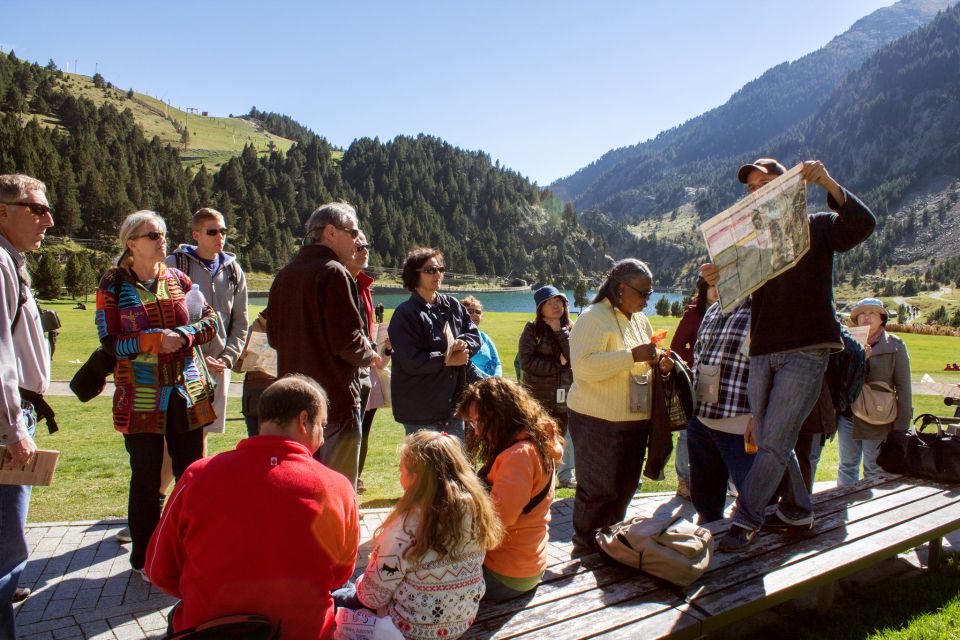
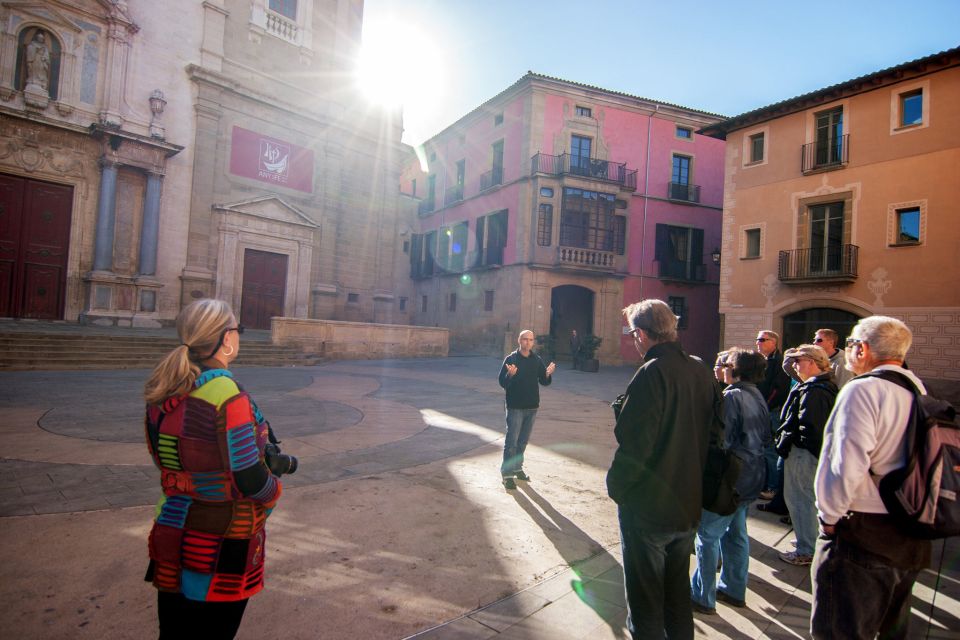
Vic is the first big “wow” stop because it feels older than your typical quick photo stop. You arrive in the morning and your guide starts you off in the Market Square, with suggestions for what to see and where to go first. Then you’re set loose in the historic center with plenty of time to explore.
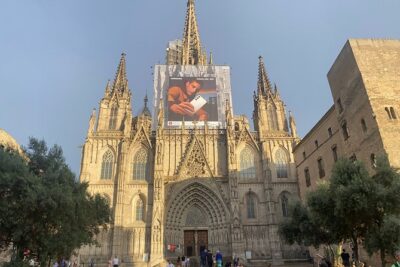
What I like about Vic is the mix of architecture and everyday life. You can look up at the grand cathedral, then wander toward Renaissance and Baroque buildings without needing a checklist. If you’re here on the right day, the atmosphere is even better: Vic’s market days have been happening weekly for over a thousand years, which turns the streets into something more than sightseeing.
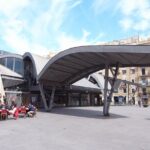
The heart of the experience for many people is the large arched square, where market activity and major events take place. It’s a natural place to grab breakfast or a coffee and get your bearings fast.
A practical caution: Vic can be busy during market time. If you’re trying to buy lunch later, you may find some cafés packed, so it’s smart to think ahead and either eat earlier or keep a backup option in mind.
Queralbs at 1,236 meters: the last car-accessible village vibe
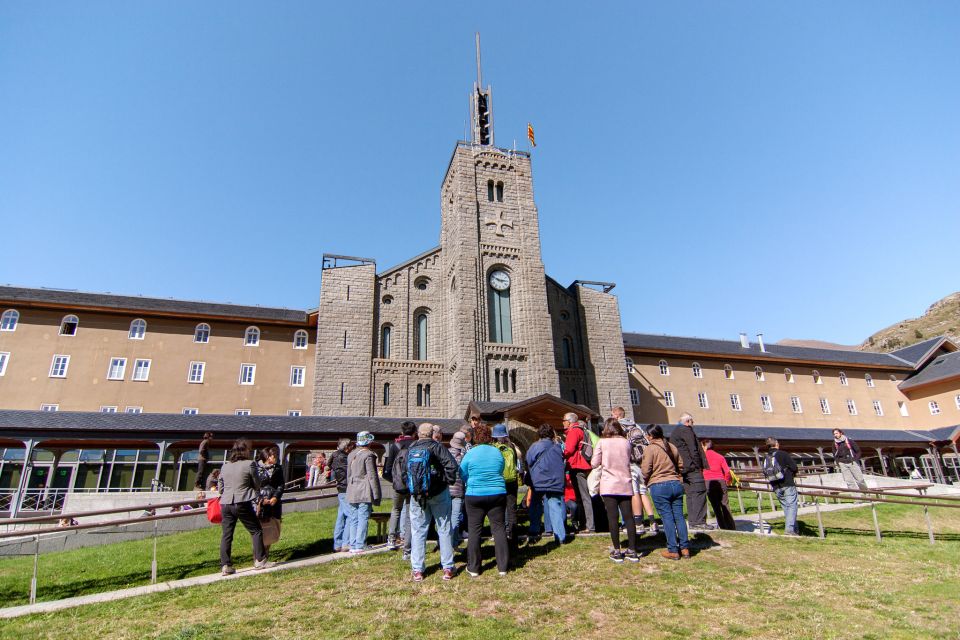
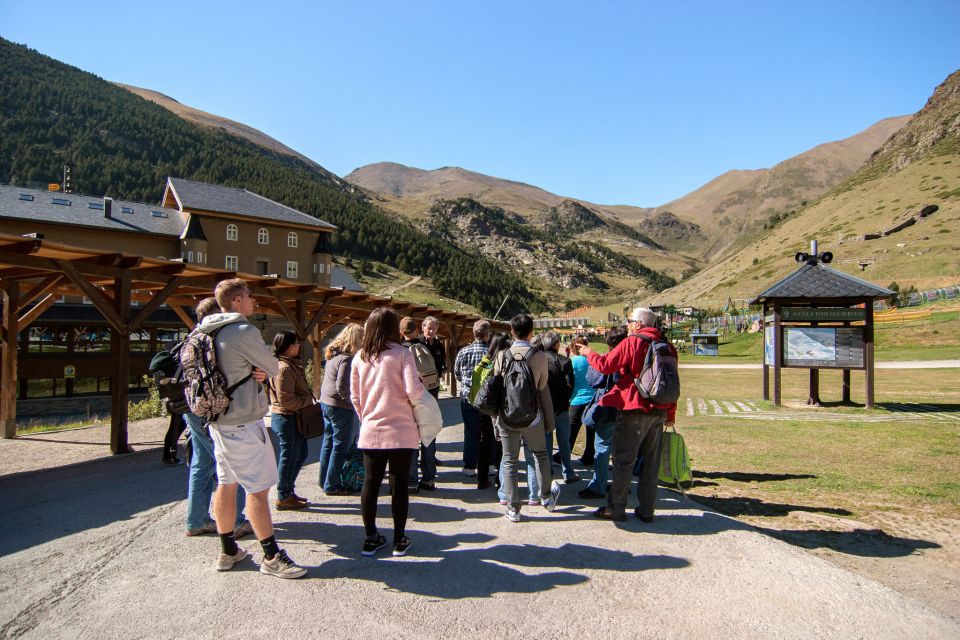
After Vic, the day turns toward the Pyrenees with a stop at Queralbs. This is where you get that “we’re really in the mountains now” feeling. Queralbs sits at about 1,236 meters, and it’s described as the last vehicle-accessible village before the final push into the valley area.
You’ll get a brief visit, and it’s exactly the kind of stop that works because it’s small. The village has around 200 permanent residents and is made up of a rambling collection of traditionally built stone houses. You’re not meant to sprint through here. Even in the short time, you can feel how quiet it is compared with Barcelona.
One standout is the Church of Sant Sadurní de Fustanyá. The stones are described as so perfectly-hewn that legend says it was built by fairies and witches said to live in nearby caves. Whether or not you believe the story, it gives the place a little extra magic—and it makes your walk feel purposeful, not random.
Timing note: Queralbs is a “brief but memorable” stop. Don’t expect it to replace the time you’ll spend later in Vall de Núria, where the mountains really open up.
The rack railway to Vall de Núria: high altitude without the grind
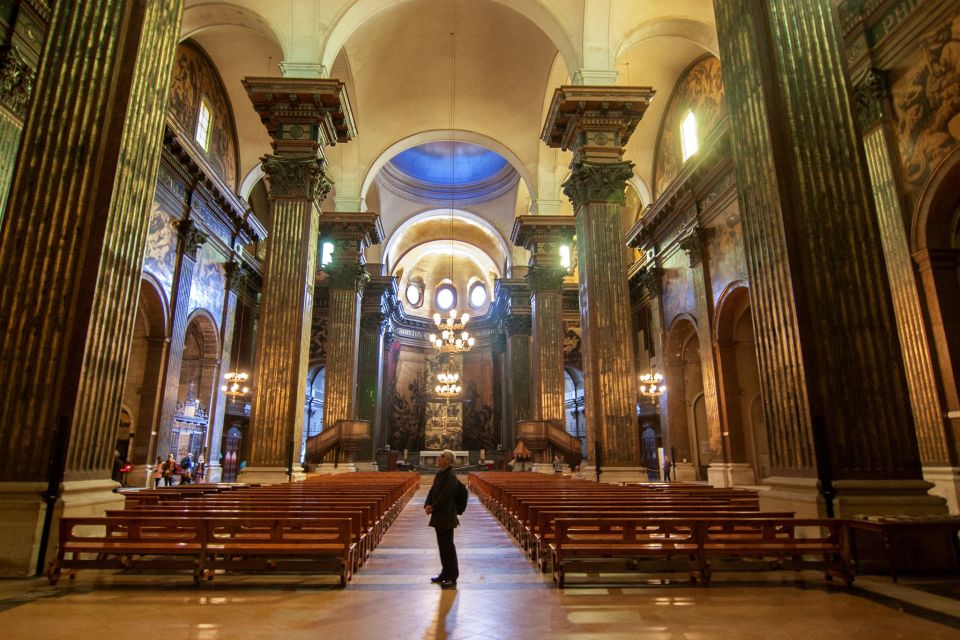
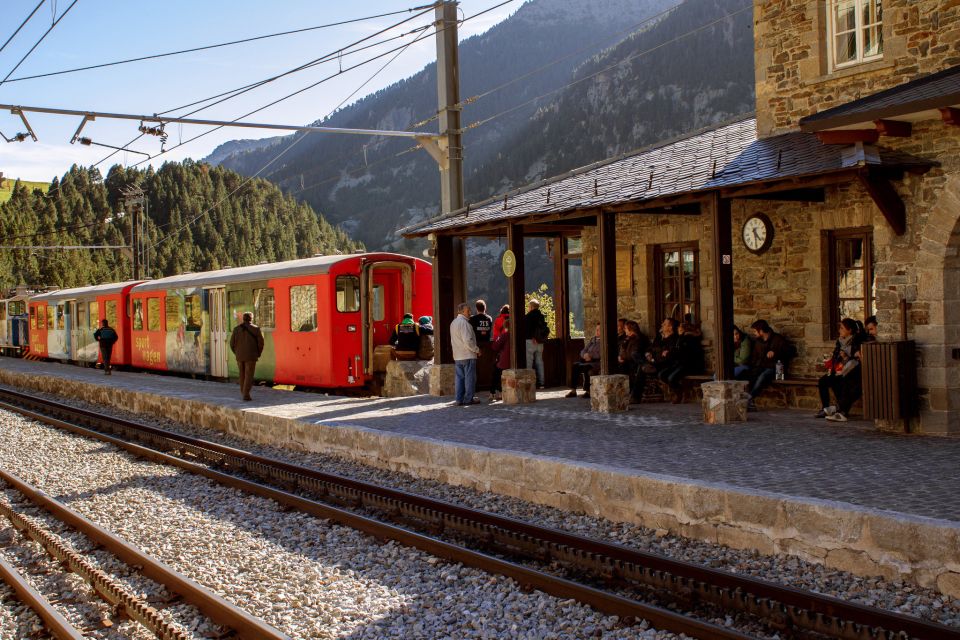
This is one of the smartest parts of the whole day: the rack railway. From Queralbs, you take the last stretch—about 6 km (4 miles)—up to roughly 1,964 meters. It’s the easy route to gain elevation without a long hike up from the village.
Why I think this matters for most people: it keeps the day from becoming exhausting transportation plus one short viewpoint. Instead, you arrive in the valley with enough energy left to actually enjoy the area.
The ride itself also changes the mood. You start in a small stone village, and as you go up, everything feels more spaced out—more sky, more cliffs, more depth. You stop having a “day trip” feeling and start having a “place” feeling.
If you’re the kind of traveler who likes a bit of variety, this train adds that. It’s not just bus-to-stop-to-bus again.
Vall de Núria: sanctuary, lake time, and Catalan mountain life
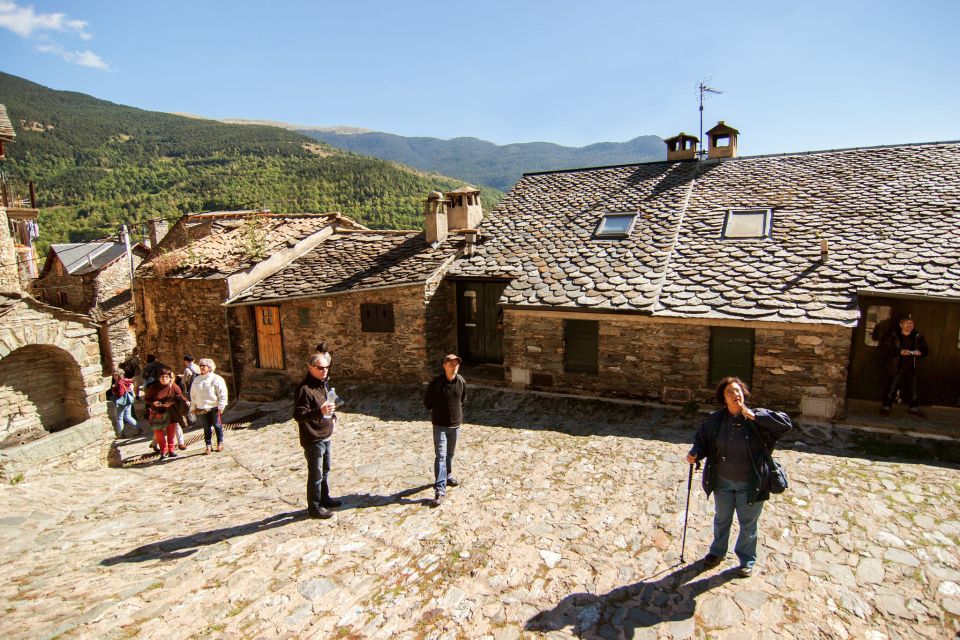
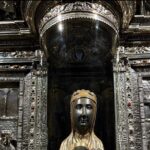
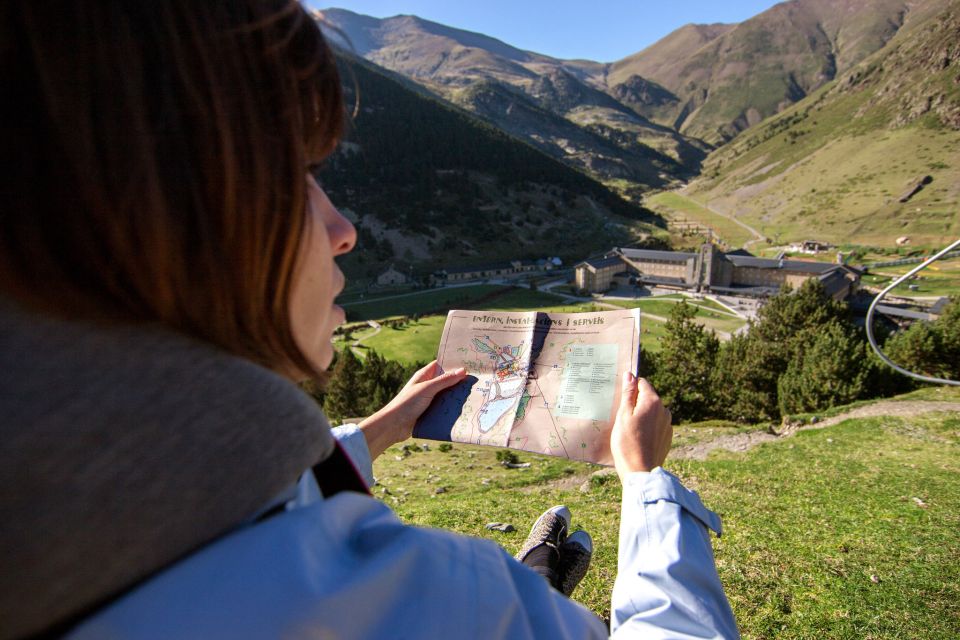
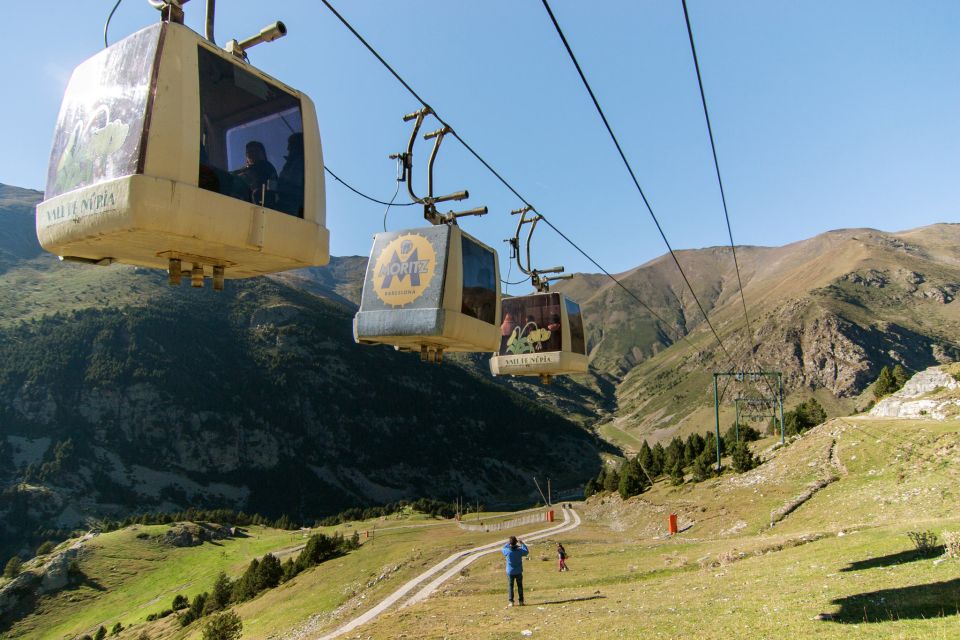
Once you’re up in Vall de Núria, the valley becomes your playground. The central anchor is the sanctuary, originally built to house pilgrims. It’s tied to the Virgin de Núria, whose image is said to have been unearthed by a persistent ox. That legend is the kind of detail that makes the buildings feel more alive than just another church.
Then you get what you’re really here for: time in the valley with options.
If you like hiking, you can ask your guide for route suggestions. The day is designed so you’re not stuck in a single line of sights. You’re meant to move at your own pace once you’ve got the context.
If you don’t want to hike for long, you still have things to do. The valley offers activities like horseback riding, open-air bowling, archery lessons, crazy golf, and boating on the lake. You’ll also find restaurants where you can try traditional Catalan dishes.
Weather matters here. In cooler seasons, conditions can be changeable. Some outdoor options can be affected, and you may end up adjusting your plans depending on whether trails are icy or if facilities have limited operation. The best move is to dress for layers and keep your schedule flexible once you arrive.
Also, don’t ignore the simple choice: sit by the valley scenery for a while. This isn’t a place that rewards rushing.


Hiking and weather realities: what to pack and how to pace the day
You don’t need to be an endurance athlete, but you do need to be realistic about walking. The day includes cobblestone streets and hills, and you’ll be on your feet during the village wandering and valley time.
My biggest recommendation: bring comfortable shoes that handle uneven, cobbled paths. Add warm layers, even if your Barcelona morning feels mild. Reviews from different seasons point out that it can get cold quickly up north and in the mountains. People also recommend packing a warm jacket and extra layers for comfort, especially around early winter months when you might even see snow in the wider resort/ski-lodge area.
Umbrellas can also help on unpredictable days, because mountain weather can shift.
As for hiking specifically: there are routes for different comfort levels, but winter and early spring can make trails slick. If you notice ice, it’s smart to scale back and choose safer paths. The goal is to enjoy the Pyrenees, not fight the ground under your feet.
Price and value: what you get for about $140
At around $140 per person for a full 11-hour day, the value comes from three included pieces:
- transportation out of Barcelona and back
- a professional English-speaking guide to connect the stops
- rack railway tickets up to Vall de Núria
Lunch and refreshments aren’t included, so you’ll need to budget for food on your own. That’s not automatically a deal-breaker, though. Vic is known for market energy, and you’ll have stops with lots of lunch options at different price levels. If you’re the type who likes to control costs, you can also bring a picnic (some people do this and enjoy it), then spend your saved money on a warm drink or a dessert in the valley.
Where I think this tour really earns its price is the mix of access and timing. You’re not just sightseeing from street level. You get into the mountains efficiently, with the train doing the heavy lifting, and you still get time to wander two mountain-and-medieval towns that feel distinct from each other.
If you have a short trip to Barcelona and you want a day that feels like a real change of scenery, this is one of the more efficient ways to do it.
Getting there and staying comfortable: meeting point, timing, and group feel
You meet directly opposite the outdoor café of the Palau de la Música, just off Via Laietana. The meeting location is listed as Calle Palau de la Musica, 1, 08011.
Plan for an early start. Even when the schedule feels full, the flow is designed so you’re not waiting around too long. The guide typically keeps the group moving between key points, then lets you explore on your own in Vic and Queralbs.
Group size seems to vary by departure. Some groups are small, which can make the day feel more personal, especially during Q&A about hiking routes and local details. Either way, you should expect cobblestones, hills, and plenty of outdoor time.
Who should book this Pyrenees day trip, and who should skip it
I’d point you toward this tour if:
- you want a true escape from Barcelona for a full day
- you like mixing medieval towns with mountain scenery
- you want the valley experience without doing a long uphill hike just to get there
- you enjoy having a guide explain what you’re seeing, then giving you time to wander
I’d think twice if:
- you need a low-walking day (cobblestones and hills are part of the plan)
- you have mobility limitations that make steps and uneven surfaces hard
- you can’t handle cold weather or don’t pack for layers
Should you book this Barcelona to Pyrenees tour?
Yes, I think you should book it if your goal is a balanced day: one part historic Catalonia, one part mountain valley life, and one part “how is this so close to Barcelona?” satisfaction.
The strongest reasons to choose it are the rack railway to Vall de Núria (easy access to altitude) and the mix of time you get in Vic and Queralbs (so the day feels like more than one stop). The trip also works well for different energy levels because you can hike or just enjoy the valley with optional activities.
Just go in prepared. Wear proper walking shoes, bring warm layers, and accept that weather can change how much you can do outdoors. If you do that, you’ll likely come away feeling like the Pyrenees are not a distant idea, but a place you actually spent time in.
FAQ
How long is the Pyrenees Mountains day tour from Barcelona?
The tour runs for about 11 hours.
What’s included in the price?
Included are transportation, a professional English-speaking guide, and rack railway tickets to access the mountain valley of Vall de Núria.
Is lunch included?
No. Lunch and refreshments aren’t included, though stops along the way offer options at different budgets.
What should I bring for the day?
Wear comfortable shoes and comfortable clothes. In cooler months, pack warm layers.
Does the rack railway always run?
There is annual track maintenance: the rack railway from Queralbs is closed between Mondays and Fridays from November 1 to November 30. On those days, the tour uses an alternative itinerary that accesses the valleys by road or hiking at a lower height.
Where is the meeting point?
Meet opposite the outdoor café of the Palau de la Musica, just off Via Laietana (Calle Palau de la Musica, 1, 08011).
Is the tour suitable for people with mobility impairments?
No. It’s not suitable for people with mobility impairments.