REVIEW · BARCELONA
Barcelona: Sommelier-Led Food & Wine Tasting Tour
Book on GetYourGuide →Operated by Uncorked Vines · Bookable on GetYourGuide
Wine stops make Barcelona feel personal. You start in Sant Antoni, away from the busiest sights, and meet a certified sommelier who keeps the tasting relaxed and easy to follow.
I especially like the way you get a true tasting flow: four Spanish wines paired with seasonal tapas and dishes across three local venues. One drawback to consider: it’s still a 3-hour walking and standing experience, and the food plan is not designed for vegans or gluten-free diets.
In This Review
- 5 Key Things I’d Plan Around
- Sant Antoni Starter: Getting Oriented Without the Tourist Push
- The Tasting Method: Four Spanish Wines, One Clear Pairing Story
- Stop 1 (45 Minutes): First Wine + Tapas in a Local Restaurant
- Stop 2 (45 Minutes): Second Wine + Tapas With a Different Mood
- Final Stop in a Local Bar (45 Minutes): Ending the Walk With Local Wine Culture
- Neighborhood Time: Learning How Food and Wine Fit Daily Life
- Group Size, Pace, and the Real Comfort of Small-Group Tours
- Price and Value: What $128 Buys You (Besides Wine)
- Dietary Limits and Who This Tour Fits Best
- So, Should You Book This Barcelona Food and Wine Tour?
- FAQ
- How long is the Barcelona food and wine tasting tour?
- How many wines are included?
- Where does the tour meet?
- Is the tour offered in English?
- Is this tour suitable for vegans or people with gluten intolerance?
- Is it wheelchair accessible?
5 Key Things I’d Plan Around
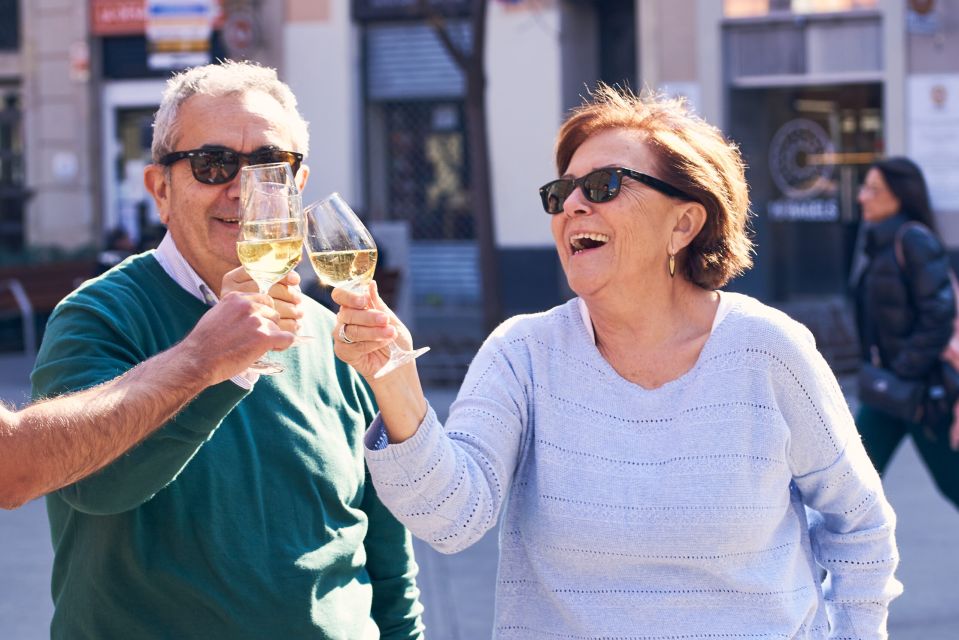
- Sant Antoni meeting point: You begin in an area locals actually use, not a tourist-stage start.
- Max 8 guests: The group size keeps the conversation going and helps the guide pace things.
- Four wines, not just one: You taste across Spanish regions and styles, paired to what you’re eating.
- Three venues in about 3 hours: Tastings are spread out so you don’t feel stuck in one bar.
- An easy walking rhythm: It’s paced for questions and chat, not a speed-tour sprint.
Sant Antoni Starter: Getting Oriented Without the Tourist Push
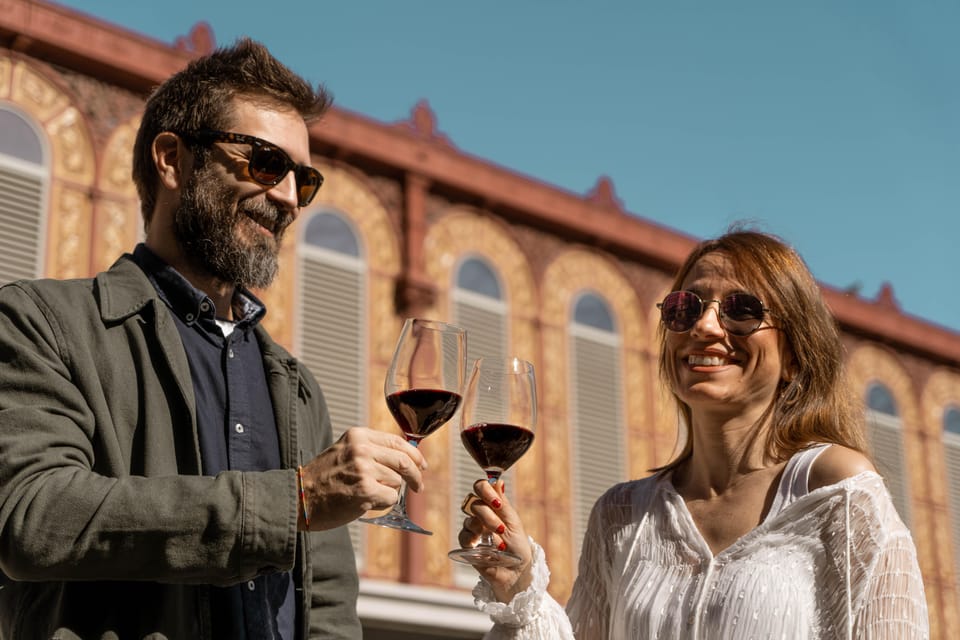
This tour’s biggest win is where it starts. You meet at Rda. de Sant Pau, 1 and look for the guide with an ID tag that reads Uncorked Vines. From there, you head straight into Sant Antoni, a neighborhood vibe that feels more like everyday Barcelona than a theme park.
I like that the route is built to avoid crowds. Instead of spending your time weaving through the same few streets, you get small moments of normal life: how people move, where they stop for a quick bite, and how wine fits into a casual meal culture.
The tour is led by a certified sommelier, and that matters more than people think. You’re not just handed a glass and told to enjoy it. The guide’s job is to translate wine into something usable for you—what you’re tasting, why it matches the food, and how different styles change the experience.
Also, this is an English-language tour with a live guide, so you can ask questions as you go. That makes the neighborhood walk feel like part of the meal, not an intermission.
You can also read our reviews of more food & drink experiences in Barcelona

The Tasting Method: Four Spanish Wines, One Clear Pairing Story
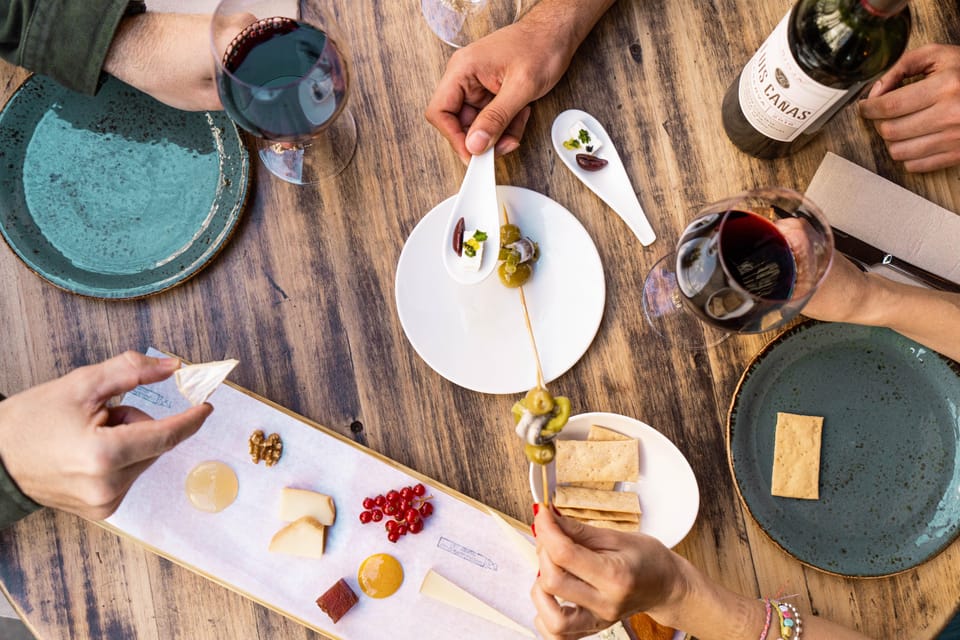
Here’s how the tasting is designed to work: each stop has a pairing that progresses logically, so you build context instead of getting random sips. You’ll taste four carefully selected Spanish wines, and the guide explains tasting techniques in a way that stays conversational.
Think of it like this: you start with a first impression glass paired with a seasonal dish. From there, each venue brings a different atmosphere and another step in the story. By the end, you’re not only full—you’re more confident choosing wines back in your hotel room later.
A sommelier-led pairing like this is also practical. If you’ve ever tasted wine in Spain and thought, I like it but I don’t know why, this sort of guided structure helps you connect the dots. The goal isn’t to memorize labels. It’s to understand what you’re noticing—fruit level, acidity, balance with food—and how Spanish regional styles show up in the glass.
And because the food is seasonal and locally minded, you taste what’s actually reasonable to find and order. That’s the difference between tourism tasting menus and a meal you could realistically repeat.
Stop 1 (45 Minutes): First Wine + Tapas in a Local Restaurant
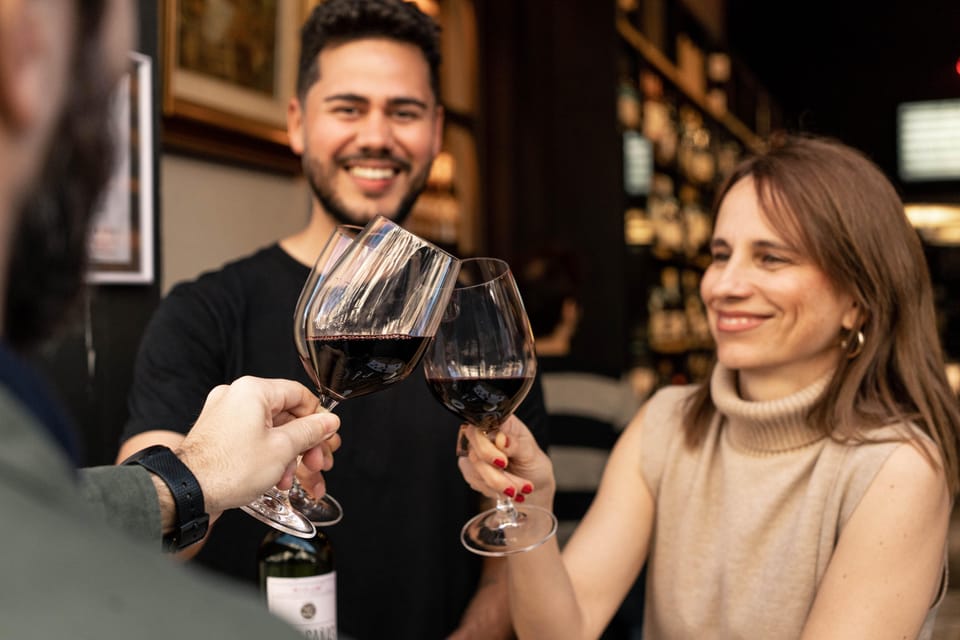
Your first tasting stop is at a local restaurant. This is one of the moments where the tour sets its tone: the guide welcomes you, then you start with wine and tapas—about 45 minutes for this first venue.
This first stop is where you’ll learn the core tasting approach. Expect simple guidance on how to taste—what to pay attention to before you swallow, and how to compare your first impression with the pairing on the plate.
The pairing itself is meant to show how Spanish wine culture connects to food, not just how wine can be described. You’ll taste a seasonal local dish alongside the glass, and the guide explains the why in plain language: how flavors and textures match up, and how regional styles can make a dish feel lighter, richer, sharper, or more rounded.
A possible drawback here: because it’s your first stop, you may feel tempted to zoom in on the wine notes. Try to split your attention between the wine and the food. The whole point is the pairing, not just the drink.
Stop 2 (45 Minutes): Second Wine + Tapas With a Different Mood
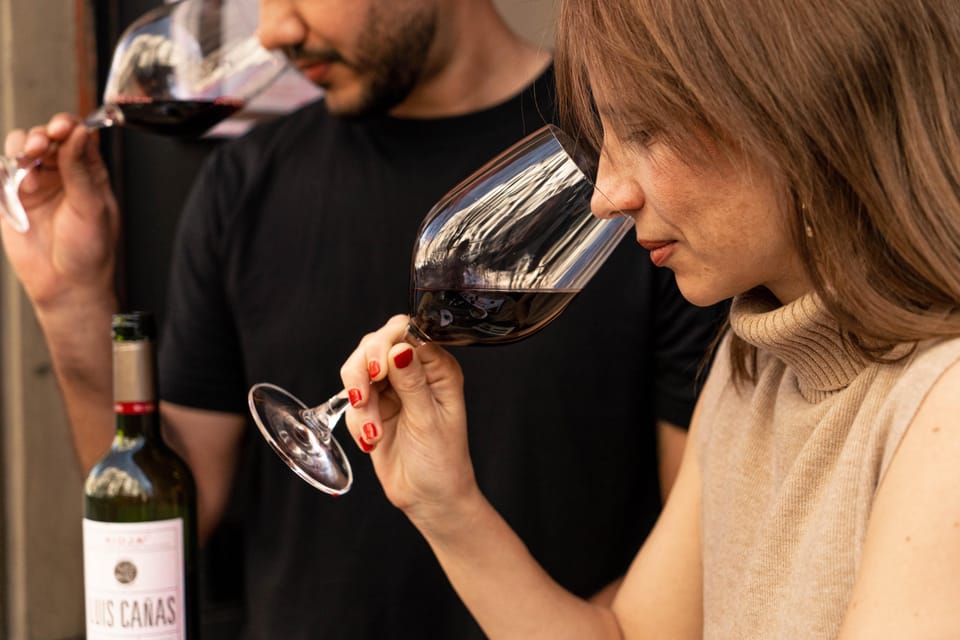
Next you move to a second local restaurant, again for around 45 minutes of wine tasting and tapas. This stop matters because it changes the mood while keeping the structure.
You’ll keep tasting wines that highlight different regions and styles, and the dishes keep shifting to show Catalan and Spanish flavors. The tour describes the menu as both traditional bites and modern interpretations, which is a great way to see that Spanish food culture isn’t frozen in one version of the past.
If you’re the type who likes to understand context while you eat, this is where the tour typically clicks. You start recognizing patterns: how certain wines handle salty tapas, how the pairing can soften heat, and how a dish’s seasoning can change what you taste in the wine.
One practical note: this is the point where pace matters. The group is small—limited to 8 guests—so your guide can keep things easy. Still, you’ll likely be standing and moving a bit between venues, so dress comfortably and wear shoes you don’t mind walking in.
Final Stop in a Local Bar (45 Minutes): Ending the Walk With Local Wine Culture
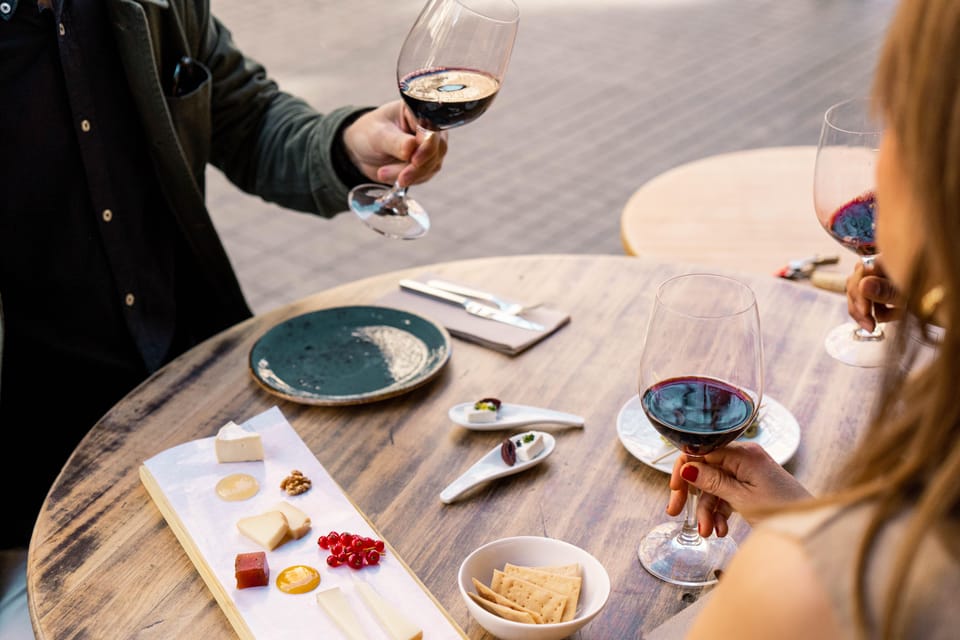
The last tasting stop is at a local bar for about 45 minutes. This is where the tour often feels most Barcelona-like: simpler, casual, and grounded in how people actually take a drink with a bite.
If you’ve been enjoying the pairing format, the final stop usually gives you the most satisfying closure. You’ve got wine familiarity from the previous sips, and you’ve seen how the food keeps adapting. Now you taste again with that context, which makes the last pairing feel less like a new start and more like a finishing lesson.
The tour emphasizes that the tastings are arranged as a thoughtful progression. In practice, that means you should feel like the experience flows rather than jumping randomly from glass to glass.
This is also the time to ask your best questions. You’ll have seen enough by now to know what you care about: maybe you want sweeter vs. drier, or you want to understand how red vs. white changes with tapas. With a small group, you’re more likely to get a real back-and-forth instead of being rushed.
You can also read our reviews of more tours and experiences in Barcelona
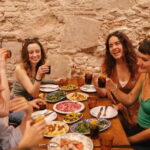
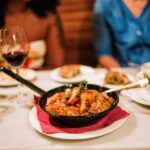
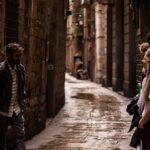
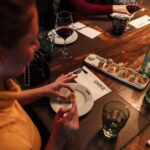
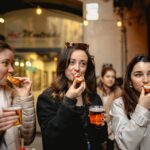
Neighborhood Time: Learning How Food and Wine Fit Daily Life
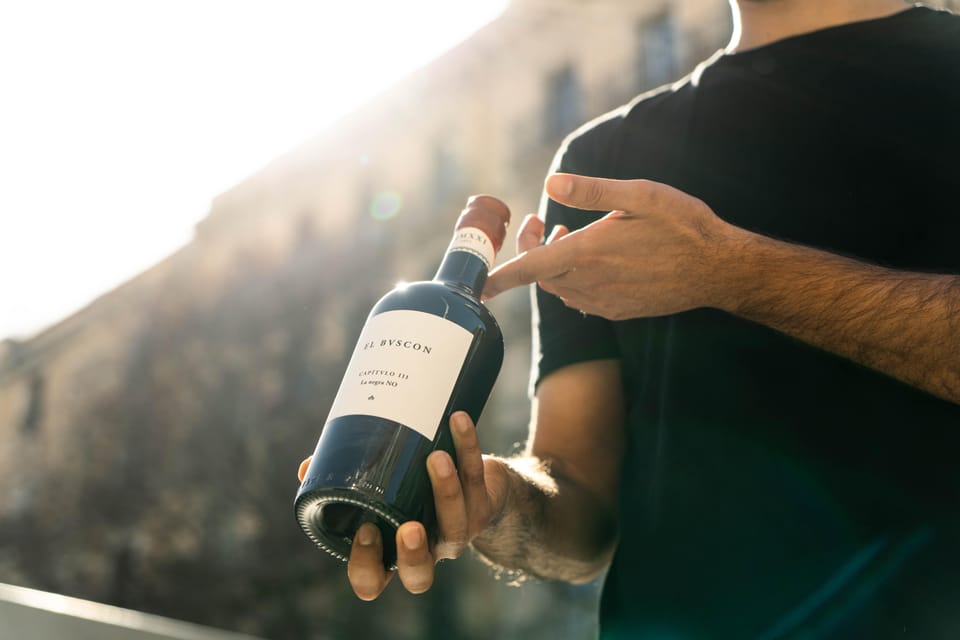
Between stops, you’ll walk the streets of Sant Antoni and get commentary about local food culture and daily rhythm—how people eat, how wine shows up naturally, and why certain dishes are common.
I love this part because it turns the tasting into a place-based experience. Barcelona food tours can sometimes feel like a list of tastings with a photo stop attached. Here, you’re learning how the neighborhood lives: what a typical pace looks like, where casual meals happen, and how wine culture fits into everyday routines.
You also get time to ask questions and chat. The pacing is described as leisurely, leaving room for conversation and connection, and that’s a big deal in a food-and-wine setting. If you like your travel experiences social and human-sized, the small-group limit helps a lot.
One small consideration: since it’s a walking tour, you’ll want to keep an eye on your energy. Eat light before you start, and plan to pace yourself with each tasting so you can enjoy the whole arc.
Group Size, Pace, and the Real Comfort of Small-Group Tours
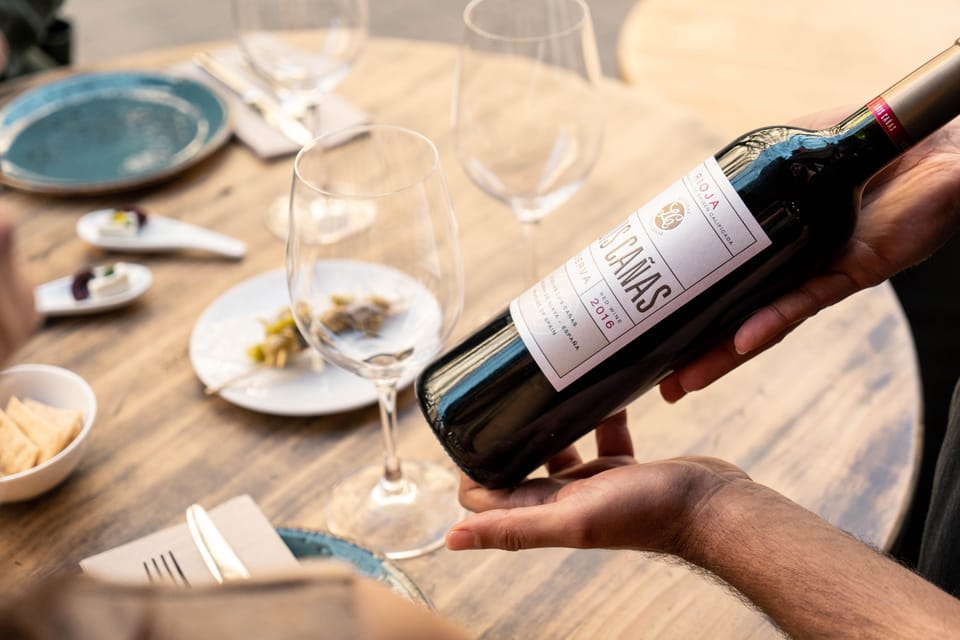
The tour caps at 8 guests. That’s not just a nice number—it’s what makes the sommelier experience work. With fewer people, the guide can slow down when someone asks a question, and the group stays together without feeling like a herd.
Expect an easy pace. It’s a relaxed walking experience with multiple stops, each around 45 minutes. With three handpicked venues total, you’re not spending the entire time in transit or stuck waiting. It’s a good balance for a 3-hour program.
If you’re traveling with a partner and you like the idea of meeting a few other people who also care about food, this format tends to feel friendly. The tour has enough space for conversation without turning into a large-group lecture.
And because it’s not a hotel pickup, you’ll want to be able to get to the meeting point on your own. That’s usually easier than it sounds in Barcelona, but it’s something to plan for.
Price and Value: What $128 Buys You (Besides Wine)
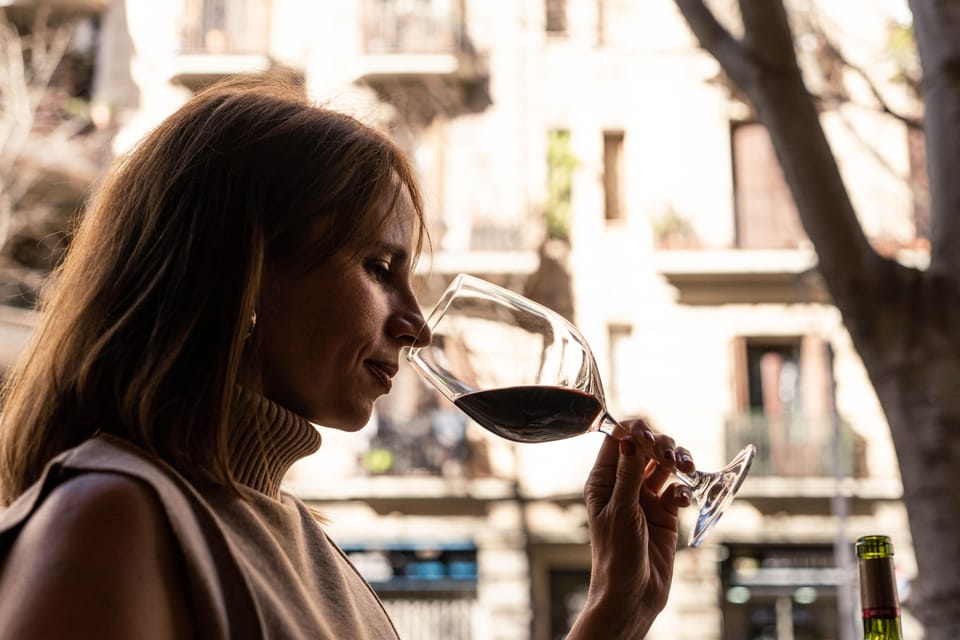
At $128 per person for about 3 hours, you’re paying for more than the drinks.
Here’s what your money covers in a practical sense:
- Four Spanish wines, carefully selected, not just a single pour
- Seasonal local dishes paired across tastings
- Three local venues, meaning you get variety in atmosphere
- A certified sommelier guide who teaches while you eat
- A small group experience, capped at 8 guests
If you compare this to the cost of doing wine and tapas on your own, the value comes from the guidance and structure. You’re paying for pairing explanations and a sequence that helps you taste more intentionally.
Also, the tour includes multiple tastings across different places. That’s hard to replicate casually if you don’t already know what to order and where. The guide handles that part so you can focus on enjoying the meal.
For me, the best value indicator is that you get both food and wine education without feeling like homework. You leave with fuller stomachs and better instincts for ordering wine in Spain later.
Dietary Limits and Who This Tour Fits Best
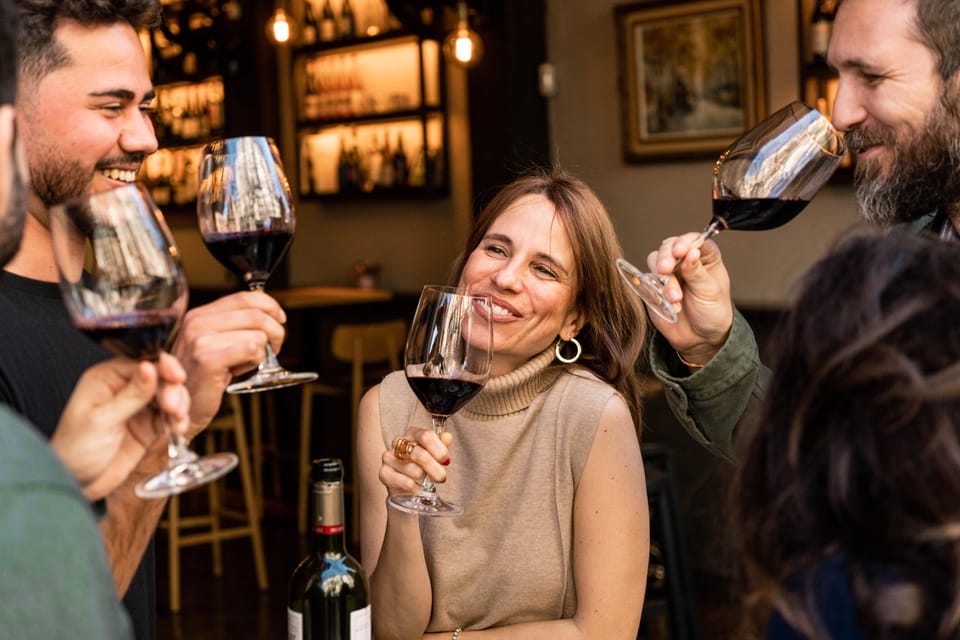
The tour is not suitable for vegans and it’s also listed as not suitable for people with gluten intolerance. If either of those applies to you, you’ll likely have trouble finding a matching menu under the tour’s pairing plan.
On the other hand, if you eat standard tapas-style Spanish food and you want to learn what you’re tasting, this is a strong pick. The experience is designed for people who enjoy food-wine pairing and don’t mind walking between stops.
One more thing to check carefully: the tour is listed as wheelchair accessible, but it also says it’s not suitable for people with mobility impairments. Because those statements conflict, your safest move is to confirm details directly with the provider before booking.
So, Should You Book This Barcelona Food and Wine Tour?
I’d book it if you want:
- a sommelier-led experience where wine pairing actually teaches you something
- a small group set-up with a more personal neighborhood walk
- the chance to taste four Spanish wines alongside seasonal tapas without planning the route yourself
I wouldn’t book it if:
- you need a vegan menu or a gluten-free plan
- you want a fully sitting, low-movement experience for the entire 3 hours
If your goal is to understand how Barcelona eats and drinks in a real neighborhood—especially through wine and tapas pairing—this tour is built for that. Start in Sant Antoni, taste thoughtfully, and leave with both better memories and better ordering skills.
FAQ
How long is the Barcelona food and wine tasting tour?
It lasts about 3 hours.
How many wines are included?
You’ll taste 4 carefully selected Spanish wines across the tour.
Where does the tour meet?
The meeting point is Rda. de Sant Pau, 1. The guide will be there wearing an ID tag that says Uncorked Vines.
Is the tour offered in English?
Yes, the live tour guide speaks English.
Is this tour suitable for vegans or people with gluten intolerance?
No. It’s not suitable for vegans and it’s also not suitable for people with gluten intolerance.
Is it wheelchair accessible?
It is listed as wheelchair accessible, but it also states it is not suitable for people with mobility impairments. It’s worth confirming specifics with the provider before you book.