REVIEW · BARCELONA
Barcelona: PADI Scuba Diver Course Certification Training
Book on GetYourGuide →Operated by iDive Barcelona Diving School · Bookable on GetYourGuide
One day, three skills, a real certification. In Barcelona’s Catalonia region, this PADI Scuba Diver course takes you from classroom basics to supervised water practice fast, in a small group setting.
I like that the training is built around clear instruction: you start at 9:00am with a theory session that covers how the gear works and how you communicate underwater, then you practice those ideas in the water. The other big win is efficiency—by the end of the day (until 19:00), you’re already certified after just three in-water sessions, not a drawn-out program.
One consideration: underwater visibility can be hit-or-miss depending on the day and the specific location, so plan for changing conditions rather than expecting postcard-perfect water.
In This Review
- Key Things You’ll Notice
- Barcelona PADI Course Setup: Meeting Point, Timing, and What a Small Group Means
- The 9:00am Theory Session: Learning Gear and Underwater Communication Before You Go In
- Three In-Water Sessions: What You’ll Practice and Why It’s Tight (By Design)
- What It Feels Like to Finish at 19:00 With a Real Certification
- Value for $312: What’s Included, What Isn’t, and How to Budget Smart
- Instructors: The Real Difference Between a Good Day and a Safe One
- Marine Life and Visibility: Setting Expectations for What You’ll See
- What to Bring in Barcelona: Keep It Simple and Comfortable
- Health Rules and Suitability: Read This Before You Count on Going In
- Who This One-Day PADI Scuba Diver Course Is For (and Who It Isn’t)
- A Quick Reality Check on Booking: What to Watch For
- Should You Book This Barcelona PADI Scuba Diver Course?
- FAQ
- How long is the PADI Scuba Diver course in Barcelona?
- How many in-water sessions are included?
- Where do I meet the instructor?
- What’s included in the price of $312?
- What should I bring with me?
- Can I fly right after the course?
Key Things You’ll Notice
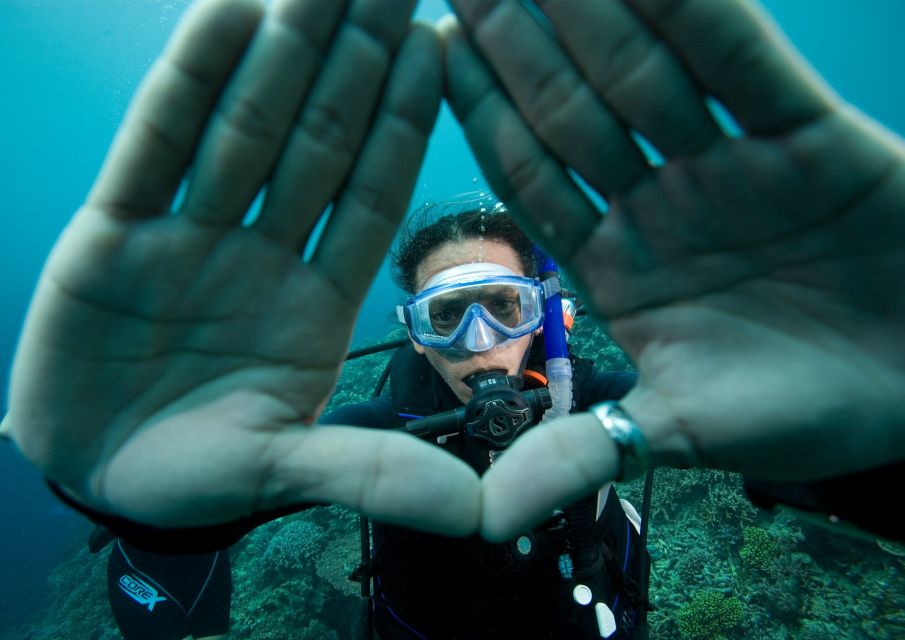
- Theory first at 9:00am: you learn equipment basics and underwater communication before you touch the water
- Three in-water sessions: your practice time is focused and tied directly to the theory
- Small groups up to 6: more attention, less waiting around
- Instructors known for calm teaching: Pau is described as patient and thorough, and Alex is praised for adjusting to weather
- $312 value depends on your add-ons: gear and certification are included, but food/drinks and photos/videos are not
- Plan for the no-fly rule: you must wait 24 hours after the course to fly
Barcelona PADI Course Setup: Meeting Point, Timing, and What a Small Group Means
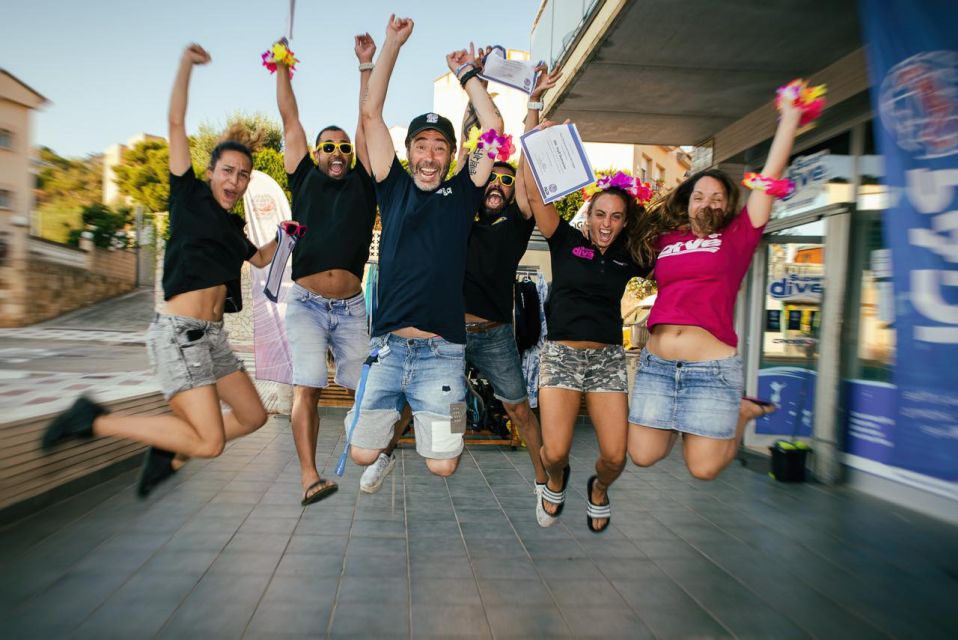
This course runs as a true one-day plan. You start at 9:00am with theory, then you move into the water portion for your guided practice, finishing at 19:00 with your PADI Scuba Diver certification.
You meet at I Dive BCN offices, Avinguda Diagonal 72. Be there 15 minutes early. Arrive late and you won’t be allowed to participate, and the policy is strict: no refunds or rescheduling for late arrival. That matters because one-day training moves quickly—there’s no spare time for catching you up.
The group is kept small, limited to 6 participants. In a course like this, that’s not just a comfort thing; it usually means you spend more time getting corrected on what you’re doing, instead of waiting while others catch up.
They also list instructor languages as Spanish, English, and Italian, which is useful if you want comfort in your own language. And you’ll be working with a PADI-certified instructor throughout the water practice, not just someone handing you gear and wishing you luck.
You can also read our reviews of more scuba diving tours in Barcelona

The 9:00am Theory Session: Learning Gear and Underwater Communication Before You Go In
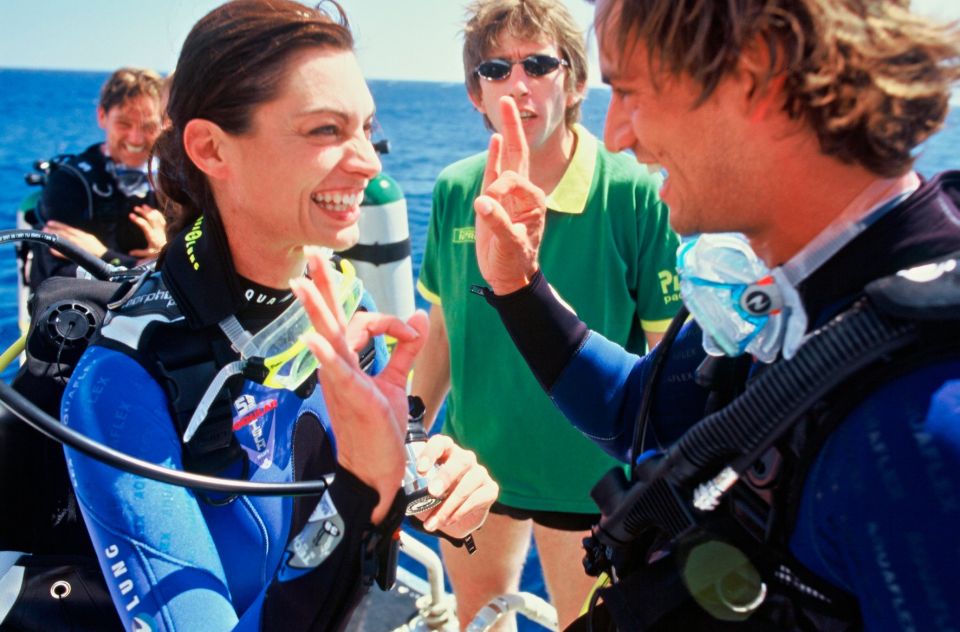
At the start of the day, you’ll do a theory session before any water practice. This is where you build the mental model that keeps everything safer and simpler later—because the “how” matters as much as the “what.”
The training covers:
- how the equipment works
- how you communicate underwater
- safety-focused explanations tied to controlled practice
This is a smart structure for a first certification. When you already understand what each piece of gear is doing and how communication works, the water portion doesn’t feel like random steps. Instead, it becomes practice with a purpose.
You’ll also fill out a medical form upon arrival. That part is quick for people who are eligible, but it’s a must-read topic if you have any health concerns or take medications. If your answers indicate you need permission, you won’t be allowed to do the activity, and the money won’t be returned. So it’s not something to shrug off.
Three In-Water Sessions: What You’ll Practice and Why It’s Tight (By Design)
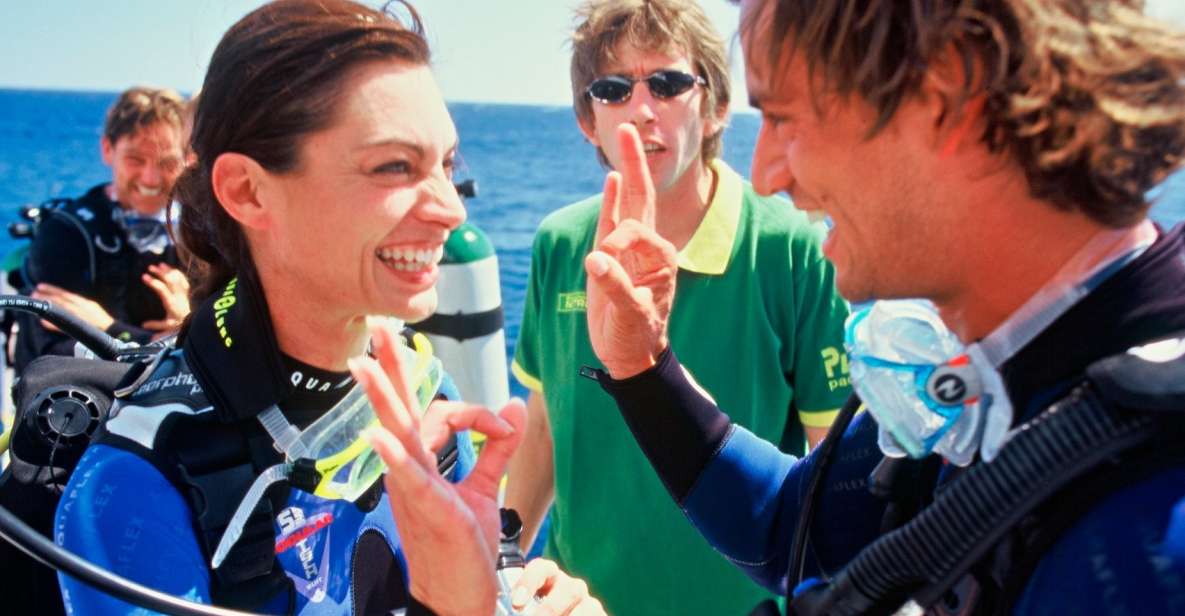
After theory, you go to the water location and you’ll complete three different in-water sessions with your PADI instructor. The key point is that the sessions are not random fun; they’re built to practice what you covered in the classroom.
Even without a long multi-day schedule, you still get a structured progression:
- You practice the skills you learned in theory.
- Each session reinforces safety and control, with guidance from the instructor.
- You get a chance to correct mistakes while you’re still learning, not after you’re already certified.
This “only three sessions” design is exactly why the course is one day. The upside is speed. The downside is that you won’t have extra time to wander or over-practice. If you’re the type who likes slow, repeated practice rounds, you might feel the pace. But if you can listen, follow instructions, and focus, the format works.
Also keep in mind that the day is packed. You’ll start at 9:00am, then you’re in instruction and practice mode until the course wraps at 19:00. Bring an attitude of readiness, not a mindset of taking your time.
What It Feels Like to Finish at 19:00 With a Real Certification
You’re finished the same day. The schedule is designed so that by 19:00, you’ll be a certified PADI Scuba Diver.
That’s a big deal if your Barcelona trip is short. Instead of carving out a weekend or waiting for an open slot, you can plan your next move with confidence—assuming you also respect the health and timing rules that come with certification.
One more timing detail that can affect your travel: you must wait 24 hours to fly after the course. So if you’re booking flights, build your buffer in advance. If you try to squeeze the course and a same-day or next-day flight, you’re more likely to run into trouble than you are to save money.
Value for $312: What’s Included, What Isn’t, and How to Budget Smart
The price is listed at $312 per person for a 1-day course. On its face, that might sound like a simple “pay and go” rate, but the real value comes from what’s included.
Included:
- Diving equipment (listed as included)
- PADI certification
Not included:
- videos or photos
- food or drinks
So your total cost depends on what you personally need during the day. Since food and drinks aren’t provided, you should plan a lunch workaround before you start (or plan to buy something nearby on your own). Water training days can be tiring, and being hungry can make you less focused.
On the plus side, you’re not paying separately for certification paperwork or gear rental in this setup. That’s where the cost control is. If you were to piece together theory, gear rental, and certification separately, you often end up paying more overall.
Bottom line: $312 feels like good value if you treat the day seriously—show up early, follow the health requirements, and plan for your own food.




Instructors: The Real Difference Between a Good Day and a Safe One
The best part of a structured certification is not the paperwork—it’s who’s teaching you.
In past training experiences with this school, instructors like Pau stand out for being patient and very clear. One description calls out that Pau explained things thoroughly, didn’t rush anyone, and made sure everyone understood before moving on. That kind of teaching style matters a lot when you’re new, because confusion is what usually causes mistakes.
Another instructor, Alex, is mentioned as flexible in planning depending on weather. That’s practical. When the conditions shift, a good instructor adapts the plan while keeping the training on track.
So when you book, focus on the staff quality, not just the schedule. A calm instructor helps you learn faster, and it makes safety feel normal instead of stressful.
Marine Life and Visibility: Setting Expectations for What You’ll See
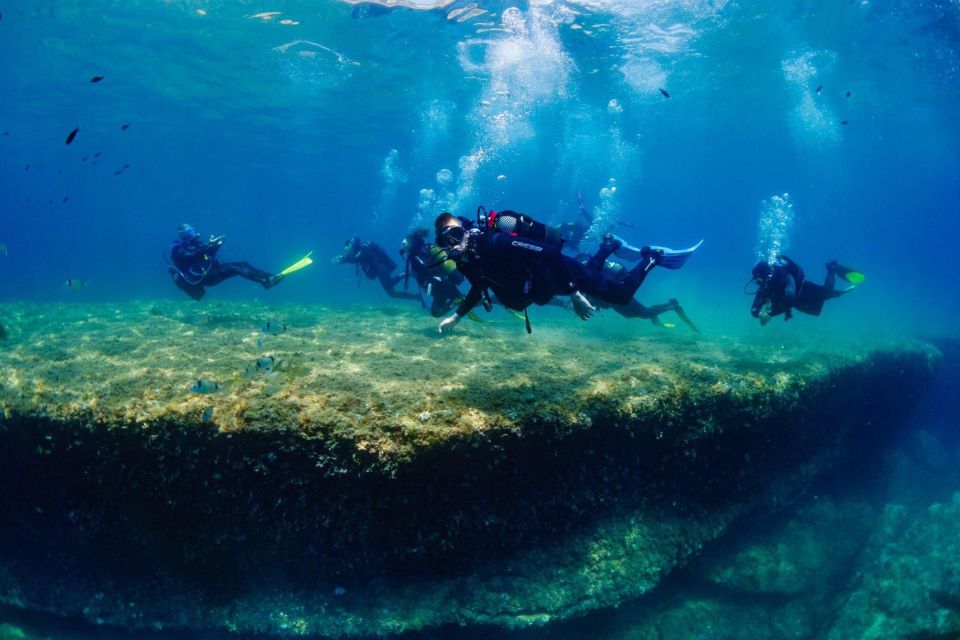
Here’s the honest part. Underwater visibility can vary, and at least one experience notes that water sight was terrible and not much was visible around the area. That won’t be the same every day, but it’s a helpful reality check.
Your goal in this course isn’t to become a marine-life photographer. It’s to learn safe scuba fundamentals and earn the certification. If visibility is lower, your attention will naturally shift more toward technique and awareness—how you manage gear, buoyancy, and communication.
If you’re booking with the hope of stunning views, do it with flexible expectations. If the conditions are good, great. If they aren’t, you still get a meaningful skill-based outcome.
What to Bring in Barcelona: Keep It Simple and Comfortable
The “what to bring” list is short, which is nice.
Bring:
- swimwear
- a towel
- beachwear
That’s it, basically. The rest is handled through the course setup (equipment is listed as included). Keeping your personal packing minimal makes the day easier.
Also note what’s not allowed: alcohol and drugs. If you’re planning a nightlife Barcelona night before, you’ll want to keep things clean.
And since food and drinks aren’t included, think about snacks or a plan to eat before you arrive or between parts of the day. The day runs from morning to evening, and energy matters when you’re learning control and technique.
Health Rules and Suitability: Read This Before You Count on Going In
This course includes a medical check at arrival. You’ll fill out a medical form, and if your answers suggest you need medical permission, you won’t be allowed to carry out the activity. If you’re denied due to health reasons, the money won’t be refunded and you won’t be rebooked.
They also state you must be in good health and not be taking medications prescribed by a doctor to take part.
They list the course as not suitable for:
- children under 12
- pregnant women
- people with back problems
- people with mobility impairments
- wheelchair users
- people with heart problems
- people with respiratory issues
- people with diabetes
- people with pre-existing medical conditions
- people with recent surgeries
- people over 70 years
That’s a lot of categories, so don’t treat it like fine print. If any of these apply to you, or if you’re unsure, you should check eligibility before booking. The course day is strict: no last-minute fixes, no “maybe it will be fine.”
Who This One-Day PADI Scuba Diver Course Is For (and Who It Isn’t)
This course is a great fit if you:
- want a fast path to PADI Scuba Diver certification in Barcelona
- like a structured day with theory first and in-water skills practice next
- want a small group setting limited to 6 people
- can follow instructions calmly and show up on time
It’s not a great fit if you:
- fall into any of the medical/suitability categories listed above
- need extra time and flexibility beyond a one-day schedule
- want long, leisurely training with lots of repeating practice rounds
The overall vibe is practical. You’re here to learn the basics well enough to earn certification, not to spend your day socializing or experimenting.
A Quick Reality Check on Booking: What to Watch For
This is the kind of booking where timing and readiness matter. You’ll want to:
- arrive early (15 minutes before start)
- be prepared to complete the medical form
- plan around the 24-hour no-fly window
- budget for food and drinks since they aren’t included
Also, the booking options include free cancellation up to 24 hours in advance for a full refund, and a reserve now & pay later approach. If your schedule is still in flux, those options can be helpful.
Should You Book This Barcelona PADI Scuba Diver Course?
I’d book it if you want a short, focused route to PADI Scuba Diver certification with a small group and a training style that values clarity and safety. The fact that you finish at 19:00 and can be certified after three in-water sessions makes it especially useful for travelers who can’t spend days on training.
Skip or rethink it if:
- you have any health or medication concerns that could trigger a medical denial
- you’re expecting guaranteed wow-level underwater visibility
- you can’t work with the travel rule of waiting 24 hours before flying
If you’re eligible and you’re ready for a full instruction-packed day, this is a solid way to turn Barcelona into more than sightseeing—into a skill you can take anywhere.
FAQ
How long is the PADI Scuba Diver course in Barcelona?
It runs for 1 day, with theory starting at 9:00am and the course finishing at 19:00.
How many in-water sessions are included?
You complete 3 different in-water sessions as part of the training.
Where do I meet the instructor?
You meet at I Dive BCN offices at Avinguda Diagonal, 72.
What’s included in the price of $312?
The price includes the diving equipment and the PADI certification.
What should I bring with me?
Bring swimwear, a towel, and beachwear.
Can I fly right after the course?
No. You must wait 24 hours to fly after completing the course.