REVIEW · BARCELONA
Barcelona: PADI Discover Scuba Diving
Book on GetYourGuide →Operated by iDive Barcelona Diving School · Bookable on GetYourGuide
First-time scuba in Barcelona feels surprisingly calm. This PADI beginner try turns the scary parts of going underwater into a step-by-step lesson, with instructors like Pau and Lucas guiding you through gear, hand signals, and your first controlled time below the surface. The best part is the payoff: you get a real introduction to the underwater world in a small group of six, plus photo or video memories.
What I love most is how they teach you to manage your body and your breathing—before you ever reach the water—so you can focus on staying comfortable. I also like the practical touch of starting from the beach, which helps you get used to pressure changes in your ears at a slower pace. One possible downside to plan for: water visibility can be murky on some days, so you might not get crystal-clear views every time.
In This Review
- Key Highlights You’ll Feel Fast
- A Beginner-Friendly Underwater Try from Barcelona’s Beach
- The 35-Minute Gear Lesson and Hand-Signal System
- What Happens in the Water: Calm Steps, About an Hour Underwater
- Meet the Crew and Why Their Teaching Style Matters
- Marine Life You May Spot Off Barcelona’s Coast
- Gear, Photos, and the Value of What’s Included
- Price and What You Actually Get for $81
- Timing, Ear Pressure, and Flying Rules
- The Meeting Point: The Fence With the Logo
- Who This Is For (and Who Should Skip It)
- Should You Book This Beginner Underwater Session in Barcelona?
- FAQ
- Is this experience really for first-timers?
- How long is the activity?
- How much time will I spend underwater?
- What do I need to bring?
- Do I need to buy or bring my own scuba gear?
- Will I have photos or video?
- What languages are available for the instructor?
- Where do we meet?
- Can I fly soon after the activity?
- Who should not participate?
Key Highlights You’ll Feel Fast
- Beginner pacing with lots of “try this, then this” time before you go down
- Gear + insurance + instructor included, so you’re not juggling extra purchases
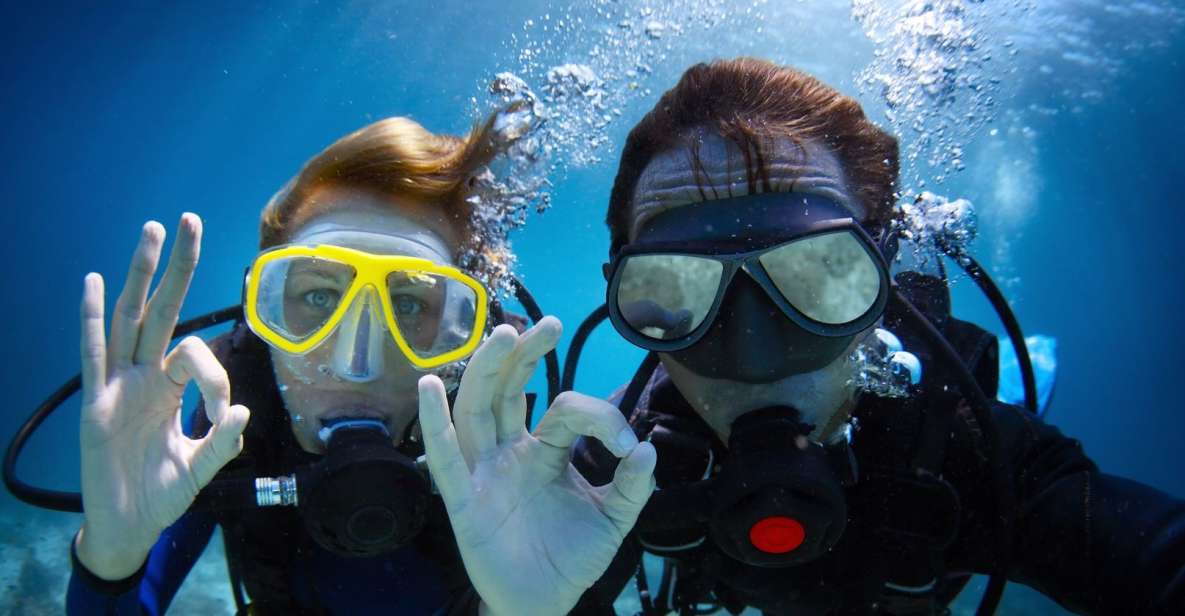
- Hand-signal communication taught before you enter the water
- Beach entry to make pressure changes easier to handle
- Photo/video souvenirs taken during your session
A Beginner-Friendly Underwater Try from Barcelona’s Beach
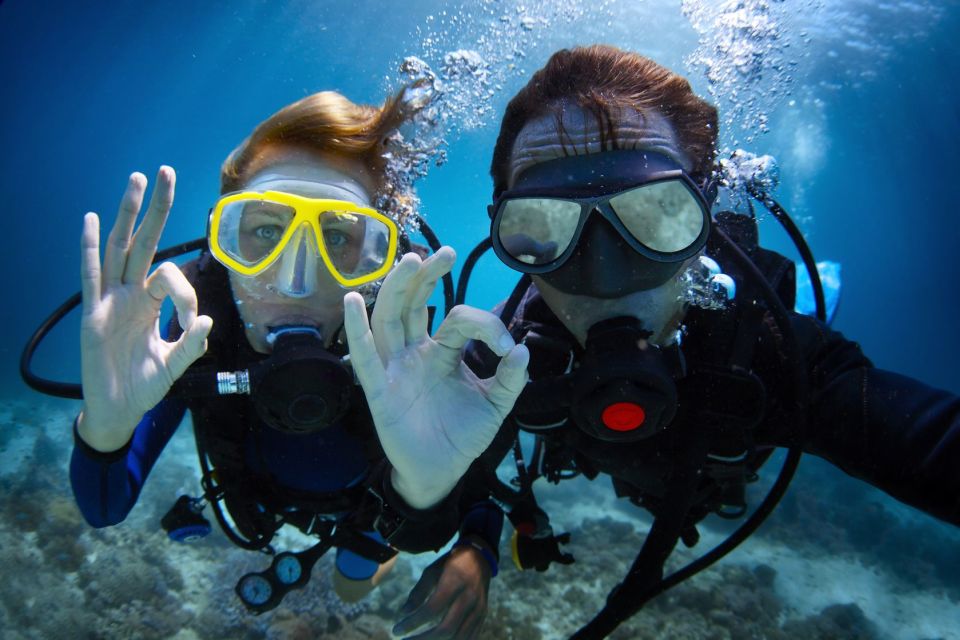
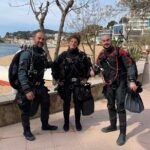
This is designed for people who have never gone underwater with scuba gear. You’re not thrown into the deep end—figuratively or literally. In about 2 hours total, you get a structured introduction that keeps you learning and doing, without rushing you.
Barcelona makes a nice setting for this because you can combine a city day with something very different. You start the experience in a private area and move to the water step by step, which feels both simple and safe for first-timers.
And yes, the cost is relatively approachable for what you’re getting. At $81 per person, you’re paying for equipment, an instructor, and the media from the experience, plus insurance. The main “extra” you’ll handle yourself is what to wear and bring (more on that soon).
You can also read our reviews of more scuba diving tours in Barcelona

The 35-Minute Gear Lesson and Hand-Signal System
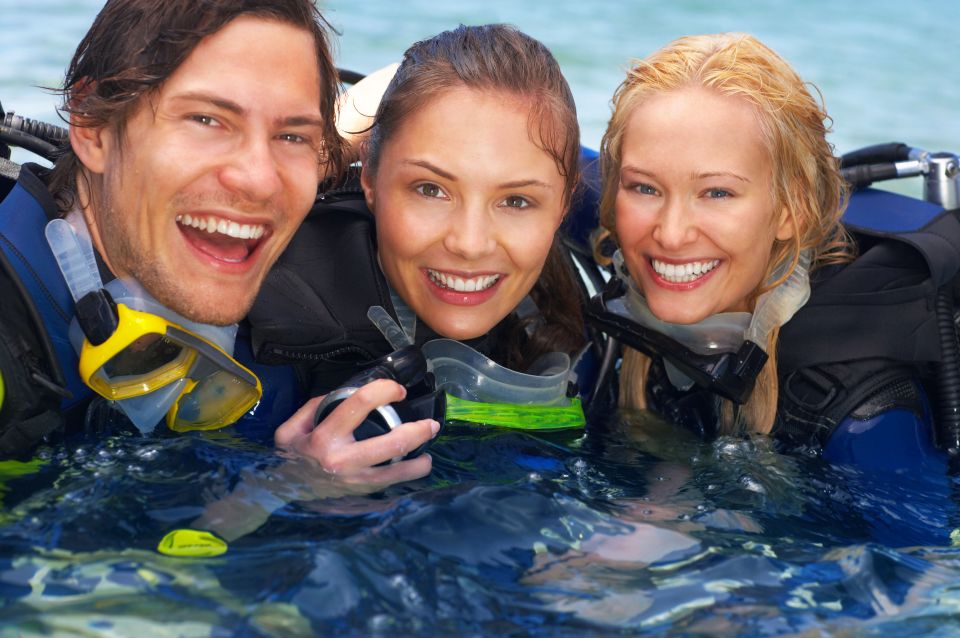
The session begins with a 35-minute briefing. This is the part that makes or breaks a first experience, and they treat it like training—not just paperwork.
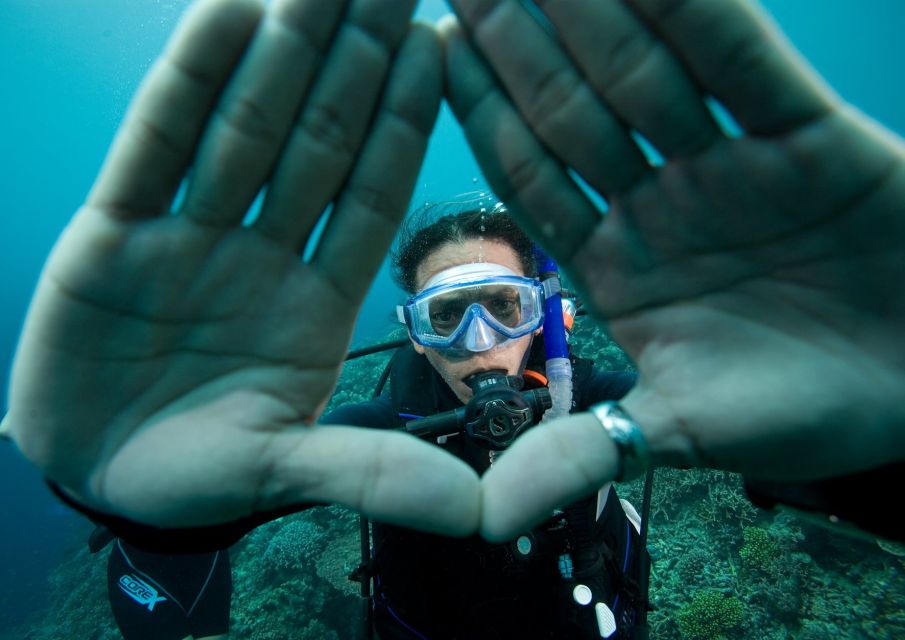
You’ll learn how the scuba gear works, and you’ll also practice how to communicate underwater using hand signals. That matters because once you’re in the water, you can’t rely on talking. The faster you understand the signals, the less you’ll spend time worrying and the more you can enjoy what’s in front of you.
A small but smart detail: they don’t push you straight underwater. Before you even enter the water, you’ll get fitted in a provided wetsuit and boots in the changing room. That means the first thing you do in water is focus on breathing and following instructions, not solving clothing and gear issues.
What Happens in the Water: Calm Steps, About an Hour Underwater
After gear and instruction, you get in the water and move through the session in clear stages. Guides break it up so you can get comfortable with each skill before moving to the next one. If you’re anxious, this pacing is a big deal—panic usually comes from not knowing what comes next.
You’ll start near the beach, which they build into the experience on purpose. Starting from shore gives you more time to get used to pressure changes in your ears. That doesn’t magically remove the physics, but it helps you acclimate more calmly.
In general, you can expect about one hour underwater. Your actual time depends on your breathing pace: if you breathe fast, you’ll use air faster. So the goal becomes simple—stay relaxed, breathe steadily, and let the tank last.
During the session, your guide also takes photos and videos. In many first-timer stories, that’s a huge part of the value. You don’t have to stop and fumble with your phone. You just do the experience, and they capture it.
Meet the Crew and Why Their Teaching Style Matters
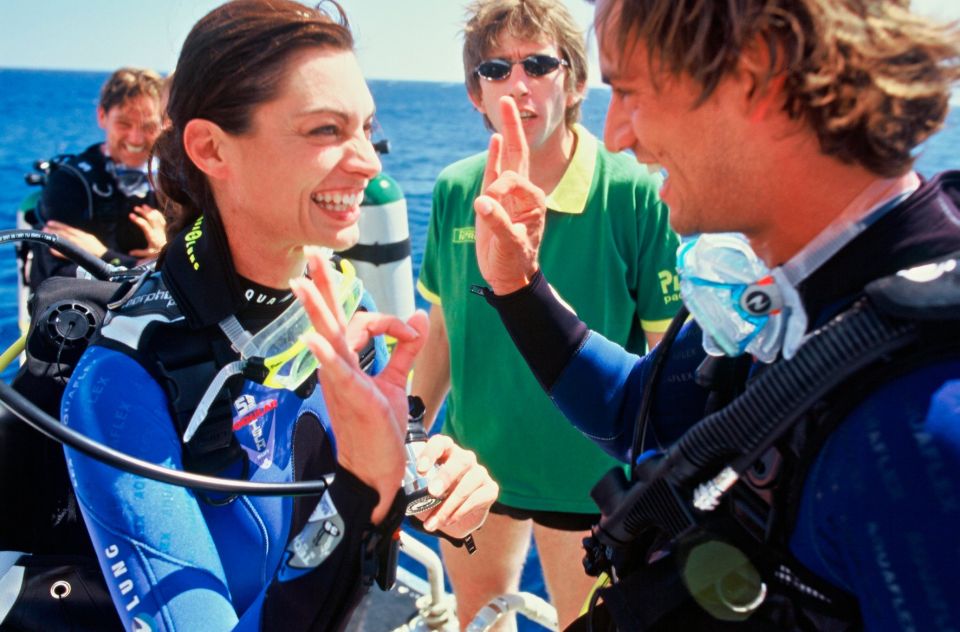
This activity stands or falls on the instructor. And here, the pattern is consistent: calm teaching, patient corrections, and constant check-ins.
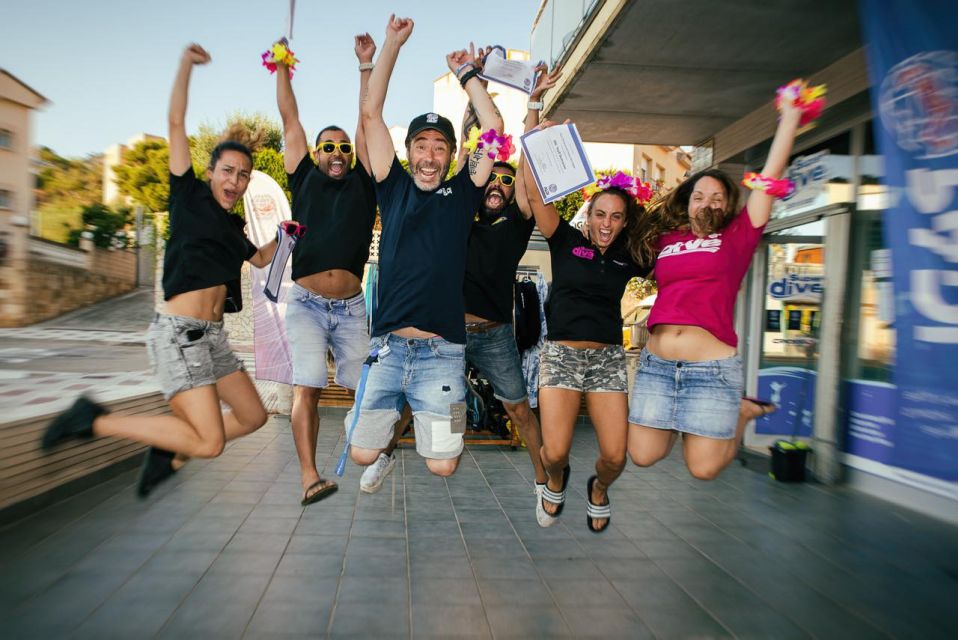
People repeatedly mention names like Pau, Lucas, Hugo, Wanda, Alex, David, Pol, Mitchell, Armando, Paul, Fernando, Johan, and Mai. The common thread across those instructors is straightforward: they keep you at ease and they explain what to do in a way that first-timers can actually follow.
That matters more than it sounds. When you’re new, your brain tries to do too much at once: breathing, movement, and remembering signals. Good instructors help you simplify the task. Some first-timers even described feeling overwhelmed at the start, then regaining confidence once the guide stayed close and reminded them what to do with arms, legs, and breathing.
If you’re someone who gets nervous in new situations, this is the kind of group activity where you can still ask questions and receive support quickly—especially because the group is limited to 6 participants.
Marine Life You May Spot Off Barcelona’s Coast
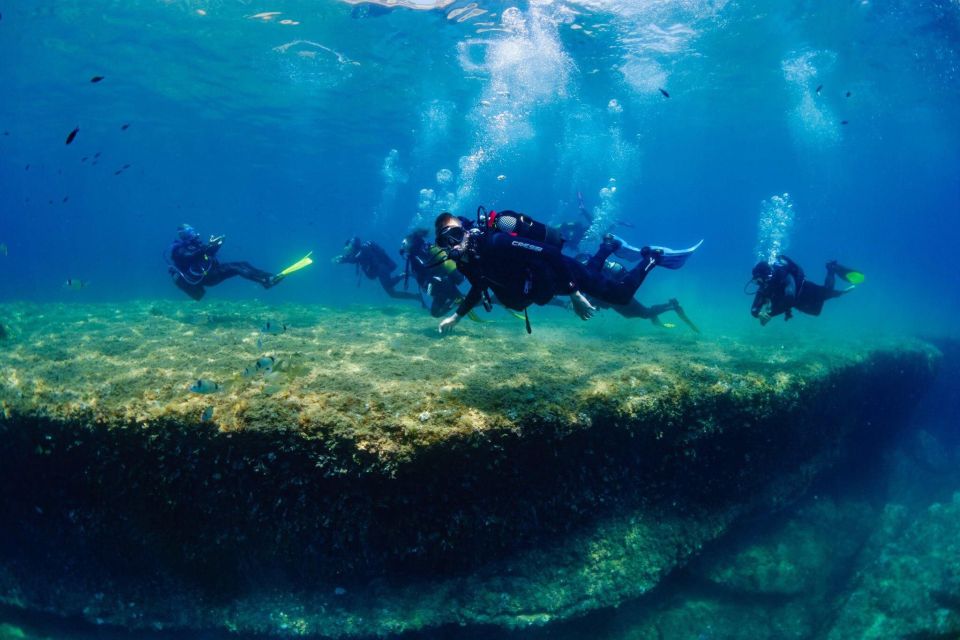
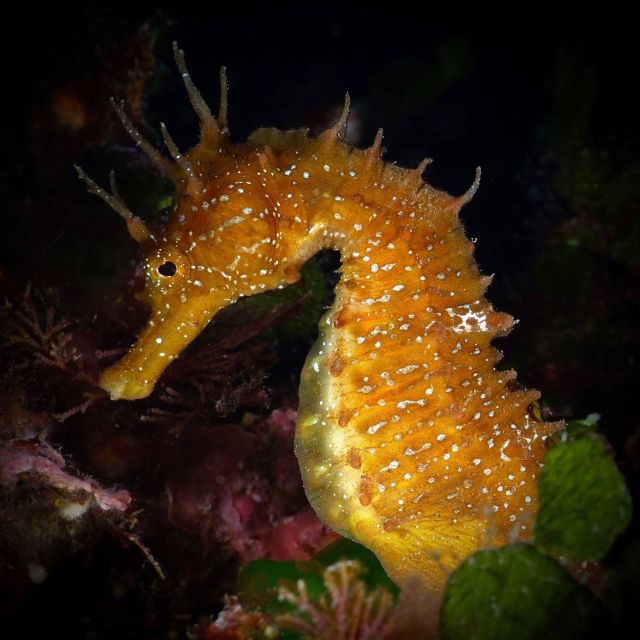
You’re not doing a safari, and you’re not promised specific sightings. But you should expect to see underwater life in their natural habitat.
Based on the experiences people share, common highlights include:
- Octopus sightings (including octopus activity near hiding spots)
- Colorful fish and other small marine animals
- Occasionally more unusual creatures like a sting ray
- Crustaceans and other underwater oddities that make first-timers go quiet for a moment
Visibility can vary. One note to keep realistic: water can be murky at times, which can make details less crisp. Even with murky water, the “wow” factor still comes from being able to move underwater with control and see creatures at close range.
If your dream is to identify every fish by name, you might not get that level of clarity. But if your dream is to experience real underwater life for the first time, the chance of seeing something memorable is solid.





Gear, Photos, and the Value of What’s Included
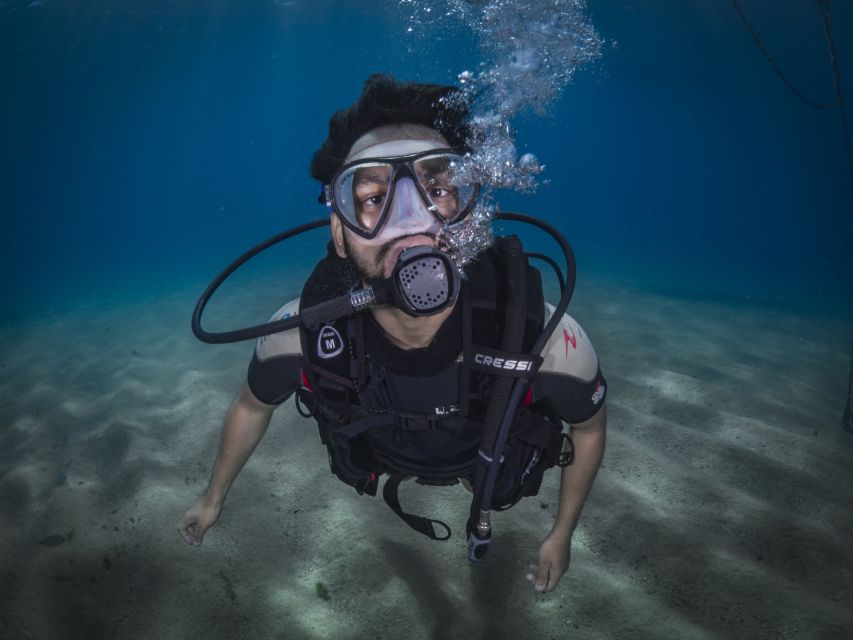
Here’s what you don’t have to scramble for:
- Scuba equipment
- Insurance included with the activity
- An instructor to run you through the session
- Video and/or photos from your time underwater
What’s not included is mostly about clothing and your personal tech. You’ll need to bring a swimwear and a towel. The wetsuit and boots are provided, but you still need to show up ready to change and get fitted comfortably.
One practical tip: bring a phone per person. You’ll need it for digital registration to do the activity. If you forget, that’s the kind of delay that turns a smooth start into stress.
As for the photos and videos, most people seem to receive souvenirs as part of the package. Still, if you’re planning to use the media for a milestone moment, don’t be shy about asking how the delivery works at the end of your session—just so you’re not waiting in the dark.
Price and What You Actually Get for $81
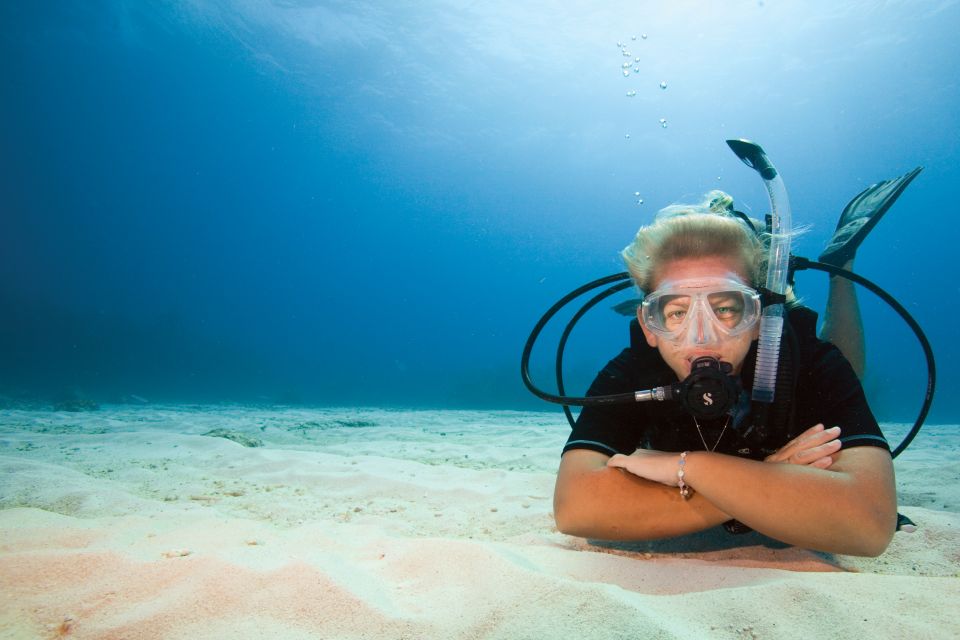
At $81 per person, the value comes from bundling multiple pieces that usually cost extra elsewhere: equipment, an instructor-led lesson, and your underwater media. You’re also covered by the insurance included in the package.
If you were to build this from separate vendors, you’d likely pay more for instructor time plus equipment plus the overhead of safety coverage. Here, you’re paying for a guided intro where the team handles the safety framework and the gear side.
Two things affect the “value” for you personally:
- Your comfort level as a beginner. If you calm down quickly, this feels worth every cent.
- Your expectations about underwater time. You’re in the water for about an hour, not all day. For many people, that’s perfect. For others, it can leave you wanting more.
Timing, Ear Pressure, and Flying Rules
Plan your day like a pro: arrive 15 minutes early. If you arrive after the start time, you won’t be allowed to participate, and there are no refunds or rescheduling for late arrival. That’s a hard rule, so build in time for travel and finding the spot.
When you get to the water, the session timing is built around comfort and pressure management. Starting from the beach gives you more time for your ears to adjust, which is especially important because this activity isn’t for people with ear issues.
There’s also an important travel rule after: you must not fly within 12 hours after the tour. If you’re flying the same day, double-check your schedule before booking.
The Meeting Point: The Fence With the Logo
The activity takes place in a private area, so you won’t just wander into a public beach setup and wing it. Go to the meeting point and then find the fence with the company logo.
When you arrive at that fence, call the number or wait until a guide comes to help you access the area. It’s a small detail, but it prevents the classic beginner mistake of showing up early and then feeling lost.
Who This Is For (and Who Should Skip It)
This is a beginner-friendly introduction, but it’s not for everyone.
You must be in good health and not be taking prescribed medications. It’s also not suitable for people with ear or lung issues, and it’s not meant for certain medical conditions. The listed examples include problems like stomach or intestine issues, back problems such as hernia, diabetes, asthma, neurologic injury or disease, and heart problems.
It’s also not suitable for:
- Pregnant women
- People with heart problems
- People with diabetes
- People with pre-existing medical conditions
If you’re on the fence because of a health concern, treat the rules as real safety boundaries. When it comes to pressure and breathing, “almost fine” isn’t the same as “cleared to go.”
Should You Book This Beginner Underwater Session in Barcelona?
If you want your first scuba-style experience to be guided, calm, and step-by-step, I think this is an excellent match. The strongest reasons to book are simple: a structured briefing, hand-signal communication training, close instructor support, and souvenirs in the form of photo or video.
Also, the small group size (up to 6) makes it feel less like a production line. If you’re even mildly nervous, that matters.
The main reasons not to book are also straightforward: you have ear or lung concerns, you take prescription meds, you have any of the listed medical conditions, or you know you’re the type who panics when visibility is unpredictable. On murky days, you can still have fun, but your expectations should adjust.
If you fit the health requirements and you’re ready for a beginner pace, book it. Then treat it like training: breathe steady, listen closely, and enjoy the fact that you’re learning a real skill in a very controlled setting.
FAQ
Is this experience really for first-timers?
Yes. It’s specifically recommended for scuba beginners, with a step-by-step briefing and guided support once you’re in the water.
How long is the activity?
The total duration is about 2 hours.
How much time will I spend underwater?
In general, you can stay underwater for about an hour, depending on how you breathe and how quickly you use air.
What do I need to bring?
Bring swimwear and a towel. You should also bring a phone per person for digital registration.
Do I need to buy or bring my own scuba gear?
No. Diving/scuba equipment is included.
Will I have photos or video?
Yes. The experience includes video or photos from your session.
What languages are available for the instructor?
The instructor can speak Spanish, English, French, Italian, and Catalan.
Where do we meet?
You’ll meet in a private area. Go to the meeting point and find the fence with the logo, then call or wait for a guide to let you access the area.
Can I fly soon after the activity?
No. You must not fly within 12 hours after the tour.
Who should not participate?
It’s not suitable for pregnant women, people with ear or lung issues, people with heart problems, diabetes, or other listed pre-existing medical conditions, and you can’t participate if you’re taking prescription medications.