REVIEW · BARCELONA
Barcelona: Museum of Illusions Entry Ticket
Book on GetYourGuide →Operated by BIG FUN MUSEUM | Touristcheck · Bookable on GetYourGuide
Your camera becomes part of the show. With a Museum of Illusions entry ticket in Barcelona, you get photo-ready optical tricks and hand-painted 3D artwork you can line up for convincing perspective shots.
I also like how playful the experience is for a wide range of ages, from kids to adults who secretly love a good visual trick. One drawback: it’s more about hands-on fun than museum-style learning, so if you want a quiet, serious gallery visit, this may feel a bit fast-paced.
In This Review
- Key takeaways before you go
- Museum of Illusions Entry Ticket in Barcelona: what you really get
- Timing, entry, and finding the right door
- The 3D illusion rooms: where the magic happens
- Photo tricks you can use on the spot
- Family-friendly fun (with adult payoff)
- Why this museum changes over time
- Pricing and value: is $17 a fair deal?
- Accessibility and who this works well for
- Should you book the Museum of Illusions ticket?
- FAQ
- Where do I show my voucher?
- How long is the ticket valid?
- Does the ticket include transportation?
- Is there a different entrance than the Big Fun Museum?
- Is the experience accessible for reduced mobility?
- Can I cancel for a refund?
- What’s included in the ticket price?
Key takeaways before you go
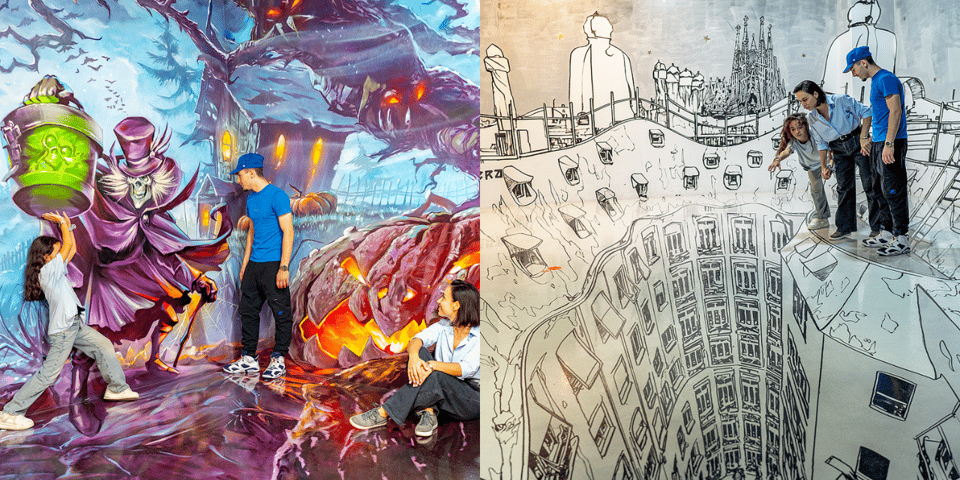
- Hand-painted 3D works: 3D scenes created by artists in Barcelona that are built for perspective photos.
- Classic illusion challenges: you’ll come across playful scenes like taming a dinosaur and looking into the Grand Canyon.
- Themed rooms for every age: lots of visual interaction, not just passive viewing.
- Great for social sharing: the best moments are the ones where you step into the illusion.
- Some paintings change over time: the museum updates and modifies certain works, so a second visit can be different.
- Double-check your entrance: the Museum of Illusions has a different entrance than the Big Fun Museum.
Museum of Illusions Entry Ticket in Barcelona: what you really get
This is a simple ticket to a single attraction: general admission to the Museum of Illusions in Barcelona. The price is $17 per person, and it’s valid for 1 day (you’ll want to check availability for the starting time options).
You’ll use your voucher at the entrance to the Museum of Illusions, and the visit ends back at the meeting point area. Transportation isn’t included, so plan on getting there on your own.
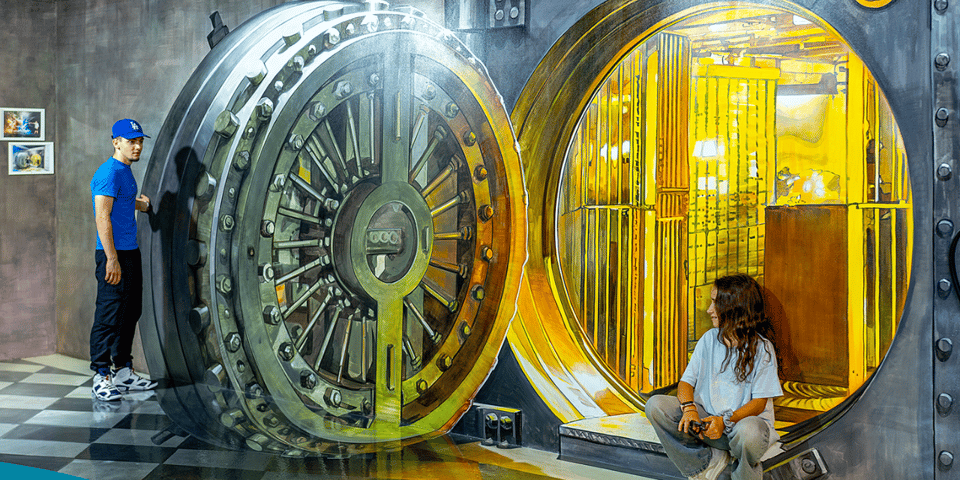
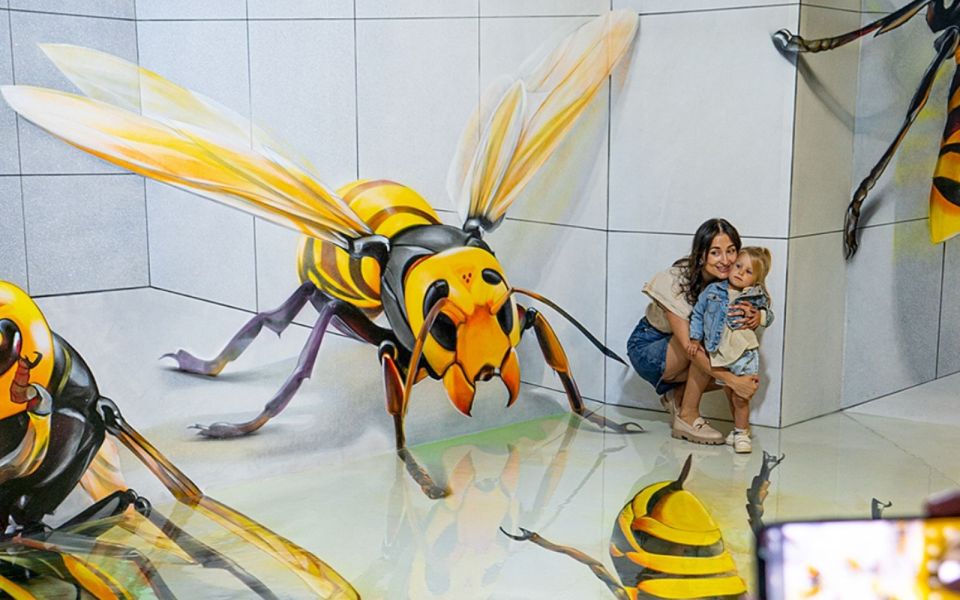
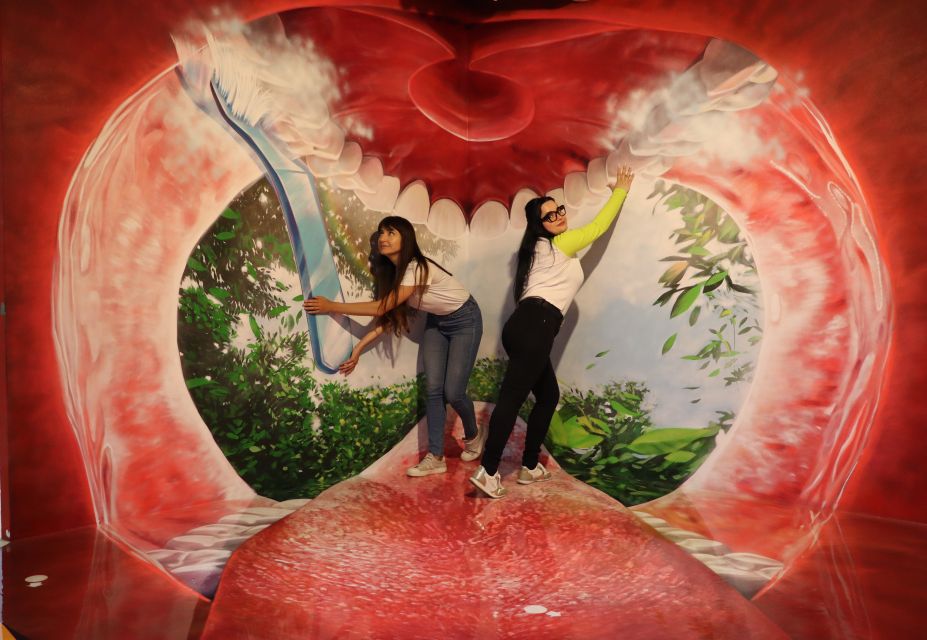
The heart of the experience is the museum’s gallery of illusion rooms—especially the 3D paintings that are meant to mess with scale and distance. You’re not watching a film or following a scripted tour. You’re playing with perspective, taking pictures, and trying to get the illusion to look “real” through your lens.
You can also read our reviews of more tours and experiences in Barcelona


Timing, entry, and finding the right door
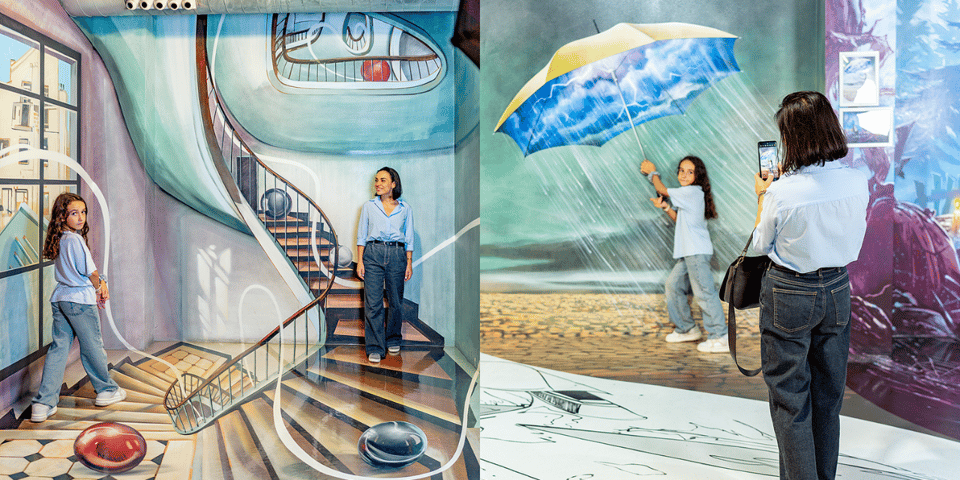
Because your ticket is valid for one day and comes with starting times (depending on availability), I recommend picking a time when you’re not rushing. Illusion photos take longer than you think, mostly because you’ll want a couple attempts to get the framing right.
Also, read up on one practical detail: the Museum of Illusions entrance is different from the Big Fun Museum entrance. That matters if you’re arriving in a hurry or you’re navigating from a nearby landmark. A five-minute mistake here can turn into a whole lot of standing around.
If you’re visiting as a family, pick a time that matches your kids’ energy. The museum is fun at any hour, but the experience works best when you’re not trying to keep tiny legs from melting down halfway through the photo rounds.
The 3D illusion rooms: where the magic happens
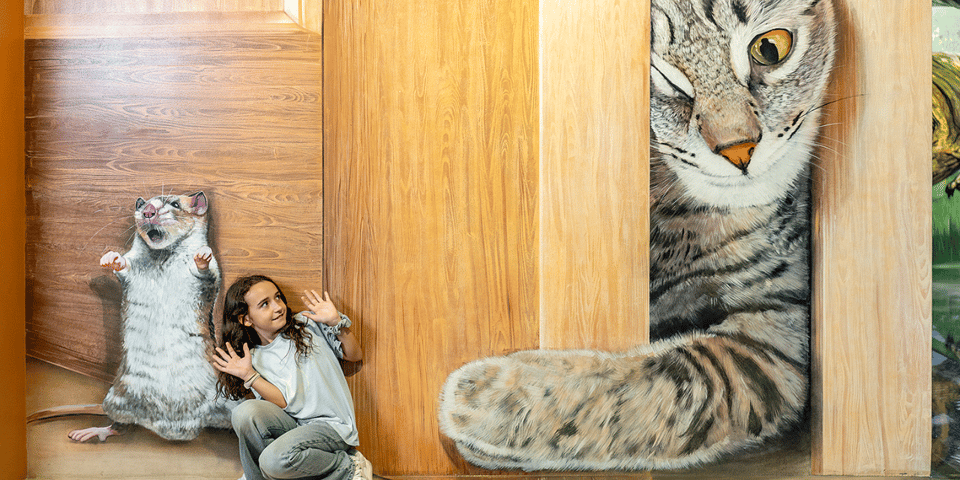
The Museum of Illusions is built around 3D artwork and optical tricks, and that’s what you should anchor your expectations on. The museum highlights 3D works painted by hand by top artists in Barcelona, and that craft shows in the way the scenes react to your position and camera angle.
Some scenes are meant to be playful and cinematic, like the chance to pose while “taming a dinosaur.” Other scenes are built around big, dramatic settings—like a Grand Canyon view—where the goal is to make you look like you’re really standing there.
Here’s the part that’s useful for your real-life visit: the best results come when you treat it like a mini photo session, not like a quick stop. Move slowly, try a couple angles, and give yourself room to step back and forth. Even if the illusion is pre-designed, your stance is part of the effect.
If you’re traveling with friends, this is one of those places where everyone ends up laughing at the same time—mostly because the photos can look convincingly real, yet also look hilariously wrong from the wrong angle.
Photo tricks you can use on the spot
Yes, you’ll want your camera. The museum basically begs for it. The highlight is using your phone or camera to interact with the illusions and create one-of-a-kind shots with friends and family.
I’d go in with a simple plan:
- Pick one person to “own” each scene while the others help with framing and timing.
- Take a wide shot first, then step closer and try again from a slightly different spot.
- If your first photo doesn’t look right, don’t panic. Change your distance or tilt just a bit. These exhibits are all about perspective cues.
Also, expect the museum to keep the experience playful. The illusions are meant to boggle your mind, but they also feel like a game. That’s a big part of why it works for kids who normally lose patience in traditional museums.
Family-friendly fun (with adult payoff)
The museum’s mix of optical exhibits and themed rooms makes it easy to keep multiple age groups engaged. Kids get their kicks from the bigger, cartoonish moments and the chance to be part of the scene. Adults usually enjoy the “wait, how did that happen?” effect and the fact that the museum turns into a selfie studio without being cheesy.
If you’re visiting with a family, this is a strong option because it’s not overly technical. You don’t need background knowledge about art history or science to enjoy the visuals. The experience is built so you can react in the moment—look, pose, laugh, repeat.
And there’s another practical upside: you can keep it flexible. Since you’re not on a strict guided route, you can spend more time where you’re having fun and move along when you’re ready.
You can also read our reviews of more museum experiences in Barcelona





Why this museum changes over time
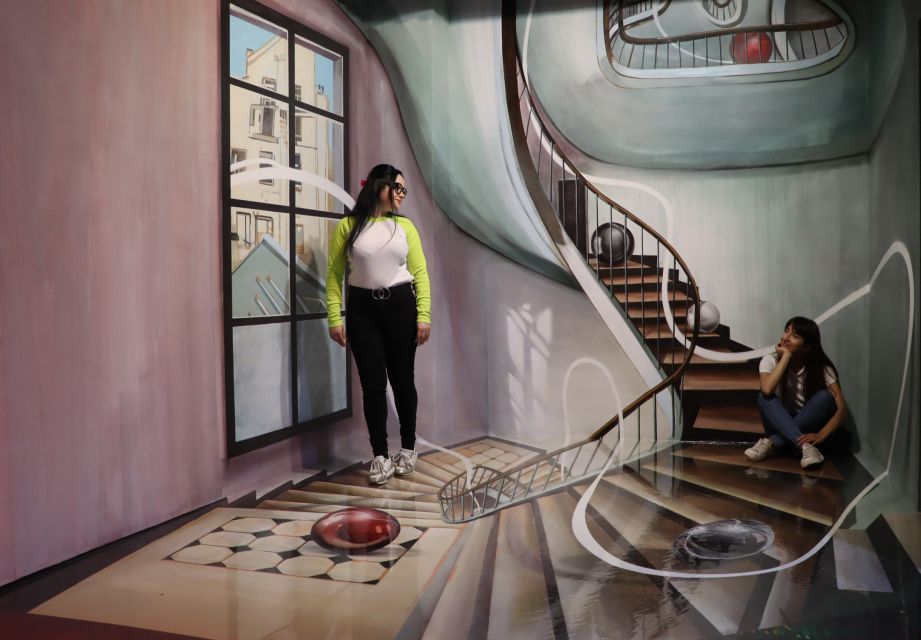
One of the smartest things about the Museum of Illusions is that it updates and modifies some paintings. That means your visit won’t necessarily be a carbon copy of what someone saw months ago, and it also makes repeat visits more likely to feel fresh.
For you, that translates to a simple expectation: don’t hunt for a specific scene as if it’s guaranteed to look exactly the same forever. The museum’s concept is stable—3D perspective and optical illusions—but the specific presentation can shift.
That’s also a reason the place stays popular. You’re not just ticking off a checklist. You’re experiencing a living set of visual tricks.
Pricing and value: is $17 a fair deal?
At $17 per person, the ticket price feels geared toward short, high-enjoyment attractions. You’re paying for admission to a playful space designed for photos and interaction, not for a long, lecture-style program.
Value comes from three things you get here:
- Photo payoff: a place where your visit produces shareable results.
- Multiple rooms: the museum offers a range of illusions and optical exhibits, so you’re not stuck on one gimmick.
- Family usability: it works across ages, which can save you from paying for separate activities for different group members.
So who gets the best value? People who like active sightseeing—taking part, trying angles, and enjoying a museum that treats fun as part of the design. If you’re the type who wants quiet contemplation or a deep dive into art context, you might feel like the experience ends sooner than you expected.
Accessibility and who this works well for
The museum is listed as accessible for people with reduced mobility. If accessibility is a key factor for your trip, this is worth noting because it suggests you can plan your visit without needing to hunt for special workarounds.
If you’re traveling with someone who may need an easier pace, this kind of attraction can be a good fit. You can take breaks and revisit the photo spots that feel easiest to manage.
Should you book the Museum of Illusions ticket?
Book it if you want an easy win in Barcelona: high photo fun, a strong mix of illusion rooms, and a museum experience that’s playful rather than stiff. It’s especially good for families, couples who like quirky attractions, and anyone visiting on a day when you want something light and memorable.
Skip it (or think twice) if your travel style leans heavily toward traditional museums and deep interpretive exhibits. This is about what your eyes do in the moment—and you’ll enjoy it most if you like stepping into the trick.
If you’re deciding between spending your time elsewhere, this is one of those spots that can turn an ordinary hour into something you’ll actually remember when you’re looking at your photos later.
FAQ
Where do I show my voucher?
Show your voucher at the entrance to the Museum of Illusions.
How long is the ticket valid?
The ticket is valid for 1 day. Starting times depend on availability.
Does the ticket include transportation?
No. Transportation is not included, so you’ll need to get there on your own.
Is there a different entrance than the Big Fun Museum?
Yes. The entrance for the Museum of Illusions is different than the one for the Big Fun Museum.
Is the experience accessible for reduced mobility?
Yes. The museum is accessible for people with reduced mobility.
Can I cancel for a refund?
Yes. You can cancel up to 24 hours in advance for a full refund.
What’s included in the ticket price?
The ticket includes general admission only.